Hakone’s volcanic ropeway and Lake Ashi pirate ship make this more than a standard Mount Fuji photo run. I like that the day pairs Owakudani’s steaming vents with the calmer spring ponds of Oshino Hakkai, and that a guide handles the long drives and connections between them.
The trade-off is time: seven stops fit into a 10.5-hour day, so visits are brief and traffic can cut them shorter. Mount Fuji views also depend on weather, and a cloudy day can hide the mountain altogether.
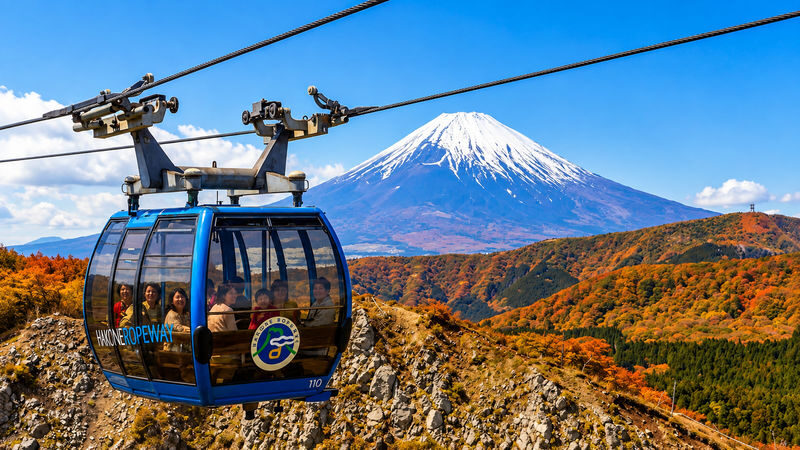
- Ride above Owakudani: The ropeway crosses a geothermal area where sulfurous fumes rise from exposed volcanic ground.
- Cruise Lake Ashi: A 30-minute sightseeing boat ride adds a change of pace and a view of the lake from the water.
- Pause at the Peace Torii: Hakone Shrine’s famous lakeside gate is a striking photo stop, but the visit is short.
- Look for swans at Lake Yamanaka: The 20-minute stop offers a chance to see them close to shore, with little time to linger.
- See Mount Fuji’s spring-fed ponds: Oshino Hakkai’s clear pools are fed by water filtered through volcanic ground.
- Check the ticket package: The ropeway is included, but the pirate ship is included only with one of the listed options.
- One day, two very different sides of Fuji
- Hakone Shrine and the Peace Torii
- Lake Ashi by pirate ship
- Over Owakudani by ropeway
- Swans and Mount Fuji at Lake Yamanaka
- Oshino Hakkai’s clear spring ponds
- Guides, pace and the realities of the road
- Who should book this Fuji and Hakone day trip?
- FAQ
- How long is the tour?
- Where does the tour return to?
- Is the pirate ship ticket included?
- Is the ropeway ticket included?
- What languages does the guide speak?
- How much time is allowed at each stop?
- Is Mount Fuji guaranteed to be visible?
- Can I bring luggage on the tour?
- What happens if I arrive late?
- The Best Of Hakone!
- More Boat Tours & Cruises in Hakone
- More Tours in Hakone
- More Tour Reviews in Hakone
- Not for you? Here's more nearby things to do in Hakone we have reviewed
One day, two very different sides of Fuji

This trip links Hakone, on the Kanagawa side of the route, with Lake Yamanaka and Oshino Hakkai in Yamanashi. You move from shrine and lake scenery to volcanic vents, then finish among ponds fed by Mount Fuji’s snowmelt. The appeal is variety, not a slow visit to any one place.
The 10.5-hour day begins around 7:30 or 8:00, depending on the departure arrangement, and returns to Tokyo around 18:00 or 18:30. You can choose a return at Shinjuku West Exit Mitsui Bank or Tokyo Station Marunouchi North Exit. Check the exact departure point and time on your booking, then arrive at least 10 minutes early. A missed departure is a costly way to start a day.
The group travels between stops by vehicle, with the pirate ship and ropeway adding two different rides along the way. That combination is one of the tour’s strengths: you see a broad sweep of the area without planning separate transport connections. The price starts at $49.29, a low entry point for a full day with round-trip transfers and the ropeway ticket. The value depends partly on the package you choose, since one option includes a pirate ship ticket and another lists only the cable car.

👉 See our pick of the 3 Best Spa And Hot Springs Experiences In Hakone
Hakone Shrine and the Peace Torii
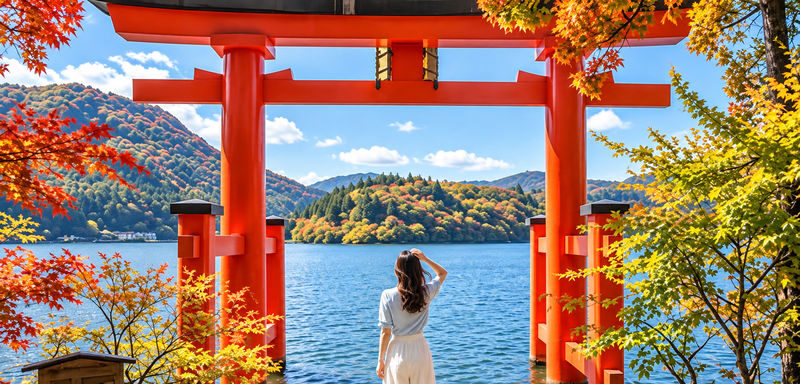
The morning begins at Hakone Shrine, on the shore of Lake Ashi. Founded in 757, the shrine is dedicated to Hakone Okami and is known for its vermilion torii gates. You have about 40 minutes to explore on your own, so expect a compact visit rather than a long, guided look at the shrine grounds.
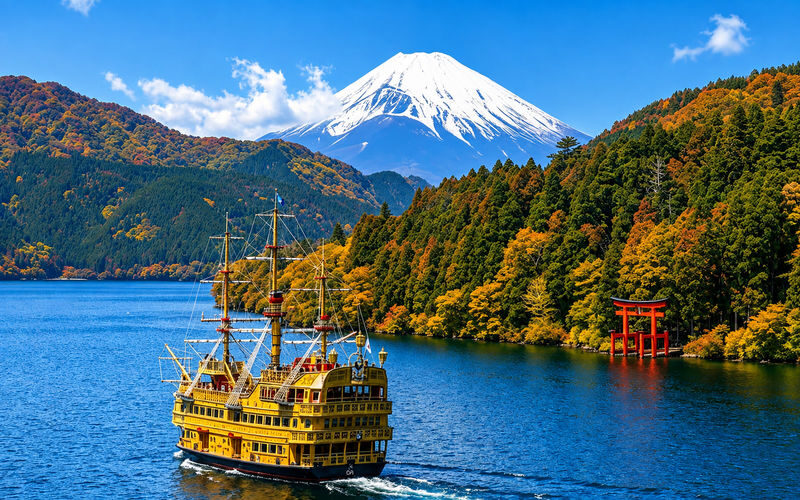
The Peace Torii, set in the water at the lakeshore, gets its own 20-minute stop. It is one of the area’s best-known photo subjects, with the gate framed by the lake and surrounding mountains. The queue for a picture can affect how much time you have to look around, so it makes sense to take your photos promptly and leave time to return to the meeting point.
The tour description promotes love fortunes and a memorable shrine visit, but the main confirmed draw is the shrine and its lakeside gate. Treat any fortune or charm as something to explore if time allows, not as a guaranteed part of the guided experience. The group does not include a dedicated shrine admission or fortune in its stated inclusions.
You can also read our reviews of more boat tours in Hakone


Lake Ashi by pirate ship
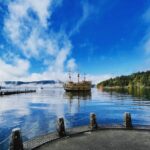
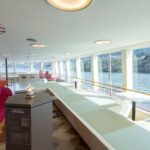
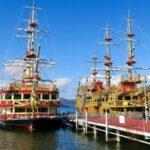
Next comes a roughly 30-minute cruise aboard the Hakone sightseeing ship, styled after an old European warship. The theatrical design may be a little kitsch, but the lake setting is real pleasure: fresh air on deck, wooded shores and a different angle on the surrounding mountains.
If Mount Fuji is visible, make your photos early in the ride. The ship changes direction, and Fuji may no longer be in view later. That practical tip matters on a short cruise, when it is easy to spend the first few minutes finding a place to stand and the rest of the ride wishing you had taken the picture sooner.
The ticket details need attention. One package includes both the ropeway and pirate ship tickets; another lists the cable car ticket only. The supplied details put the pirate ship admission at 1,700 yen and say a refund is issued if you cannot ride, while the ropeway ticket is described as a complimentary ticket with no refund or change if unused. Confirm the inclusions for your selected package before booking rather than assuming both rides are covered.
Over Owakudani by ropeway
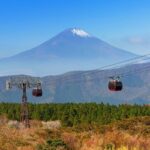
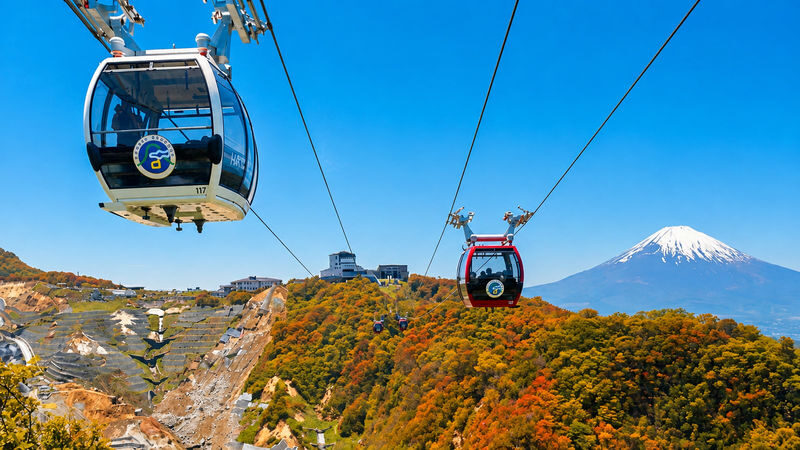
The Hakone Ropeway takes about 30 minutes and crosses the volcanic area around Owakudani. From above, you can see the exposed ground and fumaroles, with sulfurous steam rising from the earth. It is a striking change from the shrine and lake, and the aerial view helps explain why this area is known for its geothermal activity.
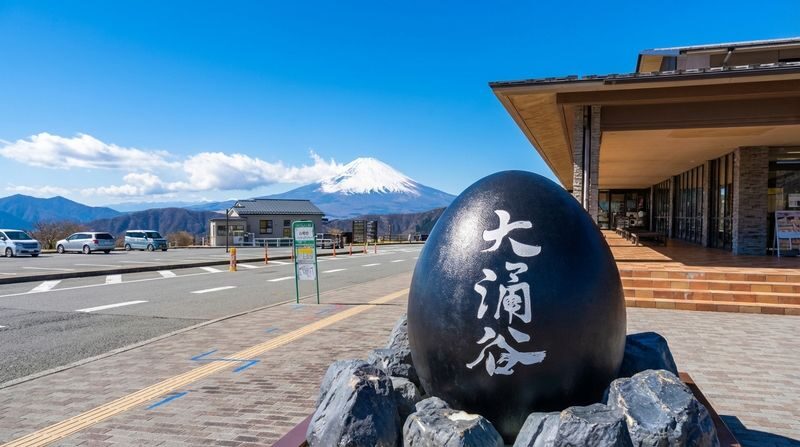
At Owakudani, you have around 40 minutes on the ground. The area formed after a volcanic eruption about 3,000 years ago, and its vents and hot springs make the force beneath Hakone visible. The sulfur smell is part of the setting, not a surprise malfunction. If you are sensitive to strong odors, be ready for that.
The famous black eggs are sold here, with a local legend that eating one adds seven years to your life. That is a legend, not a health guarantee, but tasting one is a fun local ritual if you want a snack. Volcanic mud masks are also mentioned as an on-site possibility, but they are not listed as part of the tour inclusions. With only 40 minutes, choose your priorities before wandering far from the meeting point.
Ropeway operations and access can be affected by weather or maintenance. The schedule may change, and the included ropeway ticket is not refundable if special circumstances prevent you from riding. The tour operator may adjust the sequence or time at stops when conditions require it.
Swans and Mount Fuji at Lake Yamanaka
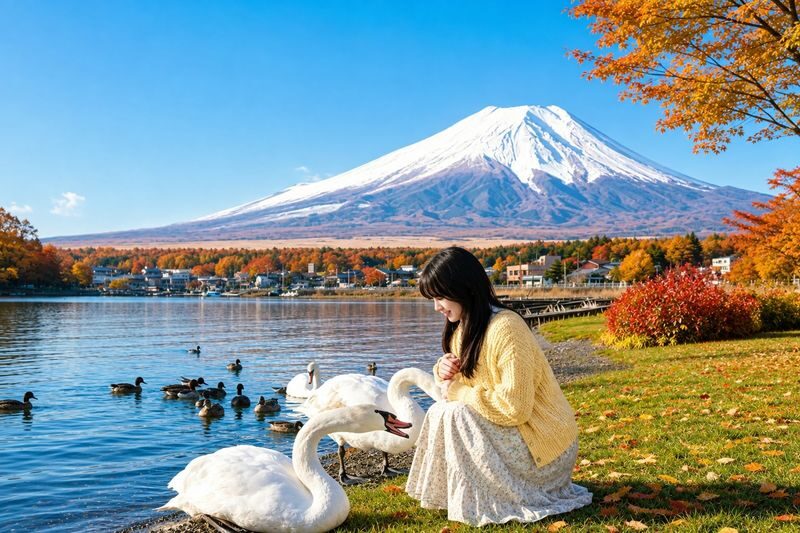
After Hakone, the route heads to Lake Yamanaka, the largest and highest of the Fuji Five Lakes. The stop is about 20 minutes, enough for a short lakeside walk, a look for swans and, if conditions cooperate, a view toward Mount Fuji. The tour promotes swan feeding, but no feed or boat ride is listed among the included services, so regard those as possibilities rather than guaranteed activities.
The lake is a good contrast to Hakone’s volcanic ground. It is broad and open, and swans may be close enough to make an appealing foreground for photos. Mount Fuji can look magnificent from this area on a clear day, but clouds can cover the mountain even when the rest of the day feels pleasant. There is no substitute stop or refund if weather blocks the view.
Do not plan on a long lakeside outing here. Twenty minutes passes quickly, especially if you stop for photos or look for a place to feed the birds. The tour is designed to give you a taste of several places, not time for a boat excursion or an unhurried walk around the shore.
Oshino Hakkai’s clear spring ponds
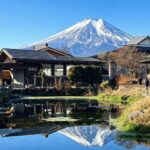
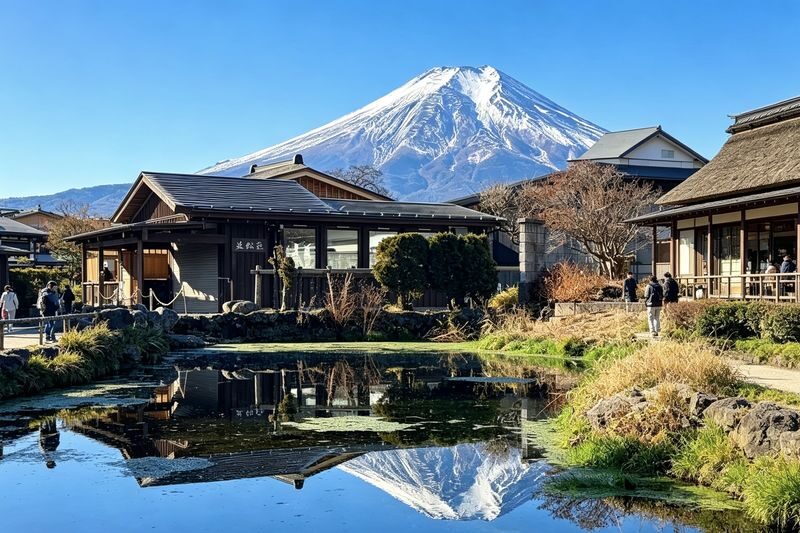
Oshino Hakkai is the final major stop, with about 40 minutes to explore. Its eight spring ponds are fed by Mount Fuji’s snowmelt, filtered through the ground over many years. The water is strikingly clear, and the small village setting feels very different from the wide lake and volcanic slopes earlier in the day.
The ponds stay around 13°C year-round. One spring is described as safe to drink, but do not assume every pond is for drinking or touch the water where signs prohibit it. The clear pools reward a slow look, though the 40-minute limit means you may need to choose which ponds and nearby stalls interest you most.
This is also the best place in the day to pick up a snack if you have not brought one, though the tour does not promise a meal stop. The schedule has a gap between Owakudani and Lake Yamanaka, but no meal is specified. Recent tour descriptions from the operator emphasize that the day is packed, and one useful bit of advice is to bring light food. Do not count on sitting down to a full lunch.
You can also read our reviews of more tours and experiences in Hakone


Guides, pace and the realities of the road
The guide can make a tightly timed day feel much easier. Guides named Will, Mandy, Sakuragi and Yaya have led these trips, with guests praising clear explanations, cultural context, humor and practical help with photo spots and meeting times. Tours are offered in English or Chinese; the operator may assign a driver who also serves as the attendant for a small group.
The recurring downside is the schedule. You may have enough time for a quick look and photos, but several stops are only 20 or 40 minutes. Some people find the pace reasonable and well managed, while others want longer at particular sights. If you prefer to linger, browse shops or take a long meal, an independent trip with fewer stops will suit you better.
Traffic is the biggest wild card. Weekends, holidays, flower season and autumn foliage periods can bring delays, and the operator may shorten visits or change the order. Return times are estimates, not promises. Do not book dinner, a flight or a Shinkansen connection for the same evening. Bad weather can also obscure Fuji or lead the operator to cancel the tour, with a decision in severe conditions made the day before.
The bus ride is a substantial part of the day. Some people find the vehicle comfortable, while others find it less so on long stretches. Bring a light layer, wear comfortable shoes and keep essentials with you. Luggage storage and delivery are not provided, and eating or drinking in the vehicle is prohibited.
Who should book this Fuji and Hakone day trip?
Book it if you want to see several headline sights in one day without arranging a car, rail connections and separate tickets yourself. It works particularly well for first-time visitors with limited time, families who can manage a full day, and anyone who likes mixing transport and scenery: shrine, boat, ropeway, volcano, lake and spring ponds.
Think twice if you want a relaxed pace, a guaranteed Mount Fuji view or substantial time at any one stop. The tour is weather-dependent, traffic-sensitive and built around a busy sequence. For the starting price, round-trip transport and ropeway access make it strong value, especially if your chosen option includes the pirate ship as well. If you book, arrive early, bring a snack, check your ticket package and take your Fuji photos while the chance is there.
Mount Fuji and Hakone Day Trip with Cable Car Experience – Lake Yamanaka Swan Boat & Oshino Hakkai Views & Torii Reflection & Owakudani Volcanic Wonder (From Tokyo)
“Even though the holiday weekend slightly compressed our time, the tour guide was very thoughtful with the explanations, and we had just about enoug…”
FAQ
How long is the tour?
The day lasts about 10.5 hours. Departure is around 7:30 or 8:00, with return to Tokyo listed around 18:00 or 18:30. Traffic can change the actual arrival time.
Where does the tour return to?
The listed return points are Shinjuku West Exit Mitsui Bank and Tokyo Station Marunouchi North Exit. Check the selected departure and return details before travel.
Is the pirate ship ticket included?
It depends on the package. One option includes both the ropeway and pirate ship tickets; another lists the ropeway ticket only.
Is the ropeway ticket included?
Yes, the package details list an Owakudani Ropeway ticket. It is described as a complimentary ticket that cannot be refunded or changed if you are unable to use it.
What languages does the guide speak?
The tour provides English or Chinese guided service. A small group may have a driver who also acts as the attendant.
How much time is allowed at each stop?
The schedule allows about 40 minutes at Hakone Shrine, 20 minutes at the Peace Torii, 30 minutes on the cruise, 30 minutes on the ropeway, 40 minutes at Owakudani, 20 minutes at Lake Yamanaka and 40 minutes at Oshino Hakkai.
Is Mount Fuji guaranteed to be visible?
No. Weather can hide the mountain, and the tour does not offer a refund or rescheduling because of poor views caused by weather.
Can I bring luggage on the tour?
Luggage storage and delivery services are not provided. The tour information does not specify a luggage allowance, so contact the operator if you need to bring bags.
What happens if I arrive late?
You must reach the designated meeting point at least 10 minutes before departure. The stated cancellation terms say no refund is available for participants who are 10 minutes late or more.