Ise’s appeal is its striking change of pace: one moment you’re among cedar trees at a major Shinto shrine, the next you’re beside the sea looking at two rocks linked by a sacred rope. I like that this trip brings together Ise Grand Shrine, Meoto Iwa and Okage Yokocho in a single day, and that the direct bus from Osaka saves you the work of piecing together regional transport.
There is time to sample local food in Okage Yokocho, too, including Ise udon and Akafuku sweets. The trade-off is a long day with fixed stops: you leave Osaka at 8:00 AM, and traffic or weather can change the schedule. I’d choose it for a broad first look at Ise, not for a slow, independent visit to every shrine building and shop.
- The day’s highlights at a glance
- From Osaka to Ise, without changing trains
- Ise Grand Shrine: forest paths and Shinto practice
- Okage Yokocho: lunch, sweets and old-town atmosphere
- Meoto Iwa: a sea view to close the route
- What the price covers, and what it doesn’t
- Guides, weather and the details worth checking
- Who should book this Ise day trip?
- FAQ
- What time does the tour leave Osaka?
- Where is the departure meeting point?
- Where does the tour return in Osaka?
- Which places are included in the day?
- Is lunch included?
- What does the tour price include?
- Is a specific guide language guaranteed?
- Does the tour run if only a few people book?
- Can I bring luggage on the bus?
- Is the return time guaranteed?
- The Best Of Osaka!
- More Tours in Osaka
- More Tour Reviews in Osaka
- Not for you? Here's more nearby things to do in Osaka we have reviewed
The day’s highlights at a glance
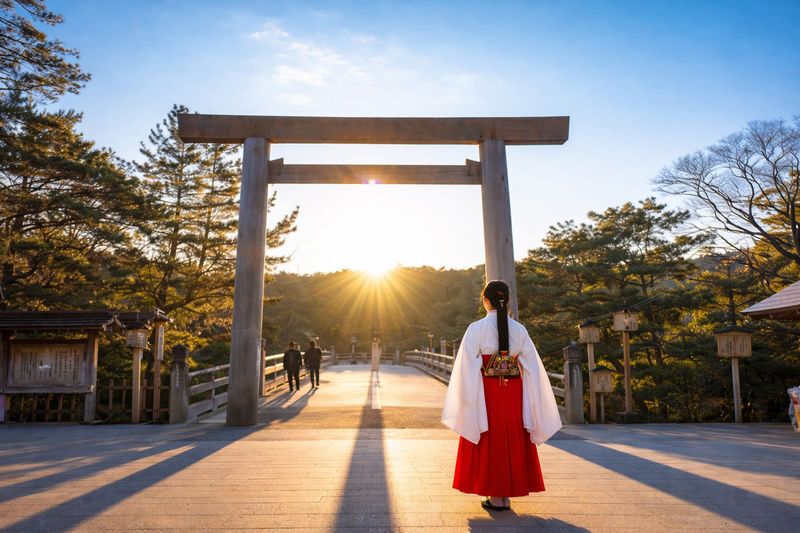
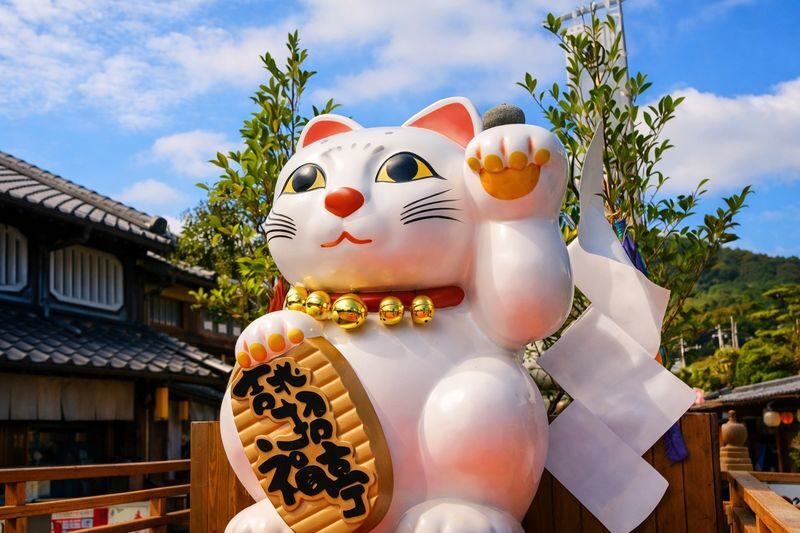
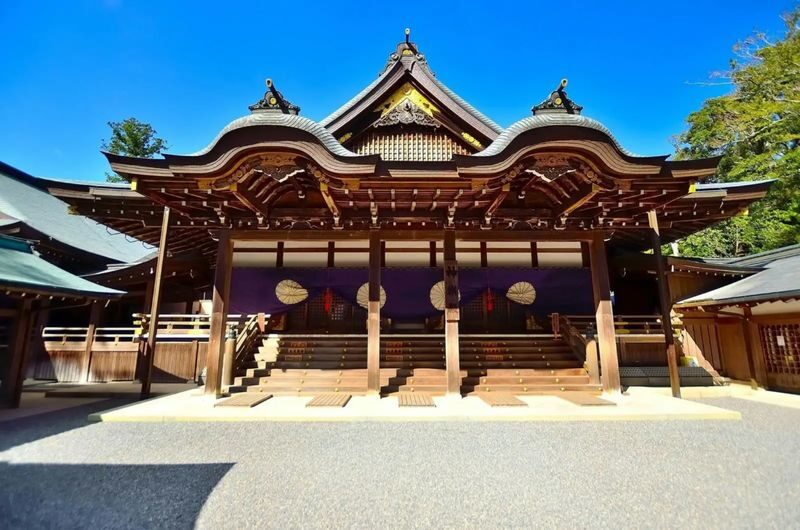
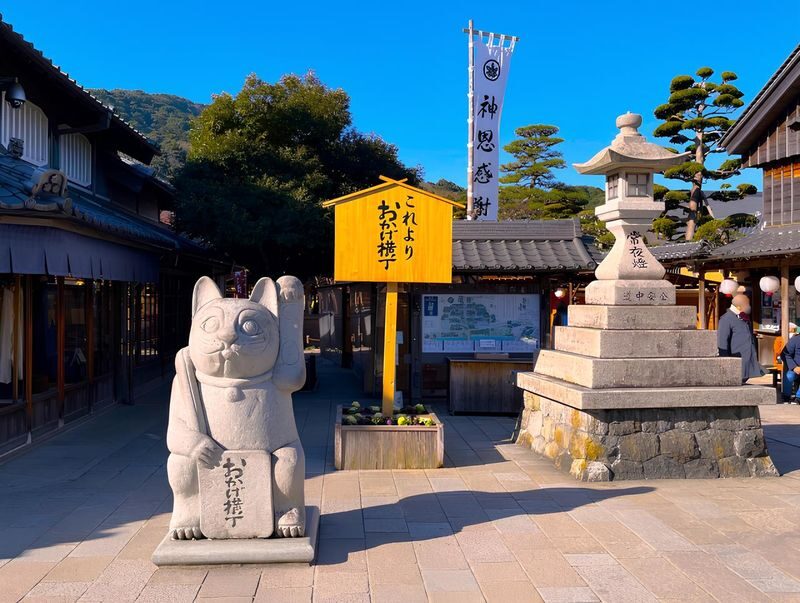
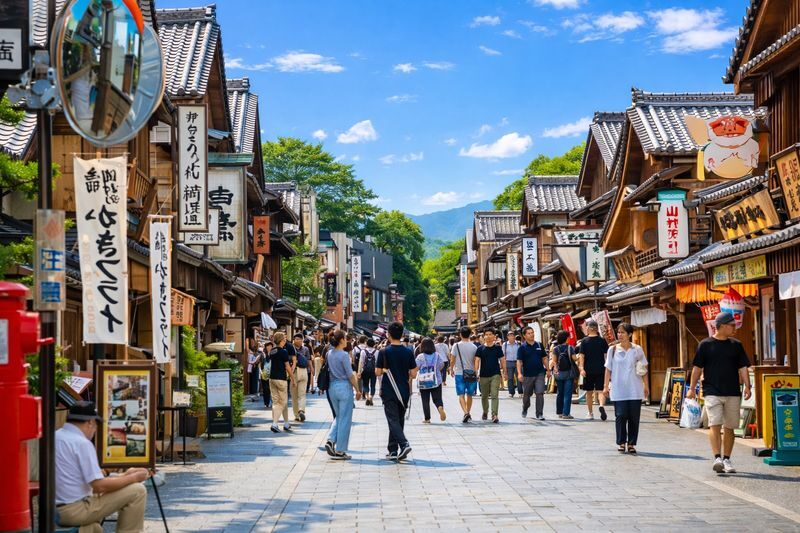
- The Uji Bridge marks a change of mood: It crosses the Isuzu River near Naiku, linking the everyday world with the sacred precinct.
- The Isuzu River offers a traditional purification setting: You can approach the clear riverbank instead of using the customary water pavilion.
- Okage Yokocho puts lunch and souvenir browsing in one place: Use the free time to try Ise udon, visit the Akafuku main store or look through the wooden-fronted shops.
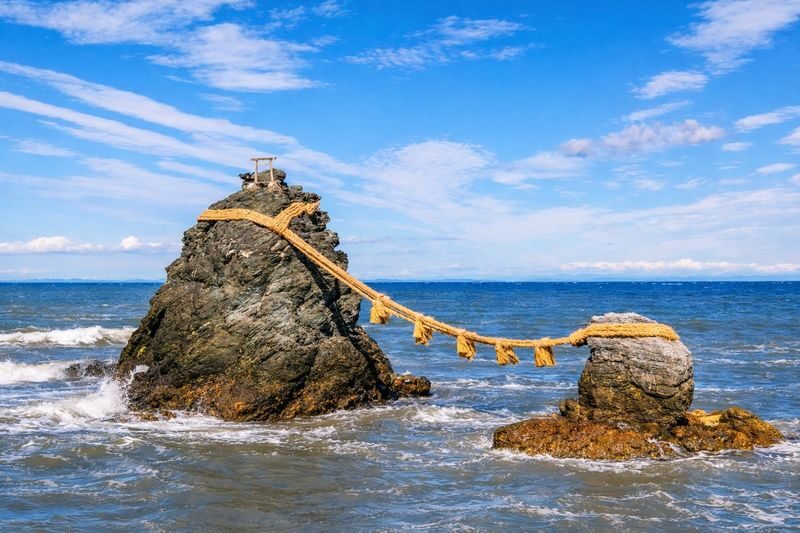
- Meoto Iwa makes a memorable final stop: Two coastal rocks joined by a shimenawa rope are associated with harmony and good relationships.
- A guide can make a difference on a busy day: Recent departures included guides Huahua and Xiao Xie. Xiao Xie arranged umbrellas from the bus during a sudden downpour.
- The low advertised fare comes with firm group-tour rules: The early-bird option starts at $53.99, but meals are extra, late arrivals miss the bus, and the tour needs at least six participants to run.
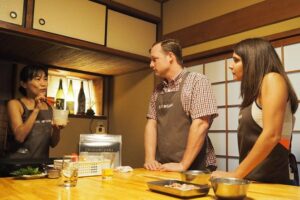
👉 See our pick of the 24 Best Workshops And Classes In Osaka
From Osaka to Ise, without changing trains
The bus leaves Osaka at 8:00 AM and heads for Ise in Mie Prefecture. That direct ride is the main practical advantage: you don’t need to plan train connections or navigate between the city and the stops yourself. The tour includes round-trip transport, tolls, parking, fuel and operator-provided insurance.
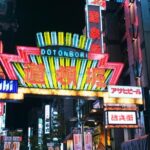
The named departure point is Toyouke Daijingu, also known as Ise Jingu Geku or the Outer Shrine. The return point is Kani Doraku Dotonbori East Store, with arrival in Osaka expected around 6:00 PM. The schedule also says the return journey is expected to start at 3:00 PM. These are estimates, not promises, so keep the evening free.
Arrive at least 15 minutes early. The group leaves on time and does not wait for latecomers, and there is no refund if you miss the departure. Look for staff in an Easy Go vest or with the Easy Go logo. The supplier is due to send the meeting details and guide contact information by 9:00 PM Japan time on the day before departure; check your spam folder if the message is missing.
Group size affects the vehicle and how the guiding works. For four to 13 participants, the service may use a driver-guide; from 14 to 45, it may use a driver and a separate guide. Driver-guides focus first on driving, so don’t expect continuous commentary on the road. The vehicle could be a car, van, minibus or larger bus, depending on the group.
The tour lists English, Chinese, Japanese, Korean and Italian as possible guide languages, but it does not guarantee a specific one. If you need a particular language, check with the supplier before booking rather than treating the list as a promise.
You can also read our reviews of more tours and experiences in Osaka.



Ise Grand Shrine: forest paths and Shinto practice
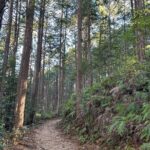
Ise Grand Shrine is the day’s spiritual centre. Naiku, the Inner Shrine, is dedicated to Amaterasu Omikami, a major deity in Shinto. The shrine is an important place of worship in Japan, and its setting among old trees gives the visit a quieter feel than the shopping streets later in the day.
The Uji Bridge is a useful first landmark. It spans the Isuzu River and is described as a boundary between the sacred and ordinary worlds. Pause here to look at the river and the surrounding trees before following the group into the shrine area. The tour highlights the bridge’s early light, but with an 8:00 AM Osaka departure and an arrival in Ise around 10:45 AM, you should not expect to see a sunrise there.
At the Isuzu River, the traditional purification practice can take place at the riverbank rather than at a temizuya, the water pavilion found at many shrines. The river is part of the visit’s appeal, but take care on the bank and follow the guide’s instructions. The tour may change outdoor activities if weather or other conditions make them unsafe.
At the main shrine, expect a respectful visit rather than entry into every sacred building. The worship area, white curtains and ancient trees are part of the experience, but shrine customs and access rules matter. Keep your voice low, follow signs, and give people who are there to pray room to do so.
There is a small point to clarify before you set out: the meeting address names Geku, the Outer Shrine, while the main description emphasizes Naiku, the Inner Shrine. The day’s details refer to Ise Grand Shrine and its attractions, but the exact shrine sequence is not fully spelled out. Confirm the stops in the supplier’s final message if visiting both precincts matters to you.
Okage Yokocho: lunch, sweets and old-town atmosphere
After shrine time, the mood shifts at Okage Yokocho. Its wooden buildings and Edo-style design make the street a pleasant place to stroll, browse local products and take a break from the bus. This is also the tour’s free lunch period, so the cost of food is not included.
Ise udon is the dish to look for. Its thick, soft noodles are served with a rich sauce, giving you a local specialty rather than an ordinary noodle lunch. The tour suggests Akafuku, a sweet made with soft mochi and red bean paste, at the company’s main store. A bowl of noodles and a sweet stop make a practical plan, but allow time for queues and browsing rather than trying to fit in every shop.
The free time is a plus because you can choose your own meal and pace. It also means there is no included restaurant or set menu, so bring enough yen for lunch, drinks and anything you want to buy. If you have dietary needs, check food choices in person; no special meal arrangements are specified.
Okage Yokocho can be busy, and the schedule may leave less time here if traffic or weather affects the day. Keep an eye on the meeting time and don’t wander far from the agreed return point. The bus will not wait for someone who loses track of time.
Meoto Iwa: a sea view to close the route
The final sightseeing stop is Futamiura Coast, where Meoto Iwa, or the Wedded Rocks, sit offshore. A sacred shimenawa rope joins the rocks, which symbolize harmony and good relationships. It’s a simple but memorable sight: natural forms, sea air and a strong Shinto connection.
The tour suggests standing slightly to one side for a better photograph and keeping the horizon level. That’s useful advice if you want a clean shot without a crowd of other visitors in the frame. The sea and weather shape the view, so conditions can look different from one day to another.
The stop is scheduled for about 2:15 PM, with the return journey expected to begin around 3:00 PM. That makes this a concise visit, not a long coastal walk. If the sea is rough or the weather turns, the operator may adjust outdoor activities or change the order of stops for safety.
What the price covers, and what it doesn’t
The early-bird package starts at $53.99, while the Classic Day Trip option starts at $123.75. Prices can vary by package and date, so check the option selected before paying. At the lower advertised fare, the value is strongest if you want transport and a guided outline of the day without arranging each leg yourself.
Round-trip transfers, tolls, parking, fuel, a guide and operator-provided insurance are included. Meals, drinks, tips and personal purchases are not. In practice, budget extra for lunch, Akafuku, souvenirs and anything else you pick up in Okage Yokocho.
There’s a minimum of six participants. If the tour does not reach that number, the operator may offer another date or a full refund. The fare is also tied to the date on your booking. A change of date without approval may mean an extra charge or refusal of service, so don’t assume you can simply turn up another day.
The supplier, Japan Holiday (Osaka), has a reported 93% good review rate across more than 107,000 reviews. That figure covers the provider overall, not just this Ise tour. The tour itself has a very small number of ratings, so I would not use those alone to predict every departure.
Guides, weather and the details worth checking
Guide care can matter when a long day meets bad weather. Xiao Xie, a guide on a recent departure, arranged umbrellas from the bus when a sudden downpour arrived and looked after the group during the trip. Huahua was also associated with a departure, with a friendly and professional manner noted. These names are useful context, not a guarantee of who will lead your tour.
The itinerary can change because of traffic, weather, crowds or other conditions. The order of stops may shift, and the operator may reduce or adjust activities in exceptional circumstances. The scheduled times are estimates, so don’t book a tight evening connection or an appointment soon after the expected 6:00 PM return.
Each person may bring one standard-sized piece of luggage, with a stated maximum of 29 inches. Extra luggage may cost 2,000 yen per piece and must be declared in advance; the driver-guide may refuse additional baggage if it exceeds vehicle capacity. Strong-smelling food and ice cream are not allowed on the bus.
Children aged zero to two travel free, but they must be declared in advance and do not receive a seat, so a guardian must hold them throughout. Children aged three and older pay the adult rate. Child seats are unavailable, and anyone using a wheelchair or mobility equipment must be accompanied.
Who should book this Ise day trip?
I’d recommend this tour if you’re staying in Osaka, have one day for Ise and want a guided introduction to its major sights without managing regional transport. It is particularly useful for a first visit: you get a shrine, a local food stop and a coastal landmark in a single route.
It is less suited to anyone who wants a leisurely shrine visit, a long lunch or full control over timing. You’ll share the bus, follow the group schedule and need to accept that traffic or weather may shorten a stop. If you want to explore at your own pace, consider travelling independently or choosing a tour with more time at fewer places.
Book it for convenience and variety, especially if the early-bird price is available and the fixed schedule suits you. Before committing, verify the exact shrine stops, guide-language expectations and meeting point in the final supplier message. That small check can make a long day feel much better organized.
Ise Grand Shrine visit, Futamiura Meoto Iwa (Wedded Rocks), and Yokocho Old Street stroll one-day tour (departing from Osaka)
“Tour guide Huahua leads groups with professionalism and a friendly smile. 👍👍”
FAQ
What time does the tour leave Osaka?
Departure is scheduled for 8:00 AM. Arrive at least 15 minutes early, since the group leaves on time and does not wait for late arrivals.
Where is the departure meeting point?
The stated meeting point is Toyouke Daijingu, also called Ise Jingu Geku or the Outer Shrine. Check the supplier’s final message for the confirmed meeting details.
Where does the tour return in Osaka?
The stated return point is Kani Doraku Dotonbori East Store. Arrival is expected around 6:00 PM, but traffic and weather can cause delays.
Which places are included in the day?
The tour features Ise Grand Shrine, Okage Yokocho and Meoto Iwa at Futamiura Coast. The shrine details name both Naiku and the Geku meeting address, so confirm the exact shrine sequence before departure.
Is lunch included?
No. Meals and beverages are not included. You have free time at Okage Yokocho, where Ise udon and Akafuku are suggested options.
What does the tour price include?
The listed inclusions are round-trip transfers, toll fees, parking fees, fuel, a guide and insurance provided by the operator. Personal expenses, meals, drinks and tips are extra.
Is a specific guide language guaranteed?
No. English, Chinese, Japanese, Korean and Italian are listed as possible languages, but the supplier does not guarantee a particular language for each departure.
Does the tour run if only a few people book?
The minimum group size is six. If it is not met, you may be offered an alternative date or a full refund.
Can I bring luggage on the bus?
Each person may bring one standard-sized piece of luggage, with a stated limit of 29 inches. Extra pieces may cost 2,000 yen each and should be declared in advance.
Is the return time guaranteed?
No. The expected arrival time is around 6:00 PM, but traffic, weather and other conditions can change the schedule. Avoid arranging another activity immediately after the tour.