Tokyo’s temple lanes, Fuji’s lakeside views and Hiroshima’s Peace Memorial sites all fit into one trip, with Kyoto, Nara and several historic towns in between. This is a sights-first route for people who want a broad introduction to Japan without arranging every hotel, transfer and admission on their own.
I like the contrast between the modern city stops and the quieter cultural ones, especially Tokyo Skytree followed by Meiji Shrine, and the Fuji area followed by a night at a ryokan. I also like that the route includes Himeji Castle, Kurashiki and Miyajima, not just the biggest cities.
The trade-off is pace. Some visits are brief, the group can be large, and guides and tour companions may change along the way. If you want long, unhurried time at each temple or a single guide for the whole trip, this may feel more like an efficient sampler than a deep stay.
- Key points to know before you book
- A fast route through Japan’s greatest hits
- Tokyo: temples, towers and a Shinjuku evening
- Mount Fuji and Kawaguchiko: views with a weather caveat
- From Iyashi no Sato to Kyoto: a long day on the road
- Kyoto: the big sights in a single day
- Nara and Osaka: a giant Buddha, deer and neon
- Himeji, Okayama and Kurashiki: castles and old streets
- Hiroshima and Miyajima: history, memory and the sea
- Back to Tokyo by bullet train
- Guides, group size and the real pace
- Is ,438 good value?
- Should you book this Japan tour?
- FAQ
- Are flights included in the price?
- How long is the tour?
- Which months have departures?
- What language is the tour guided in?
- How large can the group be?
- Is the Mount Fuji Fifth Station visit guaranteed?
- Is a traditional Japanese room included?
- Are twin beds guaranteed?
- Which meals are included?
- Is the tour suitable for someone with limited mobility?
- The Best Of Tokyo!
- More Tours in Tokyo
- More Tour Reviews in Tokyo
- Not for you? Here's more nearby things to do in Tokyo we have reviewed
Key points to know before you book
 1 / 10
 2 / 10
 3 / 10
 4 / 10
 5 / 10
 6 / 10
 7 / 10
 8 / 10
 9 / 10
 10 / 10
- Tokyo Skytree admission is included to the Tembo Deck, 350 meters above the city.
- The Mount Fuji day includes a Lake Kawaguchiko boat ride and a drive to the Fifth Station when weather and road conditions allow.
- Kyoto’s major sights are packed into one day, including Arashiyama, Fushimi Inari, the Imperial Palace and the Golden Pavilion.
- Hiroshima and Miyajima share a full day, with the Peace Memorial Museum and ferry access to Itsukushima Shrine.
- Groups can range from 2 to 72 people, and the guide or group may change during the trip.
- The starting price is $3,438, with flights and activities beyond the included program extra.

👉 See our pick of the 25 Best Guided Tours In Tokyo
A fast route through Japan’s greatest hits
This 10-day tour starts and ends in Tokyo, crossing central Honshu by coach and returning from Hiroshima on the bullet train. Along the way, you see Mount Fuji, Kyoto, Nara, Osaka, Himeji, Okayama, Kurashiki and Miyajima. It is a generous sweep of the country for a short holiday, but the number of stops means you should expect early starts, road time and limited time at some sites.
Europamundo includes hotel stays, breakfast buffet, arrival transfer, basic travel insurance and many of the major admissions. The price is from $3,438, based on the cheapest room, but airfare is not included. Selected meals are also covered: dinners in Tokyo, Kawaguchiko and Hiroshima, and lunches in Nara and the Himeji area. The daily program also describes lunch on Miyajima, so check the final meal details for your specific departure.
The accommodation is described as four-star, but that label does not mean luxury or identical rooms. Hotels are chosen for a balance of quality, price and location, and may sit outside the central districts, with public transport nearby. Room sizes, beds and standards vary. In Japan, a compact room is not necessarily a problem, but it is worth keeping expectations practical.
You can also read our reviews of more tours and experiences in Tokyo.
Tokyo: temples, towers and a Shinjuku evening
After landing, a shared shuttle takes you to your hotel. Day one is otherwise free, which is useful after a long flight. Your first full day is a roughly seven-hour guided city tour, followed by an evening visit to Shinjuku.
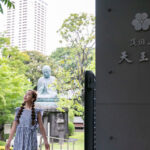
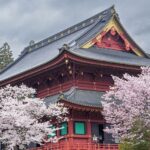
At Zojoji Temple, you get a close look at the rows of Jizo statues, small stone figures often dressed in knitted hats and bibs, with Tokyo Tower rising behind them. It is a memorable pairing of old and new Tokyo, and one of the tour’s better photo stops. Shibuya Crossing comes next, but you see it from the bus rather than crossing on foot with the group. If that famous scramble matters to you, return on your own during free time.
Meiji Shrine offers a change of mood. Its forested grounds sit within the city, and the walk helps break up the parade of urban views. At Tokyo Skytree, admission to the Tembo Deck is included. The view gives you a useful sense of the city’s scale, though visibility depends on the weather. If conditions block access, the operator says it will offer an alternative city viewpoint.
Asakusa brings the tour to Sensoji Temple and Nakamise Street, where shops line the approach to the temple. You also pass through Akihabara and Ginza by bus, so treat those as glimpses rather than proper visits. Later, a guide takes the group by subway to Shinjuku for a walk and included dinner at a local restaurant. That evening gives you a first taste of Tokyo after dark without needing to navigate the rail system alone.
There is not much free time built into the Tokyo sightseeing day. Several people who have taken earlier departures recommend adding time before or after the tour if you want to explore neighborhoods at your own pace.
Mount Fuji and Kawaguchiko: views with a weather caveat
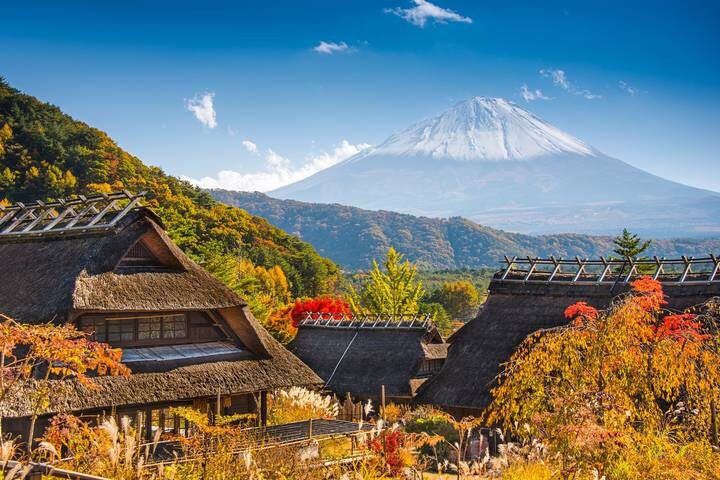
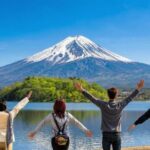
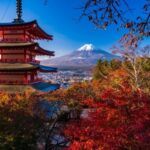
On day three, the coach heads toward Mount Fuji, stopping at Arakurayama Sengen Park for a well-known view of the mountain and its pagoda. This is a prime photograph stop, but Fuji often hides behind clouds. A clear view is a bonus, not something anyone can promise.
In Kawaguchiko, the group visits Fuji Sengen Shrine, takes a boat ride on the lake, then travels to Mount Fuji’s Fifth Station at 2,305 meters. The elevation brings a different perspective from the lakeside, with forests and mountain slopes along the way. In winter, snow or poor conditions can close the upper road, and the coach goes only as far as permitted.
The night is planned at a ryokan, with an onsen bath and dinner included. This is the tour’s best chance to experience a traditional inn, but a Japanese-style room with tatami mats is not guaranteed. Some rooms are Western-style, and the operator may substitute a Western-style hotel. If sleeping on a futon is important to you, confirm the arrangement rather than assuming it.
From Iyashi no Sato to Kyoto: a long day on the road
Day four combines a restored village, a waterfall, the Toyota Museum in Nagoya and a drive to Kyoto. Iyashi no Sato Nenba was rebuilt as an open-air museum after a typhoon destroyed the original village in 1966. Its traditional houses now hold craft shops, restaurants and cultural displays. It is a more grounded stop than another major temple, though the visit is still part of a full travel day.
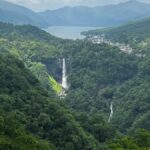
Shiraito Falls drops about 20 meters over a rock face, then the coach continues to Nagoya for the Toyota Museum. The museum adds a modern-industrial note to a route otherwise heavy on shrines and historic sites. Admission is included. The final drive to Kyoto makes this one of the more tiring days, so keep snacks and water handy and do not expect a long evening to explore after arrival.
Kyoto: the big sights in a single day
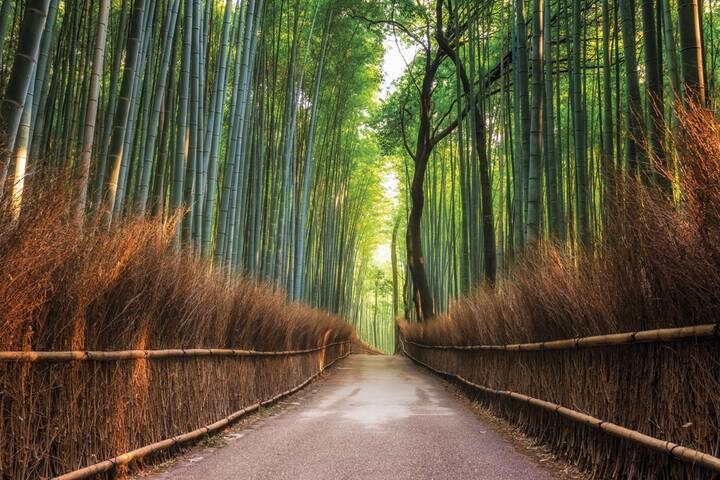
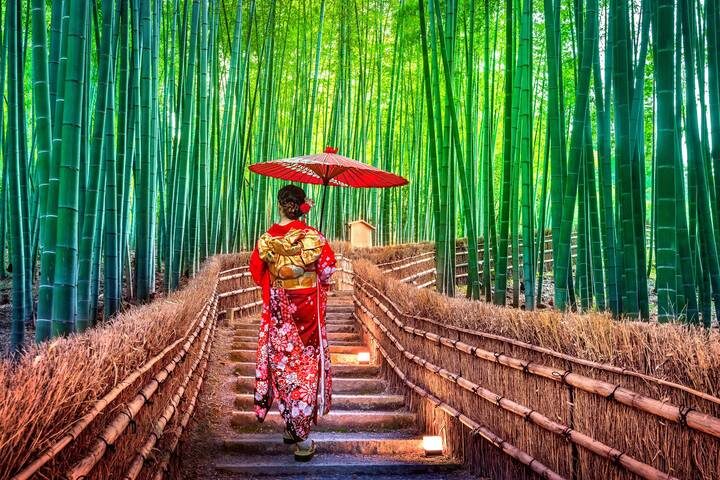
Kyoto gets one full sightseeing day, and the schedule is ambitious. In Arashiyama, you see Togetsukyo Bridge and Tenryuji Temple, then walk through the famous bamboo grove. The path can be crowded, and the visit is not a quiet nature retreat, but the tall stalks make a striking change from the city streets.
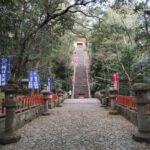
Fushimi Inari Shrine, with its many red torii gates, is another major stop. The itinerary also includes the Imperial Palace and Kinkakuji, the Golden Pavilion, set beside its garden pond. The order may vary, and with four major areas on the schedule, time at each can be short. If you want a longer walk through Fushimi Inari or more time in the gardens, you may want to return independently.
Gion is listed as an evening neighborhood visit, and the program leaves time to stroll there after the organized sightseeing. It is a good place to slow the pace, but keep expectations grounded: the point is the historic district and its streets, not a guaranteed encounter with a geisha.





Nara and Osaka: a giant Buddha, deer and neon
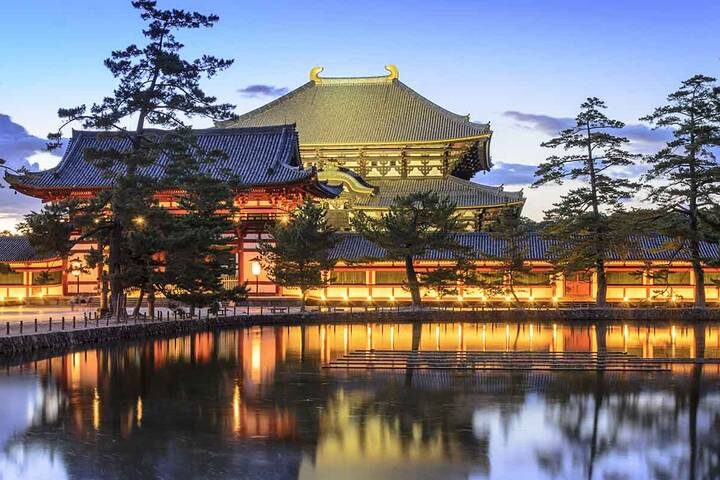
The route from Kyoto to Osaka detours to Nara for Todaiji Temple and its enormous bronze Buddha. Deer roam the surrounding park, and you can see them at close range. They are accustomed to people, but they are still animals, so keep food put away unless you are following local instructions.
After lunch, the group visits Horyu-ji, a UNESCO-listed temple complex with one of the world’s oldest wooden pagodas. It is a quieter architectural counterpoint to Todaiji, though the day includes plenty of walking and temple grounds. In the evening, the tour reaches Osaka and visits Dotonbori, known for bright signs, restaurants and busy streets. This is a useful introduction to the city’s food-and-nightlife energy, even if you will have limited time to choose where to eat.
Himeji, Okayama and Kurashiki: castles and old streets
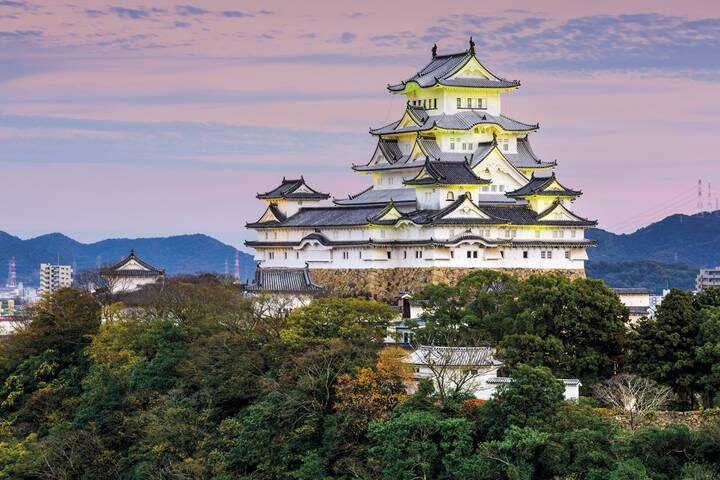
Day seven begins at Himeji Castle, one of the strongest stops for anyone interested in Japanese architecture. Admission to the castle complex is included. The scale and design are easier to appreciate in person than from a photograph, but stairs and walking are part of the visit.
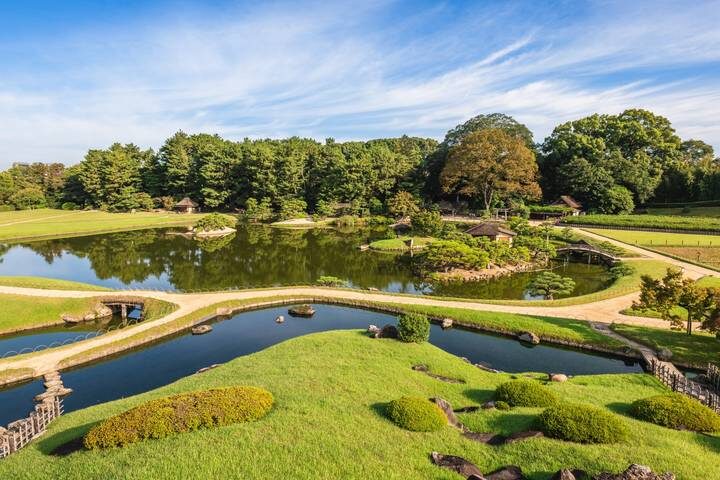
After lunch, the tour continues to Okayama’s Korakuen Garden, with ponds, waterfalls and teahouses. A pedestrian bridge connects the garden area to Okayama Castle. You can see the exterior, but entry to the castle interior is not included. Some departures may stay in Fukuyama or Kurashiki instead of Okayama, and the Kurashiki visit may be moved to this day.
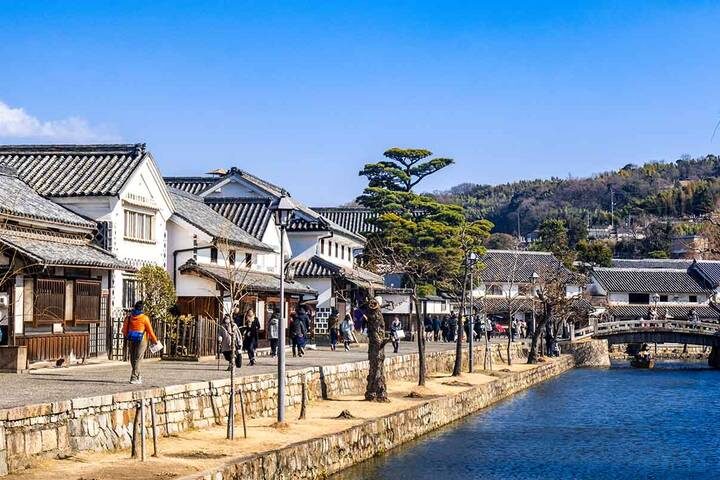
Kurashiki’s preserved historic center is a welcome slower stop, with old streets to wander rather than a major site to race through. The timing depends on the departure’s route, so do not assume you will have the same amount of free time in every town.
Hiroshima and Miyajima: history, memory and the sea
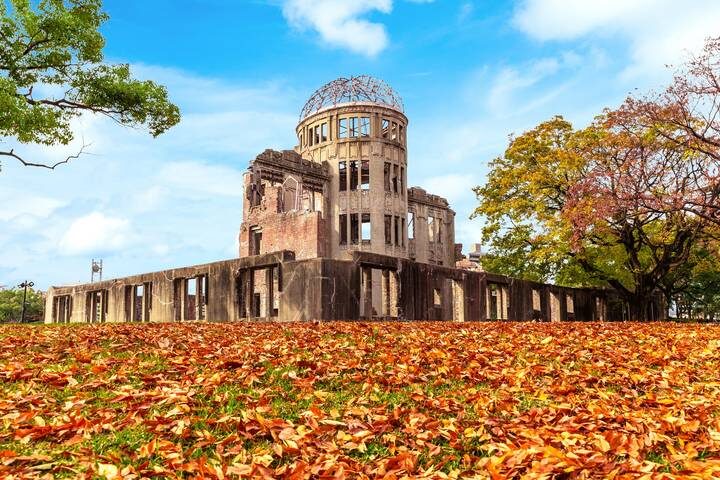
The Hiroshima day carries the trip’s most serious subject. At Peace Memorial Park, the Atomic Bomb Dome and the Peace Memorial Museum, you encounter the history of the 1945 bombing and the city’s recovery. Give the museum the attention it deserves; the schedule is full, so you may not have as long as you would on an independent visit.
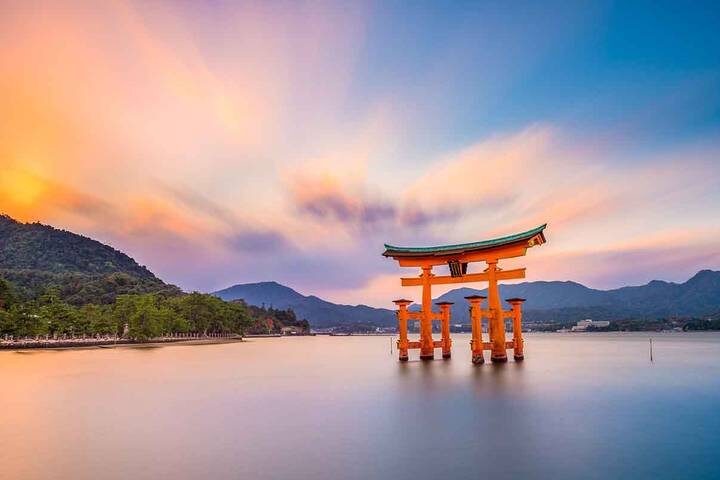
A ferry then takes you to Itsukushima Island, commonly known as Miyajima. Itsukushima Shrine is partly built over the water, and the town offers time to walk and have lunch before returning to Hiroshima. The contrast between the museum and the island shrine is powerful, but the day covers a lot of ground. The order of Hiroshima visits can change.
Dinner is included at the hotel in Hiroshima. The listed hotel options include the Hilton Hiroshima and ANA Crowne Plaza Hiroshima, though the assigned property depends on the departure.
Back to Tokyo by bullet train
After breakfast on day nine, a transfer takes you to Hiroshima Station for the bullet train to Tokyo. The journey covers about 800 kilometers and takes roughly four hours, with arrival planned around 2 p.m. It is a more efficient return than retracing the route by coach, and the afternoon leaves some time in Tokyo, though the tour does not list an organized activity that day.
Day ten ends after breakfast. If you have a long-haul flight, plan your departure carefully and confirm the airport transfer arrangements, since the included arrival transfer is specified but a departure transfer is not.
Guides, group size and the real pace
The tour is sold as a guided group trip, but the details matter. English-speaking city tours are specifically listed for Tokyo and Kyoto, and guides may change during the route. Past departures have praised guides named Ken, also called Rei, and Paco for adding context and helping with practical questions. Those names are not a promise of who will lead your trip.
Some past participants have also described bilingual guiding, with English and Spanish used, and changing buses, guides or groups between sections. The group size can reach 72, so instructions at crowded sites may take effort to hear and follow. Ask for meeting times and locations to be repeated if needed, and keep the tour leader’s contact details accessible.
The tour’s physical rating is low intensity, but that does not mean effortless. Previous participants describe many stairs, substantial walking and a brisk pace, especially at busy sites. It is not the best choice if mobility limits make uneven paths or repeated steps difficult. Families are welcome, and some past trips included teenagers, but children need to be comfortable with long days and frequent transfers.
Is $3,438 good value?
At the starting price, the tour bundles nine hotel nights, breakfast, an arrival transfer, coach travel, selected meals, many admissions, the Hiroshima to Tokyo bullet train and guided city touring. That can be good value if you want a broad itinerary and prefer not to manage transport and hotel bookings across several cities.
The price is less compelling if you want small groups, long independent visits or a consistent guide. Flights are extra, as are unlisted activities and services. Room assignments and exact hotels can vary, and the cheapest-room price may not reflect every departure or room preference. Twin beds can be requested, but are not guaranteed.
The ratings are strongest for itinerary and transport, with guide and accommodation scores also solid. Food and operator scores are a little lower. That fits the tour’s main strength: it gets you to a remarkable range of places efficiently. Its weaker point is the variable quality of the guiding and the limited time to linger.
Should you book this Japan tour?
Book it if this is your first visit and you want to see Japan’s headline sights in ten days, with transport, admissions and several meals arranged. The route has real variety, from Tokyo’s towers to a Fuji-area ryokan, Kyoto’s temples, Himeji Castle and Hiroshima.
Look elsewhere if your priority is a small group, one guide throughout, or a slow, detailed stay in each city. If you do book, consider adding nights in Tokyo before or after the tour, and go in knowing that weather can affect Fuji access and schedules can change. For a fast, well-connected overview, the range of places covered is the chief reason to choose it.
Contrasts of Japan end Tokyo by Europamundo – 10-Day Tour (2026-27 Departures)
“Saw a lot! First time I had 4 guides on a bus tour. Ken was our favorite guide. He knows the history of Japan. It wasn't just 'there's that'. He to…”
FAQ
Are flights included in the price?
No. Flights are not included. The starting price is based on the cheapest room.
How long is the tour?
The tour lasts 10 days, beginning and ending in Tokyo.
Which months have departures?
Departures are listed for January, February, March, October, November and December.
What language is the tour guided in?
The tour is listed in English. English-speaking city tours are specified for Tokyo and Kyoto. Guides may change, and some departures may use bilingual English and Spanish guiding.
How large can the group be?
The stated group size ranges from 2 to 72 people.
Is the Mount Fuji Fifth Station visit guaranteed?
No. In winter, snow or weather may close the road. The coach travels as far as conditions permit.
Is a traditional Japanese room included?
No. A traditional-style room is not guaranteed. Some ryokan rooms may have tatami mats, but Western-style rooms or a Western-style hotel may be used instead.
Are twin beds guaranteed?
No. You can request two separate beds, but the arrangement depends on hotel availability at check-in.
Which meals are included?
Breakfast buffet is included. The tour lists dinners in Tokyo, Kawaguchiko and Hiroshima, and lunches in Nara and the Himeji area. The daily Hiroshima and Miyajima program also describes lunch on Itsukushima, so confirm the meal schedule for your departure.
Is the tour suitable for someone with limited mobility?
The tour is rated low intensity, but it involves frequent walking and stairs, and some days move quickly. It may not suit someone who has difficulty walking or managing steps.