
Skip this page if you only want to know the bare minimum. Stay if you want to walk into La Cité du Vin already knowing which exhibits to hit first, which to skim, and how to time your free glass of wine on the eighth-floor Belvedere so the light is good when you raise it.
Most museum guides wave you at the door and call it a day. This one walks you through the whole building.
- In a Hurry? Top Picks
- What You’re Actually Booking
- Tickets — Online vs. At the Door
- How Much Time to Allow
- The Exhibits Worth Slowing Down For
- The World Wine Tour (Helicopter Room)
- The Banquet of Legends
- The Five Senses Buffet
- Bacchus and Venus
- The Ones to Skim
- Best Tours and Tickets to Pair With
- 1. Bordeaux: Cité du Vin Direct Ticket and Wine Tasting — about
- 2. Bordeaux: River Garonne Cruise With Glass of Wine — about
- 3. From Bordeaux: Afternoon Saint-Émilion Wine Tasting Trip — about 2
- Getting There from Central Bordeaux
- What to Eat at the Museum
- The Wine Shop You Shouldn’t Skip
- When to Go
- Pairing the Museum with a Day Out
- Saint-Émilion — The Half-Day Out You Should Add
- The History You’ll Pick Up Along the Way
- Practical Things People Forget to Ask
- Where to Go After Bordeaux
- One Last Tip Before You Book
- Beyond the Wine Capital
In a Hurry? Top Picks
- Direct entry + tasting (about $27): The official skip-the-line ticket — permanent exhibition, audio guide, and a glass on the Belvedere. Book on GetYourGuide
- Garonne river cruise + glass of wine (about $22): A 90-minute commentary cruise that pairs nicely with a morning at Cité du Vin. Book on GetYourGuide
- Saint-Émilion afternoon tasting trip (about $112): Half-day out of Bordeaux to visit two châteaux and taste four wines. Book on GetYourGuide
What You’re Actually Booking
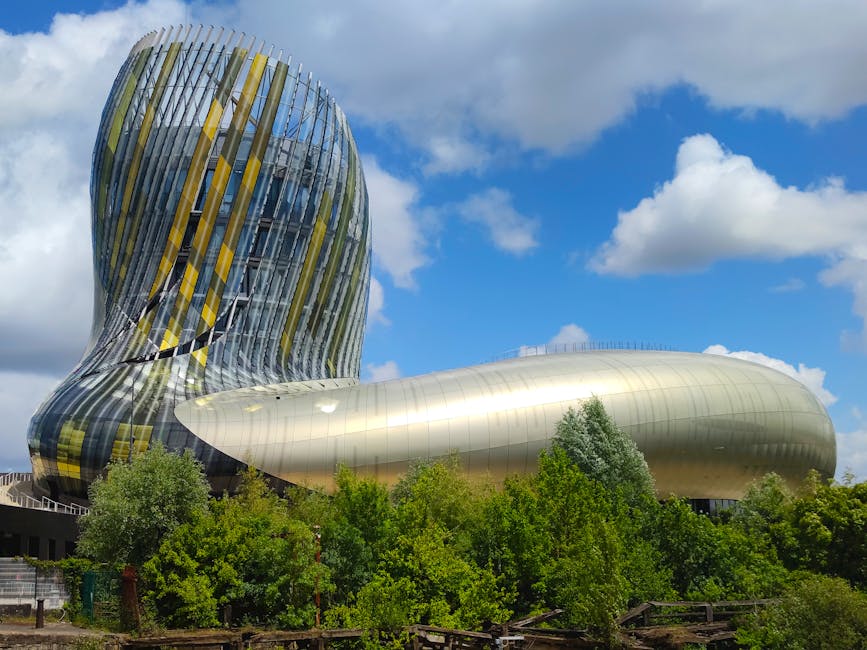
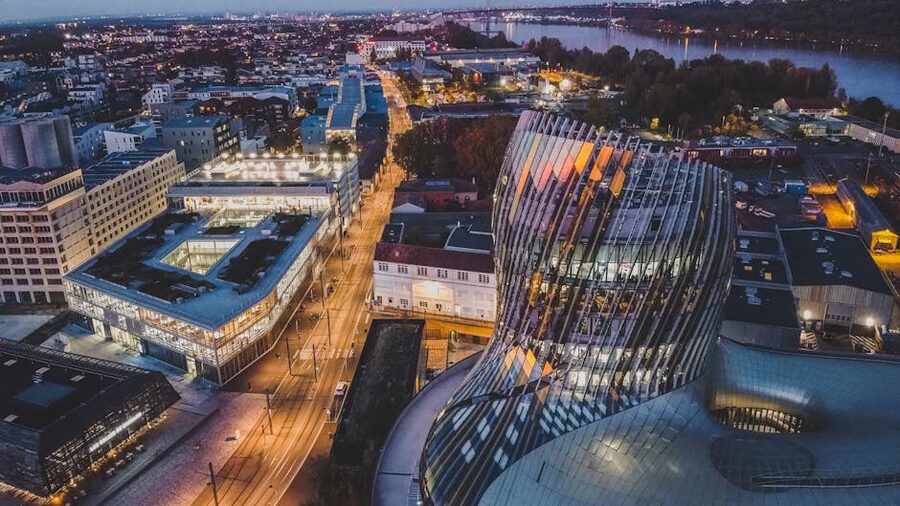
La Cité du Vin opened in 2016 and the building itself is half the appeal. Ten storeys, around 3,000 square metres of exhibits, and a curving gold-aluminium shell that’s supposed to evoke wine swirling in a glass plus the knot of a grapevine. National Geographic has called it one of the best museums in the world. Locals sometimes call it a wine theme park, which is closer to the truth than “museum.”
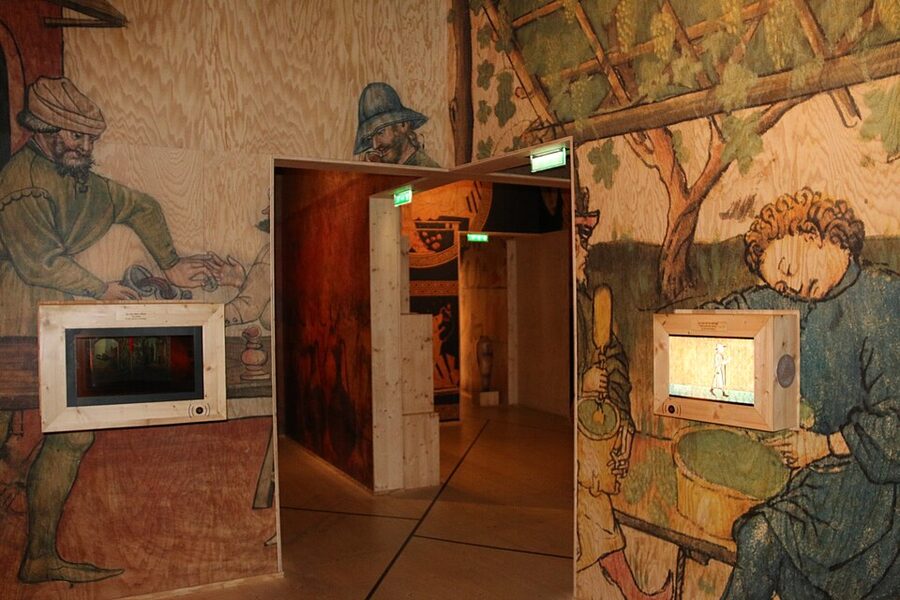
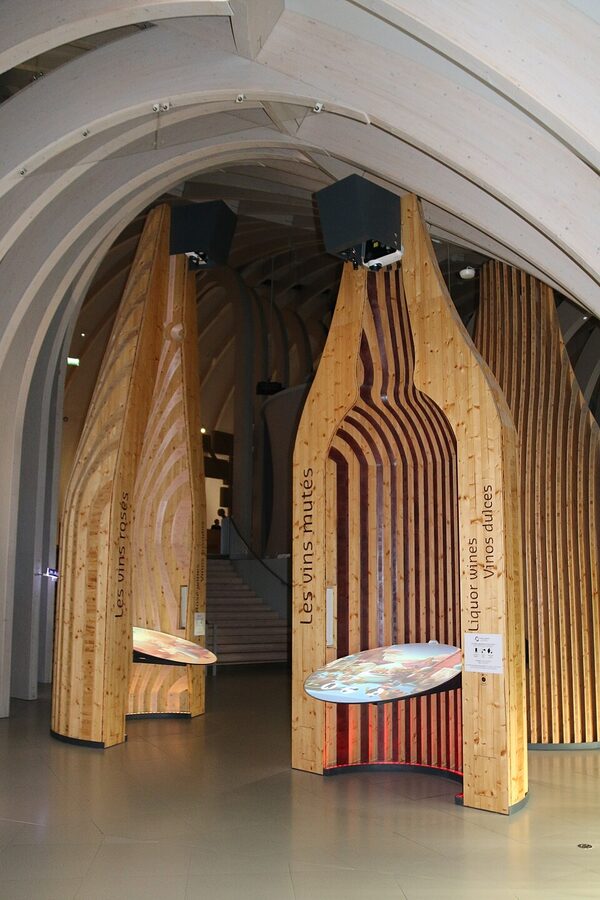
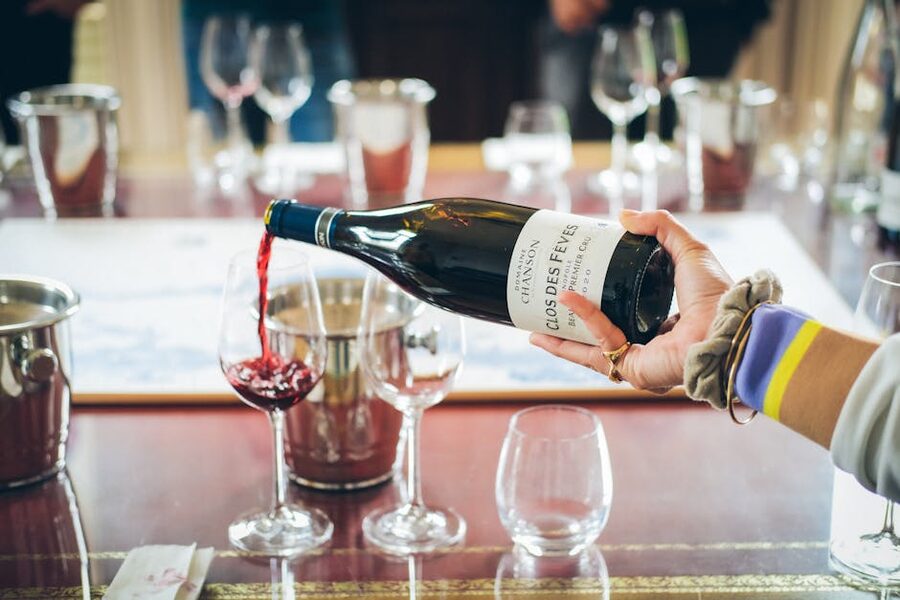
The headline ticket gets you four things. Entry to the Permanent Exhibition with its 19 themed areas. A smart audio guide in eight languages that triggers each exhibit when you stand still in front of it. Any temporary exhibition that’s running. And one glass of wine of your choice from a rotating list of about 20, served at the panoramic Belvedere on the 8th floor.
That last bit is the most underrated. The Belvedere has a 360-degree view over the Garonne, the bridges, and the city. Time your visit so the glass coincides with sunset and the museum effectively gives you a free rooftop bar.
Tickets — Online vs. At the Door
Tickets at the box office are €25 for adults, audio guide and Belvedere wine included. That’s the all-day “open” ticket — turn up whenever, no time slot.
Pre-booked online for a specific day and time slot, the same ticket drops to about €20 / $22-27 depending on the platform and the exchange rate. You also walk straight in instead of queuing at the box office, which on Saturdays and during summer school holidays can mean a 20-30 minute wait outside the building.
My take: book online unless you’re already on the doorstep with a free hour and no plan. The savings aren’t huge but the queue-skip is. The official skip-the-line entry and tasting ticket is the version most people end up with — it’s the cheapest option that includes the audio guide, the exhibition, and the wine.
A few smaller things to know. Under-18s are free with a paying adult, which is a better deal than most French museums offer. Children genuinely seem to enjoy the multimedia rooms — this is one of the few wine experiences in Bordeaux where bringing kids isn’t a chore. Disability access is good throughout: the building was designed in 2016 and the lifts reach every floor including the Belvedere.
How Much Time to Allow
The official line is two to three hours. That’s about right for the permanent exhibition if you’re moving steadily and skipping the talk-heavy displays.
Add an hour if you want to do the Belvedere properly with your glass, take the lift to the wine shop, and poke around the gift area on the way out. Add another hour if you’re booking lunch at Restaurant Latitude20 (ground floor) or dinner at Le 7 (7th floor — pricier, but the view).
If you only have 90 minutes, skip the slower text-heavy panels and stick to the four big multimedia rooms (more on those below). You’ll still get your wine.
If you have an entire afternoon, do the museum, then walk down the river toward the centre and pick up a 90-minute Garonne cruise with a glass of wine. It departs from the Quinconces quay, which is the obvious turning-point on a self-guided wander back. Two glasses of Bordeaux in one day, both included in your tickets — that’s a respectable Saturday.
The Exhibits Worth Slowing Down For
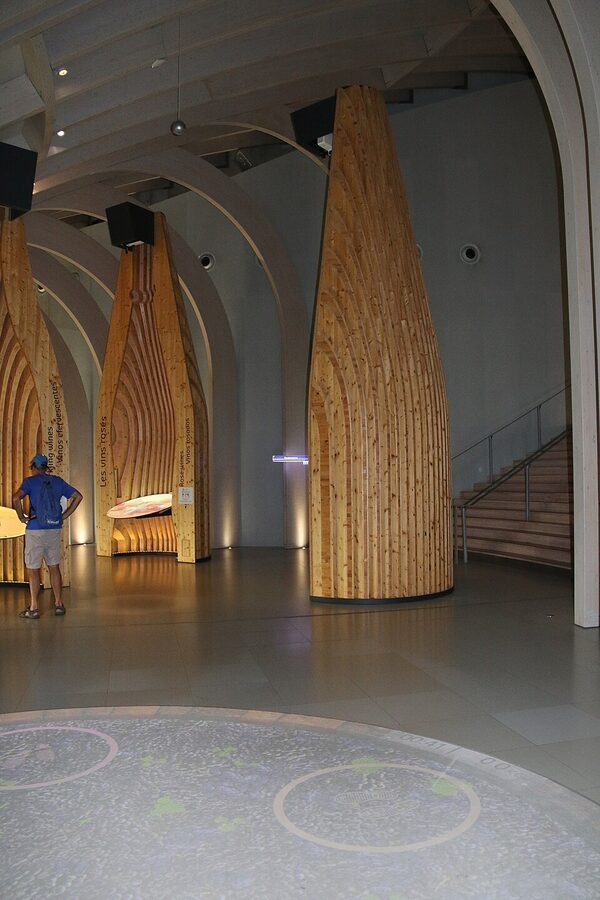
The permanent exhibition has 19 themed zones. Some are fascinating. Some are essentially rotating panels of text. These are the four where I’d actually plant myself.
The World Wine Tour (Helicopter Room)
You sit in front of a wall-sized screen and fly over twenty wine regions — Tuscany, Mendoza, Stellenbosch, the Mosel, Napa, Rioja. It’s basically a guided film with sweeping aerials. Allow 20 minutes if you want to see the whole loop. This is the room kids and skeptical partners always end up enjoying.
The Banquet of Legends
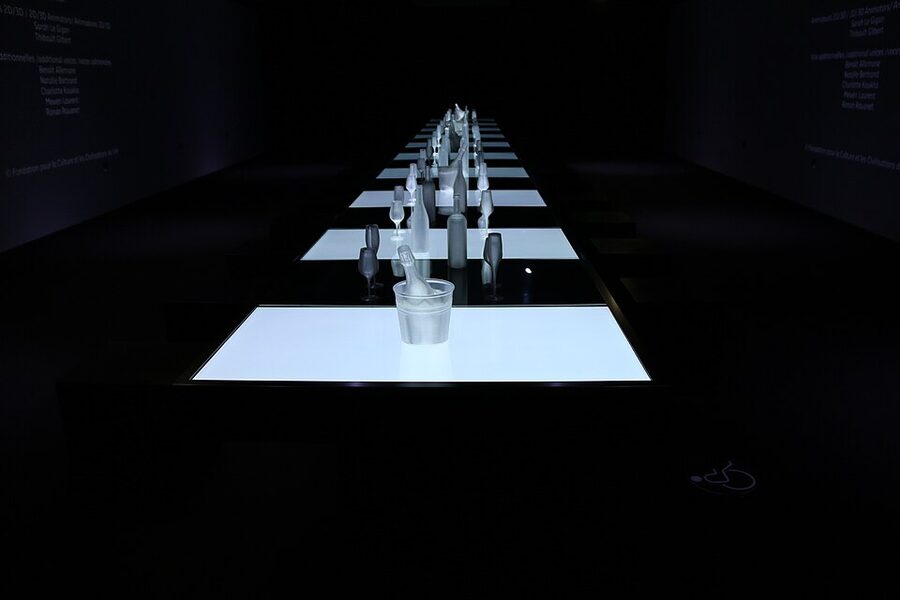
You sit at a long banquet table with projected images of Voltaire, Churchill, Napoleon, and Thomas Jefferson, all of whom argue about which wines deserve to be called the greatest of all time. It sounds gimmicky on paper. In practice it’s good theatre — Churchill defending his beloved Pol Roger gets the best lines.
The Five Senses Buffet
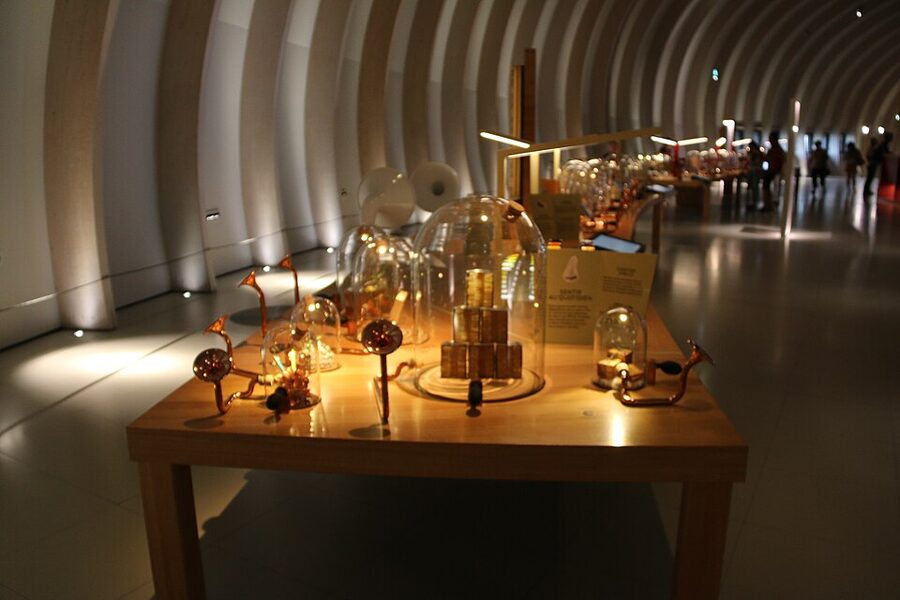
This is the one most people end up posting on Instagram. There are trumpet-shaped olfactory machines along one wall — you put your nose in and try to identify what you’re smelling. The list runs from straightforward (cherry, vanilla, leather) to ridiculous (barnyard, pencil shavings, wet stone). It’s fun even if you don’t drink, and it’s where you start to understand why sommeliers say what they say.
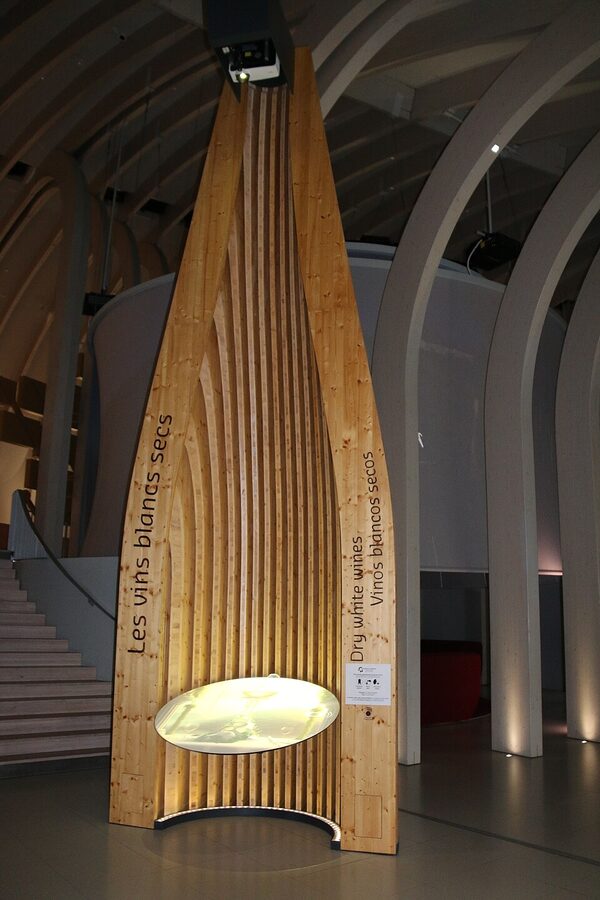
Bacchus and Venus
You sink into a deep red banquette and the ceiling becomes a daydream about wine, romance, and Roman gods. It’s the cheekiest room in the museum and the easiest to lose half an hour in. If your travel partner is the eye-rolling type, don’t tell them about this one — they’ll roll their eyes for ten seconds and then fall completely silent.
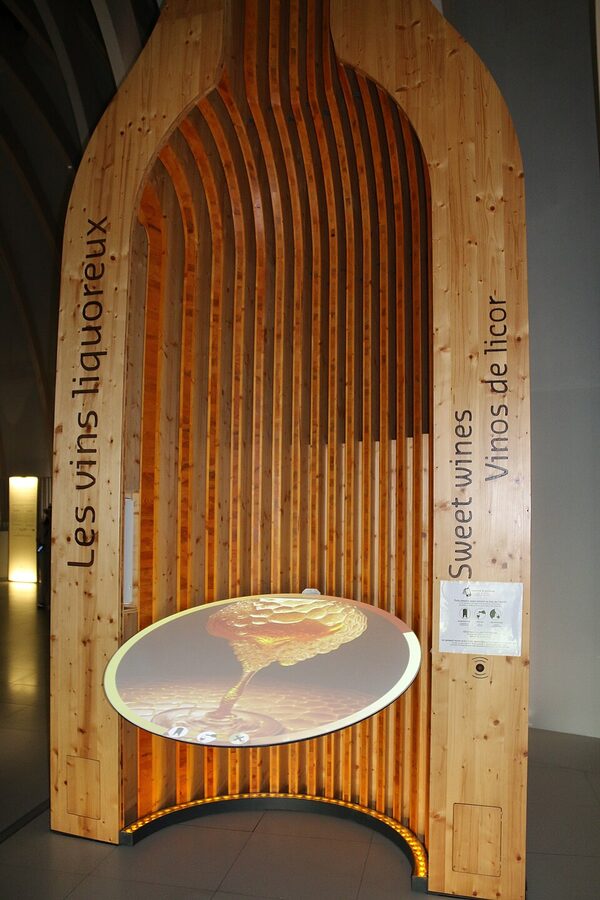
The Ones to Skim
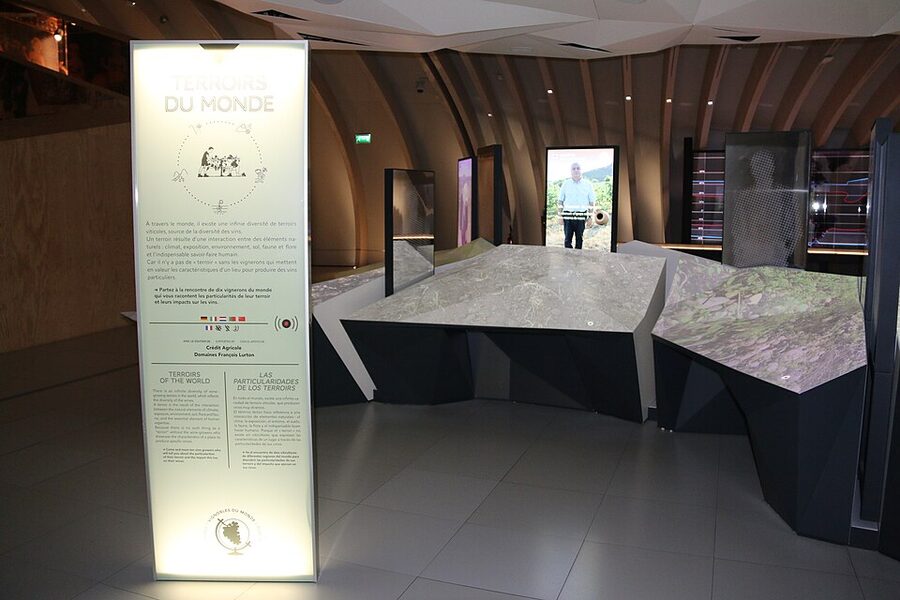
The Terroir Table and the long climate panels are interesting but slow. The art-of-living section about table service can drag if you’re not into etiquette. If you’re rationing time, the multimedia rooms above are the keepers and the rest is filler you can speed-walk.
Best Tours and Tickets to Pair With
Here are the three booking options I’d actually recommend. They cover the museum itself, an easy add-on for the same day, and the obvious next-day excursion if you want to step beyond the city.
1. Bordeaux: Cité du Vin Direct Ticket and Wine Tasting — about $27
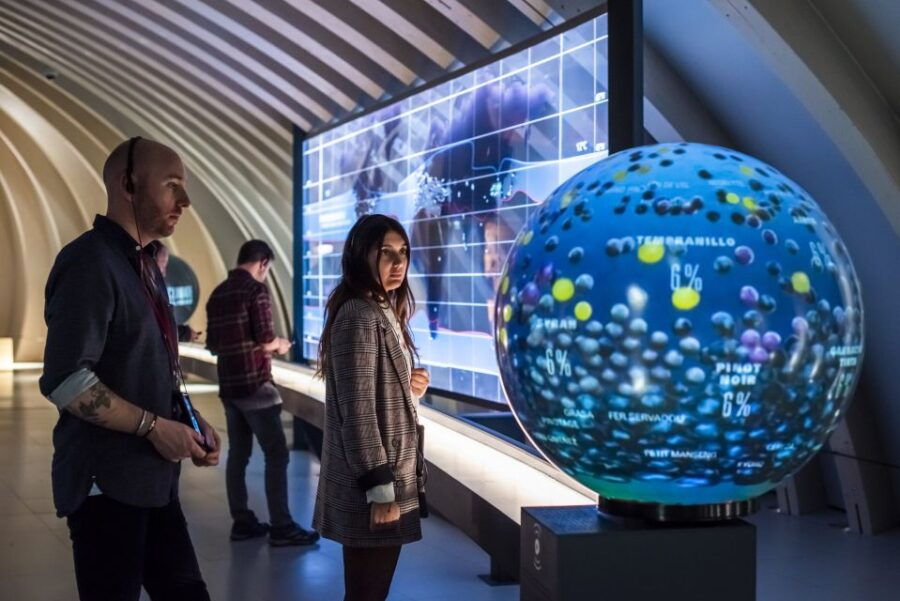
This is the one nearly four thousand reviewers have rated 4.6 — a strong signal that it just works. Our full review of the direct entry ticket covers the time-slot quirks (don’t pick the very first slot — you’re stuck queuing for the wine glass with everyone else who did the same). Skip-the-line is the actual win here, more than the small price drop.
2. Bordeaux: River Garonne Cruise With Glass of Wine — about $22
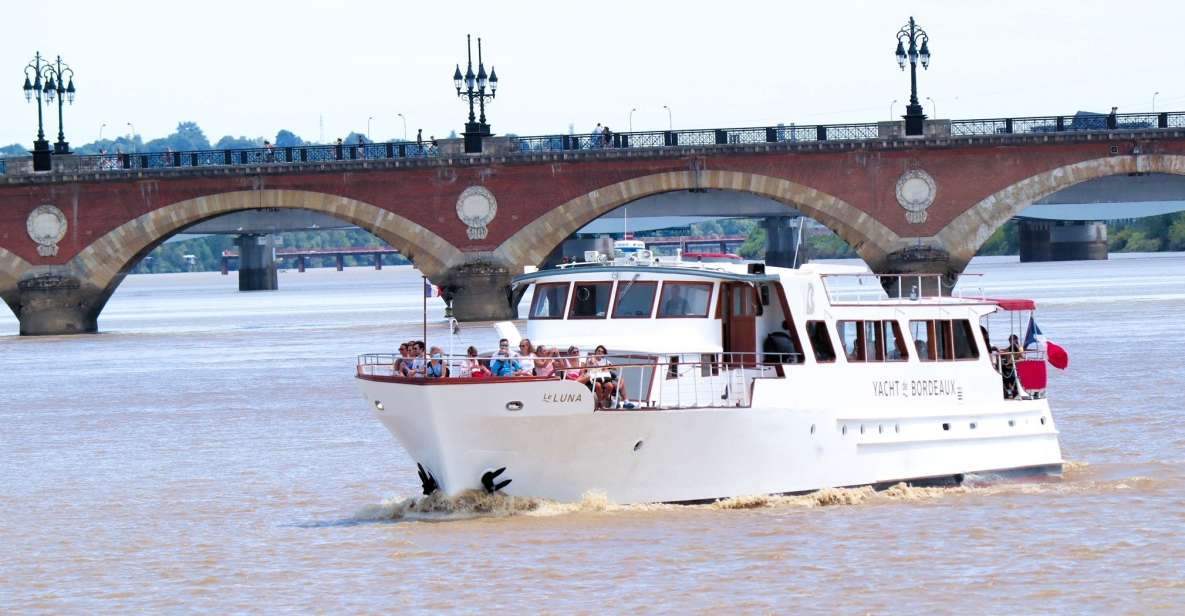
An easy add-on after the museum. It departs from Quinconces, about 25 minutes’ walk along the river from Cité du Vin (or 10 minutes on the C tram line). The Garonne cruise review notes one common complaint — the recorded English commentary lags the live French narration by a few seconds — but the views of Place de la Bourse from the water are still the best in town.
3. From Bordeaux: Afternoon Saint-Émilion Wine Tasting Trip — about $112
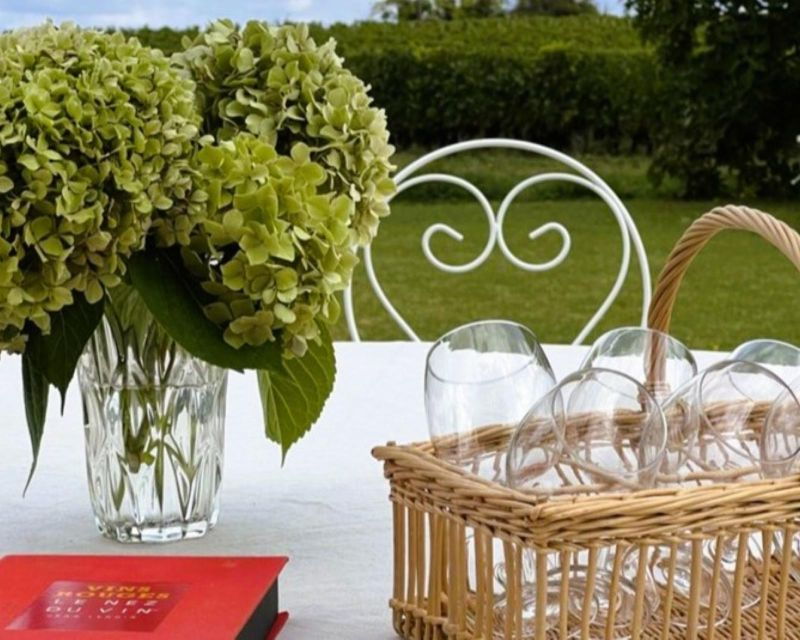
The natural day-two booking once Cité du Vin has wet your appetite. It’s pricier, but a 4.8 rating across 1,500+ reviews tells you why. The Saint-Émilion afternoon trip review flags one thing worth knowing in advance: it’s a wine tasting trip, not a vineyard tour — you visit one winery in depth, plus the village. If you want full chateaux access, look at the Médoc or full-day options instead.
Getting There from Central Bordeaux
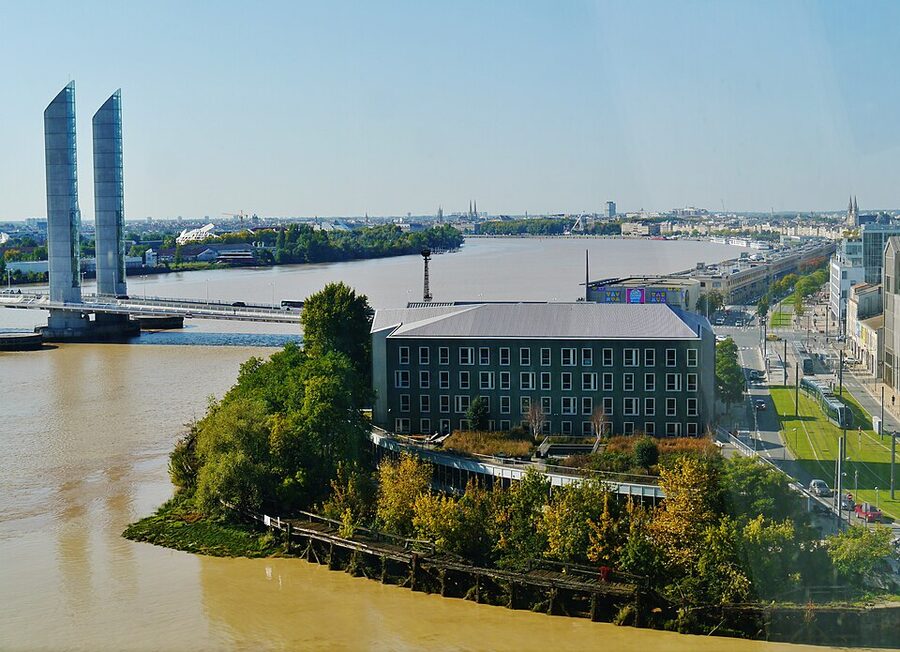
The museum sits on the right bank of the Garonne in the Bacalan quarter, a 30-minute walk or 10-minute tram ride north of the centre. There are three sensible ways to arrive.
Tram line B is the default. Take it from anywhere along its route — Quinconces in the centre, or Hôtel de Ville — and get off at the “La Cité du Vin” stop. The journey is 8 to 12 minutes from the centre. A single ticket is €1.80 (2026 fare) and works for 60 minutes including transfers. Buy from the machine on the platform; tap once when you board.
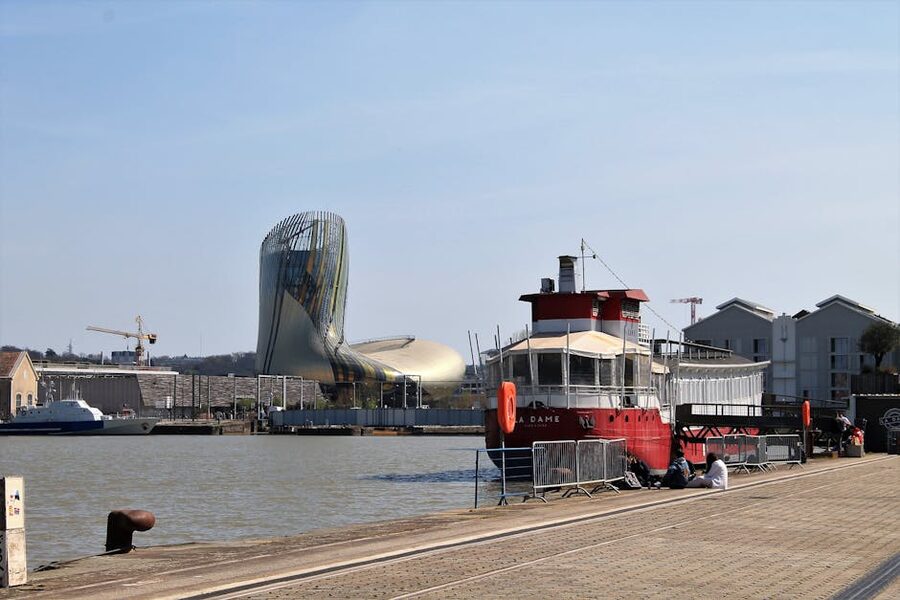
The BatCub river shuttle is the more interesting option. From Quinconces or Stalingrad, hop on the river bus (line BatCub 3) and ride it to the Cité du Vin pontoon. It uses the same TBM tickets as the tram, takes about 15 minutes, and the building is genuinely best approached from the water — the curved gold shell looks more impressive against the river than from the road.
Walking from Place de la Bourse along the right bank is realistic at 35-40 minutes one way. Pleasant in spring or autumn, hot and exposed in July. I’d walk one way and tram the other — the river path is photogenic and the tram is air-conditioned.
If you’re driving, there’s a paid car park (P0) directly under the building. About €2/hour or €15 for a full day — pricier than tram tickets but convenient if you’ve got luggage or are coming straight from elsewhere in Aquitaine.
What to Eat at the Museum
Two restaurants and a wine bar share the building. They’re better than typical museum food, mostly because the suppliers are the same wineries you’ve just been reading about.
Restaurant Latitude20 on the ground floor is the casual option. Plates from €15, glasses from €5, and the whole concept is matching food to wines from a different country every few months. Argentinian month is the best one if it lines up with your visit.
Restaurant Le 7 on the 7th floor is the upscale option. €60-90 a head with wine, Bordeaux-region focus, and large windows looking out at the river. Book ahead. It’s not cheap but the view from a window seat at lunch is hard to beat anywhere in the city.
The Belvedere wine bar on the 8th is where your “free” tasting glass is served. There are extra glasses and small plates if you want to extend the visit. A second glass of decent Bordeaux runs €6-9. This is the cheapest panoramic drink in the city.
The Wine Shop You Shouldn’t Skip
On the way out, before the gift shop, you pass the round wine shop with around 800 wines from every region the museum covers. Prices start at €8 and the staff are happy to talk you through anything. They’ll also box wine for hold luggage or arrange shipping to most EU countries.
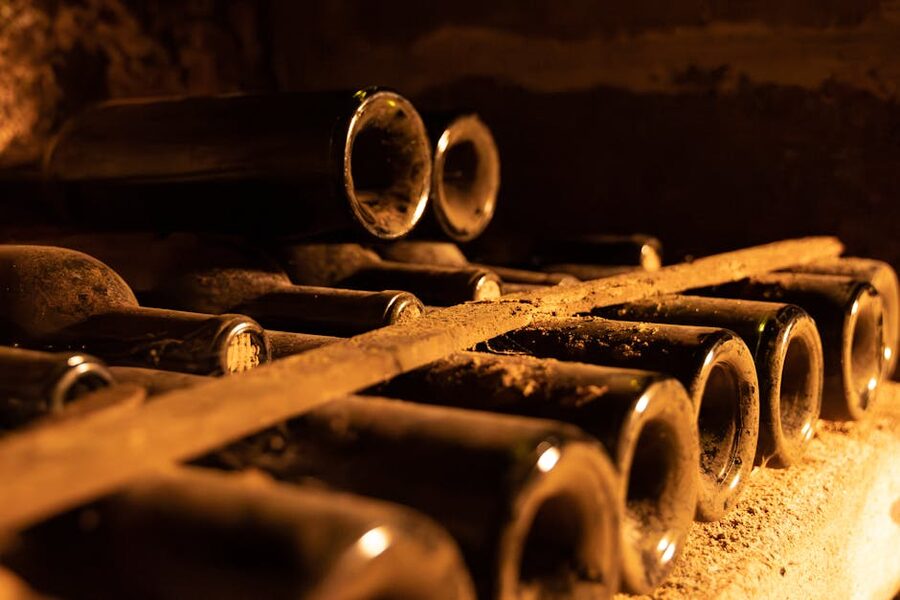
If you’re flying out of Bordeaux-Mérignac, note that French airport security treats anything over 100ml as a no-go in cabin baggage. Either check the bottle, or have it shipped, or have a single drinkable glass at the airport before security and accept the loss.
When to Go
The museum is open daily, 10:00 to 18:00 in winter and 10:00 to 19:00 in summer (April-October). Last entry is one hour before closing. They close on Christmas Day and the first three weeks of January for refurbishment — check the calendar before you book.
The quietest slots are weekday mornings before 11:30. The busiest are Saturday afternoons in July and August, when the Belvedere queue alone can stretch 25 minutes. School holidays (French vacances, especially February and Easter) are crowded with French school groups.
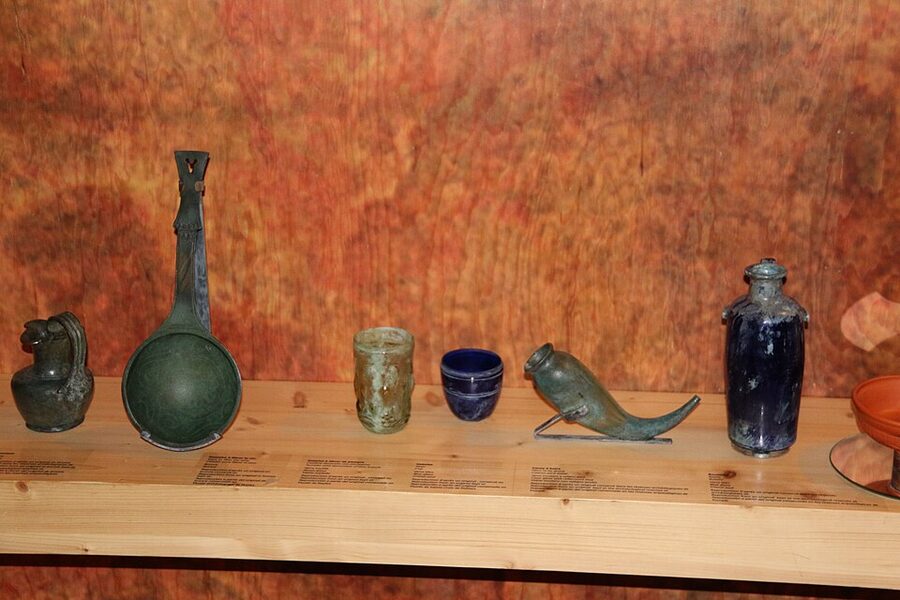
My recommended slot: a 14:00-15:00 entry on a weekday. You’ll move through the exhibits as the morning crowd is leaving. By the time you reach the Belvedere it’s 17:00, the light is going gold, and the bar staff aren’t slammed. The direct entry tasting ticket lets you pick this slot when you book.
Pairing the Museum with a Day Out
Cité du Vin is a half-day. The other half opens up several good options.
Half day in the museum, half day on the river. Walk or tram back into town after the museum, lunch in Saint-Pierre, then catch the Garonne river cruise with a glass of wine at 17:00 from Quinconces. Total cost: about $50 with both tickets and lunch. You finish with a second glass of Bordeaux as the city lights come on.
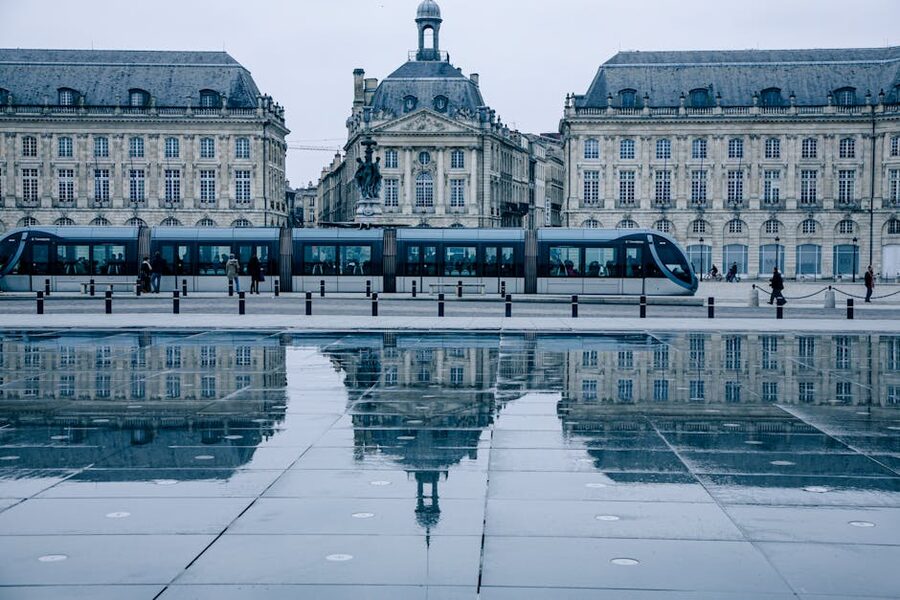
Half day in the museum, half day exploring central Bordeaux. The historic centre is UNESCO-listed and entirely walkable from the museum. Place de la Bourse and its mirror pool, Saint-André Cathedral, the Grand Théâtre, and the Chartrons antique district are all under 30 minutes’ walk away.
Full-day with a wine excursion. Save the museum for the morning of your second day and use the afternoon for a Saint-Émilion afternoon tasting trip — they typically depart from Bordeaux at 13:30 and return around 19:00. The museum is a fast ramp-up; Saint-Émilion is the slower, scenic payoff.
Saint-Émilion — The Half-Day Out You Should Add
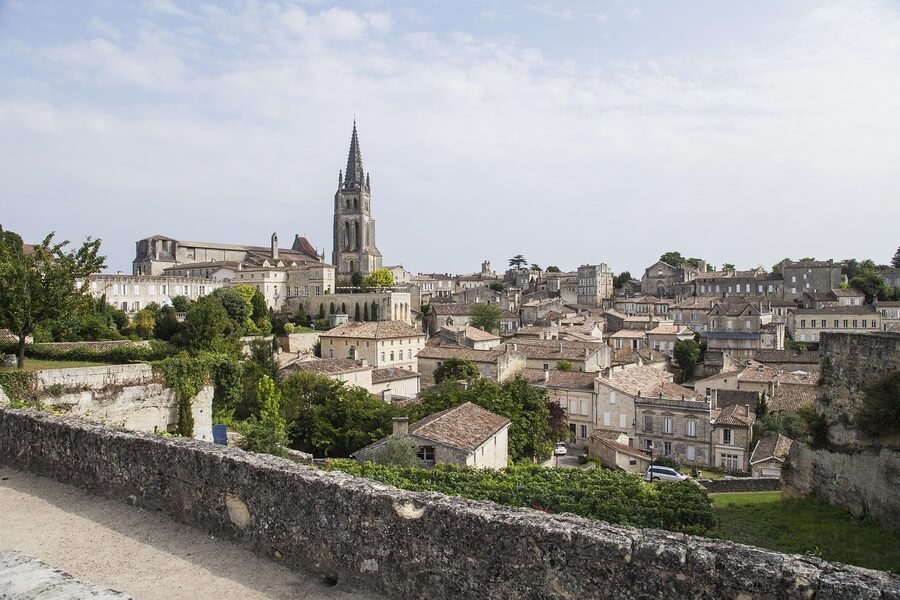
If you have any flexibility, do not leave Bordeaux without Saint-Émilion. It’s a 40-minute drive east, a UNESCO World Heritage site since 1999, and it has a level of scenery the city itself can’t match.
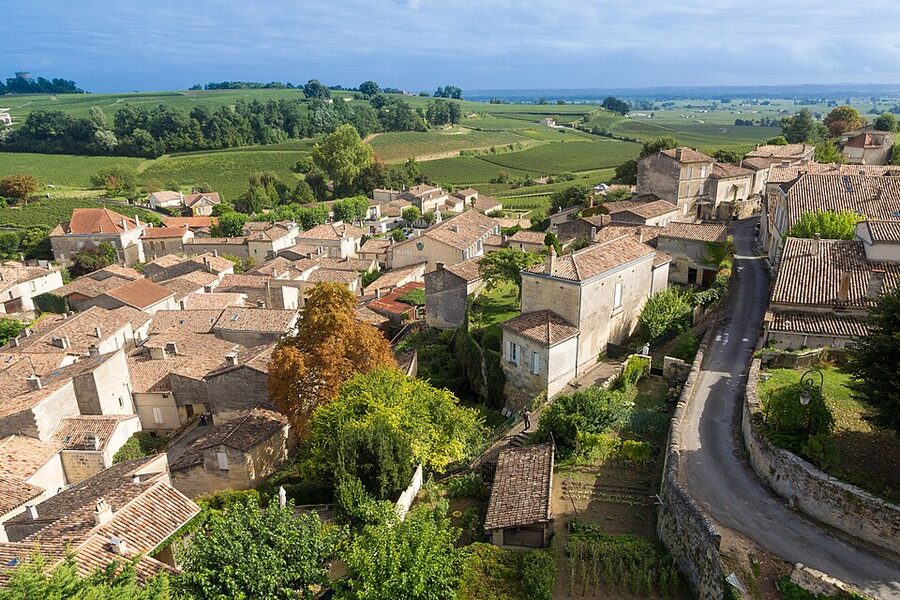
The village itself is built into limestone cliffs and centred on a 12th-century monolithic church carved out of the rock. Below it, a network of catacombs and a hermitage runs underneath the main square. You can only visit those with a guide and tickets sell out — if you’re going independently, book at the tourist office in the morning before lunch.
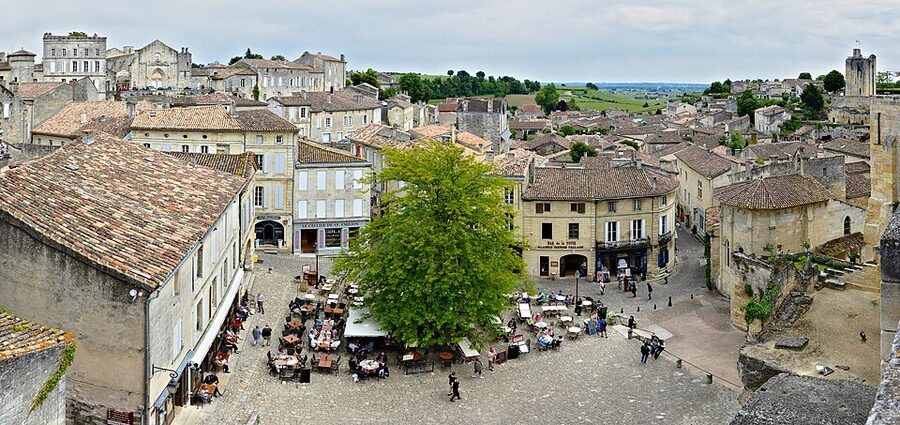
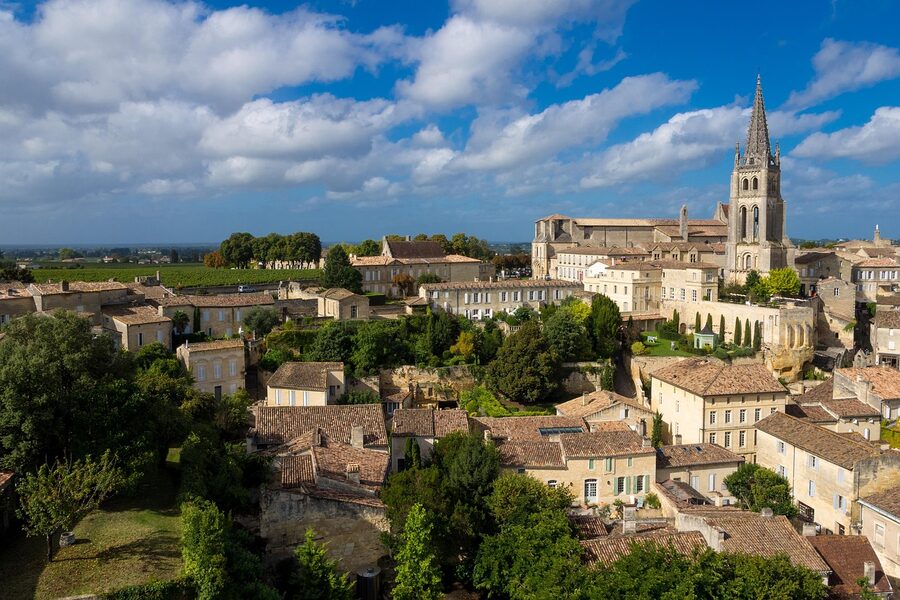
If you don’t want to drive, the easiest day trip is the half-day Saint-Émilion afternoon tasting trip from Bordeaux. It’s a 5.5-hour run with two château visits and a guided walk through the village. The 4.8 average rating is unusual for an off-the-shelf bus tour and the guides go beyond the script. There’s also a slightly cheaper village-focused half-day option if you’d rather see one chateau and spend more time wandering the streets.
The History You’ll Pick Up Along the Way
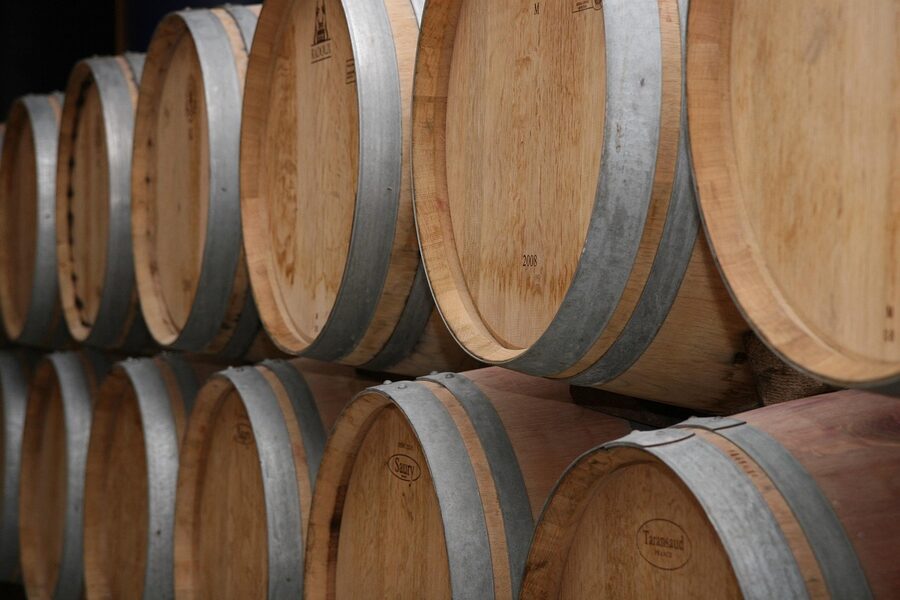
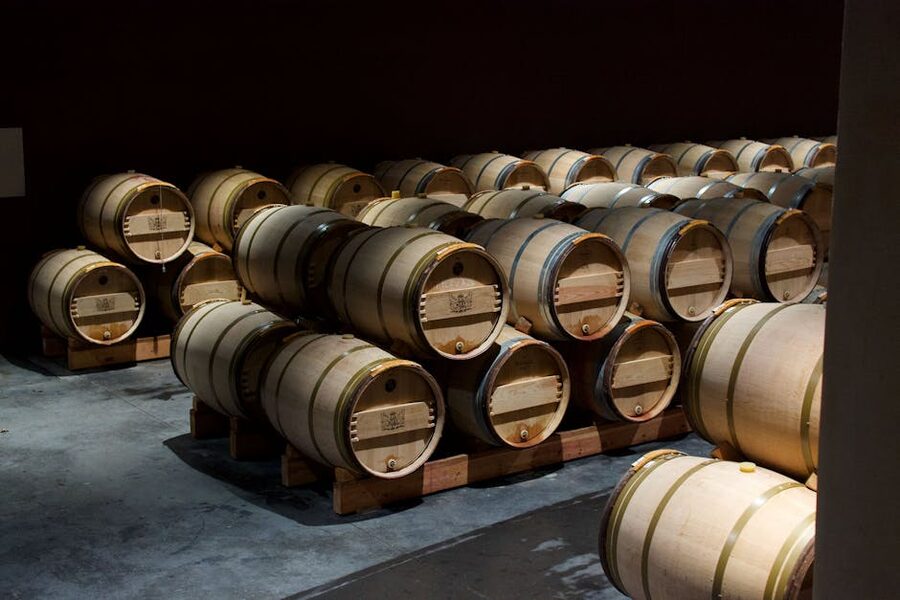
Bordeaux’s wine story is older than France itself. The Romans planted the first vineyards in the 1st century AD, calling the region Burdigala. Wine has been the city’s identity ever since. By the 12th century, when Eleanor of Aquitaine married the future Henry II of England, Bordeaux’s wine started flowing into England and never really stopped — the English called the local red claret, a name still used today.
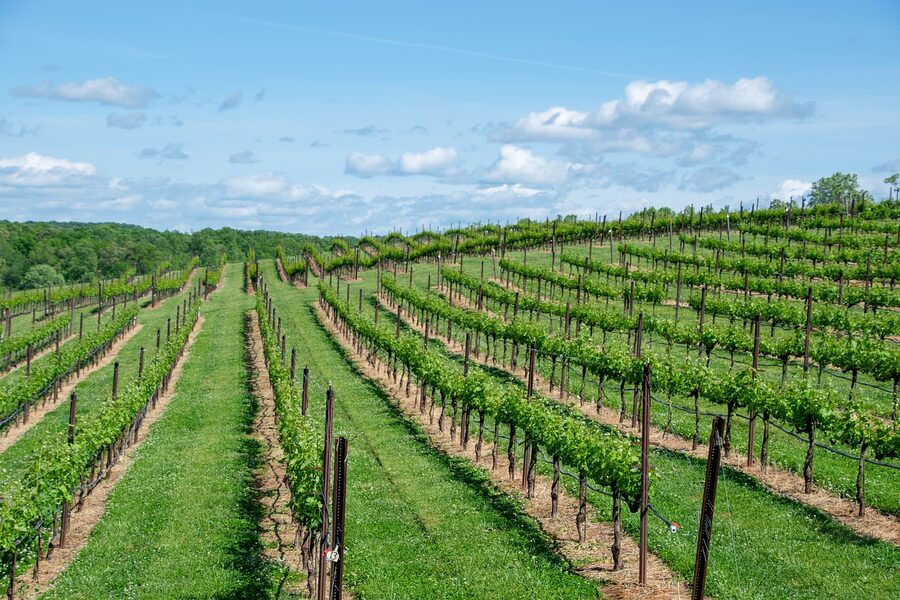
The 1855 classification — Napoleon III’s request that Bordeaux merchants rank the region’s best châteaux for the Paris Exposition — created the league table that’s still in use 170 years later. Cité du Vin’s third-floor exhibits cover all of this, but it lands harder if you’ve stood in Saint-Émilion or Pauillac yourself first.
Practical Things People Forget to Ask
Can I drink the Belvedere wine if I’m not drinking? Yes — they swap it for a non-alcoholic option (usually a grape juice from a Bordeaux producer) on request. Mention it when you collect your glass.
Are the multimedia rooms in English? The audio guide is. The actual room narration switches automatically based on the language you set on the audio guide on entry. There are eight languages in total. Subtitles on the big screens are simultaneously in three languages.
Can I bring a baby? Yes, prams are fine, lifts reach every floor including the Belvedere, and there are baby-changing facilities on floors 1 and 7. The lighting is dim in some rooms — sleeping babies do well, awake ones get unsettled in the louder multimedia spaces.
Is there a combined ticket with anything else? Not officially, but the Bordeaux CityPass includes Cité du Vin entry plus tram passes — worth it only if you’re hitting at least three other paid attractions.
What if it’s raining? Doesn’t matter. The whole experience is indoors and you’ll forget the weather completely. This is the museum to book on a wet day in Bordeaux.
What about the Bordeaux Wine and Trade Museum? It’s a different museum — smaller, in the historic Chartrons district, and focused on the merchant history rather than the global story. The Wine and Trade Museum ticket is €15 with a tasting and worth an hour if you’ve already done Cité du Vin and want more depth.
Where to Go After Bordeaux
If Cité du Vin is your jumping-off point into French wine country, the natural next stops are Saint-Émilion (which we covered above) or the Médoc — the long peninsula north of Bordeaux that produces the famous Pauillac, Margaux and Saint-Estèphe wines. The small-group Médoc or Saint-Émilion tour from Bordeaux is the best-rated option if you can’t choose between the two regions.
If you’re heading further afield in France, Paris is two hours by TGV. There’s plenty there to balance the regional focus you’ve just had — the Musée d’Orsay’s Impressionist collection is the obvious pairing for anyone who’s just spent the day with sensory exhibits, and the Louvre’s logistics are worth reading up on before you go.
If you’ve come south from Paris and you’re now thinking about going further south still, the Côte d’Azur is six hours by direct train. A French Riviera day tour from Nice is the southern equivalent of Saint-Émilion — small village, big-name destination, half a day to do it properly.
One Last Tip Before You Book
The Belvedere on the 8th floor closes 30 minutes before the museum’s main closing time. If you’re booking a late slot in winter (last entry 17:00), you only have an hour to do everything below and still have time to redeem your wine. The museum staff won’t push you out, but they’ll start cleaning. Either book earlier or accept that you’re rushing the exhibits to make the wine.
Better plan: book a 14:00 slot, take three hours through the exhibits, finish at the Belvedere with a glass and a sunset. That’s the whole point of the building, and the booking flow on the direct entry ticket lets you pick exactly that.
Beyond the Wine Capital
Once you’ve drunk your way through Cité du Vin and the surrounding region, the rest of France opens up nicely. Down on the Mediterranean, Eze, Monaco and Monte-Carlo make an easy day from Nice — different language of luxury, same level of indulgence. Up on the English Channel, Mont Saint-Michel from Paris is the pilgrimage I’d most recommend if you’ve got an extra day and like dramatic landscapes more than vineyards. The two together — wine country in the southwest, the abbey on the tidal flats up north — give you a fair sense of what France actually feels like outside of the obvious city stops.
If you’re staying in Bordeaux a bit longer, the guided walking tour of central Bordeaux is a useful first-day orientation, and the historic centre and Chartrons bicycle tour covers a lot of ground in a relaxed couple of hours. Bordeaux rewards moving slowly — take the time it gives you.