The most striking moment here is cutting a daikon radish with a real sword. You learn how blade angle and alignment matter, then get the rare satisfaction of seeing the vegetable split cleanly. I also like that professional stage actors lead the training in English and Chinese, and that it packs several hands-on skills into a short visit.
The main trade-off is the price: at US$75.70 or more, this is a premium hour and a half, not a low-cost museum stop. You also need to arrive ready to train, since there is no changing space.
- Cut a daikon with a real sword: Learn about blade angle and alignment through a supervised cutting exercise.
- Try four shuriken styles: The session includes rapid rotation, seated, lying, and stick shuriken throws.
- Practice classic ninja forms: Learn nine-syllable hand seals, sword drawing and sheathing, and Five Elements stances.
- Finish with movie-style sword action: Projection mapping and 5.1-channel surround sound set the scene.
- Add archery and Asakusa photo stops: Try a horseback archery machine and use the included Asakusa Ninja Emaki Map to find photo spots.
- A 90-minute ninja session in Asakusa
- From hand seals to sword skills
- The daikon cut is the hands-on highlight
- A projected sword fight for the finale
- Archery practice and an Asakusa map
- Is US.70 good value?
- Getting there and planning your visit
- Should you book this ninja experience?
- FAQ
- How long does the ninja training last?
- Where does the activity take place?
- How do I get to the meeting point?
- What languages are available for instruction?
- What is the minimum age to participate?
- What should I wear?
- What ninja skills are included?
- Is the horseback archery activity included?
- What happens if I arrive late or miss the session?
- The Best Of Tokyo!
- More Tours in Tokyo
- More Tour Reviews in Tokyo
- Not for you? Here's more nearby things to do in Tokyo we have reviewed
A 90-minute ninja session in Asakusa
 1 / 8
 2 / 8
 3 / 8
 4 / 8
 5 / 8
 6 / 8
 7 / 8
 8 / 8
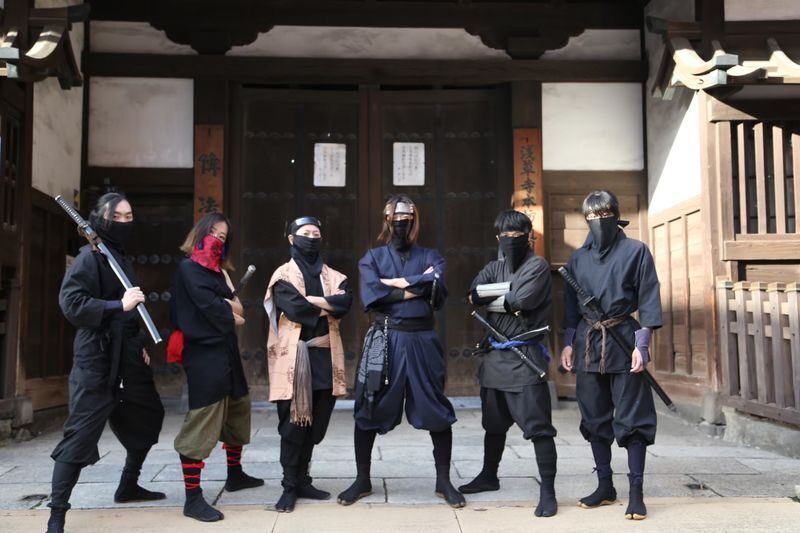
Ninja Residence Jikukan offers a compact, theatrical take on ninja training. The advertised package is called Space-Time Ninja Shadow, and its scheduled session lasts 90 minutes, even though the general experience summary may describe it as an hour. Plan for the longer time when arranging the rest of your day.
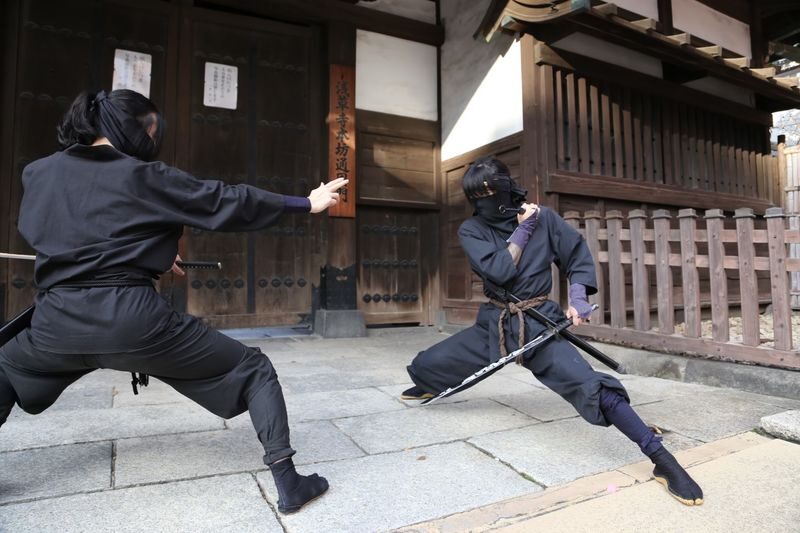
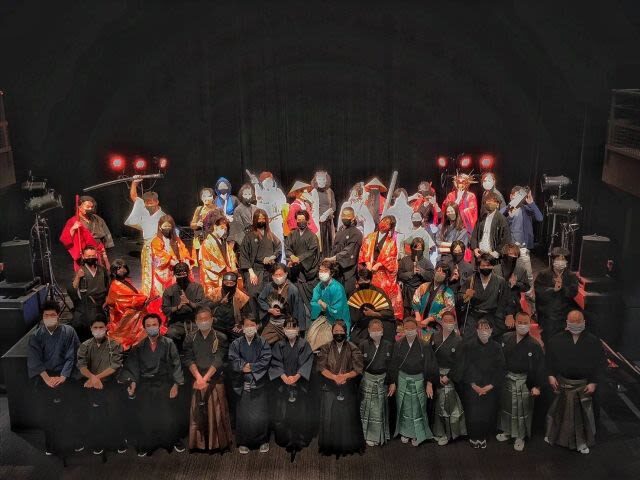
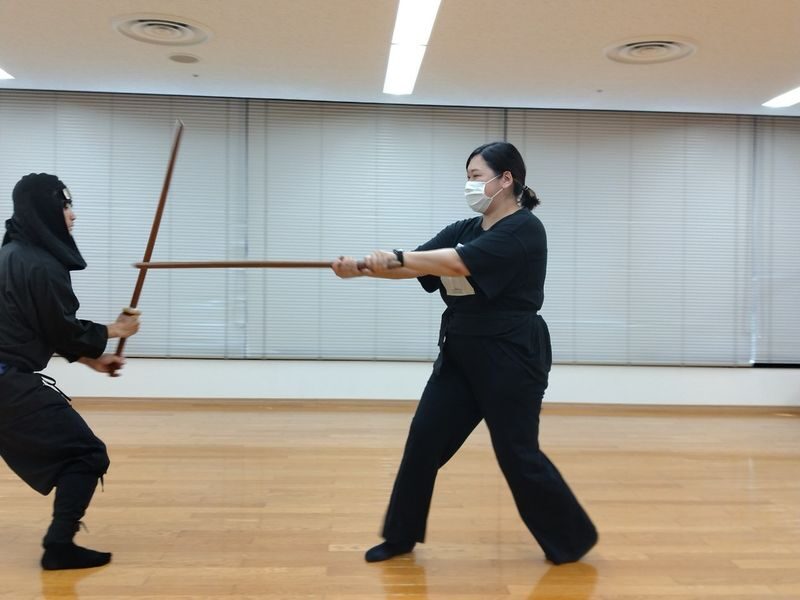
This is not a history lecture or a quiet museum visit. You are there to learn and try techniques, with stage actors guiding you through movements and activities. That background matters: sword handling and performance are part of their work, so the session combines basic instruction with the showmanship of a staged fight.
The goal is a sense of having stepped into a ninja story, but you do more than pose for a photo. You practice hand seals and stances, handle a sword, try shuriken throws, and take part in the daikon cut. The projection-mapped finale gives the session a dramatic finish.
Instruction is offered in English and Chinese. No individual instructors are named in the details available, so you should not expect to request a particular teacher. The teaching style is encouraging, with positive reinforcement noted as a feature of the session. That can be useful if you feel awkward learning unfamiliar movements in front of a group.

👉 See our pick of the 25 Best Guided Tours In Tokyo
From hand seals to sword skills
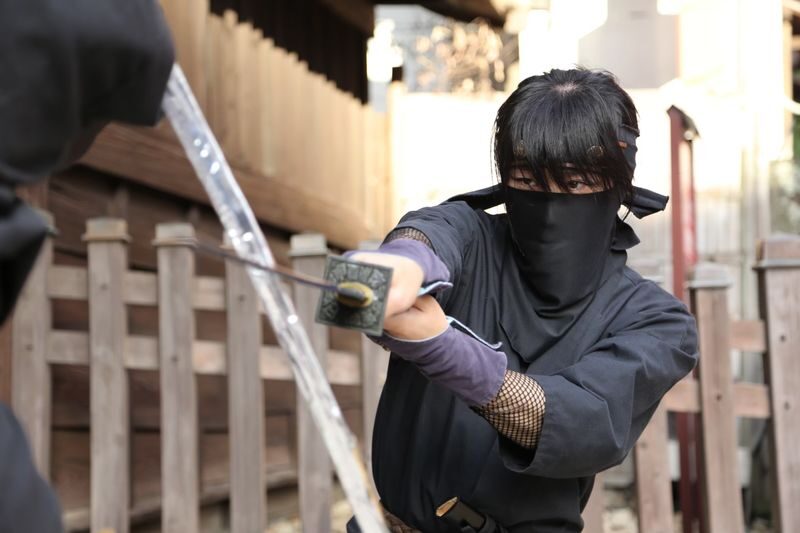
The training includes Kuji-Goshin-Ho, a nine-syllable protection method expressed through hand seals, as well as the Five Elements stances. You also learn the basic actions of drawing and sheathing a sword. These elements give the session some structure: rather than jumping straight to a dramatic sword scene, you first get a taste of forms and ritual.
The details provided do not spell out how much time is spent on each technique or the exact order of instruction. Expect a fast introduction, not a full course. The appeal is variety and participation, not mastery. In 90 minutes, you can try several skills and get a feel for how movement, focus, and presentation fit together.
The four shuriken activities add a different kind of challenge. You try rapid rotation, a seated throw, a lying throw, and stick shuriken. The range makes this more interesting than repeating one basic throw, although the session is still a short introduction. If you are keen on any single technique, keep in mind that the schedule has several activities to cover.
One practical tip: wear comfortable clothing and sneakers or similar shoes. You must arrive dressed for training because there is no place to change. This is an easy detail to overlook if you are coming from a day of sightseeing, but it can make the difference between moving freely and spending the session tugging at unsuitable clothes.
You can also read our reviews of more tours and experiences in Tokyo.



The daikon cut is the hands-on highlight
The daikon tameshigiri, or radish-cutting exercise, is the signature moment. You use a real sword to cut a daikon in half with one stroke, with instruction focused on blade angle and alignment. It is a rare chance to handle a real blade in a structured activity, and the clean cut gives you a concrete result to remember.
That is also why the instruction matters. This is not simply a prop-sword photo opportunity. The activity is presented as a chance to understand how the sword meets its target, with the cutting itself as a test of technique. Follow the instructor closely, and do not treat the sword as a toy or assume that confidence is a substitute for careful handling.
If you are booking for a group, this moment may be especially satisfying. A single, visible result gives everyone something to react to, without requiring anyone to have prior martial arts experience. The session is open to participants aged 13 and older, so it can suit adults and older teens who want an active shared outing.
A projected sword fight for the finale
The closing sword-fighting experience shifts from hands-on training to theatrical spectacle. Projection mapping changes the setting around you, while 5.1-channel surround sound adds cinematic effects. The result aims for the feel of a movie fight scene, with the room acting as a digital stage.
This portion is designed to be fun and dramatic rather than a test of historical accuracy. The details compare the mood to action worlds such as Street Fighter and Demon Slayer, so expect a stylized scene, not a quiet lesson in traditional combat. For many people, that contrast is part of the charm: the session begins with basic forms and ends with a bigger, louder performance.
The projection and sound are a meaningful part of the price, but they will not appeal to everyone equally. If you want a grounded cultural demonstration with little theatrical framing, this may feel more like entertainment than study. If you enjoy stagecraft and action scenes, it gives the lesson a memorable finish.
Archery practice and an Asakusa map
The program also includes a horseback archery machine. It offers a way to try the idea of archery from horseback without an actual horse. The available details do not explain the machine’s setup or how many attempts you receive, so treat it as an included activity rather than a long archery lesson.
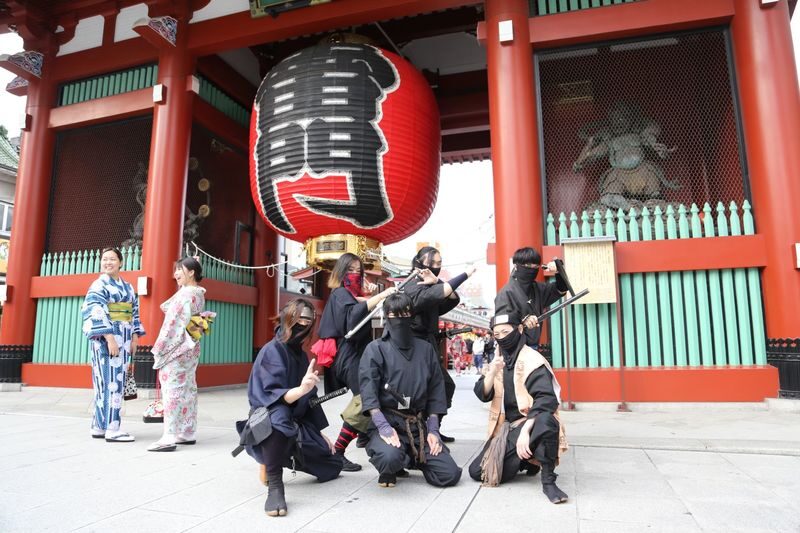
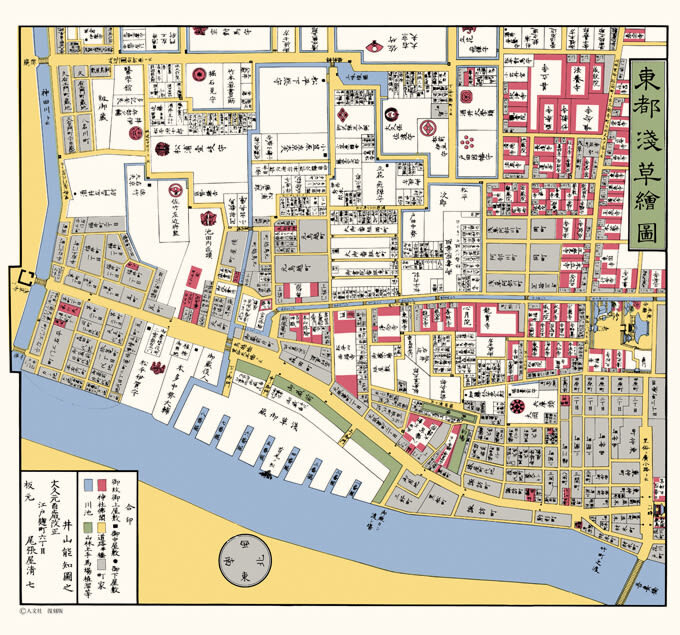
You also receive an original Asakusa Ninja Emaki Map and guidance to popular photo spots. This is a useful extra if you plan to continue sightseeing after the session. The training ends at Ninja Residence Jikukan, and nearby sights include Senso-ji Temple, so you can carry on exploring the area without needing to travel far for your next stop.
The map is a bonus, not a substitute for a full guided Asakusa tour. Its value is practical: it gives you a themed way to pick out photo locations and extend the outing. If you already know the neighborhood well, you may use it less; if this is your first visit, it can help turn a short activity into part of a larger day.
Is US$75.70 good value?
At a starting price of US$75.70, this is a splurge for a 90-minute activity. The value comes from the combination: instruction from stage actors, several different techniques, the real-sword daikon cut, shuriken practice, an archery machine, the projection-mapped finale, and the Asakusa map. You are paying for a guided, hands-on production, not simply admission to a room.
I would consider it worthwhile if you want an unusual group activity and will take part in the exercises rather than watch from the sidelines. One person described it as a good team-building activity and praised the instructor’s dedication and positive encouragement. That is a useful clue about its social side: the format seems to make room for adults to have fun together, even if nobody arrives with ninja skills.
It is less compelling if you are mainly looking for a low-cost cultural attraction, a long technical lesson, or a broad account of ninja history. The session is short and covers many activities, so depth is limited by design. Compare the price with the value you place on trying a real-sword cut and joining a staged action finale.






Getting there and planning your visit
The meeting point is Ninja Residence Jikukan, at 202, 2-26-5 Asakusa, Taito-ku, Tokyo 111-0032. It is about a nine-minute walk from Exit 1 of Tokyo Metro Asakusa Station. Check the exact location before setting out, and allow time for the walk so you are not rushing into a session that starts at a fixed time.
Departure options are 10:00, 12:00, 14:00, and 16:00. Choose your time when booking and arrive for that slot. Return times vary according to the selected departure and the itinerary duration, with options listed at 12:00, 14:00, 16:00, and 18:00. You finish at the training location and can leave from there.
The activity is for ages 13 and up. Bring a mobile voucher, wear comfortable clothes and sneakers, and arrive ready to train. Personal expenses beyond the included admission and staff are not included. Confirmation is expected within 24 hours; if it does not arrive, contact customer support. Cancellation before the selected activity date is eligible for a full refund, while late arrivals and no-shows are not refundable. The operator may cancel for extreme weather or unforeseen events, with a full refund available.
Should you book this ninja experience?
Book it if you want an active, playful stop in Asakusa, especially with friends, coworkers, or older teens. The daikon cut, four shuriken styles, and cinematic sword scene give the 90 minutes a clear arc, while the encouraging instruction should help beginners join in without feeling they need to perform like a trained fighter.
Skip it if your priority is an inexpensive attraction or detailed historical instruction. At this price, the best fit is someone who values participation and theatrical fun. If that sounds like your kind of afternoon, book a departure that leaves room afterward for Senso-ji and the rest of Asakusa.
Tokyo: Phantom One – Jikukan Adult Ninja Training Experience
“It is quite good as a team-building activity. The instructor is very dedicated and provides plenty of positive reinforcement. All of us adults had…”
FAQ
How long does the ninja training last?
The Space-Time Ninja Shadow package is scheduled for 90 minutes.
Where does the activity take place?
It takes place at Ninja Residence Jikukan, 202, 2-26-5 Asakusa, Taito-ku, Tokyo 111-0032.
How do I get to the meeting point?
The venue is about a nine-minute walk from Exit 1 of Tokyo Metro Asakusa Station.
What languages are available for instruction?
Instruction is available in English and Chinese.
What is the minimum age to participate?
Participants must be at least 13 years old.
What should I wear?
Wear comfortable clothing and sneakers or similar shoes. There is no changing space, so arrive dressed for training.
What ninja skills are included?
The session includes nine-syllable hand seals, Five Elements stances, drawing and sheathing a sword, four types of shuriken throws, and a daikon-cutting exercise.
Is the horseback archery activity included?
Yes. The package includes a horseback archery machine experience.
What happens if I arrive late or miss the session?
Late arrivals and no-shows are not eligible for a refund.























