The heart of this Shibuya workshop is hands-on: you whisk your own matcha while an instructor explains the care and etiquette behind the ceremony. It’s a friendly way to meet Japanese tea culture without needing to know anything about it first.
I like two things here: you get to make the matcha yourself, not just watch a demonstration, and the tasting gives you a chance to compare Japanese teas by flavor and aroma. The private format also leaves room for questions and patient, step-by-step guidance.
One thing to keep in mind: this is a one-hour introduction, not a long formal ceremony. Snacks are included, but one participant found the expected tasting cakes were missing, so treat them as a small extra rather than the main event.
- Key points to know before you book
- A hands-on introduction to matcha in Shibuya
- What happens during the one-hour session
- The instructor makes the lesson
- What the tea tasting adds
- Shibuya setting and meeting-point advice
- Is US.55 good value?
- Who will get the most from this workshop
- Booking details worth checking
- Should you book the Shibuya matcha workshop?
- FAQ
- How long does the tea ceremony experience last?
- Where do I meet the instructor?
- What time can I book?
- Is the workshop private?
- Is an English-speaking guide included?
- What is included in the price?
- Can children join?
- Can I cancel for a refund?
- The Best Of Tokyo!
- More Private Tours in Tokyo
- More Tours in Tokyo
- More Tour Reviews in Tokyo
- Not for you? Here's more nearby things to do in Tokyo we have reviewed
Key points to know before you book
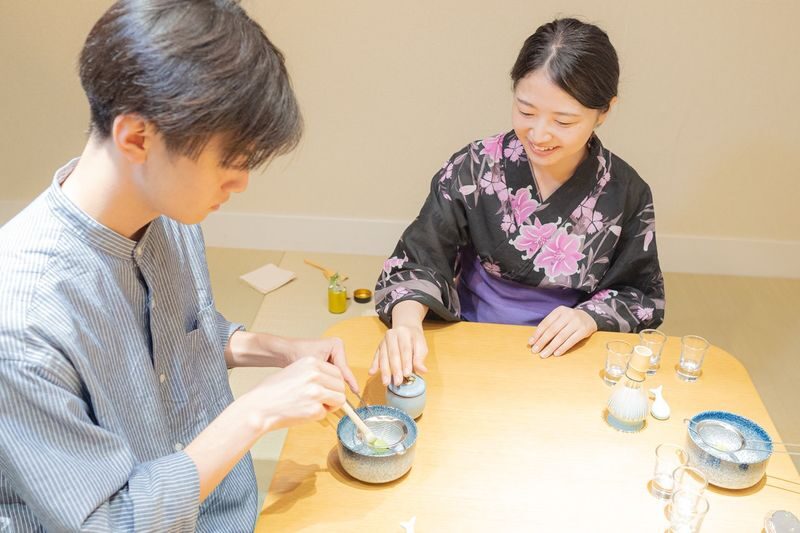
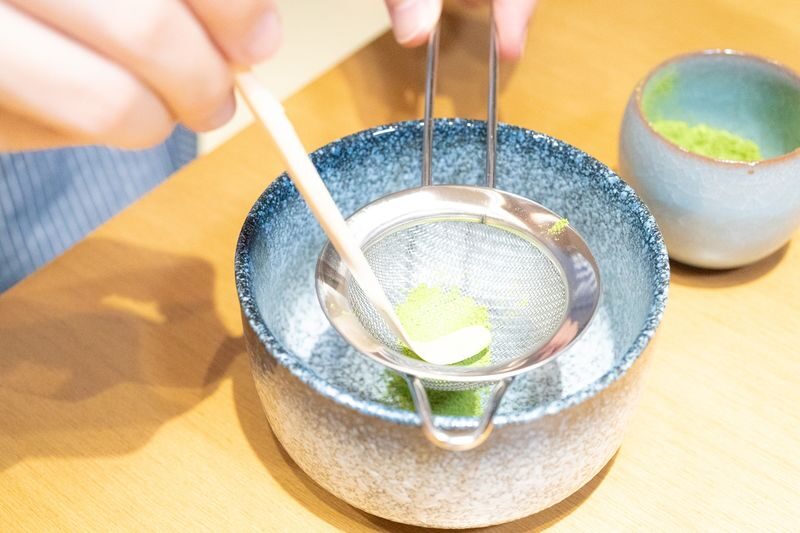
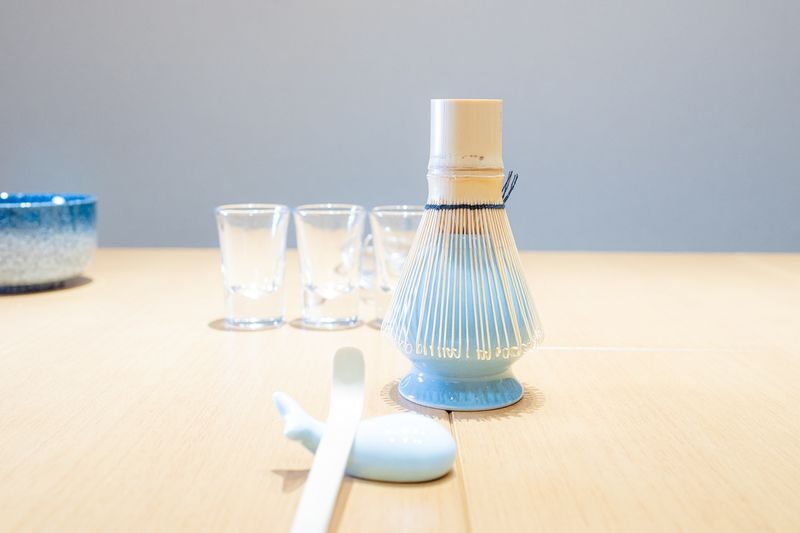
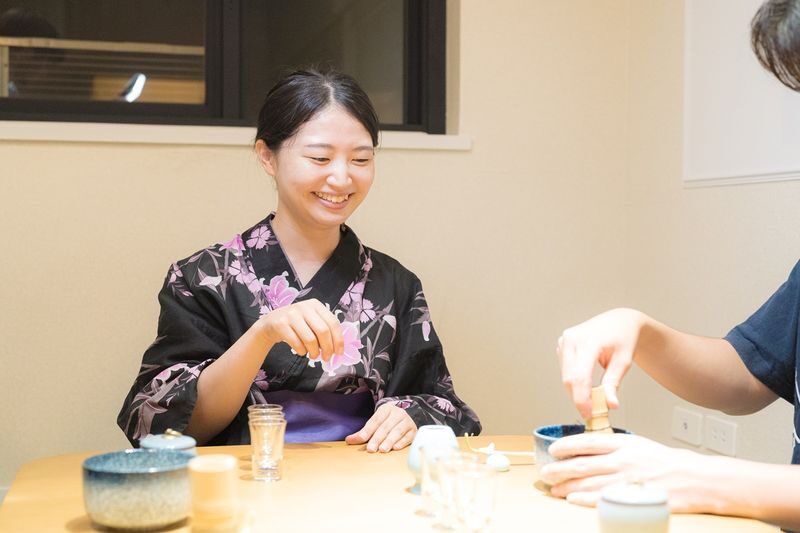
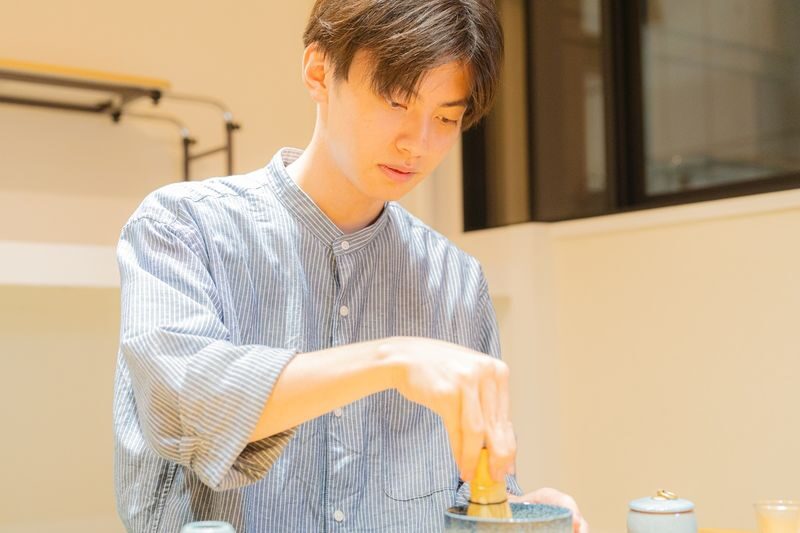
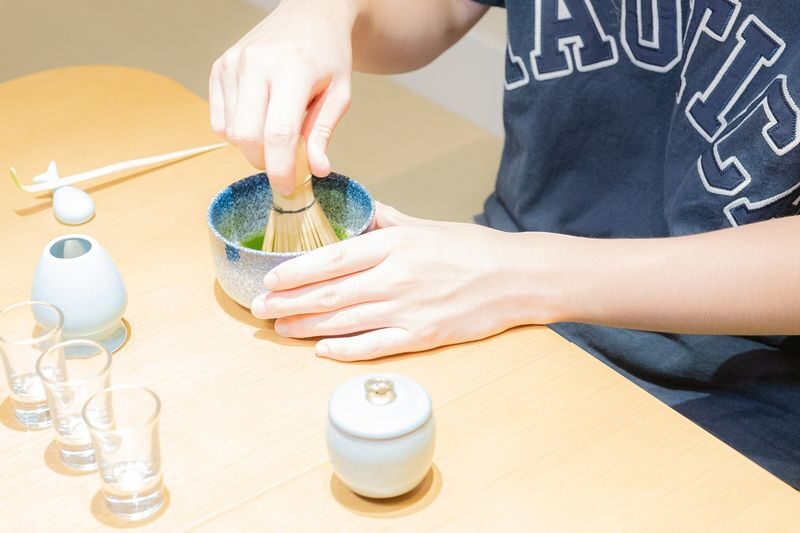
- You prepare your own matcha with an instructor guiding you through the steps.
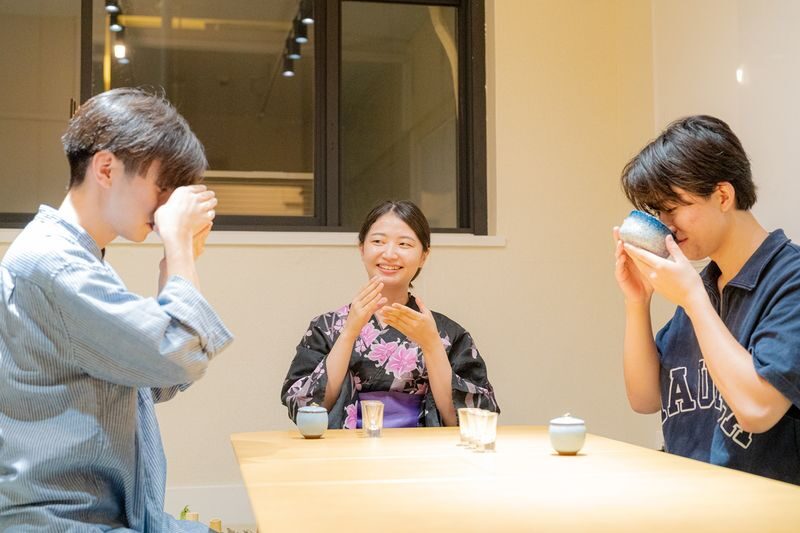
- Tea tasting adds context: you can compare different Japanese teas and learn about their flavors and preparation.
- The session lasts one hour at the Okazaki Building in Shibuya.
- English-speaking instruction is included, along with an audio guide.
- The experience is listed as private, with a starting price of US$31.55.
- Find the correct floor before you go: the meeting point is at the building entrance, and one participant’s practical tip identifies the studio as being on the seventh floor.

👉 See our pick of the 25 Best Guided Tours In Tokyo
A hands-on introduction to matcha in Shibuya
A tea ceremony can seem formal from the outside, with unfamiliar gestures and rules that are easy to worry about getting wrong. This workshop makes the tradition easier to approach by letting you take part. You learn the basics, then prepare a bowl of matcha with an instructor there to show you what to do.
That practical element is the main reason I’d choose this over a short demonstration. Watching someone whisk tea can be pleasant, but doing it yourself helps the sequence make sense. The session is designed for beginners, so you don’t need prior knowledge of tea ceremony or Japanese etiquette.
The experience also puts matcha in a wider context. You taste and compare different Japanese teas, with explanations about their character and how they are made. One participant described making three different teas, though the exact selection may vary. That contrast can help you notice how much variety sits under the broad label of Japanese tea.
The emphasis is on a calm, accessible cultural introduction. You’ll hear about the meaning and etiquette of tea ceremony while taking part in a guided activity. If you’re hoping for a long, highly formal ritual in a historic tea house, this may not be the right match. The available details describe a one-hour workshop in a Shibuya building, with a focus on instruction, tasting, and making matcha.
You can also read our reviews of more private tours in Tokyo

What happens during the one-hour session
The activity begins at the Okazaki Building, where you meet your guide outside the entrance. From there, the session is centered on the tea ceremony experience. The itinerary gives one hour for the guided activity, so expect a compact lesson rather than a half-day cultural program.
Your instructor introduces tea ceremony customs and explains their meaning. The description highlights etiquette, care, mindfulness, and the beauty of the tradition. You then follow step-by-step guidance to prepare your own bowl of matcha. The pace is meant to be gentle, and the personal format can make it easier to ask questions as you go.
After that, you taste and compare Japanese teas. This is a useful part of the workshop because it gives you something concrete to focus on: flavor, aroma, and differences in character. The session is not only about learning the motions of whisking matcha. It also gives you a basic vocabulary for noticing what’s in your cup.
Snacks are included. Tea tasting is part of the activity, but additional meals and beverages are not included. The experience also includes photos taken during the session, which are sent to you at the end. That’s a useful keepsake if you’d rather focus on the instruction than take pictures yourself.
The session ends where it began, at the Okazaki Building. There is no separate sightseeing stop or transport segment to factor into your plans. That makes it easy to fit between other Shibuya activities, though you should leave enough time to find the building and arrive for your selected start time.
The instructor makes the lesson
A tea workshop depends on the person leading it. The instructor has to explain unfamiliar customs clearly without making the experience feel like a lecture. Participants have named Sowa, also written as Soba, Yumemai, and Taku-san as hosts. These names are examples of instructors who have led sessions, not a promise about who will teach yours.
The strongest praise has gone to the instructors’ manner and explanations. People found them friendly, calm, and easy to understand, with English strong enough to explain tea types, preparation, and cultural background. One participant described the atmosphere as like chatting with a longtime friend. That warmth matters: when you’re learning a ritual, a relaxed teacher can make it much easier to try each step without feeling self-conscious.
Taku-san was praised for explaining where teas come from, how they are made, and which varieties to try. Sowa was singled out for clear English and an upbeat approach. Yumemai was also named as an enjoyable host. You cannot select a specific instructor from the information provided, so book for the activity itself rather than expecting a particular person.
What the tea tasting adds
The tasting gives this class more range than a matcha-only lesson. You can compare different teas and notice how aroma and flavor change from one to another. The exact teas are not specified in advance, so go in ready to follow the instructor’s selection rather than expecting a fixed menu.
The experience is especially useful if you’ve had matcha before but have not thought much about how it is prepared or how it differs from other Japanese teas. You can connect the taste to the explanation, then try the preparation yourself. For a first-time visitor, that combination is more memorable than a list of tea facts alone.
A few details may vary. One participant described trying several tea intensities, while another recalled making three different teas. The information does not guarantee a particular number or selection. If you have a specific interest, such as learning about one tea type, ask the instructor during the session rather than assuming it will be included.
Shibuya setting and meeting-point advice
The address is the Okazaki Building in Shibuya. The meeting instructions say to find the guide just outside the building entrance, where the building name is displayed. One practical tip from someone who attended: the activity is on the seventh floor. Since the main meeting instruction is to meet at the entrance, use that as your starting point and confirm the floor or directions if anything is unclear.
Shibuya is a convenient place to fit a short cultural activity into a Tokyo day. The workshop itself offers a calmer hour, but the location is a city building rather than a setting described as a traditional garden or historic teahouse. That distinction is worth knowing if the atmosphere of the venue matters as much to you as the tea lesson.
Choose your start time with care. Available departures are listed at 09:00, 11:00, 13:00, 15:00, 17:00, and 19:00. The return time is one hour later, with the activity ending at the same meeting point. Options may depend on the departure time you select. Arrive on time: late arrivals and no-shows are not refundable.





Is US$31.55 good value?
The private workshop starts at US$31.55 for the listed package. For that price, you get a one-hour guided activity, hands-on matcha preparation, tea tasting, an English-speaking guide, an audio guide, snacks, and photos sent afterward. Taken together, that is a fair bundle for a short cultural lesson, especially if you value direct instruction over a passive demonstration.
The price is most appealing if you’re curious about tea ceremony but don’t want to commit to a long class. You get a focused introduction and a chance to participate, while the private format should make the session feel more personal than a large group talk. The details provided do not specify the number of people covered by the starting price, so check the final booking total for your party before paying.
The experience is less compelling if you want a full meal, a lengthy ceremony, or a particular kind of venue. Meals and additional beverages are not included, and the tea session is only an hour. Snacks are part of the package, but at least one person did not receive the small cakes they expected. I’d see any snack as a bonus, not a reason to book.
The provider has a 92 percent good review rate across 42 reviews, while this specific activity has a 4.7 out of 5 rating from seven reviews. Those figures suggest a strong overall response, but the small number of ratings for this particular workshop means they are best treated as a guide, not a guarantee.
Who will get the most from this workshop
This experience suits first-time visitors who want an approachable way to learn about Japanese culture. You don’t need to know the rules in advance, and the hands-on format gives you something to do as well as listen to. It also works for tea fans who want to compare Japanese teas and make matcha under guidance.
It may appeal to couples, friends, or families with older children who can focus on a guided lesson. Children aged four and older are charged the adult rate. Children aged zero to three can join free, but infants and children must still be included in the passenger headcount, and age is based on official identification.
If you’re looking for a quiet change of pace between city sights, the one-hour length is convenient. If your priority is a grand, highly ceremonial setting or a long lesson on tea history, check your expectations: the stated format is a short, guided workshop in Shibuya.
Booking details worth checking
The voucher is valid only for the date and time you selected. Changes are allowed until 24 hours before the activity, with some exceptions, including bookings made with certain passes or promotional offers. A full refund is available if you cancel at least 24 hours before the activity date, in Tokyo local time.
Confirmation should arrive within minutes. If it does not, contact customer support. The schedule may change depending on traffic and weather, so keep an eye on any messages about your session. Most important, use the meeting time you chose at booking. Late arrivals and no-shows cannot be refunded.
Should you book the Shibuya matcha workshop?
Book it if you want a short, friendly, hands-on introduction to matcha and Japanese tea culture. The best reasons are the chance to whisk your own bowl, compare teas, and learn from an English-speaking instructor in a private session. At a starting price of US$31.55, it offers good value for a focused cultural activity.
Skip it if you’re expecting a lengthy formal ceremony, a historic teahouse setting, or a guaranteed selection of particular teas and sweets. For most curious first-timers, though, this is a practical way to slow down for an hour and leave with a better sense of how Japanese tea is prepared and enjoyed.
Tokyo: Private Matcha Tea Ceremony Experience in Shibuya
“Sowa (Soba) was a very knowledgeable young man. Excellent English and a fun outlook made the experience enjoyable. only thing missing in the lead u…”
FAQ
How long does the tea ceremony experience last?
The guided experience lasts one hour. It ends at the same Okazaki Building meeting point where it begins.
Where do I meet the instructor?
Meet the guide in front of the entrance to the Okazaki Building in Shibuya. The building name is displayed at the entrance.
What time can I book?
Available departure times are 09:00, 11:00, 13:00, 15:00, 17:00, and 19:00. Options may vary depending on your selected departure time.
Is the workshop private?
The available package is titled Private Japanese Tea Ceremony Workshop.
Is an English-speaking guide included?
Yes. An English-speaking guide and an audio guide are included.
What is included in the price?
The package includes admission to the tea ceremony, an English-speaking guide, an audio guide, snacks, and photos taken during the experience and sent to you at the end.
Can children join?
Children aged zero to three can join free, while children aged four and older pay the adult rate. Infants and children must be included in the passenger headcount.
Can I cancel for a refund?
You can receive a full refund if you cancel at least 24 hours before the activity date, based on Tokyo local time.