Tokyo’s scale can make a first day feel like a puzzle of train lines, long walks and crowded crossings. This four-hour Hato Bus tour links the Imperial Palace area, Asakusa and Tokyo Tower, giving you a guided introduction without asking you to plan every connection yourself. I like the included Tower admission and the chance to hear context from a licensed English-speaking guide while you travel.
I also like that the route mixes very different sides of the city: imperial grounds, an old Buddhist temple and a modern observation deck. The trade-off is time. Each stop is short, and the palace visit may be mostly about the view rather than entry into the gardens. If you want a slow temple visit or lots of time for shopping, this is a sampler, not a full day in any one place.
- The useful details at a glance
- Four hours, three stops and little route planning
- The Imperial Palace view, not a palace tour
- Senso-ji and Nakamise Street in a short visit
- Kabukiza and Ginza from the bus window
- Tokyo Tower’s 150-meter view
- What the price includes, and what it saves you
- Timing, meeting point and a few practical cautions
- Who will get the most from this tour?
- FAQ
- How long is the Tokyo Hato Bus tour?
- Where does the tour depart from?
- What is included in the price?
- Is the 250-meter Tokyo Tower observatory included?
- How long is the stop at Senso-ji?
- Does the tour enter the Imperial Palace gardens?
- What happens if traffic delays the tour?
- Can young children join the tour?
- The Best Of Tokyo!
- More Tours in Tokyo
- More Tour Reviews in Tokyo
- Not for you? Here's more nearby things to do in Tokyo we have reviewed
The useful details at a glance
- The bus leaves Tokyo Station at 13:50 and returns near the Marunouchi South Entrance at about 18:00.
- Tokyo Tower’s 150-meter Main Observatory is included. Access to the 250-meter Special Observatory costs extra.
- Senso-ji and Nakamise Street get a brief visit. The temple is Tokyo’s oldest, and the shopping lane runs about 250 meters.
- The Imperial Palace stop is about the view. Nijubashi Bridge is a familiar palace landmark, but garden access is not assured.
- Kabukiza and Ginza are seen from the bus. This is a drive-by, not a theater visit or a Ginza walking stop.
- The air-conditioned, heated bus is a practical perk. The tour uses an environment-friendly hybrid bus.

👉 See our pick of the 25 Best Guided Tours In Tokyo
Four hours, three stops and little route planning
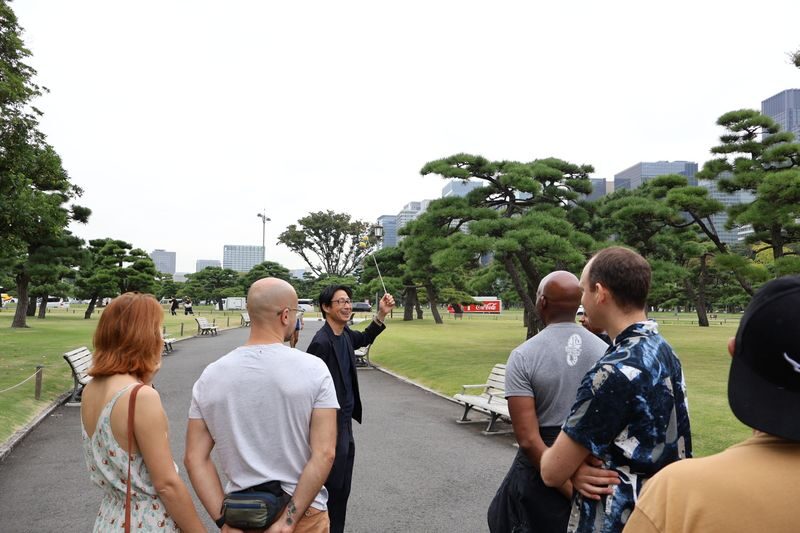
This tour is built for people who want to see several headline sights in one afternoon and would rather leave the route to someone else. A bus takes you between the main stops, while a licensed guide offers historical and cultural context along the way. That can make the city easier to read, especially on a first visit, when a palace, temple and tower might otherwise feel like disconnected pins on a map.
The tour is a group experience, with capacity for one to 40 people. The guide’s style can shape the day: past guides named Kiki, Mina and Atsushi have been praised for clear explanations, warmth and humor. One guide even used songs and drawings to bring the commentary to life. Guide assignments vary, of course, but the strong guiding is one of the experience’s chief advantages.
The schedule is compact. The listed stop times are about 40 minutes at the palace area, Senso-ji and Tokyo Tower, with travel between them. That is enough to get a feel for each place and take photographs, but not enough for an unhurried meal, a long shop browse and a thorough visit at every stop. Traffic and weather can also change the order or delay arrivals.
You can also read our reviews of more tours and experiences in Tokyo.



The Imperial Palace view, not a palace tour
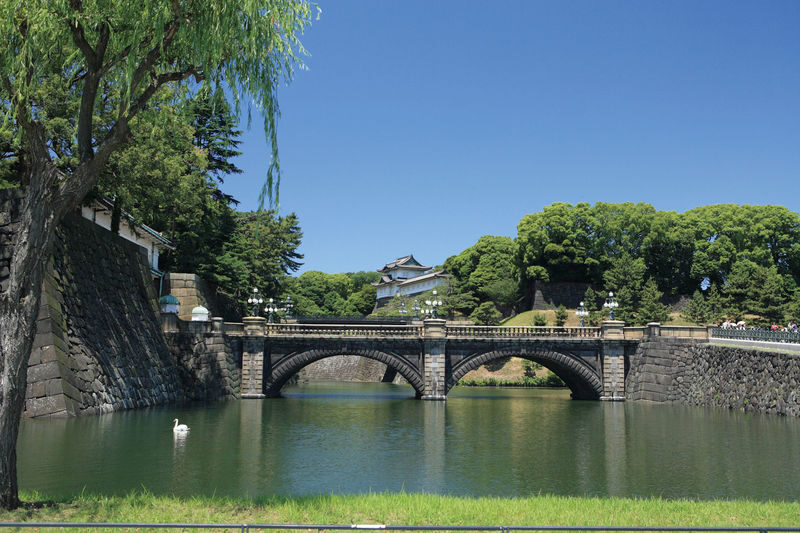
The first stop is the Imperial Palace area, described as a former private garden of Japan’s imperial family. The main draw is the view of Nijubashi Bridge, a well-known approach to the palace grounds and one of Tokyo’s most recognizable sights. Your guide can explain the setting and its ties to the imperial household as you take in the scene.
Keep expectations measured. The stop is not a guarantee of entry to the palace gardens, and access can be affected by restrictions or other conditions. Some visitors have found that there is less to do here than at the other stops, particularly if they expected to wander through a garden. Think of it as a short, guided look at an important civic and historical site, not a full palace visit.
The stop’s value is partly in the contrast. Tokyo’s busy streets give way to open space and a formal view, then the bus carries you on to Asakusa’s temple lanes. If you’re short on time, that variety is useful. If you’ve already seen the palace area independently, you may prefer more time in Asakusa or at the Tower.
Senso-ji and Nakamise Street in a short visit
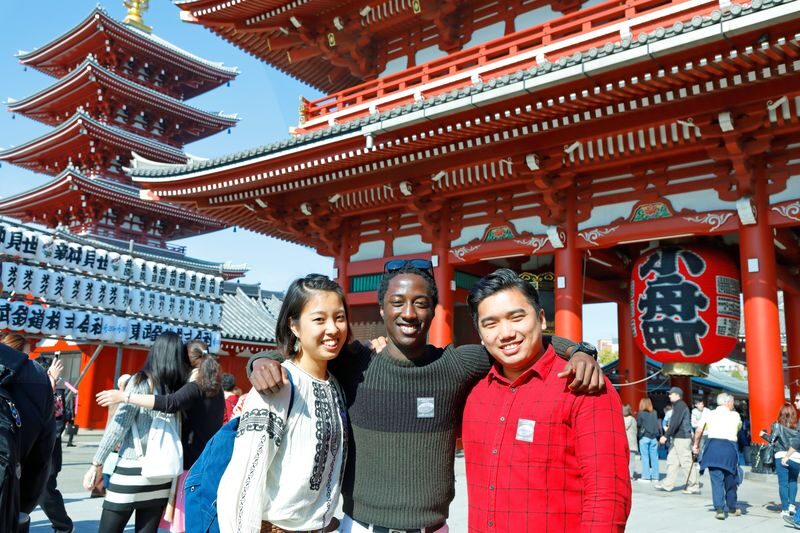
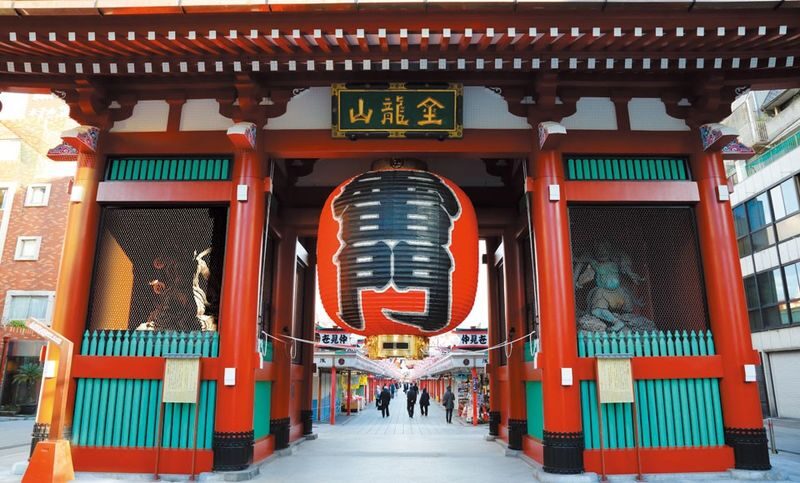
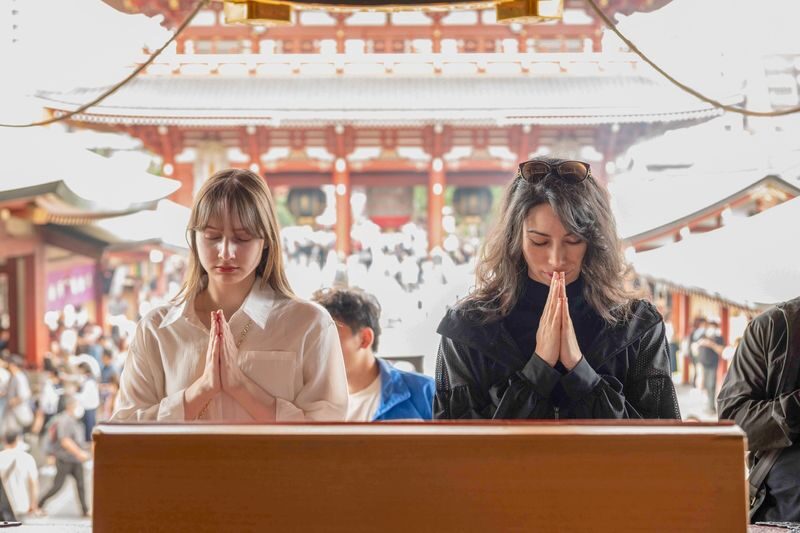
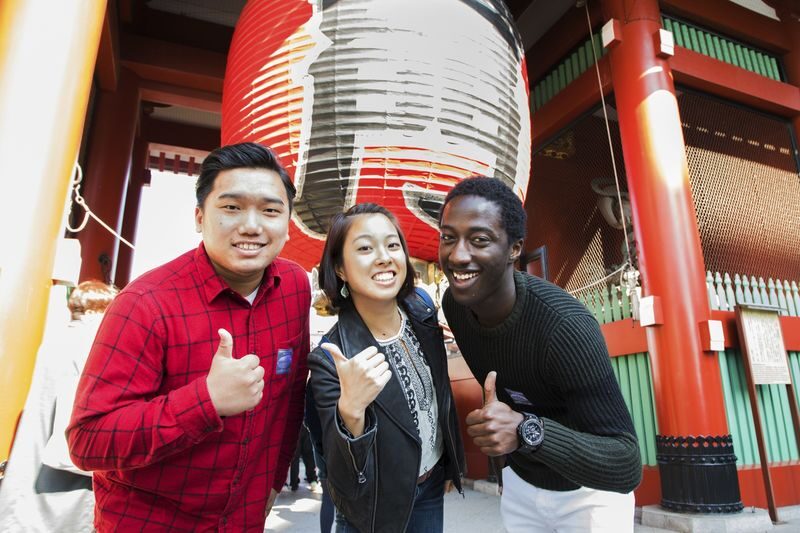
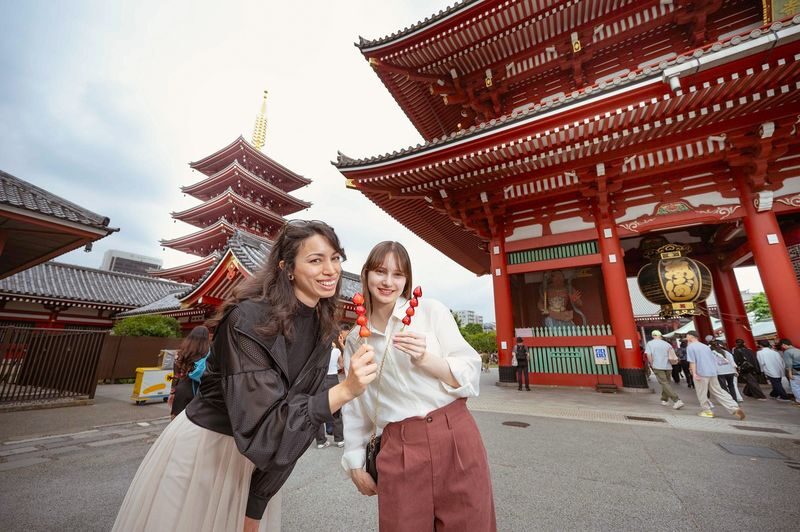
At Asakusa, you visit Senso-ji, Tokyo’s oldest temple. The bright red Kaminarimon Gate is the famous entrance, marked by figures associated with the gods of wind and thunder. Inside the temple precinct, the historic setting and steady stream of worshippers and sightseers offer a glimpse of a spiritual side of the city that feels quite different from the palace district.
Nakamise Street leads toward the temple through a roughly 250-meter line of shops selling snacks and souvenirs. It is a good place to pick up a small gift or try a traditional treat, but a short stop means you’ll need to choose what matters most: pausing at the temple, browsing the stalls or doing both quickly. The path can be crowded, and that can slow your progress.
Some past participants have wished for more time here, which is worth taking seriously if Asakusa is high on your list. The schedule gives you an introduction rather than a leisurely afternoon. Listen for the guide’s return time and meeting point, then keep an eye on the clock. If you’ve visited Senso-ji before, ask whether you can use your time to explore independently, but follow the guide’s instructions and be back when agreed.
Kabukiza and Ginza from the bus window
On the drive from Asakusa toward Tokyo Tower, the bus passes the Kabukiza Theater and Ginza. This is a drive-by view, not a stop. You can catch a glimpse of the theater and city streets from your seat, while the guide may add context during the ride.
That brief pass is a useful orientation, but it should not be mistaken for time to see a kabuki performance or explore Ginza’s shops. If either is a priority, plan a separate visit. The drive-by is best treated as a small bonus between the tour’s main stops.
Tokyo Tower’s 150-meter view
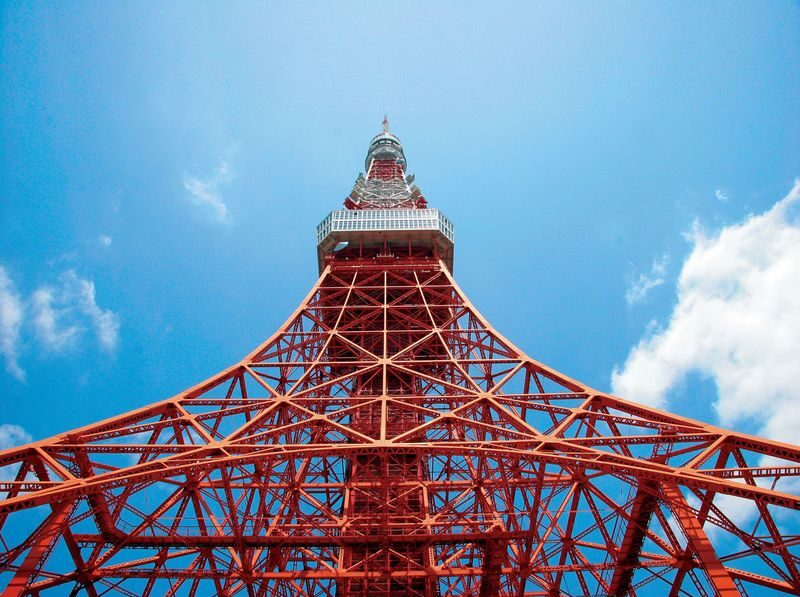
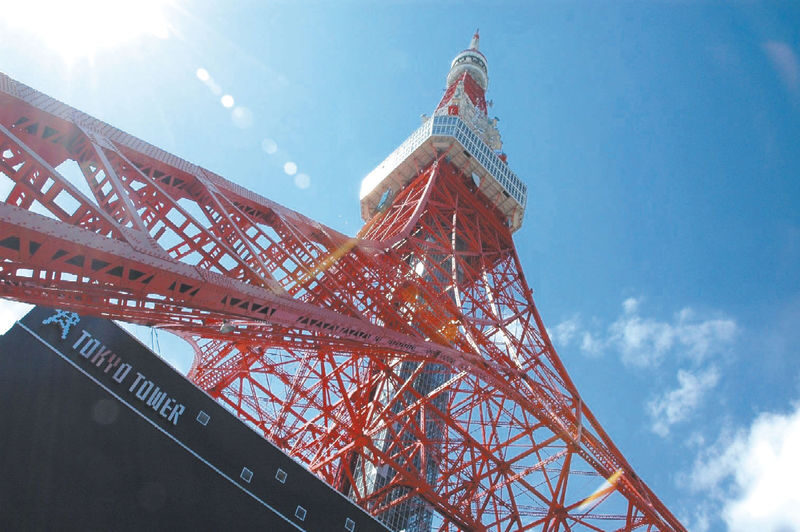
Tokyo Tower is the tour’s big skyline moment. Inspired by the Eiffel Tower, this familiar red-and-white structure gives you a 360-degree view from its Main Observatory at 150 meters. Admission to that level is included, and the guide arranges entry for the group. One visitor noted that this helped the group avoid a long ticket line, though waiting conditions can vary.
From the observatory, you can look across Tokyo’s dense spread of buildings and streets. The view helps make sense of the city’s size after seeing it from the ground, and it is a fine place to take photos. On a clear day, distant views may be easier to pick out; weather can affect what you see, so keep expectations flexible.
The 250-meter Special Observatory is not included. If you want to go higher, you’ll need to pay an additional admission fee yourself. For many people, the included main deck is enough to enjoy the panorama, especially on a tight schedule. Allow for the possibility of queues or a slower visit, since the 40-minute stop also includes getting in and out of the tower.






What the price includes, and what it saves you
At a starting price of $39.79, the tour offers a lot of practical value if you want transportation, a guide and entry to the Tower’s Main Observatory bundled together. You also avoid working out a route between three separate areas and navigating the city’s public transport on a tight afternoon schedule. The air-conditioned and heated bus is welcome in rain, cold or summer heat, though the operator turns off cooling or heating while the bus waits as part of its environmental efforts.
The value is less compelling if you already know Tokyo’s transport system and enjoy making your own route. You might save money by visiting individual sights on your own, but you would give up the guide’s commentary and the convenience of group transport. The tour is not a substitute for a deep visit to any of the stops; its strength is showing you a spread of Tokyo in one short outing.
Meals, drinks, personal purchases, gratuities and the higher Tower observatory are not included. Bring money if you expect to shop or want the 250-meter deck. At Asakusa, a few minutes can disappear quickly among the stalls, so decide in advance whether you care most about a snack, a souvenir or extra time at the temple.
Timing, meeting point and a few practical cautions
The bus departs at 13:50 from the Hato Bus boarding area at Tokyo Station’s Marunouchi South Exit. After leaving JR Tokyo Station through the Marunouchi South Gate, turn left and walk along the buildings to the Hato Bus stop. Wait in Waiting Room No. 5 beneath the elevated railway. Give yourself time to find it: late arrivals and no-shows are not refundable.
The tour returns around 18:00 near Tokyo Station’s Marunouchi South Entrance. From there, you make your own way to your next destination. Because traffic and weather can change the schedule, avoid planning a tight connection immediately afterward.
Children from 12 years old pay the adult rate. Children aged 0 to 5 may ride free if they do not need their own bus seat; book at the child rate if they do. Children aged 6 to 18 must be with a paying adult. Anyone under 18 needs written parental permission, and those under 15 or not yet in middle school must be accompanied by a parent or guardian. Groups with an odd number of people may share bus seats with other customers.
The bus is a hybrid vehicle, and passengers are asked to keep seatbelts fastened. Tokyo Tower’s exterior is scheduled for steel repair work beginning in January 2027, with no end date given. During that work, scaffolding or protective netting may change the view of the tower from outside.
Who will get the most from this tour?
I’d choose this tour if you have limited time in Tokyo, want a first look at several signature sights, or prefer the ease of a bus and guide to stitching the route together yourself. It can also suit families and anyone who would find multiple train transfers tiring. The guide is more than a voice on the bus: a good one can connect the sights and make the short visits feel more meaningful.
I’d skip it if you want to spend an hour or more at Senso-ji, shop without watching the clock, enter palace gardens or explore Ginza on foot. The route is a quick city sampler, and the short stop lengths are part of the bargain. If that suits your plans, the mix of historical context, included Tower access and easy transport makes the fare reasonable.
Tokyo Afternoon Tour by Hato Bus: Tokyo Tower & Asakusa Temple
“It was a great little tour to see the sights of Tokyo. I would of loved more time at sensoji. Tour guide was fab”
FAQ
How long is the Tokyo Hato Bus tour?
The tour runs from 13:50 to about 18:00, for roughly four hours.
Where does the tour depart from?
It leaves from the Hato Bus boarding area at Tokyo Station’s Marunouchi South Exit, at 1 Chome-10-15 Marunouchi. Use the Marunouchi South Gate, turn left and wait in Waiting Room No. 5 beneath the elevated railway.
What is included in the price?
The price includes transport on an air-conditioned and heated bus, a licensed English-speaking guide, attraction admission and entry to Tokyo Tower’s 150-meter Main Observatory.
Is the 250-meter Tokyo Tower observatory included?
No. Entry to the 250-meter Special Observatory costs extra and must be paid separately.
How long is the stop at Senso-ji?
The scheduled stop is about 40 minutes. That time covers the temple visit and Nakamise Street, so you may need to choose how long to spend at each.
Does the tour enter the Imperial Palace gardens?
Entry to the gardens is not guaranteed. The stop focuses on the Imperial Palace area and the view of Nijubashi Bridge, and access may be affected by restrictions.
What happens if traffic delays the tour?
The order of stops and arrival times may change because of traffic, weather or other conditions. The tour is scheduled to return near Tokyo Station at about 18:00, but delays are possible.
Can young children join the tour?
Children aged 0 to 5 can join free if they do not occupy a separate bus seat. If a child needs a seat, book at the child rate. Children aged 6 to 18 must be accompanied by a paying adult.























