Tokyo Tower’s observation deck, a glimpse of the Imperial Palace grounds and a walk through Asakusa: this tour fits three very different sides of Tokyo into one morning. It is a useful way to get your bearings if your time is short, or if you want a guided introduction before exploring on your own.
I like two things in particular: the contrast between Tokyo Tower’s wide city views and Senso-ji’s old temple streets, and the ease of moving between far-flung stops by air-conditioned bus. The English-speaking guide adds context along the way, and the tour finishes near Tokyo Station, handy for continuing your day.
One important caveat: the Imperial Palace stop is a view from outside, not a visit inside the palace or a long walk through its gardens. The schedule is also brisk, so this is an overview, not a slow, in-depth visit.
- Tokyo Tower: Admission to the 150-meter Main Observatory is included. The higher 250-meter Special Observatory costs extra.
- Imperial Palace area: Expect a look toward Nijubashi Bridge and the palace grounds, rather than entry to the palace.
- Asakusa: You get about an hour around Senso-ji Temple and Nakamise Street, with time to browse if you keep an eye on the clock.
- English guidance: A licensed guide accompanies the tour, with guides such as Mina, Kiki and Azumi praised for clear, friendly narration.
- One-way finish: The Shinjuku departure ends near Tokyo Station, so plan your next stop from there.
- Price and pace: From $39.79, the tour bundles transport, guide and Tokyo Tower admission, but you trade unhurried time for convenience.
- A five-hour introduction to Tokyo
- The Imperial Palace view is not a palace visit
- Tokyo Tower from the 150-meter Main Observatory
- Senso-ji and Nakamise Street, the busiest stop
- The bus ride adds useful context, but not extra visits
- Guides make the difference
- Is the price worth it?
- Pickup, finish and useful planning details
- Should you book the Hato Bus morning tour?
- FAQ
- How long is the tour?
- Where does the Shinjuku departure meet?
- Where does the tour end?
- Is Tokyo Tower admission included?
- Can children join the tour?
- Can I cancel for a refund?
- The Best Of Tokyo!
- More Morning in Tokyo
- More Tours in Tokyo
- More Tour Reviews in Tokyo
- Not for you? Here's more nearby things to do in Tokyo we have reviewed
A five-hour introduction to Tokyo
 1 / 9
 2 / 9
 3 / 9
 4 / 9
 5 / 9
 6 / 9
 7 / 9
 8 / 9
 9 / 9
This Hato Bus tour runs from about 8:10 a.m. to 1 p.m. and links the Imperial Palace area, Tokyo Tower and Asakusa. There is also a drive-by view of Kabukiza Theater and Ginza between Asakusa and the tower, plus a drive-by of the National Diet Building.
The appeal is simple: Tokyo’s sights are spread across a large city, and the bus takes care of the transitions. You can sit back in an air-conditioned, heated vehicle while your guide introduces the places you are passing. The bus is described as a hybrid vehicle, part of the operator’s environmental efforts.
This format is especially useful early in a visit. You get a broad first look at the city, then can return to the places that catch your interest. It also works as a tidy final morning if you have already spent time in Tokyo and want a few major sights before moving on.
The trade-off is built into the clock. You will see more than you could comfortably reach on foot in half a day, but each stop has a defined window. Traffic or weather can change the order and timing, and delays may affect how long you have at each place.

👉 See our pick of the 25 Best Guided Tours In Tokyo
The Imperial Palace view is not a palace visit
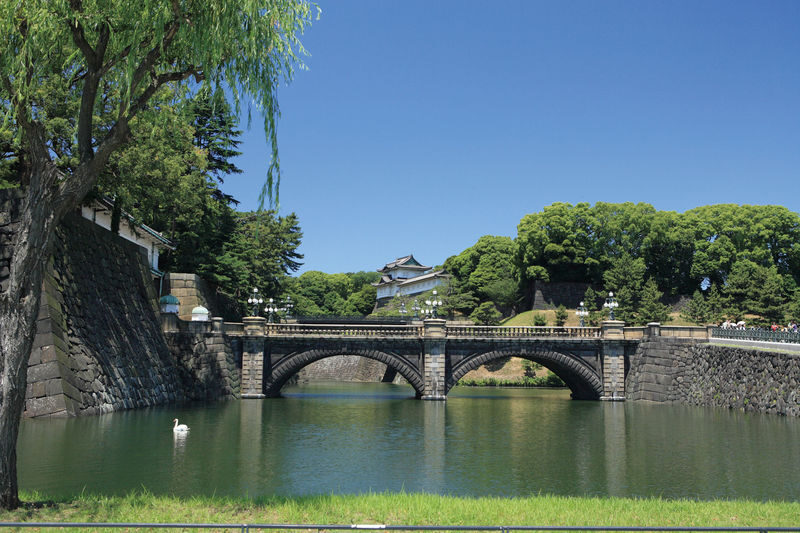
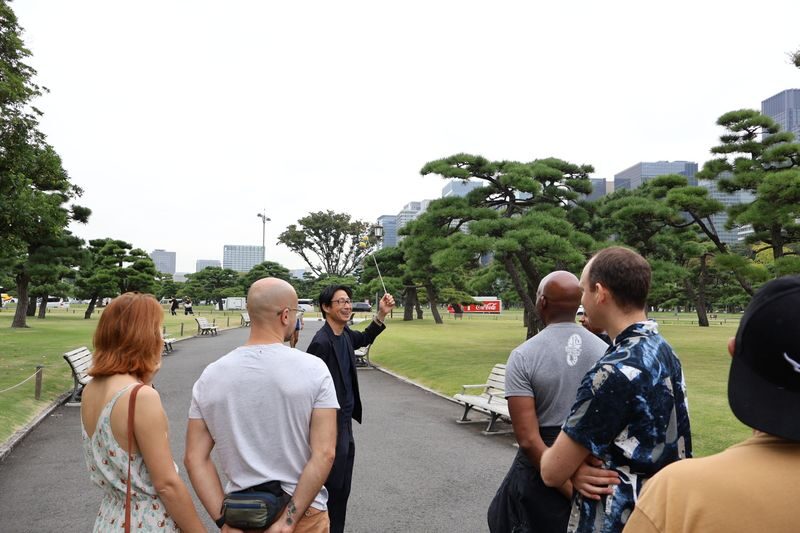
The first stop is described as a National Garden once reserved for the Imperial family, with a view of Nijubashi Bridge, a familiar image of the Imperial Palace. That sounds like a garden stroll, but you should set your expectations carefully: this is primarily an exterior viewpoint. You should not expect to enter the palace or tour the gardens.
That distinction matters. Some visitors hope for a walk among the palace grounds and are disappointed when the stop is a quick look from outside. Treat it instead as a chance to see the bridge and understand the palace’s place in Tokyo’s civic center. The guide can give context, and the view gives you a landmark to recognize later.
The stated allocation is about 40 minutes, though the bus schedule and road conditions shape the actual visit. If palace interiors or a substantial garden walk are high priorities, make separate plans. The tour’s value here is the overview, not access.
You can also read our reviews of more tours and experiences in Tokyo



Tokyo Tower from the 150-meter Main Observatory
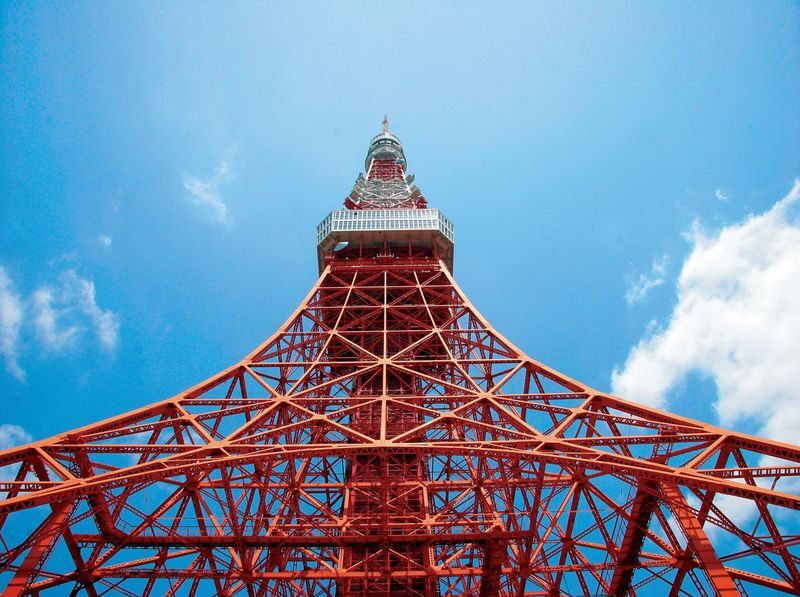
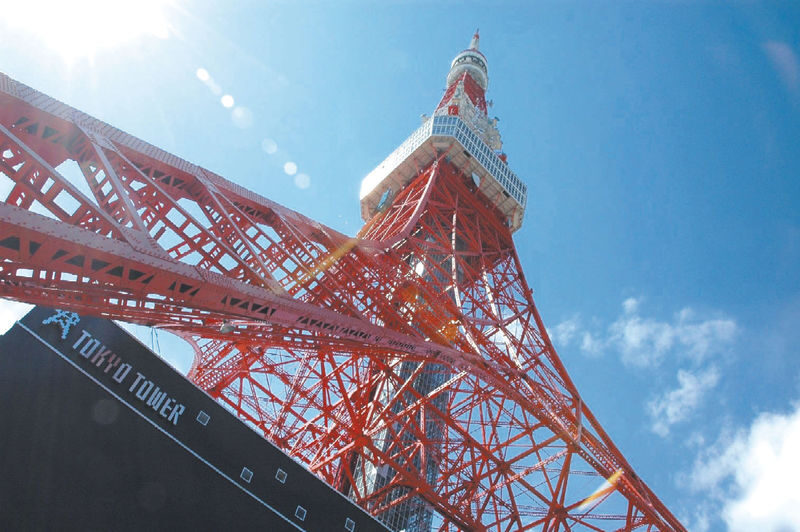
At Tokyo Tower, the tour includes admission to the Main Observatory at 150 meters. The tower is inspired by the Eiffel Tower and remains one of Tokyo’s best-known skyline markers. From the observatory, you get a 360-degree view over the city, a welcome change after seeing Tokyo from street level.
You have roughly 40 minutes at this stop. That is enough for the included deck and photos, but not a leisurely exploration of every part of the tower. Admission to the Special Observatory at 250 meters is not included, so you pay an additional fee if you want to go higher.
Views depend on the weather. On a clear morning, the broad panorama helps you grasp Tokyo’s scale and spot how its districts fit together. Haze or rain can soften the view, so keep your expectations flexible. Tokyo Tower is still worth seeing as a structure, but the observatory is the main reason to linger.
There is also a future construction note to consider: steel repair work is scheduled to begin in January 2027, with no end date yet set. During that period, scaffolding or protective netting may alter the tower’s exterior appearance.
Senso-ji and Nakamise Street, the busiest stop
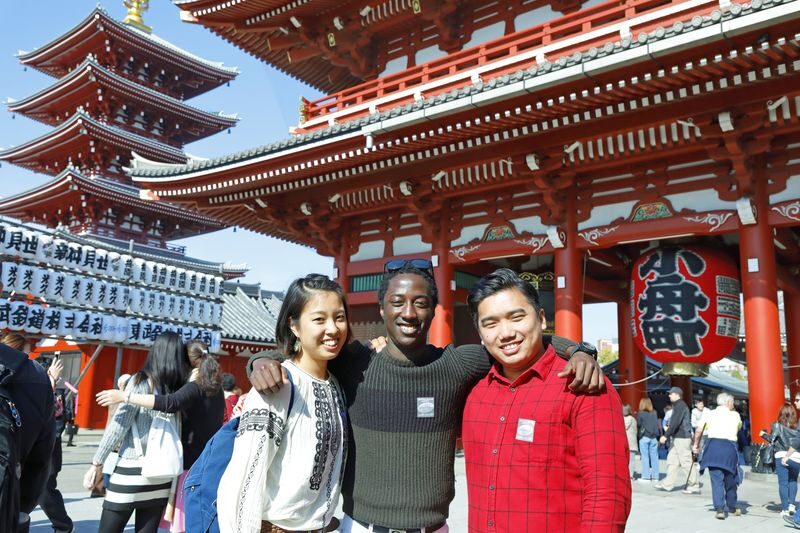
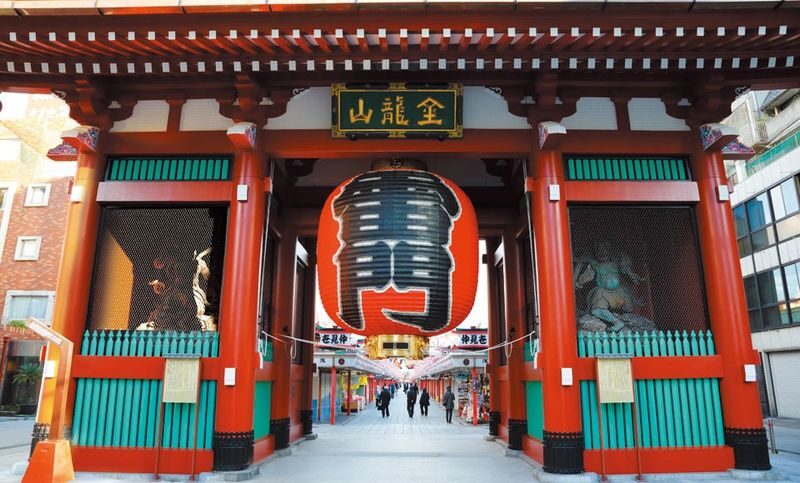
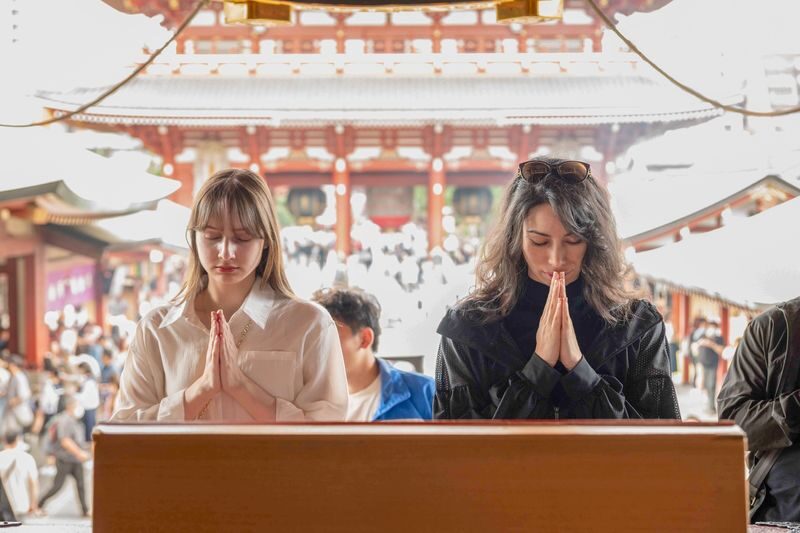
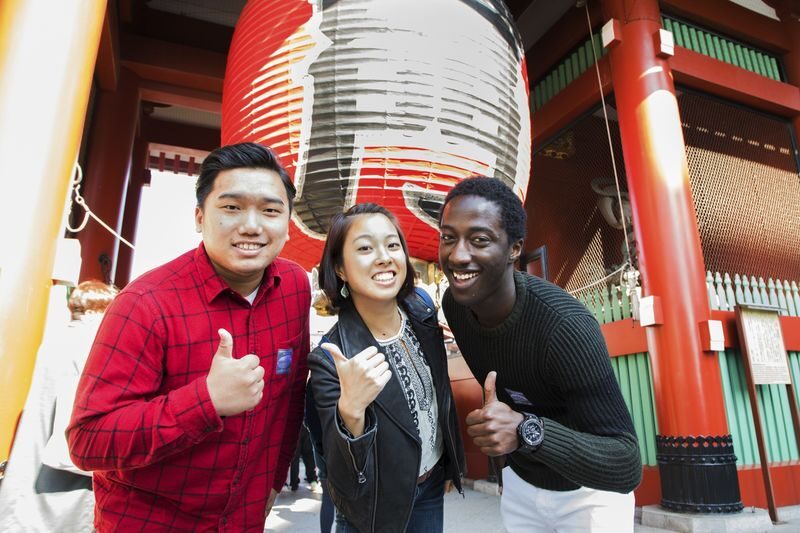
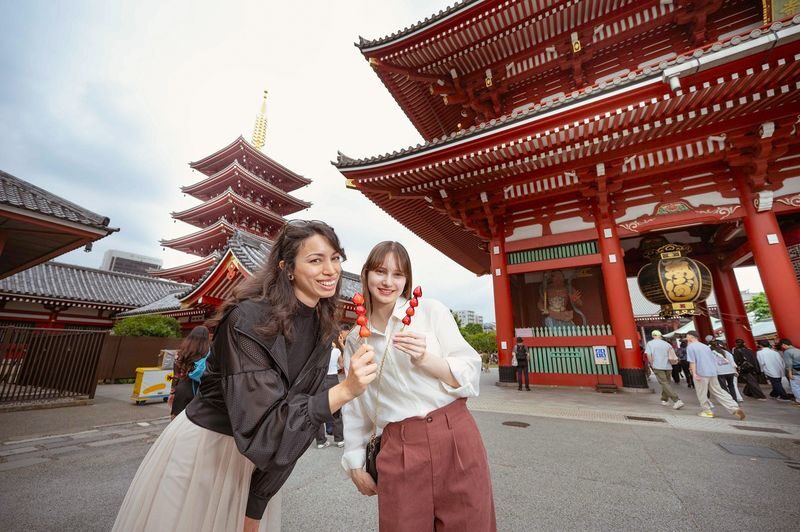
The tour gives you about an hour at Senso-ji, Tokyo’s oldest temple. The bright red Kaminarimon Gate is a memorable entrance, and the temple grounds offer a striking change of pace from the high-rise city. The site is popular and can be crowded, so patience helps, especially around the gate and the main approach.
Nakamise Street runs about 250 meters between the gate and the temple, lined with souvenir shops and traditional snacks. This is the stop where you can browse, pick up a small gift or try something local. An hour goes quickly, so decide whether you want to focus on the temple, shopping or food before wandering too far.
If you want more time in Asakusa, you can stay after the tour rather than returning with the group, but arrange your own onward travel. The tour ends near Tokyo Station, not back at the Shinjuku pickup point. For many people, that is a useful chance to continue exploring the neighborhood, provided they are comfortable making their own way afterward.
The bus ride adds useful context, but not extra visits
Between the main stops, the bus passes Kabukiza Theater and the Ginza district on the way from Asakusa toward Tokyo Tower. The National Diet Building is also listed as a drive-by. These are views through the vehicle’s window, not stops, so think of them as brief introductions rather than sightseeing visits.
The air-conditioned and heated bus makes the distances easier, particularly in bad weather or if walking for long stretches is difficult. One traveler with a knee injury found the format suitable for sightseeing, and another praised the clear directions to lifts and easier routes. Still, the stops involve getting on and off and walking around the sights. If mobility is a concern, ask the guide about access points and lifts as you go.
The group can range from one to 40 people. Larger groups may take longer to gather and move, and people traveling in odd-numbered parties may share seats with other customers. Seatbelts must stay fastened while the bus is moving. To reduce emissions, the engine and heating or cooling may be turned off while the vehicle waits, so bring a layer in cold weather.
Guides make the difference
A strong English-speaking guide is a central part of this tour. The guide is a National Government Licensed Guide Interpreter, and the driver does not serve as the guide. Past guides named Mina, Kiki, Azumi, Teru and Fujiko have been singled out for clear explanations, warmth and helpful tips.
That matters because the tour covers several sites quickly. Good narration connects the view outside the window to the stops ahead, and helps you make sense of the history without needing to read up in advance. Guides have also helped with practical details, such as where to go next or how to navigate a site.
The quality of historical explanation can vary, as it can on any guided group tour. If a point sounds unclear, ask a question rather than assuming you have the full story. The bus is a good setting for questions while moving between stops, though there may not be time for extended discussion at each landmark.




Is the price worth it?
Prices start at $39.79. For that, you get transportation, an English-speaking guide and admission to Tokyo Tower’s 150-meter observatory, along with stops at the Imperial Palace area and Senso-ji. Compared with arranging every transfer and ticket yourself, the package can be good value, particularly if you have only one morning to spare.
But the price is not a bargain for everyone. You are paying for efficient transport and a guided overview, not long visits at each site. Meals, drinks, personal purchases and the higher Tokyo Tower observatory are extra. Tips are also listed as not included, though Japan does not generally have a tipping culture.
A private or self-guided day could give you more freedom and longer stops, but it would require your own route planning. The bus tour makes more sense if you value a low-fuss introduction and are happy to accept a fixed schedule.
Pickup, finish and useful planning details
You can choose a departure from Shinjuku Station or Tokyo Station. For the Shinjuku option, the meeting point is the Hato Bus Boarding Area No. 2 by the station’s East Exit, facing the Gucci Shinjuku flagship store. Arrive early and check your voucher for the selected departure point: late arrivals and no-shows are not refundable.
The tour ends near Tokyo Station’s Marunouchi South Entrance at about 1 p.m. This one-way arrangement is easy to overlook when booking from Shinjuku. If your hotel or next destination is in Shinjuku, allow time and budget for the onward trip.
Children aged 12 and older pay the adult rate. Children from birth through age five can travel free if they do not need their own bus seat; book a child-rate seat if they do. Children aged six to 18 must be accompanied by a paying adult, and participants under 18 need written parental permission. Anyone under 15, or not yet in middle school, must be accompanied by a parent or guardian.
The tour can be canceled for severe weather or other unforeseen events, in which case you can reschedule or request a full refund. You can also cancel for a full refund at least 24 hours before the activity date, using local destination time.
Should you book the Hato Bus morning tour?
Book it if you want a guided first look at Tokyo, value included Tokyo Tower admission and prefer not to manage several cross-city transfers. It is also a sensible choice if a knee issue or limited time makes a bus-based overview appealing.
Skip it if your main goal is to enter the Imperial Palace grounds, spend hours at Senso-ji or explore Tokyo Tower at your own pace. The best way to use this tour is as an introduction: take in the key sights, note what you want to revisit, and use the Tokyo Station finish to carry on with the rest of your day.
Tokyo Morning Tour by Hato Bus: Tokyo Tower & Asakusa Temple
“Everything went as promised. We are happy. Only 2 negatives. A little too costly for a half day tour. The other – the tour operator states that tip…”
FAQ
How long is the tour?
It runs from about 8:10 a.m. to 1 p.m., for roughly five hours. Traffic and weather can change the schedule.
Where does the Shinjuku departure meet?
Meet at Hato Bus Boarding Area No. 2 by the East Exit of JR Shinjuku Station, facing the Gucci Shinjuku flagship store.
Where does the tour end?
The tour ends near Tokyo Station’s Marunouchi South Entrance. The Shinjuku departure does not return to Shinjuku.
Is Tokyo Tower admission included?
Yes. Admission to the Main Observatory at 150 meters is included. The 250-meter Special Observatory requires an additional fee.
Can children join the tour?
Yes. Children aged 12 and older pay the adult rate. Children aged zero to five may ride free without a separate seat, while children aged six to 18 must be accompanied by a paying adult.
Can I cancel for a refund?
A full refund is available if you cancel at least 24 hours before the activity date, based on destination local time. If the operator cancels because of extreme weather or an unforeseen event, you can reschedule or request a full refund.