Professional wrestlers train at close range in a real sumo stable, where every shove, foot stamp, and bout is part of their working day, not a performance arranged for tourists. A former sumo journalist, often identified as Shinya Setsu, explains the action in English and answers questions after practice.
I like two things in particular: you get to see sumo as a demanding daily discipline, and the guide’s reporting experience brings in context and stories that are hard to get from a rule sheet. The short walk through Ryogoku adds useful background, including the arena and nearby memorial sites.
The main trade-off is the early start and the need to stay quiet and still inside the stable. Practice times and length can vary, so this is not the tour for anyone who needs a fixed, show-like schedule.
- The details that matter
- Inside a working sumo stable
- A journalist’s view of sumo
- The morning, stop by stop
- Meeting in Ryogoku
- Watching practice
- A pause at Former Yasuda Garden
- Yokoamicho Park and the neighborhood
- Ryogoku Kokugikan and the final questions
- Is .60 good value?
- Practical booking notes
- Should you book this sumo tour?
- FAQ
- How long is the tour?
- Where do I meet the group?
- Is this a staged sumo show?
- Can I ask the wrestlers questions?
- What should I bring or do before the tour?
- What is included in the price?
- The Best Of Tokyo!
- More Tours in Tokyo
- More Tour Reviews in Tokyo
- Not for you? Here's more nearby things to do in Tokyo we have reviewed
The details that matter
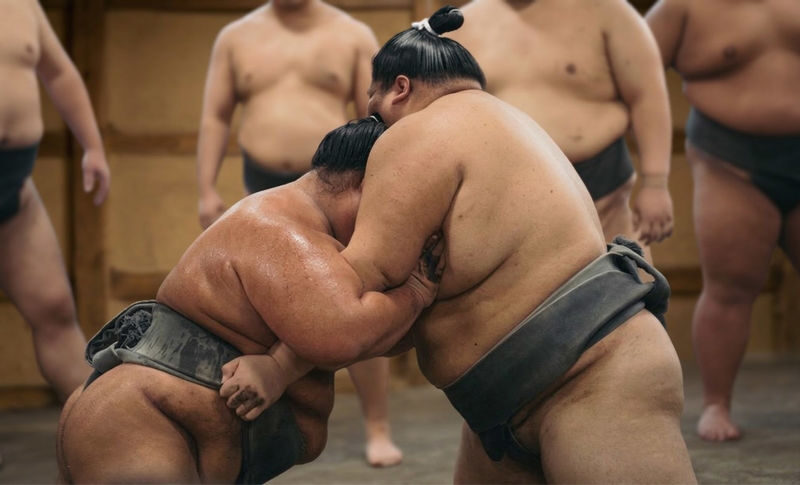
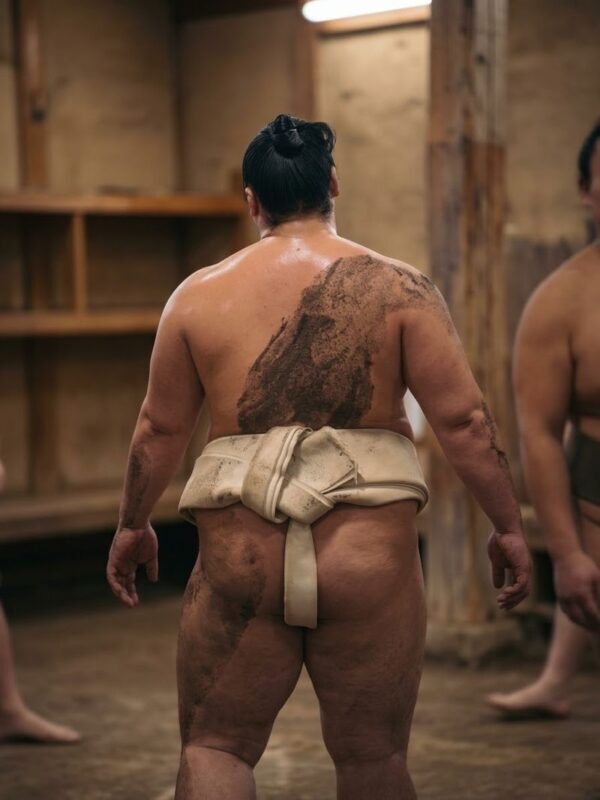
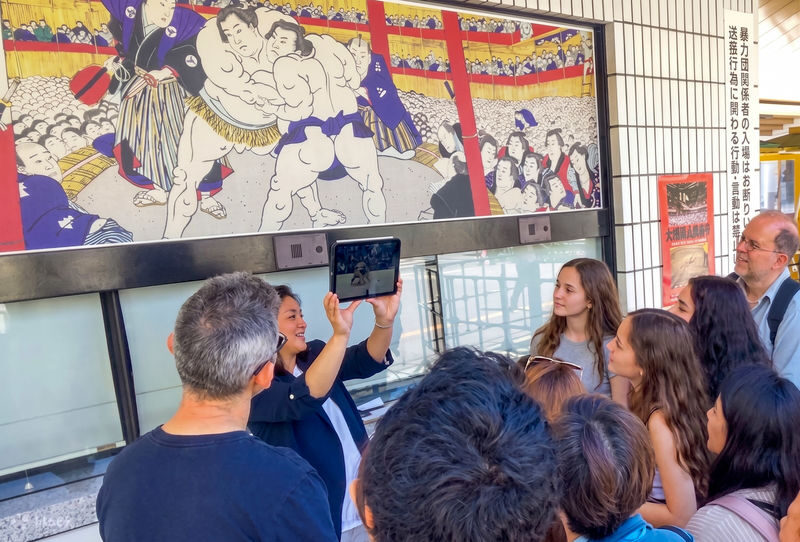
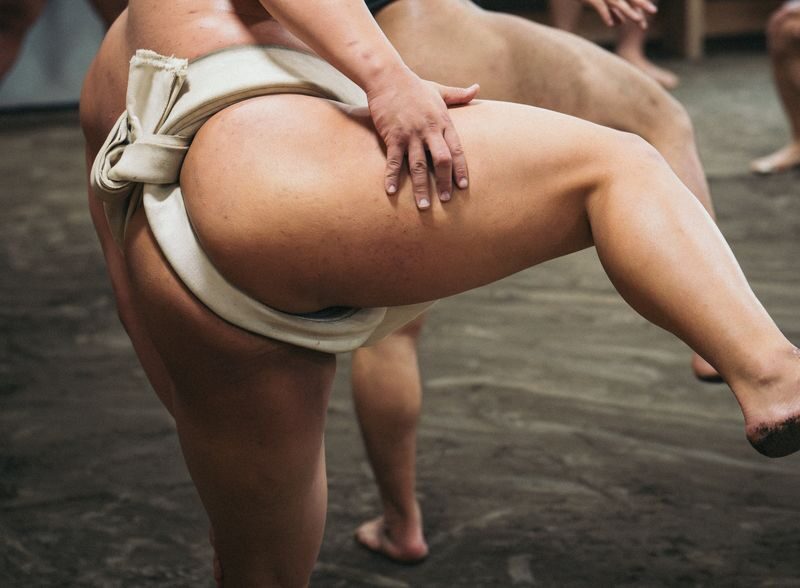
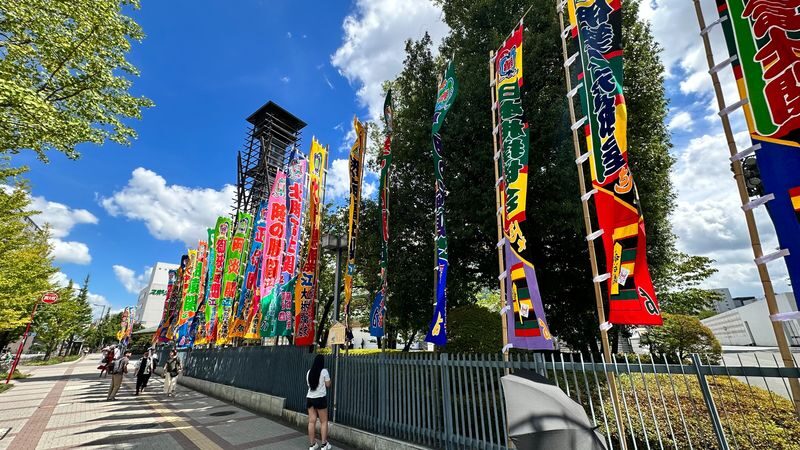
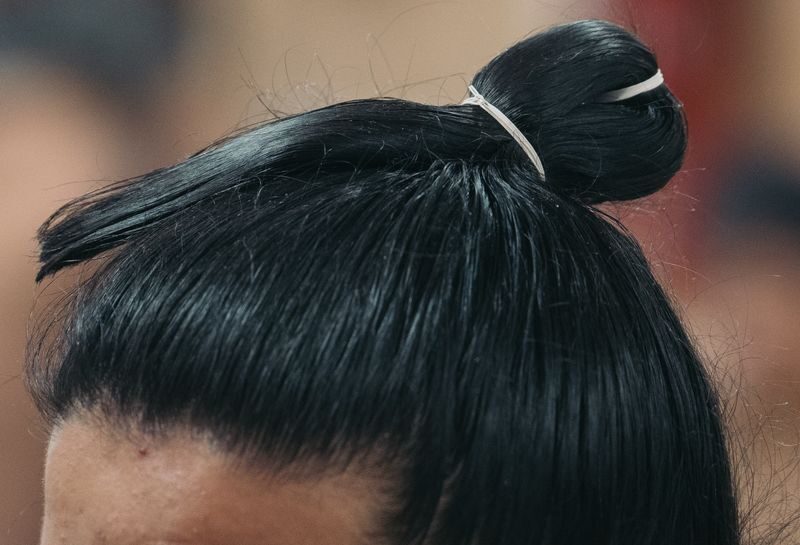
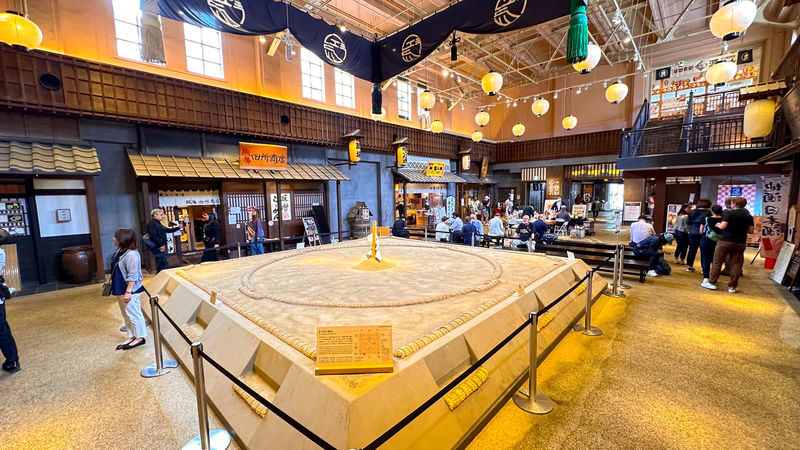
- This is real morning practice: Watch professional wrestlers train in a stable, rather than attend a staged sumo show.
- The guide adds the context: Former sumo journalist Shinya Setsu explains the sport, its customs, rankings, and daily life, then takes questions.
- You may sit for a long stretch: Front-row viewing begins around 7:25 and can last more than two and a half hours; a later back-row option starts around 8:15 and lasts about an hour.
- The rules are part of the experience: You must observe quietly, avoid unnecessary movement, and follow staff instructions. This is a training space, not a public attraction.
- Ryogoku gives the morning a broader frame: The walk includes Former Yasuda Garden, Yokoamicho Park, and the area around Ryogoku Kokugikan.
- Budget for an early breakfast: Food and drinks are not included, and the meeting time is around 7:30.

👉 See our pick of the 25 Best Guided Tours In Tokyo
Inside a working sumo stable
Sumo is easy to recognize from a tournament broadcast: two wrestlers face off, collide, and try to force one another out of the ring. Watching practice in person reveals the work behind that brief contest. You can see the warm-ups, repeated bouts, and physical effort that build the strength and technique needed for a match.
The close view is a major part of the value. The wrestlers are not acting for an audience, and the mood is serious. You are allowed into a setting where the daily routine belongs to the wrestlers and stable, so the right approach is to watch with respect rather than expect interaction.
That distinction matters. The tour is not a sumo lesson with participants, and it is not a comic show where wrestlers explain the sport between skits. You watch professional athletes train, then direct your questions to the guide. The discipline and quiet are not inconveniences tacked onto the experience; they are what help preserve the stable’s ordinary routine.
The operator’s information says observation may last 60 to 120 minutes, while the seating details describe a front-row option starting about 7:25 that can run more than two and a half hours, and a back-row option starting around 8:15 for about an hour. Those figures do not line up neatly with the advertised three-hour tour. Check the meeting instructions sent before your date, and plan for the morning to vary rather than treat the end time as exact.
You can also read our reviews of more tours and experiences in Tokyo.

A journalist’s view of sumo
The guide is more than a translator. Shinya Setsu is described as a former sports journalist who covered sumo, and the tour’s value depends heavily on his ability to explain what you are seeing. His commentary can connect a practice bout to the sport’s rules, history, rankings, sponsorship, and the lives of wrestlers in a stable.
That is especially useful if sumo is new to you. Without explanation, a visitor may see a series of powerful collisions but miss the technique, ritual, and strategy behind them. A guide can point out what to watch for and explain why a wrestler’s size is only one part of the contest. The question period after practice gives you a chance to follow up on details that caught your attention.
The guide’s personal reporting stories are another strength. Accounts of covering tournaments and knowing wrestlers can make the sport feel less distant, without turning the practice into a staged encounter. Some tours also include handouts about the wrestlers, and visitors have described seeing short videos and demonstrations during the later explanation. These extras may depend on the day and guide, so think of them as possible additions, not guaranteed parts of every departure.
You may also encounter a second guide. The activity promises interpreter support, and some tours have had two guides, but the supplied information does not identify a fixed guide team. The central benefit is the English explanation and access to a specialist who can field questions.
The morning, stop by stop
Meeting in Ryogoku
The group meets near Toei Oedo Line’s Ryogoku Station, Exit A2, with the station’s east exit also a short walk away. The directions give a five-minute walk from JR Ryogoku Station. Arrive five minutes before departure, and watch for an email with the operator’s final meeting details.
A 7:30 start makes this a proper early morning outing. Set out with time to spare, and eat beforehand: meals and drinks are not included. Missing the departure is a costly mistake, since latecomers and no-shows are not eligible for a refund.
Watching practice
The main event is the stable visit. Expect a close, quiet view of wrestlers going through their training, with the guide helping you read the scene without interrupting it. The precise length and intensity of practice can change. A session may be longer or shorter depending on the day and period, and wrestlers do not perform on cue for a tour group.
Follow the stable’s rules closely. Remove your shoes, then sit on a floor cushion cross-legged or take a chair. Keep movement to a minimum, silence your phone, and do not make calls. Smoking and drinking are not allowed, and pets are prohibited. Staff can ask anyone who breaks the rules to leave without re-entry or a refund.
There is no stated opportunity to speak directly with the wrestlers during practice. That is by design: the audience is expected to be unobtrusive. Save questions for the sumo specialist afterward. A commemorative photo with wrestlers is described as part of the experience, but it comes after observation and should not be confused with an open-ended meet-and-greet.






A pause at Former Yasuda Garden
After practice, the route includes a brief guided stop at Former Yasuda Garden, a traditional Japanese garden. The planned visit is only about five minutes, so treat this as a short change of pace, not a full garden tour. It gives you a glimpse of a quieter corner of Ryogoku after the concentrated indoor viewing.
Yokoamicho Park and the neighborhood
The next listed stop is Yokoamicho Park, also scheduled for about five minutes. The short pause connects the sumo visit to the neighborhood around the arena and its memorial sites. The walk is compact, which suits a morning tour, though anyone hoping for a detailed history of every site should know the time here is limited.
Ryogoku Kokugikan and the final questions
The tour returns to Ryogoku Kokugikan, the national sumo arena, for roughly 30 minutes of guided explanation. The plan mentions seeing real competition rings and asking the specialist questions after practice. Some dates have also included the sumo museum, while access can depend on what is happening at the arena. This visit should not be mistaken for a ticket to a tournament bout.
That distinction is worth keeping in mind when comparing options. If you want to watch a live tournament, this tour is not a substitute for a tournament ticket. If you want to understand what happens before the public contest, the stable practice and journalist’s commentary offer a different kind of access.
The scheduled return is around 10:30, near Ryogoku Station. The activity information also says you may leave after watching practice if you wish, but doing so means missing the neighborhood walk and the guide’s later explanations. I would stay for the full route if your schedule allows; the context after practice is a meaningful part of the package.
Is $94.60 good value?
At a starting price of $94.60, this is not the cheapest way to spend a morning in Tokyo. The value comes from the combination of access to genuine practice, a specialist English-speaking guide, and the chance to ask questions. You are paying for a rare setting and interpretation, not for a long list of attractions or a tournament seat.
The added walk is modest, and the planned garden and park stops are brief. The best reason to book is the stable visit itself, with the journalist’s explanation making the experience legible to a newcomer. If you already follow sumo, the chance to watch real wrestlers train at close range may still justify the cost; experienced fans may recognize wrestlers if they happen to be present that day.
Families can consider the tour for children aged four and older. Children aged zero to three may join free if they do not need a separate seat. Keep in mind that the quiet rules and long seated observation may be a challenge for younger children, even though families have found the experience engaging.
Practical booking notes
The meeting point is in Ryogoku, and the operator sends further details by email before the tour. The mobile voucher is accepted. The activity is listed as available to book as late as the day before, with instant confirmation, but do not rely on that if you need time to arrange your morning.
Cancellations made at least 24 hours before the activity date qualify for a full refund. Changes are also allowed until 24 hours before the start, with some booking types excluded. If extreme weather or another unforeseen event leads the operator to cancel, you can reschedule or request a full refund.
The tour may change its schedule due to traffic or weather, and practice itself can vary. The most useful preparation is simple: check your email, arrive early, eat first, and be ready to follow instructions without disturbing the training.
Should you book this sumo tour?
Book it if you want to see sumo as a working sport and are curious about the people, customs, and training behind the bouts. The strongest reasons are the authentic practice setting and Shinya Setsu’s experience as a sumo journalist. Together, they turn a visually striking morning into an informed one.
Skip it if you want a lively show, a chance to talk with wrestlers during practice, or a guaranteed tournament match. Also think twice if a very early start, quiet observation, or a long period seated would make the morning hard for you. For a first visit to Ryogoku, or for a sumo fan eager to see the sport beyond the arena, this is a memorable use of a Tokyo morning.
Tokyo Authentic Sumo with journalist walks
“Tour was great! Our guide was great and showed us all the best spots, answered all our questions, and made it a worthwhile experience. I would do t…”
FAQ
How long is the tour?
It is advertised as a three-hour activity, with a planned schedule from about 7:30 to 10:30. Practice length can vary, and the seating information describes different observation durations.
Where do I meet the group?
Meet near Toei Oedo Line Ryogoku Station, Exit A2. The meeting information also says the location is about a five-minute walk from the east exit of JR Ryogoku Station. Check the operator’s email for final details.
Is this a staged sumo show?
No. The central experience is watching professional wrestlers train at a sumo stable. You are expected to observe quietly and avoid interrupting practice.
Can I ask the wrestlers questions?
The provided information directs questions to the sumo specialist after practice. It does not promise a question-and-answer session with the wrestlers.
What should I bring or do before the tour?
Eat beforehand, since meals and drinks are not included. Arrive five minutes early, remove your shoes inside the practice space, and be prepared to sit quietly on a cushion or chair.
What is included in the price?
Admission to the sumo arena is listed as included. Meals, beverages, and personal expenses are not included. The activity does not list a tournament ticket.























