Shinjuku’s old shopfronts, a quiet garden tea stop, and Shibuya’s famous city sights all fit into one long day on foot. This tour links two Tokyo districts that can feel worlds apart, with a guide to help you make sense of the changes between them.
I like the mix of history and everyday city life, from life-size scenes in the Shinjuku Historical Museum to the lanes of Golden Gai. I also like that the garden stop includes matcha and Japanese sweets, a welcome pause before the afternoon’s shrine and shopping streets.
The trade-off is the pace: the day runs from 9:30 a.m. to 5:30 p.m., with several stops and plenty of walking. You’ll need comfortable shoes, and you should treat free time for food and personal purchases as extra spending.
- At a glance
- A full day linking two sides of Tokyo
- Starting at Yotsuya-Sanchome Station
- Seeing old Shinjuku at the Historical Museum
- Taking a slower hour at Shinjuku Gyoen
- Finding Golden Gai and Kabukicho in daylight
- Moving from Meiji Jingu into Harajuku
- Finishing among Shibuya’s famous sights
- What a local guide adds
- Is 6.99 good value?
- Who should book this walk?
- FAQ
- How long is the tour?
- Where is the meeting point?
- Where does the tour end?
- Is a guide included?
- Are attraction admissions included?
- Is food included?
- What should I wear?
- Can children join the tour?
- How do I use the voucher?
- Can I cancel for a refund?
- The Best Of Tokyo!
- More Walking Tours in Tokyo
- More Tours in Tokyo
- More Tour Reviews in Tokyo
- Not for you? Here's more nearby things to do in Tokyo we have reviewed
At a glance
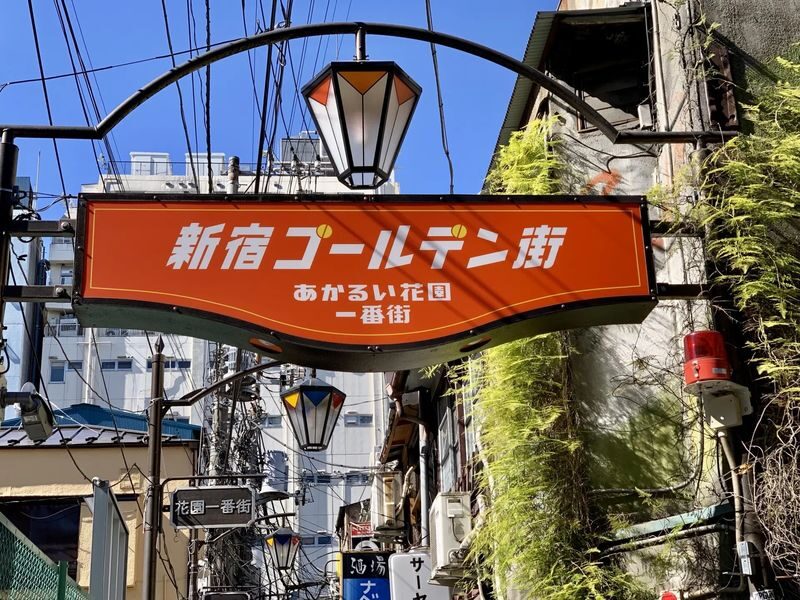
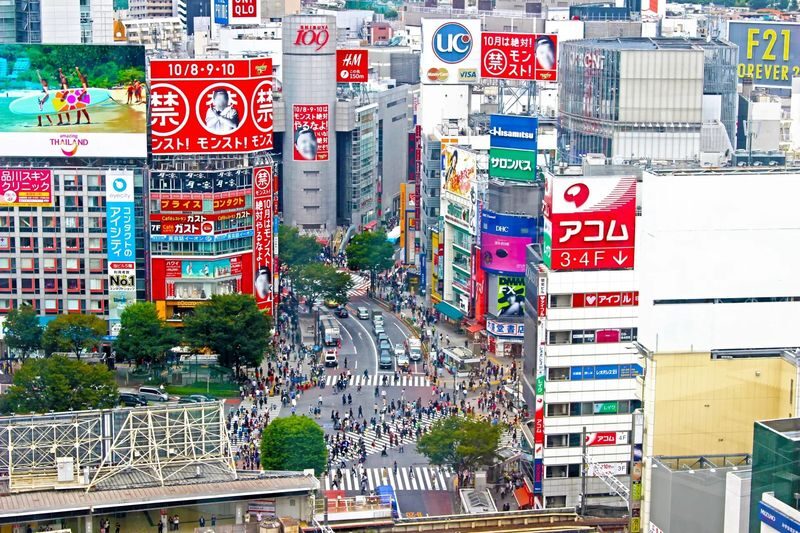
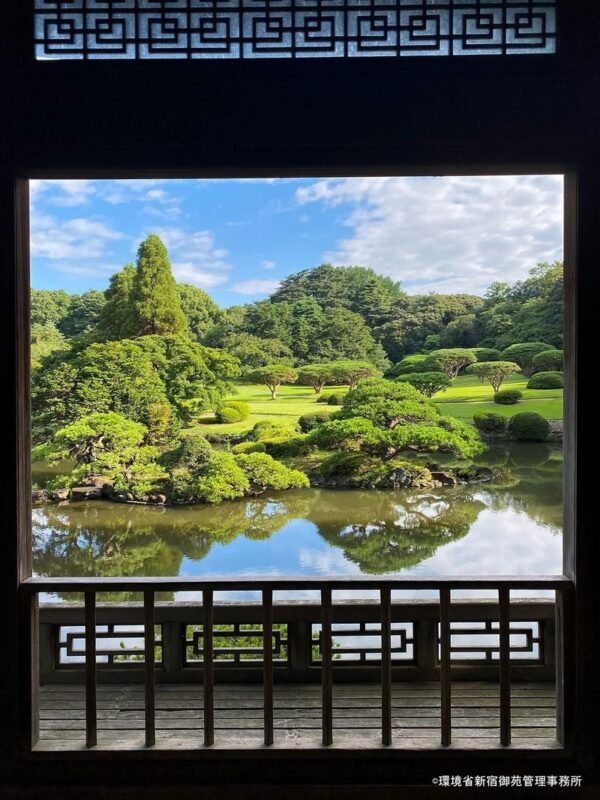
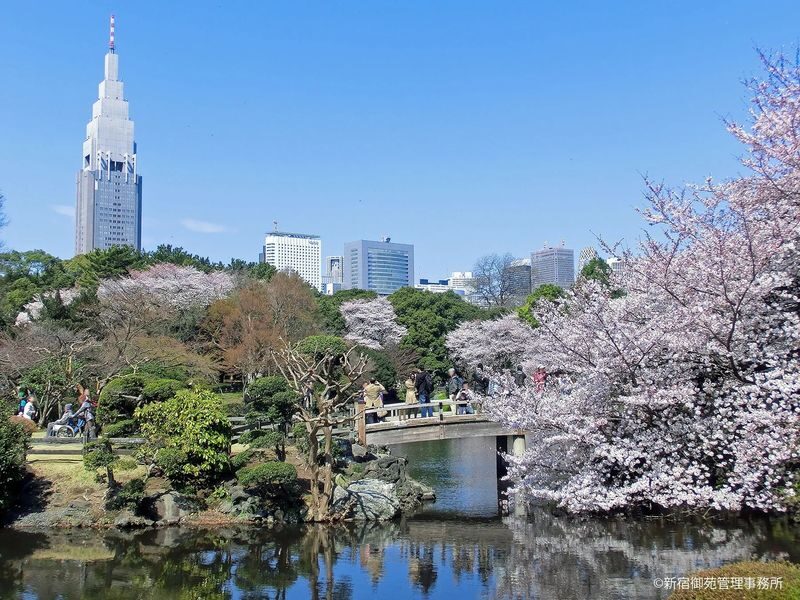
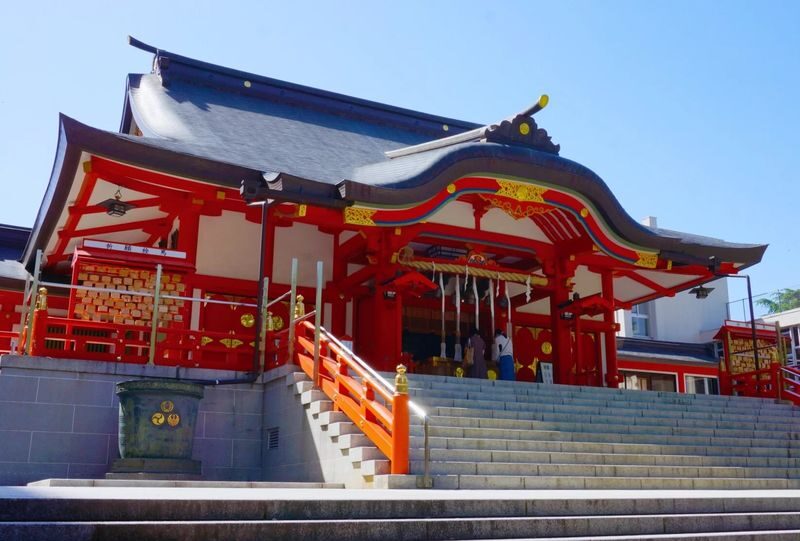
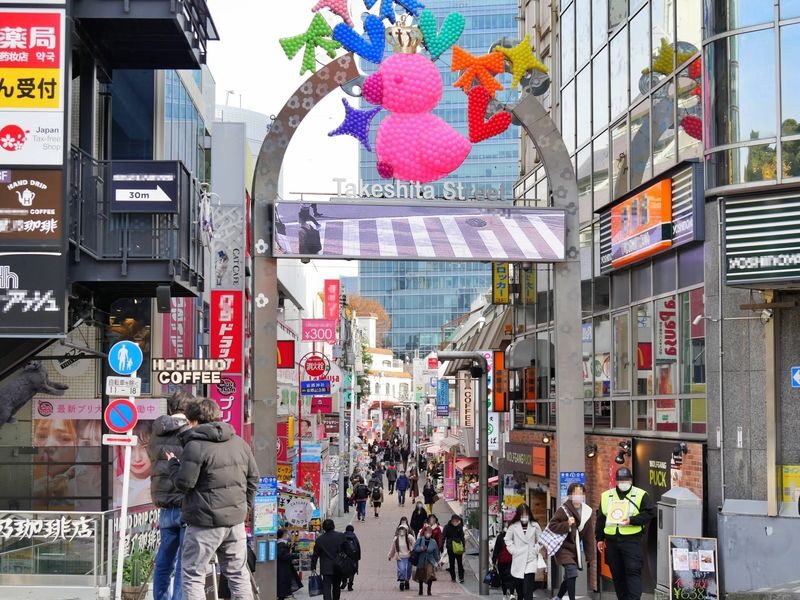
- Old Tokyo in life-size form: The Shinjuku Historical Museum recreates traditional shops, homes, and train carriages.
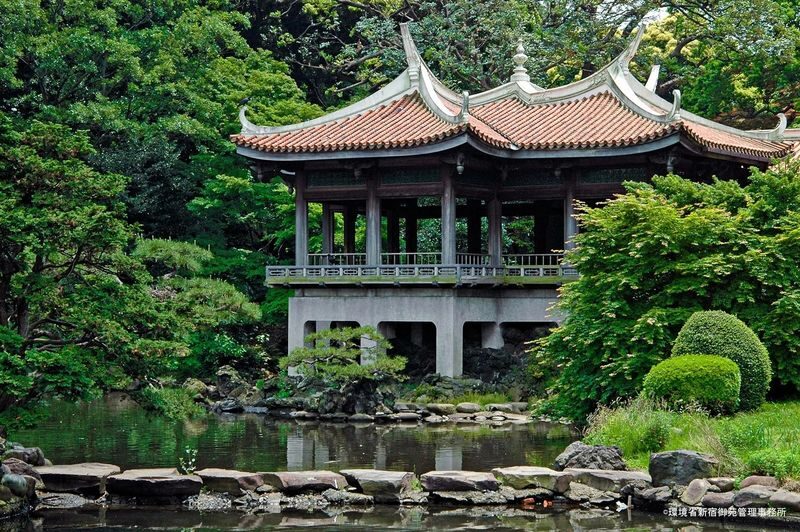
- A garden break with tea: Shinjuku Gyoen includes a guided visit and a matcha and wagashi tasting.
- A look at Shinjuku after dark, by day: Golden Gai and Kabukicho offer a guided introduction and time to explore or find local food.
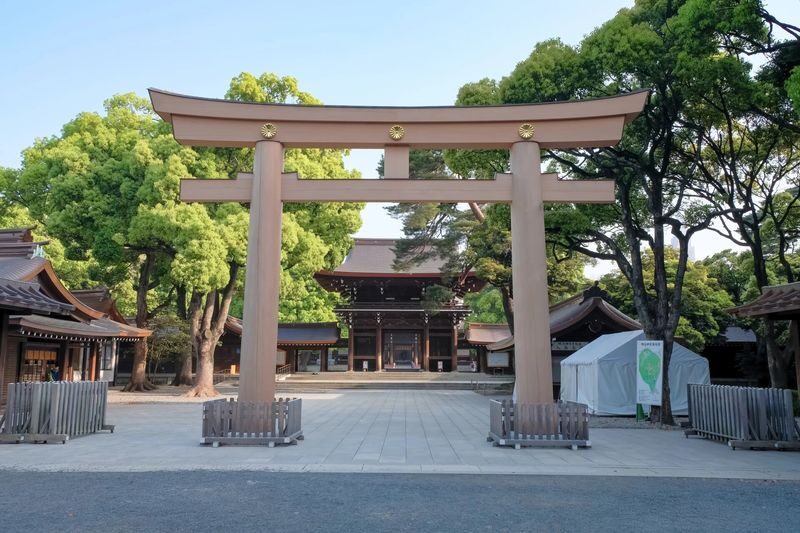
- A shrine-to-city shift: The route moves from Meiji Jingu and Harajuku to Shibuya’s best-known landmarks.
- A full day with a local guide: English-language guiding and attraction admission are included in the price.

👉 See our pick of the 25 Best Guided Tours In Tokyo
A full day linking two sides of Tokyo
This eight-hour walking tour starts in Shinjuku and ends at Shibuya Station. It is built for people with limited time who want a guided overview rather than a single attraction or one neighborhood at a time. You get historical context, green space, a shrine visit, and a look at modern Tokyo in one day.
That variety is the tour’s main strength. Shinjuku can be hard to read at first, with major streets, small lanes, and entertainment areas packed close together. A guide can help put the stops in context and keep the day moving. By the afternoon, the route has shifted to Meiji Jingu, Harajuku, and Shibuya, giving you a useful sense of how different parts of the city sit alongside one another.
There is a cost to that breadth. Each stop gets only part of the day, and some time is spent walking between places. If you prefer long, unhurried visits or want to linger over meals, this may feel too scheduled. If you want an organized first look and can save deeper exploration for another day, the route makes practical sense.
You can also read our reviews of more walking tours in Tokyo


Starting at Yotsuya-Sanchome Station
Meet at 9:30 a.m. in front of the large yellow information board by Exit 4 at Yotsuya-Sanchome Station. The precise meeting point matters: arrive at the station, leave through the correct ticket gate, and look for the board rather than waiting somewhere else in the station.
The tour information warns that late arrivals and no-shows are not refundable, so leave yourself time to get there. The end point is Shibuya Station at about 5:30 p.m. The schedule may shift with traffic or weather, so avoid making a tight onward plan.
The experience is described as a walking tour, and comfortable walking shoes are specifically recommended. The day spans several neighborhoods, so plan for many hours on your feet rather than a series of short strolls.
Seeing old Shinjuku at the Historical Museum
The first major stop is the Shinjuku Historical Museum, scheduled for 9:40 a.m. The museum’s life-size recreations of traditional Japanese shops, houses, and train carriages give the past a physical scale. Instead of looking only at objects behind glass, you can see how familiar places and transport might have appeared.
The guide leads the visit, with some free time for personal exploration. That balance is useful: you get an introduction, but there is also room to look more closely at the displays that catch your eye. If a particular reconstruction interests you, use that free time well, since the day continues on a set route.
This stop also gives the rest of the tour a historical starting point. Shinjuku is often associated with its contemporary city life, but the museum helps set that present against earlier ways of living. It is a good fit if you like having some background before walking through a district.
Taking a slower hour at Shinjuku Gyoen
At 11 a.m., the tour moves to Shinjuku Gyoen National Garden. After the museum, the garden offers a change of pace and scenery. The guide leads the visit, and the experience includes matcha green tea and wagashi, traditional Japanese sweets, at a tea house.
This is more than a quick garden photo stop. The tea and sweets give you a chance to pause and enjoy a small piece of Japanese food culture within the day’s sightseeing. If you have been rushing between Tokyo landmarks, that quieter interval can make the rest of the route more comfortable.
The garden visit also includes a stop at a small shrine in Shinjuku. It adds another kind of place to the morning: not a museum recreation or a broad park setting, but a shrine within the city. The details provided do not specify how long you spend at each garden feature, so expect a guided overview rather than unlimited time to wander.
Finding Golden Gai and Kabukicho in daylight
Around 1:15 p.m., you walk to Golden Gai and Kabukicho, Shinjuku’s entertainment center. The guide takes you around the area, then you have time to explore and sample local food if you wish. That free time is a useful chance to choose something that suits your appetite, but food and other personal expenses are not included.
Golden Gai is known for its compact lanes and small bars, while Kabukicho is a major entertainment district. The tour visits in the afternoon, not as a night-out experience, so think of this stop as an introduction to the area and its layout rather than an evening visit. If you want to return later, the guided walk can help you recognize places you saw in daylight.
This is one of the day’s more flexible moments. You can use the time for a snack, a closer look around, or a short break. Still, keep an eye on the clock: the route continues to Meiji Jingu at 2:30 p.m., and the afternoon has several stops left.
You can also read our reviews of more city tours in Tokyo






Moving from Meiji Jingu into Harajuku
The next stop, Meiji Jingu Shrine, brings a different mood and setting. The tour includes a guided visit before crossing to Harajuku, where the guide continues the walk. Together, the shrine and the surrounding district show a sharp contrast between a major religious site and a well-known center of youth fashion and street culture.
That transition is one of the route’s most useful features. Rather than treating Tokyo as one uniform city, the day lets you see how quickly its character can change from one area to the next. If you are new to the city, having a guide connect the two stops can help you understand the route and notice details you might otherwise pass by.
The schedule places this part of the day at 2:30 p.m. It comes after a morning museum, a garden visit, and the Shinjuku entertainment districts, so you may be ready for another change of pace. Keep water and a small snack in mind if you know you get hungry during a long walking day. No food is included beyond the garden tea and sweets.
Finishing among Shibuya’s famous sights
At 4 p.m., the tour walks to central Shibuya to visit its best-known landmarks. The day ends at Shibuya Station around 5:30 p.m. This final stretch gives you a guided first look at one of Tokyo’s most recognizable districts, rather than leaving you to find the headline sights on your own.
The route is appealing if you want to connect Shibuya with the places you have seen earlier. You finish not in the quieter garden or shrine setting, but in a major city center. The shift makes the day feel like a broad introduction to Tokyo’s different tempos.
The description does not name each Shibuya landmark, so it is best not to expect a guaranteed list beyond the area’s famous sights. If one particular place matters to you, ask the guide whether it is included when you meet. The stop is a guided walk, not a promise of a long visit at every location.
What a local guide adds
The tour is led in English, and the value of that guiding is not only in finding the way. At places such as the history museum, the shrine, or the entertainment districts, a local guide can give you context and help you connect what you see with the city around you.
One guest, on a tour led by Jeff, found that the guide adapted the day when some planned stops were closed after a holiday. The group was small enough on that occasion for Jeff to tailor the route to their interests, offer alternatives, and share personal recommendations based on living in Tokyo. That is a helpful example of how a guide may respond when plans change, but it is not a guarantee of a private tour or a particular itinerary.
Closures can happen, and the schedule may change with weather or traffic. The tour’s appeal is partly that a guide can help make adjustments, but you should still treat the published route as a plan rather than a promise that every stop will operate exactly as expected.
Is $146.99 good value?
The tour starts at US$146.99. Admission to attractions, an English-speaking guide, and round-trip transfers to and from the meeting location are included. The tea and wagashi tasting is also part of the garden visit. Food beyond that, shopping, and other personal expenses are not included.
For the price, you are paying for a guided, full-day route across several neighborhoods, not simply entry to one site. The value is strongest if you want help with orientation, appreciate historical and cultural context, and would otherwise spend time working out how to link these areas yourself. It is also useful if you have just one day available for Shinjuku and Shibuya.
The price may feel steep if you prefer to explore independently, already know the districts, or want to spend hours in one place. You can visit many city areas on your own, but this tour bundles the route, guiding, admissions, and tea stop into a single day. Whether that is worth it depends on how much you value structure and interpretation.
Children aged 0 to 5 can join free, while those aged 13 and older pay the adult rate. The information does not specify the price for children aged 6 to 12, so confirm that before booking if it applies to your family.
Who should book this walk?
I would consider this tour if you are in Tokyo for a short stay and want a guided overview of Shinjuku and Shibuya without planning every connection yourself. It also suits visitors who enjoy seeing different sides of a city in one day: historic displays, a garden, a shrine, entertainment areas, and major urban sights.
It is less suited to anyone who dislikes a full day on foot or prefers slow, flexible visits. The itinerary has a clear sequence and several neighborhood changes, with limited time at each stop. If you want to browse shops, eat a long lunch, or spend an afternoon in the garden, an independent day may suit you better.
You can cancel for a full refund if you cancel at least 24 hours before the activity date, based on Tokyo local time. Late arrivals and no-shows are not refundable. Your mobile voucher is used for entry, and the confirmation is expected within minutes.
Tokyo City, Shinjuku & Shibuya One Day City Exploration Walking Tour
“We accidentally booked our tour the Tuesday after a holiday so some of the stops on the original itinerary were unexpectedly closed, but our guide…”
FAQ
How long is the tour?
The tour is scheduled from 9:30 a.m. to 5:30 p.m., about eight hours. The schedule may change with traffic and weather.
Where is the meeting point?
Meet at Yotsuya-Sanchome Station in front of the large yellow information board by Exit 4. The listed address is 3 Chome Yotsuya, Shinjuku City, Tokyo.
Where does the tour end?
The tour ends at Shibuya Station, at the listed location in Shibuya City.
Is a guide included?
Yes. An English-speaking guide is included.
Are attraction admissions included?
Yes. Admission to the attractions is included.
Is food included?
The garden visit includes a matcha and wagashi tasting. Other food and personal expenses are not included.
What should I wear?
Comfortable walking shoes are recommended.
Can children join the tour?
Children aged 0 to 5 can join free. Children aged 13 and older are charged the adult rate. The price for children aged 6 to 12 is not specified.
How do I use the voucher?
Present your mobile voucher. It is valid only for the date and time specified.
Can I cancel for a refund?
You can receive a full refund if you cancel at least 24 hours before the activity date, using Tokyo local time. Late arrivals and no-shows are not refundable.