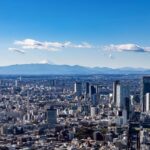
Tokyo’s big sights come in quick succession on this 70-minute ride: from the brick facade of Tokyo Station to Tokyo Tower and the polished streets of Ginza. You stay aboard, so this is a way to see central Tokyo without adding miles to your step count.
I like the broad city overview and the chance to catch landmarks from an open deck, especially on a clear evening. I also like that the automatic audio guide is offered in English, Chinese, French, Korean, Vietnamese, and Thai.
The trade-off is the weather. Rain can mean a covered roof and poor views, while summer sun and winter wind hit harder on an open bus. The audio can also be difficult to follow, so think of this as a moving introduction, not a detailed guided visit.
- What to know before you book
- A central Tokyo sampler, not a hop-on tour
- The ride, from Tokyo Station to Tokyo Tower
- What an open deck adds, and what it takes away
- The audio guide: helpful, but not a live guide
- Meeting up near Yaesu
- Is the price good value?
- Small preparations that improve the ride
- Should you book the Tokyo City bus?
- FAQ
- How long is the Tokyo City bus ride?
- Where do I meet the bus?
- Where does the tour finish?
- Which languages are available for the audio guide?
- What happens if it rains?
- Can children ride for free?
- The Best Of Tokyo!
- More City Tours in Tokyo
- More Tours in Tokyo
- More Tour Reviews in Tokyo
- Not for you? Here's more nearby things to do in Tokyo we have reviewed
What to know before you book
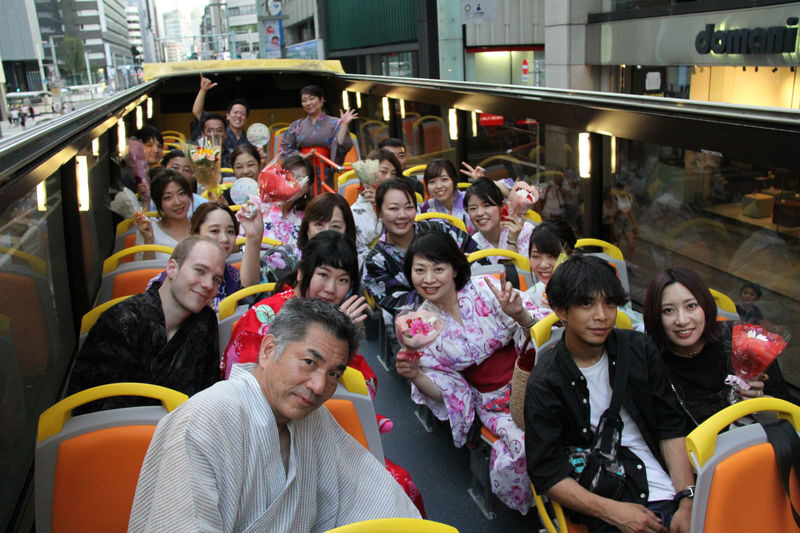
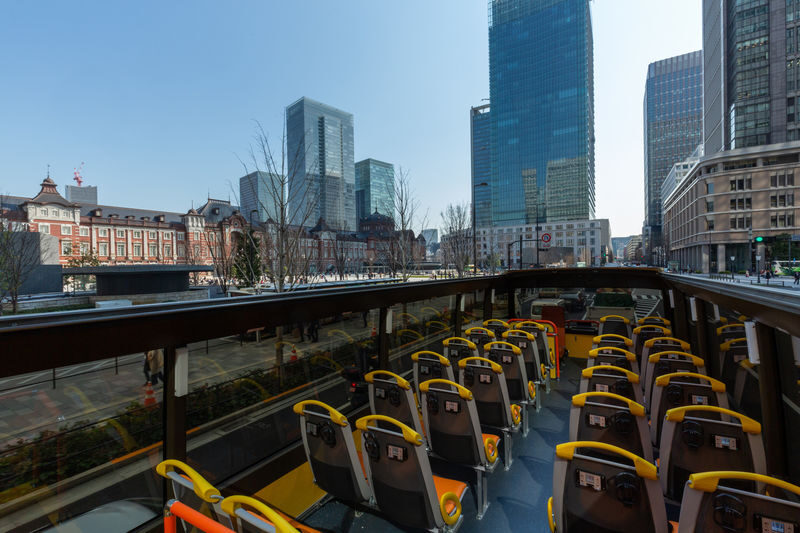
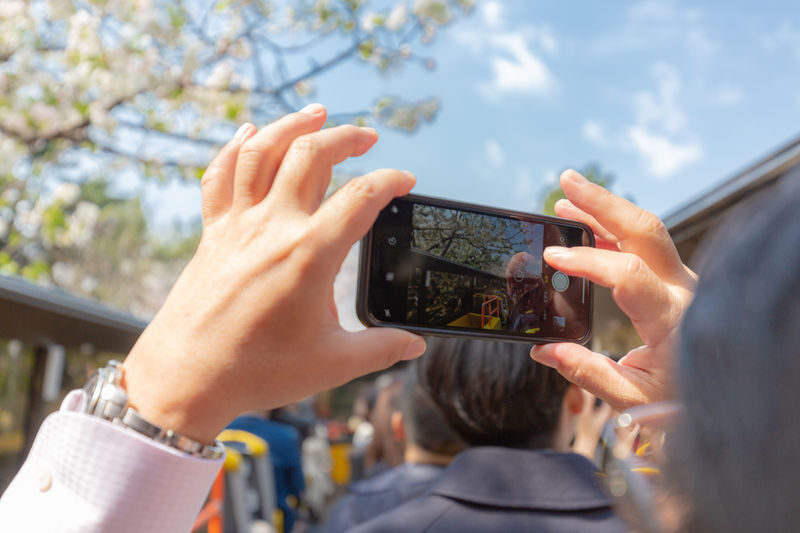
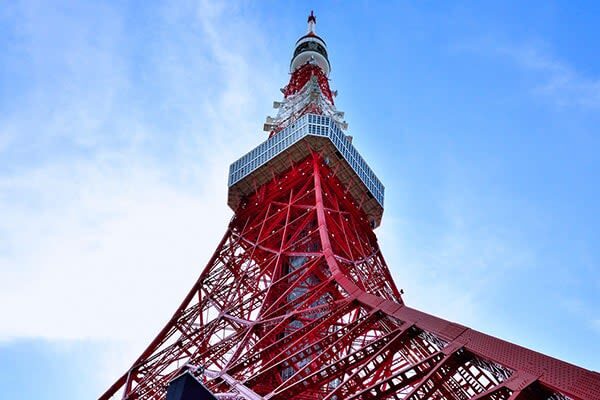
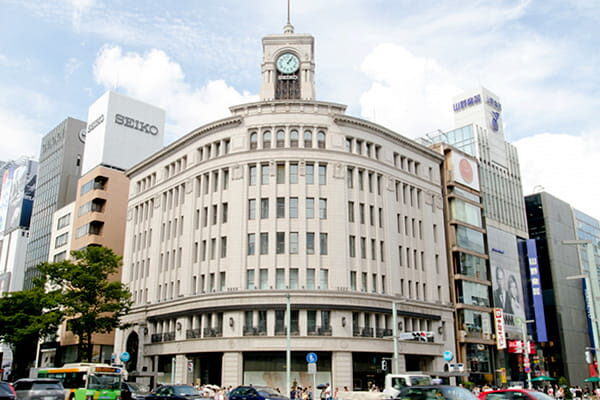
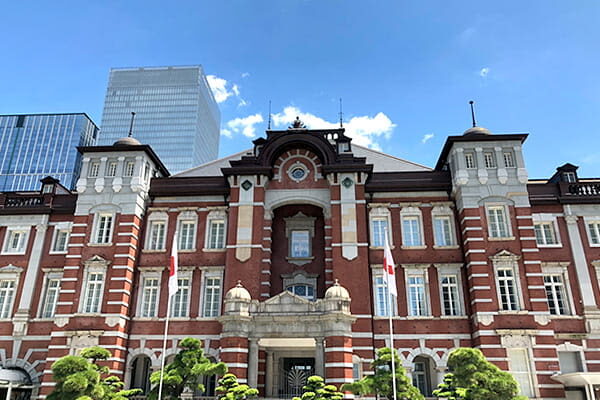
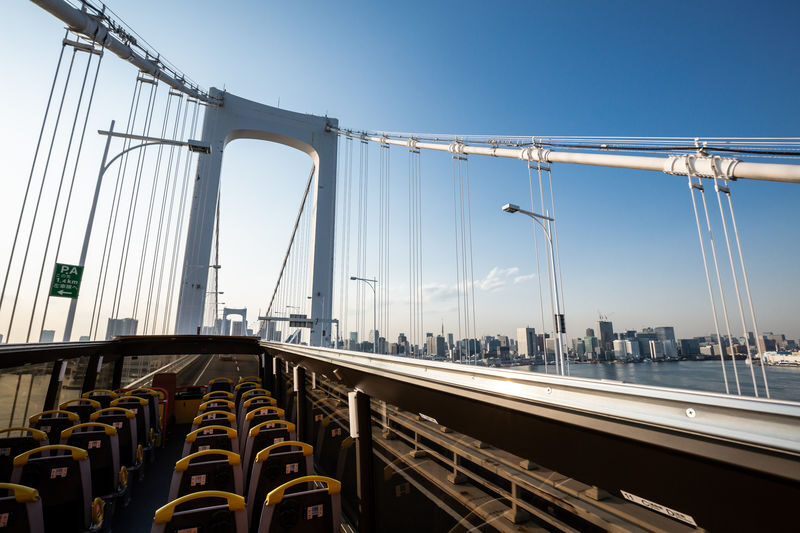
- The city route lasts about 70 minutes: It passes Tokyo Station, Marunouchi, Akasaka Palace, Meiji Jingu Gaien, Roppongi Hills, Tokyo Tower, and Ginza.
- You remain on the bus: There are no sightseeing stops or drop-offs along the way.
- The bus leaves at noon for the 11:40 meet-up: Return is scheduled for 13:10 at Tokyo Station.
- Weather shapes the ride: The roof may be covered in rain, and an open deck can feel hot in summer or cold in winter.
- The audio guide supports six languages: It is an automatic system, not a live tour guide, and it may not translate during certain route detours.
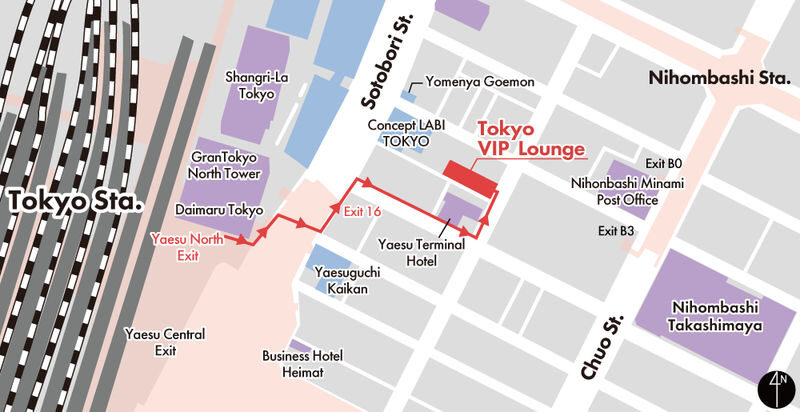
- The starting point is a lounge, not the bus stop: Staff escort the group to the bus shortly before departure.

👉 See our pick of the 25 Best Guided Tours In Tokyo
A central Tokyo sampler, not a hop-on tour
This is a compact ride through several distinct parts of Tokyo. The route links the business district around Marunouchi with cultural and civic landmarks, then moves through Roppongi, past Tokyo Tower, and toward Ginza. You get a sense of how the city shifts from broad avenues and formal buildings to entertainment districts and shopping streets.
The bus does not stop at those sights. You cannot hop off at the tower for a closer look or pause at the palace for a photo. That makes the experience useful for an overview, but not a substitute for visiting any one landmark properly.
I would treat the ride as a first-day orientation or a low-effort break between walks. It can help you spot places to return to, and it gives you a different view of the city than you get from the subway. If you already know Tokyo well, or want time at each sight, the route may feel too brief.
You can also read our reviews of more city tours in Tokyo


The ride, from Tokyo Station to Tokyo Tower
The city tour begins near Tokyo Station, one of the most recognizable buildings on the route. Its red-brick exterior offers a striking contrast to the glass and steel towers nearby. From the bus, you may not get a long, uninterrupted look, so keep your camera ready rather than expecting a stop.
The route then passes through Marunouchi, Tokyo’s formal business district. Wide streets and large office buildings make this stretch a useful window into the capital’s working-day side. It is less about a single must-see attraction and more about seeing how central Tokyo is laid out.
Chidorigafuchi Park and Akasaka Palace add a change of pace. Chidorigafuchi is associated with the Imperial Palace area, while Akasaka Palace brings a grand, ceremonial presence to the route. You see them from the bus, rather than walking through their grounds, so the view is brief.
The bus continues by Meiji Jingu Gaien, Tokyo Midtown, and Roppongi Hills. These areas offer a mix of green space, modern development, and city life. The sequence helps show that Tokyo is not one uniform wall of towers, though the view from a moving vehicle can make individual buildings hard to study.
Tokyo Tower is the route’s clearest visual anchor. The orange-and-white structure is easy to recognize and gives the ride a memorable focal point. Some riders find it the most impressive sight of the trip; others feel it is the only landmark they see clearly. Your view depends on the seat, the weather, traffic, and how quickly the bus passes.
Ginza rounds out the circuit, with its shopping streets and central-city feel. On Saturdays, Sundays, and holidays, road restrictions change the route through this area. On Sundays, the Imperial Palace section also takes a detour. The automatic audio guide does not translate automatically along those altered sections, so expect a gap in commentary.
What an open deck adds, and what it takes away
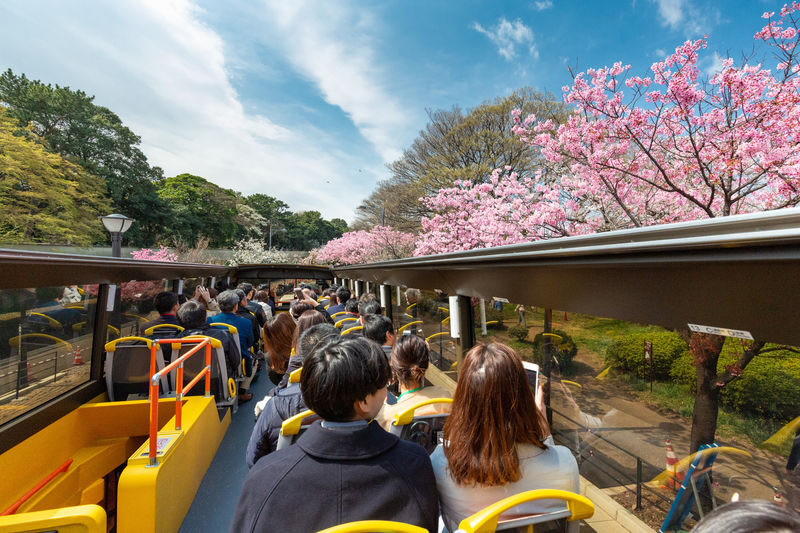
The open top is the main reason to choose this ride over an ordinary bus. On a dry day, you get an unfiltered view of buildings above street level, a breeze, and a sense of the scale of Tokyo’s avenues. It can also make a short city circuit feel more like an outing than a transfer.
But open-air seating is a bargain with the weather. Summer sun can make the ride tiring, even with a handheld fan. In winter, wind can cut through a light jacket. Bring a hat with a chin strap and sunscreen in hot weather; in cold weather, wear a warm coat and consider gloves, a scarf, or hand warmers.
Rain is the bigger gamble. The roof may be covered when conditions call for it, which can reduce the open-air feel and restrict views. Reports also describe wet seats and, in severe rain, an uncomfortable ride. The operator may proceed in poor weather, so do not assume rain automatically means the trip will be cancelled.
A covered roof can feel stuffy in warm, damp weather, and a tarp may not keep every seat dry in heavy rain. Check the forecast before you go and bring suitable protection. If clear views are the whole point of your booking, be cautious about choosing a day with a high chance of rain.
The audio guide: helpful, but not a live guide
The automatic commentary is available in English, Chinese, French, Korean, Vietnamese, and Thai. That is a useful feature if you want basic context while the bus moves through the city. It also means you can follow along in your own language without relying on a guide to speak to the whole group.
The system is not the same as a live guide who can adapt to traffic, answer questions, or point out a detail in the moment. Some riders have found the translation hard to follow, too quiet, or unavailable during parts of the trip. If the audio stops working, the ride still continues, and the passing views become the main event.
There is no automatic voice guide on the Shuto Expressway Thrill Course or seasonal courses. Those are separate package options, not the 11:40 Tokyo City route described here. Check the exact option before booking so you do not expect city-route commentary on a different ride.
Meeting up near Yaesu
For the 11:40 option, meet at the Tokyo VIP Lounge in the Yaesu Kato Building, at 1-5-9 Yaesu, Chuo-ku. The scheduled meet-up is 11:40, but the bus departs at 12:00. The lounge and the actual boarding point are not the same place: staff guide the group to the bus stop about 10 minutes before departure.
Arrive 20 to 40 minutes before the meet-up time. Reception closes when staff leave to escort the group, and late arrivals or no-shows are not refundable. Arriving more than 40 minutes early may trigger an additional facility-use fee, so there is no advantage to turning up far ahead of schedule.
The ride is listed as returning to Tokyo Station at 13:10. That gives you a convenient central finish for lunch or onward travel, though traffic can delay the drop-off. The meeting point and return point differ, so plan your route around the end location rather than assuming you will finish where you started.
The bus can carry 40 passengers, excluding the driver. This is a shared ride, not a private tour, and the activity is not wheelchair- or stroller-accessible. Children aged 0 to 3 can ride free if they do not need a separate seat.






Is the price good value?
At a starting price of $12.69, the ride can be a good-value way to see several parts of central Tokyo in one go. You are paying for a short, organized overview and the open-deck perspective, rather than a full day of guided sightseeing. For someone who wants to rest their feet while still seeing the city, that can be worthwhile.
The value depends heavily on the weather and your expectations. If the roof is open and the audio works, the trip offers a pleasant sweep of landmarks for a modest fare. If rain closes the roof or the commentary fails, you may feel you have paid for a bus ride that offers less than expected.
This is not the best choice if you want to explore interiors, stop for photos, or get an in-depth account of Tokyo’s history. It does not include a tour guide, and personal expenses are not included. Think of the audio as background context, not a substitute for a specialist walking tour.
There are other package choices at different times, including Tokyo Bay rides and a Metropolitan Expressway thrill course. They follow different routes and should not be confused with this city circuit. The 11:40 option is the central Tokyo route, while the other options may offer a different view of the city.
Small preparations that improve the ride
Choose clothing for the forecast, not just the temperature you feel at the lounge. The open deck can be much hotter in direct sun or colder in motion than the street. A hat that stays put, sunscreen, a cooling towel, and a handheld fan are sensible summer gear; winter calls for layers and warm accessories.
Arrive within the stated window, keep the lounge area tidy, and listen for staff instructions. If you hope for a particular seat or a clear camera angle, ask staff what is possible, but do not count on securing a front seat. The tour moves continuously, and a good view can depend on which side of the bus faces a landmark at the right moment.
Pack lightly and leave prohibited items behind. Firearms and other weapons, cigarettes and e-cigarettes, drones, glass containers, alcohol, coolers, illegal substances, cremated remains, flammable items, and sharp objects are not allowed. Pets are prohibited as well.
Should you book the Tokyo City bus?
Book it if you want a short, inexpensive overview of central Tokyo, appreciate the open-air perspective, and are happy to see landmarks from the road rather than visit them. It is especially handy if you want a break from walking or are travelling with children who would enjoy a moving city tour.
Skip it if you need a fully accessible vehicle, want to get off at attractions, or would be disappointed by a covered roof and limited views. The best bet is a dry, mild day, with enough time afterward to revisit anything that catches your eye. At this price, it can be a pleasant sampler, but it is the weather and your expectations that decide whether it feels like a bargain.
Tokyo City, Open Top Bus Sightseeing Trip
“Very impressed! Even with a short travel time, I was able to visit all the major attractions.”
FAQ
How long is the Tokyo City bus ride?
The ride lasts about 70 minutes. For the 11:40 option, the meet-up is at 11:40, departure is at 12:00, and the scheduled return is 13:10.
Where do I meet the bus?
Meet at the Tokyo VIP Lounge in Yaesu Kato Building, 1-5-9 Yaesu, Chuo-ku, Tokyo. Staff guide the group to the bus stop shortly before departure.
Where does the tour finish?
The return point is Tokyo Station, at 1 Chome-9 Marunouchi, Chiyoda City.
Which languages are available for the audio guide?
The automatic audio guide supports English, Chinese, French, Korean, Vietnamese, and Thai. It is not available on the Shuto Expressway Thrill Course or seasonal courses.
What happens if it rains?
The bus is roofless, and the roof may be covered depending on the weather. Rain can limit the views, so bring suitable weather protection and check conditions before you go.
Can children ride for free?
Children aged 0 to 3 can ride free as long as they do not occupy a separate seat.