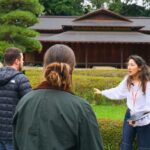
Asakusa makes more sense when you know what you are looking at. At Senso-ji, a local guide can explain the temple’s customs and stories, then help you read the streets around it, from well-known landmarks to quieter corners you might otherwise pass by.
I like this tour for two reasons: it gives you a practical introduction to Japanese temple etiquette, and its guides often add useful tips for exploring Asakusa after the walk. One consideration: this is a group walking tour, and the experience can depend on how clearly your guide speaks and how much detail they share.
- Key points to know before you book
- Why a guide helps at Senso-ji
- From Asakusa’s streets to the temple grounds
- Learning the customs, not just the names
- The smaller corners are part of the story
- What the guide can make or break
- Is .29 good value?
- Practical points for a smoother walk
- Should you book the Asakusa and Senso-ji walk?
- FAQ
- Where does this tour take place?
- What is the tour called?
- What is the starting price?
- Is this a guided walking tour?
- What can I learn during the tour?
- Which guides have led the tour?
- How long does the tour last?
- Is instant confirmation available?
- Can I cancel for a refund?
- What happens if the operator cancels because of severe weather?
- The Best Of Tokyo!
- More Walking Tours in Tokyo
- More Tours in Tokyo
- More Tour Reviews in Tokyo
- Not for you? Here's more nearby things to do in Tokyo we have reviewed
Key points to know before you book
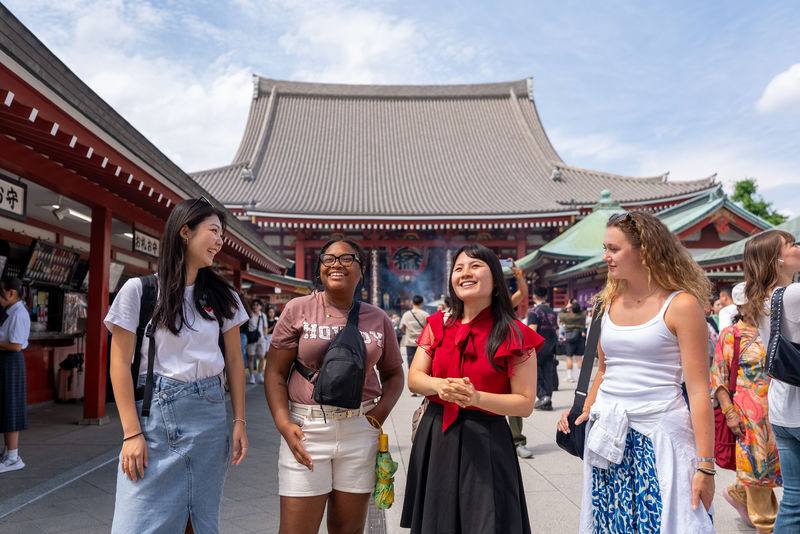
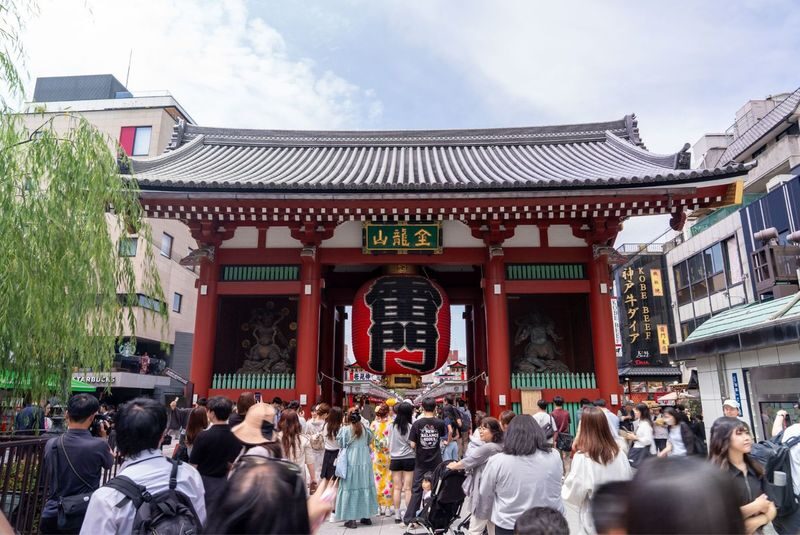
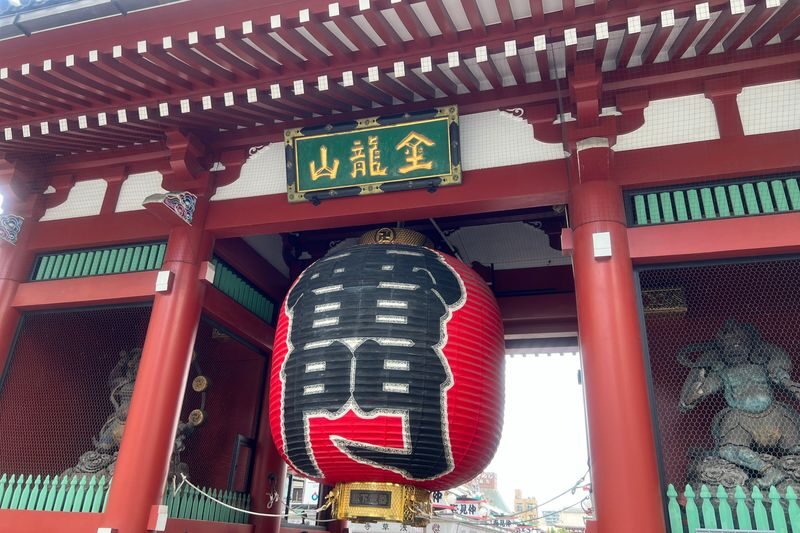
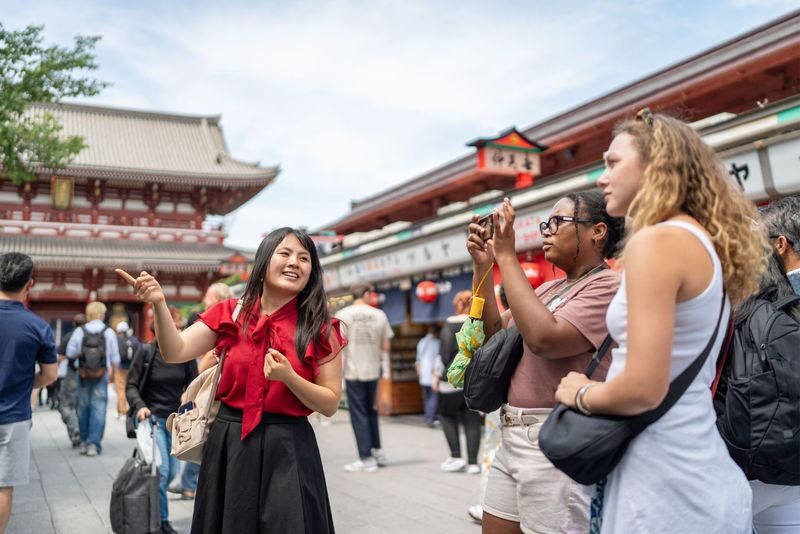
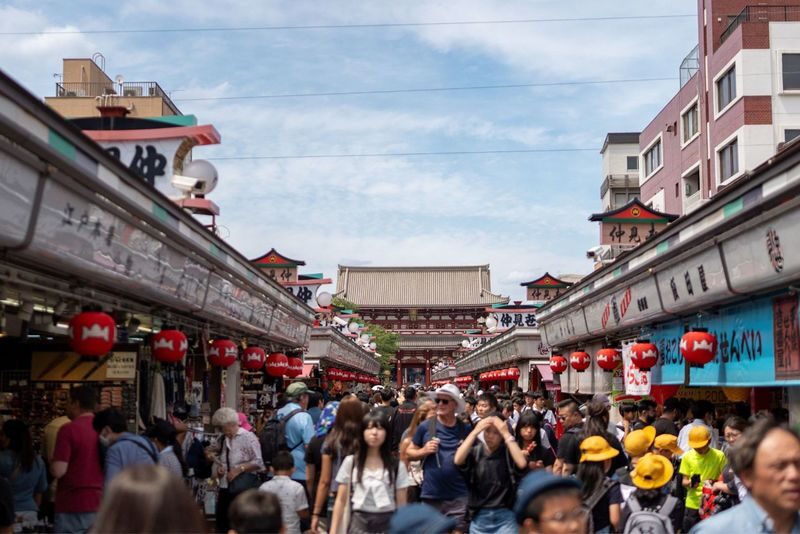
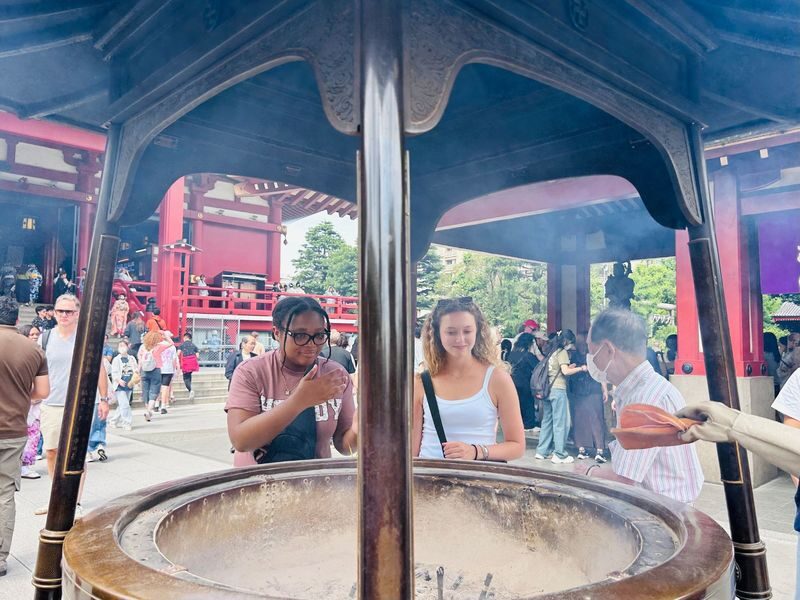
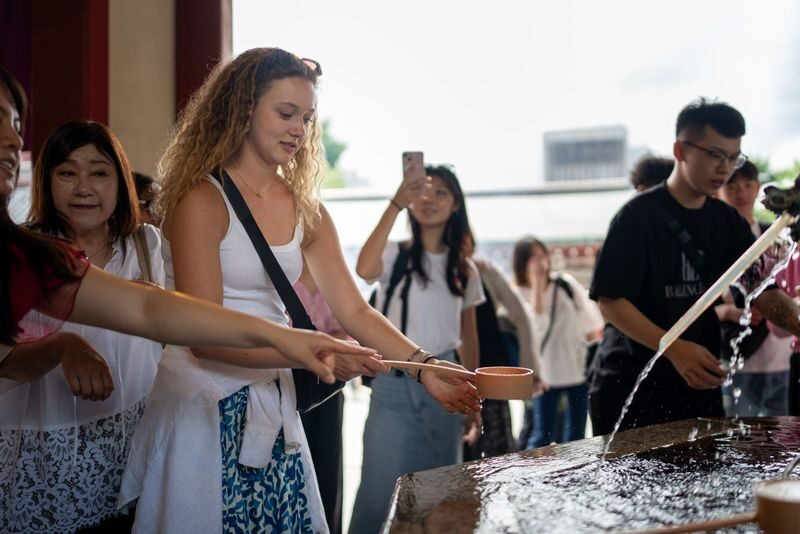

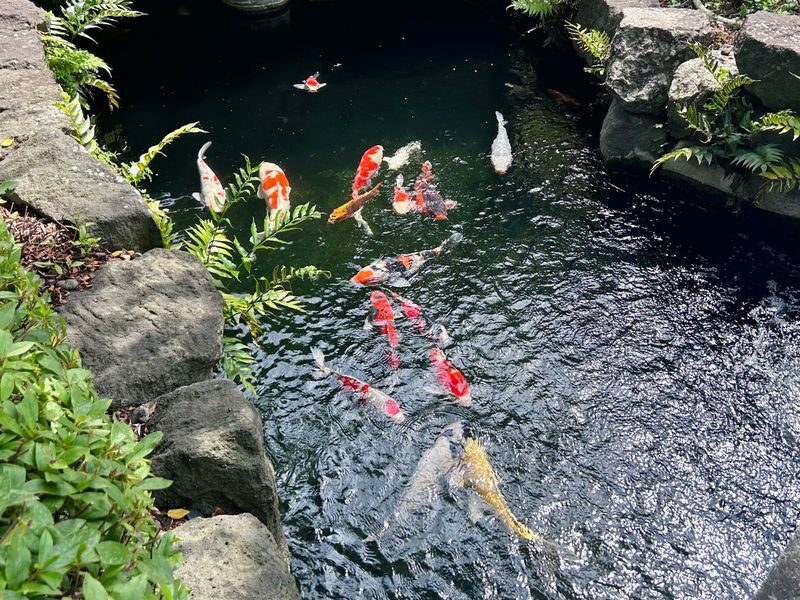
- Senso-ji is more than a photo stop: The guide explains the temple’s background and customs, giving you a clearer sense of what is happening around you.
- Expect neighborhood context, too: The walk covers Asakusa beyond the main temple, with guides sometimes pointing out smaller places and local streets.
- Etiquette is part of the experience: You can learn how to approach temple and shrine rituals respectfully, even if this is your first visit.
- Guide style shapes the day: Guides named in past experiences include Yayoi, Jasmine, Shino, Connie, Aska, Joe, Brandon and Daniel.
- The listed starting price is $13.29: That is a modest price for a guided introduction, though the value depends on the actual tour length and the detail you want.
- Plan to walk and arrive on time: Late arrivals and no-shows are not eligible for refunds or amendments.

👉 See our pick of the 25 Best Guided Tours In Tokyo
Why a guide helps at Senso-ji
Senso-ji is a major draw in Asakusa, but the temple grounds are not a museum with a single path and a wall of explanatory text. People come to pray, take photos, meet friends and move through the surrounding streets. Without some context, it is easy to notice the famous sights but miss the customs and stories that make the place meaningful.
A good guide gives you a few handles to hold on to. You can ask what a ritual means, learn why a particular temple feature matters, and watch local worshippers with a better sense of what is appropriate. That makes a visit feel less like a quick circuit for photographs and more like a window into local practice.
The guide’s manner matters as much as the facts. Yayoi, Jasmine and Shino are among the guides named in accounts of this tour, with visitors describing patient explanations, an approachable style and care in making sure the group could follow along. A guide who welcomes questions is especially useful when you are trying to understand customs that are new to you.
There is no guarantee you will have a particular guide. Still, the repeated emphasis on clear explanations and friendly group management points to what this tour aims to do well: make Asakusa understandable without turning a short walk into a lecture.
You can also read our reviews of more walking tours in Tokyo


From Asakusa’s streets to the temple grounds
The experience combines Senso-ji with the streets around it. The exact route can vary, but the central appeal is the contrast between the landmark temple and the neighborhood that grew around it. Your guide can help connect the two, explaining local history and traditions as you move from one stop to the next.
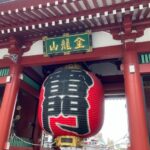
The approach to Senso-ji is a useful place to start. A guide can draw your attention to features you might otherwise treat as decorative, then set the temple’s founding stories and background in context. One account describes learning about the temple’s origins before reaching the main temple, a sensible order: a little groundwork helps the later sights stick.
The best walking tours leave room to pause. You may want to take a photo, look closely at an architectural detail or ask how a custom works. Guides have been praised for giving people time to explore and for helping with group photos. That thoughtful pace can make the visit easier, especially if you are traveling with children or are new to temple etiquette.
At the same time, do not expect every minute to be packed with information. One past participant found the pace slow and felt there was too much dead time, while another thought a two-hour version could have included more historical detail. If you like a brisk march and a dense stream of facts, this may feel unhurried. If you prefer to stop, ask and absorb, that slower rhythm can be a plus.
Learning the customs, not just the names
The practical instruction is one of the tour’s strongest features. Guides explain how to behave around temples and shrines and how to take part in rituals respectfully. You do not need prior knowledge, and you do not have to pretend to be an expert. The point is to help you observe with care and make informed choices.
That can be especially valuable on a first day in Tokyo. A short explanation of what people are doing can change the way you see the grounds. Instead of wondering whether you are standing in the right place or copying someone’s actions, you can understand enough to be considerate and confident.
The tour also gives you a chance to ask direct questions. Shino and Connie, among others, have been described as patient with questions from children and adults. This is a useful quality in a cultural walk: a friendly guide can make unfamiliar traditions easier to discuss without making you feel foolish for asking.
Keep in mind that a guide can introduce customs, but the experience is still a walk through an active religious site. Be ready to follow instructions, keep your voice down when appropriate and give people space to pray. The best way to get value from this stop is to listen, look around and treat the temple as a place of practice as well as a sight.
The smaller corners are part of the story
The neighborhood walk matters because Asakusa is not only a temple visit. Guides have taken groups along surrounding streets and toward places that are easy to miss when you follow only the busiest route. Past tour descriptions mention quieter lanes, traditional craft shops and Hoppy Street, as well as the better-known temple area.
That mix gives you a more rounded introduction. The famous sights explain why Asakusa draws visitors; the side streets help you notice how the district works as a neighborhood. You may hear about local life, seasonal customs or the way the area has changed over time. These details are the difference between seeing a collection of landmarks and understanding how they fit together.
Some guides also offer practical recommendations for what to do after the walk. Yayoi has been singled out for taking a group to the top of the Asakusa Culture Tourist Information Center, where there is a view over the area. Do not assume that stop is included every time, but it is a good example of the kind of extra tip that can help you plan the rest of your visit.
Food and shopping can be part of the conversation, too. One past participant mentioned trying ningyo-yaki, while others valued tips on local places and shops. Treat any tasting or detour as guide-dependent rather than a guaranteed feature. The clear benefit is that you can ask what is worth your time once the formal walk ends.
What the guide can make or break
This is a people-led experience, so guide quality has a real effect on your day. Several guides have been praised for historical explanations, good energy and an ability to make a group feel included. Jasmine has been noted for keeping in touch before a tour and helping visitors make the most of the stops; Yayoi for clear explanations and thoughtful help; Shino for patience with families and children.
There is also a less glowing side to consider. One participant found a guide hard to hear and wanted stronger delivery. Another felt the walk ran longer than expected and lacked enough information to fill the time. These are individual experiences, but they point to a practical question: if you have trouble hearing in a group, position yourself near the guide and ask early if you are missing details.
The group format can be a good fit if you enjoy shared questions and a conversational pace. It may be less ideal if you want a private, highly tailored visit or a tightly timed route. The provided details do not specify the usual group size, so you should not book expecting an intimate private tour.
You can also read our reviews of more tours and experiences in Tokyo



Is $13.29 good value?
At a starting price of $13.29, this is an inexpensive way to put Senso-ji and Asakusa in context. You are paying for a guide’s explanations, help with customs and local pointers, not for a costly attraction ticket or an elaborate production. If you would otherwise wander the temple grounds without knowing what you are seeing, the added context can be worth more than the modest fee.
The value is strongest for first-time visitors, people curious about Japanese religious customs and anyone who wants a neighborhood introduction before exploring independently. Families may also appreciate a guide who can answer children’s questions and keep the walk welcoming.
Price alone does not tell you how much time you will get. The activity is described as a half-day cultural walking tour, while past experiences tied to a two-hour version describe walks that sometimes lasted around two hours, with one taking about two and a half. Check the details for your chosen date and package before you plan the rest of your day.
The operator, Mediabound, Inc., has 22,027 total reviews and a 98 percent good-review rate across its activities. Those figures offer some reassurance about the provider overall, but the most important thing for this particular tour remains the guide you meet and the pace you prefer.
Practical points for a smoother walk
Wear comfortable walking shoes and allow yourself enough time to reach the meeting point. This is a walking activity, so you will spend the tour moving between the temple and surrounding streets rather than sitting through a talk. The exact route and stops are not specified, so keep your schedule flexible afterward.
Instant confirmation is available. Free cancellation is offered with at least 24 hours’ notice before the activity date, based on local time. If severe weather or another unforeseen event leads the operator to cancel, you can reschedule or request a full refund. Late arrivals and no-shows are not eligible for a refund or amendment, so plan your arrival carefully.
If you want a particular guide, the available details do not say that you can request one. Go for the walk with an open mind, and make the most of your guide by asking questions about the customs, history and local recommendations that interest you.
Should you book the Asakusa and Senso-ji walk?
Book it if you want more than a quick look at the temple and value clear explanations of local customs. The modest starting price makes it an appealing introduction, especially at the start of a Tokyo visit, when practical tips can help you decide what to explore next.
Skip it if you prefer to move at your own pace, already know the area well or want a guaranteed fast, tightly scripted tour. The guide’s voice, storytelling and pace can shape the experience, and the route is not fully detailed here. For most first-time visitors with a few hours to spare, though, a thoughtful guide can turn Asakusa from a famous name on a map into a place you understand a little better.
Tokyo Asakusa & Senso-ji Half-Day Cultural Walking Tour
“A great morning touring Asakusa and the Senso-ji temple. Jasmine. F. Did a great job and really knew her booster history. Jasmine took the time to…”
FAQ
Where does this tour take place?
It takes place in Asakusa, Tokyo, Japan, and includes Senso-ji and the surrounding area.
What is the tour called?
The package is called the Tokyo Asakusa & Senso-ji Half-Day Cultural Walking Tour.
What is the starting price?
The listed starting price is $13.29. The final price may depend on the option and date you choose.
Is this a guided walking tour?
Yes. It is a cultural walking tour led by a local guide.
What can I learn during the tour?
The tour covers Asakusa and Senso-ji, including history, traditions and temple or shrine customs.
Which guides have led the tour?
Guides named in past experiences include Yayoi, Jasmine, Shino, Connie, Aska, Joe, Brandon and Daniel. A specific guide is not guaranteed.
How long does the tour last?
The package is described as half-day. Past experiences for a two-hour version describe walks around two hours, with one taking about two and a half. Confirm the duration for your selected package.
Is instant confirmation available?
Yes, instant confirmation is listed for this activity.
Can I cancel for a refund?
You can receive a full refund if you cancel at least 24 hours before the activity date, using the destination’s local time.
What happens if the operator cancels because of severe weather?
If the operator cancels because of extreme weather or another unforeseen event, you can reschedule or request a full refund.