Kintsugi turns a ceramic break into a visible feature, not something to disguise. At this Asakusa workshop, you’ll work on a plate with an instructor’s help, learning how the Japanese idea of wabi-sabi finds beauty in an object’s flaws and history.
I like two things here: you make something yourself, and the English-speaking staff explain the steps while helping you along. It’s also a quieter, creative pause in a Tokyo day. One point to know before booking: the workshop uses brass powder, not gold, and the finished plate is for decoration, not food.
- What to know before you book
- A quiet craft break in Asakusa
- From the meeting point to your worktable
- Choosing a plate and working with the materials
- The meaning behind the golden seam
- What the teaching feels like
- Is the starting price good value?
- Who will enjoy this workshop most?
- Should you book the Asakusa kintsugi workshop?
- FAQ
- How long does the workshop last?
- Where is the meeting point?
- What is included in the price?
- Can I choose a different plate?
- Does the workshop use real gold powder?
- Do I need previous kintsugi experience?
- Is there an age limit?
- Can I cancel and receive a refund?
- The Best Of Tokyo!
- More Tours in Tokyo
- More Tour Reviews in Tokyo
- Not for you? Here's more nearby things to do in Tokyo we have reviewed
What to know before you book
 1 / 4
 2 / 4
 3 / 4
 4 / 4
- Make a plate in about an hour: The scheduled activity is short and hands-on, with tools and materials provided.
- Choose a basic plate or pay for an upgrade: The standard plate is included. Premium designs cost extra, and the final price can rise.
- Learn a little about wabi-sabi: The instructor introduces the idea of valuing wear and imperfection as part of an object’s story.
- Expect brass powder, not gold: This is a decorative kintsugi-style activity, and the finished piece is not food-safe.
- Meet in Asakusa’s Tosei Building: The workshop is listed on both the ninth and tenth floors, so check your voucher for the correct floor.
- Arrive on time: If you are more than 15 minutes late, you may be asked to reschedule.

👉 See our pick of the 25 Best Guided Tours In Tokyo
A quiet craft break in Asakusa
Asakusa is known for its temples, old shopping streets, and steady flow of people. This workshop offers a different way to spend an hour in the district: sit down, handle a ceramic piece, and focus on a small task rather than adding another stop to a packed sightseeing route.
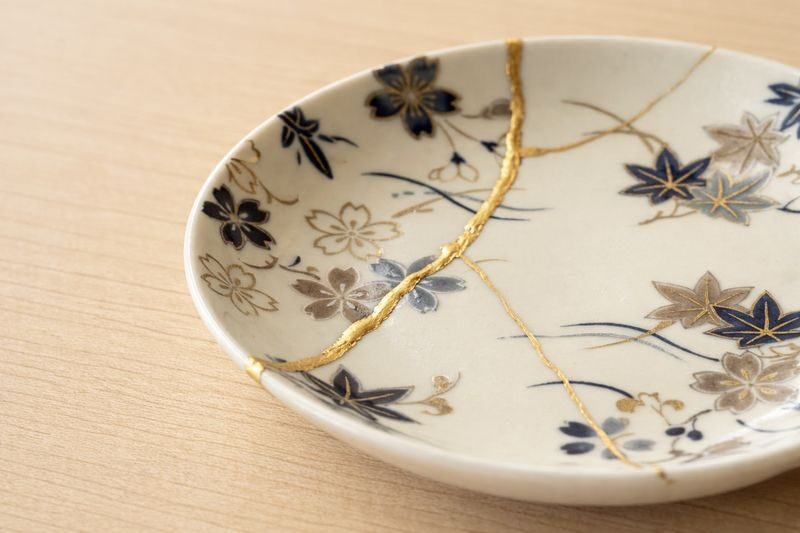
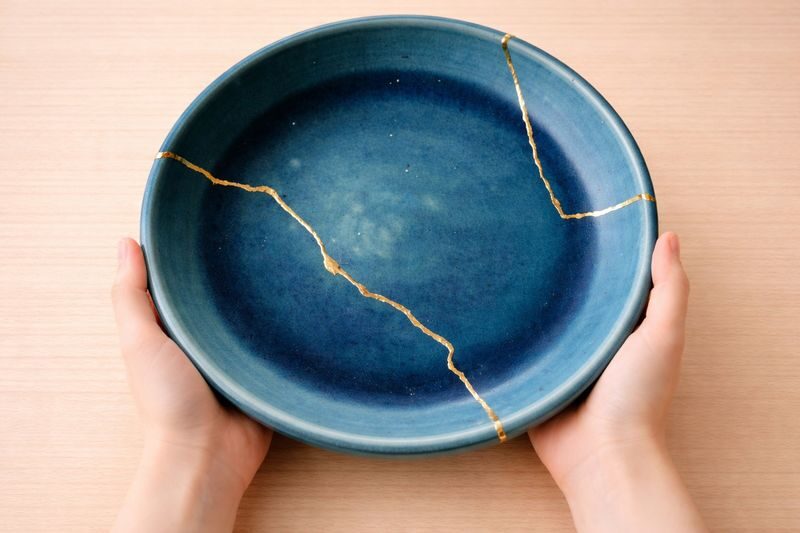
The craft at the heart of the class is kintsugi, the repair of broken pottery with visible seams. The idea is appealing beyond the finished object. Instead of hiding damage, the repair makes it part of the piece’s story. That connects with wabi-sabi, a way of seeing beauty in imperfection and the marks of time.
It is worth setting expectations carefully. The activity introduces the look and meaning of kintsugi, but it is not a full course in traditional ceramic restoration. The materials listed for this workshop include brass powder, and the finished piece is decorative only. If you are hoping to learn a method for restoring a family heirloom or making a dish safe for meals, this is not the right setting.
For a first craft experience in Japan, though, that distinction need not be a deal-breaker. You get a guided project, a cultural idea to think about, and a handmade object that brings back a particular hour of your trip. Those are good returns from a short class, provided you know what the materials and finished plate are for.
You can also read our reviews of more tours and experiences in Tokyo.



From the meeting point to your worktable
The meeting point is the Asakusa Tosei Building at 1-chome-27-2 Asakusa, in Taito City. The workshop information gives both ninth-floor and tenth-floor directions, with the studio also described as Zen Chopsticks Studio. That inconsistency is worth checking: follow the floor and studio name on your booking confirmation rather than guessing once you reach the building.
Choose a session from the available departure times, which run from 9 a.m. through 6 p.m. Arrive five minutes early. The staff ask late arrivals to reschedule if they are more than 15 minutes behind, since a delay can affect the next booking. In a city where train stations and building entrances can take longer to navigate than expected, allow a little extra time.
This is a meet-up activity, not a tour with a ride to another neighborhood. The itinerary begins and ends at the Asakusa building, so you can plan to continue exploring nearby afterward. The scheduled workshop lasts one hour, though one participant described a session lasting around an hour and a half. Keep your plans flexible if you have a timed reservation soon after.
The studio setting also changes the rhythm of the day. You are not rushing through a list of sights or trying to catch a guide’s words over street noise. Instead, you settle in and work through the steps at a table, with English-speaking staff available to explain the process.
Choosing a plate and working with the materials
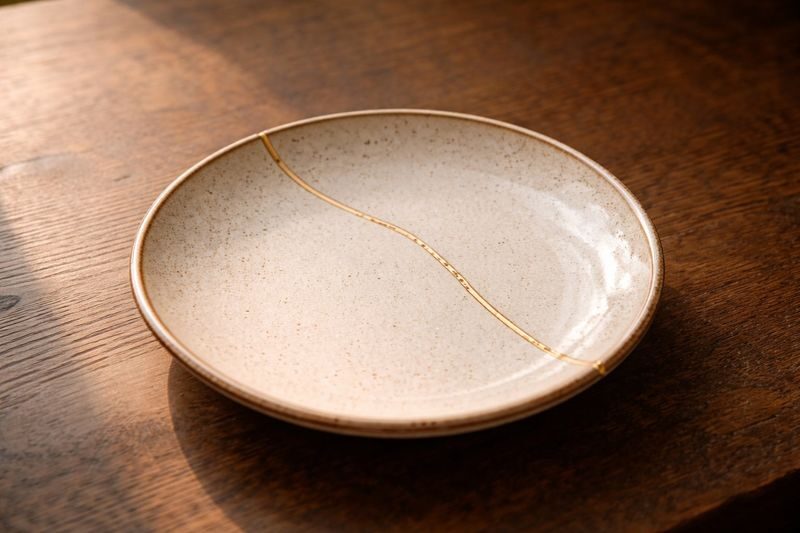
The standard plate is included in the price, along with the tools and materials required for the activity. Some sessions offer a choice among several shapes and designs. Premium plates are available for an additional charge, and the extra cost can be substantial compared with a low advertised starting price. One participant paid 5,500 yen for a more decorative plate, so ask the staff about the upgrade price before you choose.
That choice matters because the plate is the centrepiece of the activity and the souvenir you will take home. If you mainly want to try the technique, the standard option keeps the cost down. If a particular design matters to you, decide whether it is worth paying more before you begin. The upgrade is optional, not part of the base price.
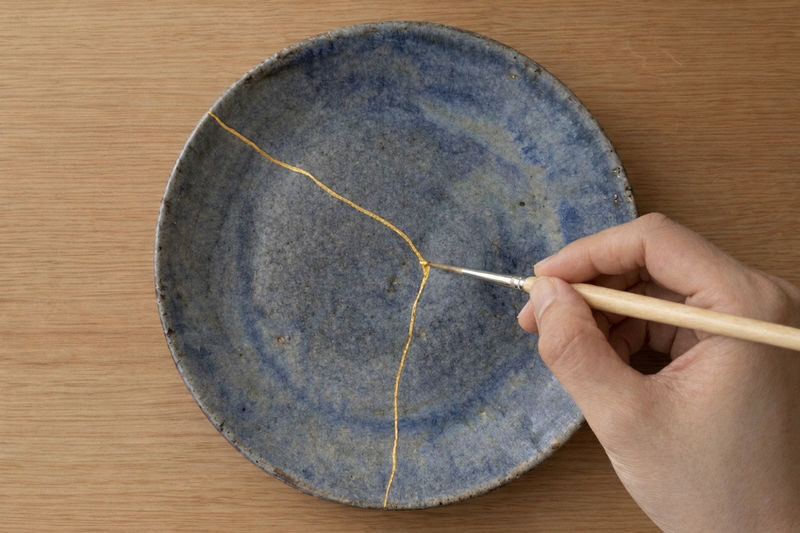
The class gives you the chance to repair a plate under guidance rather than simply watch a demonstration. Instructors explain each step and help as you work. Some participants have also asked to make breaks in their plate as part of the design. If you want to do that, ask before starting so you know what is possible with the plate you have chosen.
The listed materials describe lacquer and brass powder. The activity’s name and presentation refer to traditional golden repair, but the important practical detail is that the powder used here is brass. The completed piece is for display and should not be used for food. That makes it a suitable keepsake for a shelf or desk, not a replacement for a dinner plate.
The meaning behind the golden seam
The cultural context gives the craft more purpose than simply decorating a plate. Kintsugi makes repair visible. A crack becomes a line that records what happened to the object, while the repaired piece remains useful as an artwork or keepsake. The workshop also introduces wabi-sabi, the idea that flaws and signs of age can have their own grace.
You do not need prior art skills to take part. The instructors guide the work step by step, and the experience is designed for beginners. Staff members named by participants include Lika, April, Koko, Shirin, Noemi, Betty, Serena, and Tomo. The repeated praise for patient, clear instruction is useful if you are unsure whether you will manage the hands-on part.
The workshop’s appeal is not that you leave as a kintsugi expert. In an hour, you get an introduction and a chance to make a small object with your own hands. That is a modest but satisfying goal, especially if your Tokyo schedule has been full of temples, shops, and long walks.
What the teaching feels like
The strongest feature of the experience is the staff’s role at the table. The activity depends on clear instructions, since each stage builds on the one before it. Participants have singled out instructors such as Serena for her teaching and Lika for patient, step-by-step help. Others have praised April, Koko, Betty, Noemi, and Shirin for explaining the process in a friendly way.
That kind of support makes the class approachable for families and first-timers. Families with children have enjoyed making plates and bowls, and the activity has no age limit. Still, the practical value of that policy depends on whether a child can sit and follow a guided craft activity. If you are booking for a family, keep the short format and the decorative nature of the final piece in mind.
The mood is another plus. The task invites you to slow down and pay attention, which can feel refreshing after a busy morning in Asakusa. Some instructors also help with photos and videos, giving you a record of the process as well as the finished object. That is a nice extra, but the central souvenir is the item you make.






Is the starting price good value?
The experience starts at $8.29, a low entry price for a guided activity that includes the class, materials, tools, and one standard plate. The price becomes less of a bargain if you select a premium plate, so treat the starting figure as the price for the basic option rather than a guaranteed total for every design.
I’d judge the value by what you want from the hour. If you want an expert restoration lesson using traditional materials, the workshop’s brass powder and decorative-only result may not match your expectations. If you want a beginner-friendly craft activity, a short introduction to the idea of kintsugi, and an object you made yourself, the standard option offers a reasonable way to spend part of a day in Asakusa.
Payment at the studio is cashless. Accepted cards include Visa, Mastercard, American Express, JCB, Diners Club, and Discover. Premium plate upgrades are not included in the base price, and tips and personal expenses are also excluded.
Who will enjoy this workshop most?
This is a good fit if you like hands-on activities, want a break from sightseeing, or are looking for a small souvenir with a personal connection to your trip. It also suits couples and families who would rather make something together than spend another hour browsing shops. English-speaking staff and clear instruction make the class accessible to beginners.
It is less suitable if you need a food-safe plate, want to restore your own pottery, or expect a long, advanced course in traditional urushi work. The workshop is compact by design. You get an introduction, a guided project, and a decorative piece, not a full apprenticeship.
The building is listed as wheelchair-accessible. The activity is valid only on the selected date and time, and free cancellation is available with at least 24 hours’ notice. Check the confirmation for the exact meeting floor, since the ninth- and tenth-floor details differ.
Should you book the Asakusa kintsugi workshop?
Book it if you want a calm, creative hour and are happy with a beginner activity using brass powder. The English-speaking instructors, included standard plate, and chance to make a personal souvenir give it practical appeal, especially on a day already spent exploring Asakusa.
Skip it if you are looking for authentic gold, a food-safe repair, or detailed training in traditional restoration. Before you pay, check the premium plate prices and confirm whether your meeting point is on the ninth or tenth floor. With those details clear, this is a thoughtful small-scale activity that gives your Tokyo trip something to take home besides photographs.
The Art of Kintsugi: Traditional Golden Repair in Tokyo Asakusa
“i love this, it was an amazing experience and I was greeted by Moana, who was sooo nice btw! I would definitely come back!!”
FAQ
How long does the workshop last?
The scheduled activity lasts one hour. Some sessions may take longer, so leave a little space in your plans afterward.
Where is the meeting point?
The meeting point is the Asakusa Tosei Building at 1-chome-27-2 Asakusa, Taito City, Tokyo. The workshop details refer to both the ninth and tenth floors, so check your voucher for the correct floor.
What is included in the price?
The price includes admission to the workshop, English-speaking staff, the required materials and tools, and one standard plate.
Can I choose a different plate?
Premium plate upgrades are available for an additional charge. The upgrade price is not included in the standard cost.
Does the workshop use real gold powder?
The materials information specifies brass powder. The finished piece is decorative and is not food-safe.
Do I need previous kintsugi experience?
No previous experience is specified as a requirement. The instructor guides you through the process step by step.
Is there an age limit?
The activity has no age limit.
Can I cancel and receive a refund?
You can receive a full refund if you cancel at least 24 hours before the activity date, using the destination’s local time.























