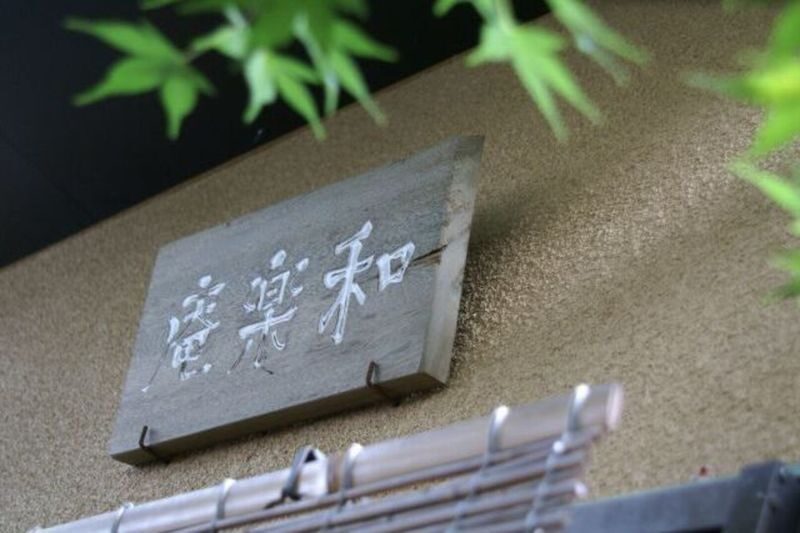
A tea master welcomes you into Waraku-an, a teahouse in Tokyo’s Komaba neighborhood, and offers a quiet introduction to Sado, the Japanese way of tea. You’ll see the room’s details, learn about the ceremony, and be served green tea with Japanese confectionery.
I like two things about this experience: it welcomes beginners, and you can choose a plan based on whether you want thin tea, stronger tea, or both. The tea master serves the tea and sweets, and you may have a chance to prepare a bowl yourself.
One thing to weigh is the location: the teahouse is in Meguro-ku, not in the heart of Shibuya, and the address can be tricky to find. Allow time to locate it, and check the map before setting out.
- Key points to know before you book
- A tea ceremony in Komaba, away from the big-city rush
- What happens in the tea room
- Choosing between thin tea and strong tea
- Why the host and the room matter
- Who will get the most from this visit
- Price, booking details, and small cautions
- Should you book this tea ceremony?
- FAQ
- Is the tea ceremony suitable for beginners?
- What is served during the experience?
- Where is the meeting point?
- How much do the tea plans cost?
- Do I need to include children in the booking?
- What should I do if I have a food allergy?
- The Best Of Tokyo!
- More Private Tours in Tokyo
- More Tours in Tokyo
- More Tour Reviews in Tokyo
- Not for you? Here's more nearby things to do in Tokyo we have reviewed
Key points to know before you book
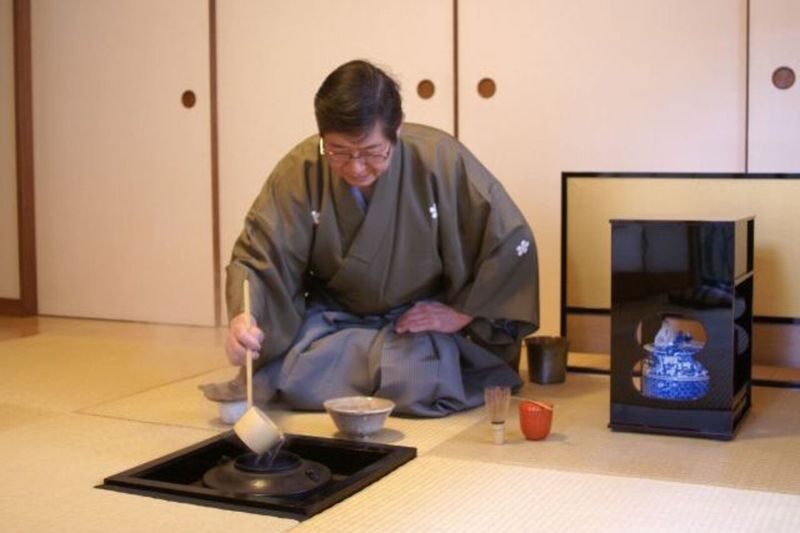
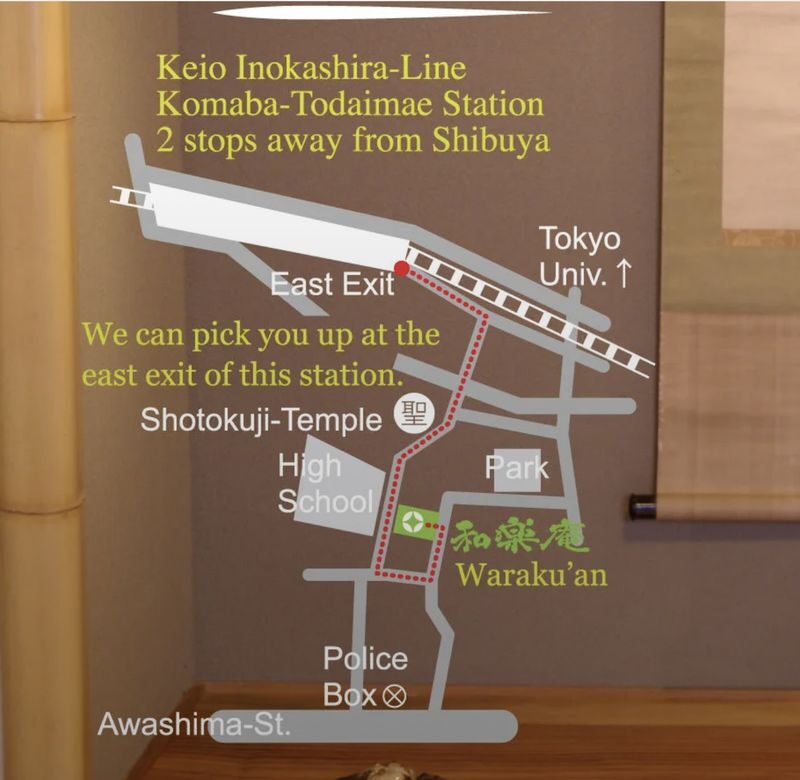
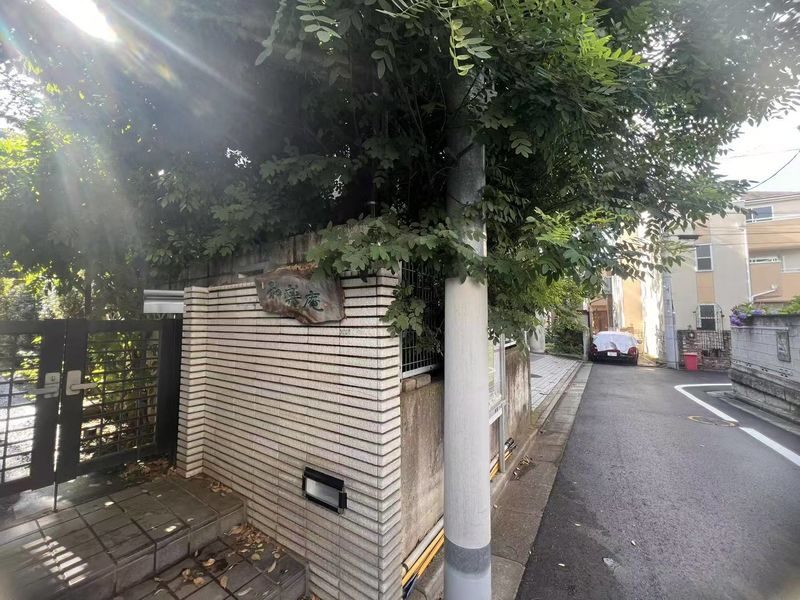
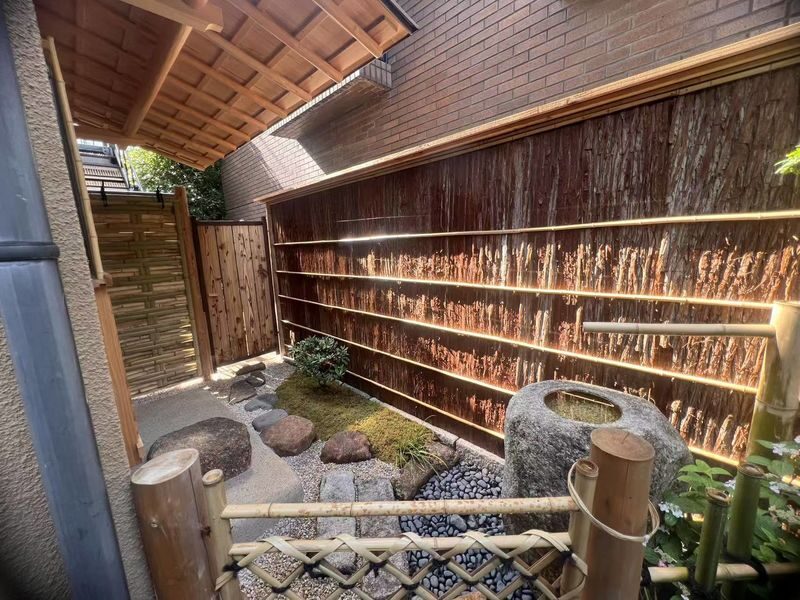
- A local teahouse, not a stage show: The ceremony takes place at Waraku-an in Komaba, a neighborhood setting close to central Tokyo.
- A clear introduction to Sado: The tea master presents the Kobori-Enshu style and explains aspects of the ceremony for both beginners and tea enthusiasts.
- Three tea plans: Choose thin tea with sweets, strong tea with sweets, or a pairing of strong and thin tea.
- A little participation may be possible: One account describes preparing a bowl with the teacher’s guidance, though the core offer is tea served by the tea master.
- The room rewards a slow look: The interior decoration is part of the appeal, and you may take photos inside the room.
- Find the address before you go: The meeting point is listed as (株)W-E-L, at 1-26-11 Komaba, Meguro-ku.

👉 See our pick of the 25 Best Guided Tours In Tokyo
A tea ceremony in Komaba, away from the big-city rush
Tokyo’s tea ceremony experiences can vary from quick demonstrations to more involved introductions to Sado. This one takes place at Waraku-an, a teahouse close to central Tokyo, with a tea master who introduces the Kobori-Enshu style. The setting and the chance to ask questions give the experience a more personal feel than simply watching someone prepare a bowl.
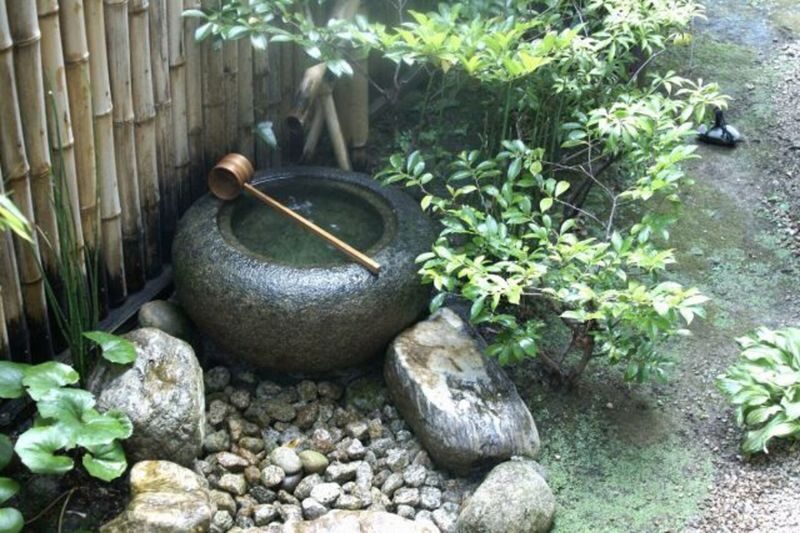
The location is in Komaba, Meguro-ku, rather than among Shibuya’s busiest streets. That has a practical downside: the address may not be immediately obvious, and one person found the place hard to locate. It also gives you a reason to see a quieter part of the city instead of making every stop a major shopping district or landmark.
The listed meeting point is (株)W-E-L, at 1-26-11 Komaba, Meguro-ku, Tokyo. Follow the map provided with your booking rather than relying on the Shibuya label alone. The experience is close to central Tokyo, but exact walking directions and travel time are not specified, so plan your route ahead.
You can also read our reviews of more private tours in Tokyo

What happens in the tea room
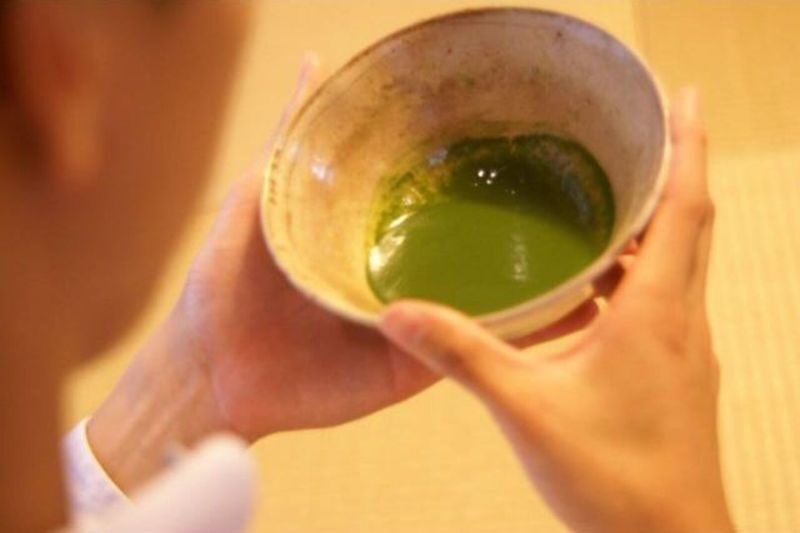
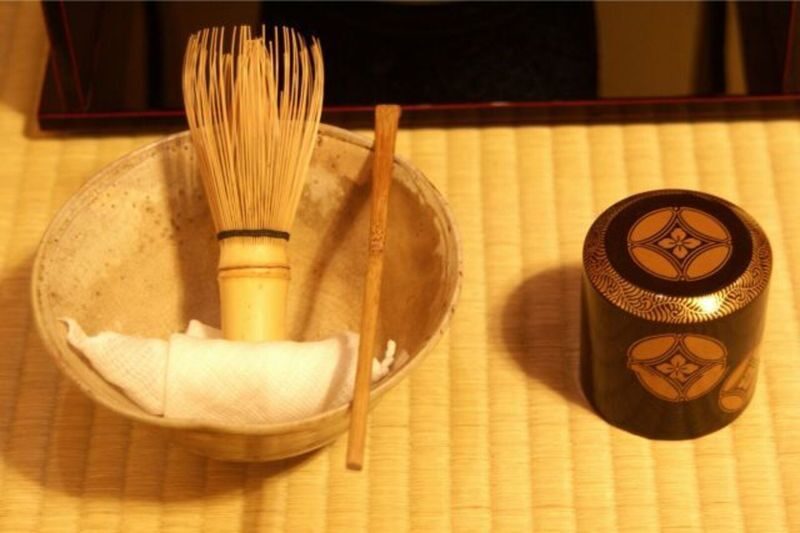
Expect a warm welcome from the tea master, an introduction to the world of tea, and a bowl of usucha, or thin tea, served with Japanese confectionery. The ceremony is framed as a calm, seasonal experience. The room itself matters: take a moment to notice its decoration and details rather than treating it as a simple place to sit and drink matcha.
The experience is intended for both Sado enthusiasts and first-timers. If you have never attended a tea ceremony, you do not need to arrive knowing the rules or movements. The teacher explains aspects of the practice, and a participant described being able to ask questions and receive help with essential movements.
There may also be a chance to prepare a bowl of tea yourself. That hands-on element is not guaranteed in the basic description, so think of it as a possible extra rather than the main promise. The core experience is being welcomed by the tea master and served tea and confectionery.
I like this balance for a first visit. You get to observe the ritual and its atmosphere without needing to perform every step correctly. If you already know the basics, the teacher’s explanations and the specific Kobori-Enshu style may give you more to think about than a generic matcha tasting.
Choosing between thin tea and strong tea
The least expensive option, from US$50.45, pairs thin green tea with Japanese sweets. This is the straightforward choice if you want the central elements of the ceremony without paying for a second tea service. The activity description identifies thin tea as usucha, the bowl served by the tea master.
For US$63.09, the strong green tea plan comes with main sweets. This costs a little more than the thin-tea option, so it may suit you if you specifically want to try the stronger preparation. The package names do not provide more detail about serving size or how the two teas differ in presentation, so choose based on the tea type you want to taste.
The most expensive plan, from US$119.85, includes strong and thin green tea. It is the choice for anyone who wants both styles in one visit, but it is a substantial jump in price. Unless comparing the two teas is important to you, the lower-priced thin-tea plan may offer better value for a first introduction.
Prices are listed as starting rates, and the inclusions are the experience fee and tax. Personal expenses are not included. The food pairing is part of the named tea packages, so check that the plan you select matches what you want before confirming.
Why the host and the room matter
The strongest part of this activity is the tea master’s role. The ceremony is not just a bowl placed in front of you: the teacher explains some of the practice, answers questions, and helps you understand essential movements. A participant who prepared tea found that guidance made the activity easier to follow and helped make the ritual’s small gestures more meaningful.
Hospitality also matters in a setting that can feel formal to a newcomer. The tea master is described as welcoming and able to put people at ease. That is useful if you worry about making a mistake or not knowing when to bow, drink, or speak. The point is not to pass a test. It is to pay attention and learn what the actions mean.
The room is another reason to take your time. Its decoration was called out as worth contemplating, and photos inside the activity room have been possible. If photography matters to you, be considerate and follow the tea master’s direction. The point of the visit is still the ceremony, not a photo session.
Expect a quiet, focused activity rather than a show packed with entertainment. The sweets and tea may feel simple if you are hoping for a large tasting menu or an elaborate meal. One account found the tea and snacks quite ordinary. I would book this for the cultural explanation and the setting, not for a gourmet dessert experience.
Who will get the most from this visit
This is a good fit if you want an introduction to Japanese tea ceremony that leaves room for questions. Beginners can learn the basic context and watch the preparation without needing previous knowledge. If you are already interested in Sado, the Kobori-Enshu style and personal instruction may make the visit more rewarding than a quick demonstration.
It can also work well for someone who prefers a calm cultural stop to a busy attraction. There is a seasonal atmosphere, a decorated room, tea, and confectionery, with the focus on a traditional practice. The activity does not specify its duration or group size, so do not assume a particular length or a private session simply because the title uses the word private.
Families should include every infant and child in the passenger count when booking. The information does not describe age-specific activities, so consider whether your child would be comfortable sitting through a quiet tea ceremony. If you have allergies, tell the operator in advance.






Price, booking details, and small cautions
At US$50.45, the thin-tea-and-sweets option is a fair entry point if the tea ceremony itself is your priority. You are paying for the tea master’s introduction, the atmosphere of the teahouse, and the served tea and confectionery, rather than a full meal or a long list of included extras. The strong-and-thin plan is much pricier, so it makes sense chiefly if trying both types is a specific goal.
The experience fee and tax are included; other personal expenses are not. The voucher is valid only for the selected date and time, if a time is specified. Confirmation is expected within 48 hours. If no confirmation email arrives, contact customer support.
Cancellation for a full refund is available at least 48 hours before the activity date, using local destination time. Late arrivals and no-shows are not refunded, and changes or refunds are not offered if service is refused because someone does not follow the operator’s rules. There is also an important headcount detail: if a guide enters the room, a fee applies, so purchase for everyone who will take part.
Should you book this tea ceremony?
Book it if you want a human introduction to Sado, enjoy asking questions, and are willing to make a little effort to find a neighborhood teahouse. The best reasons to go are the teacher’s explanations, the welcoming approach to beginners, and the chance to appreciate the room as well as the tea.
Think twice if you mainly want a substantial food experience, expect a hands-on lesson as a certainty, or need an easy-to-find venue in the middle of Shibuya. For most first-timers, the thin-tea-and-sweets package is the sensible starting point. Choose the two-tea plan only if comparing strong and thin tea is worth the extra cost to you.
Shibuya: Private Tea Ceremony with a Master in a Local Home
“Very good tea ceremony experience, fully experienced the entire process of the authentic Japanese tea ceremony”
FAQ
Is the tea ceremony suitable for beginners?
Yes. The activity is described as beginner-friendly, and the tea master introduces the Kobori-Enshu style for both newcomers and people already interested in Sado.
What is served during the experience?
The tea master serves a bowl of usucha, or thin tea, with Japanese confectionery. Other package choices include strong green tea, with sweets, or strong and thin tea together.
Where is the meeting point?
The meeting point is listed as (株)W-E-L, at 1-26-11 Komaba, Meguro-ku, Tokyo. Use the provided map, as the location can be hard to find.
How much do the tea plans cost?
The thin-tea-and-sweets plan starts at US$50.45. Strong tea with main sweets starts at US$63.09, and strong plus thin tea starts at US$119.85.
Do I need to include children in the booking?
Yes. Infants and children must be included in the passenger headcount.
What should I do if I have a food allergy?
Inform the operator in advance if you have any allergies.