A bowl of matcha is more than a drink here: you see it prepared, learn the gestures and etiquette behind the ceremony, then whisk your own. I like the hands-on lesson and the chance to wear a kimono and take photos near Tokyo Skytree.
I also like that the class explains the meaning behind the movements, rather than treating the ceremony as a photo prop. One consideration: the experience takes place in a classroom on the sixth floor of a building, not in a traditional tea house.
What makes this experience worth considering
- Two bowls of matcha: Your instructor prepares one, then you whisk the second yourself with traditional utensils.
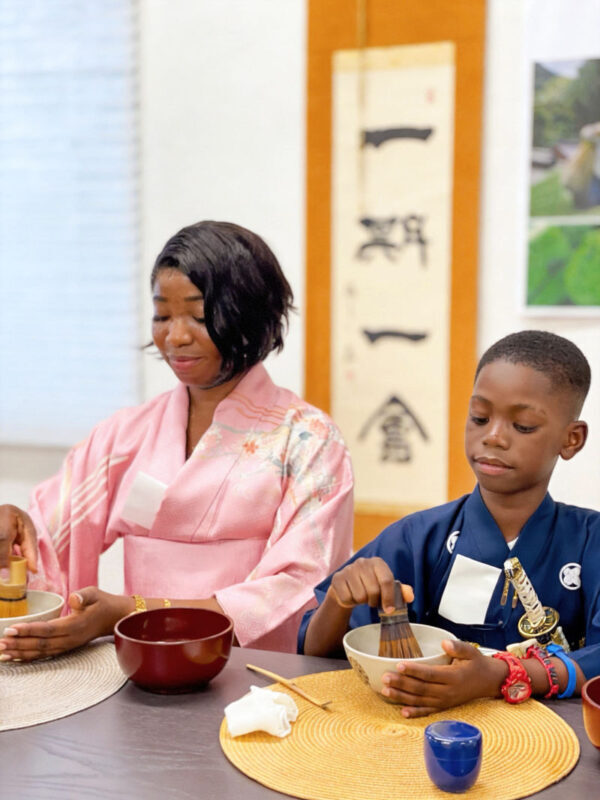
- Kimono and photos are included: Staff help you dress and allow time for photos, including outside with Skytree behind you.
- Seasonal sweets come with the tea: You’ll have two Japanese confections, selected to accompany each serving.
- No kneeling required: The ceremony is taught at a table with chairs, a practical comfort for children and anyone who finds floor seating difficult.
- A small-group class: The group size ranges from one to 15, and groups of seven to 15 can arrange a private session, though the start time may need to change.

👉 See our pick of the 25 Best Guided Tours In Tokyo
- What makes this experience worth considering
- A tea lesson near Asakusa’s big sights
- Kimono first, with time for photos
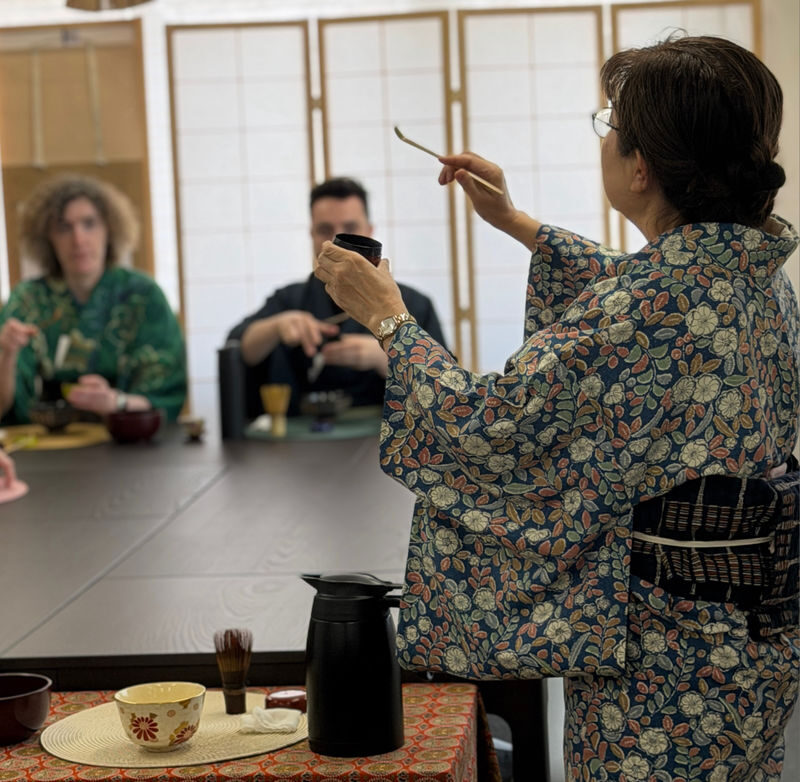
- The instructor shows you how the ceremony works
- Matcha, wagashi and a turn with the whisk
- A traditional practice with a practical seating choice
- Allow about 90 minutes, not just an hour
- What the price covers
- Who should book this class
- Booking details to keep in mind
- Should you book it?
- FAQ
- How long does the tea ceremony experience last?
- Is a kimono included?
- Do I have to kneel during the ceremony?
- What food and drink are included?
- Where is the meeting point?
- What is the minimum age, and do children count in the headcount?
- The Best Of Tokyo!
- More Tours in Tokyo
- More Tour Reviews in Tokyo
- Not for you? Here's more nearby things to do in Tokyo we have reviewed
A tea lesson near Asakusa’s big sights
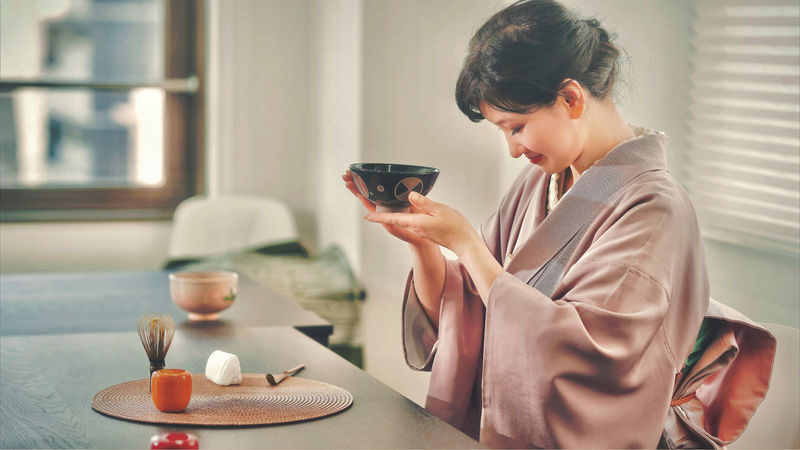
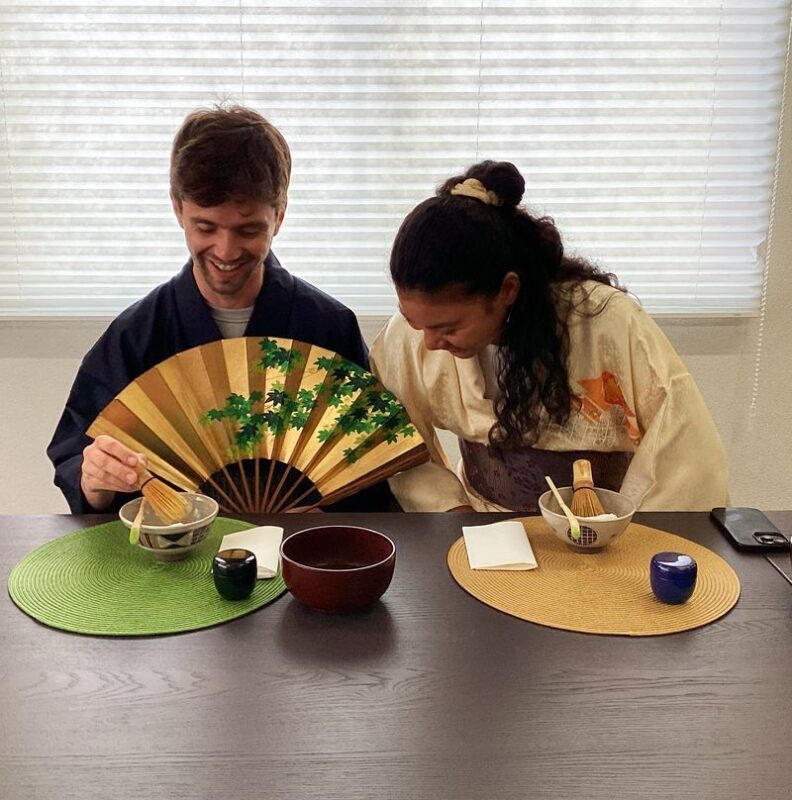
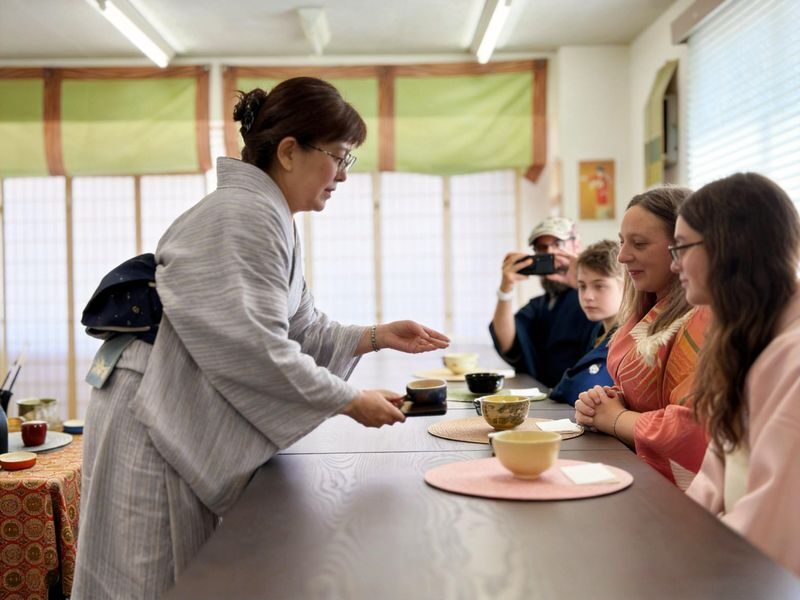
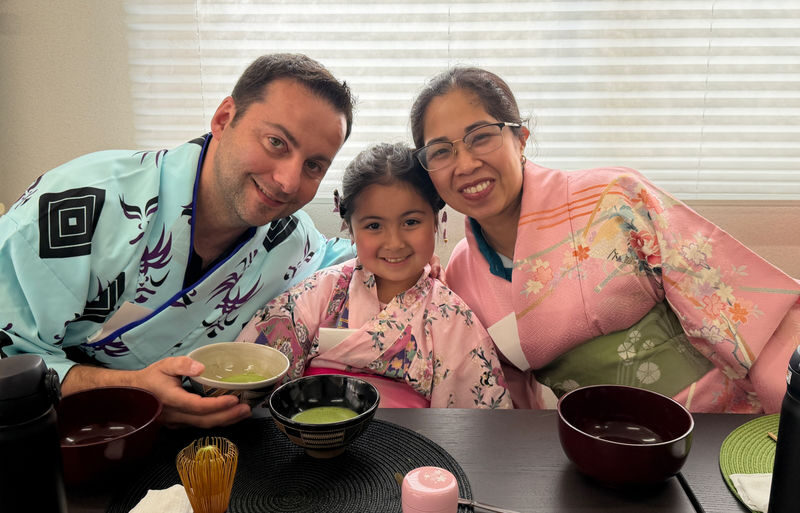
The class is held at 茶道教室 南風, also called Teahouse Minamikaze, at Kenmabuchi Azumabashi Building, 6F. It’s a handy base for a day around Asakusa: Senso-ji is about a 10-minute walk away, and Tokyo Skytree is within walking distance.
The nearest listed station is Honjo-Azumabashi, about two minutes away on foot. Asakusa Station is around seven minutes away, and Skytree Station is about 10 minutes away. The venue is on the sixth floor, between a restaurant and a dry-cleaning shop, roughly 30 metres from a Lawson convenience store in the direction of Skytree.
That location makes the class easy to pair with temple visits or a walk toward the tower. It also means you should set your expectations: this is a cultural lesson in an urban classroom, not a secluded tea-house setting. If the architecture and atmosphere of a historic teahouse are your main reason for booking, that distinction matters.
You can also read our reviews of more tours and experiences in Tokyo.



Kimono first, with time for photos
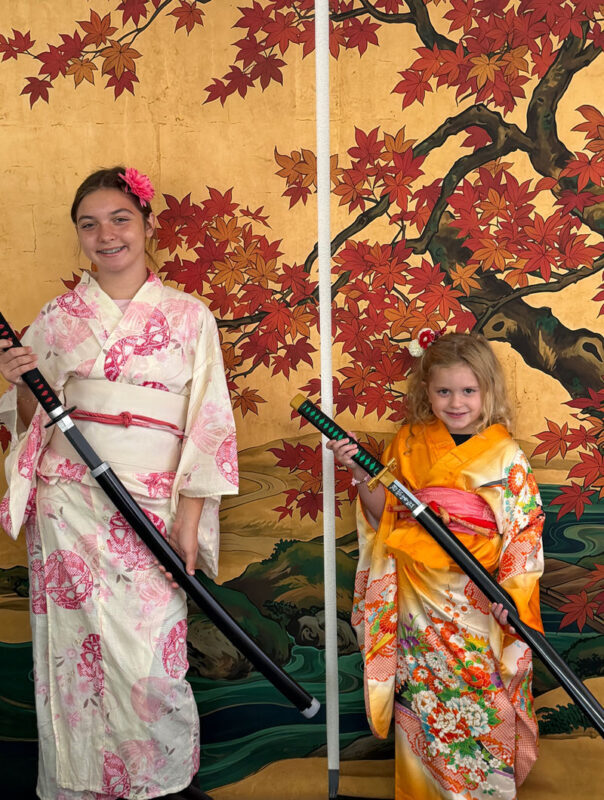
The experience begins with a complimentary kimono dressing. Staff help you choose and put on the garment, then give you time to take photos before the tea lesson starts. Several instructors named by participants include Atsuko, Aiko and Keiko, but the person leading your session can vary.
The photo element is more than a quick snapshot. People have had time to take pictures and videos, and staff have helped with poses, props and, in one case, styling hair with flowers. Those extras aren’t listed as guaranteed services, so think of them as possible personal touches rather than a fixed part of the package.
You can also take photos outside the building with Tokyo Skytree in the background. This gives you a memorable Tokyo setting without having to arrange a separate kimono rental or photo session. The kimono is optional, so you can focus on the tea lesson if dressing up isn’t your thing.
The instructor shows you how the ceremony works
Once you’re dressed and have had a chance to take photos, the instructor introduces Japanese tea ceremony customs and etiquette. The focus is not simply on how to make matcha. You’ll hear about the care involved in preparing and serving it, how to handle the utensils, and how to take part in the exchange as a guest.
An experienced instructor demonstrates the ceremony up close and prepares your first bowl of matcha. English guidance is included, and the format encourages questions, so you can ask about a movement or custom instead of trying to memorize a string of rules. The warm, conversational teaching style is a useful fit for beginners.
Instructors named in participant accounts include Atsuko, Aiko and Keiko. The names are worth knowing, but they aren’t a booking guarantee. What matters more is that the host stays with you through the experience, from the welcome to your final bowl, and explains the steps as you go.
Matcha, wagashi and a turn with the whisk
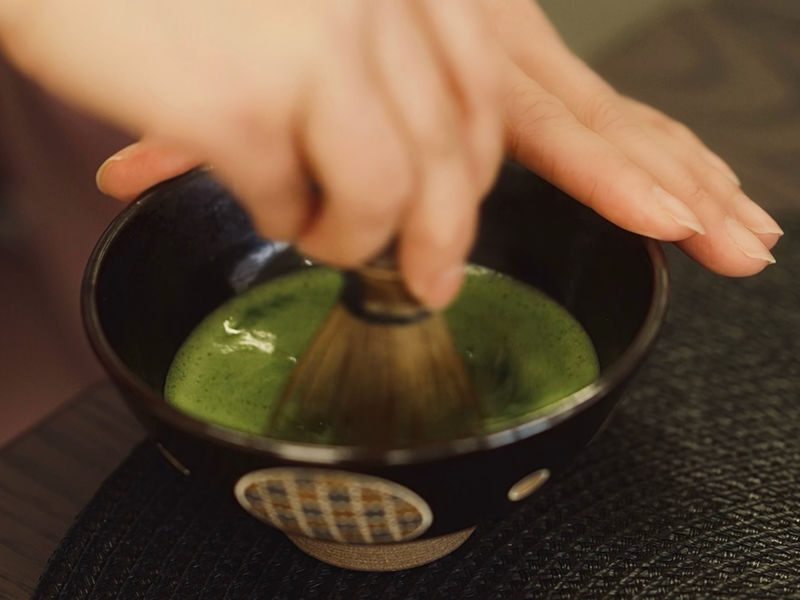
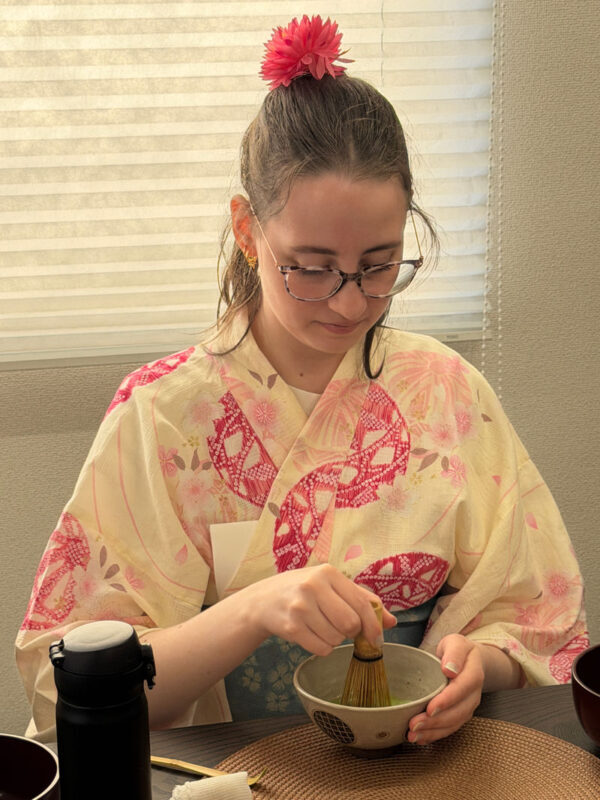
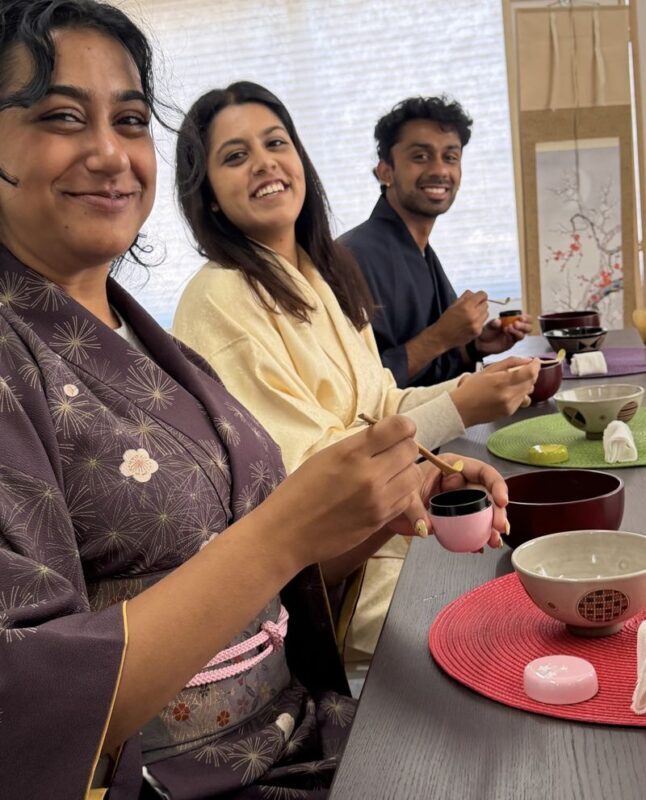
Your first serving is prepared by the instructor and paired with a seasonal Japanese sweet. Then it’s your turn. You’ll use traditional tea utensils to whisk your own matcha, following the technique demonstrated in class, and enjoy it with a second confection.
That hands-on turn is a real strength. You don’t just watch a polished performance from the sidelines; you practise the motions yourself and get a clearer sense of the attention behind each step. If you already drink matcha at home, you may find the chance to handle the whisk and utensils especially interesting.
The sweets are seasonal wagashi from a long-established confectionery, with fresh and dry varieties included. Their role is part of the lesson, too: they accompany the tea and give you a taste of a traditional pairing. Matcha and sweets are subjective pleasures, of course, but having two rounds makes the class feel more complete than a brief demonstration with a single sample.
A traditional practice with a practical seating choice
The ceremony is held at a table, with chairs rather than floor cushions. That small detail changes who can take part comfortably. You don’t need to sit on your knees, and children or anyone who would find floor seating uncomfortable can focus on the lesson instead.
Participants must be at least five years old. Infants and children need to be included in the booking headcount, even if they are not taking part in the activity. The family-friendly setup makes this a reasonable option for older children who can follow a guided activity, though the ceremony still calls for sitting, listening and taking turns.
A group can include one to 15 participants. If your party has seven to 15 people, private sessions with no other groups may be available, but you may need to be flexible about the start time. Solo visitors are welcome, too. A class with fewer people can leave more room for questions, though the group size on your chosen date will vary.






Allow about 90 minutes, not just an hour
The experience is described as lasting about 90 minutes, even though some headline information rounds it to an hour. Plan around the longer estimate. The morning class runs from 10:30 a.m. to noon, with arrival by 10:20. The afternoon class runs from 2 to 3:30 p.m., with arrival by 1:50.
The schedule leaves time for changing, photos, explanation, the demonstration and your own turn making tea. Some classes may run longer if the lesson or questions take extra time, so don’t put a tight appointment immediately afterward. The activity’s return point is the same sixth-floor venue, rather than a hotel drop-off.
Arrive five minutes before the departure time you selected. Late arrivals and no-shows are not refundable, so allow a little extra time to find the building and reach the sixth floor. Storage is available at the venue, but rates are not specified; ask staff on site if you need to leave belongings.
What the price covers
At a starting price of $49.29, the value comes from the bundle rather than any single part. You’re getting kimono dressing and photo time, an English-speaking guide, an instructor-led demonstration, two bowls of matcha, two seasonal sweets and a chance to use the utensils yourself. Arrange those pieces separately and the cost, time and coordination would likely add up.
It’s also an efficient way to get a cultural activity into an Asakusa day. You don’t need to be a tea enthusiast to take part, and you don’t need prior experience. The class gives you enough practical context to understand what you’re seeing, while the kimono and photos add a visual memory to the lesson.
Still, the price may feel less compelling if you want only a quick matcha tasting, or if your priority is a ceremony in a traditional tea-house interior. The setting is a classroom, and the experience is designed to teach and involve you. Its best value is for someone who wants all three: cultural explanation, participation and kimono photos.
Who should book this class
I’d choose this for a first visit to a Japanese tea ceremony, especially if you want the instructor to explain etiquette in English and let you try the preparation yourself. The table seating, welcoming format and short duration make it approachable without stripping away the ceremony’s care and meaning.
It also suits families with children aged five and up, couples, solo visitors and small groups. If you’re a matcha fan, you’ll get more than a tasting. If you’re travelling with someone who isn’t, the kimono, sweets and cultural lesson give the activity several ways to hold their interest.
Skip it if your ideal experience depends on a historic tea-house setting or if you can’t make the fixed morning or afternoon time. The class is close to major sights, but it is still a scheduled activity, so build the rest of your day around its 90-minute block.
Booking details to keep in mind
The activity is offered at 10:30 a.m. and 2 p.m.; arrive at 10:20 or 1:50 for the corresponding class. Choose your time carefully, since the voucher is valid only on the date and time booked. Changes are allowed up to 24 hours before the activity starts, with some booking methods excluded. You can cancel for a full refund at least 24 hours before the activity, using the destination’s local time.
The experience is available to book as soon as the next day, subject to availability. Confirmation is normally issued within minutes. If your group has seven or more people, ask about a private session and possible start-time flexibility before you build the rest of your plans around it.
Should you book it?
Book this class if you want an active, beginner-friendly introduction to tea ceremony, not just a demonstration. The combination of kimono dressing, two servings of matcha, seasonal wagashi and patient instruction gives you a satisfying 90-minute cultural stop near Asakusa’s main sights.
Think twice if the room itself is as important to you as the ritual. This is a classroom rather than a traditional tea house. If that trade-off works for you, the chair seating, English explanation and chance to whisk your own tea make it an appealing choice.
Enjoy an authentic Japanese tea ceremony and kimono experience in Asakusa
“Very thoughtful and personal experience. Aiko and Atsuka took the time to help us through this guided ceremony, while also teaching and informing u…”
FAQ
How long does the tea ceremony experience last?
Plan for about 90 minutes. The morning session runs from 10:30 a.m. to noon, and the afternoon session runs from 2 to 3:30 p.m.
Is a kimono included?
Yes. Kimono dressing and time for photos are included, though wearing a kimono is optional.
Do I have to kneel during the ceremony?
No. The class uses a table and chairs, so kneeling is not required.
What food and drink are included?
You receive two bowls of matcha, one prepared by the instructor and one that you whisk yourself, plus seasonal Japanese sweets.
Where is the meeting point?
Meet inside the tea room on the sixth floor of Kenmabuchi Azumabashi Building, 2-1-5 Azumabashi, Sumida-ku, Tokyo. Honjo-Azumabashi Station is about a two-minute walk away.
What is the minimum age, and do children count in the headcount?
Participants must be at least five years old. Infants and children must be included in the passenger headcount.























