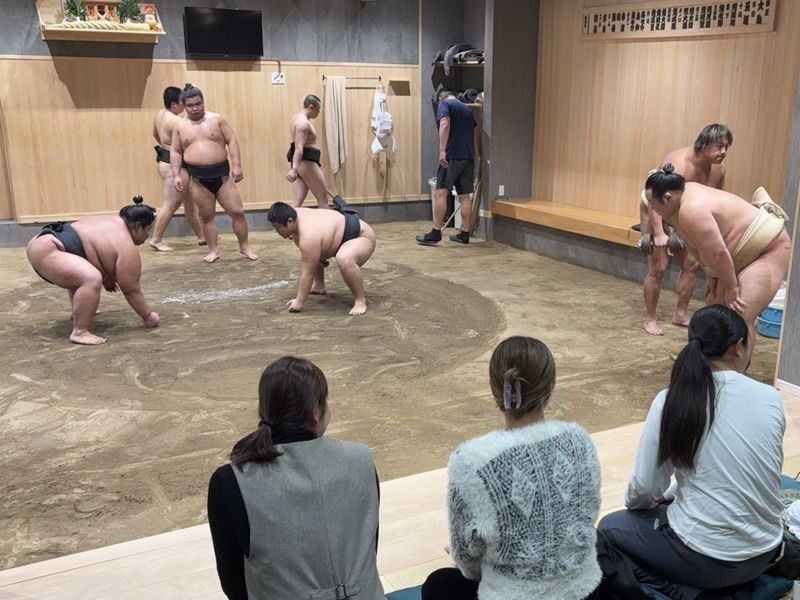
Sumo here is not staged for an audience. You watch wrestlers train inside a working stable, where the close setting lets you see the force, repetition, and discipline of practice at arm’s length.
I like two things in particular: English interpretation makes the customs easier to follow, and the morning visit fits into a compact 9:20 to 10:40 schedule. The optional plan adds a topknot demonstration and meal, giving you more time to connect the sport with the wrestlers’ daily routines.
The main consideration is etiquette. You must stay quiet while the wrestlers focus, and this is not a good fit if you want a lively show or unrestricted photography inside the stable.
- At a glance: a real stable, not a sumo show
- Entering a working sumo stable
- What morning practice lets you see
- Following the 9:20 to 10:40 schedule
- The optional topknot and meal package
- What the price buys you
- Etiquette, photos, and practical limits
- Who should book this visit
- Should you book the Aoto sumo practice visit?
- FAQ
- Where does the tour meet?
- What time does the visit start and finish?
- How early should I arrive?
- Is an English-speaking guide included?
- Can I take photos inside the stable?
- Do I need to stay quiet during practice?
- What does the optional package include?
- Are children under four charged?
- Can I cancel for a refund?
- The Best Of Tokyo!
- More Tours in Tokyo
- More Tour Reviews in Tokyo
- Not for you? Here's more nearby things to do in Tokyo we have reviewed
At a glance: a real stable, not a sumo show
 1 / 9
 2 / 9
 3 / 9
 4 / 9
 5 / 9
 6 / 9
 7 / 9
 8 / 9
 9 / 9
- Watch a working practice: The wrestlers train in their actual stable, rather than performing a staged bout for an audience.
- Get explanations in English: A guide interprets and explains customs, culture, and daily life inside the stable.
- Keep the morning short: The stated schedule runs from 9:20 to 10:40, with the meeting and return point at Aoto Station.
- Choose a longer option: The higher-priced package adds a topknot demonstration and a meal.
- Respect the training: Quiet is required. If a child becomes restless, staff may take them outside for a short break.
- Know the photo limit: Exterior photos are welcome; indoor photography is not specified as allowed.

👉 See our pick of the 25 Best Guided Tours In Tokyo
Entering a working sumo stable
The appeal is the setting. A sumo stable, or beya, is where wrestlers live and train under a stable master, not simply a room arranged for visitors. Seeing practice there offers a different kind of access from watching a tournament or a staged sumo performance.
The stable is at 7-27-4 Aoto, Katsushika-ku, while the meeting point is given as 3-36 Aoto, near Aoto Station. The published plan has you meet at 9:20 and return to that same meeting area at 10:40. Since the stable and meeting point have different addresses, follow the precise meeting instructions you receive rather than heading directly to the stable.
This is a guided visit for international visitors, with English and Japanese-speaking staff. That matters because the quiet atmosphere leaves little room for a running commentary. The guide can explain customs and what you are seeing without turning the practice into a performance.
You can take photos of the stable exterior. Inside, the priority is the wrestlers’ concentration, so assume you need to put your camera away unless staff clearly says otherwise. The experience is built around attentive watching, not collecting a large set of photos.
You can also read our reviews of more tours and experiences in Tokyo.



What morning practice lets you see
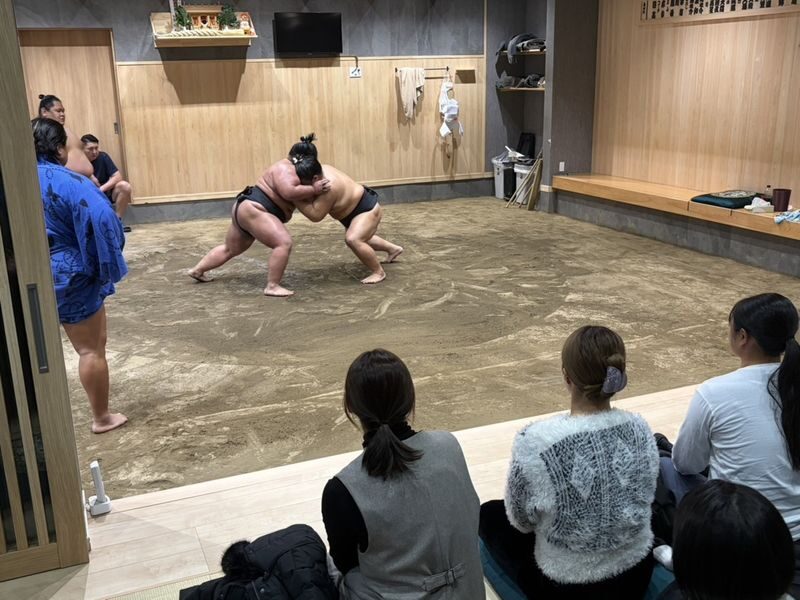
The scheduled visit centers on watching authentic sumo practice up close. You are there to observe the wrestlers’ training and techniques in the setting where they normally prepare, rather than to take part yourself or see a formal bout.
That distinction sets the right expectations. A practice can be intense and physical, but it follows the wrestlers’ routine, not a tourist timetable designed to keep an audience entertained. There may be pauses or repeated drills, and the atmosphere is deliberately restrained. For anyone curious about the work behind sumo, that is the point.
The close view can make details easier to notice: the wrestlers’ movements, the effort involved, and how focused they remain. Staff explanations help put those details in context, including aspects of sumo culture and daily life that might otherwise be hard to read from the sidelines.
Silence is part of the visit, not a minor request. The wrestlers are concentrating on training, and conversation or noisy reactions can disrupt the session. If you are comfortable observing quietly, you will get more from the experience than if you expect a talk-heavy tour.
Following the 9:20 to 10:40 schedule
You meet at Aoto Station at 9:20, at 3 Chome-36 Aoto, Katsushika City. Arrive at least five minutes early. The stated return is 10:40 at the same Aoto meeting point, making this a short morning outing rather than a half-day commitment.
The listed timetable leaves roughly 80 minutes between departure and return, but it does not give a separate duration for the transfer or time inside the stable. Traffic and weather may change the schedule, so avoid planning an appointment immediately after the stated return time.
Once you reach the stable, staff provide interpretation and explanations. The visit is meant to help you understand customs and the wrestlers’ daily lives as you watch. The exact amount of time devoted to each part is not specified, so treat the schedule as a guide rather than a minute-by-minute program.
For a family visit, take the quiet rule seriously. Staff may guide a restless child outside for a brief break, which is a practical way to protect the training atmosphere. Children aged zero to three can attend free, but the same need for quiet still applies.
The optional topknot and meal package
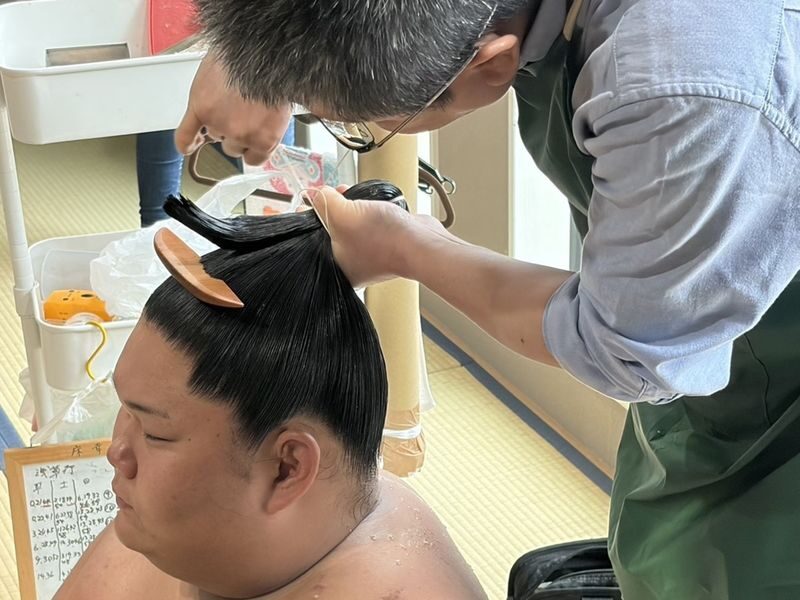
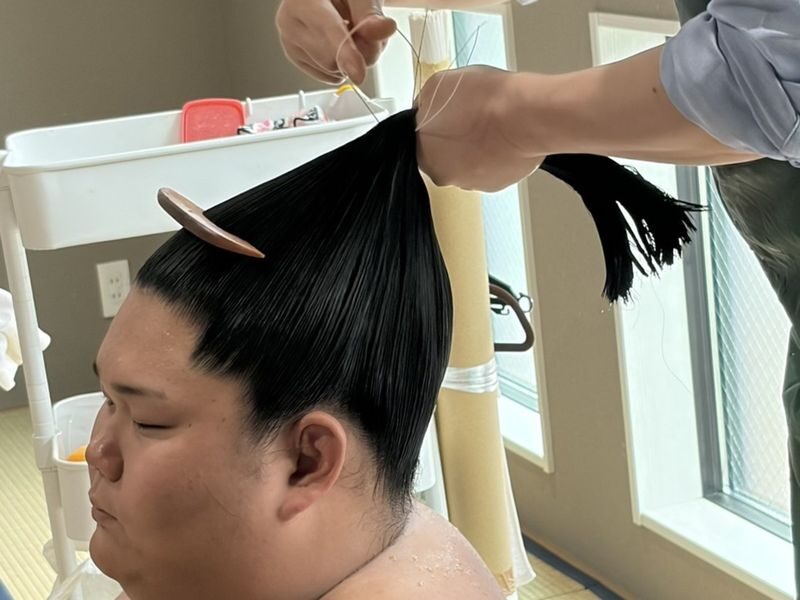
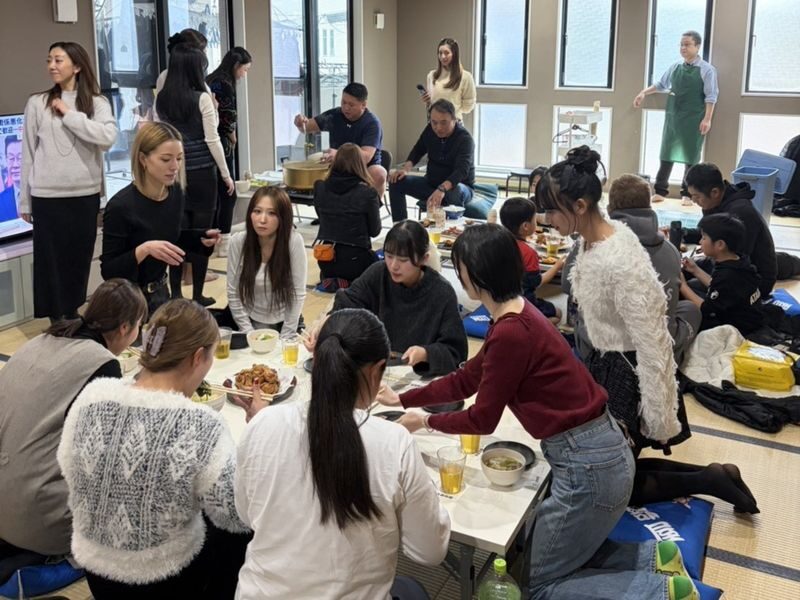
The basic visit starts at US$100.95 per person. The optional package, from US$138.79, adds a topknot, or mage, demonstration and a meal. That extra cost buys more than additional time: it gives you a closer look at a traditional part of a wrestler’s presentation and a chance to relate food and preparation to the rhythm of stable life.
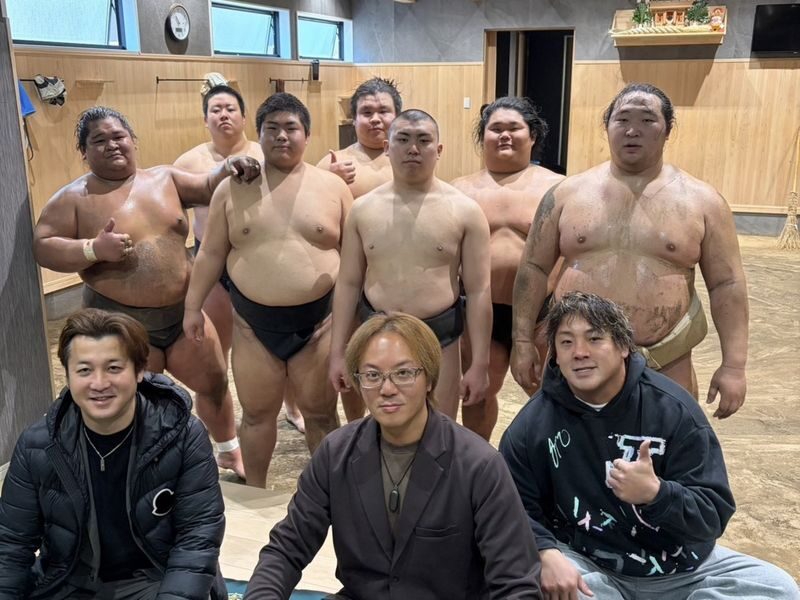
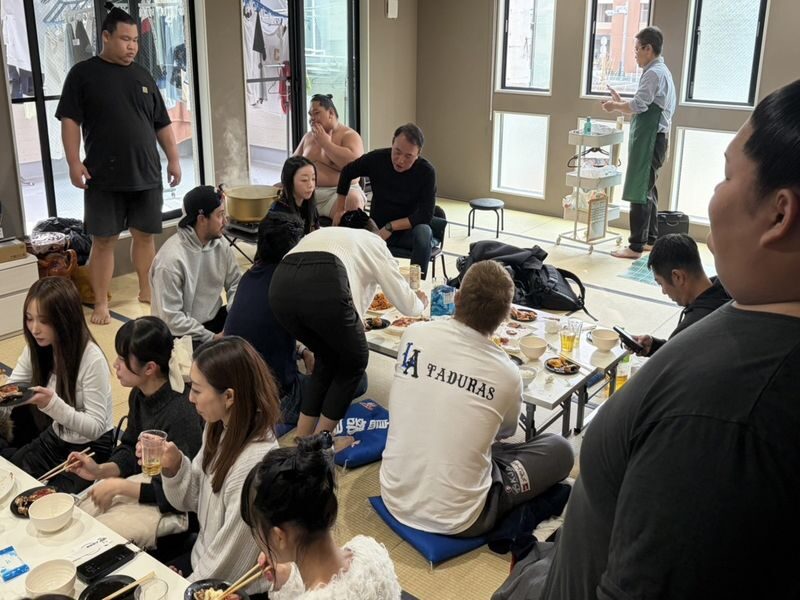
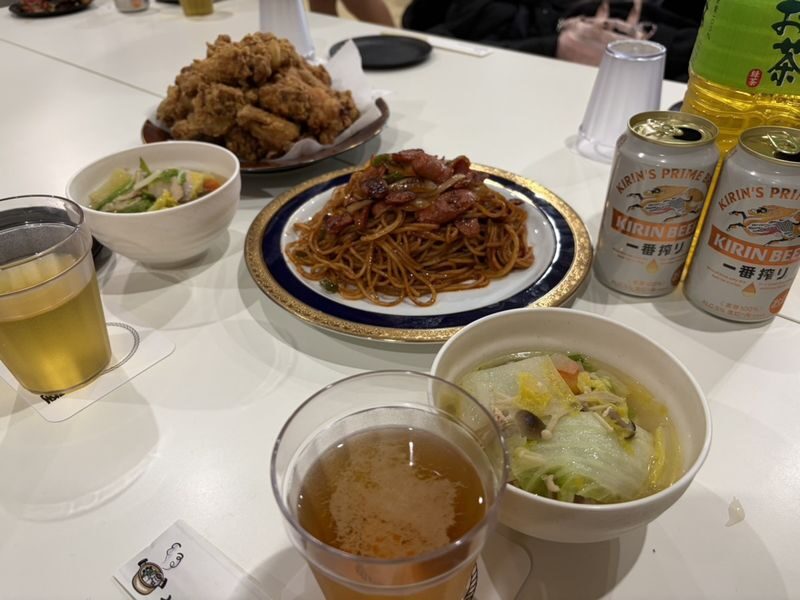
A description of the extended option includes lunch alongside the preparation and rituals of the wrestlers. Former wrestler Kyokutaisei Takuya has been a host for this version, and stable master and head coach Oshima-oyakata has also been part of the welcome. Kyokutaisei Takuya’s background gives the discussion a useful human angle, while the topknot demonstration helps explain a visible feature of sumo beyond the training itself.
The extra plan is the stronger choice if you have a particular interest in sumo culture and want more than a brief look at practice. It may also suit you if a meal and explanation of the hair-binding tradition sound as compelling as the training. If you mainly want to see wrestlers practice, the basic option keeps the visit focused and costs less.
The meal’s exact dishes and the demonstration’s duration are not specified. I would choose the add-on for the added cultural context, not on the assumption of a particular menu or a long, detailed workshop.
What the price buys you
At US$100.95 per person, this is a specialized visit, not a cheap way to fill an hour. Its value rests on access to a real training environment and an English-speaking guide who can make what you see easier to understand. If sumo is high on your Tokyo list, that combination can justify the cost more readily than a visitor who is only mildly curious.
The optional price begins at US$138.79 per person. The difference is about US$37.84, covering the topknot demonstration and meal. Think of it as a choice between a focused practice visit and a fuller cultural session, not simply a choice between short and long versions.
The tour provider, Japanticket inc., has a stated good review rate of 91 percent across 4,672 reviews. The specific account available for the extended package describes the training as authentic rather than staged and singles out the meal, the stable’s blend of tradition and modern elements, and the warm welcome from the host and stable staff. Those details support the package’s appeal, but they do not guarantee that the same host will lead your visit.






Etiquette, photos, and practical limits
The main rule is simple: keep quiet during practice. This is not a theater where audience reaction is part of the event. Your stillness gives the wrestlers room to concentrate and helps preserve the nature of the training.
Exterior photos are welcome. The information does not say that indoor photos are allowed, so do not plan on photographing wrestlers during practice. If capturing images matters to you, ask staff before taking a camera or phone out once inside.
The tour begins and ends at Aoto Station. The information gives separate addresses for the meeting point and stable, so check your confirmation carefully and use the specified departure location. Late arrivals and no-shows are not refundable, which makes the five-minute early arrival especially sensible.
The voucher is valid only on the date and time booked. You receive confirmation within minutes, and if it does not arrive, contact customer support. Cancellation at least 24 hours before the activity date, using local time in Japan, qualifies for a full refund.
Who should book this visit
I would put this near the top of the list for anyone curious about sumo beyond tournament bouts. The small-scale setting and explanations make it especially useful if you want to understand the sport’s training culture, not just watch a match.
It also works well if your Tokyo schedule is tight. The stated outing takes place in the morning and returns to Aoto by 10:40, leaving much of the day open, though the schedule can shift with traffic or weather.
The visit is less suitable if you need constant narration, want to take photos throughout, or expect wrestlers to perform on demand. Families can bring young children, but parents should weigh the quiet rule and the possibility of stepping outside for a short break.
Choose the topknot-and-meal option if the additional cultural context is worth the extra cost to you. Choose the basic visit if seeing real practice is your central aim and you prefer to keep the outing shorter and simpler.
Should you book the Aoto sumo practice visit?
Book it if you value a close look at real training, can observe quietly, and want an English-speaking guide to explain the customs. The optional topknot demonstration and meal make the visit more rounded, especially for a committed sumo fan.
Skip it if you are looking for a lively show, guaranteed indoor photos, or a long, highly structured tour. For the right visitor, this is a rare chance to see sumo as daily work, not a tourist performance.
Watch Sumo Training in Tokyo: Experience sumo up close!
“Absolutely unforgettable Sumo experience! My girlfriend and I booked the experience including Sumo training, lunch and the traditional hair-binding…”
FAQ
Where does the tour meet?
Meet at 3 Chome-36 Aoto, Katsushika City, Tokyo, near Aoto Station. The stable itself is listed at 7-27-4 Aoto, so use the meeting instructions for your departure.
What time does the visit start and finish?
Departure is scheduled for 9:20, with a return to Aoto Station at 10:40. Traffic and weather may affect the schedule.
How early should I arrive?
Arrive at least five minutes before the 9:20 departure. Late arrivals and no-shows are not refundable.
Is an English-speaking guide included?
Yes. An English and Japanese-speaking guide is included to interpret and explain the stable, its customs, and sumo life.
Can I take photos inside the stable?
Exterior photos are welcome. Indoor photography is not specified, so ask staff before taking photos inside.
Do I need to stay quiet during practice?
Yes. Visitors must remain quiet so the wrestlers can focus. Staff may guide a restless child outside for a short break.
What does the optional package include?
The optional plan adds a topknot, or mage, demonstration and a meal to the sumo practice visit.
Are children under four charged?
Children aged zero to three can attend free.
Can I cancel for a refund?
You can receive a full refund if you cancel at least 24 hours before the activity date, using Japan local time. The voucher is valid only on the date and time specified.