Sumi-e turns a few black brushstrokes into a picture with real character. In this Tsukiji workshop, you learn the basics of Japanese ink painting, then make your own work on traditional paper in a green tea shop. It is less about drawing every leaf and more about learning how a simple stroke can suggest one.
I like two things in particular: the patient, step-by-step teaching makes the art approachable for beginners, and the freshly brewed Shizuoka tea gives the class a thoughtful local touch. You choose a design and a finished format, so the result is both a small lesson in Japanese art and a souvenir you made yourself.
One consideration: this is a brief, focused workshop, not a long art course. The session lasts about an hour, and the instructor’s spoken English may be limited; written explanations or a translator may help, depending on the class.
- The useful details at a glance
- A quiet art workshop above Tsukiji
- Learning to paint with a few careful strokes
- Choosing a subject that works for you
- Picking the right take-home format
- The tea is a small but welcome part of the hour
- Who will get the most from the class
- Planning the hour in Tsukiji
- Should you book this sumi-e experience?
- FAQ
- Where does the sumi-e workshop take place?
- How long does the activity take?
- What can I paint?
- Which course formats are available?
- Is a drink included?
- How old must participants be?
- What is the cancellation policy?
- The Best Of Tokyo!
- More Tours in Tokyo
- More Tour Reviews in Tokyo
- Not for you? Here's more nearby things to do in Tokyo we have reviewed
The useful details at a glance
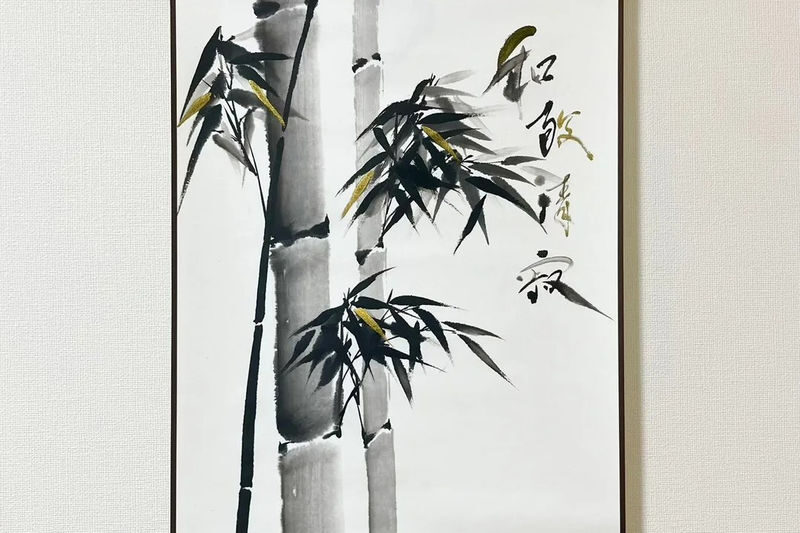
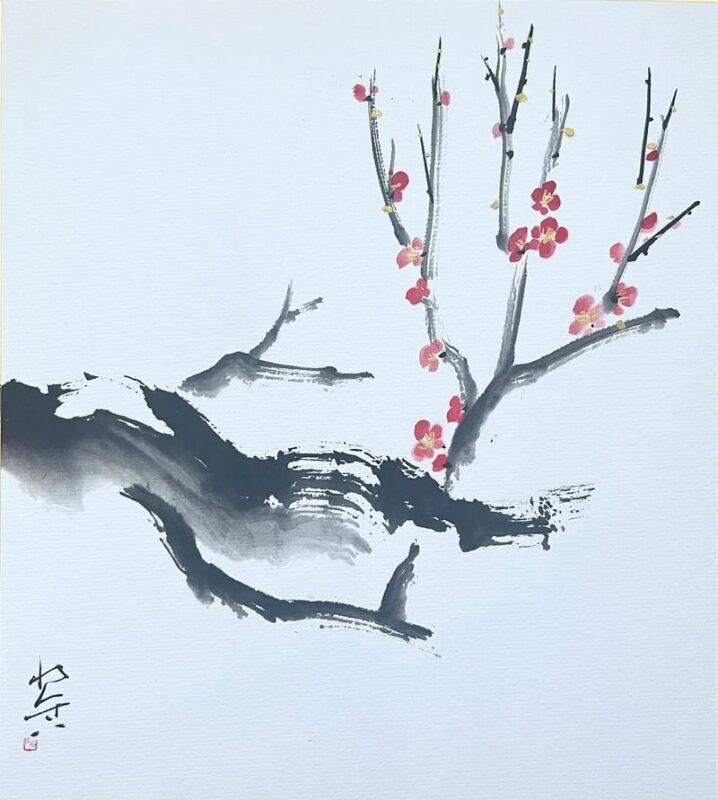
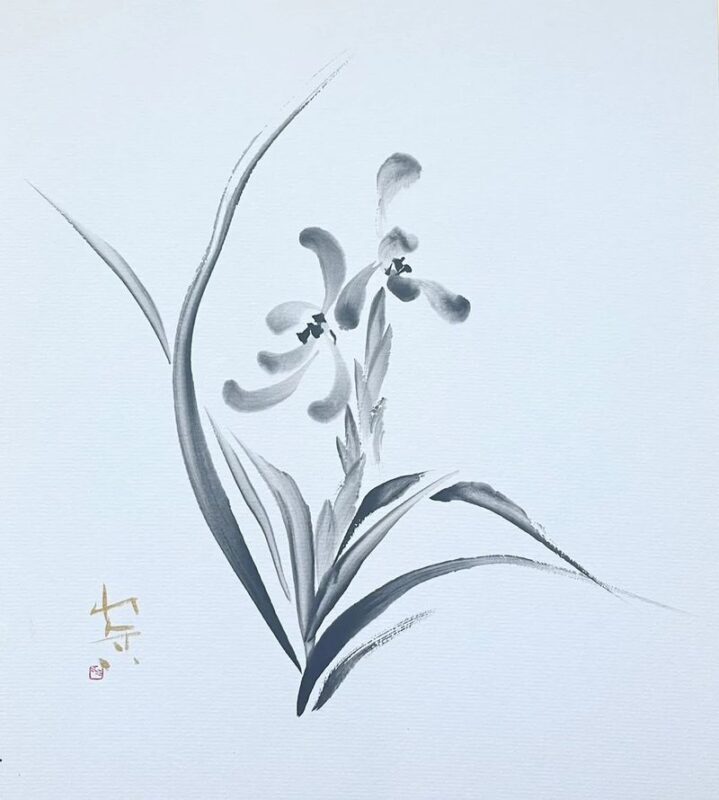
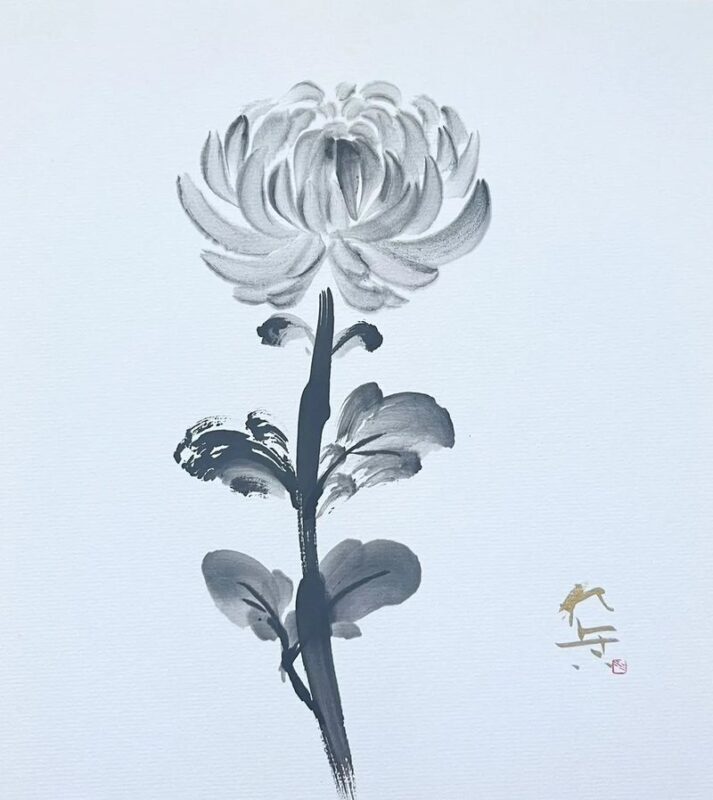
- A one-hour art break in Tsukiji: Classes are offered at 10:00 and 12:00, with the workshop held at Uogashi Meicha Chanomi Club.
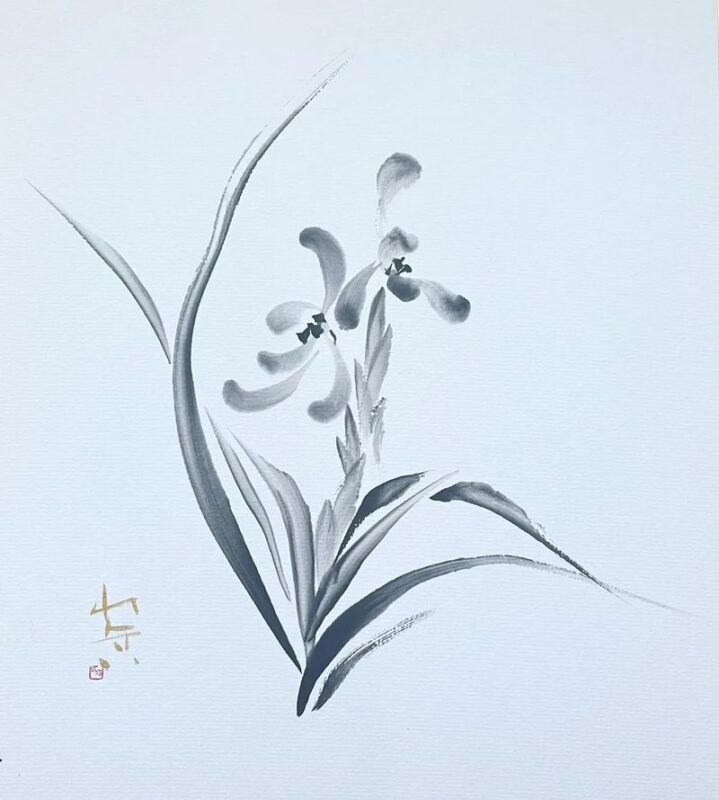
- Five classic subjects and kanji: Pick pine, bamboo, plum, orchid, chrysanthemum, or a Chinese character.
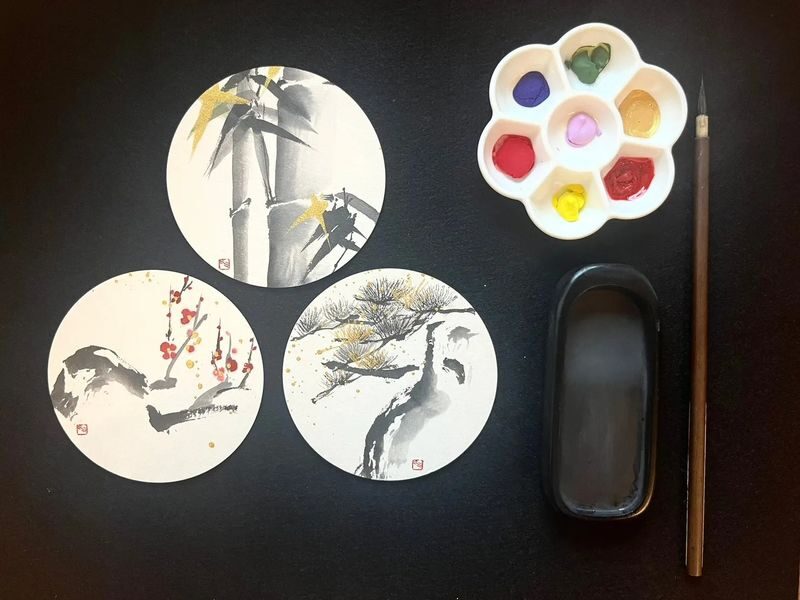
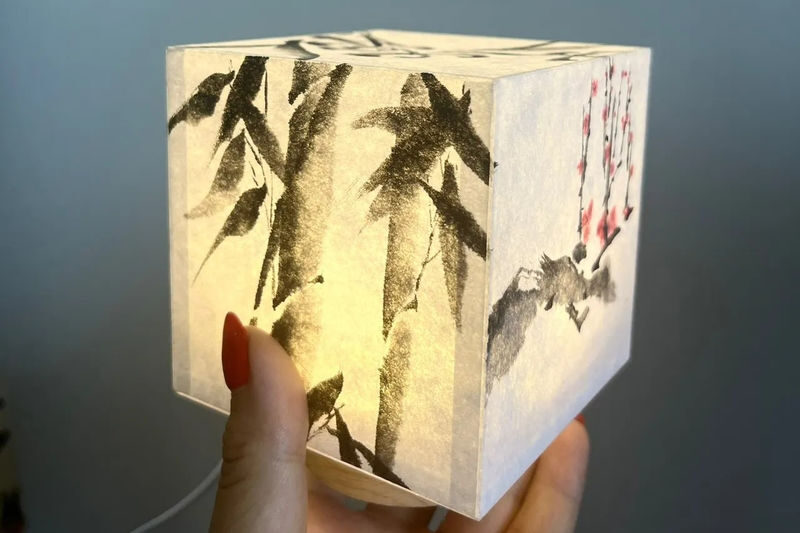
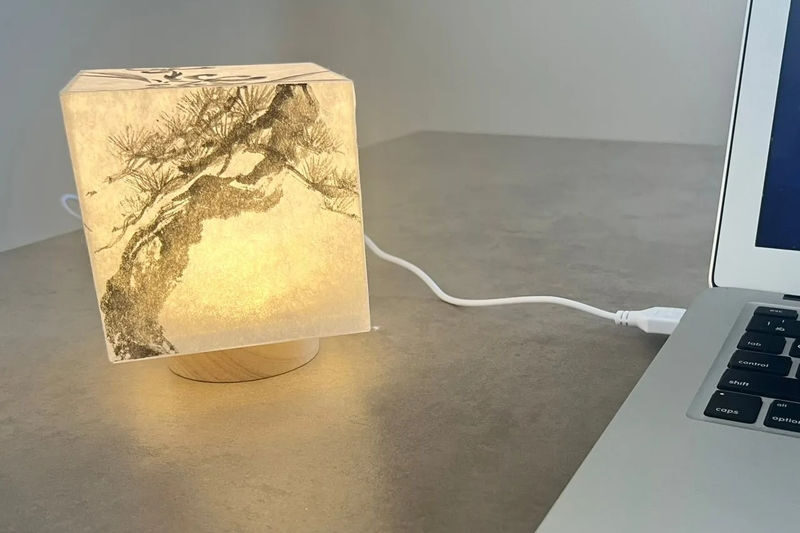
- Four keepsake formats: Choose a square drawing board, three coasters, a lampshade, or a hanging scroll.
- Tea is part of the class: One drink is included, and the tea is brewed on the spot.
- Beginner-friendly instruction: Teachers demonstrate brush techniques and guide you through the painting process.
- A piece to take home: The square board course uses high-quality Japanese paper measuring 27 by 24 centimeters.

👉 See our pick of the 25 Best Guided Tours In Tokyo
A quiet art workshop above Tsukiji
Tsukiji is often associated with food, but this experience offers a slower way to spend an hour in the neighborhood. You head to Uogashi Meicha Chanomi Club, a green tea shop at 2-chome-11-12 Tsukiji, then go to its fourth floor for the workshop.
The setting suits sumi-e. The art form uses black ink and water to suggest a subject with a small number of deliberate marks. Its connection to Zen thought is part of the context, but you do not need prior knowledge of Japanese art or calligraphy to take part. The class starts with practical brushwork, then gives you a chance to use what you have learned in your own piece.
The workshop is offered at 10:00 and 12:00. The stated return times are 11:00 and 13:00, depending on the time you book, so plan for about an hour. That makes it a manageable addition to a day in Tokyo, though it is worth arriving with enough time to find the shop and reach the fourth floor before your selected start.
You can also read our reviews of more tours and experiences in Tokyo.



Learning to paint with a few careful strokes
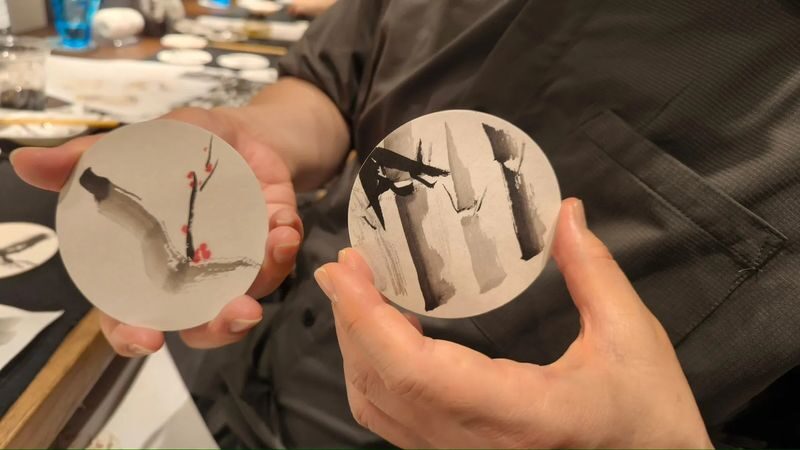
Sumi-e is not simply coloring in an outline. The appeal lies in how the artist uses ink density, water, brush pressure, and movement to communicate form. A bamboo stem, for example, can emerge from a few strokes rather than a detailed drawing of every segment.
The teacher introduces the brush techniques needed for the chosen subject and shows you how to build the image step by step. The instruction is described as clear and encouraging, with teachers willing to be patient while you try different strokes. That matters for beginners: ink marks are not easy to erase, so a demonstration can help you understand the movement before you put brush to paper.
Do not expect a formal lecture or a long course in the history of Japanese painting. The emphasis is hands-on. You get an introduction to the style, a chance to practise its basic techniques, and time to make a finished piece. If you are curious about the tradition, the session gives you a useful first look without demanding that you arrive with art skills.
The language setup may vary. An English-speaking guide is included, but an instructor may have limited spoken English. Written translations have been used to explain techniques, and some classes have had a translator. If you are comfortable following a demonstration and asking simple questions, you should be well placed to enjoy the activity. Knowing a few basic Japanese phrases can also make casual conversation with the staff easier.
Choosing a subject that works for you
Your design choices include pine, bamboo, plum, orchid, and chrysanthemum, along with kanji, or Chinese characters used in Japanese writing. The plant subjects are often called the Four Gentlemen when referring to bamboo, plum, orchid, and chrysanthemum; pine is another familiar motif in Japanese art. Each offers a different way to explore brushwork, from a firm line to a more flowing mark.
You do not have to arrive with a favorite. Think about what you would like to display at home. A plant motif may feel like a small landscape study, while a character can make the finished work more graphic. The point is not to produce a perfect copy. It is to make a piece that reflects your own hand and gives you a sense of how the brush behaves.
This personal choice adds value to a short class. Rather than simply watching an instructor paint, you leave with a design you selected and created. The subject also gives the teacher a practical way to explain how pressure and ink can change the look of a line.
Picking the right take-home format
The least expensive options are the square drawing board course and the three-coaster course, both from $78.19. For the square board, you paint on high-quality Japanese paper, Hongasen, measuring 27 by 24 centimeters. It is a useful choice if you want one larger work to display or keep as a memento.
The three-coaster course gives you a small set rather than a single piece. That can be a nice choice if you would rather make something practical for your home, or if you want several surfaces on which to try the brush. The two lower-priced courses cost the same, so your choice comes down to the format you would most like to take home.
The lampshade course starts at $128.65, and the hanging scroll course starts at $137.49. These cost more than the board and coaster options, but they turn your painting into a different kind of object. Choose one if the finished format matters to you and fits your budget. The prices are starting rates, so check the specific option when booking.
All four formats offer more than a quick demonstration: you make something of your own. But the value depends on what you want from the hour. If your main aim is to learn the basics at the lowest listed price, the board or coaster course makes sense. If you want a more distinctive display piece, the higher-priced formats may be worth considering.
The tea is a small but welcome part of the hour
One drink is included, and the tea is brewed on the spot. The tea served in one class was fresh from Shizuoka, a region known for tea production. That detail gives the activity a local flavor without turning the workshop into a tea ceremony or a full tea-tasting session.
I like this pairing because the drink gives you a pause between the demonstration and your own work. It also fits the setting: you are painting in a green tea shop, not in a generic classroom. Still, the central activity is the painting. If you are booking mainly for a detailed tea lesson, this is not the right experience.






Who will get the most from the class
This workshop suits first-time painters, couples, families with children aged five and older, and anyone who wants a calm, creative break in Tokyo. You do not need to know how to draw, and the small finished work makes the experience easy to carry into the rest of your day.
It is also a good fit if you enjoy making your own souvenirs. A store-bought object can remind you of a trip, but a piece you painted has a personal connection to the hour you spent learning. The coaster option is especially practical, while the square board gives you room for one more complete composition.
The class may be less satisfying if you are looking for an advanced course, a long session, or extensive spoken instruction in English. The available information points to an introductory workshop, and the session is only about an hour. Go for the experience of learning basic brushwork and making a piece, rather than expecting to master sumi-e in one sitting.
Planning the hour in Tsukiji
The workshop is at Uogashi Meicha Chanomi Club, fourth floor, at 2-chome-11-12 Tsukiji, Chuo City, Tokyo. Select either the 10:00 or 12:00 start when booking and arrive for that chosen time. The corresponding return times are 11:00 and 13:00, though options depend on the selected departure time and session duration.
Participants must be at least five years old. The voucher is valid only on the date and time specified, so check those details before you set your Tokyo plans around the class. Confirmation is sent 48 hours before the activity date; if it does not arrive, contact customer support.
You can cancel at least 24 hours before the activity date for a full refund. A same-day cancellation is not refundable. That is a fair window for a short activity, but it is still wise to avoid booking it at a time when a change to your schedule is likely.
Should you book this sumi-e experience?
Book it if you want a short, hands-on introduction to a traditional Japanese art, appreciate patient guidance, and like the idea of taking home something you made. The combination of brushwork, tea, and a small finished piece makes good use of an hour, especially if you are already spending time in Tsukiji.
Choose the board or coasters if price matters most. Pay more for the lampshade or hanging scroll only if you particularly want that format. If you need a long class or fully spoken English instruction throughout, look carefully at the language arrangements before booking. For a relaxed beginner session with a personal souvenir at the end, this is a thoughtful and distinctive stop in Tokyo.
Sumi-e (Ink Painting) Experience in green tea shop, Tsukiji, Tokyo
“This was our best experience in Japan so far. The instructor is amazing, and we were very pleased with how our paintings turned out! We will do thi…”
FAQ
Where does the sumi-e workshop take place?
It takes place on the fourth floor of Uogashi Meicha Chanomi Club, at 2-chome-11-12 Tsukiji, Chuo City, Tokyo.
How long does the activity take?
The listed start and return times suggest a session of about one hour. The available times are 10:00 to 11:00 or 12:00 to 13:00, depending on the option selected.
What can I paint?
You can choose pine, bamboo, plum, orchid, chrysanthemum, or kanji.
Which course formats are available?
You can choose a square drawing board, three coasters, a lampshade, or a hanging scroll.
Is a drink included?
Yes. One drink is included. Tea is brewed on the spot.
How old must participants be?
Participants must be at least five years old.
What is the cancellation policy?
You can receive a full refund if you cancel at least 24 hours before the activity date. Same-day cancellations are not refundable.























