Tokyo’s best-known sights, Hakone’s mountain routes and Kyoto’s temple grounds all fit into this nine-day trip, which ends among Osaka’s food stalls and bright signs. The draw is the mix: a few guided days give you structure, while the open days leave room to follow your own interests.
I like the practical combination of a Tokyo bus tour with a bay cruise, and the Hakone Freepass, which covers several kinds of local transport. I also like that the route continues west by train, so you see three major cities and a mountain resort without having to double back to Tokyo.
The trade-off is that this is partly guided, not a fully escorted trip. You’ll need to plan your free days, get yourself to meeting points and sort most meals. The hotel details also vary across the trip information, so confirm the exact properties and room arrangements before paying.
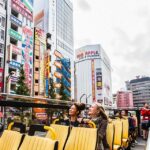
- Tokyo’s full-day bus tour includes Meiji Shrine, Asakusa, the Sky Tree observation deck and a Tokyo Bay cruise.
- Hakone’s two-day pass covers the Odakyu route between Shinjuku and Odawara, plus eight local transport systems in designated areas.
- Kyoto’s six-hour bus tour visits Tenryu-ji, the Arashiyama Bamboo Grove, Kinkaku-ji and Fushimi Inari.
- Osaka’s private three-hour walk is tailored to your interests, with a local host and a route agreed after booking.
- Most time is independent: the package arranges hotels, some transport and selected tours, but not a guide for the whole trip.
- The price starts at $1,935 per person, with flights, insurance, most meals and airport transfers outside the package.
- Nine days from Tokyo to Osaka, with room to roam
- Tokyo’s first day: settle in before the sightseeing
- Tokyo by bus: shrines, Sky Tree and the bay
- Tokyo’s free day: choose one neighborhood, not five
- Hakone’s two-day pass: good flexibility, tight timing
- From Hakone to Kyoto: check which ticket covers which leg
- Kyoto by bus: four famous stops in six hours
- Osaka by train and on foot
- Osaka on your own: food, shopping and history
- What id="section-0",935 buys, and what it leaves to you
- Who should book this Japan route?
- FAQ
- Does the price include flights and airport transfers?
- Is the id="section-0",935 price per person or per room?
- Are meals included?
- Is a guide with me for all nine days?
- What does the Hakone Freepass cover?
- How much time is there in Hakone?
- Which hotels will I stay in?
- The Best Of Tokyo!
- More Tours in Tokyo
- More Tour Reviews in Tokyo
- Not for you? Here's more nearby things to do in Tokyo we have reviewed
Nine days from Tokyo to Osaka, with room to roam
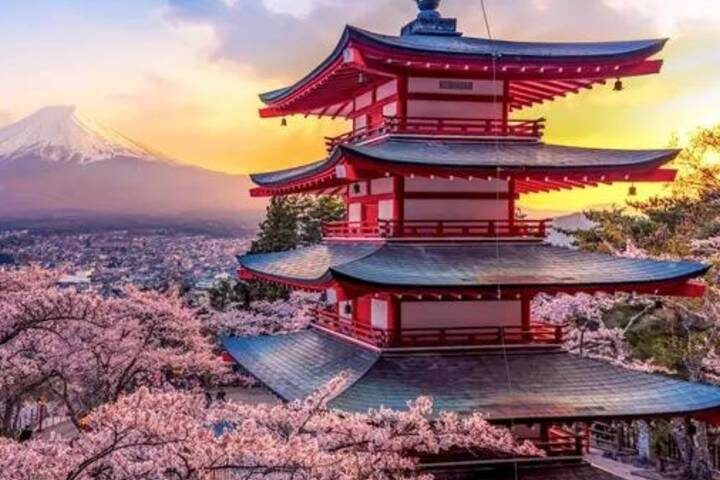
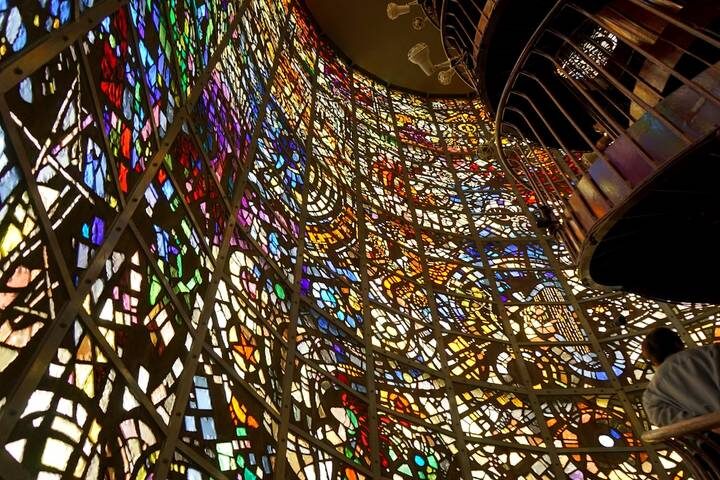
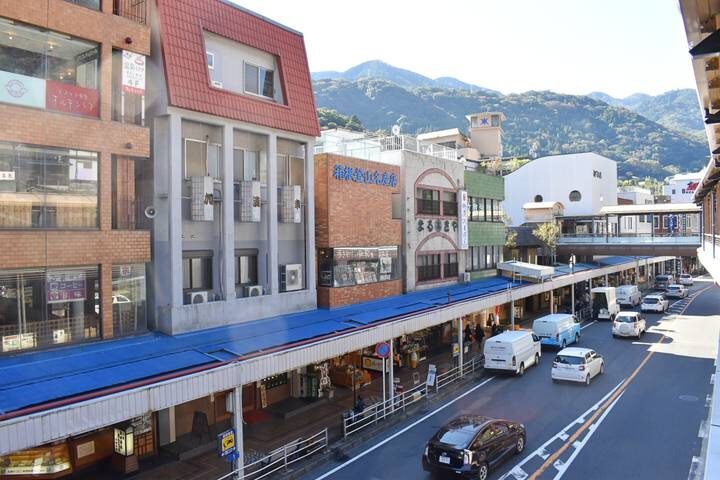
This is a useful introduction to Japan if you want the major stops arranged but do not need someone leading you every hour. You’ll spend three nights in Tokyo, one night in Hakone, two in Kyoto and two in Osaka, then finish in Osaka. The outline brings together city sightseeing, temples, a hot-spring region and time for your own discoveries.
The trip’s best feature is its balance of structure and independence. A bus tour in Tokyo helps you cover far-apart sights early in your stay. In Kyoto, another bus tour strings together several famous places. Between those outings, you’re on your own, which can be freeing if you enjoy making plans and less comfortable if you want every hour organized.
There are a few practical wrinkles to sort out before booking. The package description names different hotels in different places, and the Hakone pass is described in a way that could make its coverage sound broader than it is. Ask Vio Travel to confirm the final hotel list, transport tickets and exact schedule in writing.

👉 See our pick of the 25 Best Guided Tours In Tokyo
Tokyo’s first day: settle in before the sightseeing
You arrive at Narita or Haneda and make your way to your Tokyo hotel. Airport transfers are not included, though they can be arranged for an extra fee. Since the first day is free, avoid trying to squeeze in a major attraction after a long flight. A short walk near the hotel, a meal and a little time to adjust to the city’s pace make a sensible start.
The hotel area will shape that first wander. Shinjuku offers busy streets and late-night lights; Ginza is known for upscale shops; Asakusa has temples and older streets. The trip information names Shiba Park Hotel for the Tokyo stay, but the hotel details elsewhere differ, so confirm which property applies to your departure.
You can also read our reviews of more tours and experiences in Tokyo.


Tokyo by bus: shrines, Sky Tree and the bay
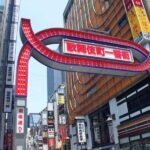
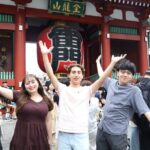
Day two starts early, with a 7:50 a.m. meeting at the Shinjuku Love Statue. The bus passes through Kabukicho, then stops at Meiji Shrine, the Imperial Palace area and Asakusa’s Sensoji Temple and Nakamise shopping street. These stops give you a quick look at very different sides of Tokyo: a wooded shrine setting, the imperial grounds and a temple district crowded with shops and visitors.
The schedule is full. You have about 50 minutes at Meiji Shrine and another 50 minutes at the Imperial Palace stop, where the visit is to either the East Garden or Nijubashi Bridge in the outer garden. Asakusa gets just over two hours, including time for lunch. That’s enough to see the main sights and browse, but not a slow, in-depth visit.
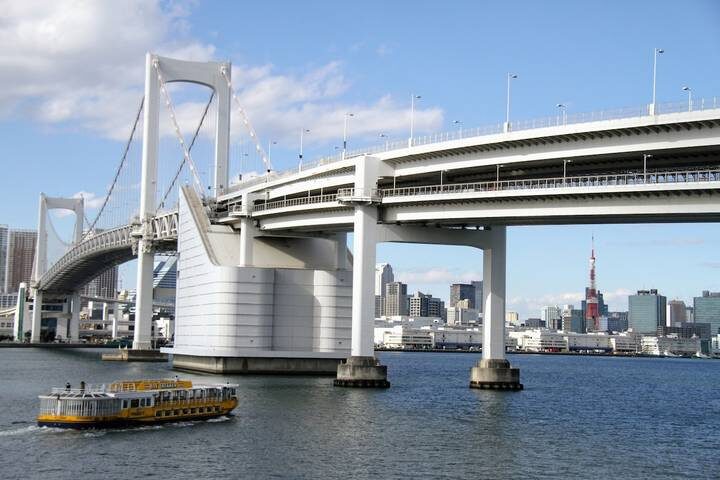
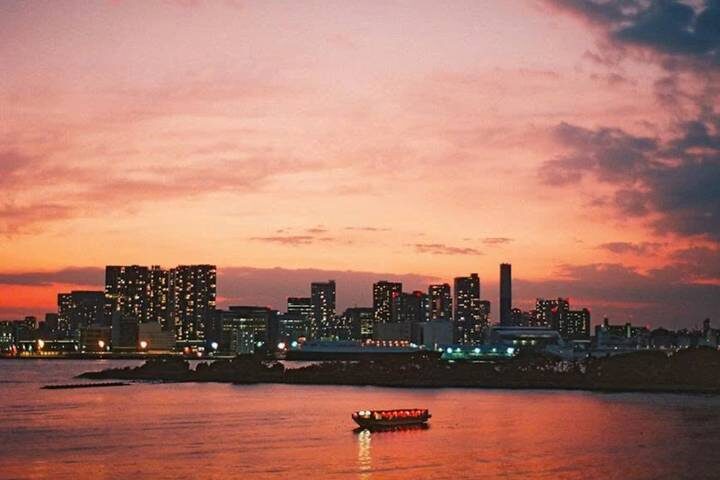
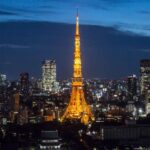
After lunch, the tour includes skip-the-line access to the Sky Tree’s 350-meter observation deck, followed by a stop in Odaiba and a short Tokyo Bay cruise. The group returns to Shinjuku around 5:30 to 6:00 p.m. The tour includes lunch, a matcha drink or gelato, the cruise, admission and an English-speaking guide, with multilingual audio commentary also available on the bus. Hotel pickup is not included, so plan your morning route to the meeting point.
This is an efficient way to see several famous places when you’re new to Tokyo. The downside is the fixed pace: if you want a long visit at one site, you won’t have much control over the clock. Treat it as an overview, then use the free day to return to the area that caught your interest.
Tokyo’s free day: choose one neighborhood, not five
Day three is open. Tokyo is large, and the list of possible stops could fill several days: Ginza, Tsukiji, Akihabara, Asakusa, Ueno, Meiji Shrine and the Imperial Palace are all mentioned. Resist the urge to cram them all in. Pick a few places that fit together, and leave time for the train rides and a meal.
For a traditional-feeling day, Asakusa and Ueno make a natural pairing, with Sensoji and the Ameyoko market among the options. If shopping and electronics appeal more, consider Ginza or Akihabara. You could also choose a park or shrine for a quieter break from the city streets. None of these activities is guided or included as a separate tour, so admission and local transport costs are yours to manage.
Hakone’s two-day pass: good flexibility, tight timing
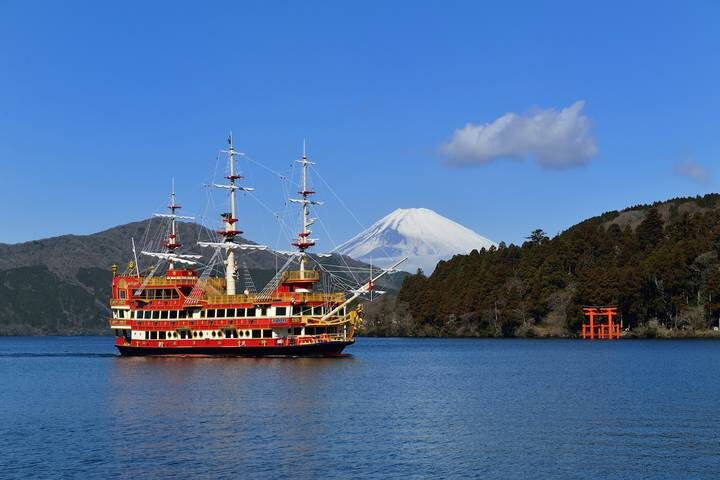
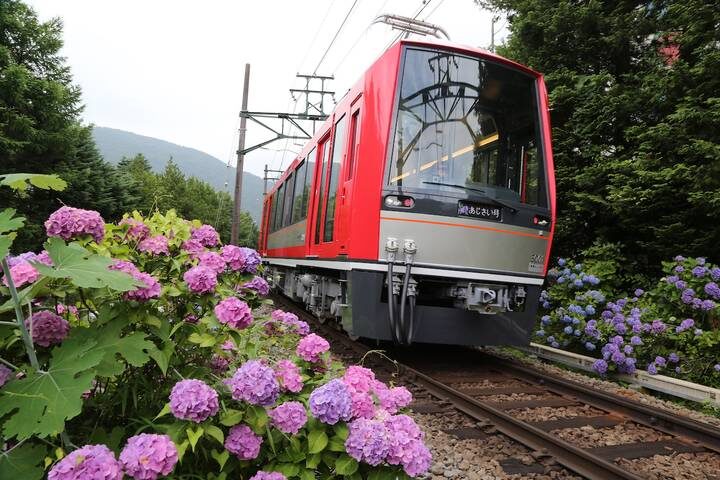
On day four, you collect the Hakone Freepass at the Odakyu Sightseeing Service Center in Shinjuku West and travel toward Odawara. The pass covers a round trip on the Odakyu Line between Shinjuku and Odawara, plus unlimited rides on eight local transport systems in designated areas. These include the Tozan train and cable car, the ropeway, sightseeing cruise and several buses. A limited express Romancecar requires an additional fee.
The pass is a useful tool because Hakone’s sights are spread across a mountainous region. You can pick your route instead of relying on one arranged excursion. The trade-off is that you’ll need to keep an eye on connections and decide how much you can comfortably fit into the time available.
The schedule gives you one night in Hakone, with the second pass day overlapping your departure for Kyoto. That can leave less time for exploring than the phrase two-day pass might suggest. One traveler found the available time particularly short, and losing the physical ticket meant being unable to use it. Confirm exactly when the pass becomes valid, where you collect it and what to do if it is lost. The pass described here is a physical ticket, not a digital one.
Hakone is known for hot-spring areas and natural sights, but the trip does not include a specific guided visit or a named set of attractions there. You choose how to use the pass. If Hakone is a priority, ask whether an extra night can be added rather than assuming the included night will allow a leisurely circuit.
From Hakone to Kyoto: check which ticket covers which leg
Day five combines more Hakone time with the journey to Kyoto. The included transport details specify travel from Hakone to Odawara, then a Shinkansen ticket from JR Odawara Station to JR Kyoto Station. The Hakone Freepass covers its stated Odakyu and local transport routes; it does not cover the Shinkansen to Kyoto. Keeping those legs distinct will help you understand what your tickets actually include.
Once in Kyoto, the evening is free. This is a good time to find dinner near your hotel or take a short walk, rather than trying to fit in a distant temple before closing. The tour information describes Kyoto as a base for temples, shrines and traditional districts, but your time here is limited to two nights, so prioritize.
The listed Kyoto hotel also varies across the package details. Comfort Hotel ERA Kyoto Toji is named in the day-by-day plan, while another accommodation list names The Pocket Hotel Kyoto Shijokarasuma. Confirm the final hotel and its location before booking, since that affects how you’ll reach the station and spend your free evening.

Kyoto by bus: four famous stops in six hours
The Kyoto tour meets at the Karasuma exit of JR Kyoto Station. Arrive early: you must exchange your voucher for a boarding ticket before departure, and the bus will not accept the voucher itself. The tour leaves at 10:10 a.m. and is scheduled back around 4:15 p.m.
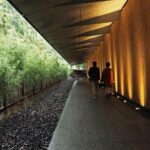
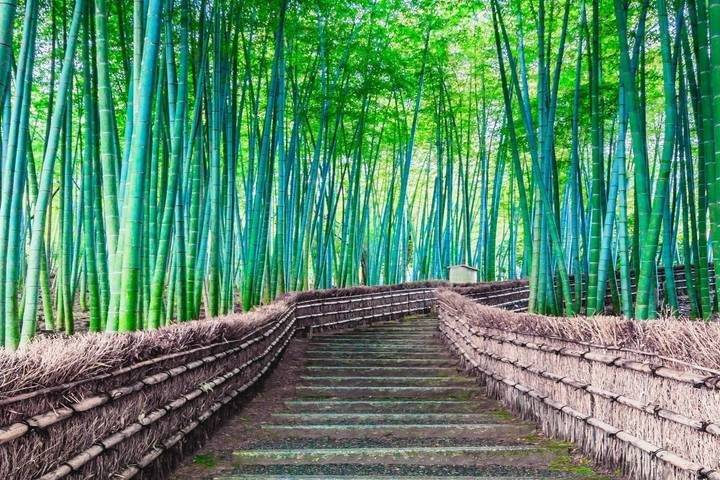
At Arashiyama, you have about 140 minutes for Tenryu-ji, its garden, the Bamboo Grove and lunch. The included admission is for the temple garden; lunch is on your own. This is the longest stop and gives you some choice in how to spend your time, though the area has enough to keep you moving. The itinerary also lists discounts at selected local attractions and shops, but check the details on the day.
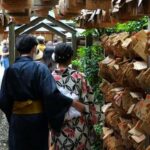
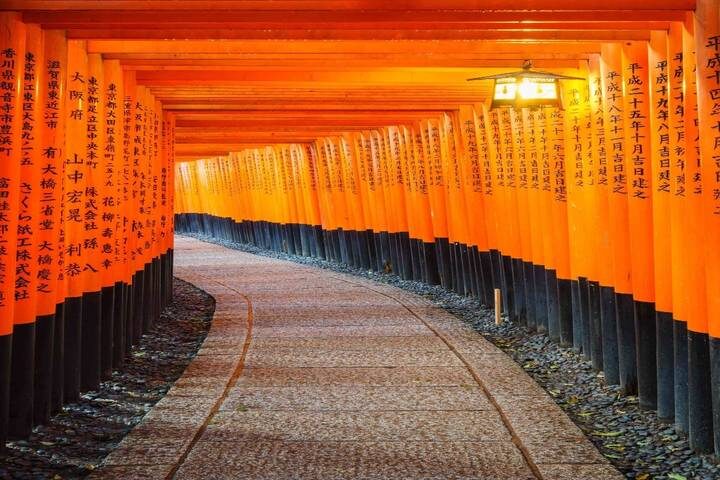
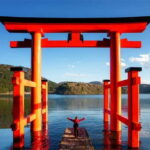
The next stops are Kinkaku-ji, the Golden Pavilion, for about 40 minutes, and Fushimi Inari Taisha for about 70 minutes. The golden building reflected in its pond is a striking sight, while Fushimi Inari is known for its long rows of red torii gates. The visits are short, so you’ll get a look at each landmark rather than time to explore every corner.
An onboard audio guide is available in English, Chinese and Korean, and a Japanese guide is included. The schedule is an efficient way to reach several sites that would take more planning by yourself. But it’s still a whistle-stop day. If one temple matters most to you, consider returning independently during your free time, if your schedule allows.
Osaka by train and on foot
On day seven, you leave Kyoto for Osaka. The included Shinkansen ticket is for JR Kyoto Station to JR Shin-Osaka Station; from there, make sure you know how to reach your Osaka hotel. The journey is short, around 30 to 45 minutes, but the final connection and getting your luggage to the hotel are still yours to manage.
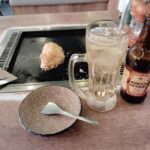
The following day brings a private three-hour walking tour with a local host. The route is personalized after you answer a short questionnaire about your interests, and you’ll agree on a meeting time and place with the host. Shinsaibashi and Dotonbori are among the possible areas, alongside smaller shrines and historic streets. Food is a natural subject in Osaka, but meals and drinks are not included.
This is one of the trip’s more personal experiences because the route can change to suit you. Still, it is a walking tour, and transport may be used if helpful. Attraction tickets, food and public transport costs are extra. No guide names are provided in advance, so expect the host assignment to come after booking rather than choosing a specific guide.
Osaka on your own: food, shopping and history
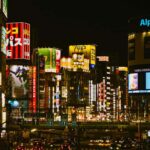
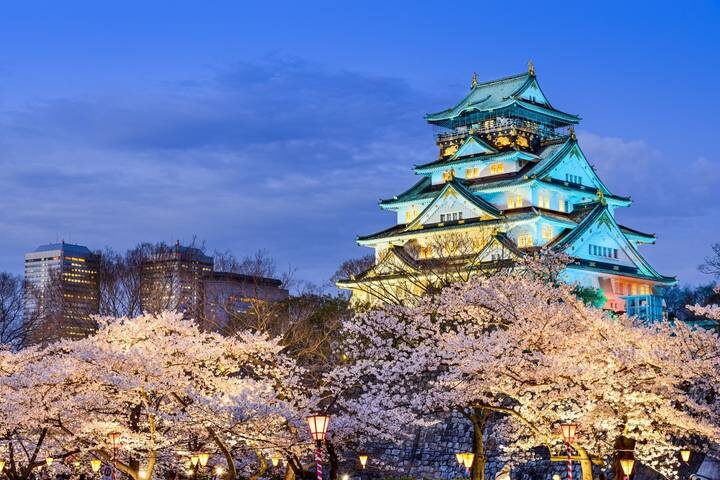
Your final day is free. Dotonbori is the obvious choice if you want street food and photos of the large signs and neon lights. Shinsaibashi suits a shopping day, while Osaka Castle and Shitennoji Temple offer a closer look at the city’s past. The trip also mentions parks for a quieter pause.
You have enough time to choose one main area and enjoy it at a relaxed pace. The package does not include another guided activity or meals on this day. Your trip ends in Osaka, so plan your departure from there. Flights are not included.
What $1,935 buys, and what it leaves to you
The advertised starting price is $1,935 per person, based on the cheapest room. It buys a route with hotel stays, some intercity transport, the Hakone pass and three guided sightseeing experiences: the Tokyo day tour, Kyoto bus tour and Osaka private walk. That can be worthwhile if you value having the main connections and a few major sightseeing days arranged.
It is not an all-inclusive holiday. Flights, insurance, airport transfers, most meals, gratuities and optional activities are extra. Only one lunch is listed as included, on the Tokyo tour; the other days leave you to find your own food. The hotels are room-only, and the trip has several stretches with no organized plans. The package is therefore best judged as a transport-and-activities framework, not a fully managed nine-day tour.
The strongest practical praise for the trip is its overall schedule and the ease of having intercity travel arranged. The included excursions also give you useful context and a way to reach major sights. But accommodation expectations need care: the stated hotel names conflict, and one past itinerary description did not match what the person experienced. Ask for the confirmed hotel names, room category and location in each city before you commit.
Who should book this Japan route?
Book it if you want a ready-made Tokyo-to-Osaka outline, appreciate a few guided outings and are comfortable filling in the gaps yourself. It can suit first-time visitors who want transport and key sightseeing sorted without being accompanied all day. The low physical rating is reassuring, but expect walking during the city tours and at temple sites.
Think twice if you want a guide throughout, included meals, upscale hotels guaranteed or a generous stay in Hakone. You may be better off arranging your own trip if you’re happy to compare rail tickets and hotels, since much of the itinerary remains independent. Before booking, get the exact hotel list, the Hakone pass dates and the full transport breakdown in writing. Those answers will tell you whether the convenience is worth the price for your style of travel.
9 Day Independent Japan by Vio Travel
“Clear attention, excellent from the beginning to the end of the tour!????????”
FAQ
Does the price include flights and airport transfers?
Flights are not included. Airport transfers are also excluded, but can be arranged for an additional fee if you provide your flight details.
Is the $1,935 price per person or per room?
The stated price is per person and is based on the cheapest room option. The accommodation arrangement depends on the number of people traveling.
Are meals included?
One lunch is included on the Tokyo bus tour. The other meals are not included, and the hotels are listed as room-only. Vegetarian and vegan food options can be requested.
Is a guide with me for all nine days?
No. Guiding is included during selected activities only: the Tokyo bus tour, the Kyoto bus tour and the private Osaka walk. You explore independently during the other periods.
What does the Hakone Freepass cover?
It includes a round trip on the Odakyu Line between Shinjuku and Odawara and unlimited rides on eight Hakone transport systems within designated areas. The Romancecar requires an extra fee.
How much time is there in Hakone?
The itinerary includes one night in Hakone, with the second day of the two-day pass overlapping the journey to Kyoto. Ask Vio Travel to confirm the pass’s validity dates and how much time you will have for sightseeing.
Which hotels will I stay in?
The hotel names differ across the trip details. Ask for the confirmed properties and room arrangements before booking, as the final hotels are subject to availability.