The best part of this full-day trip is the change of scene: from Amanohashidate’s long, pine-lined sandbar to Ine’s quiet waterfront houses, with an optional Tango Sea Train or Miyama stop depending on your route. You cover a part of northern Kyoto that takes effort to reach on your own.
I like the convenient door-to-door-style transport between far-flung stops and the freedom to explore each place at your own pace once you arrive. The trade-off is a packed schedule: traffic, weather or crowding can shorten a visit, and this is not a guided walking tour at every stop.
- At a glance
- Three routes, three different days
- Amanohashidate: a sandbar worth seeing from two angles
- Ine Funaya: a village built close to the water
- Miyama: a change from coast to countryside
- What the guide does, and what you do yourself
- Is the price good value?
- Timing, meeting points and small but useful cautions
- Who should book this northern Kyoto day trip?
- FAQ
- How long is the tour?
- Which places are included?
- Does every route include the Tango Sea Train?
- Is the Ine Bay sightseeing boat included?
- How much time is scheduled at Amanohashidate?
- How much time is scheduled at Ine Funaya?
- What languages can the guide speak?
- Where does the tour return?
- Are meals included?
- Can children and infants join?
- The Best Of Kyoto!
- More Tours in Kyoto
- More Tour Reviews in Kyoto
- Not for you? Here's more nearby things to do in Kyoto we have reviewed
At a glance
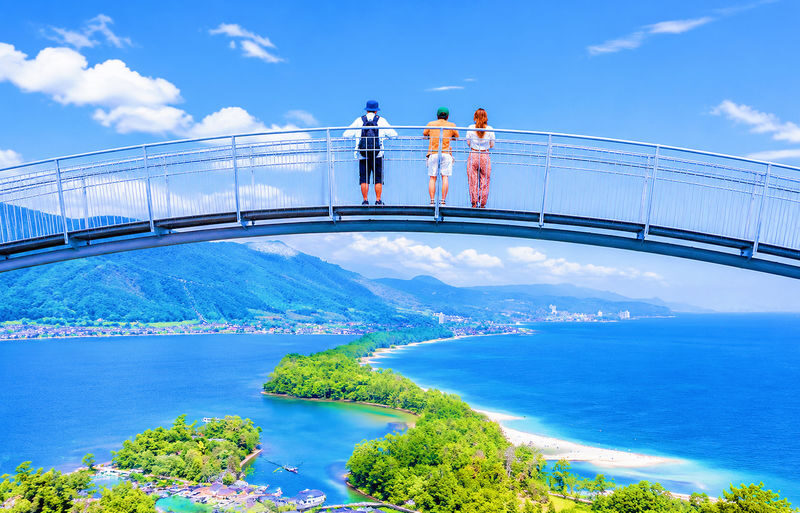
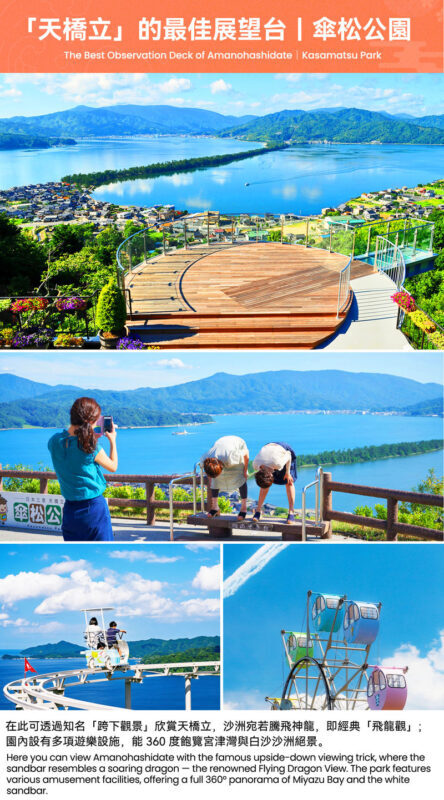
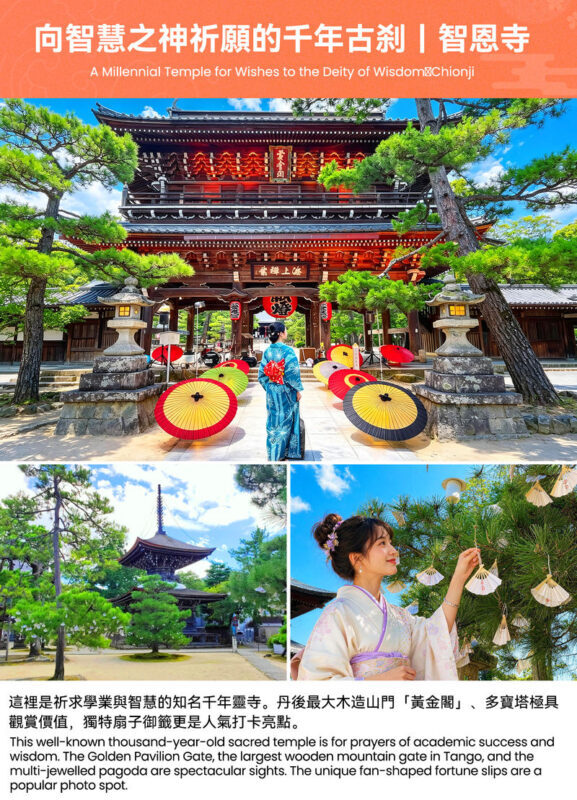
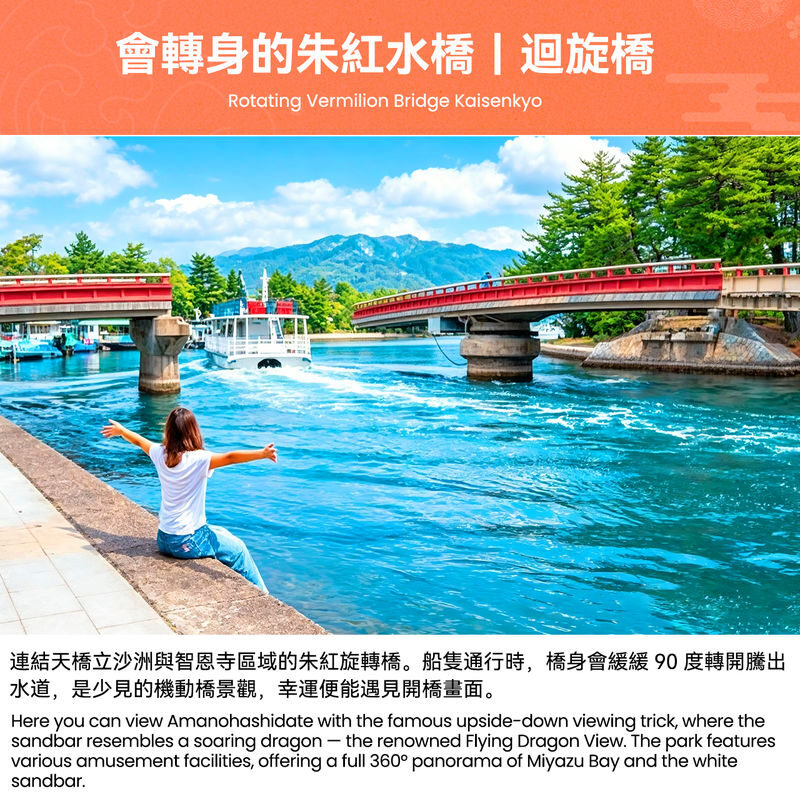
- Amanohashidate from above: Take a cable car or chairlift, if you choose, for a view of the sandbar and bay. The classic way to look is with your back to the view and the scenery between your legs.
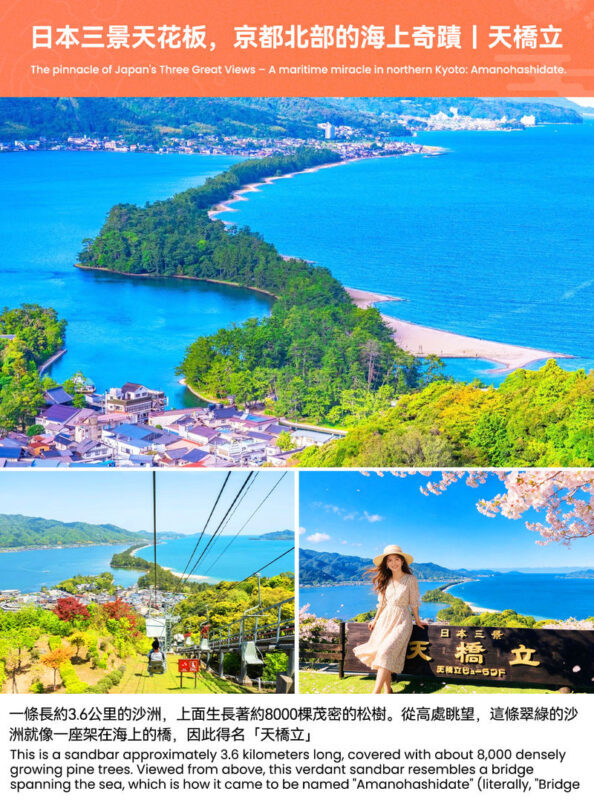
- Pine-lined sandbar: Walk among the pines, visit Chion-ji Temple and see the rotating bridge. Your time here is about two and a half hours on the main route.
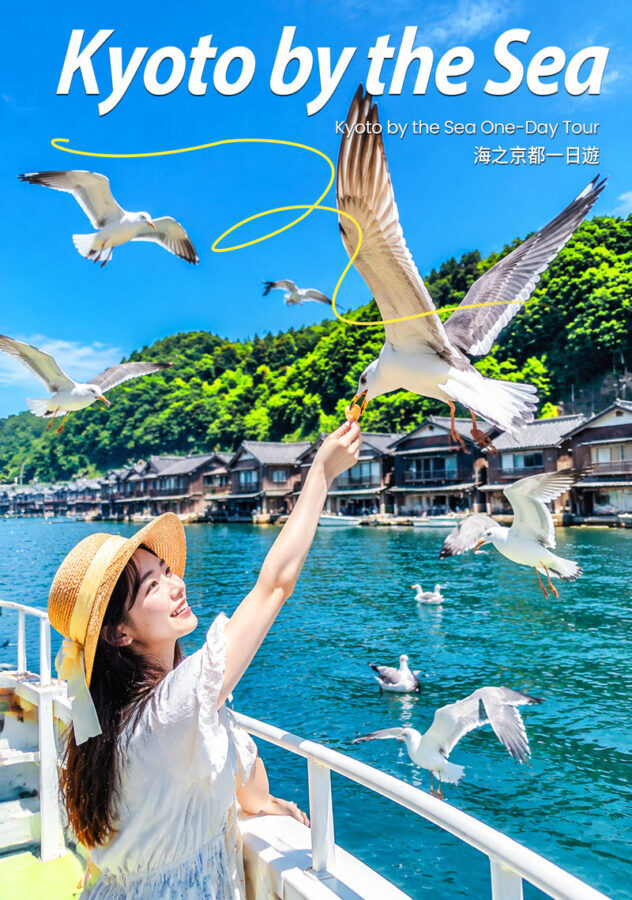
- Ine by the water: Spend about two hours in this fishing village, where traditional funaya, or boat houses, line the bay. A sightseeing boat is an optional extra unless your chosen package includes it.
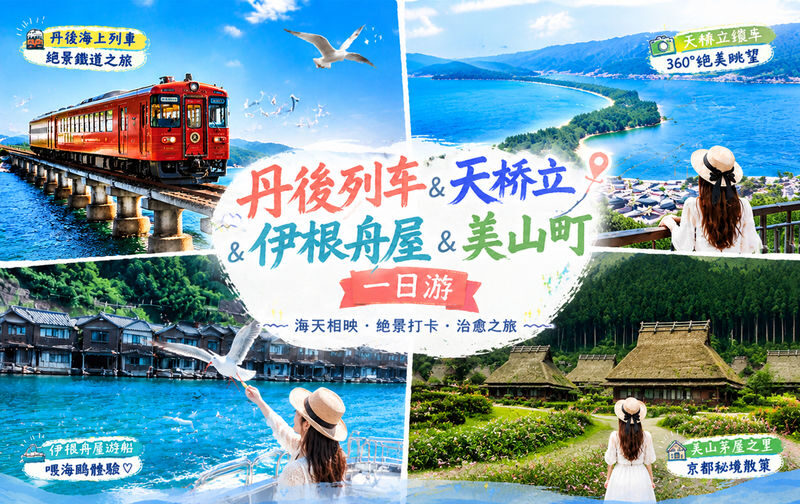
- Three route choices: Pick the coastal outing, the Tango Sea Train and coastal route, or the option that adds Miyama’s thatched village.
- Shared transport, self-guided stops: A guide handles the group and transfers, but you generally explore attractions independently and return at the agreed time.
- A real full-day commitment: The tour lasts about 9.5 hours, with estimated returns around 18:05 to 18:35 in Kyoto or 19:05 to 19:35 in Osaka. Traffic can push those times later.
👉 See our pick of the 25 Best Workshops And Classes In Kyoto
Three routes, three different days
The name covers three related but distinct outings, so check the package carefully before booking. The Amanohashidate and Ine route focuses on the famous sandbar and the boat-house village, with pick-up and drop-off offered in Osaka or Kyoto. It is the clearest choice if you want the two main coastal stops and do not need the sea-train ride or Miyama.
The Tango Sea Train route starts from Osaka and adds a scenic rail journey across the Yura River Bridge. The ride is the special feature here, but on busy days it can be crowded, and standing may be necessary. This route still includes time at Amanohashidate and Ine.
The Ine, Amanohashidate and Miyama route adds the mountain village of thatched houses. It offers the widest mix of settings, but three substantial stops in one day leave less room to linger. Pick it for variety, not for a slow, unhurried visit to every place.
The routes are not interchangeable. Confirm the exact package name and departure city, then check what is included, especially the sea train and any boat ticket. The information provided does not make every ticket inclusion clear across all options.
You can also read our reviews of more tours and experiences in Kyoto.
Amanohashidate: a sandbar worth seeing from two angles
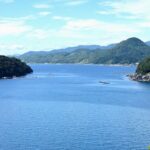
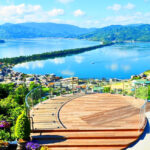
Amanohashidate is one of Japan’s Three Scenic Views, alongside Matsushima and Miyajima. Its long sandbar crosses Miyazu Bay, edged with pines and pale beach. From the observation area above, the view makes the shape of the bay and the narrow strip of land easier to take in. The familiar between-the-legs pose is a playful way to see the scene upside down, not a compulsory photo ritual.
The tour allows about two and a half hours here. That is enough for a viewpoint visit and a walk, but you will need to make choices. The chairlift and monorail take you toward the elevated view; the sandbar, Chion-ji Temple and the rotating bridge offer a lower, more leisurely route. Depending on the day, crowd levels and how long you spend at the viewpoint, doing everything may feel tight.
I would decide what matters most before you arrive. If the panorama is your priority, head up first and leave time for the sandbar afterward. If you prefer a stroll among the pines, stay at ground level and accept that the high view may have to wait. The tour is self-guided at the stop, so keep an eye on the return time rather than relying on someone to shepherd you from sight to sight.
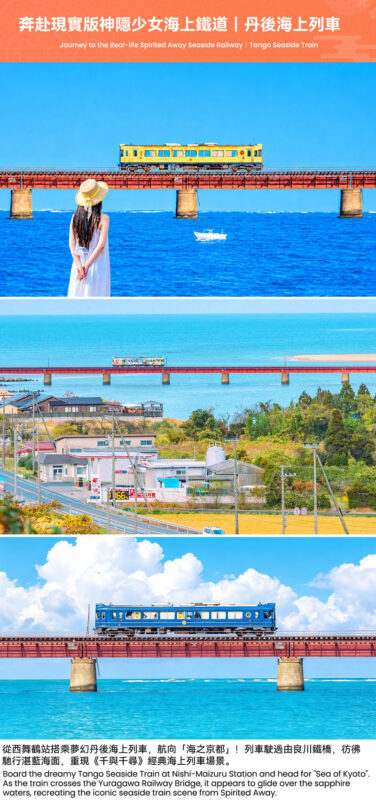
The sea-train package gives this section a different lead-in. The Tango Sea Train crosses the Yura River Bridge, with views of sea and sky along the coast. It is a memorable way to travel, but it also adds a fixed transport segment to an already full day. During busy periods, the train may be crowded; one family outing during the Obon holiday found children could have had to stand for much of the roughly 40-minute ride if seats were unavailable. If standing is a concern, consider the season and your group’s needs before choosing this version.
Ine Funaya: a village built close to the water
Ine is known for its funaya, traditional boat houses set along the bay. The striking feature is how directly the village meets the water: the buildings and shoreline form one continuous view, with fishing-village life at a gentler pace than Kyoto’s crowded central sights. Walking along the bay is the simplest way to take it in.
You have about two hours here on the main schedule. That gives you time for a walk and, if you plan well, a boat ride. The sightseeing cruise is optional. If you book a version without a cruise ticket, you must buy one on site, and availability is not guaranteed. In other words, do not build your whole day around the boat unless your chosen package confirms the ticket.
From the water, the funaya are easier to appreciate as a line of houses facing the bay. Seagulls may follow the sightseeing boat, and feeding them can be part of the fun. There are also eagles in the area, so put the feed away as soon as you spot one; they may swoop in and peck.
This stop can feel short if you want to combine the cruise, a long walk and a relaxed meal. Choose one or two priorities, and check the group’s return time before boarding a boat. The charm here is the setting and the quiet waterfront, not a long list of attractions.
Miyama: a change from coast to countryside
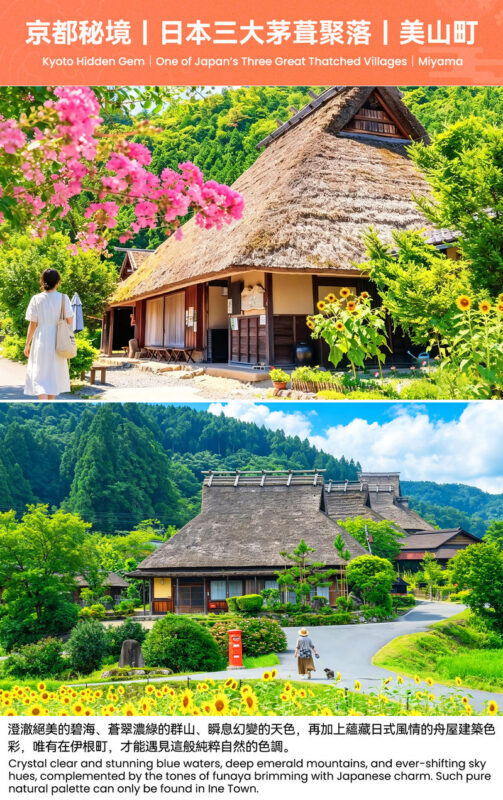
The Miyama option adds a thatched-roof village, with traditional houses, a red post box and pastoral surroundings. After the open bay and sea views, it gives the day a different rhythm and a glimpse of rural Kyoto. It is the right route if you want variety beyond the coast.
The cost of that variety is time. The route includes Ine, Amanohashidate and Miyama, so each stop is necessarily an introduction rather than a long visit. The schedule can also shift with traffic, weather and vehicle operating limits. If you would rather sit with the view, browse slowly or spend extra time at the sandbar, choose one of the two-stop coastal routes instead.
Do not confuse Miyama with the unrelated Arashiyama and Kiyomizudera sights sometimes associated with Kyoto day trips. The three routes described here center on northern Kyoto: Amanohashidate, Ine, and, on one option, Miyama. Check the selected route rather than relying on a broad promotional title.
What the guide does, and what you do yourself
The tour includes an English-, Chinese- or Korean-speaking guide and shared return transport. On many departures, the guide gives practical directions, timing advice and some background during the drive, then leaves you to explore each stop independently. That arrangement suits people who want help reaching remote places without following a guide in a tight formation all day.
The guide’s role can vary. Past outings have included guides such as Li Jun, Joe (Nimo), Amanda and Simon, with reports of friendly help, useful explanations and thoughtful timing. Those names are examples, not a promise of who will lead your departure. There have also been complaints about minimal commentary or barely audible instructions, so book this primarily for transport and access, not for a guaranteed in-depth lecture.
That distinction matters. This is a carpool tour, not a private vehicle, and group size can reach 48. The actual vehicle depends on the day’s numbers, and you may share it with people speaking different languages. Some departures have been small and comfortable; others can feel more like a shuttle with set pick-up times. Bring your own curiosity and use the free time to explore at your preferred pace.
Is the price good value?
The listed starting price is $51.19, a low entry point for a full day of transport between places that are spread across northern Kyoto. The value is strongest if you are staying in Osaka or Kyoto and do not want to assemble the trip by public transport. A single booking takes care of the long transfers and gives you time at the headline stops.
Still, the starting fare is not the whole cost. Meals and drinks are not included, and a cruise may cost extra if it is not part of your selected package. The cable car or chairlift, other personal expenses and any optional activities should also be checked at booking. Because prices and inclusions can vary by package, compare the final total rather than just the lowest advertised figure.
A 4.6 out of 5 rating from 71 ratings suggests a generally well-liked outing, with transport convenience, scenic stops and helpful guides drawing particular praise. The less favorable experiences point to the main risks: a rushed pace, variable guide commentary and, in one case, uncomfortable driving. These are worth weighing alongside the price, especially if comfort or a detailed guided experience is central to your plans.
Timing, meeting points and small but useful cautions
The coastal itinerary lists departure around 08:40, Amanohashidate at about 11:20, Ine at about 14:30, and a return from 18:05 onward. Exact meeting time depends on the departure point and package. For Kyoto, the estimated return is 18:05 to 18:35 at Kyoto Station’s Hachijo Exit sightseeing-bus parking area. For Osaka, it is 19:05 to 19:35 near Kintetsu Nipponbashi. These are estimates, not appointments you can safely plan around.
Arrive at least 10 minutes early. The tour is shared, and late arrivals or no-shows are not refunded. The guide and vehicle details are sent by email between 20:00 and 21:00 the day before, so check your spam folder and follow the latest message. The meeting point cannot be changed casually after confirmation.
You may bring one piece of luggage per person, preferably carry-on size, but you must declare it at least a day ahead. Infants under three can travel without a seat at no charge, but must still be included in the passenger count and noted when booking. Children aged three and up pay the adult rate. Child seats are not available.
Older participants over 70 and pregnant participants must complete a liability waiver in advance. Pets are prohibited, and anyone who appears intoxicated may be refused service without a refund. Weather, traffic and capacity can also lead to changes in stop order or time, or the omission of some attractions. Do not book a tight connection or evening activity after the tour.
Who should book this northern Kyoto day trip?
I would choose this tour if you want the broad outline of northern Kyoto in one day and value simple transfers more than total flexibility. It works especially well for independent explorers who are comfortable navigating a stop on their own and returning to the vehicle on time. The coastal two-stop route is the sensible pick for a first visit; the sea-train version is for people who value the rail ride, while the Miyama option suits those who want the widest range of scenery.
I would skip it if you want long, unhurried visits, a consistently detailed guided tour, or control over the day’s pace. The distance between stops makes the shared vehicle genuinely useful, but it also means the schedule rules the day. Book for the scenery and the lift between places, not for the promise of lingering.
Kyoto Tango’s Top Three Selected Routes: Amanohashidate Coastal Secret, Sea Train, and Miyama Fairytale Journey
“Amazing experience! Lui was great! Understandably, we had to stick to a time limit. But wish we got to spend a little longer by Ine boat houses.”
FAQ
How long is the tour?
The activity is listed as lasting about 9.5 hours. The exact schedule and return time depend on the route, departure point, traffic and weather.
Which places are included?
The three options cover Amanohashidate and Ine Funaya, with one route adding the Tango Sea Train and another adding Miyama Thatched Village. Check the package name to confirm your route.
Does every route include the Tango Sea Train?
No. The Tango Sea Train is included in the specifically named Tango Sea Train option. The other packages have different routes.
Is the Ine Bay sightseeing boat included?
Not necessarily. If you select an option without a cruise ticket, you must buy one on site, and availability is not guaranteed.
How much time is scheduled at Amanohashidate?
The main itinerary allows about two and a half hours. How much you can see depends on your choices and the day’s conditions.
How much time is scheduled at Ine Funaya?
The itinerary allows about two hours. You can walk along the bay and may be able to take an optional sightseeing boat.
What languages can the guide speak?
A guide speaking English, Chinese or Korean is included. You may share the vehicle with people who speak other languages.
Where does the tour return?
The Kyoto return point is Kyoto Station’s Hachijo Exit sightseeing-bus parking area, with an estimated arrival from 18:05 to 18:35. The Osaka return point is near Kintetsu Nipponbashi, from about 19:05 to 19:35.
Are meals included?
No. Meals, beverages and personal expenses are not included.
Can children and infants join?
Children aged three and older pay the adult rate. Children aged zero to two can join without a separate seat at no charge, but must be included in the passenger count and noted when booking. Child seats are not available.