Kyoto’s tea ceremony makes a simple bowl of matcha feel like a lesson in how to notice beauty. On this small-group walk through Gion, you connect that idea to wabi-sabi, an aesthetic rooted in imperfection, change and things left unfinished, then see how it fits the temples and old lanes along the route.
I like two things here: a guide gives the tea ceremony cultural context before you sit down to take part, and the group is limited to seven, so there is room for questions. Guides Hide, Woohee and Josh have led recent tours. The main drawback is the pace and terrain: you walk for several hours, and some stops are not accessible to wheelchairs or strollers.
- Key points to know before you book
- A walking tour that gives tea its context
- From Gion-Shijo Station into the afternoon
- Historic lanes and a second temple stop
- The tea ceremony: a quieter finish
- Is .19 good value?
- Who will enjoy this Kyoto tour most?
- Should you book the Gion tea and wabi-sabi walk?
- FAQ
- How long is the Kyoto Gion tea ceremony and walking tour?
- Where does the tour start?
- Where does the tour finish?
- What is included in the price?
- How many people can join?
- Is the tour suitable for wheelchairs or strollers?
- What should I wear?
- Can I cancel or reschedule?
- The Best Of Kyoto!
- More Walking Tours in Kyoto
- More Tours in Kyoto
- More Tour Reviews in Kyoto
- Not for you? Here's more nearby things to do in Kyoto we have reviewed
Key points to know before you book
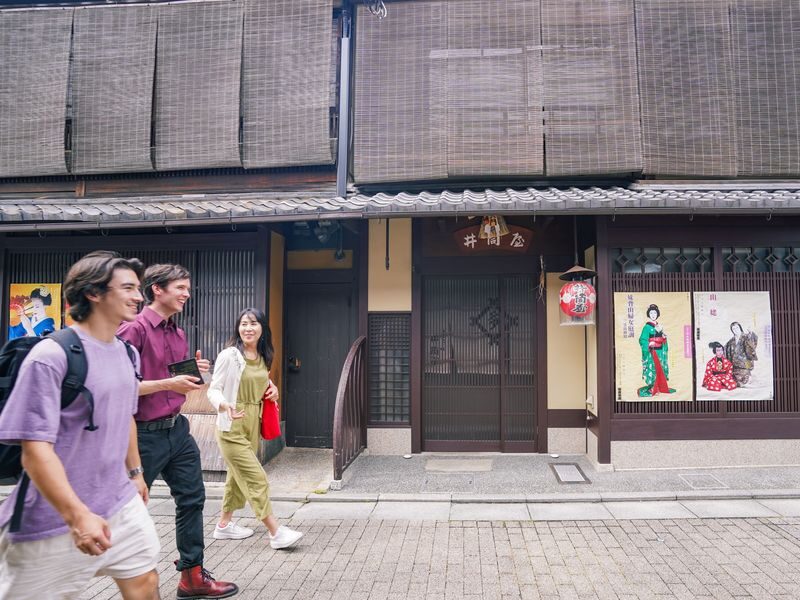
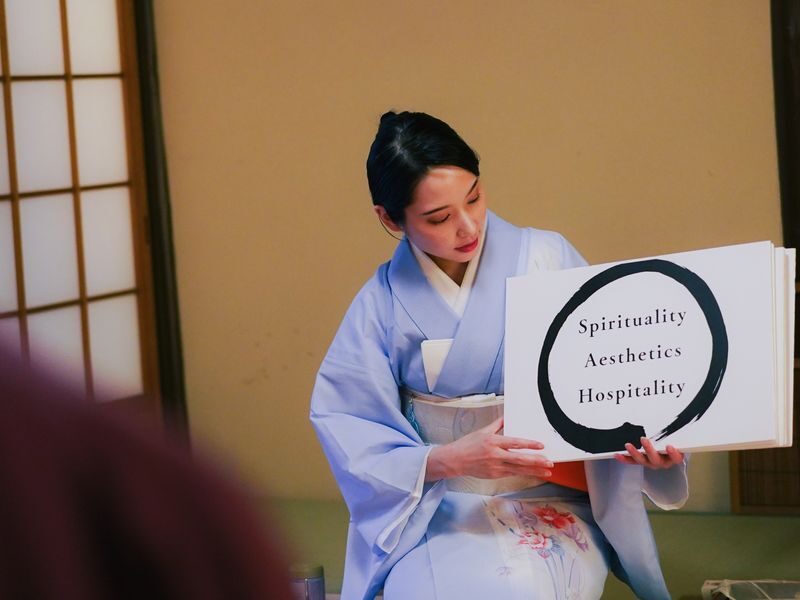
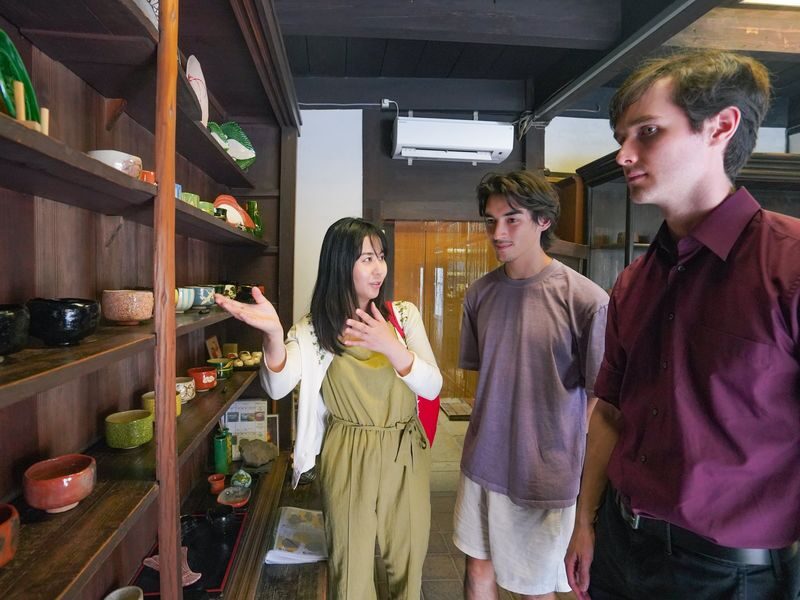
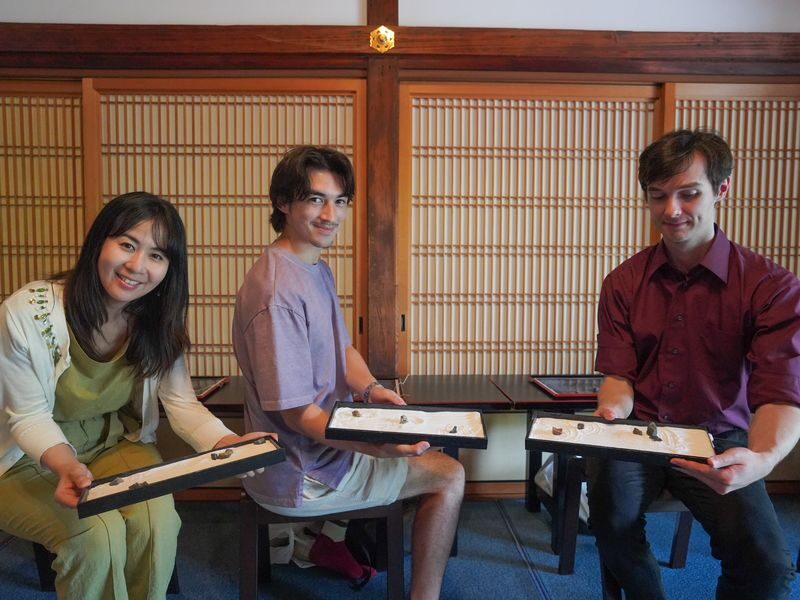
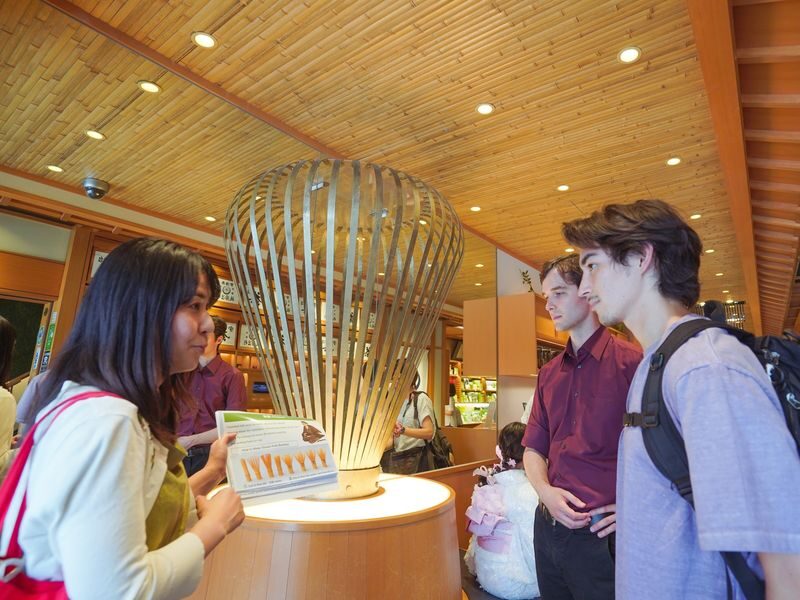
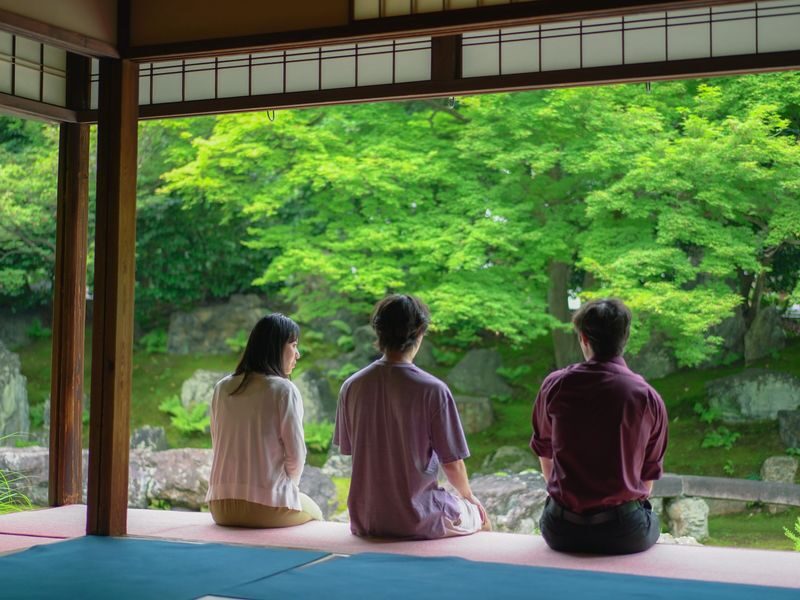
- The route links Gion and temple grounds: Stops include Kennin-ji, Ishibe-koji Road and Entoku-in, with time to hear how the places connect to tea and wabi-sabi.
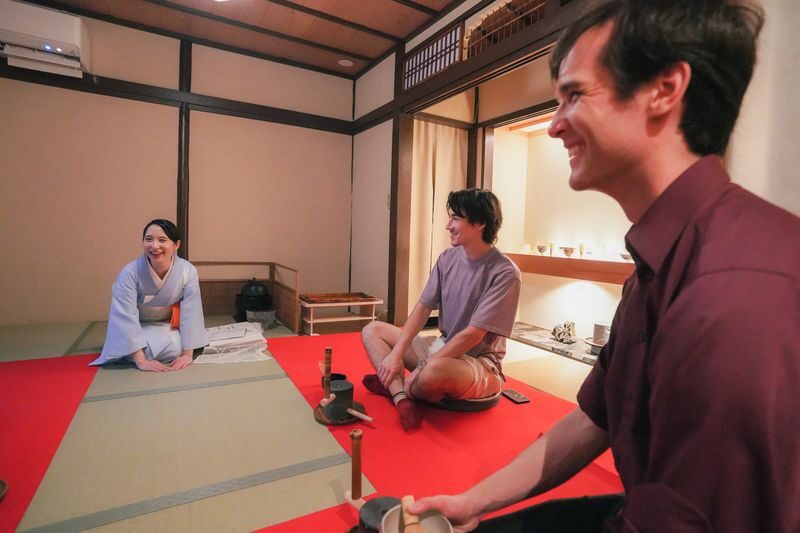
- Tea is the finale, not the whole tour: Expect a 45-minute tea ceremony with matcha and a small seasonal snack.
- The group stays small: No more than seven participants, though the tour may run with other people or as a private-feeling outing if bookings are light.
- The afternoon takes about three and a half hours: It starts at 1:30 pm and finishes at Tea Ceremony Chayu around 5 pm.
- The price starts at $90.19: Temple entry and the tea experience are included, so the cost covers more than a guided stroll.
- Arrive early and wear walking shoes: The group leaves on time, and late arrivals who miss it cannot join or get a refund.

👉 See our pick of the 25 Best Workshops And Classes In Kyoto
A walking tour that gives tea its context
This tour is best understood as a cultural walk that ends with a tea ceremony, not as a tea-making class or a long, formal study of tea. Over about three and a half hours, you move through parts of Gion and Higashiyama with an English-speaking guide, stopping at temples, lanes and tea-related sites before sitting down for matcha.
The theme is wabi-sabi: a Japanese aesthetic that notices beauty in imperfection, impermanence and incompleteness, with influence from Zen Buddhism. That can sound abstract in a brochure. The walk gives it places to attach to: a temple garden, an old street, a bowl of tea and the choices involved in preparing and serving it.
The group limit of seven is a real advantage. A small group can hear the guide without needing a microphone, and you are more likely to get a chance to ask the question that occurs to you halfway through a temple visit. Guides named in recent departures include Hide, Woohee and Josh. One participant had Josh take a slightly longer route to show more of Kyoto, while another described Hide as informative. Guide style can vary, of course, but the format leaves room for conversation.
You can also read our reviews of more walking tours in Kyoto


From Gion-Shijo Station into the afternoon
The meeting point is in front of the Izumo no Okuni statue, just outside Exit 5 of Gion-Shijo Station on the Keihan line. Get there by 1:20 pm for the 1:30 departure. This is not the sort of tour to approach casually at the last minute: the group starts on time, and if you arrive after it has left, you cannot catch up, reschedule or claim a refund.
The route has a planned stop at Gion Tsujiri for about 10 minutes. The short visit sets up the day’s tea theme, but it is not the main event. If you expect an extended tasting or a lesson in matcha preparation here, adjust that expectation. The fuller tea experience comes at the end.
From there, the walk visits Kennin-ji, one of the tour’s principal temple stops. You have about 30 minutes with the guide. The point is not simply to tick off a famous building: the guide can help you notice how Zen ideas relate to the tour’s central theme. You also have a chance to take in the temple setting and ask questions before moving on.
Two temple entrance fees are included in the tour price. The schedule names Kennin-ji and Entoku-in, so the included admissions help keep the afternoon’s core visits from turning into a string of extra charges. The time at each site is limited, however. This is a guided introduction, not a slow, unstructured temple day.
Historic lanes and a second temple stop
After Kennin-ji, the itinerary includes a 10-minute stop at Raku Studio Waraku, followed by around 10 minutes on Ishibe-koji Road. The schedule gives these stops a brief window, so treat them as moments to look, listen and get context rather than extended visits. A guide can make a short stop more meaningful by explaining what you are seeing and how it fits into Kyoto’s cultural traditions.
Ishibe-koji is one of the route’s appealing contrasts to the larger temple grounds. The day moves between notable sites and smaller-scale urban details, helping you see Gion and Higashiyama as more than a series of major attractions. The walk is also where wabi-sabi becomes easier to grasp: it is a way of paying attention to atmosphere, age and imperfect details, not just a term to memorize.
There is another brief stop at Kyoto Rakusai, listed for about five minutes, before the group reaches Entoku-in. You get around 30 minutes at Entoku-in, the second temple visit in the plan. As at Kennin-ji, the guide supplies the cultural frame; you supply the time to look closely. The temple grounds and gardens have been a particular draw for people who enjoy Zen Buddhist sites, but the schedule does not leave room to linger indefinitely.
The walk ends at Tea Ceremony Chayu, at 4-chome-172-7 Kiyomizu. That means you finish in a different place from where you started, rather than looping back to Gion-Shijo Station. Plan the rest of your afternoon from the Kiyomizu end of the route, and do not assume the tour will return you to the meeting point.
The tea ceremony: a quieter finish
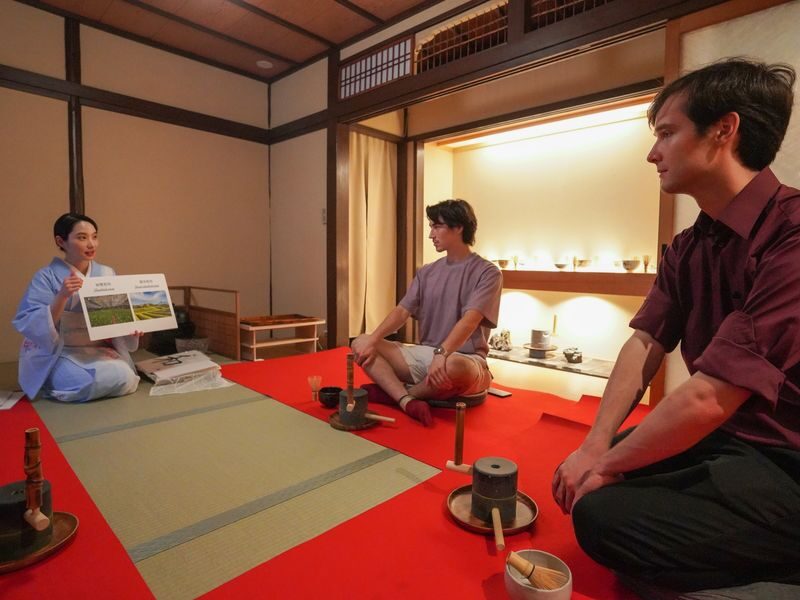
The final 45 minutes are set aside for the tea ceremony. You receive matcha and a small seasonal snack, and a local host introduces the traditions behind the experience. This is the part that gives the tour its clearest payoff: after walking through sites connected to Zen and Japanese aesthetics, you can see how attention, simplicity and careful preparation show up in the tea ritual itself.
The ceremony is not just a drink stop. The tour’s framing asks you to notice the setting and the way tea is served, as well as the flavor. That makes it a good fit if you want a first introduction to tea culture without booking a separate, longer workshop. It is also a useful ending because you can sit down after several hours on foot.
The scheduled slot is 45 minutes, though the exact experience can depend on the day. A past participant described a ceremony lasting about 30 minutes, while the tour plan allows 45. Take the allotted time as the guide’s schedule rather than a promise that every minute will be spent in formal ceremony.
Is $90.19 good value?
At a starting price of $90.19, this is more expensive than a basic walking tour, but the comparison is not quite like for like. The fee includes an English-speaking professional guide, admission to two temples, the tea ceremony, matcha, a seasonal snack and photos taken during the tour. You are paying for a linked cultural experience, not merely a route between landmarks.
The strongest value is for someone who would otherwise book a guided Gion walk and a separate tea ceremony. Here, the guide explains the ideas behind the tea before you participate, and the group remains small. That connection is useful if you want more than a pretty temple visit and a bowl of matcha.
On the other hand, the tour is not the best use of your money if your priorities are a deep temple visit, extensive time at each location, or a hands-on tea-making class. Several stops are short, and the itinerary covers multiple sites in one afternoon. You will get a guided overview and a focused tea experience, not an unhurried day at every place.
The price does not include personal expenses beyond the listed inclusions. You do not need to pay for the guide’s food or drinks. If you are comparing options, check whether another tea experience includes temple admissions or a guided walk, since those are part of this package’s value.




Who will enjoy this Kyoto tour most?
I would put this on the shortlist for a first visit to Kyoto if you want a local guide to connect Gion’s historic setting with Japanese tea culture. It suits curious visitors who like asking questions and who want a cultural activity with a clear beginning and end. The small group makes it easier to hear and talk than a large coach outing.
It also works well if you are interested in Zen temples and gardens but would appreciate someone explaining the ideas behind what you see. Several people who joined found the guides fun, friendly and willing to answer questions. Josh, Hide and Woohee are names you may encounter, though no specific guide can be guaranteed.
Think twice if you dislike walking, need step-free access throughout, or prefer to explore temples at your own pace. Some locations are not accessible by wheelchair or stroller, and the route is a walking tour with multiple stops. Summer heat in Kyoto can reach 40°C (110°F), while winter temperatures can fall to -5°C (20°F), so dress for the forecast and bring walking shoes.
Weather can also affect the plan. The tour may be cancelled when conditions are unsafe, and the schedule can change with weather or traffic. Cancellation or rescheduling is available without charge until 24 hours before the start time; the voucher is valid only for the selected date and time.
Should you book the Gion tea and wabi-sabi walk?
Book it if you want a compact, guided afternoon that ties together Gion, two temples and a traditional tea ceremony. The best reason to go is the combination: the walk gives the tea ritual context, while the ceremony turns wabi-sabi from an idea into something you can pay attention to.
Skip it if you want a lengthy temple visit, a full tea-making workshop or a route designed for mobility aids. For most curious first-time visitors who are comfortable on foot, the small group, included admissions and tea make the $90.19 starting price reasonable. Arrive early, wear good shoes and leave room in your afternoon for the finish near Kiyomizu.
Kyoto Gion Tea ceremony & Wabi-sabi Walking Tour
“We had a wonderful half-day with our two local guides Hide and Woohee. We learned a lot about the Gion historical district and Japanese translation…”
FAQ
How long is the Kyoto Gion tea ceremony and walking tour?
The tour runs from 1:30 pm to about 5 pm, for roughly three and a half hours.
Where does the tour start?
Meet in front of the Izumo no Okuni statue outside Exit 5 of Gion-Shijo Station on the Keihan line. Arrive at least 10 minutes before departure.
Where does the tour finish?
It ends at Tea Ceremony Chayu in Kiyomizu, not back at Gion-Shijo Station.
What is included in the price?
The price includes the walking tour, an English-speaking professional guide, admission to two temples, a tea ceremony, matcha, a small seasonal snack and photos taken during the tour.
How many people can join?
The small group is limited to a maximum of seven participants. There may be other participants on your departure.
Is the tour suitable for wheelchairs or strollers?
No. Some locations on the itinerary are not accessible by wheelchair or stroller.
What should I wear?
Wear walking shoes. Kyoto’s summer and winter temperatures can be extreme, so prepare for the weather as well.
Can I cancel or reschedule?
You can cancel for a full refund or reschedule up to 24 hours before the tour starts, using local time at the destination. Late arrivals who miss the group cannot join or receive a refund.