Tokyo’s temples, Kyoto’s old lanes and Mount Fuji’s famous outline make a fine first look at Japan. This eight-day route links Tokyo and Kyoto, with a day around Lake Kawaguchi and a stop in Nara.
I like two things in particular: the mix of guided highlights and free time, and the inclusion of bullet train tickets between Tokyo and Kyoto. The guides are English-speaking specialists who change by day, so you get different local perspectives rather than one guide for the whole trip.
The main catch is that this is not a traditional group tour with one guide and coach shepherding you from hotel to hotel. You must find the daily meeting points yourself, and the group you meet may change from one excursion to the next.
- Tokyo’s major sights in one guided day: Imperial Palace Gardens, Senso-ji, Meiji Jingu, Harajuku and Shibuya Crossing.
- A full Fuji-area excursion: Oishi Park, Lake Kawaguchi, Chureito Pagoda, Oshino Hakkai and the 5th Station, subject to weather and traffic.
- Kyoto’s classic districts: Gion, Pontocho Alley, Yasaka Shrine, Kinkaku-ji and Fushimi Inari.
- Nara’s Great Buddha and deer: A day trip adds Todai-ji Temple and Nara Park to the Kyoto schedule.
- Independent time built in: You get one free day in Tokyo and one in Kyoto, but meals and personal sightseeing costs are your responsibility.
- Budget-minded, with important extras: The starting price is $996, while meals, airport transfers, some entrance fees and travel between hotels and meeting points are not included.
- Eight days from Tokyo to Kyoto
- Day 1: Arrive in Tokyo and settle in
- Day 2: Tokyo’s temples, gardens and city life
- Day 3: Mount Fuji, Lake Kawaguchi and the weather
- Day 4: Your own Tokyo
- Day 5: Bullet train to Kyoto and an evening walk
- Day 6: Kyoto’s icons and Nara’s Great Buddha
- Day 7: Make Kyoto your own
- Day 8: Depart from Kyoto
- What the 6 starting price covers
- Who this trip suits best
- FAQ
- Does the tour include meals?
- Are airport transfers included?
- Is a guide with the group all the time?
- Is the bullet train from Tokyo to Kyoto included?
- Where does the tour start and end?
- Which hotels are used?
- Are entrance fees included?
- Is Mount Fuji guaranteed to be visible?
- Are departures guaranteed every day?
- How much independent travel should I expect?
- The Best Of Tokyo!
- More Tours in Tokyo
- More Tour Reviews in Tokyo
- Not for you? Here's more nearby things to do in Tokyo we have reviewed
Eight days from Tokyo to Kyoto
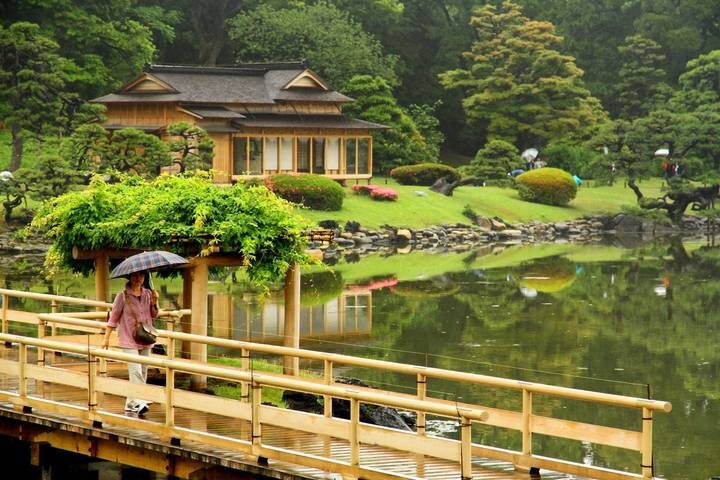
This package is best understood as a partially guided trip, not a fully escorted tour. You have hotel bookings and scheduled sightseeing arranged, plus transport for key parts of the route, but you’ll make your own way to many meeting points and manage your free time independently.
That setup can work well if you enjoy a little independence and want help with the big-ticket logistics. You don’t have to plan the Tokyo-to-Kyoto bullet train or build a Fuji day trip from scratch. But you should be comfortable reading directions, using public transport and allowing extra time to find meeting spots.
The daily groups are assembled around excursions, and the guide changes from day to day. The group size is listed as one to 50, so the experience can feel quite different depending on the excursion and departure. The operator says departures are guaranteed, though the order of activities within your package may change.

👉 See our pick of the 25 Best Guided Tours In Tokyo
Day 1: Arrive in Tokyo and settle in
The first day is deliberately light. You arrive in Tokyo, make your way to the hotel and have the evening to recover from the flight or explore nearby streets at your own pace. An airport transfer is available for an extra fee, but arranging your own route into the city is also an option.
The listed Tokyo hotels include three-star choices such as the b shimbashi and Comfort Inn Tokyo Roppongi, as well as the four-star Mitsui Garden Hotel Shiodome Italia-gai Tokyo. The exact hotel depends on the option selected at booking, so check the room category and property details rather than assuming every departure uses the same hotel.
Airport transfers are not part of the base price. A quoted price is USD 130 per transfer for two people, though you should confirm the airport and details when arranging it.
You can also read our reviews of more tours and experiences in Tokyo.
Day 2: Tokyo’s temples, gardens and city life
The guided Tokyo day starts near Tokyo Station, then takes you to the Imperial Palace Gardens and Nijubashi Bridge. The gardens offer a calmer introduction to the city’s imperial center, while the bridge gives you a well-known view of the palace grounds. A Tokyo Metro pass is included for this day, a useful help in a city where the train network can feel like a small city of its own.
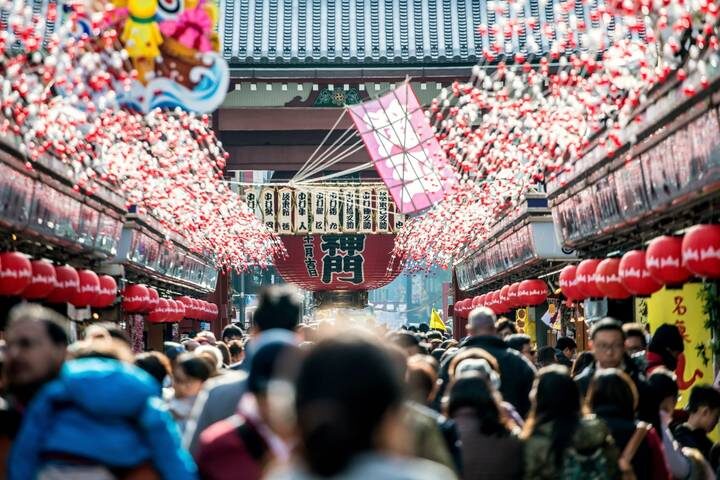
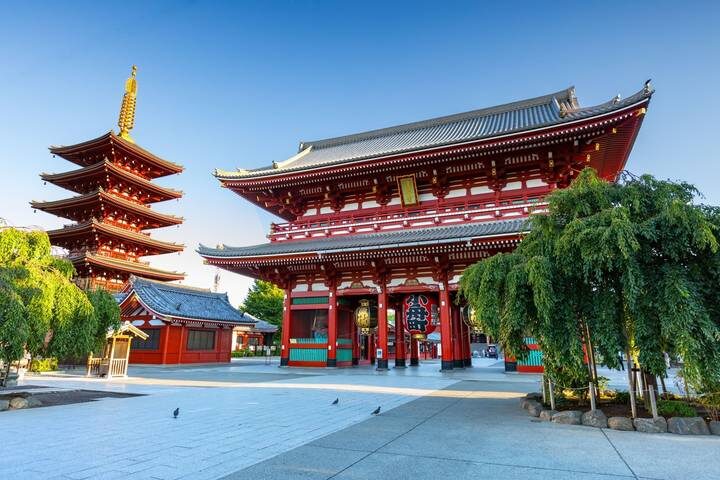
Next comes Asakusa and Senso-ji, Tokyo’s best-known Buddhist temple. Nakamise-dori, the shopping street leading toward the temple, is a handy place to browse souvenirs and snacks, though purchases are on your own. Lunch is also independent, giving you a chance to choose your own pace and budget.
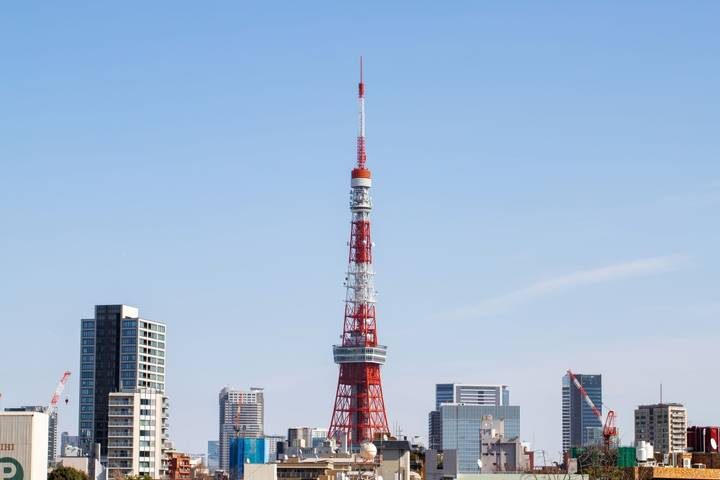
The afternoon shifts from shrine grounds to city neighborhoods. Meiji Jingu offers a wooded setting and a quieter change of mood, while Harajuku is known for its colorful shops and fashion. The day ends at Shibuya Crossing, where the city’s crowds sweep through a landmark intersection. It is a lot of ground to cover, but the range gives first-time visitors a useful overview.
One practical caution: Tokyo Station is enormous, and a meeting point there can be hard to locate if you are unfamiliar with the station. A guide has called late-arriving participants to help them find the group, but don’t count on a phone call as your plan. Read the meeting instructions closely, check your route in advance and leave a generous buffer.
Day 3: Mount Fuji, Lake Kawaguchi and the weather
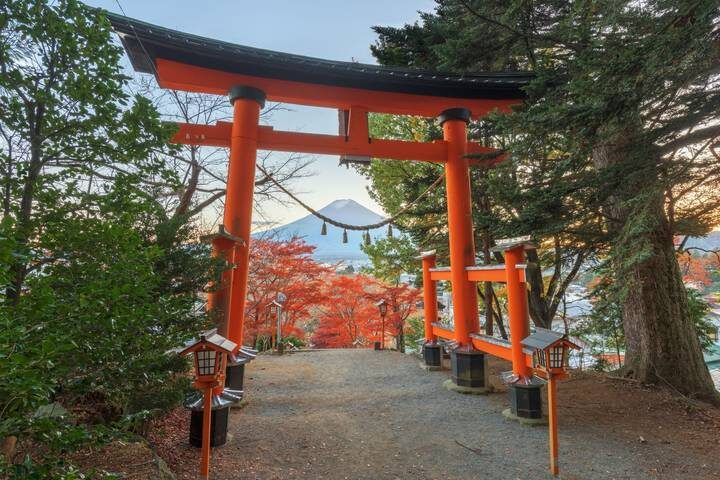
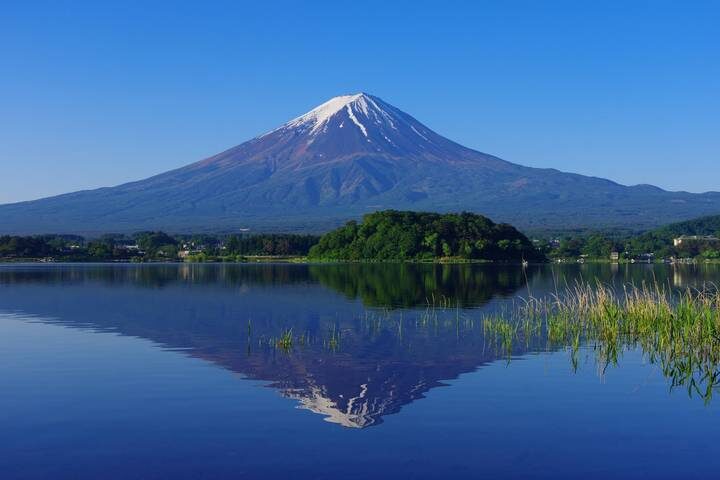
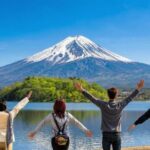
The Fuji excursion is a major highlight, and it packs several stops into a long day by vehicle. At Oishi Park, you’ll look across Lake Kawaguchi toward Mount Fuji. On a clear day, the mountain gives the lake a dramatic backdrop. On a cloudy day, the view may be hidden, so keep expectations flexible rather than treating a clear Fuji sighting as guaranteed.
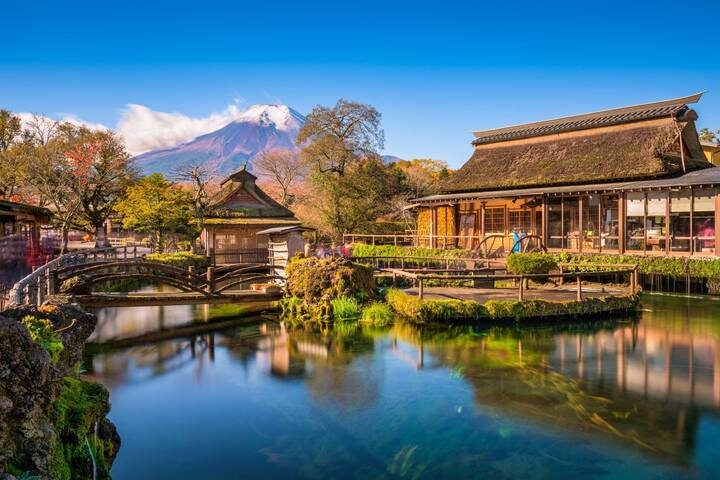
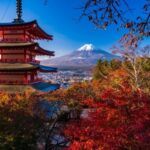
At Arakurayama, you visit Chureito Pagoda and Arakura Fuji Sengen Shrine. The pagoda is a classic viewpoint, but reaching the area involves walking, and the stop can be busy. In Fujiyoshida, you have free time for lunch and a look around traditional shops. Then Oshino Hakkai offers clear spring-fed ponds and old thatched-roof houses, a slower, more village-like pause in the day.
The schedule also includes Mount Fuji’s 5th Station, with panoramic views over the surrounding area. Weather, road conditions and seasonal traffic can affect which stops are possible. The operator may substitute a site or cancel a visit on the day, and heavy traffic can push the return to Tokyo later than planned. Keep the evening open if you can.
Day 4: Your own Tokyo
A free day gives you room to follow your own interests instead of adding another fixed schedule. You might visit a shrine, browse a market or choose a museum. You can also rest, which may be welcome after the Tokyo sightseeing day and the Fuji excursion.
This is a valuable part of the package if you like to balance guided orientation with unplanned time. It also means you’ll need to choose and pay for your own activities and local transport. The tour does not specify a set excursion for this day.
Day 5: Bullet train to Kyoto and an evening walk
You travel from Tokyo to Kyoto by bullet train, with the train ticket included. The journey takes a couple of hours, but transfers between your hotel and the stations are not included. You’ll also make your own way to the designated meeting point, so read the instructions for the departure carefully.
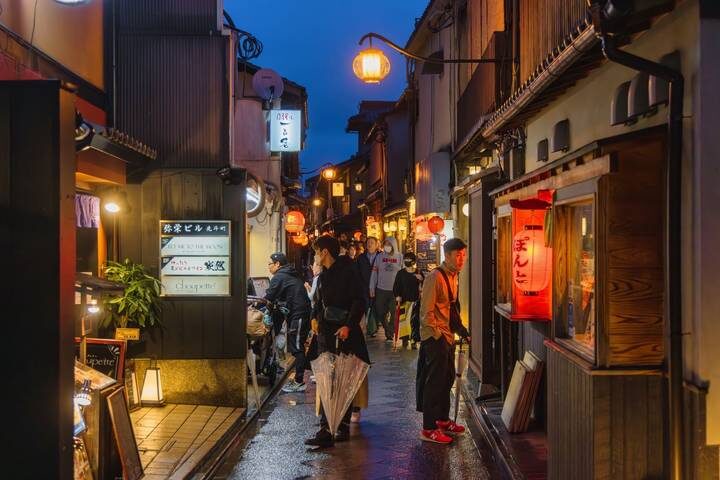
In Kyoto, the guided evening walk takes you through Pontocho Alley and into Gion. The guide explains the connection between Izumo-no-Okuni and the early development of kabuki, then introduces Gion’s traditional wooden buildings and tea houses. You’ll also visit Yasaka Shrine and walk along Hanamikoji Street.
This is a good first taste of Kyoto’s older districts, especially if you arrive without having had time to plan. The walk is an introduction, not a private visit to tea houses or a promise of seeing geisha. The main pleasure is taking in the streets and hearing how the district’s traditions developed.




Day 6: Kyoto’s icons and Nara’s Great Buddha
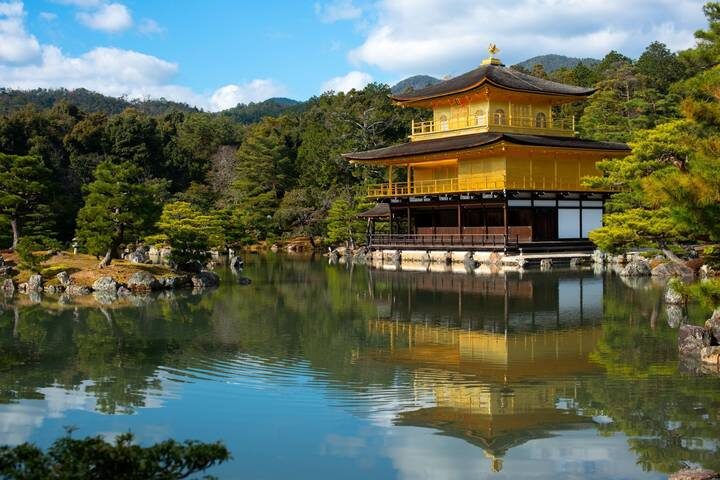
The itinerary’s busiest day starts at Kinkaku-ji, the Golden Pavilion, whose gold-covered upper floors make it one of Kyoto’s most recognizable temples. You then visit Arashiyama Bamboo Forest, where the path runs between tall bamboo stalks. Both stops are popular, and this schedule offers a concise look rather than a slow, unhurried visit.
Next is Fushimi Inari Shrine, known for its many red torii gates climbing the hillside. You’ll have time to walk through part of the gate-lined route before lunch. The shrine grounds extend uphill, so you can choose how far to go within the time available.
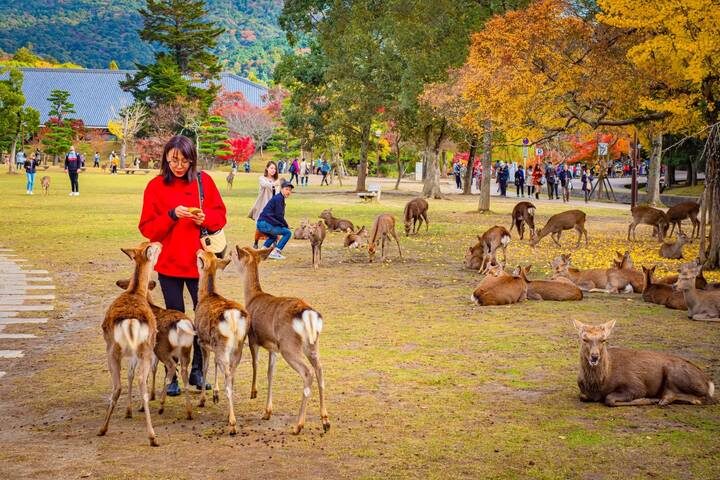
In the afternoon, the tour continues to Nara for Todai-ji Temple and its enormous Great Buddha. Nara Park gives you time to see the local Sika deer. The animals are part of the experience, but remember they are wildlife, not plush park mascots. The drive back to Kyoto takes about an hour, making this a full day with several major stops and time on the road.
Entrance fees in Kyoto and Nara are not included. The estimate provided is about 1,300 yen per person, so set aside a little extra cash for admission.
Day 7: Make Kyoto your own
Your second free day is a chance to slow down after the packed Kyoto and Nara outing. Nishiki Market is one suggested option for browsing food stalls, produce and kitchen goods. A matcha-making class is another possible activity, but it is optional and not included in the package.
You could also use the day to revisit a neighborhood or explore at a gentler pace. The freedom is useful, but the trade-off is that you’ll plan your own route and cover any activity, meal and transport costs yourself.
Day 8: Depart from Kyoto
The tour ends in Kyoto. An optional transfer to Kansai Airport is available for an extra fee, and a transfer to Tokyo city center can also be arranged. Flights and other onward travel are not included, so choose departure plans that fit the tour’s Kyoto finish.
If your flights are in and out of Tokyo, allow time and budget to return there after the tour. The package does not include a return train ticket to Tokyo.
What the $996 starting price covers
The starting price of $996 is attractive for an eight-day trip across Tokyo and Kyoto, especially because accommodation and the Tokyo-to-Kyoto bullet train are included. The package also includes scheduled guided excursions and selected transport, including the Tokyo Metro pass for the guided city day.
The price is a starting point based on the cheapest room option. You can choose from three- and four-star hotel categories, so your final cost may be higher depending on your selection and travel dates. Check the hotel category before booking, as the listed properties are alternatives rather than a guarantee that you’ll stay at a particular one.
Meals are not included. You’ll buy breakfast, lunch and dinner yourself, and lunches are explicitly free time on the sightseeing days. Also budget for airport transfers, entrance fees in Kyoto and Nara, gratuities and incidental purchases. Hotel-to-station and hotel-to-meeting-point transfers are not included, either.
The tour operator has a 4.1 out of 5 rating across 64 reviews on its profile, while the two available ratings for this specific package average 3 out of 5. That small sample is not a reliable forecast of your trip, but it fits the key point: the sightseeing and guides can be strong, while the package’s organization may frustrate anyone expecting a fully escorted group.
Guides are a particular plus. English-speaking local guides lead the scheduled tours, and different guides bring different specialties. One practical detail from a March departure: a guide added a personal touch by taking the group to local sushi spots. No individual guide names are provided, so you should not expect to request a particular person.
Who this trip suits best
I’d consider this package if you want help arranging the main sights and intercity train, but don’t need a guide beside you every hour. It may suit independent-minded first-time visitors, families comfortable navigating public transport, or anyone who values a set framework with free days built in.
It is less suited to you if you expect the same group to stay together, hotel pickups each morning or a tour leader to handle every transfer. The package description calls the physical level low intensity, but you’ll still walk around temples, neighborhoods and stations, and need to get yourself to meeting points. Its group size can reach 50, and the daily excursion groups may not be the same people throughout.
Before booking, confirm which hotel category you want, how you’ll reach each meeting point and how you’ll handle airport and onward travel. If those details feel manageable, the route covers an impressive selection of Japan’s best-known sights in a week. If navigating on your own sounds like a chore, a fully escorted tour may be worth the extra cost.
8 Day Japan on a Budget Small Group Tour Package by Tourist Journey
“The tour, although short, covered a lot in Tokyo and Kyoto. The guides were excellent and very personable, even taking us to some local spots for s…”
FAQ
Does the tour include meals?
No. Meals are not included, so you’ll arrange and pay for your own food throughout the trip.
Are airport transfers included?
No. Airport transfers are optional extras. A quoted cost is USD 130 per transfer for two people; confirm the airport and details when booking.
Is a guide with the group all the time?
No. English-speaking guides lead the scheduled tours, but you meet them at designated points. City-to-city transfers are self-guided, with tickets and instructions provided.
Is the bullet train from Tokyo to Kyoto included?
Yes. The package includes the bullet train ticket. Train tickets are non-refundable, and travel between hotels and stations is not included.
Where does the tour start and end?
It starts in Tokyo and ends in Kyoto. Optional transfers to Kansai Airport or Tokyo city center are available at the end for an extra fee.
Which hotels are used?
Tokyo options include the b shimbashi, Comfort Inn Tokyo Roppongi and Mitsui Garden Hotel Shiodome Italia-gai Tokyo. Kyoto options include Comfort Inn Kyoto Shijokarasuma, Daiwa Roynet Hotel Kyoto Ekimae PREMIER and TUNE STAY Kyoto. The selected hotel depends on the category booked.
Are entrance fees included?
Kyoto and Nara entrance fees are not included. The estimated cost is about 1,300 yen per person.
Is Mount Fuji guaranteed to be visible?
No. Visibility depends on the weather. Traffic and other conditions can also affect the schedule, and a stop may be changed or cancelled.
Are departures guaranteed every day?
The operator says departures are guaranteed. The order of the tours within the package may change, and the people in each day tour may differ.
How much independent travel should I expect?
You’ll make your own way between hotels, train stations and meeting points, and plan activities on the two free days. The Tokyo Metro pass is included during the guided Tokyo day, but other local travel is not specified as included.























