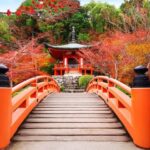
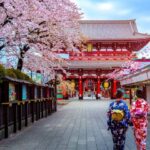
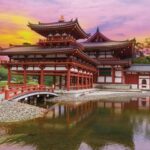
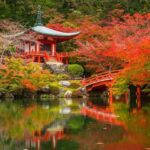
Mount Fuji, its lake, and a red pagoda make a memorable centerpiece for a week that also covers Tokyo, Kyoto, and Nara. I like the mix of guided sightseeing and free time, and the chance to ride the Shinkansen without arranging that cross-country leg yourself.
The trade-off is that this is only partly guided. You’ll need to get yourself to central meeting points, sort out your own meals, and manage some busy days on foot. That can be good value if you want a framework, not a fully escorted holiday.
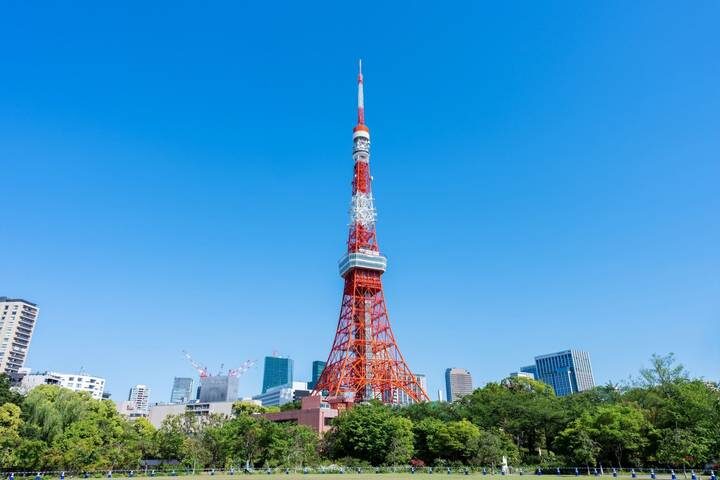
- Tokyo’s headline sights: Visit the Imperial Palace Gardens, Senso-ji, Meiji Jingu, Harajuku, and Shibuya on a guided day that includes a Metro pass.
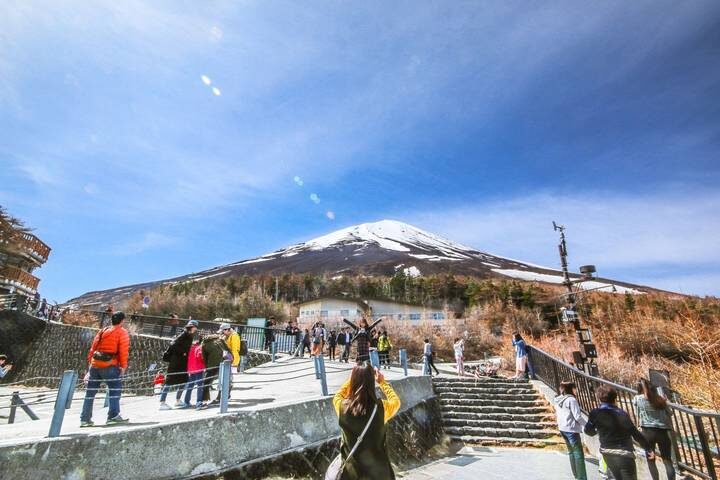
- Fuji country in one day: See Lake Kawaguchi, Oishi Park, Chureito Pagoda, Oshino Hakkai, and, conditions permitting, Mount Fuji’s 5th Station.
- A free day to make your own: Use the unscheduled Tokyo day for museums, parks, food, or neighborhoods outside the group route.
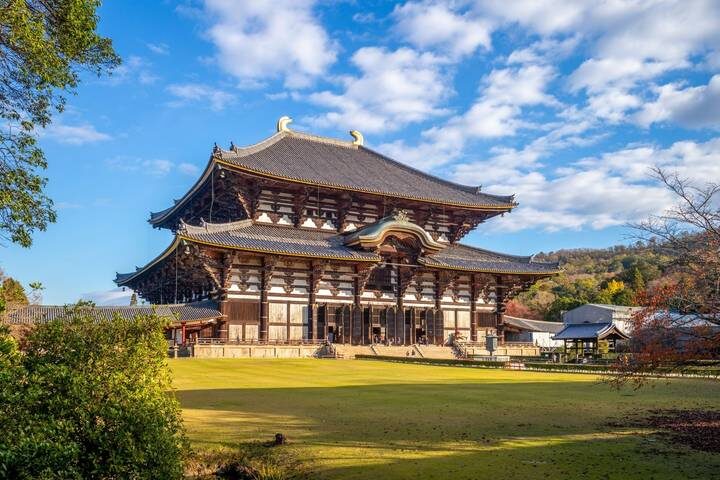
- Kyoto and Nara’s major landmarks: The schedule includes Gion, Kinkaku-ji, Arashiyama, Fushimi Inari, Todai-ji, and Nara Park.
- A useful but not all-inclusive price: Hotel stays and the Tokyo to Kyoto bullet train are included, while food, airport transfers, and transfers to meeting points are extra.
- A week of Japan with the big connections arranged
- Day 1: Arrive in Tokyo and settle in
- Day 2: Tokyo’s temples, shrine, and famous crossing
- Day 3: Use your free Tokyo day well
- Day 4: Fuji views, lakeside scenery, and Oshino Hakkai
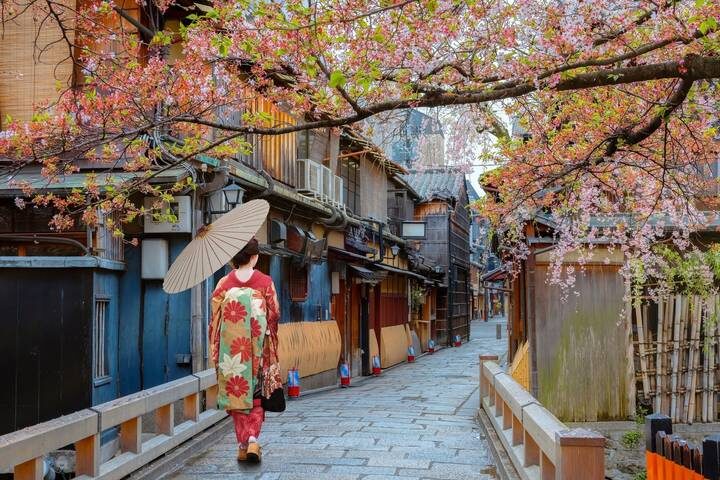
- Day 5: Ride the Shinkansen and walk through Gion
- Day 6: Kyoto’s landmarks, then Nara’s Great Buddha
- Day 7: Depart from Kyoto
- What the price covers, and where you’ll need to pitch in
- Who will get the most from this Japan week?
- Should you book it?
- FAQ
- Does the tour include airport transfers?
- Are hotels included in the price?
- Is the bullet train from Tokyo to Kyoto included?
- Are meals included?
- Do guides pick me up from my hotel?
- What languages are the tours guided in?
- How large are the groups?
- Are Kyoto and Nara entrance fees included?
- The Best Of Tokyo!
- More 7-Day Experiences in Tokyo
- More Tours in Tokyo
- More Tour Reviews in Tokyo
- Not for you? Here's more nearby things to do in Tokyo we have reviewed
A week of Japan with the big connections arranged
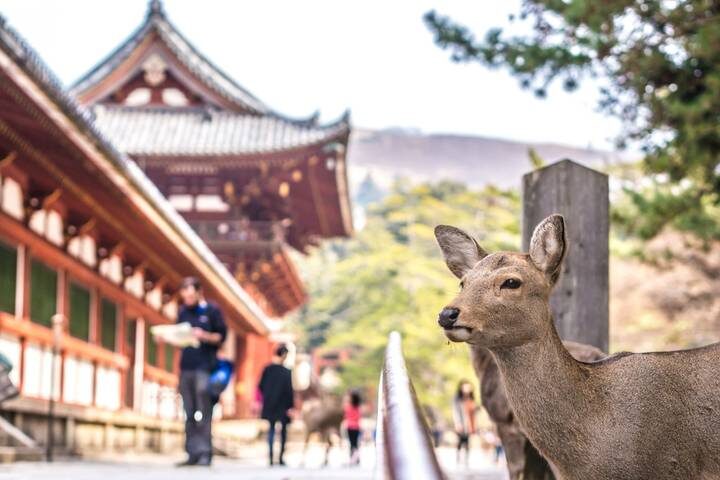
At a starting price of $962, this seven-day package links Tokyo and Kyoto with a day trip to Mount Fuji and Lake Kawaguchi, plus a visit to Nara. It makes a strong first outline for Japan: the capital’s temples and city districts, the iconic mountain, Kyoto’s old lanes and shrines, and Nara’s Great Buddha and deer.
The price is attractive partly because the tour leaves plenty in your hands. You get hotels, selected guided excursions, local transport on the Tokyo sightseeing day, and the bullet train between Tokyo and Kyoto. You do not get meals, airport transfers, or rides from your hotel to tour meeting points. Add those costs, along with the listed Kyoto and Nara entrance fees of about 1,300 yen per person, before deciding how much of a bargain it is for your plans.
This is a partially guided group tour, not a seven-day escort from hotel lobby to hotel lobby. A different English-speaking local guide leads each day’s activity, bringing a fresh specialist’s view, but you are responsible for navigating the gaps between outings. The package lists group sizes from one to 50. The operator says walking tours can have up to 15 people and the Mount Fuji trip up to 25, though numbers vary by date.

👉 See our pick of the 25 Best Guided Tours In Tokyo
Day 1: Arrive in Tokyo and settle in
There are no scheduled activities on arrival day, so you can land at a time that suits your flight and check in. An airport transfer is available as an optional extra, not part of the base price. If you arrange your own route, check the hotel location and airport connection in advance, especially after a long flight.
The Tokyo hotel is selected from options including Mitsui Garden Hotel Shiodome Italia-gai, the b shimbashi, and Comfort Inn Tokyo Roppongi. The Kyoto options include Comfort Inn Kyoto Shijokarasuma, Daiwa Roynet Hotel Kyoto Ekimae PREMIER, and TUNE STAY Kyoto. The package says you can choose a hotel standard at checkout, but check the specific property and room type shown for your dates rather than assuming you will stay at a particular one.
Use this first evening to rest and locate the nearest station or convenience store. The next day starts at a central meeting point, and hotel transfers are not included.
You can also read our reviews of more tours and experiences in Tokyo


Day 2: Tokyo’s temples, shrine, and famous crossing
The guided Tokyo day begins near Tokyo Station, then moves to the Imperial Palace Gardens and Nijubashi Bridge. The bridge is viewed from a distance, so expect a look at the grounds and a city-history introduction, not a palace interior tour. A Tokyo Metro pass is included for this sightseeing day, which helps keep the route practical across a city where distances can look deceptively short on a map.
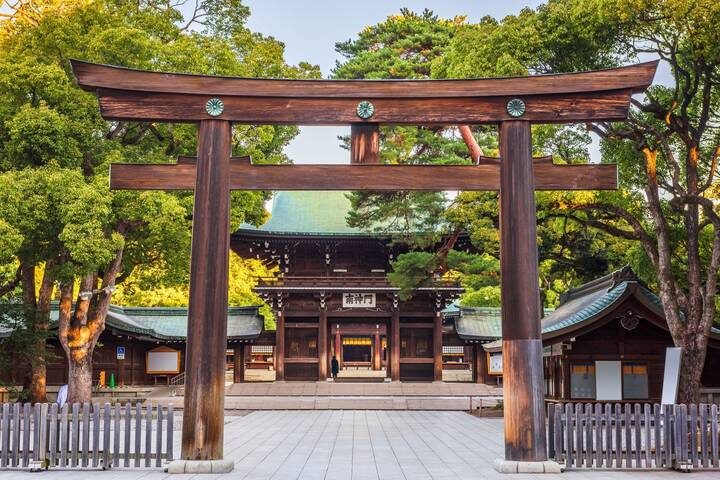
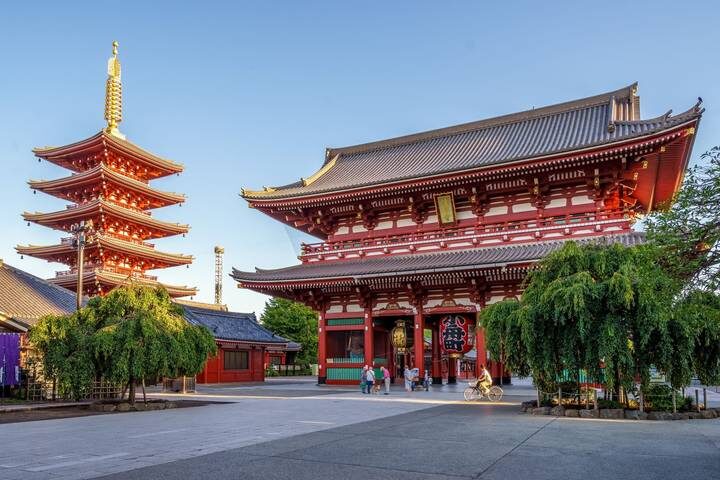
In Asakusa, you pass Nakamise-dori on the way to Senso-ji. The shopping lane and temple offer a lively first look at Tokyo’s older streets and religious life. Lunch is on your own, so you can choose how much time and money to spend. Later, Meiji Jingu brings a quieter contrast, followed by Harajuku’s shops and fashion scene and the grand scramble of Shibuya Crossing.
The sequence is a useful introduction, but it is a full day with several distinct stops. You may want to return to a favorite neighborhood on the free day rather than trying to linger everywhere. The tour ends at Shibuya Crossing, and you make your own way back to the hotel. One practical concern raised by the schedule is that meeting points and return arrangements need careful checking; confirm the exact location and time before the day, and allow time to reach them.
Day 3: Use your free Tokyo day well
A free day is a real asset in a city as broad as Tokyo. You can choose a museum, park, café, or neighborhood that the guided route does not cover, or simply slow down after the previous day’s walking. No activities or meals are included, so this is also the day when your own interests and budget shape the experience most.
Make a short plan before heading out. Tokyo’s rail network is extensive, and the guided day’s Metro pass does not mean all your transport for the week is covered. If you prefer not to navigate much, keep your day to one or two areas. If you enjoy independent city wandering, this open day is a chance to see a different side of the capital without being hurried from stop to stop.
Day 4: Fuji views, lakeside scenery, and Oshino Hakkai
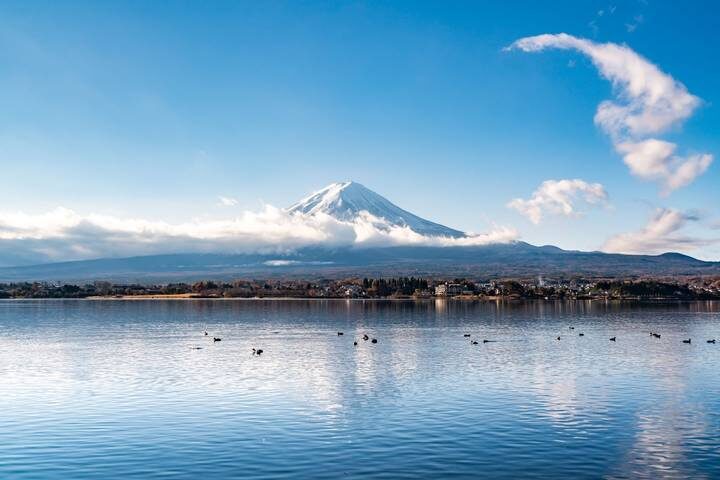
The Mount Fuji day takes you out of Tokyo by road to the Lake Kawaguchi area. At Oishi Park, you get the classic pairing of lake and mountain, with views that depend on the weather. Fuji can hide behind cloud, so treat a clear view as a bonus rather than a promise. The schedule also includes Arakurayama, Chureito Pagoda, and Arakura Fuji Sengen Shrine, a combination of mountain scenery and a well-known pagoda viewpoint.
You’ll have free time in Fujiyoshida for lunch and shopping, then continue to Oshino Hakkai. Its clear ponds and traditional thatched houses provide a more village-like pause after the viewpoints. The final planned stop is Mount Fuji’s 5th Station, where you can look across the surrounding mountains. Weather, traffic, and site availability can change the order or remove a stop; holiday periods and peak weekends can also make the return to Tokyo late.
This is the tour’s longest-feeling day: several stops, road time, and outdoor walking. Bring clothing suited to the season and comfortable shoes, especially if you are traveling in winter. A past winter trip included a long evening walk in cold weather and a late return, so do not assume every day will end early or feel gentle just because the tour is rated low intensity.
Day 5: Ride the Shinkansen and walk through Gion
The bullet train from Tokyo to Kyoto is included, and it is one of the package’s most useful practical features. Japan’s high-speed rail makes the long city-to-city transfer quick and comfortable, while the included ticket saves you from arranging that leg separately. Train tickets are non-refundable, so make sure your travel dates and plans are settled.
In the evening, the walking route begins around Pontocho Alley, with a stop at the Statue of Izumo-no-Okuni and an introduction to her connection with kabuki. From there, you enter Gion, known for its traditional tea houses and architecture, and visit Yasaka Shrine before walking along Hanamikoji Street. These lanes are best approached with patience and respect: look at the architecture, follow your guide’s instructions, and remember that Gion is also a living neighborhood.
The schedule describes an evening walk, not a hotel pickup service. A previous winter outing involved around four hours on foot and a return near 10:30 p.m., so ask about the expected duration for your departure and dress for the forecast. The guide can add context to the streets, but you should still plan your own route back to the hotel.






Day 6: Kyoto’s landmarks, then Nara’s Great Buddha
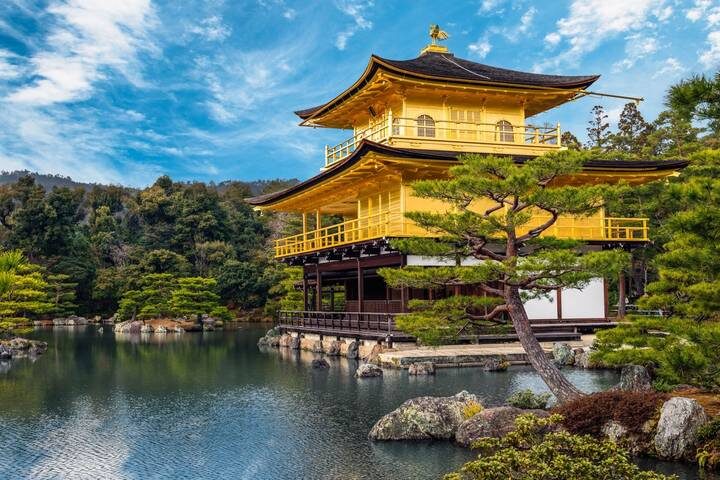
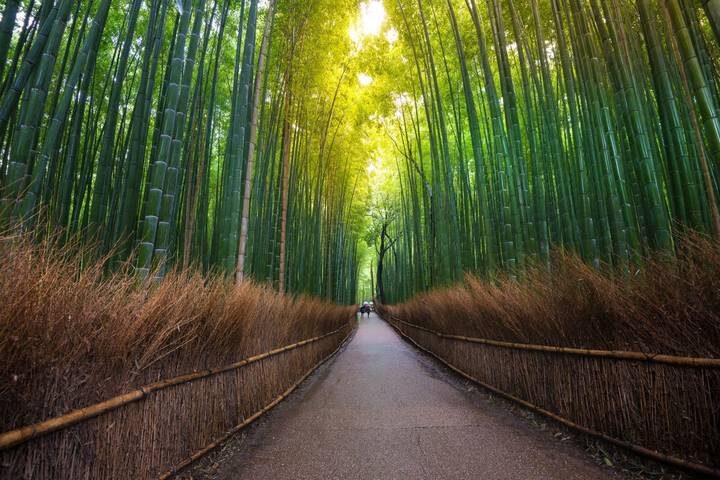
The day begins at Kinkaku-ji, the Golden Pavilion, whose bright exterior and pond setting make it one of Kyoto’s most recognizable sights. Next comes the Arashiyama Bamboo Forest, followed by Fushimi Inari Shrine and its long rows of red torii gates. These are popular places, and the schedule brings several major sights together in one day. You’ll get a broad introduction, but not necessarily long, quiet time at each.
Lunch is on your own before the trip to Nara. At Todai-ji Temple, you see the Great Buddha, then get free time in Nara Park, where Sika deer roam. The deer are a famous part of the visit, but they are animals, not props; follow local guidance and keep your belongings secure. The group returns to Kyoto for the night.
Transport between Kyoto and Nara is included for the excursion, but the package does not cover the hotel-to-meeting-point journey. Entrance fees in Kyoto and Nara are extra, estimated at about 1,300 yen per person. Keep a little cash available and check the final details for your dates.
Day 7: Depart from Kyoto
The tour ends in Kyoto, with optional transfers available to Kansai Airport or Tokyo city center. Neither is included in the base price. There are no scheduled tours on departure day, so check your flight time against the journey you need to make and allow a sensible margin.
If you plan to continue to Tokyo, remember that the included Shinkansen ticket covers the scheduled Tokyo-to-Kyoto journey, not a return trip. You’ll need to arrange and pay for any further rail travel yourself.
What the price covers, and where you’ll need to pitch in
The starting price includes accommodation, the guided activities described, the Tokyo Metro pass for the Tokyo tour, the Mount Fuji excursion transport, and the Tokyo-to-Kyoto bullet train. Breakfast and other meals are not included, though breakfast can be requested for an additional cost. Flights, personal travel insurance, airport transfers, hotel-to-station transfers, and anything not named as included are also outside the base price.
The balance of the value comes down to how much planning you want to hand over. The guides are the strongest feature: guests on the tour have praised their clear explanations and help making the days run smoothly. The operator uses a different local guide on each day, so you get varied perspectives rather than one guide throughout. At the same time, good guiding does not remove the need to find meeting points, manage your own meals, or travel back to your hotel after the activity.
Transport deserves special attention. The Tokyo day uses the Metro, the Fuji outing uses road transfers, the Tokyo to Kyoto leg is by bullet train, and the Kyoto-Nara day includes transfers. But there is no general hotel pickup and drop-off. One person found the hotel-to-meeting-point journey took roughly 40 to 60 minutes, though the distance will depend on your assigned hotel and the meeting location. Check those details before booking, and make sure you are comfortable using public transport or arranging a taxi when needed.
The tour is described as low intensity, but that does not mean little walking. City tours, temple grounds, shrine paths, and the evening strolls all require time on your feet. The schedule also packs several famous places into days two, four, five, and six. If you want an unhurried visit to every site, this may feel brisk. If you want a structured first pass through Japan’s major sights, the pace can be useful.
Who will get the most from this Japan week?
I’d consider this package if you want the main Tokyo-to-Kyoto route arranged, value a guide at key sights, and are comfortable filling in the practical details yourself. It suits independent-minded first-time visitors, families looking for a ready-made outline, and anyone who would rather buy a single package than organize each hotel, tour, and train leg separately.
It is less suitable if you expect door-to-door service, meals included, a single guide throughout, or plenty of unstructured time. The group size can vary, and the published maximum is much larger than the smaller groups described for some activities. Ask what is expected for your departure date, and confirm the hotels, meeting points, transfer details, and any optional costs before paying.
Should you book it?
Book this tour if value means having the major sights, hotels, guides, and intercity train handled, while keeping some independence. Its best features are the varied local guides, the efficient Shinkansen connection, and the unusual range of places covered in a week. Think twice if you want a restful, fully escorted holiday or find independent transport stressful. The basic price is only part of the decision: add meals, local journeys, entrance fees, and any airport transfer, then compare the total with what you would spend arranging the same week yourself.
7 Day Japan on a Budget Small Group Tour Package by Tourist Journey
“Overall, the individual tours were great. I realize you are a tour aggregator, but need to do a better job detailing out meeting places, using phot…”
FAQ
Does the tour include airport transfers?
No. Airport transfers are optional extras. There are no scheduled activities on arrival or departure days.
Are hotels included in the price?
Yes. Accommodation in Tokyo for four nights and Kyoto for two nights is included. The specific hotel is selected from the listed options, and hotel standard can be chosen at checkout.
Is the bullet train from Tokyo to Kyoto included?
Yes. The Shinkansen journey from Tokyo to Kyoto is included. The train tickets are non-refundable.
Are meals included?
No meals are included in the base package. Breakfast can be added for an extra cost.
Do guides pick me up from my hotel?
No. Tours depart from centralized meeting points, and you are responsible for getting to and from them. Hotel-to-station transfers are not included.
What languages are the tours guided in?
The tours are guided in English. A different local guide leads each day’s activity.
How large are the groups?
The listed group size ranges from one to 50. The operator says walking tours may have up to 15 people and trips to other cities, such as Mount Fuji, up to 25. Group size varies by season and day.
Are Kyoto and Nara entrance fees included?
No. Entrance fees are extra. The tour information estimates about 1,300 yen per person for Kyoto and Nara.