Japan’s big contrast is part of the appeal here: one day can mean Tokyo’s city districts, another a quiet Kyoto temple, and another the solemn Peace Memorial Park in Hiroshima. This seven-day route connects those very different places, then adds a Lake Ashi cruise, Owakudani’s steaming volcanic ground, and Miyajima’s famous torii gate.
I like two things in particular: the mix of guided visits and free time, which gives you help with the trickier connections without scheduling every hour, and the inclusion of bullet train tickets and several hotel nights in a trip that covers a lot of ground. The main trade-off is pace. You change cities often, and the Hakone day, with several stops before the train to Kyoto, could feel tight if traffic or queues build.
At a glance
- Hakone brings the mountain scenery: Cruise Lake Ashi, ride the ropeway to Owakudani, and walk Mishima Skywalk, weather permitting.
- Two days are mostly your own: Tokyo and Kyoto have free days, so you can set your own pace and choose what matters most.
- The long-distance rail is included: Shinkansen journeys link Odawara with Kyoto, Kyoto with Hiroshima, and Hiroshima with Osaka.
- Hiroshima gets more than a quick photo stop: The visit includes the Atomic Bomb Dome, Peace Memorial Park, and Peace Memorial Museum.
- You finish in Osaka: The tour services end after breakfast on Day 7, leaving the rest of the day for your own plans.
- The advertised starting price is $2,295: International flights, lunch, and dinner are not included, so budget beyond the tour price.

👉 See our pick of the 25 Best Guided Tours In Tokyo
- At a glance
- A seven-day route with a clear purpose
- Tokyo begins with an easy arrival, then a free day
- Hakone’s lake, volcano, and bridge make a full day
- Kyoto gives you a day to choose your own temples
- Hiroshima puts the past in front of you
- Miyajima’s shrine is the next day’s centrepiece
- Osaka is your finish line, not a guided finale
- What the price includes, and what it leaves to you
- Who should book this Japan sampler?
- FAQ
- How long is the tour, and where does it start and end?
- What is the starting price?
- Are international flights included?
- How many hotel nights and breakfasts are included?
- Is the tour guided every day?
- Are the Shinkansen tickets included?
- Are lunch and dinner included?
- What level of physical activity should I expect?
- The Best Of Tokyo!
- More Guided Tours in Tokyo
- More Tours in Tokyo
- More Tour Reviews in Tokyo
- Not for you? Here's more nearby things to do in Tokyo we have reviewed
A seven-day route with a clear purpose
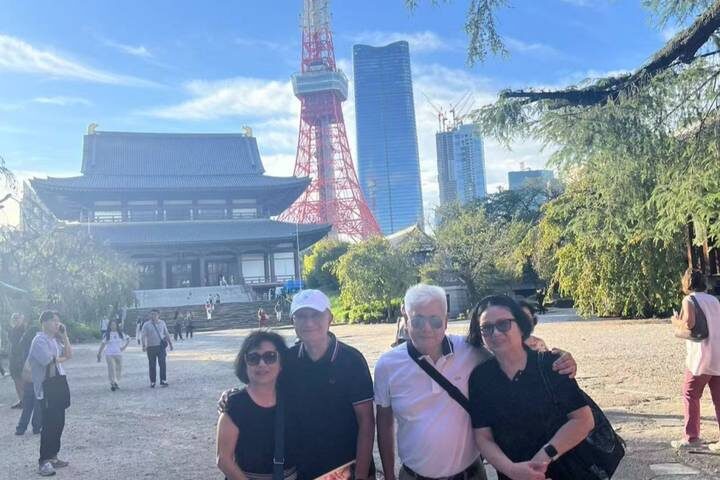
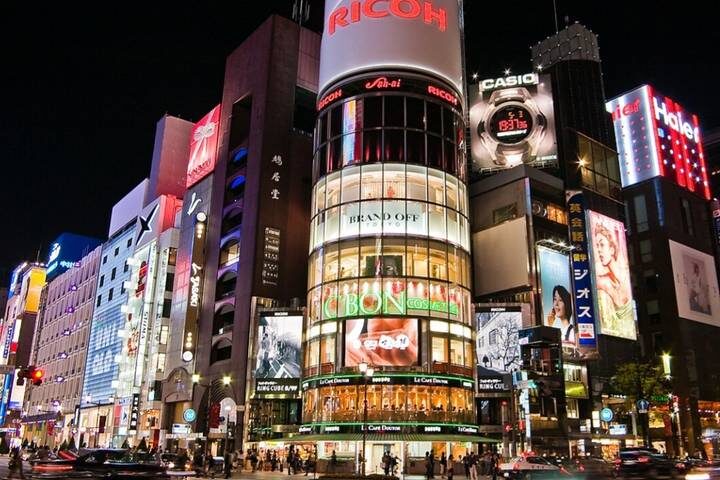
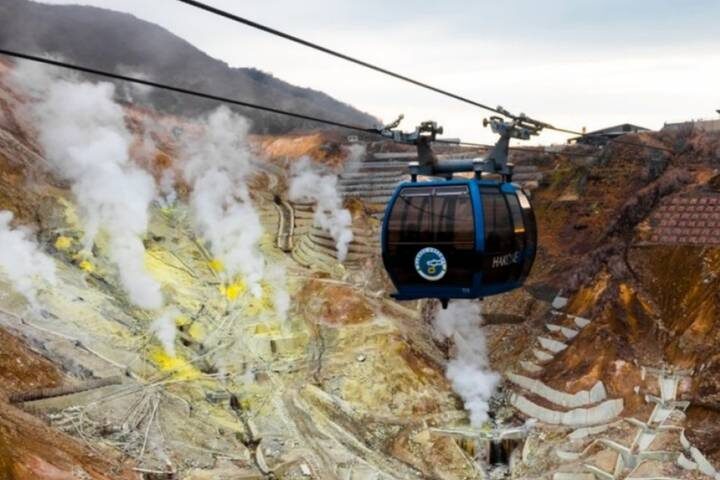
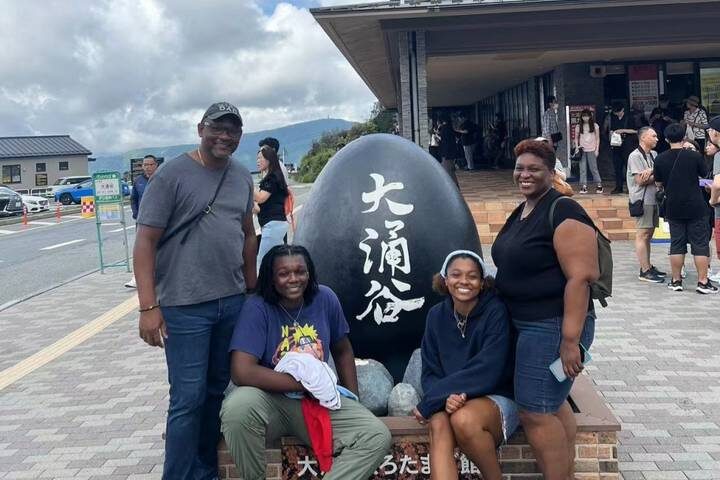
This is a quick introduction, not a slow, deep exploration of Japan. You start in Tokyo and finish in Osaka, with two nights each in Tokyo and Kyoto and one night each in Hiroshima and Osaka. That route makes sense if you have a week and want to see several headline sights without arranging every hotel and train yourself.
The experience is partially guided, not a private guide at your side every day. The first two days include an airport transfer and a free day, while guided excursions are scheduled for Hakone, Hiroshima, and Miyajima. You travel independently during the free days and make your own way from the Kyoto station to your hotel after the Shinkansen ride.
That distinction matters. The tour is sold as a private experience, but the schedule still leaves you responsible for some navigation and choices. Ask UME Travel exactly which portions are private, who provides the guide on each excursion, and how transfers between stations and hotels are handled. No guide names are specified in the tour details.
You can also read our reviews of more guided tours in Tokyo

Tokyo begins with an easy arrival, then a free day
On Day 1, a driver meets you in the airport arrival hall and takes you to Dormy Inn Akihabara Hot Spring, where you stay for two nights. That private transfer is a welcome convenience after a long flight. You avoid the first-day puzzle of working out airport transport while tired and carrying luggage.
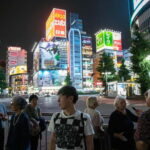
Day 2 is free for you to shape. Shinjuku, Shibuya, Akihabara, and Tokyo Tower are listed as possible outings, but the day is self-arranged. Tokyo’s public transport is described as a practical way to get around, though you should still plan your own route and allow time to cross this large city.
The tour information also lists Giza among the optional activities. Since that name may be a typo for Ginza, confirm the intended destination with the operator before building your day around it. The useful point is that Tokyo is not a guided sightseeing day: you decide what to see, how long to stay, and where to eat.
Two nights in one hotel gives you a chance to settle in instead of packing again straight away. The listed hotel is a three-star property, and the tour describes its accommodation as centrally located with nearby transport and restaurants. Treat that as a practical base, not a promise of luxury or large rooms.
Hakone’s lake, volcano, and bridge make a full day
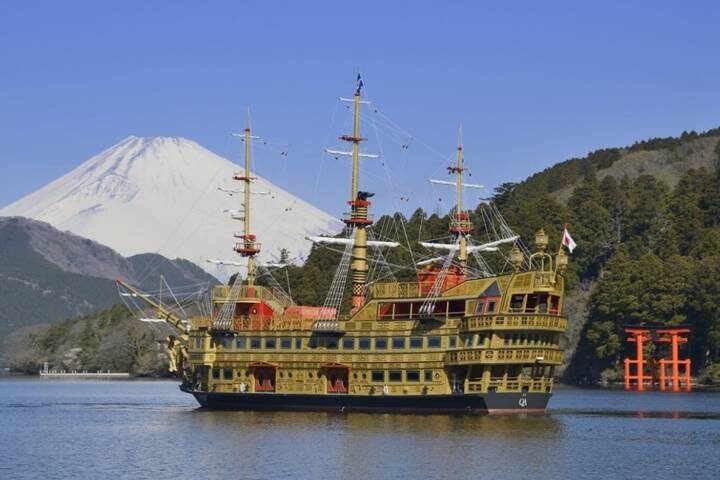
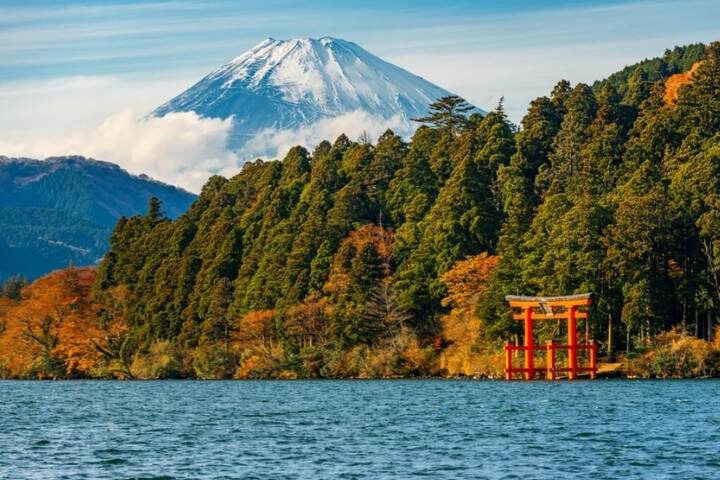
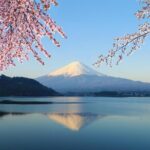
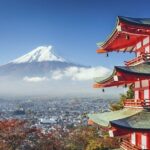
Day 3 is the tour’s busiest stretch. You leave Tokyo for Hakone, cruise across Lake Ashi on the Hakone Pirate Ship, take the ropeway to Owakudani, visit Mishima Skywalk, then board the Shinkansen from Odawara to Kyoto. The cruise and ropeway are the main scenery stops, with views of Mount Fuji possible when conditions cooperate.
Owakudani is a volcanic area shaped by an eruption about 4,000 years ago. Today, you can see steam rising and smell sulfur near the crater. Black eggs are sold here, with a local legend claiming that eating one adds seven years to your life. Enjoy the folklore, but don’t mistake it for a medical guarantee.
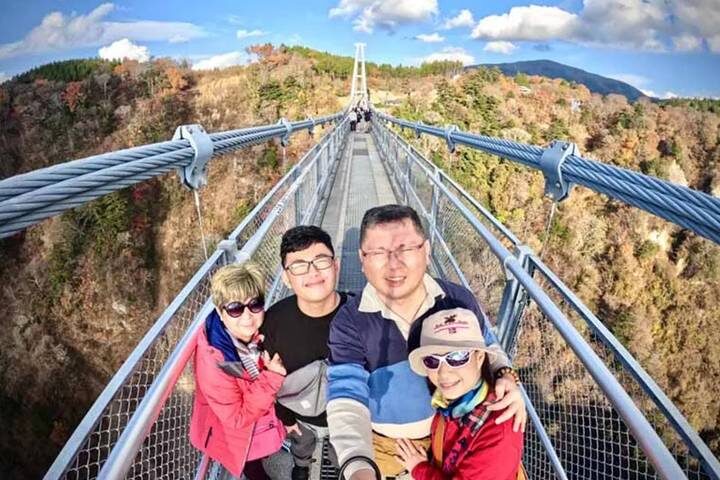
Mishima Skywalk adds a different kind of view. At 400 metres, it is described as Japan’s longest suspension bridge, with sightlines toward Mount Fuji and Suruga Bay. It is a striking stop, but the route has several separate attractions before an onward train. One traveller’s main concern was that traffic and queues made it hard to fit everything in. I would treat the schedule as ambitious rather than leisurely, and ask how long the group gets at each stop.
The Shinkansen ticket from Odawara to Kyoto is included. Once you arrive, you make your own way to Hotel Elcient Kyoto Hachijoguchi, where you stay for two nights. The day’s final transfer is therefore not fully escorted, so check your station-to-hotel route in advance and keep your luggage manageable.
Kyoto gives you a day to choose your own temples
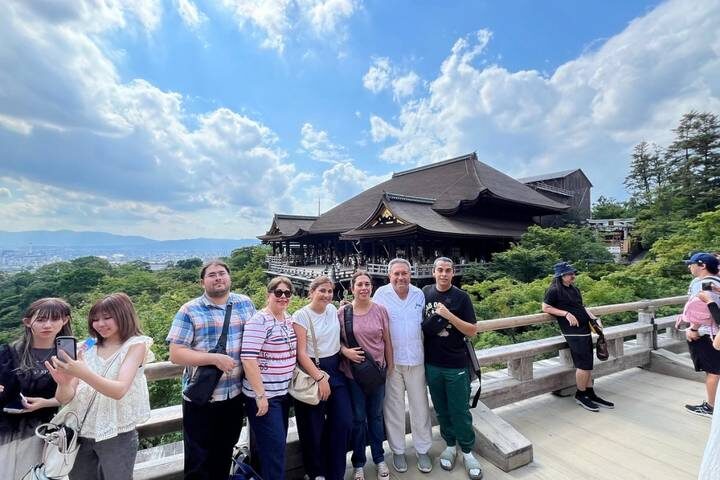
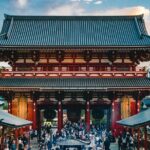
Day 4 is another free day, a useful pause after the long Hakone-to-Kyoto transfer. Kiyomizu-dera, Yasaka Shrine, and Hanamikoji Dori are suggested sights. Kiyomizu-dera is known for its elevated views across the city, while Yasaka Shrine and the streets around Hanamikoji offer a different way to spend time among Kyoto’s older districts.
You will need to choose what fits. These places are not presented as a guided group route, and the tour does not provide a detailed schedule or transport plan for the day. Taxis and public transport are suggested. If you want a relaxed visit, pick a small cluster of sights rather than trying to crisscross the city.
This independent time is one of the trip’s strengths, especially if you enjoy making your own discoveries. It is also a limit for anyone expecting a guide to explain the cultural context at every temple. The tour gives you a base and suggestions, but your experience in Kyoto depends on how you plan the day.
Hiroshima puts the past in front of you
On Day 5, you travel by bullet train and local transport from Kyoto to Hiroshima with a guide. The visit includes the Atomic Bomb Dome, Peace Memorial Park, and Peace Memorial Museum. You spend the night at HOTEL MYSTAYS Hiroshima Peace Park, making this more than a short stop on the way to another city.
The park covers more than 120,000 square metres. Its open paths and green space sit within the city, while the preserved Atomic Bomb Dome offers a direct, difficult reminder of the destruction of 1945. The museum uses photographs, models, recovered objects, and explanatory displays to show the effects of the bombing. It also addresses Japan’s wartime actions in Asia, giving the visit a wider historical frame.
Allow emotional room as well as walking time. This is not a light sightseeing stop, and the museum’s subject matter can be distressing. The guided format can help you understand what you are seeing, but the tour details do not specify how much time is allotted inside the museum. If this visit is important to you, confirm the schedule before booking.
You can also read our reviews of more private tours in Tokyo

Miyajima’s shrine is the next day’s centrepiece
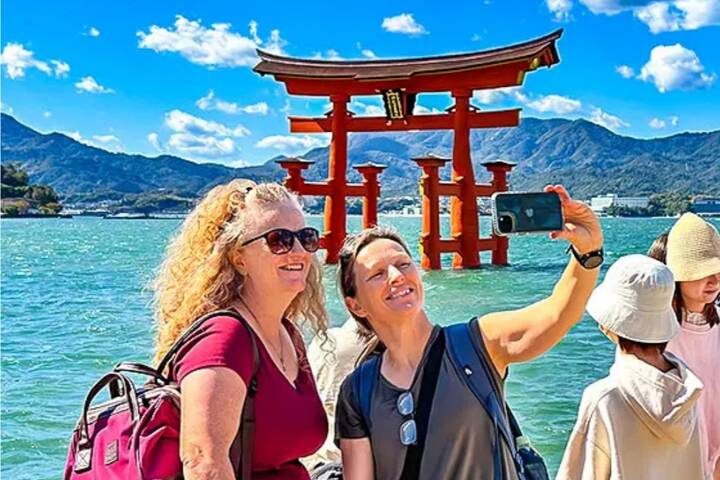
Day 6 takes you to Miyajima with a guide before you continue by bullet train and public transport to Osaka. The main attraction is Itsukushima Shrine and its famous torii gate, which appears to float when the tide is high. The island is also known for deer that wander around areas used by people.
There is one important rule: do not feed the deer. They may seem accustomed to people, but the tour information specifically notes that feeding them is not allowed. As with any island visit, the appearance of the gate and the ease of exploring depend on conditions and timing. The tour does not specify tide times or how long you have on the island, so ask for those details if seeing the gate at high water is a priority.
After Miyajima, the journey continues to Osaka, where you stay at Best Western Plus Hotel Fino Osaka Kitahama. The day combines an island visit with intercity travel, so it is another day when timing matters. You get the benefit of having the main connections arranged, but not a slow afternoon to linger indefinitely.
Osaka is your finish line, not a guided finale
Day 7 ends after breakfast. The rest of the day is yours, and there is no scheduled tour activity listed in Osaka. That gives you flexibility if you have a late flight or want to spend more time in the city, but it also means you should arrange your own onward transport and sightseeing.
Osaka is introduced as a city for nightlife and street food, yet the itinerary does not include a food tour or a guided city visit. Think of the hotel as your base for an extra day, not as part of a final organized excursion. If Osaka is a major reason for your trip, consider adding another night rather than trying to squeeze in a full city visit before departure.
What the price includes, and what it leaves to you
The price starts at $2,295, based on the cheapest room option. The tour includes six hotel nights, six breakfasts, listed train and cruise tickets, selected guided visits, airport pickup in Tokyo, and basic insurance during the arranged tour services. It also lists private, air-conditioned vehicle transport, though the detailed itinerary does not explain which days use a private vehicle. Confirm the exact transport plan before paying.
For a week that links Tokyo, Hakone, Kyoto, Hiroshima, Miyajima, and Osaka, having key hotels and long-distance rail arranged can save a lot of planning. The Shinkansen connections are especially useful: you avoid booking those major train legs separately and can focus on the stops rather than the ticket process.
Still, the price is not an all-inclusive holiday budget. International flights are excluded, and only breakfast is included. Lunches, dinners, and optional activities are extra. The listed accommodation is three-star, with room sharing based on two people; a solo room carries a supplement. Ask for the exact price for your dates and room setup, and check what is meant by all mentioned internal flights, trains, and cruises, since no internal flight appears in the day-by-day plan.
Food needs a little planning too. The operator notes that special dietary needs can be difficult to accommodate in Japan, particularly vegan meals. If you have strict requirements, contact them before booking and be prepared to arrange some meals yourself.
Who should book this Japan sampler?
I would consider this tour if you have one week, want the main city-to-city connections handled, and are comfortable spending some days on your own. It suits first-time visitors who like a balance of planned excursions and personal time, families who want a clear route, and small private parties who value a tailored arrangement over a large group schedule.
It is less suited to anyone seeking a slow pace, extensive guided time in every city, or a fully escorted trip from breakfast to evening. The schedule covers a lot, and the Hakone day is particularly full. If you would rather linger in Kyoto, spend longer at the Hiroshima museum, or explore Osaka beyond a final free day, add nights or choose a longer route.
The operator has a 4.8 out of 5 rating across 224 reviews on TourRadar, and the trip itself has a 4.9 out of 5 rating from eight reviews. Category scores are lower for accommodation at 3.0, while itinerary, transport, guide, and food each score 4.0. Those figures point to a strong overall experience, but they also reinforce a practical expectation: this is a well-organized route using three-star hotels, not a luxury stay.
7 Day Essential Japan (Private Guide and Driver) – Umetravel
“When paired with a place like Japan, the word essential is a powerful one, and the 7 Day Essential Japan itinerary lived up to that. It didn't apol…”
FAQ
How long is the tour, and where does it start and end?
It lasts seven days, starts in Tokyo, and ends in Osaka. Tour services end after breakfast on Day 7.
What is the starting price?
The listed starting price is $2,295. It is based on the cheapest room option, and a single supplement applies if you do not share a room.
Are international flights included?
No. International flights are not included in the tour price.
How many hotel nights and breakfasts are included?
The tour includes six hotel nights and six breakfasts. You stay two nights in Tokyo, two in Kyoto, one in Hiroshima, and one in Osaka.
Is the tour guided every day?
No. It is described as partially guided. Guided visits are scheduled for Hakone, Hiroshima, and Miyajima, while Tokyo and Kyoto include free days for independent plans.
Are the Shinkansen tickets included?
Yes. The tour lists the Shinkansen journeys from Odawara to Kyoto, Kyoto to Hiroshima, and Hiroshima to Osaka as included transport.
Are lunch and dinner included?
No meals beyond the six breakfasts are listed as included. Lunches and dinners are your own expense.
What level of physical activity should I expect?
The tour is rated low intensity, with light physical activity expected. It includes visits to temples, a volcanic area, a suspension bridge, and an island shrine.