A sushi lunch you make yourself, a Tokyo arcade full of flashing game cabinets, and a red pagoda with Mt Fuji behind it: this five-day trip packs several sides of Japan into one short stay. You spend most of your time in Tokyo, with one day out in the Fuji area, and an Adventure Leader helps the group make sense of the city’s neighborhoods and transit.
I like the mix of guided plans and free time, which lets you explore with the group without having every hour dictated. I also like that the food experiences range from hands-on sushi making to the option of a sumo dinner. The main consideration is comfort: standard lodging is a shared hostel dorm, and the tour visits Mt Fuji but does not climb to the summit.
- At a glance
- A quick-paced introduction to Tokyo
- Day 1: Meet the group in Asakusa
- Day 2: Sushi, Meiji Shrine and Shibuya
- Day 3: Old shopping streets, Akihabara and Sensoji
- Day 4: The Fuji viewpoint and Oshino Hakkai
- Day 5: A simple farewell
- What the price covers, and what it does not
- Who should book this tour?
- FAQ
- Does this tour climb to the top of Mt Fuji?
- Where does the tour start and end?
- What accommodation is included?
- Which meals are included?
- Is local transport included?
- What optional activities require advance booking?
- The Best Of Tokyo!
- More 5-Day Experiences in Tokyo
- More Tours in Tokyo
- More Tour Reviews in Tokyo
- Not for you? Here's more nearby things to do in Tokyo we have reviewed
At a glance
- Make your own sushi: Local chefs lead a class, and your creations become lunch.
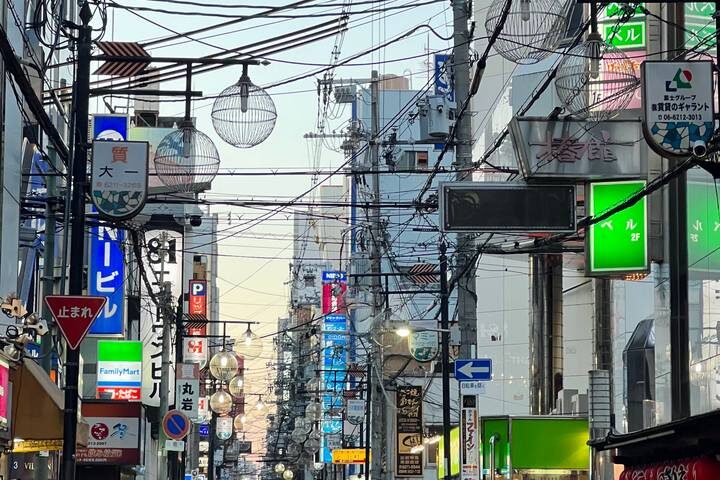
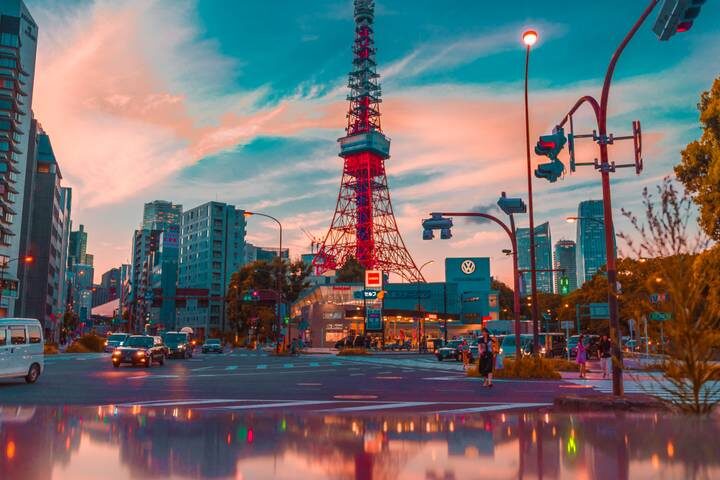
- See Tokyo at street level: Visit Yanaka Ginza, Harajuku, Akihabara and Asakusa, with time to explore on your own.
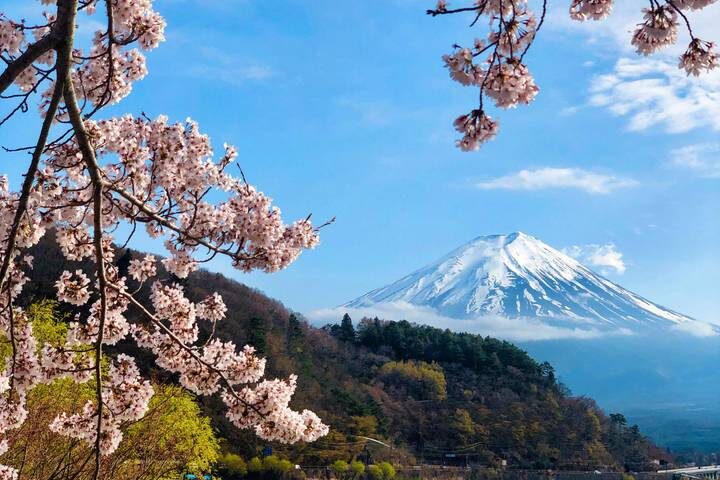
- Take in a classic Fuji view: The Arakura Fuji Sengen Shrine hike leads to a well-known pagoda viewpoint, weather permitting.
- Stay in Asakusa: The group spends four nights at TenTen Guesthouse, with dorm rooms as standard and private room upgrades available.
- Travel with a small group: Groups range from 4 to 18, with an English-speaking Adventure Leader.
- Budget beyond the tour price: From $1,164, the trip includes local transport but only one lunch and one dinner.

👉 See our pick of the 25 Best Guided Tours In Tokyo
A quick-paced introduction to Tokyo
The route is designed to show contrasts rather than cover every corner of the city. One day moves from quiet Meiji Shrine to Harajuku’s fashion streets and the crush of Shibuya Crossing. The next shifts from neighborhood shops to Akihabara’s games and electronics, then to Sensoji Temple and its approach along Nakamise dori.
That variety is useful if you have limited time or feel unsure where to begin. The guide gives the group a shared structure, while free afternoons and evenings leave room to follow your own interests. You will still need to make choices: Tokyo is too large to see comprehensively in five days, and this itinerary gives a brisk introduction rather than a deep account of every district.
The group size of 4 to 18 is small enough for a more social feel than a large coach tour, though the experience will depend partly on the group. The age range is 18 to 55, and the tour is aimed at adults who are comfortable with medium-intensity activity, including walking and the uphill route at the Fuji viewpoint.
You can also read our reviews of more tours and experiences in Tokyo


Day 1: Meet the group in Asakusa
The tour begins at TenTen Guesthouse in Asakusa. You meet your Adventure Leader and fellow group members for a briefing, then share dinner. That first meal gives everyone a simple way to get acquainted and try Japanese food before the fuller schedule begins.
After dinner, you can join the group for a local bar or call it an early night. This is a practical start: there is no sightseeing sprint on arrival day, so you can settle in and get your bearings. Airport transfers are not included, so you will need to arrange your own way to the guesthouse.
Day 2: Sushi, Meiji Shrine and Shibuya
The day starts with a hands-on sushi class led by local chefs. You make sushi and eat your work for lunch, which makes this one of the clearest included food experiences on the tour. It is more engaging than simply sitting down at a restaurant, and it gives you a first taste of Japanese food culture without requiring prior cooking skills.
Meiji Shrine offers a quieter change of pace. Set apart from the surrounding city activity, it is dedicated to Emperor Meiji and Empress Shoken. The visit gives you a chance to see a major Shinto site before heading into Harajuku, where the focus turns to fashion, vintage shops and food stops.
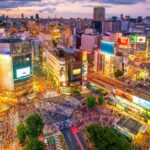
The route continues to Shibuya Crossing and the Hachiko statue. The crossing is famous for its wave of pedestrians moving in several directions at once, but it is also a busy city junction, not a staged show. I like that the itinerary pairs it with Harajuku and a shrine, rather than treating Tokyo as one long run of neon and shopping.
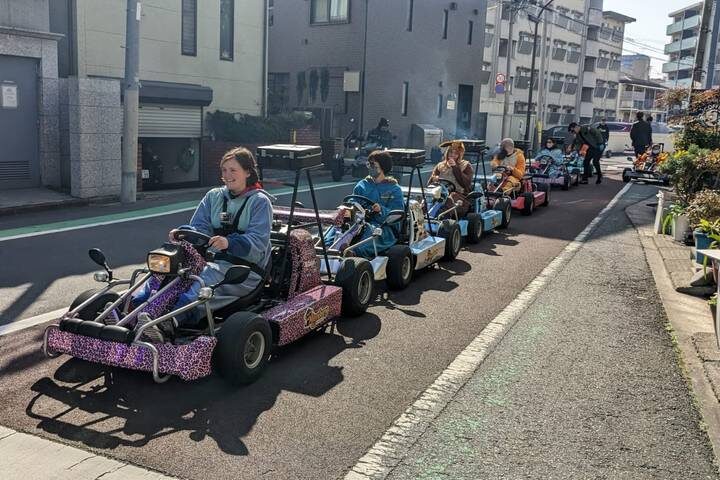
The afternoon is free. Kartoon Karting is offered as an optional activity, but it is not included in the tour price and transport for optional activities is not covered. If it appeals to you, check the booking requirements in advance: this activity must be pre-booked.
Day 3: Old shopping streets, Akihabara and Sensoji
Yanaka Ginza opens the day with a more everyday feel than the major Tokyo landmarks. Its shops and food stalls offer a look at a neighborhood shopping street, where you can browse at your own pace and pick up a snack. It is a welcome counterpoint to the city’s larger commercial centers.
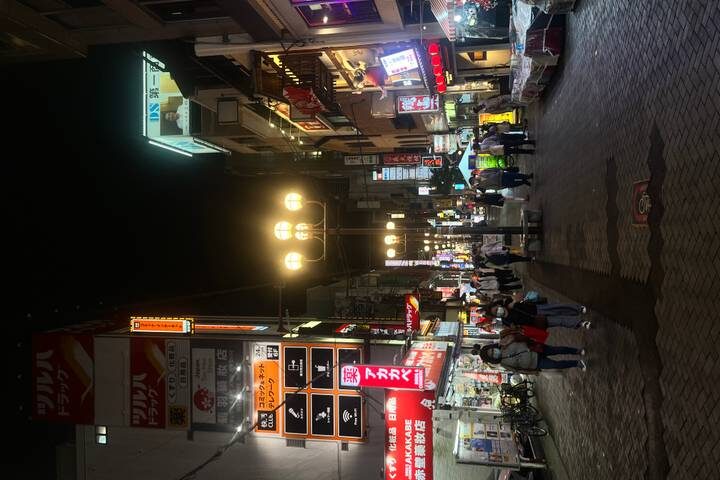
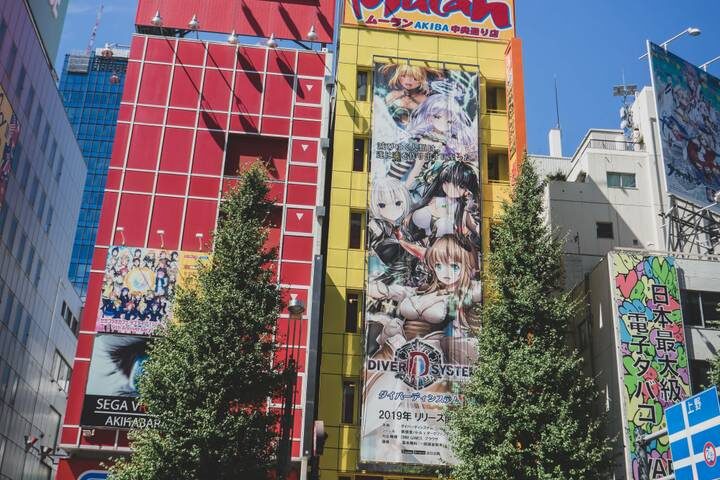
Then comes Akihabara, Tokyo’s Electric Town. Expect gaming arcades, anime shops and gadget stores, with time to challenge your group to a few games. A maid café is an optional extra for anyone curious about this distinctive part of Akihabara’s café scene. It is not for everyone, and there is no need to join in to enjoy the district.
In Asakusa, Sensoji Temple is the major stop. It is Tokyo’s oldest Buddhist temple, and Nakamise dori, the shopping street leading toward it, adds a lively approach lined with stalls. This is one of the busiest parts of the itinerary, so take time to look beyond the shops and notice the temple setting and the people coming to worship.
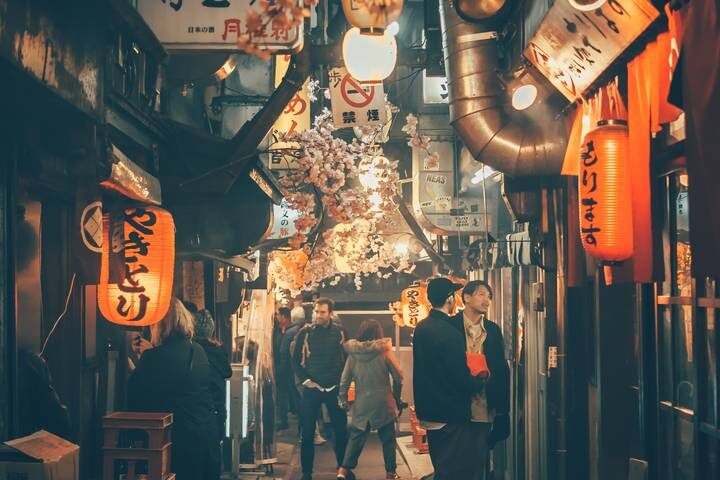
For the evening, you can book a sumo experience with dinner. It includes meeting former wrestlers, hearing about sumo traditions and eating chanko nabe, the hearty stew associated with sumo wrestlers. It must be booked in advance if you want to secure a place. The alternative is to explore on your own, with Hoppy Street suggested for izakayas and local drinks. That evening is independent, not a guided group activity.
Day 4: The Fuji viewpoint and Oshino Hakkai
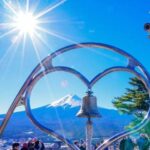
The day trip begins with a train from Shinjuku to Shimoyoshida. From there, the group heads toward Arakura Fuji Sengen Shrine, where a red pagoda and Mt Fuji can share the view. Reaching the viewpoint involves an uphill hike, so bring shoes you are comfortable walking in and be ready for a more active day than the city visits.
The famous Fuji view depends on the weather. Cloud cover can hide the mountain, and the tour cannot control visibility. That is worth keeping in mind if the photograph is your main reason for booking. Even without a clear view, the shrine and pagoda remain part of the visit, but the scene will not match the postcard version every day.
Next is Oshino Hakkai, a village known for its thatched-roof houses and clear spring ponds fed by Mt Fuji’s snowmelt. You have time to wander and stop for lunch before returning to Tokyo by train. The visit provides a rural contrast to the city, though it is a short stop rather than an overnight stay in the Fuji area.
This is not a Mt Fuji climbing tour. It does not include a summit attempt, a night near the mountain or a hot-spring stay. If your goal is to climb Fuji with a guide, you will need a different trip. Here, the mountain is a scenic day-trip destination.






Day 5: A simple farewell
The final morning is for saying goodbye and checking out of TenTen Guesthouse. There is no scheduled sightseeing, so plan onward travel around your own departure time. The short format makes this a tidy end to a Tokyo stay, but it leaves little room to recover missed stops or add a second day in the Fuji area.
What the price covers, and what it does not
The price starts at $1,164, based on the cheapest room option. That buys four nights of hostel accommodation, an English-speaking Adventure Leader, the listed group activities and local transport within Japan. That transport includes city trains and metros as well as the rail journey to and from the Fuji area.
The included meals are limited: one lunch, from the sushi class, and one dinner on the first night. Lunch in Oshino Hakkai is described in the schedule, but the overall meal inclusions list specifies one lunch and one dinner. Confirm the meal details for your departure before budgeting around that day. In any case, you should expect to pay for most breakfasts, lunches and dinners yourself.
International flights, travel insurance, airport transfers and transport for optional activities are also extra. Optional costs can add up if you choose both the karting and sumo dinner, so decide which experiences matter most before you book.
The standard accommodation is a shared dorm at TenTen Guesthouse in Asakusa. If sharing a room is not for you, twin, double and single room upgrades are available on request, subject to availability. A private room will increase your total cost, so check the price before comparing this trip with a hotel-based package.
Who should book this tour?
This trip suits adults who want a guided introduction to Tokyo, enjoy meeting a group and are happy with hostel-style lodging. It is particularly useful if you want help linking together neighborhoods that can feel spread out, while still having some independent time.
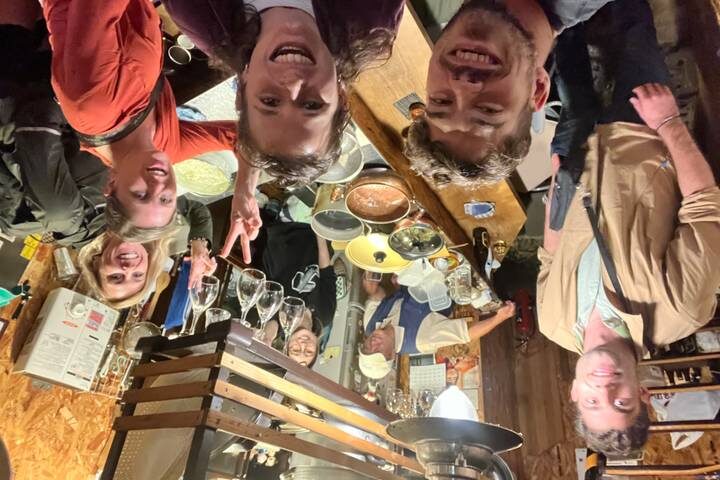
The mix of planned activities and free hours is a genuine strength. One recent July group had an Adventure Leader named Yuumi, and that group’s account emphasized the fun, social atmosphere and the chance to go off independently at times. Leaders can vary, but the structure gives an Adventure Leader room to share local recommendations while leaving you choices.
Look elsewhere if you want a slow-paced cultural tour, upscale accommodation, a Mt Fuji summit climb or most meals included. Five days is enough for a lively first look, not enough to explore Tokyo at leisure. If you can add extra days before or after the tour, you will have more room for museums, shopping or districts outside this route.
5-Day Japan Tour: Tokyo & Mt Fuji by The Dragon Trip
“Brilliant fun packed tour, with a fantastic tour leader Yuumi and great tour mates. The only thing I am upset about is that I didn't choose a longe…”
FAQ
Does this tour climb to the top of Mt Fuji?
No. It includes a day trip to the Mt Fuji area, with a visit to Oshino Hakkai and an optional hike to the Arakura Fuji Sengen Shrine viewpoint. It does not include a summit climb.
Where does the tour start and end?
It starts at TenTen Guesthouse in Asakusa, Tokyo, and ends with checkout from the same guesthouse on the fifth day.
What accommodation is included?
The standard option is a shared dorm room at TenTen Guesthouse in Asakusa for four nights. Twin, double and single room upgrades are available on request.
Which meals are included?
The tour includes one dinner on the first day and one lunch after the sushi-making class. Most other meals are not included.
Is local transport included?
Yes. Local transport within Japan is included, including city trains and metros and the trains between Shinjuku and Shimoyoshida. Airport transfers and transport for optional activities are not included.
What optional activities require advance booking?
Kartoon Karting and the sumo experience with dinner must be pre-booked. The Akihabara maid café can be arranged during the tour with the Adventure Leader.