Japan makes a fine first group trip: sleek trains carry you between Tokyo’s neon streets, Kanazawa’s old tea district, Kyoto’s temples and Hiroshima’s Peace Park. I like the strong mix of guided visits and open time, and the chance to sleep in a traditional Kanazawa ryokan rather than spend all nine nights in standard hotels.
The trade-off is comfort and pace. Five nights are in shared hostel dorms, and the ryokan uses futons and a gender-separated onsen. You’ll also walk a lot, manage your own luggage through stations and pay extra for most meals and optional sights.
- What makes this Japan route worthwhile
- Tokyo starts with a meeting, not a sightseeing sprint
- Kanazawa brings samurai history and a traditional inn
- Kyoto offers temples, craft and a useful extra day
- Hiroshima asks for time and attention
- Osaka ends with street food and neon
- What the id="section-0",780 starting price covers
- The guide and group shape the experience
- Prepare for stations, walking and shared rooms
- Should you book this tour?
- FAQ
- Is this tour limited to ages 18 to 35?
- Are bullet train tickets included?
- Does the tour visit Mount Fuji?
- Is accommodation in private rooms?
- Are meals included?
- Is the tour available in Spanish?
- Do I have to use the onsen?
- How much walking should I expect?
- The Best Of Tokyo!
- More Tours in Tokyo
- More Tour Reviews in Tokyo
- Not for you? Here's more nearby things to do in Tokyo we have reviewed
What makes this Japan route worthwhile
 1 / 10
 2 / 10
 3 / 10
 4 / 10
 5 / 10
 6 / 10
 7 / 10
 8 / 10
 9 / 10
 10 / 10
- Bullet trains link the main cities. Rail travel between Tokyo, Kanazawa, Kyoto, Hiroshima and Osaka is included, so you avoid arranging the long intercity journeys yourself.
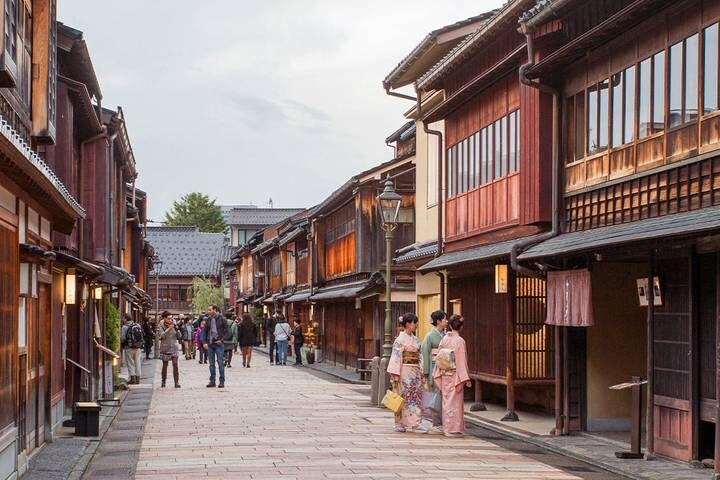
- Kanazawa adds a welcome change of scale. Its Higashi Chaya district, Samurai heritage, garden and seafood give the trip a quieter pause between Tokyo and Kyoto.
- Kyoto gets more than a quick photo stop. You have two nights, a Gion walk, a dyeing workshop and a visit to Fushimi Inari, plus time for your own temple choices.
- Hiroshima is treated as more than a day trip. The Peace Park, A-Bomb Dome and museum are followed by a separate day on Miyajima Island.
- The schedule leaves room for your own plans. Group visits provide structure, but several afternoons and evenings are free. Budget for local transport and activities during that time.
- The social setup is part of the deal. The tour is limited to ages 18 to 35 and groups of up to 16, with shared accommodation on five nights.

👉 See our pick of the 25 Best Guided Tours In Tokyo
Tokyo starts with a meeting, not a sightseeing sprint
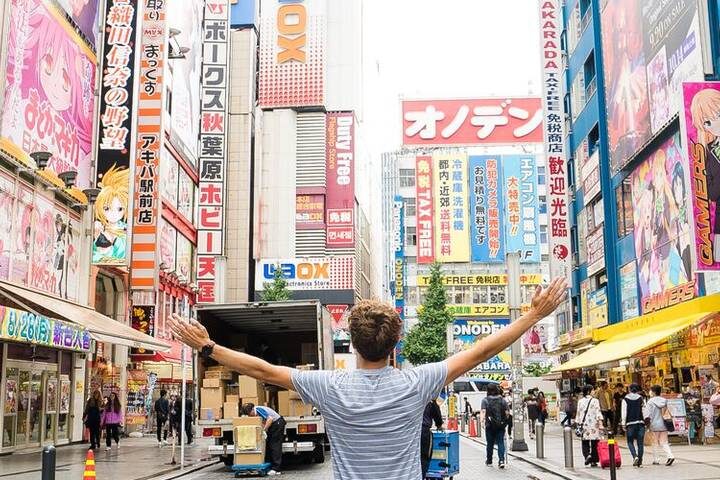
The trip begins with a 6 pm welcome meeting in Tokyo. If you arrive early, you can get your first temple visit in at Sensoji or walk around the Imperial Palace area. The Avatar Robot Cafe is another possible stop: its robot servers are operated by people with disabilities, helping employees who have difficulty leaving home work with customers.
The first full day takes you through Shibuya, Yoyogi Park, Meiji Jingu Shrine and Harajuku. Shibuya Crossing and the Hachiko statue are familiar sights, but the route also offers a useful introduction to Tokyo’s contrasts: packed streets, a large green park and the quiet approach to a Shinto shrine. A depachika, the food hall often found in a department store basement, is a practical lunch choice if you want to sample several Japanese dishes without committing to a full restaurant meal.
The afternoon and evening are open. You could visit Gotokuji Cat Temple, try yakitori in Omoide Yokocho or sing at karaoke. Tokyo is enormous, and two days barely scratch its surface. I’d consider arriving a day or two early if you want time for places such as the Ghibli Museum, Tsukiji Outer Market or a day trip toward Mount Fuji. Mount Fuji is not part of this tour.
You can also read our reviews of more tours and experiences in Tokyo.
Kanazawa brings samurai history and a traditional inn
A bullet train takes you from Tokyo to Kanazawa. After checking in, the day is free, so you can visit Kenroku-en Garden and nearby Kanazawa Castle Park, or save those for the next day. Kenroku-en is one of Japan’s best-known gardens, and it rewards a slow walk more than a hurried lap. Omicho Market and the Nagamachi Samurai District offer other ways to spend the time, with entry charges applying at some sites.
The group’s walking visit to Higashi Chaya explores a preserved district of narrow lanes and traditional teahouses. A tea ceremony may be available as an optional activity. The second afternoon is open, which gives you space to visit the 21st Century Museum of Contemporary Art, look for local seafood or simply take a breather.
Two nights are in a ryokan, a traditional Japanese inn. Expect futons on tatami rather than Western beds, compact facilities and communal bathing in a gender-separated onsen. This can be a memorable cultural change, but it is not the right setup for everyone, particularly if getting up from a floor mattress is difficult. Tattoos may also prevent entry to public onsens. Ask the leader about etiquette and quieter bathing times if you want more privacy.
Kyoto offers temples, craft and a useful extra day
The train journey from Kanazawa to Kyoto passes through the Japanese Alps. Kyoto was Japan’s imperial capital for centuries, and its many temples and shrines make choices essential. The tour gives you two nights, an advantage over a route that simply drops in for a few hours.
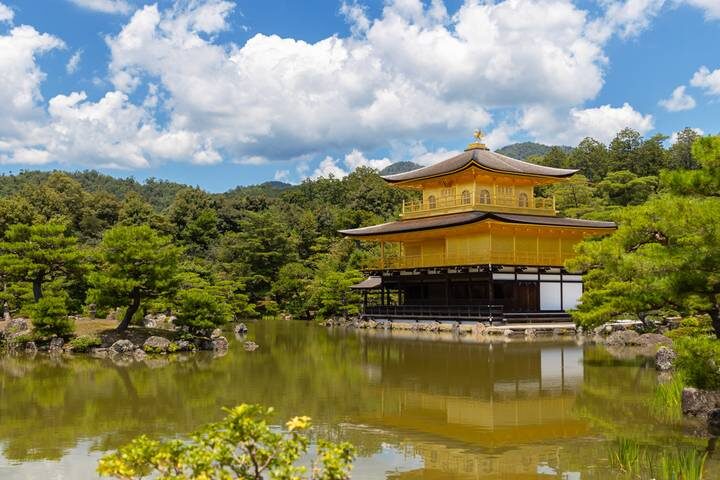
On arrival, your time is mostly your own until the evening Gion walk. You might choose Kinkaku-ji, the Golden Pavilion, or Nijo Castle, famous for floors designed to squeak as a warning against intruders. Kiyomizu-dera and the Imperial Palace are other options, but distances matter: Kyoto’s bus network is useful, yet fitting several far-flung sights into one afternoon can turn into a race.
The next day pairs a Kyo-Yuzen dyeing workshop with a visit to Fushimi Inari-Taisha. At the workshop, you use stencils and hand-painting techniques associated with Kyoto’s historic textile craft to decorate an item such as a handkerchief, phone case or tote bag, depending on availability. It gives you a hands-on activity and a small souvenir that is more personal than a shop purchase.
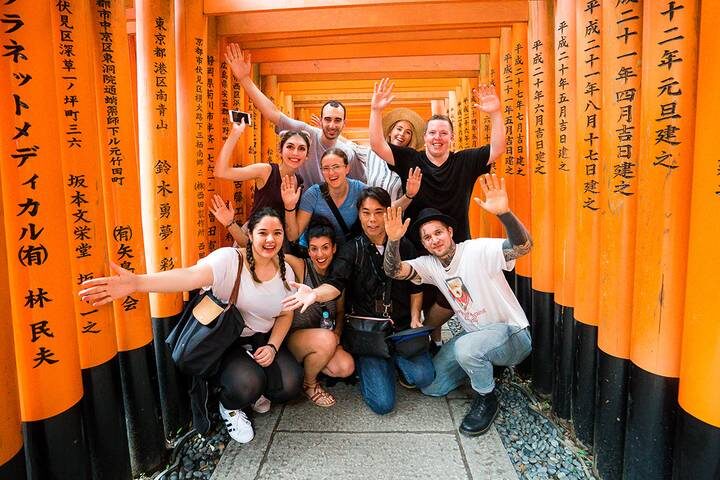
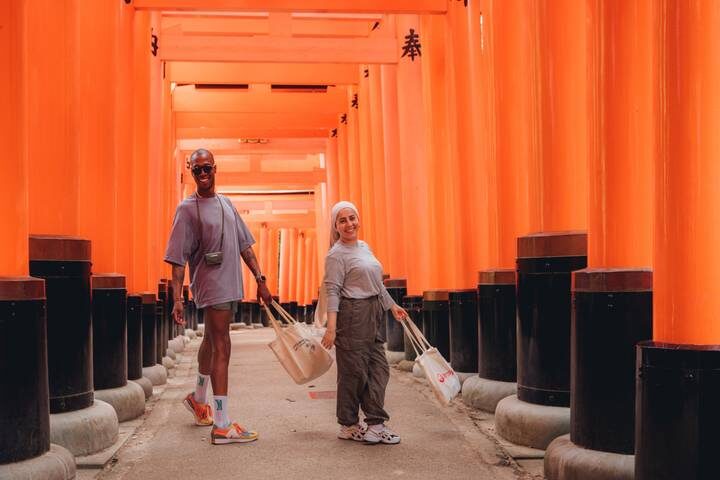
At Fushimi Inari, the path climbs through wooded hills beneath rows of red torii gates. You can walk as far as your time and energy allow, rather than treating the site as a quick stop. The rest of the afternoon is free. For dinner, try Kyoto cuisine or graze through Nishiki Market, keeping in mind that food is largely at your own expense.
Hiroshima asks for time and attention
The bullet train brings you to Hiroshima, where the leader takes the group to Peace Park, the A-Bomb Dome and the Peace Museum. The visit focuses on the bombing of August 6, 1945, its destruction and the city’s recovery. Allow yourself some quiet time afterward. This is an emotionally weighty stop, and the free afternoon gives you room to reflect rather than rush straight into another group activity.
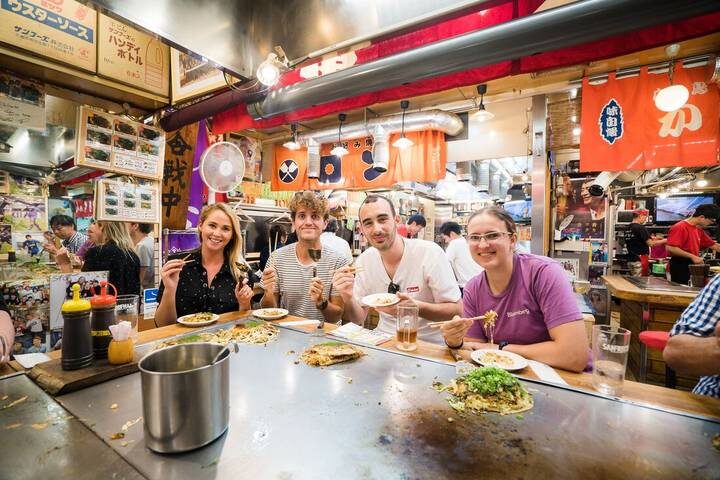
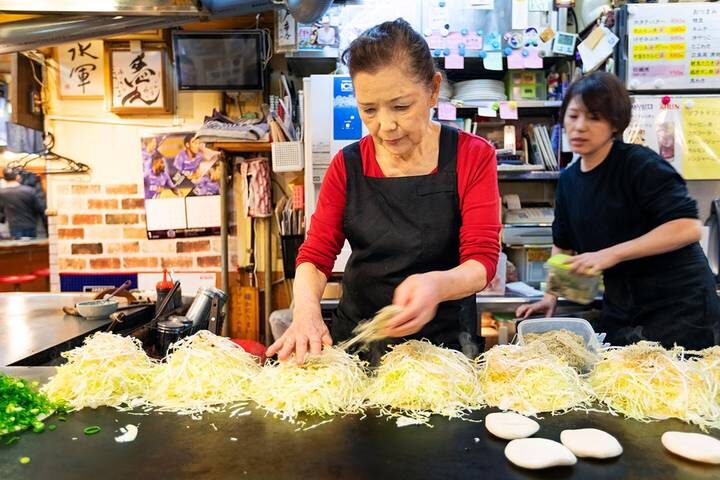
Hiroshima’s local food offers a different kind of history. Okonomiyaki, a savoury pancake with cabbage and meat or seafood, is cooked on a hotplate and makes a satisfying dinner. The single included dinner on the trip is listed for the Osaka portion, so plan to cover your own meals here.
The following day takes you by local train and ferry to Miyajima Island. Itsukushima Shrine and the torii gate that appears to float at high tide are the main draws. You can also hike up Mt Misen for views over the Inland Sea. The walk adds effort to an already active trip, so check the time and your energy before setting out. Deer roam the island and may approach in search of food, so keep snacks packed away.
Osaka ends with street food and neon
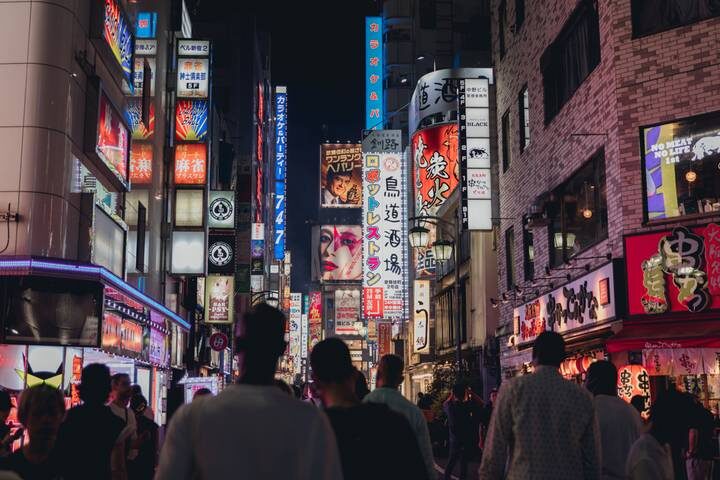
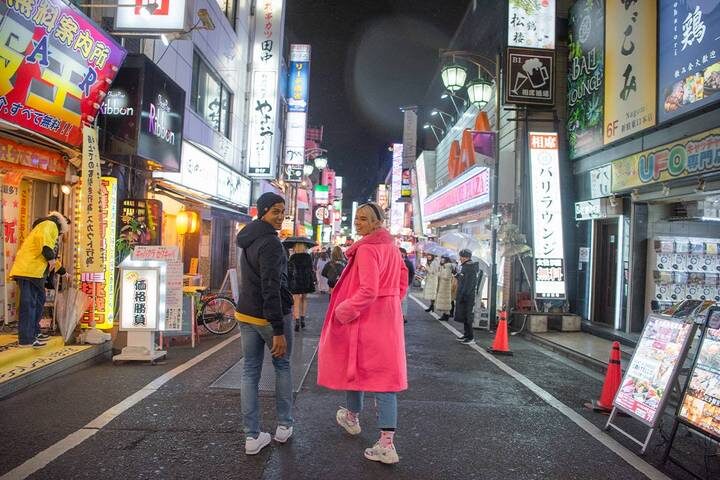
A bullet train takes the group to Osaka for the final night. The leader-led Dotonbori walk introduces a district of restaurants, shops and bright signs, with Shinsekai and Tsutenkaku Tower another possible stop if time allows. Osaka’s food reputation is well earned: look for takoyaki, grilled octopus bites, or kushikatsu, deep-fried skewers. The included dinner is on this day.
You can also consider Osaka Castle, Spa World or Universal Studios, but the tour ends the next morning. There are no scheduled activities on Day 10, and you may check out and leave at any time. If you want a full Osaka day, add a night after the tour rather than trying to fit major attractions into the arrival evening.




What the $1,780 starting price covers
The starting price is attractive for a 10-day, multi-city trip, especially because it includes the intercity bullet trains, local public transport for planned activities, a group leader and several key visits. Included stops include Meiji Jingu, Shibuya, Higashi Chaya, Gion, Fushimi Inari, the Hiroshima Peace Park and museum, Miyajima, and Dotonbori. The dyeing workshop is also included.
But this is not an all-inclusive holiday. Only one dinner is included, and most lunches, other dinners, optional admissions and free-time transport are extra. The listed optional costs range from a few hundred yen for certain temple or garden entries to much more for theme parks and paid city tours. Build a realistic daily food and activity budget, especially if you plan to see several paid attractions.
Accommodation is a major part of the value calculation. The package includes five nights in multishare hostel rooms, two nights in a ryokan and two nights in basic twin-share hotels. Dorm rooms are single-gender, so people on the same booking may be assigned to separate rooms. If you want a private room throughout, confirm what options are available before booking rather than assuming one is included.
The guide and group shape the experience
The tour is guided in English, with a group leader who handles logistics, offers local suggestions and helps you get around. Group size is capped at 16, which is small enough to make station transfers and group walks manageable without turning every meal into a large excursion. The leader is not necessarily a specialist guide at every museum or historic site, so use free time to seek deeper explanations if a particular subject matters to you.
Guide quality can vary by departure. Past leaders have included Tomomi, Takumi, Yutaka and Benjamin, but no particular person is guaranteed. Strong leaders have helped groups navigate transit, find local food and make the trip feel easy; a less practiced leader can make station changes and basic orientation less smooth. The route itself is well structured, but the human element matters.
The balance of planned activities and independent time is one of the trip’s real strengths. You get company and practical support without being led from breakfast to bedtime. That flexibility also means you need to stay engaged: check train times with your leader, keep track of your own spending and make decisions about how to use the open hours.
Prepare for stations, walking and shared rooms
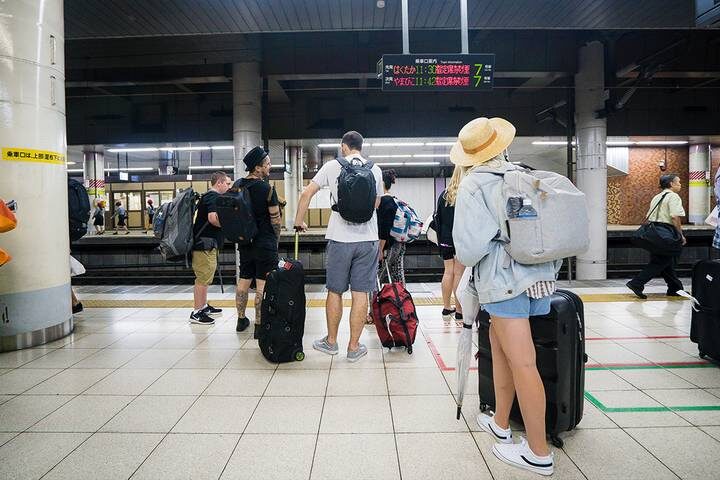
The tour is rated low intensity, but that label should not be mistaken for little walking. Japan is explored on foot and by public transport, and busy stations can mean stairs, crowds and carrying your own luggage. Comfortable shoes and a light bag will make a genuine difference. The route moves cities several times, so pack for train travel rather than bringing a large case you dislike lifting.
The accommodation can involve small bathrooms, shared bathing facilities and limited room furniture. Traditional inns may have curfews and room-specific customs, including changing into slippers. The leader explains onsen etiquette, but public baths involve bathing naked with people of the same gender. If you do not want to use an onsen, you can skip it, though the tour does not promise a replacement activity or refund.
This trip is strictly for ages 18 to 35. It suits solo travelers and friends who want a built-in social group, are comfortable with dorms and enjoy having some plans made for them while keeping much of the day flexible. It is less suited to anyone seeking private accommodation, extensive included meals, a leisurely pace or a Mount Fuji visit.
Should you book this tour?
I’d choose this tour if you want a first, practical route through Japan’s major cultural stops and value the ease of included rail travel, a local leader and a small age-specific group. The combination of Kyoto, Hiroshima and Miyajima is especially strong, and Kanazawa adds variety beyond the best-known cities.
Book with clear expectations: the price is a starting point, dorms are part of the accommodation mix, and free time means extra planning and spending. Arrive early in Tokyo or stay on in Osaka if you can. Those extra days will give the two cities room to breathe and make this 10-day introduction feel less like a checklist.
18 to 35s Essential Japan 10-Day Tour by Intrepid Travel
“Loved our guide Benjamin, itinery was great as per price, had heaps of fun and created hundreds of memories, would love to go again to Japan”
FAQ
Is this tour limited to ages 18 to 35?
Yes. The tour is designed for people aged 18 to 35, and the age range is strict. The operator says it cannot book people outside that range on this trip.
Are bullet train tickets included?
Yes. Bullet train travel between the cities on the route is included in the tour price, along with the listed public transport used for group activities.
Does the tour visit Mount Fuji?
No. Mount Fuji is not included. You can arrive in Tokyo early and arrange a separate day trip independently.
Is accommodation in private rooms?
Not throughout. The package includes five nights in multishare hostel accommodation, two nights in a traditional ryokan and two nights in basic twin-share hotels. Single-gender dorm arrangements may separate people travelling on the same booking.
Are meals included?
One dinner is included. Most other meals are not, so budget for lunches, dinners and snacks during the trip.
Is the tour available in Spanish?
No. The tour is guided in English.
Do I have to use the onsen?
No. Onsen bathing is part of the traditional ryokan experience, but you can choose not to participate. The tour does not guarantee an alternative activity or a refund for skipped included activities.
How much walking should I expect?
Plan to spend much of each day on your feet and to carry your luggage through busy stations. Comfortable shoes and packing light are recommended.