Japan’s spring route here packs a lot into ten days: Tokyo parks, Mount Fuji views, Kyoto temples, Nara’s deer and Hiroshima’s peace memorials, with Osaka as your final stop. The appeal is not just the famous sights. Hotels and key transport are arranged, so you can spend less time stitching together a complicated first trip.
I like two things in particular: the contrast between Fuji and Hakone’s volcanic scenery and the historic streets and shrines of Kyoto, and the chance to reach Hiroshima and Miyajima by bullet train without planning those rail connections yourself. For a first visit, that mix offers a useful sample of Japan’s very different regions.
One consideration: this is only partly guided. Some days are free for you to plan, and the cherry blossoms are seasonal rather than guaranteed. The tour runs year-round, so check your dates against the regional bloom windows before booking.
- At a glance
- How the ten-day route fits together
- Tokyo’s shrine paths and spring parks
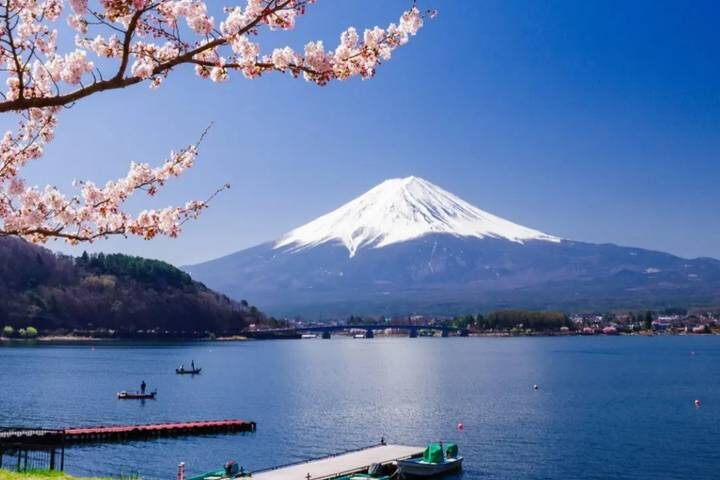
- Lake Kawaguchi and the Mount Fuji view
- Hakone’s lake, ropeway and volcanic valley
- Kyoto’s temples, old streets and open day
- Arashiyama’s bamboo, gardens and river railway
- Fushimi Inari, sake and Nara’s deer
- Hiroshima’s memorials and the meaning of the visit
- Miyajima’s shrine and the return to Osaka
- What the price includes, and what it does not
- Cherry blossom timing and practical planning
- Who should book this Japan route?
- FAQ
- Where does the tour start and end?
- How long is the tour?
- Are international flights included?
- How many breakfasts are included?
- What kind of accommodation is provided?
- Is the tour guided throughout?
- What transport is included?
- When can I expect to see cherry blossoms?
- The Best Of Tokyo!
- More Tours in Tokyo
- More Tour Reviews in Tokyo
- Not for you? Here's more nearby things to do in Tokyo we have reviewed
At a glance
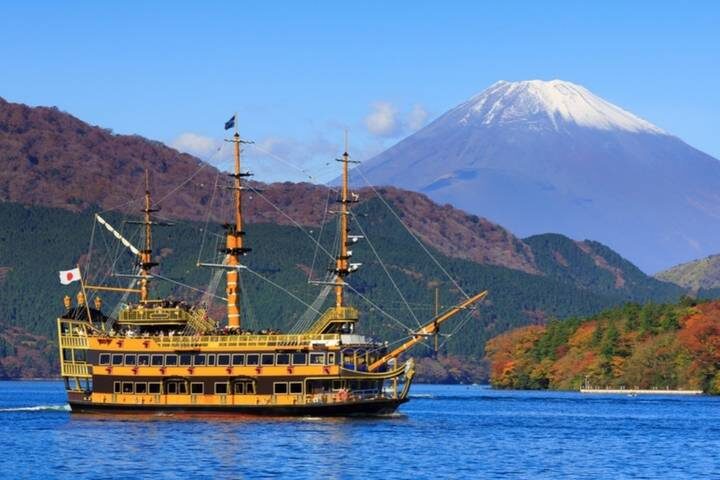
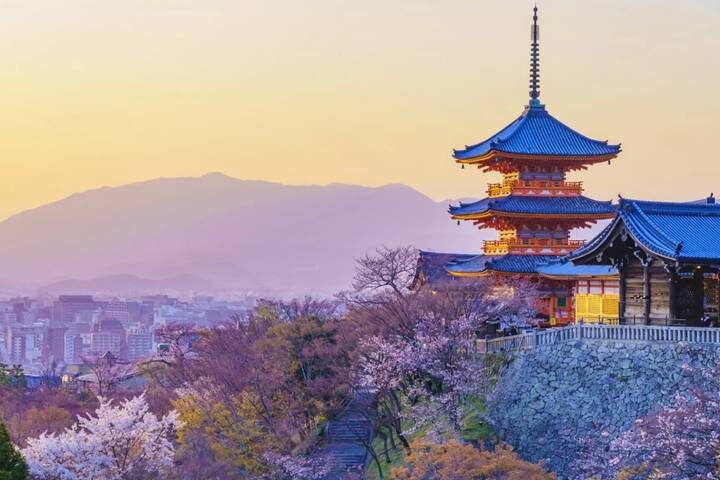
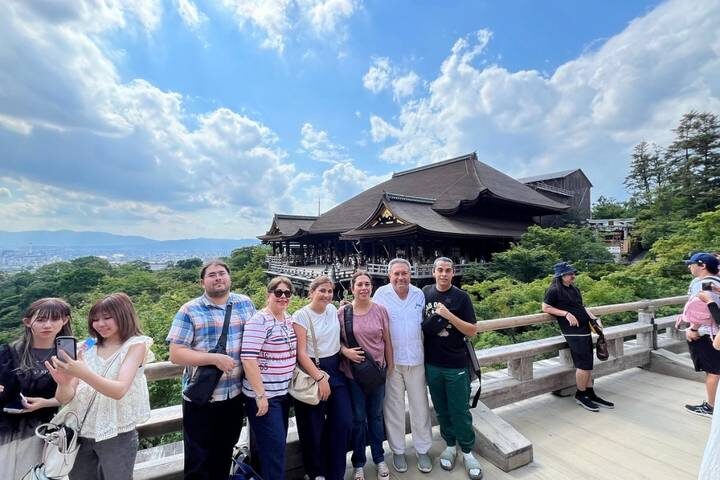
- Fuji country in two distinct settings: Lake Kawaguchi gives you a classic view of the mountain, while Hakone adds a lake cruise, a ropeway and Owakudani’s steaming volcanic ground.
- Kyoto gets three nights: You have time for an independent day around Kiyomizu-dera and a separate guided visit to Arashiyama.
- A strong day trip pairing: Fushimi Inari’s red gates and Nara’s Todaiji Temple and deer make for a full day of shrines, sake culture and outdoor wandering.
- Two thoughtful days beyond the usual city circuit: Hiroshima’s peace sites are followed by Miyajima’s Itsukushima Shrine and its famous torii gate.
- Partly guided, not escorted every step: Selected excursions have an English-speaking guide, while free days are yours to arrange.
- Nine hotel nights and nine breakfasts: Three-star hotels and several major transport links are included; international flights and optional extras are not.

👉 See our pick of the 25 Best Guided Tours In Tokyo
How the ten-day route fits together
The tour begins in Tokyo and ends in Osaka, with nine hotel nights along the way: two in Tokyo, one near Mount Fuji, three in Kyoto, one in Hiroshima and two in Osaka. The route covers a lot of ground, but the included train journeys help make the long jumps manageable.
The structure suits you if you want the main arrangements handled but still like some freedom. It is not a fully escorted coach tour: Tokyo’s second day and Kyoto’s first full day are open, while guided visits appear on selected parts of the trip. Confirm which excursions are guided for your departure, since you should not expect a guide beside you throughout all ten days.
You can also read our reviews of more tours and experiences in Tokyo.


Tokyo’s shrine paths and spring parks
On arrival, a private car takes you from the airport to your Tokyo hotel, Dormy Inn Akihabara Hot Spring. That transfer is a welcome practical touch after a long flight, especially if you are still getting used to Japanese train stations and city connections. Breakfast is included, and the hotel is rated three stars.
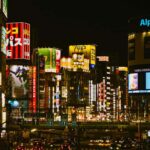
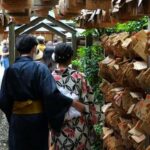
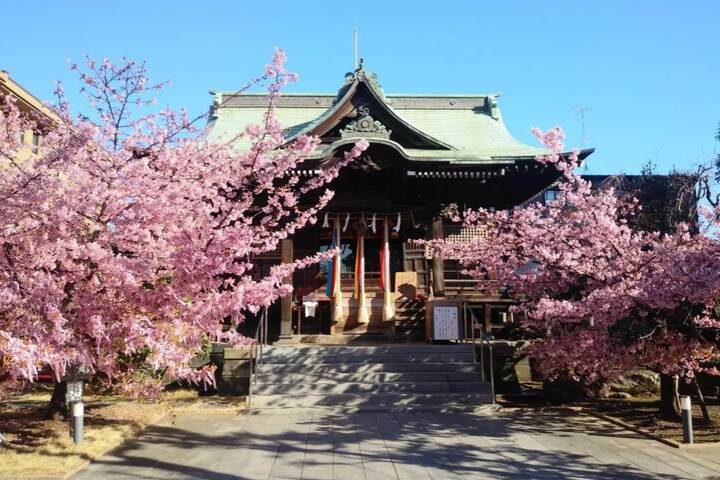
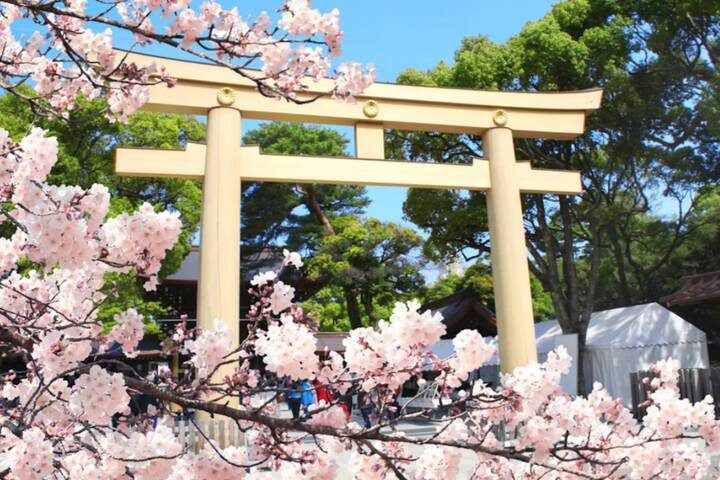
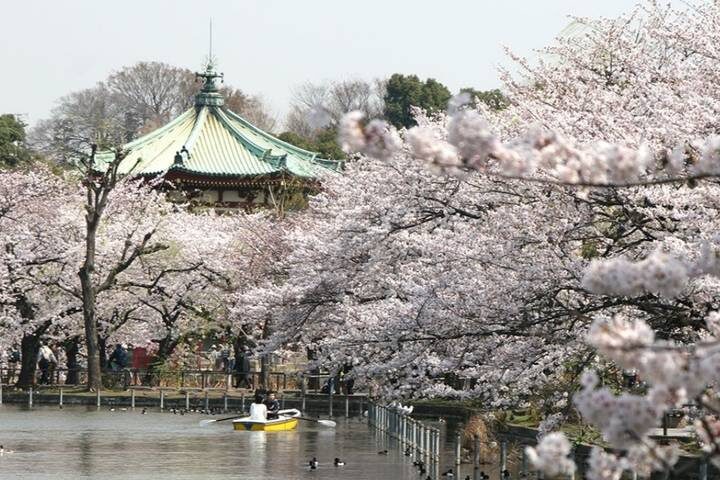
Your second day is free. Meiji Jingu Shrine offers a calm change of pace from the city’s busy streets, with its connection to Emperor Meiji and Empress Shoken. For cherry blossoms, Shinjuku Gyoen and Ueno Park are the main suggestions. Ueno also has a zoo and several museums, so you can make a day of it even if blossoms are not at their best.
This freedom is useful, but it means you’ll need to choose and navigate your own day. You might focus on one park and one neighborhood rather than trying to cross Tokyo several times. The tour supplies a framework, not a personal schedule for this day.
Lake Kawaguchi and the Mount Fuji view
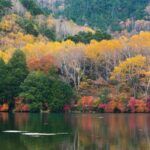
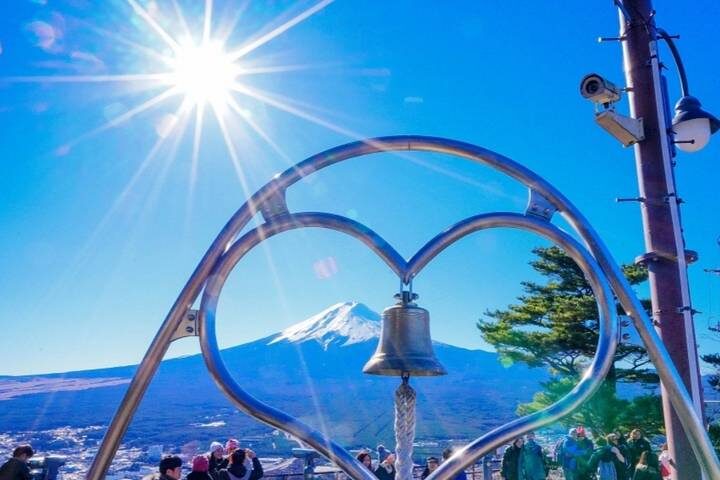
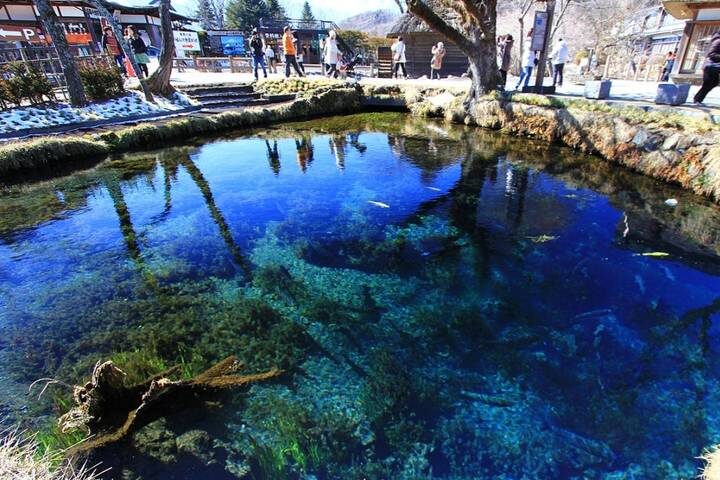
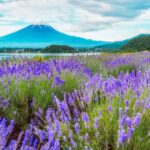
Day three brings you to Fujikawaguchiko, where Lake Kawaguchi and the Mt. Fuji Panoramic Ropeway set up the classic mountain-and-lake view. The ropeway climbs to Kawaguchiko Tenjozan Park, with observation points overlooking the lake and, when conditions allow, Mount Fuji. The tour also visits Oshino Hakkai, a village known for eight clear springs fed by water filtered through old lava.
This is one of the route’s highlights, and the overnight stay at HOTEL MYSTAYS Fuji Onsen Resort gives you more than a quick photo stop in the area. The town has hot springs and museums, and a sightseeing boat is available as an optional extra. Those add-ons cost more, so check your travel documents if you want to include them.
Mountain views depend on what the weather allows. Keep expectations flexible, and treat the springs and lakeside setting as worthwhile stops in their own right rather than making the whole day hinge on a clear view of Fuji.
Hakone’s lake, ropeway and volcanic valley
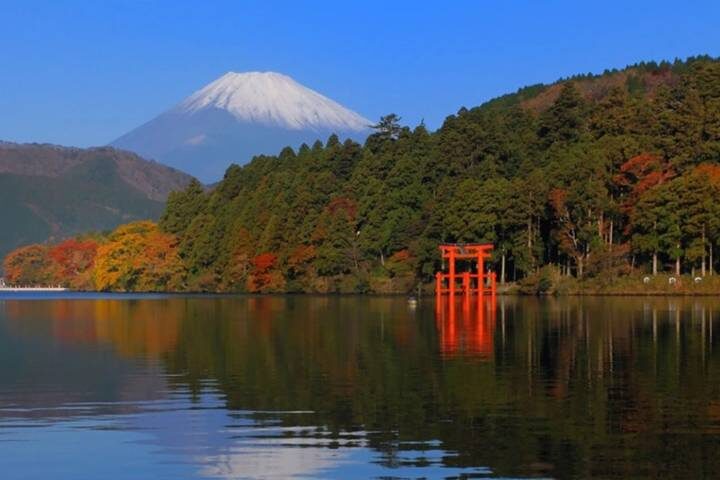
The next day strings together several different ways of seeing Hakone. You ride the Hakone Pirate Ship across Lake Ashino, take the Hakone Ropeway toward Owakudani, and visit the volcanic area, where sulfurous steam rises from the ground. The route also includes Mishima Skywalk, a 400-meter suspension bridge with views toward Mount Fuji and Suruga Bay.
At Owakudani, black eggs are sold as a local specialty. The story that eating one adds seven years to your life is folklore, not a health plan, but the unusual volcanic setting makes a stop here memorable. After the day’s sightseeing, a Shinkansen ticket takes you from Odawara to Kyoto.
There is a lot packed into this day, followed by a train journey and hotel check-in. At Kyoto Station, you make your own way to Hotel Elcient Kyoto Hachijoguchi. That is a small but useful detail to keep in mind: the tour arranges the intercity train, but does not promise a private transfer from the station to the hotel.
Kyoto’s temples, old streets and open day
Kyoto gets three nights, a sensible amount for a first visit, though you will still have to make choices. The first full day is free for you to plan. Kiyomizu-dera, a UNESCO-listed temple with a broad view over the city, pairs naturally with nearby Yasaka Shrine and Hanamikoji Dori. You can use taxis or public transport, as the tour does not set a fixed schedule for this day.
The value of an unscheduled day is flexibility: you can linger at a temple, add a meal or adjust your plans to suit your energy. The trade-off is that you need to manage your own routes and entry costs for optional sights. If Kyoto is high on your list, it is worth deciding in advance which places matter most to you.

Arashiyama’s bamboo, gardens and river railway
A guided walking tour takes you through Arashiyama, a district known for its temples, landscaped grounds and mountain setting. You visit Tenryuji Temple and its gardens, then ride the Sagano Scenic Railway along the Hozugawa River through forested hills. The route also includes the Sagano Bamboo Forest, Togetsukyo Bridge and Okochi-Sanso, a traditional villa with a teahouse.
The mix makes this more than a quick bamboo-forest photo stop. The railway gives you a different view of the area, while Tenryuji and Okochi-Sanso add quieter, more carefully shaped spaces to the day. Arashiyama can be busy around its best-known sights, so having a set walking route helps you use your time.
Fushimi Inari, sake and Nara’s deer
Day seven begins at Fushimi Inari Shrine, where thousands of red torii gates line paths into the wooded Mount Inari. You do not have to hike the whole mountain to get a sense of the place, but allow time to walk beyond the main buildings if you want to see how the gates continue into the forest.
Next comes the Gekkeikan Okura Sake Museum, with an introduction to Fushimi’s brewing traditions and a sake tasting. The day then moves to Nara Park, where deer roam freely, and Todaiji Temple, founded in 752 and home to the great hall known as the Daibutsuden.
The deer are part of the fun, but they are still animals, not tame props. Deer crackers are sold in the park, and some deer have learned to bow for food. Keep food put away unless you intend to feed them, and do not tease them with it. After this day, you stay at Best Western Plus Hotel Fino Osaka Kitahama, shifting the trip’s base from Kyoto to Osaka.
Hiroshima’s memorials and the meaning of the visit
A bullet train takes you from Kyoto to Hiroshima, where a guide accompanies you by public transport to the Atomic Bomb Dome, Peace Memorial Park and Peace Memorial Museum. The park’s lawns, trees and paths create room for reflection in the middle of the city. The museum uses photographs, models and recovered objects to explain the bomb’s effects, and also addresses Japan’s wartime actions in Asia.
This is a weightier day than the temples and scenic stops, and it deserves time and attention. The museum can be emotionally difficult, but its historical context makes the visit more than a quick stop at a memorial. You stay overnight at Hotel Intergate Hiroshima, avoiding the need to return to Osaka the same evening.
Miyajima’s shrine and the return to Osaka
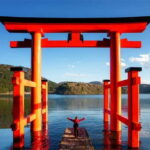
The following day takes you to Miyajima, officially named Itsukushima. Itsukushima Shrine is known for its torii gate, which appears to float when the tide covers the ground around it. The island also has deer accustomed to people, but unlike in Nara, you must not feed them.
After visiting the island, you travel back to Osaka by train. This makes for another substantial day of sightseeing and transport, but it also gives the trip a fitting change of scene after Hiroshima: a peaceful island setting and a celebrated shrine before your final night in the city.
Your last night is at Best Western Plus Hotel Fino Osaka Kitahama. On day ten, a private transfer takes you to Kansai International Airport. The tour ends in Osaka, so you will need to arrange separately if you plan to return to Tokyo or continue elsewhere in Japan.
What the price includes, and what it does not
The advertised starting price is $4,663. For that, the package includes nine hotel nights, nine breakfasts, selected guided visits, listed train journeys and cruises, private airport transfers at the start and end, and basic insurance during the tour services. International flights are not included, and optional activities may carry extra charges.
The value lies mainly in having hotels and several important transport links arranged across a route that spans Tokyo, the Fuji area, Kyoto, Hiroshima and Osaka. That can be especially helpful if this is your first visit and you would rather not plan every station transfer and long-distance rail leg yourself. It is not an all-meals package: you are on your own for lunch and dinner, and two days are open for independent sightseeing.
Accommodation is based on two people sharing. If you want your own room, a single supplement applies. The hotels are all listed as three-star properties, and the operator describes them as centrally located with access to transport and nearby restaurants. Compare the starting price with your exact dates and room arrangement, and check what any optional experiences add to the total.
Cherry blossom timing and practical planning
The tour runs year-round, but the bloom windows differ by region. The stated ranges are late March to early April for Kanto and Kansai, early to mid-April for central Japan, and late March to mid-April for Honshu overall. Kyushu is listed as mid- to late March, though it is not part of this itinerary.
Because the route crosses several regions, one departure date may not line up equally well with blossoms everywhere. Check the dates for Tokyo, Fuji country and Kyoto rather than assuming the whole trip will be pink. If blossoms are your main reason for booking, ask UME Travel what is expected in each stop for your chosen departure.
The physical rating is low intensity, but you should still expect walking at temples, parks, shrines and stations. Dietary needs also deserve advance attention: the operator notes that vegan and other strict requirements can be difficult to meet in Japan, and some meals may need to be arranged independently. Contact the company before booking if you have a strict diet.
Who should book this Japan route?
I’d consider this tour if you are visiting Japan for the first time, want the big regional highlights and value having hotels and key rail journeys arranged. The route combines Fuji scenery, Kyoto’s temples, Nara, Hiroshima and Miyajima in a way that is hard to plan casually in just ten days. An English-speaking guide on selected visits can also help make cultural and historical stops easier to follow.
I would look elsewhere if you want a guide with you every day, plenty of unscheduled time, or a slow stay in each city. The schedule covers a lot of ground, and some days combine sightseeing with long train travel. For a first-timer who wants a broad introduction and can handle a few independent days, the balance is appealing. Book for the route and the logistics, and treat cherry blossoms as a seasonal possibility rather than a promise.
10 Day Southern Japan Cherry Blossom Festival by UME Travel
“If you are excited to see the cherry blossoms in Japan, you will love the Southern Japan Cherry Blossom Festival tour that is offered. We had never…”
FAQ
Where does the tour start and end?
It starts in Tokyo and ends in Osaka. A private transfer is provided from the airport to your Tokyo hotel on arrival and from Osaka to Kansai International Airport on departure.
How long is the tour?
The tour lasts ten days and includes nine hotel nights.
Are international flights included?
No. International flights are not included in the tour price.
How many breakfasts are included?
Nine breakfasts are included. Lunches and dinners are not listed as included.
What kind of accommodation is provided?
The tour uses three-star hotels: Dormy Inn Akihabara Hot Spring in Tokyo, HOTEL MYSTAYS Fuji Onsen Resort near Mount Fuji, Hotel Elcient Kyoto Hachijoguchi in Kyoto, Hotel Intergate Hiroshima in Hiroshima, and Best Western Plus Hotel Fino Osaka Kitahama in Osaka.
Is the tour guided throughout?
No. It is partially guided, with an English-speaking local guide on selected visits. Tokyo’s second day and Kyoto’s first full day are free for you to arrange independently.
What transport is included?
The package includes listed internal trains and cruises, a Shinkansen journey from Odawara to Kyoto, and private transfers between the airport and hotels at the start and end. Some city visits use public transport, and you make your own way from Kyoto Station to the hotel after arriving from Odawara.
When can I expect to see cherry blossoms?
The stated windows are late March to early April in Kanto and Kansai, early to mid-April in central Japan, and late March to mid-April across Honshu. The tour runs year-round, so check your exact dates and do not assume blossoms will be present on every departure.