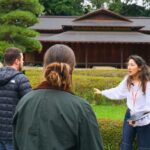
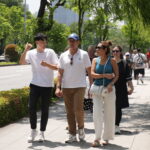
Shinjuku Gyoen offers a rare change of pace in central Tokyo: a large garden where Japanese design sits alongside English and French styles. This two-hour guided walk takes in four areas of the grounds, with stops that include the Mother and Child Woods and a traditional tea house.
I like the mix of garden styles and seasonal views, and the guide’s historical context can give the walk more meaning than a solo stroll. I also like that the route ends near JR Sendagaya Station, rather than sending you back to the starting point.
One thing to plan for: park admission is not included in the stated tour price, and confusion over who pays has caused trouble before. Bring cash for the listed JPY 500 adult entry fee, and confirm the admission arrangement when you book.
- At a glance
- A garden break in the middle of Tokyo
- From Shinjuku Gyoen-mae to the garden gates
- Four garden areas, with different moods
- Cherry blossoms, autumn leaves, and the tea house
- What a two-hour guided walk adds
- The price, and what you get for it
- A practical plan for the walk
- Finishing near Sendagaya Station
- Should you book this Shinjuku Gyoen tour?
- FAQ
- How long is the Shinjuku Gyoen walking tour?
- Where does the tour start?
- Where does the tour end?
- Is Shinjuku Gyoen admission included?
- What does the tour include?
- What areas and sights are part of the walk?
- What should I bring?
- Can I bring food or drinks into the garden?
- Are children charged the same price as adults?
- Is the tour recommended for people with health conditions or disabilities?
- The Best Of Tokyo!
- More Walking Tours in Tokyo
- More Tours in Tokyo
- More Tour Reviews in Tokyo
- Not for you? Here's more nearby things to do in Tokyo we have reviewed
At a glance
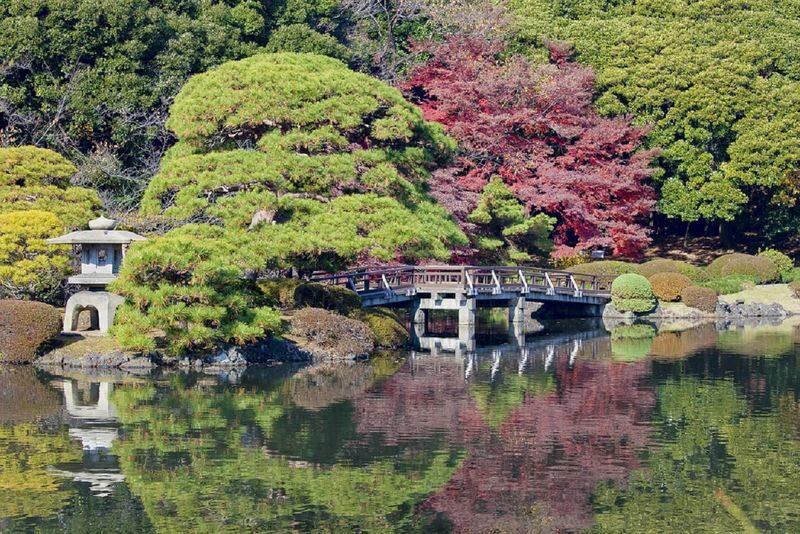
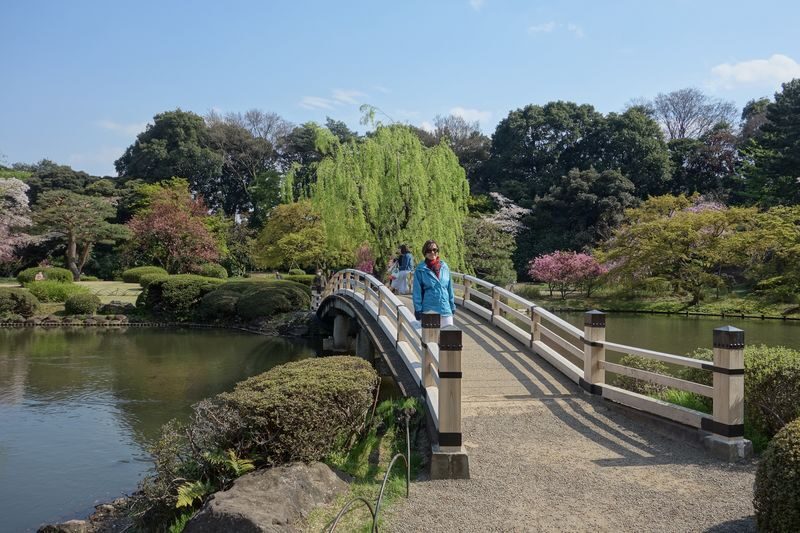
- Four areas, one garden walk: The route explores the North, West, East, and South areas of Shinjuku Gyoen.
- A Japanese tea house and Mother and Child Woods: These give the walk cultural and natural points of interest beyond flower viewing.
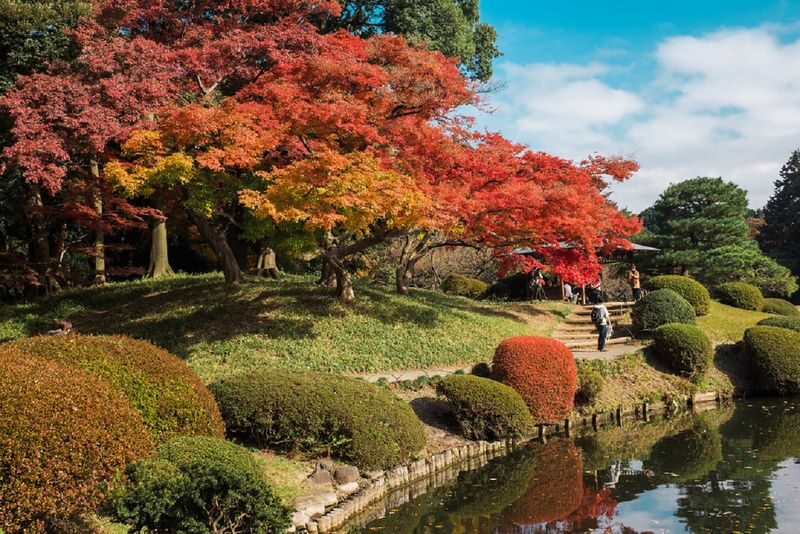
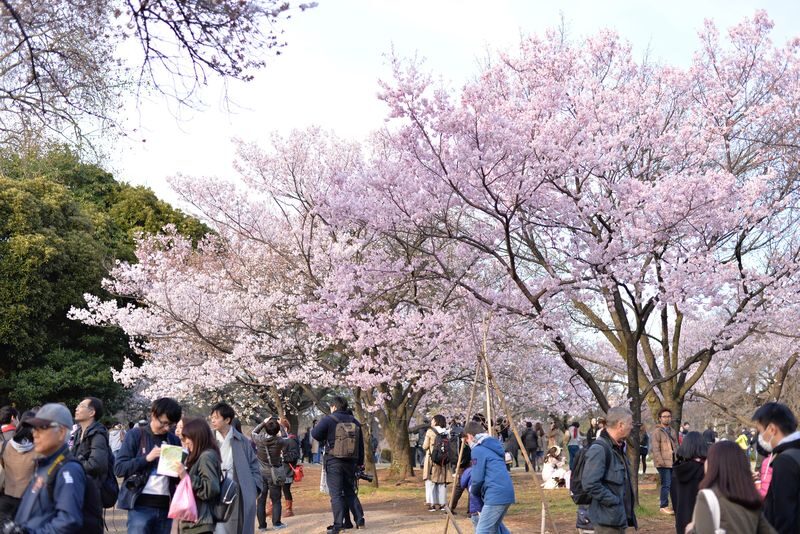
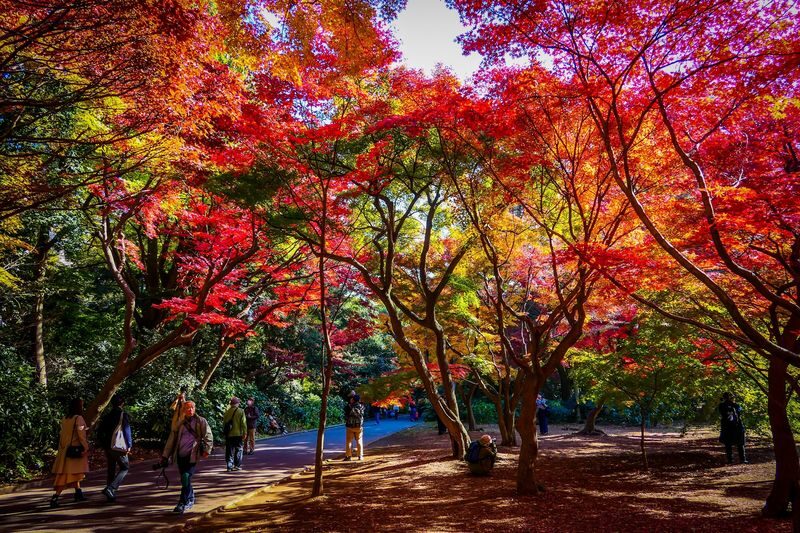
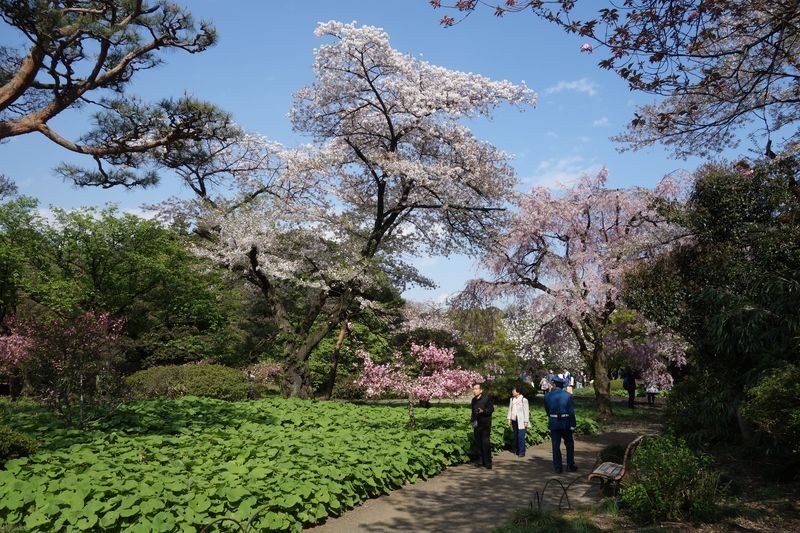
- Seasonal color changes: Spring is known for cherry blossoms, while autumn brings red leaves.
- Two hours on foot: Wear comfortable shoes, and expect the tour to run in rain or shine.
- A one-way finish: The walk ends at JR Sendagaya Station, near the garden’s southern exit.
- Admission costs extra: The adult park fee is JPY 500, about US$3.50, payable at the entrance.

👉 See our pick of the 25 Best Guided Tours In Tokyo
A garden break in the middle of Tokyo
Shinjuku Gyoen is a welcome place to slow down. Tokyo can ask a lot of your senses, with crowded streets, trains, signs, and constant movement. Inside the garden, the focus shifts to paths, trees, and carefully arranged views. The contrast is part of the appeal: you are not heading far from the city, but the pace changes.
The garden’s past adds another layer. It began as a feudal lord’s residence and later became an Imperial garden. Today, its Japanese, English, and French styles sit within the same grounds. A guide can help you notice what changes from one area to the next, rather than treating the whole visit as one long green space.
The tour is designed for people who want a guided introduction without giving up half a day. It lasts two hours and covers the North, West, East, and South areas. That gives you a broad look at the garden, though it is still a brisk enough visit that you should not expect to linger at every turn.
You can also read our reviews of more walking tours in Tokyo


From Shinjuku Gyoen-mae to the garden gates
The meeting point is Metro Shinjuku Gyoen-mae Station, Exit 1, at 1 Chome-8 Shinjuku. Look for a guide wearing a TripGuru shirt or holding a TripGuru sign. The available departure listed is 10:00, with the return scheduled for 12:00; your chosen booking time is the one that matters.
Arrive ten minutes early. This is a walking tour with a fixed start, and latecomers or no-shows are not eligible for a refund. The meeting point is close to the garden, so there is no hotel pickup or drop-off to arrange.
Before setting off, make sure the admission question is clear. The tour details say the JPY 500 adult entrance fee is not included and is paid at the entrance. A past participant described confusion about tickets and whether admission was covered through a different booking route. To avoid paying twice or arriving without the right ticket, check the terms tied to your own package and bring cash as a backup.
Four garden areas, with different moods
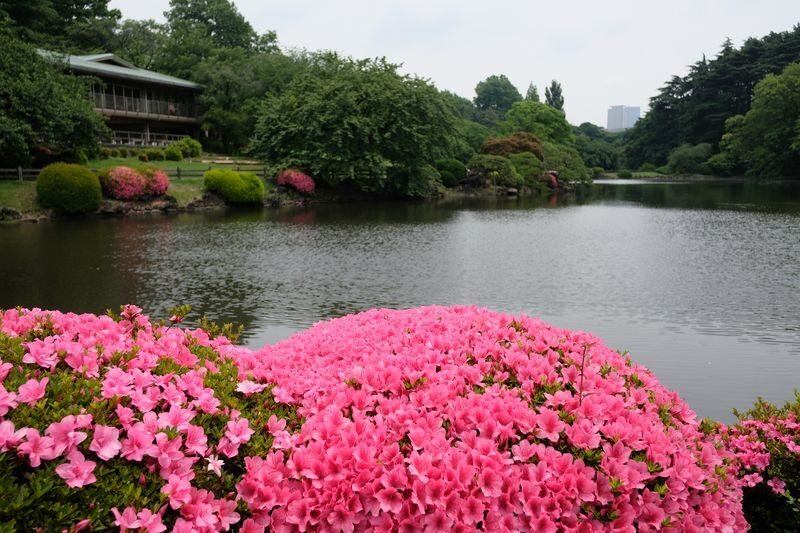
The appeal of covering four areas is variety. Shinjuku Gyoen brings together Japanese, English, and French approaches to garden design, and the guided walk is intended to help you see how the grounds shift in character. The available details do not set out a precise sequence for each area, so think of this as a broad guided circuit rather than a stop-by-stop lecture plan.
The Japanese garden areas offer a chance to appreciate restraint and detail, while the English and French sections reflect different approaches to open space and formal design. A guide can explain these distinctions as you move through the grounds. If you have visited other gardens in Japan, this mix makes Shinjuku Gyoen an interesting point of comparison.
The route also includes the Mother and Child Woods, a quieter natural feature within the garden. Its name suggests a softer, more sheltered stop, though the exact time spent there can vary. I would treat it as a reason to slow your pace and look closely, not as a guaranteed long rest.
Cherry blossoms, autumn leaves, and the tea house
Season is a major part of the experience. In spring, cherry blossoms draw attention overhead; in autumn, red leaves change the garden’s colors. The grounds are not a fixed display, so the look of your walk depends on when you go. If a particular bloom is your main reason for booking, keep in mind that the tour description promises seasonal scenery, not peak blossoms on a specific date.
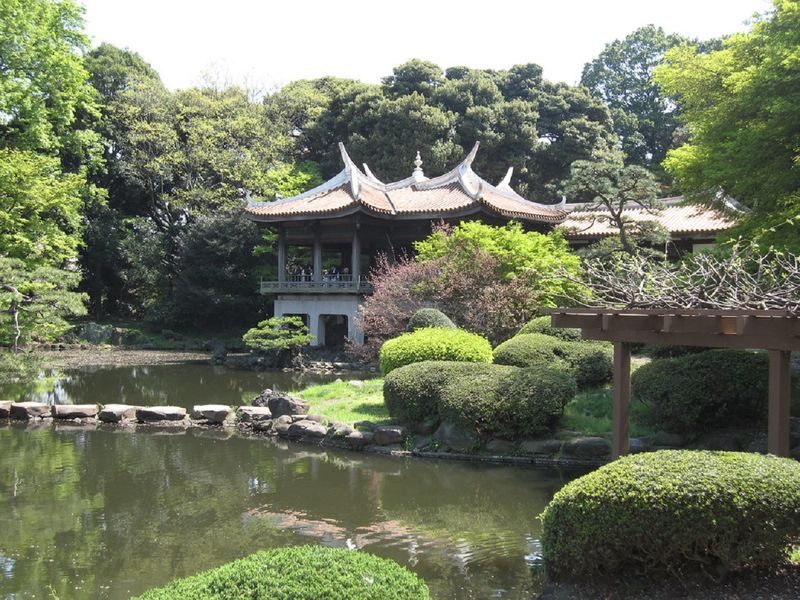
The traditional Japanese tea house is another useful stop. It gives the walk a cultural point of focus amid the gardens, and a guide can provide context that may be easy to miss on your own. The tour information does not say that tea or refreshments are included, so do not book expecting a tea service.
For photographers, changing seasons offer different subjects, from blossom branches to autumn foliage. Bring a camera if you want one, but remember that this is a two-hour walk. You will get more from the visit if you balance photos with simply taking in the grounds.
What a two-hour guided walk adds
The strongest case for booking is the guide’s interpretation. One past small-group tour participant singled out guide Momoko for explaining Japanese history and sharing interesting facts about the grounds. That is a good example of what an English-speaking guide can add: not access to a restricted area, but useful context that helps the garden make sense. Momoko may not be assigned to your departure.
The counterpoint is fair, too. Shinjuku Gyoen can be explored without a guide, and a visitor who mainly wants to walk at their own pace may find a paid tour unnecessary. The small-group option starts at US$31.85, before admission, so the value depends on how much you want a guided explanation and a planned route.
The available rating for this particular tour is 3.5 out of 5 from two reviews, a very small sample. The experience provider, Trip Guru Limited (JP), has 1,120 total reviews and a 92% good-review rate across its offerings. Those broader figures offer some provider context, but they cannot guarantee the quality of a specific garden tour.
You can also read our reviews of more tours and experiences in Tokyo



The price, and what you get for it
The small-group tour starts at US$31.85. For that, you get an English-speaking guide and a two-hour walk through the garden. You do not get park admission, hotel transport, meals, drinks, or personal expenses. Add the adult entrance fee of JPY 500, about US$3.50, to your budget.
A private English-language tour starts at US$149.09. That is a substantial jump from the small-group price, so it makes most sense if you place a high value on having a private guide. The supplied details do not specify private-tour group limits or custom route options, so confirm those points before paying extra if they matter to you.
The small-group option is easier to justify if you want a guide’s historical commentary and a set two-hour route. If you are happy to read signs, wander at your own pace, and decide when to stop, buying garden admission on its own may be better value. The tour is not a shortcut to cheaper entry; its value is the guided context.
A practical plan for the walk
Wear comfortable shoes. The activity involves two hours of walking, and the route moves through several parts of the garden. Bring a camera if you enjoy taking pictures, along with cash for the entrance fee and personal expenses.
The garden operates rain or shine, so carry an umbrella if rain is in the forecast. Food and drinks cannot be brought inside the park, so do not pack a picnic or plan to carry beverages through the grounds. The details do not say whether refreshments are available inside.
The tour is not recommended for people with high blood pressure, heart disease, pregnancy, other serious medical conditions, or disabilities. If any of these apply, consider the physical demands carefully and seek clarification before booking. Children aged two and older are charged the same rate as adults.
Finishing near Sendagaya Station
The walk ends at JR Sendagaya Station, at 1 Chome-35 Sendagaya, near the garden’s southern exit. This one-way finish is convenient if you are continuing from the southern side of Shinjuku Gyoen, but it means you do not return to the starting point. Plan your onward route from Sendagaya rather than assuming you will finish near Shinjuku Gyoen-mae Station.
The listed schedule is 10:00 to 12:00, though available return times can depend on the departure selected and the itinerary. Weather and traffic may affect the schedule. Since this is a garden walk, allow some flexibility in whatever you plan immediately afterward.
Should you book this Shinjuku Gyoen tour?
Book it if you want a compact, guided introduction to the garden’s four areas, value historical context, and like having a clear route through a large public space. The English-speaking guide and the tea house and Mother and Child Woods stops give the walk more shape than simply entering and wandering.
Skip it if you prefer to explore alone, want to spend as long as you like in one spot, or are mainly looking for the lowest-cost way into the garden. In that case, pay the entrance fee and set your own pace. If you do book, confirm exactly how admission is handled for your package, bring cash, and arrive early at Exit 1.
Shinjuku Gyoen National Garden – 2 Hours Walking Tour
“My husband and I had a wonderful time here. Our guide Momoko was very insightful about Japanese history and provided some interesting facts whilst…”
FAQ
How long is the Shinjuku Gyoen walking tour?
The guided walk lasts two hours. A listed schedule runs from 10:00 to 12:00, depending on the departure time you select.
Where does the tour start?
Meet at Metro Shinjuku Gyoen-mae Station, Exit 1, at 1 Chome-8 Shinjuku. Look for a guide wearing a TripGuru shirt or holding a TripGuru sign.
Where does the tour end?
The tour ends at JR Sendagaya Station, at 1 Chome-35 Sendagaya, near the garden’s southern exit.
Is Shinjuku Gyoen admission included?
The tour details say admission is not included. The adult fee is JPY 500, about US$3.50, payable at the entrance. Check the terms for your selected package to avoid confusion about tickets.
What does the tour include?
It includes an English-speaking guide. Hotel pickup and drop-off, admission, meals, beverages, and personal expenses are not included.
What areas and sights are part of the walk?
The tour explores the North, West, East, and South areas of Shinjuku Gyoen. Stops include the Mother and Child Woods and a traditional Japanese tea house.
What should I bring?
Wear comfortable shoes and bring cash for admission and personal expenses. A camera is suggested, and an umbrella is useful because the tour operates rain or shine.
Can I bring food or drinks into the garden?
No. Food and drinks cannot be brought inside the park.
Are children charged the same price as adults?
Yes. Children aged two and older are charged the same rate as adults.
Is the tour recommended for people with health conditions or disabilities?
The activity is not recommended for people with high blood pressure, heart disease, pregnancy, other serious medical conditions, or disabilities.