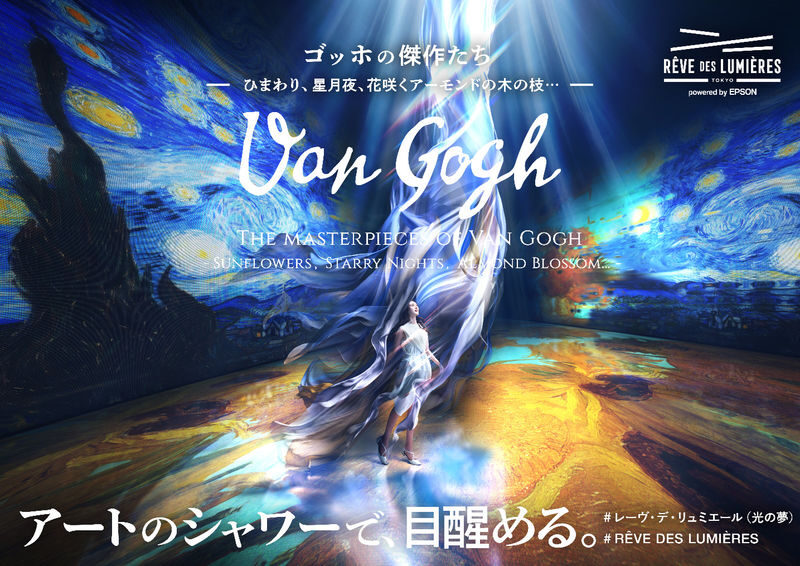
Van Gogh’s Starry Night and Sunflowers become floor-to-ceiling moving images at RÊVE DES LUMIÈRES, a digital art venue in Tokyo’s Ariake district. The main hall uses walls, a central pillar, light, and music to turn familiar paintings into a surrounding, room-scale show.
I like two things here: you can settle in with a cushion and watch at your own pace, and the program pairs Van Gogh with a shorter film on Gaudí’s architecture. The mirrored Infinity Horizon room and 360° Cube add a change of scale and mood between the main displays.
The trade-off is that the venue is not a conventional museum packed with original works. The moving-image program is the main event, and the compact exhibition areas may feel small for a ticket starting at $18.99, especially if you only stay for one cycle.
- What to know before you book
- Inside the projection hall, Van Gogh takes center stage
- A shorter visit with Gaudí
- Two side rooms offer a different kind of spectacle
- Seating, timing, and how long to stay
- Is .99 good value?
- Getting to TOKYO DREAM PARK
- Who will enjoy this exhibition most?
- Should you book?
- FAQ
- How long should I plan to spend at RÊVE DES LUMIÈRES?
- What artists and works are featured?
- What time does the venue open?
- How do I get to TOKYO DREAM PARK by train?
- Are preschool children admitted free?
- Is the venue wheelchair accessible?
- The Best Of Tokyo!
- More Tours in Tokyo
- More Tour Reviews in Tokyo
- Not for you? Here's more nearby things to do in Tokyo we have reviewed
What to know before you book
 1 / 5
 2 / 5
 3 / 5
 4 / 5
 5 / 5
- Van Gogh fills the main projection hall: Expect moving images of Sunflowers, Starry Night, and Almond Blossom in Bloom across the walls and a central pillar.
- Gaudí gets a shorter film: The program includes a short presentation on the architect of the Sagrada Família, rather than a second display of equal length.
- Plan to sit and stay: The main visual program runs about 30 to 40 minutes. A 60 to 90 minute visit gives you time to watch, move around, and see the side rooms.
- Seats are limited: Cushions and some lounge chairs are available. Arrive ready to sit on the floor if the comfortable chairs are taken.
- Two smaller spaces change the pace: The Infinity Horizon is a mirrored room with a seemingly endless view, while the 360° Cube surrounds you with projections.
- Book a timed entry at TOKYO DREAM PARK: The venue is at 3-3-8 Ariake, Koto City. Take the Yurikamome Line to Tokyo Big Sight Station, then walk about five minutes.

👉 See our pick of the 25 Best Guided Tours In Tokyo
Inside the projection hall, Van Gogh takes center stage
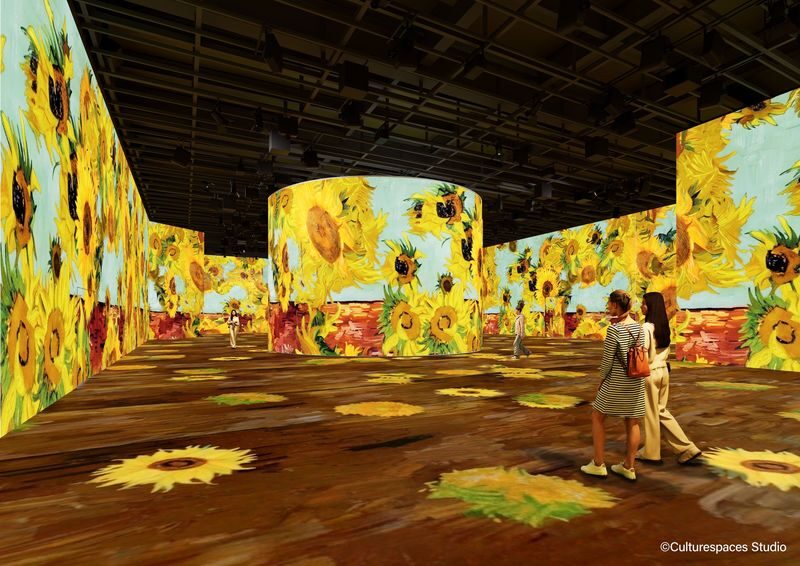
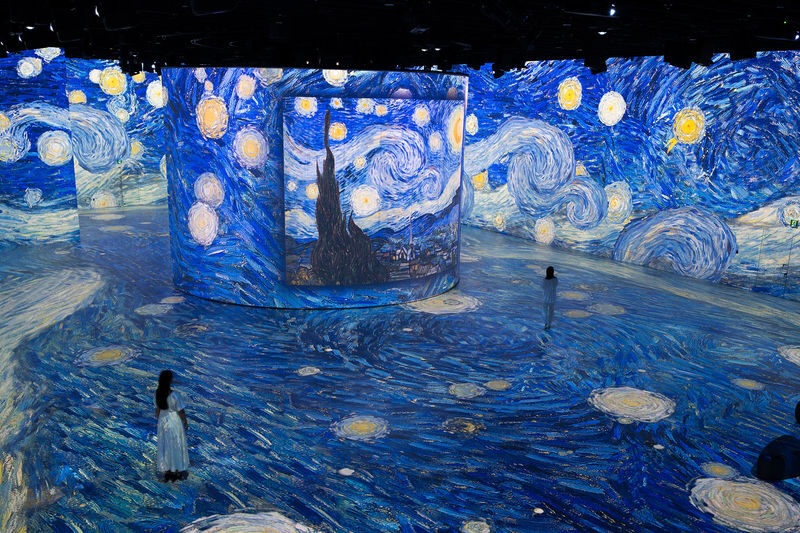
The central attraction is a large projection room in a dedicated space of about 1,500 square meters, with ceilings reaching up to eight meters. Images spread across the walls and a central pillar, so you can watch from the floor or look down from an upper level. The scale gives the paintings room to move, though this is still a contained exhibition rather than a museum-sized complex.
The Van Gogh program features some of his best-known works, including Sunflowers, Starry Night, and Almond Blossom in Bloom. Instead of seeing individual canvases at close range, you see details and colors enlarged across the room, accompanied by music. That shift is the point: it offers a different way to take in familiar paintings, but it is not a substitute for seeing the original works.
The program also traces Van Gogh’s life, adding context to the images. The show’s pace gives you time to sit and watch, rather than moving from one labeled painting to the next. If you want a quiet, contemplative visit, that can be a pleasure. If you prefer an art museum where you set your own pace at each object, the fixed sequence may feel less flexible.
The main film takes about 30 to 40 minutes, depending on how you count the sequence. You can watch from one position, then shift around and catch the images from another angle. The projection changes across the room, and the central pillar means that no single spot gives you the same view of every scene. I’d watch at least part of the program twice if you have the time, once from the floor and again from the upper level.
Music plays a prominent role in the show. It gives the moving paintings a sense of rhythm and helps create a calm viewing mood. Music is personal, though, and the soundtrack may not suit everyone’s taste. If you are sensitive to sound, bear in mind that the art and music are presented together as one show.
You can also read our reviews of more tours and experiences in Tokyo.



A shorter visit with Gaudí
A short film about Gaudí and the Sagrada Família is part of the program. It adds a second subject to an exhibition led mainly by Van Gogh, with a focus on architecture rather than painting. If you are interested in both artists, the pairing makes the visit feel more varied. If you are booking chiefly for Gaudí, keep your expectations in check: this is a shorter segment, not a full exhibition devoted to his buildings.
The contrast between the two subjects is useful. Van Gogh’s work is presented as color, brushwork, and mood on a grand scale; Gaudí’s section introduces the ideas and architectural creations of a designer whose best-known work is still under construction. The format favors broad visual impressions over detailed study, so it is best approached as an introduction.
The exhibition also includes smaller spaces and installations beyond the main film. Their size and purpose differ from the large projection hall, so don’t expect every room to offer the same level of detail or duration. Together, they give you a few reasons to explore after the main show, but the projection room remains the main reason to come.
Two side rooms offer a different kind of spectacle
The Infinity Horizon is a panoramic mirrored space designed to make its reflection seem to extend far into the distance. It is a quick but distinctive change from the main hall: instead of watching a sequence of paintings, you enter a room built around reflection and visual depth. The effect depends on the space and how it is set up when you visit, so allow a little time to look around and take photos where permitted.
The 360° Cube surrounds you with projections from all directions. It is a compact format that brings the imagery close, rather than spreading it across the larger hall. These rooms are worth seeking out, particularly if you enjoy visual installations, but they are additions to the main program rather than reasons to expect a long series of separate exhibits.
Photography is allowed in designated areas. Check the signs and staff instructions before taking pictures, since permission is not universal across the venue. The light effects can make striking images, but it is worth putting your phone away for part of the visit and watching the scenes unfold.
Seating, timing, and how long to stay
The official guidance recommends setting aside 60 to 90 minutes for your chosen time slot. That is a sensible target if you want to see the main program, visit the side rooms, and pause for a second look. Some people move through the space in about 30 minutes, while others stay for a couple of hours. Your visit length depends less on the number of rooms than on how long you choose to sit and watch.
Cushions and beach-style chairs are available, and a limited number of lounge chairs offer the most comfortable place to watch. When the room is busy, you may find that the best chairs are already occupied and end up sitting on a cushion on the floor. If you want to settle in for the full show, pick up a cushion before entering the main hall and find a spot that gives you a clear view.
There is no need to hurry once you enter, but your ticket is tied to a selected date and time. The venue’s listed hours are 10 a.m. to 7 p.m., with last entry at 6:30 p.m. Hours can change or be shortened, so check the calendar before setting out. The general admission includes entry to the attractions; other personal expenses are not included.
The exhibition can be a relaxed outing for families and mixed-age groups. Preschool children enter free but must be accompanied by someone aged 18 or older. Audio guides are available, and wheelchair-accessible routes cover most areas. If you need step-free access throughout, note that the information specifies most areas, not all of them, and check with the venue before booking.
Is $18.99 good value?
With admission from $18.99, the value comes down to whether you enjoy watching art as a timed, large-scale visual show. You are paying for projection, sound, and the atmosphere of the hall, plus access to the smaller installations. You are not paying for a large collection of original paintings or hours of gallery rooms.
For a visitor who likes Van Gogh and wants to see his best-known images presented in a new format, the price can feel fair, especially if you stay for a full cycle and explore the side spaces. It can feel steep if you spend only half an hour inside or expected a much larger museum. Give yourself time, and the ticket has a better chance of feeling worthwhile.
A useful way to judge the price is to think of the main film as a performance you can watch more than once. The images change across the walls and pillar, and viewing from a new position can alter what you notice. That makes staying longer part of the value, not just a way to fill time.
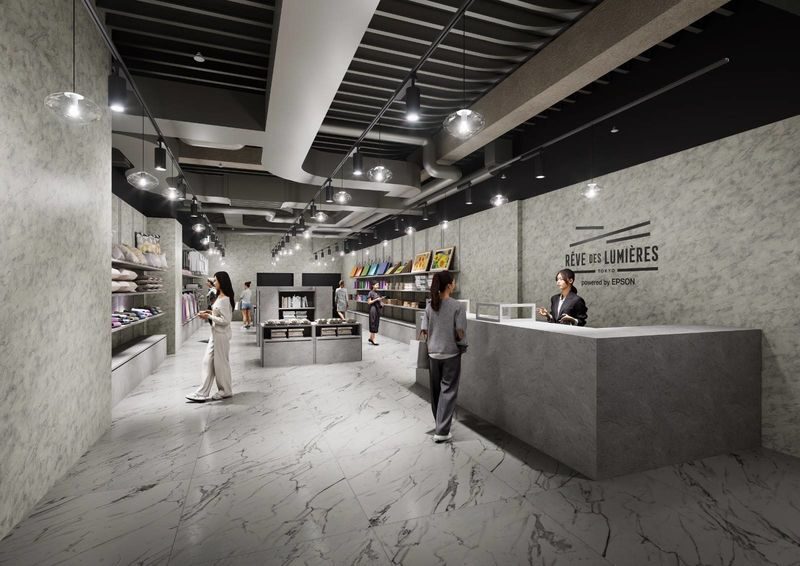
There is a souvenir shop, with items that include limited-edition Japanese gashapon. These purchases are optional and are not part of admission. If you are already planning a day around Ariake or nearby Odaiba, the exhibition can also work as a focused indoor stop rather than a trip on its own.






Getting to TOKYO DREAM PARK
The venue is on the eighth floor of TOKYO DREAM PARK at 3-3-8 Ariake, Koto City, Tokyo. From Tokyo Big Sight Station on the Yurikamome Line, the walk is about five minutes. From Kokusai-Tenjijo Station on the Rinkai Line, allow about nine minutes on foot.
There is paid parking at TOKYO DREAM PARK, but spaces are limited. Public transport is the more practical choice for most visits. Use the full venue address when planning your route, and check that your map pin takes you to TOKYO DREAM PARK rather than a nearby Ariake destination.
Present your mobile voucher at entry. The ticket is valid only for the date and time selected, and the booking is nonrefundable, so check your plans before confirming. These details matter most if your Tokyo schedule is tight or you are coordinating the visit with other plans nearby.
Who will enjoy this exhibition most?
I’d recommend RÊVE DES LUMIÈRES to you if you enjoy Van Gogh, digital art, or a calm place to sit and watch a carefully timed visual show. It is also a good option if you are visiting the Ariake or Odaiba area and want an indoor activity with a clear start and finish. The mix of a main film, a shorter Gaudí segment, and smaller installations gives the visit enough variety for an easy outing.
It is less suited to you if you want to study original paintings up close, expect a large number of independent galleries, or need a long museum visit to justify the price. The venue’s footprint may feel modest compared with the scale implied by the projection hall, and the Gaudí content is brief. Go for the light, music, and room-filling images, not for a traditional art collection.
Should you book?
Book if the idea of sitting inside a changing Van Gogh show appeals to you, and leave enough time to watch the full sequence and explore the Infinity Horizon and 360° Cube. I’d also pair it with a day already planned in Ariake or Odaiba, which helps the admission price make more sense. Skip it if you mainly want original works or expect a large museum with hours of exhibits. The best visit is an unhurried one: claim a cushion, find a good viewing spot, and let the paintings play out.
REVE DES LUMIERES – Immersive Digital Art Experience (Van Gogh & Gaudi)
“A beautiful and memorable experience! Seeing Van Gogh's paintings and Gaudí's architectural creations brought to life through light, colour, and mu…”
FAQ
How long should I plan to spend at RÊVE DES LUMIÈRES?
The recommended visit is 60 to 90 minutes. The main visual program takes about 30 to 40 minutes, with extra time for the Gaudí film and the side rooms.
What artists and works are featured?
The main program features Van Gogh paintings including Sunflowers, Starry Night, and Almond Blossom in Bloom. A shorter film covers Gaudí and the Sagrada Família.
What time does the venue open?
The listed hours are 10 a.m. to 7 p.m. daily, with last entry at 6:30 p.m. Hours may change or be shortened, so check the calendar before visiting.
How do I get to TOKYO DREAM PARK by train?
Take the Yurikamome Line to Tokyo Big Sight Station and walk about five minutes, or take the Rinkai Line to Kokusai-Tenjijo Station and walk about nine minutes.
Are preschool children admitted free?
Yes. Preschool children can enter free, but they must be accompanied by a guardian aged 18 or older.
Is the venue wheelchair accessible?
Wheelchair-accessible routes are available in most areas. The information does not say that every area is accessible.























