An omamori is a small Japanese charm carried for protection, good luck, or a particular wish. At Orinami Asakusa, you make its woven pouch yourself, choosing five colors of yarn blessed at Tenchiku Shrine, Japan’s only shrine dedicated to the deity of cotton. The result is a souvenir with a personal touch, not another trinket picked up between temples.
I like two things especially: the hands-on weaving is simple enough for beginners, and the choice of colors and wishes makes each charm feel like your own. Staff explain the steps, share context about the yarn, and can take photos while you work. One thing to plan for: the studio is upstairs on a steep staircase with no elevator, and arriving late can mean losing your session.
- What makes this Asakusa workshop worth your time
- From Senso-ji to a small weaving studio
- Choosing the five colors that carry your wish
- Working the loom, one thread at a time
- Turning the woven fabric into an omamori
- Friendly instruction, with language details to check
- Price and what you get for it
- Timing and small rules that matter
- Who will enjoy making an omamori
- Should you book Orinami Asakusa?
- FAQ
- How much does the experience cost?
- Where is Orinami Asakusa?
- How do I get to the studio?
- How long should I allow?
- What age can participate?
- Is the activity suitable for beginners?
- What languages are available?
- Are extra charms or decorations included?
- Is the studio accessible by elevator?
- The Best Of Tokyo!
- More Tours in Tokyo
- More Tour Reviews in Tokyo
- Not for you? Here's more nearby things to do in Tokyo we have reviewed
What makes this Asakusa workshop worth your time
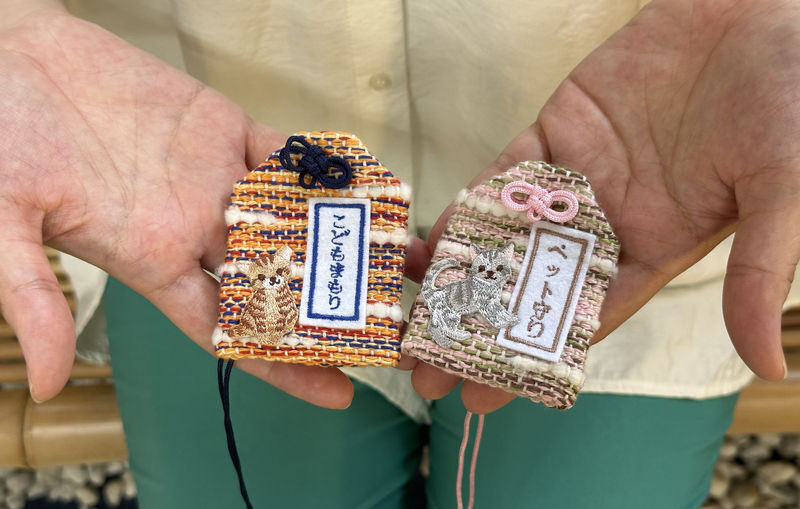
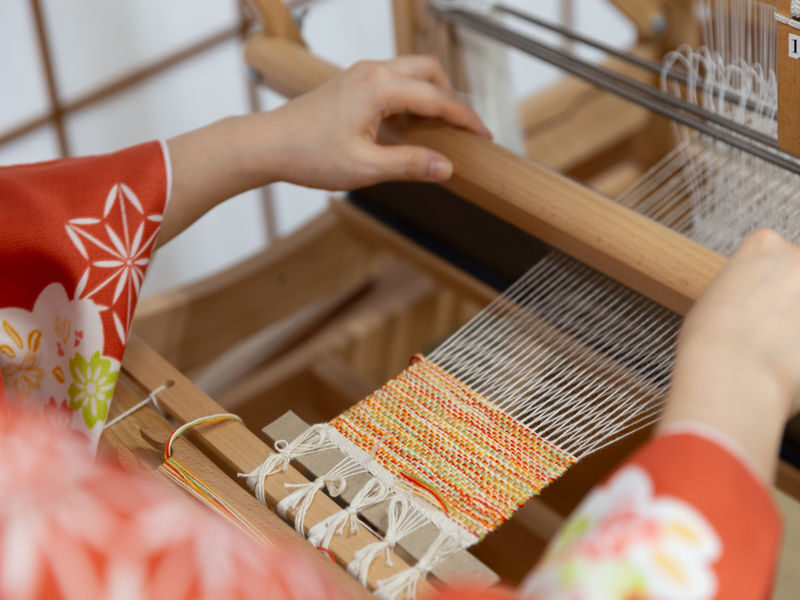
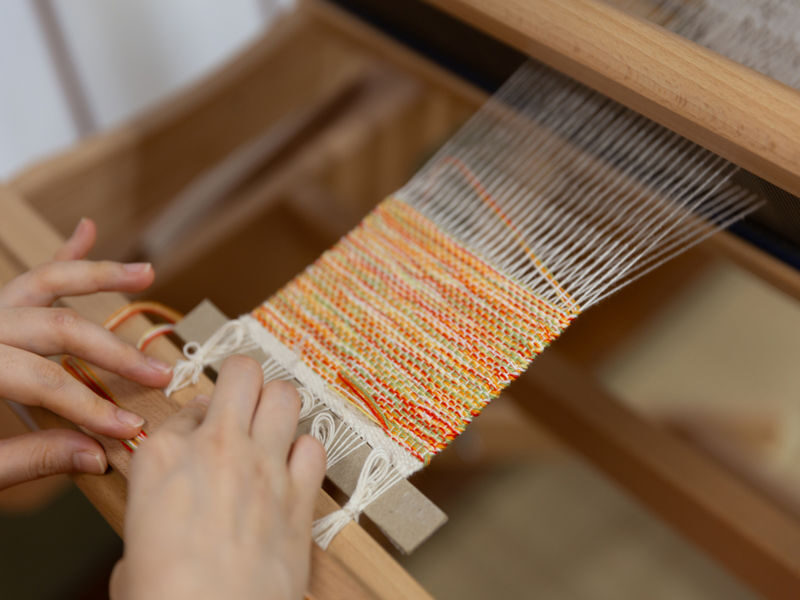
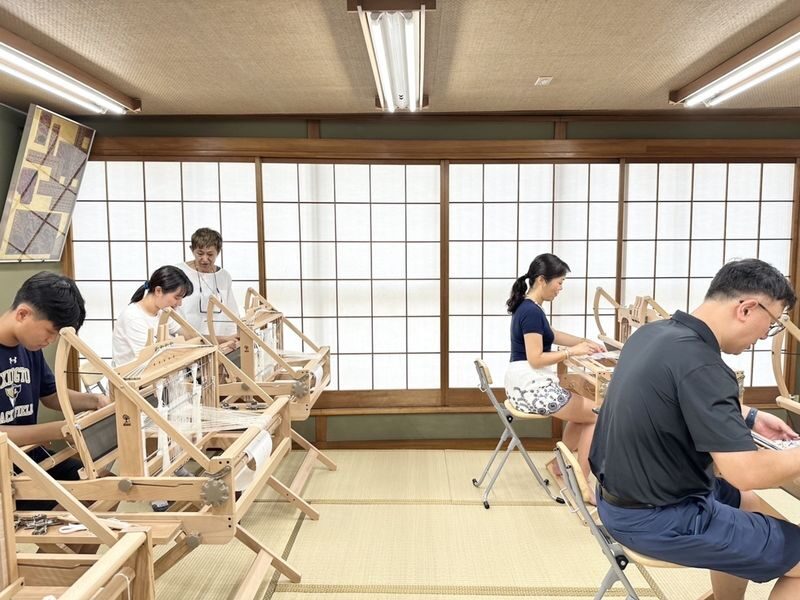
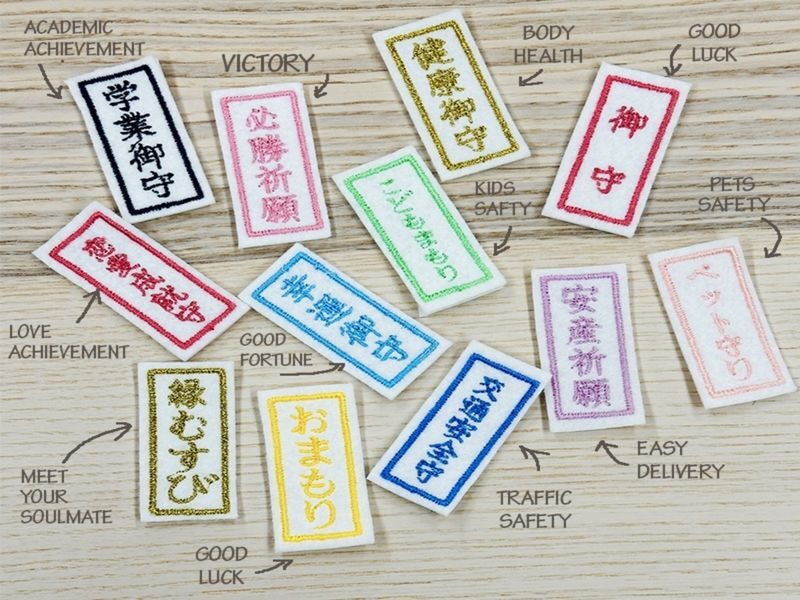
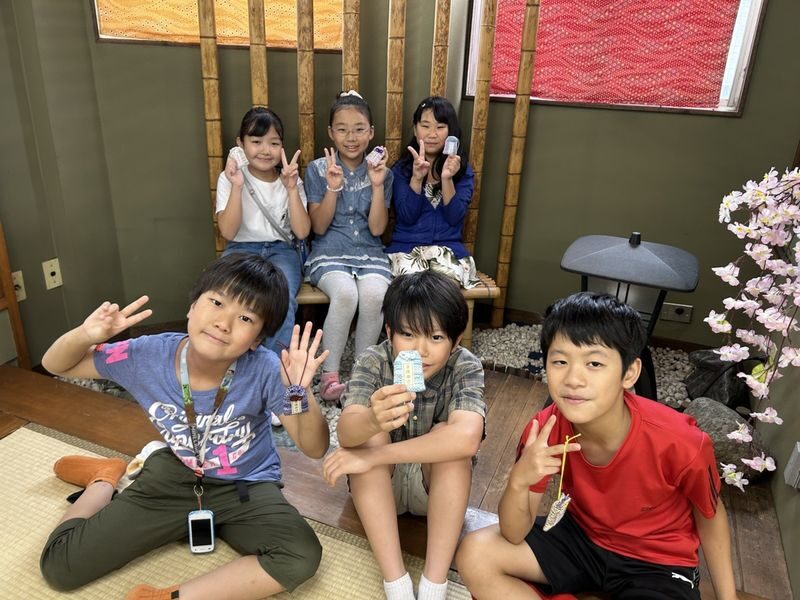
- Choose five of 24 blessed yarn colors to create a pattern that feels personal.
- Weave on a small loom by hand, with staff guiding you through the process.
- Make an omamori for a specific wish, then write a message for the paper placed inside.
- Find the studio a short walk from Senso-ji Temple, making it an easy stop during an Asakusa day.
- Bring children from age three, though anyone under 12 needs a guardian to supervise or help.
- Set aside about an hour, including the explanation, weaving, and finishing choices.

👉 See our pick of the 25 Best Guided Tours In Tokyo
From Senso-ji to a small weaving studio
Orinami Asakusa is at 2-8-4 Hanakawado, Taito-ku, on the second floor of the Ichihara Shoten Building. The studio is described as a five-minute walk from Senso-ji Temple and about a six-minute walk from Asakusa Station on the Ginza Line. That puts it close enough to fit into a visit to the temple district without giving up half a day to transportation.
The neighborhood is one of Tokyo’s best-known sightseeing areas, so the workshop makes a useful change of pace from temple grounds, shops, and streets on foot. I’d pair it with Senso-ji, but leave enough time to arrive calmly. The workshop starts at the reserved time, and entry is allowed only from five minutes before it begins. There is no waiting area inside the building.
Once inside, take off your shoes at the bottom of the stairs on the left and go up to the studio. The stairs are steep, so take care, especially with young children or if you have mobility concerns. There is no elevator; contact the studio in advance if the stairs may be a problem for you.
You can also read our reviews of more tours and experiences in Tokyo.



Choosing the five colors that carry your wish
The experience begins with a short introduction to omamori and the cotton yarn used in the workshop. The threads have been blessed at Tenchiku Shrine, a place with a distinctive connection to cotton. That detail gives the craft a cultural setting: you are not just making a fabric pouch, but creating a charm around a wish you choose.
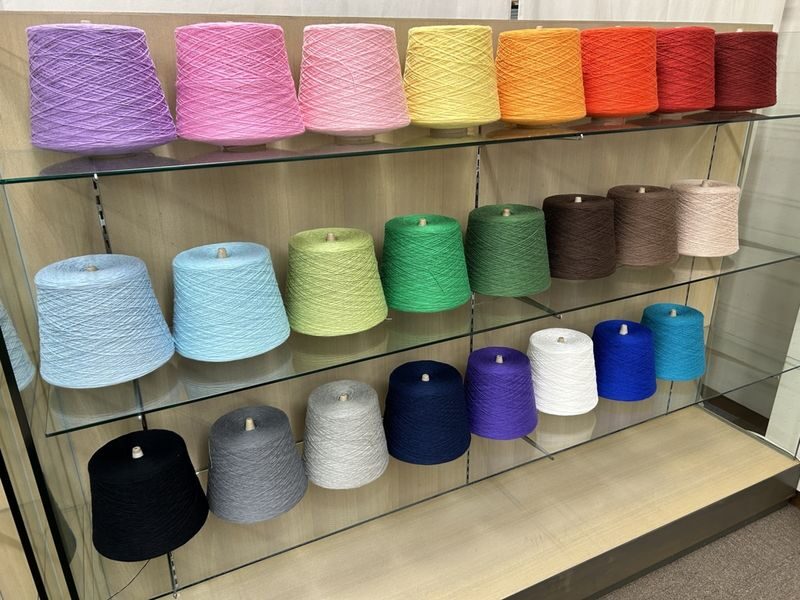
Next comes the color decision. You select five yarn colors from 24 options, which is enough choice to make the design personal without turning the activity into a long hunt for the perfect combination. You might pick colors to suit your taste, make a gift for someone, or choose a combination that brings a particular person or memory to mind.
The choice is one of the workshop’s pleasures. A few participants have used the colors to match a pet, for example, and there are other ways to make the charm specific to its future owner. If you are making it for a child, partner, or family member, think about the recipient’s favorite colors or the wish you want the charm to represent before you arrive.
Working the loom, one thread at a time
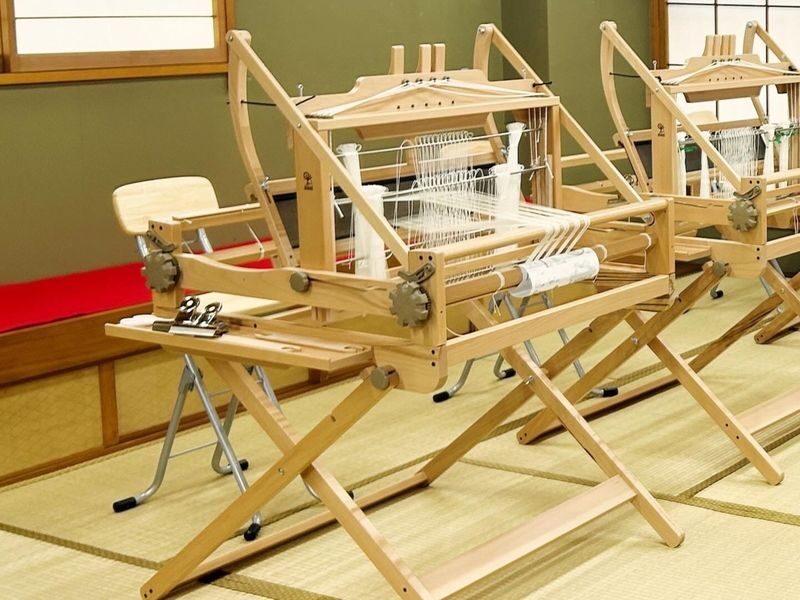
After choosing your yarn, you learn to weave the pouch fabric. Hand weaving interlaces warp and weft threads by hand and foot rather than using electric machinery. Here, you work on a small table loom, following the staff’s demonstration and guidance.
You do not need craft experience. The process is explained step by step, and staff can help if you get stuck or want to check how the pattern is coming together. The weaving itself is a manageable task, not a test of artistic skill. If you can follow a sequence and take your time, you can make something attractive.
The actual weaving is only part of the session. Accounts of the activity describe roughly 15 minutes at the loom, with the full visit taking around 40 minutes to an hour depending on the pace and finishing choices. That makes it a good short activity between sightseeing stops, or a welcome indoor break when you want a quieter hour.
It is also a focused kind of craft. You watch the threads, follow the pattern, and give your hands something to do. The result is small, but the work gives the finished charm meaning. You have put time and care into it rather than simply choosing one from a shop shelf.
Turning the woven fabric into an omamori
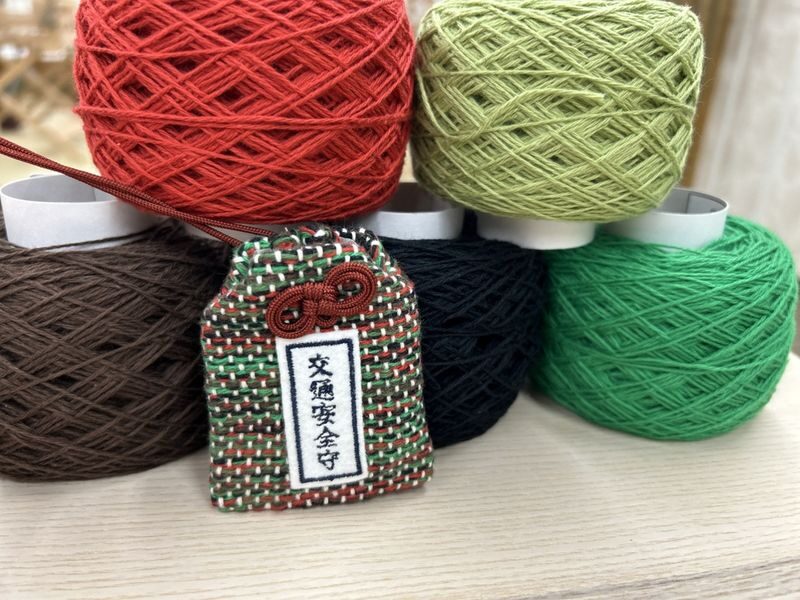
Once the woven piece is ready, staff help turn it into the finished protective pouch. You can choose a wish or phrase for the charm, and write a message on the paper that goes inside. That small step lets you tailor the omamori to its purpose, whether you are making it for yourself or someone else.
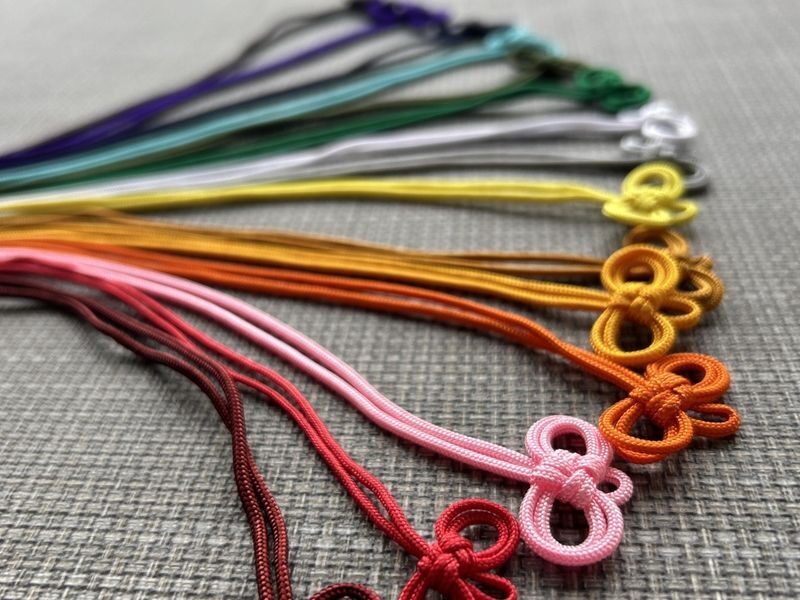
There may also be optional finishing touches, such as embroidery or small bells, for an additional fee. These options can add personality, but they are not included in the starting price. Ask what is available and what it costs before choosing, and keep a little room in your budget if you know you will be tempted by extras.
The finished omamori is a keepsake you can carry or give away. It is also compact and easy to pack, a practical advantage over larger craft souvenirs. For a gift, the combination of color choices, a written wish, and your own work makes it feel more thoughtful than a standard purchase.
Friendly instruction, with language details to check
The studio offers Japanese and English support daily. Chinese support is listed as an option but is not guaranteed every day, so check availability before booking if Chinese instruction matters to you. If you are going as a group, everyone should book the same language course; participants in different language courses cannot take the experience together.
The teaching is intended for first-timers, and children aged three and up can take part. Anyone under 12 must have a guardian supervise or support them during the activity. For families, the short, guided steps make this more approachable than a craft class where children are expected to work it all out alone.
Staff may also offer to take photos during the workshop, which is useful if you are making the charm solo or want a record of the process. Do not count on a particular staff member by name; no guide names are provided. The practical point is that the instruction is hands-on, and help is part of the experience.






Price and what you get for it
The experience starts at $34.75 per person and includes admission and one amulet weaving session. The price is for each participant, so a couple or family should budget per person rather than per charm. For a roughly hour-long activity in central Asakusa, the value is strongest if you enjoy making something and want a cultural activity that gives you a personal souvenir.
It is less compelling if you only want a finished omamori as cheaply as possible. You are paying for the guided weaving, the choice of blessed yarn, and the chance to make the pouch yourself. That can be worthwhile for a meaningful gift or a break from sightseeing, but the base price does not include optional add-ons or other personal expenses.
You can make up to three amulets at the same time. From the second item onward, the listed terms offer a ¥1,100 discount per additional item. Extra items may be requested when booking or on the day, but availability can depend on the schedule. If you want more than three, contact the studio in advance.
Timing and small rules that matter
Treat the start time as firm. The experience begins at the reserved time and waits for all participants to arrive; anyone who has not arrived by then may be treated as a same-day cancellation. If you are lost or expect a delay, contact the studio before the start time. Do not assume an open slot later in the day will let you switch times.
For same-day reservations, contact the studio by phone or messaging app. Groups of six or more should get in touch in advance. If you want extra charms, request them when booking rather than relying on a day-of addition.
The voucher is valid only on the date and time specified. The stated cancellation terms allow a full refund for cancellations made at least 48 hours before the activity date, in destination local time. For cancellation requests, use the designated procedure rather than calling the studio.
Who will enjoy making an omamori
This is a good fit if you want a small, hands-on activity that adds context to a visit to Asakusa. It suits first-time crafters, couples, solo visitors, and families with children old enough to take part in a guided activity. The staff’s step-by-step approach means you do not need to arrive with a talent for textile work.
It is especially appealing if you like souvenirs with a story or want a gift that carries a particular wish. The activity also works well as a pause in a packed sightseeing day: it is indoors, fairly short, and gives you a chance to sit down and concentrate on something other than navigation.
Think twice if you have difficulty with steep stairs, need a flexible arrival time, or are mainly looking for a low-cost purchase. The studio’s strict timing and limited access matter more than they might for a casual shop visit. Check your route, arrive early, and confirm any language or add-on needs before you book.
Should you book Orinami Asakusa?
I would book this if you want to make a personal souvenir and have about an hour to spend near Senso-ji. The combination of blessed yarn, five-color weaving, and a wish tucked inside gives the activity a clear purpose, while the simple loom work keeps it accessible to beginners.
Book with the stairs and start time in mind. If those are manageable, this is a thoughtful way to make your Asakusa visit more than a string of sights. If you only want an inexpensive charm, skip the workshop and buy one ready-made.
Orinami Asakusa: Japanese Lucky Charm Making Experience in Asakusa
“Fun and easy class. great quick activity and close to a lot of the scenic spots in Asakusa. the instructions were very clear and the staff were ver…”
FAQ
How much does the experience cost?
The listed starting price is $34.75 per person. One amulet weaving experience is included; optional add-ons and personal expenses are not.
Where is Orinami Asakusa?
The studio is at 2-8-4 Hanakawado, Taito-ku, Tokyo, on the second floor of the Ichihara Shoten Building.
How do I get to the studio?
It is about a five-minute walk from Senso-ji Temple and a six-minute walk from Asakusa Station on the Ginza Line.
How long should I allow?
Plan for about an hour. The weaving itself is described as taking around 15 minutes, while the full activity can take roughly 40 minutes to an hour.
What age can participate?
Children aged three and older can join. A guardian must supervise or support participants under 12.
Is the activity suitable for beginners?
Yes. Staff guide participants through the steps, and no previous weaving experience is required.
What languages are available?
Japanese and English support are available daily. Chinese support is irregular and cannot be guaranteed, so check availability when booking.
Are extra charms or decorations included?
One amulet experience is included. Optional items, such as embroidery or small bells, cost extra. You can make up to three amulets at once, with a ¥1,100 discount per additional item from the second item onward.
Is the studio accessible by elevator?
No. The studio is on the second floor and can only be reached by steep stairs. There is no elevator, so contact the studio in advance if you have mobility concerns.























