Chopsticks may look simple, but shaping a pair from wood takes a steadier hand than you might expect. At Kinokurashi Ginza, you work through the process yourself: choose your wood, shave it with a plane, sand it smooth, and apply oil. The result is a useful souvenir with a story built into it.
I like two things in particular: you get to handle a traditional woodworking tool, and you can choose wood and length to suit your own pair. The English-speaking staff make the steps accessible, and instructors such as Sachi and Nana have led sessions.
The main consideration is that this is hands-on work, not a demonstration where someone else makes the finished piece for you. Shaping takes care and a little patience, and the wood options and final price can vary depending on your choices.
- What to know before you book
- A hands-on pause in the middle of Ginza
- Choosing the wood and length
- Learning to use the Japanese plane
- Sanding, oiling, and taking your pair home
- A good fit for couples, families, and craft-curious visitors
- What the price buys, and what it does not
- Small practical points that can shape the session
- Should you book the Ginza chopstick workshop?
- FAQ
- How long does the chopstick-making experience take?
- Where does the workshop meet?
- Is English-speaking assistance available?
- What steps are involved in making the chopsticks?
- Are all wood types included in the price?
- Can I add my name to the chopsticks?
- Can children take part?
- The Best Of Tokyo!
- More Tours in Tokyo
- More Tour Reviews in Tokyo
- Not for you? Here's more nearby things to do in Tokyo we have reviewed
What to know before you book
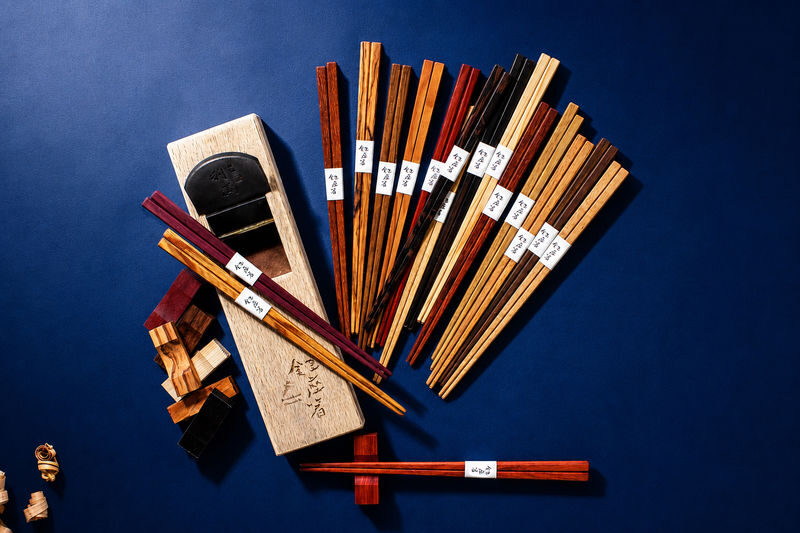
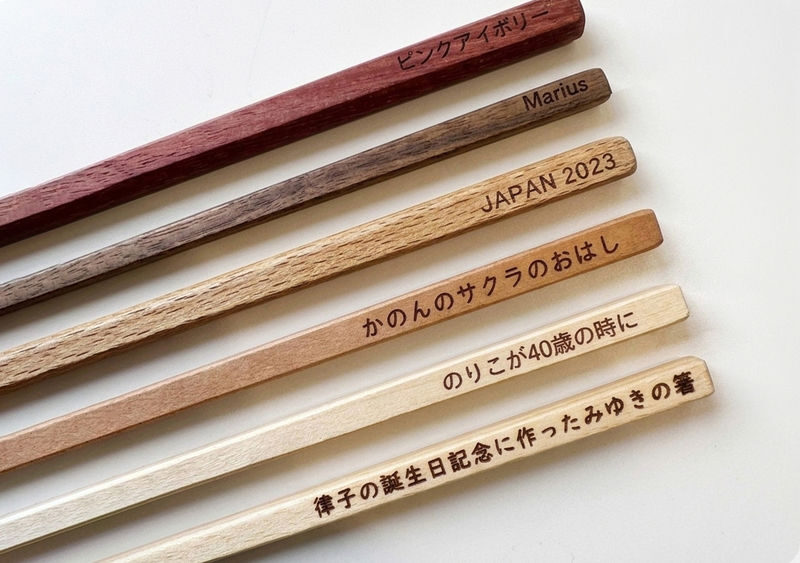
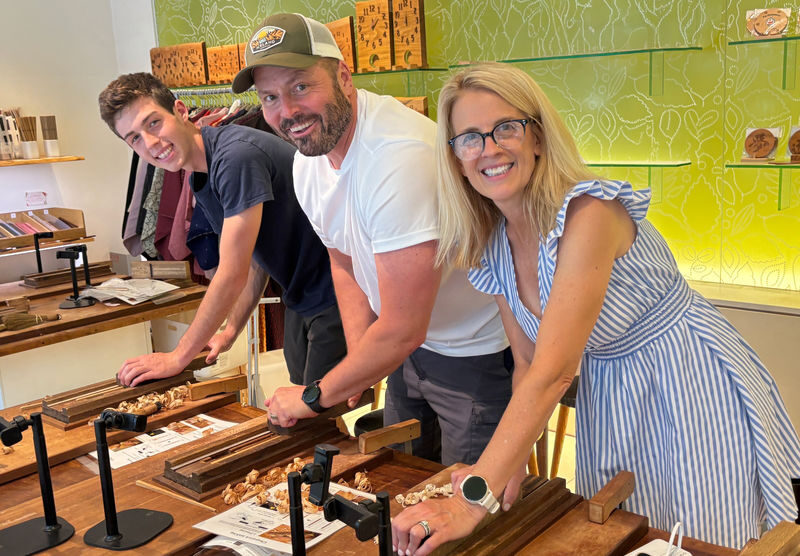
- You shape the chopsticks yourself: The process uses a Japanese plane, followed by sanding and an oil finish.
- Wood choice affects the price: Three wood types are included, while premium options cost extra. The activity information gives different totals for the available wood range, so check the choices shown when booking.
- You leave with your finished pair: The workshop takes about an hour, and you can take your chopsticks home that day.
- English help is available: Staff can explain the process in English, which helps if this is your first time using a plane.
- Engraving is optional: You can add a name for ¥1,100.
- The Ginza location is easy to reach: It is a one-minute walk from Exit 11 of Ginza-itchome Station and a three-minute walk from Exit A13 of Ginza Station.

👉 See our pick of the 25 Best Guided Tours In Tokyo
A hands-on pause in the middle of Ginza
Kinokurashi Ginza is at 2-9-13 Ginza, Chuo City, a short walk from two subway exits. That makes this a practical break from shopping or sightseeing in central Tokyo. You do not need to set aside half a day or travel far from the city center for a craft activity.
The workshop lasts about one hour. That is long enough to make something yourself, but short enough to fit between other plans. It may also be a welcome change of pace if your feet need a rest after walking around Tokyo.
The activity is guided, with English-speaking staff available. That matters here because the central skill is not just following a list of steps. You are using a plane to remove wood and shape a matched pair. Clear instructions can help you feel more comfortable before you begin, though you will still need to work carefully.
You can also read our reviews of more tours and experiences in Tokyo.



Choosing the wood and length
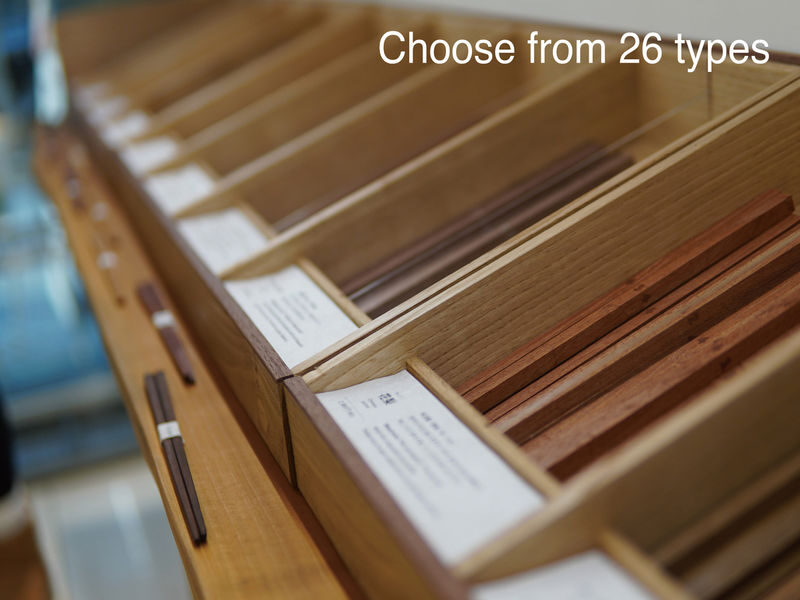
You start by selecting the wood and the length of your chopsticks. This is the most personal part of the workshop before the actual shaping begins: the material you choose affects the look and feel of your finished pair.
The activity highlights a broad selection of wood. The details describe 26 varieties in one place, while the package information refers to 20 types, with three included and 17 premium woods available for an extra charge. Since those totals do not match, check the selection and any added cost at booking or before you start.
The entry price is listed from US$17.60, while the English-guided package is shown from US$25.15. Treat those as starting prices rather than a guaranteed final cost. Premium wood and optional engraving can add to the total, so decide how much you want to spend before settling on an upgrade.
You can choose between two lengths. That gives you some control over how the finished chopsticks suit your needs, though the supplied information does not specify which lengths are offered. If you have a particular preference, ask the staff before you begin shaping.
Learning to use the Japanese plane
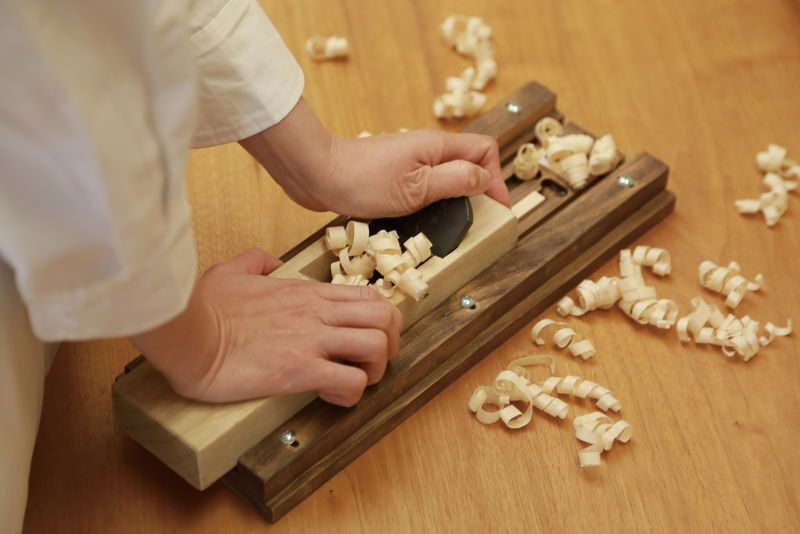
Once you have chosen your material, you place the chopsticks on a stand and shave them with a plane. This is the defining part of the activity, and it gives you a small taste of traditional Japanese woodworking rather than a souvenir that is simply assembled or decorated.
The job sounds straightforward, but removing wood evenly takes attention. One participant described the work as tougher than expected, so do not assume the plane will do all the work for you. Take your time, follow the staff’s instructions, and focus on shaping each stick in a controlled way.
The instructors are there to guide the process, and the activity is presented as a four-step sequence. The exact amount of coaching may feel different from one person to another. If you are unsure how much to shave or how to correct an uneven spot, ask before moving on. A little guidance at this stage can matter more than trying to fix a shape later.
Some sessions have been described as friendly and easy to follow, with staff helping participants personalize their chopsticks or start over if something goes wrong. That flexibility can take the pressure off. Still, the workshop is a craft activity, not a promise of machine-perfect results.
Sanding, oiling, and taking your pair home
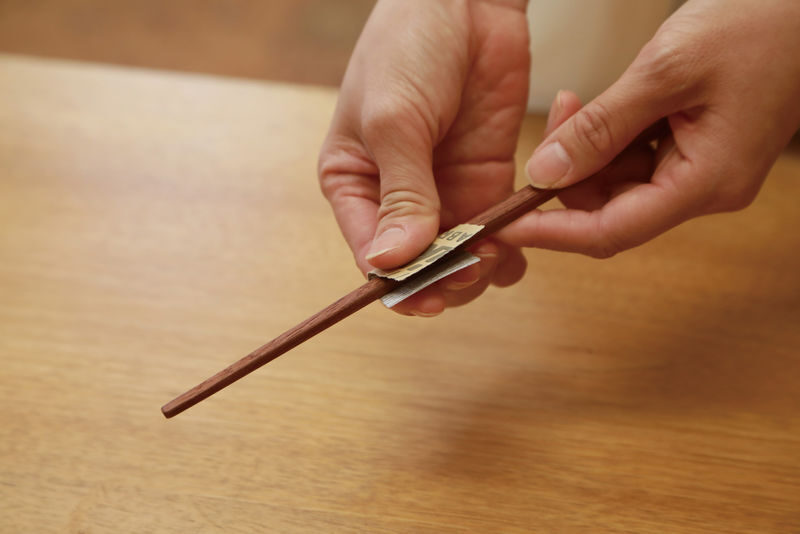
After planing, you smooth the tips and edges with sandpaper. This is the finishing stage where careful, even work can make the pair feel more comfortable in your hand. It is worth taking your time rather than rushing to the final step.
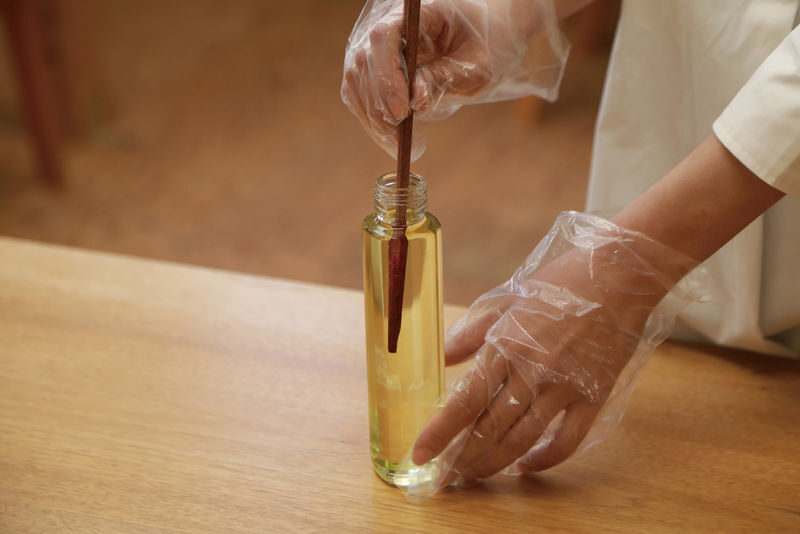
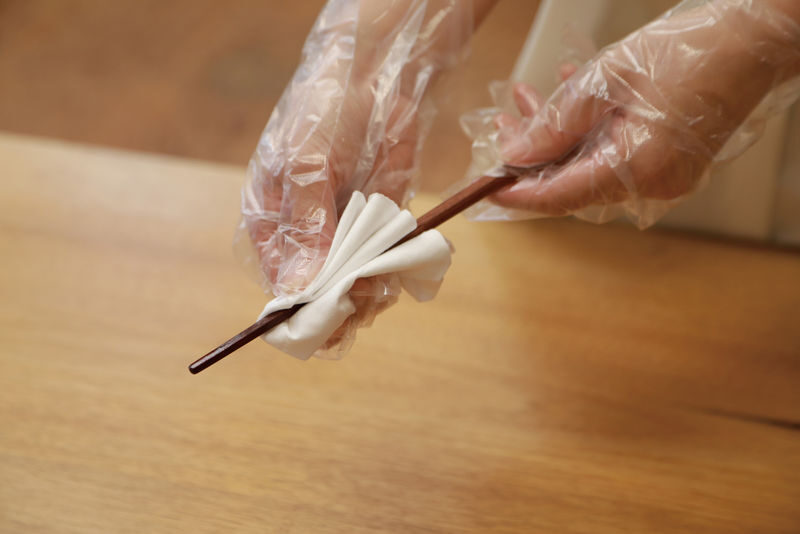
You then apply oil to finish the wood. The workshop provides the tools and materials, so you do not need to bring supplies. At the end, you can take your completed chopsticks home the same day.
The finished pair may show small differences from one stick to the other, especially if this is your first time working with a plane. That is part of the trade-off: you are making a personal object by hand, not buying a factory-matched pair. If a flawless finish matters more to you than the making process, this may not be the right souvenir.
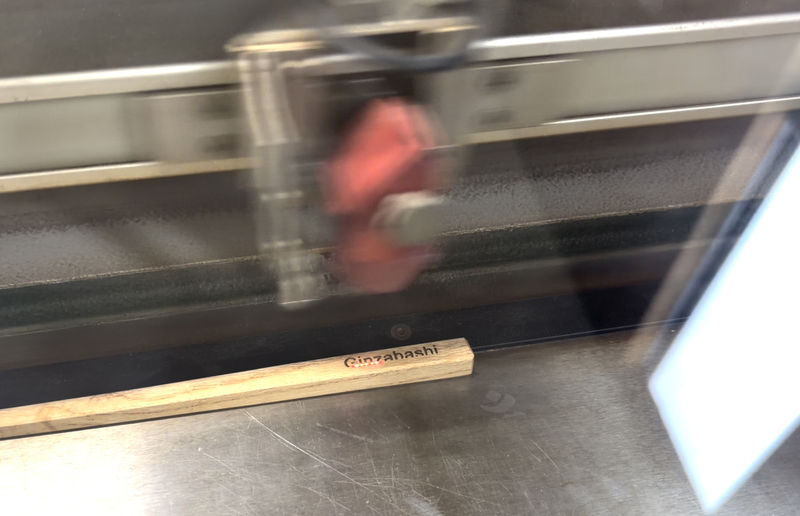
You can add name engraving for an additional ¥1,100. It is a straightforward way to make the pair more personal, but it is optional. The central appeal is the work you do yourself, not the extra inscription.
A good fit for couples, families, and craft-curious visitors
This workshop works well for couples or small groups who want to make something together without committing a full day. It also suits visitors looking for a practical keepsake: chopsticks are easy to carry home and, unlike many souvenirs, can be used after the trip.
Children can take part, but minors must be accompanied by an adult guardian. A parent and child can share the experience, though the child will need to follow the instructor’s directions while handling the tools. The workshop has been used by a parent with a 10-year-old child, who enjoyed using the chopsticks afterward.
If you are traveling with someone who prefers watching to doing, keep in mind that the activity is built around hands-on participation. It is not just a short talk about chopsticks or a display of woodworking. You will be expected to shape, sand, and finish your own pair.
The workshop is also a sensible choice when you want a cultural activity that does not require fluency in Japanese. English-speaking staff are available, and the process is broken into a small number of steps. Staff names reported in past sessions include Sachi and Nana, though the instructor on your date may be different.





What the price buys, and what it does not
The starting price is modest for a one-hour activity in central Tokyo, especially when the tools and materials are included and you leave with a finished object. The value is not just the pair of chopsticks. You are paying for time with the materials and tools, guidance through a traditional process, and the chance to make a souvenir yourself.
The final cost deserves a little attention. The listed starting prices differ, and premium wood is an extra charge. Name engraving costs ¥1,100 more. If you want the lowest-cost version, choose one of the included woods and skip engraving; if a particular grain or look matters more, budget for a possible premium.
Transportation is not included. Other personal expenses are not included either. The location is close to Ginza-itchome and Ginza subway stations, so you can reach it on foot from either exit listed above.
The cancellation terms allow a full refund if you cancel at least 24 hours before the activity date, using destination local time. The voucher is valid only for the date and time specified, so make sure your schedule is firm before booking.
Small practical points that can shape the session
The workshop is indoors, with a clean, organized workspace described by participants. The pace is compact, and the task is easy to understand once you begin. Still, the process rewards patience more than speed.
Music may be loud during some sessions, which can make conversation with your companion harder. If talking throughout the activity is important to you, keep that possibility in mind. The focus is on working with your hands, so a quieter room is not guaranteed.
Outside food and drinks are not allowed. Participants who appear intoxicated may be refused service, with no refund in that case. These are simple rules, but worth knowing before you arrive.
Should you book the Ginza chopstick workshop?
Book this if you want a short, practical craft experience in central Tokyo and like the idea of taking home something you made yourself. The plane work is more demanding than it looks, but the steps are manageable with staff help, and English guidance makes the process approachable. Couples, families with an adult accompanying each minor, and visitors seeking a personal souvenir are especially well suited.
Skip it if you want a completely polished result without putting in hands-on effort, or if you are trying to keep every activity cost fixed. The wood choices and engraving can raise the price, and a handmade pair may not come out perfectly symmetrical.
For a roughly one-hour pause in Ginza, it offers a useful balance of craft, instruction, and take-home value. Choose your wood with the extra charges in mind, ask for help when shaping, and leave room for the small irregularities that make a handmade souvenir yours.
Ginza Woodcraft: A Traditional Japanese Chopstick Making Experience
“this was tougher than I thought it was going to be! the wood selection is great and the staff attentive. it was incredibly easy to find as there ar…”
FAQ
How long does the chopstick-making experience take?
The workshop takes about one hour.
Where does the workshop meet?
It meets at Kinokurashi Ginza, 2-9-13 Ginza, Chuo City, Tokyo. The location is a one-minute walk from Exit 11 of Ginza-itchome Station and a three-minute walk from Exit A13 of Ginza Station.
Is English-speaking assistance available?
Yes. English-speaking staff are available to assist during the experience.
What steps are involved in making the chopsticks?
You choose the wood and length, shave the chopsticks with a plane, smooth the tips and edges with sandpaper, and apply oil.
Are all wood types included in the price?
No. Three wood types are included, while premium woods cost extra. The activity information gives different totals for the number of available wood types, so check the options and prices when booking.
Can I add my name to the chopsticks?
Yes. Name engraving is available for an additional ¥1,100.
Can children take part?
Minors are welcome but must be accompanied by an adult guardian.