Tomioka Hachimangu Shrine is the setting for a compact introduction to Japanese arts and banquet customs. At Fukagawa Odori Hachiman Zashiki, you can make matcha, eat wagashi, and watch a traditionally trained master perform a geisha-style dance. The longer courses add sushi kaiseki and traditional party games.
I like two things in particular: the small-group format, which gives you room to ask questions and take part, and the chance to see dance and tea customs in a historic Fukagawa setting rather than just watch a stage show. The reported English-speaking host also explains the traditions in detail, which makes the short session more useful to first-time visitors.
One consideration: the tea-and-dance course lasts only 30 to 45 minutes, so it is a focused sample rather than a full cultural program. The dinner options cost considerably more, and the extra activities differ by package, so check what your chosen course includes before booking.
- A 400-year-old setting: The experience takes place on the grounds of Tomioka Hachimangu Shrine, a landmark associated with Edo-period Fukagawa.
- Matcha you prepare yourself: The tea course includes making matcha and tasting Japanese sweets called wagashi.
- Dance with context: A traditionally trained master performs a Japanese dance in a geisha style.
- Three distinct courses: Choose tea and dance, a regular sushi kaiseki dinner, or a private dinner with added activities.
- A practical location: The venue is a two-minute walk from Monzen-nakacho Station on the Tozai and Oedo lines.
- A shrine setting in old Fukagawa
- Matcha, wagashi, and a dance in 30 to 45 minutes
- What the dinner courses add
- A closer look at the cultural details
- Is the price worth it?
- Who will enjoy this experience most
- Booking and practical notes
- Should you book it?
- FAQ
- How long does the tea ceremony and dance course last?
- Where does the experience take place?
- How do I get to the venue by metro?
- What is included in the tea ceremony course?
- Do the dinner packages include sushi kaiseki?
- What extra activities are included in the private dinner course?
- Is there an age limit, and what is the cancellation policy?
- The Best Of Tokyo!
- More Shows & Entertainment in Tokyo
- More Tours in Tokyo
- More Tour Reviews in Tokyo
- Not for you? Here's more nearby things to do in Tokyo we have reviewed
A shrine setting in old Fukagawa
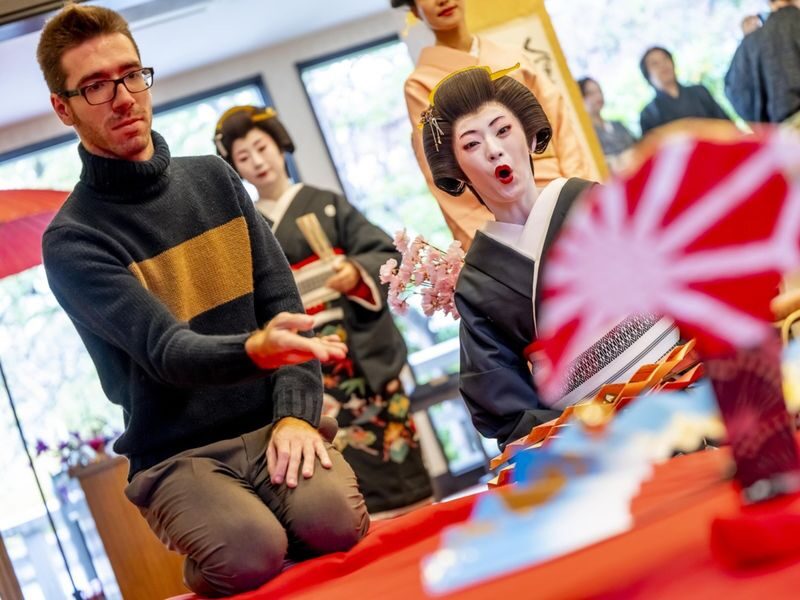
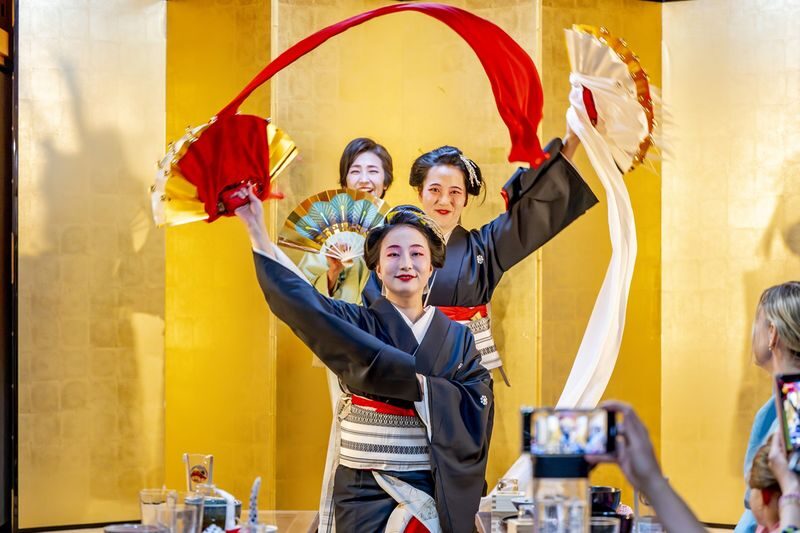
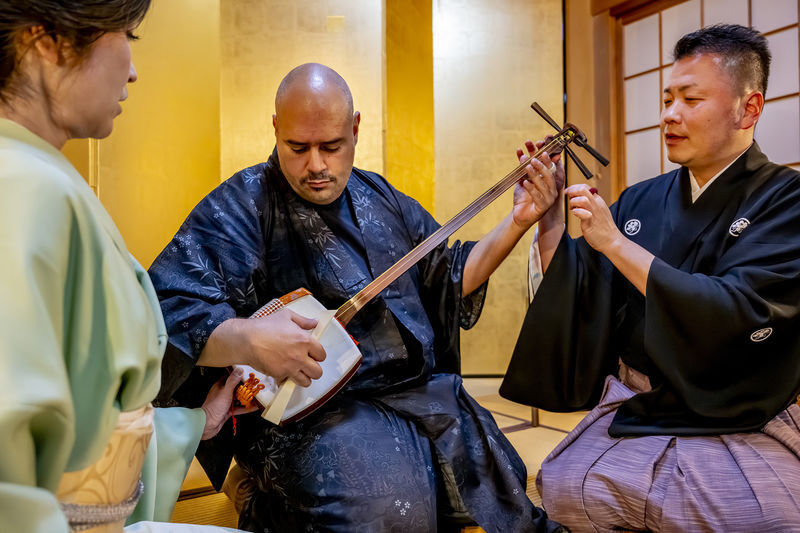
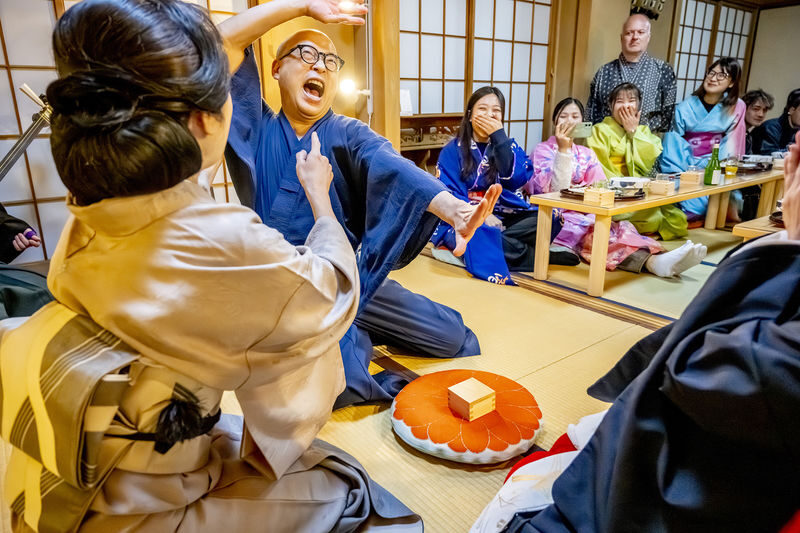
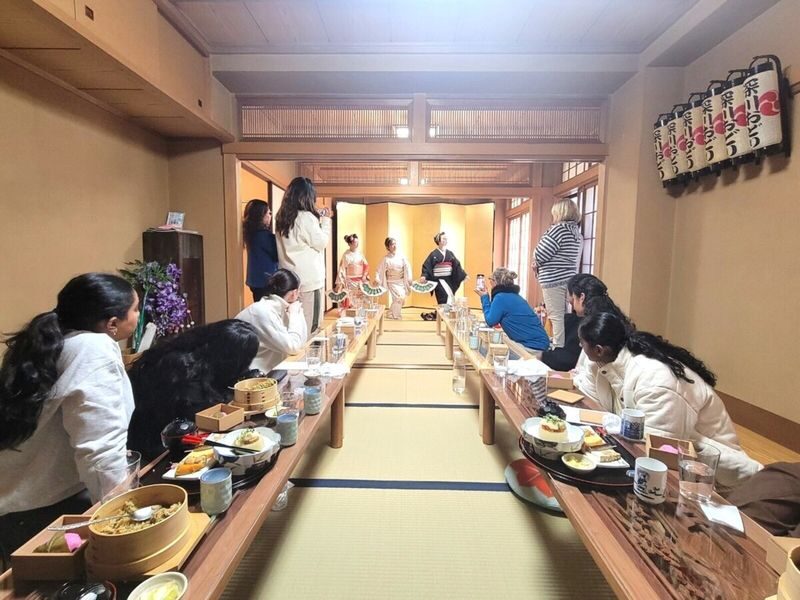
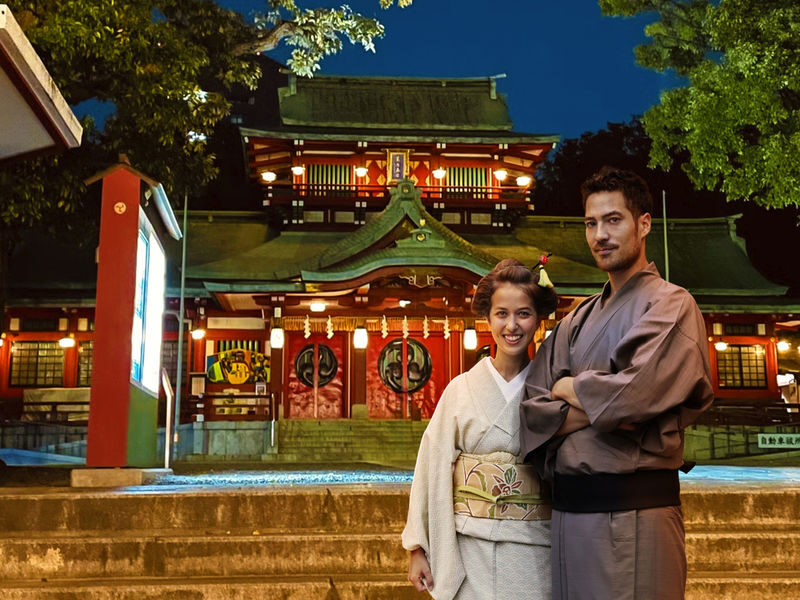
This experience takes place at Fukagawa Odori Hachiman Zashiki, at 1-22-8 Tomioka in Koto-ku. The venue sits within Tomioka Hachimangu Shrine, which is about 400 years old and is closely tied to the Edo-era identity of Fukagawa. That backdrop adds a sense of place to an activity that might otherwise feel like a performance arranged for visitors.
The shrine setting is part of the appeal, but keep expectations precise. The experience is held at a facility within the shrine grounds; it is not described as a guided tour of the shrine or a broader walk through Fukagawa. If you want to explore the neighborhood or shrine beyond the booked activity, allow separate time for that.
The venue is easy to reach by metro. Monzen-nakacho Station, served by the Tozai and Oedo lines, is a two-minute walk away. That makes this a manageable cultural stop to fit into a Tokyo day without committing to a long transfer or a full-day excursion.

👉 See our pick of the 25 Best Guided Tours In Tokyo
Matcha, wagashi, and a dance in 30 to 45 minutes
The tea ceremony and traditional dance course is the shortest and least expensive option, starting at US$75.69. It lasts 30 to 45 minutes, and the listed package includes a small-group tea ceremony, matcha, wagashi, a dance performance, interaction, a commemorative photo session, and a souvenir.
The hands-on part matters. You make the matcha yourself, rather than simply receiving a bowl and watching someone else prepare it. That small task gives you a practical point of entry into the ceremony. The sweets offer a second taste of the experience, and the session is described as including handmade Japanese sweets.
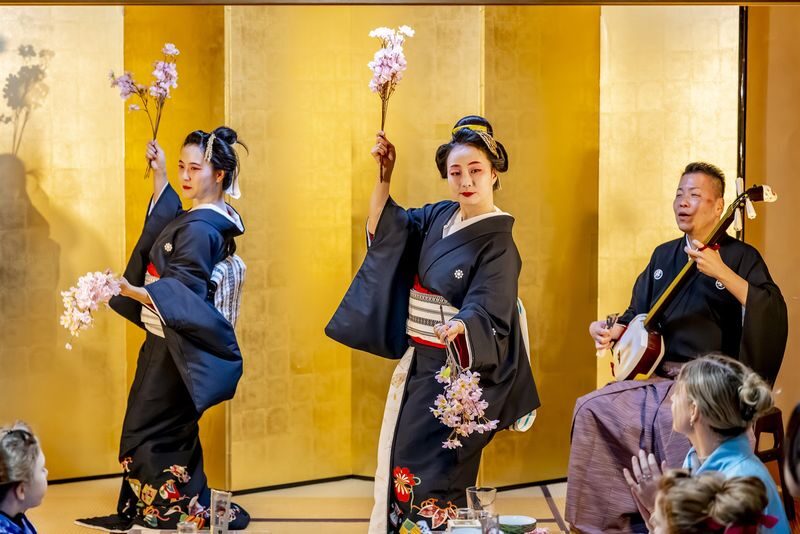
A traditionally trained master performs a Japanese dance in a geisha style. The wording is worth noting: this is a geisha-style dance presented by a trained master, not a promise that a geisha will lead every part of the event. You can expect a live performance and a farewell ritual, with some interaction built into the session.
The short format suits you if you are curious about Japanese tea and performance but have limited time, or if you would rather try one cultural activity than spend an evening at a dinner show. It also helps keep the price below the dinner packages. The trade-off is obvious: 30 to 45 minutes leaves little room for a broad lesson or extensive questions, even though the host is described as explaining the traditions thoroughly.
You can also read our reviews of more tours and experiences in Tokyo


What the dinner courses add
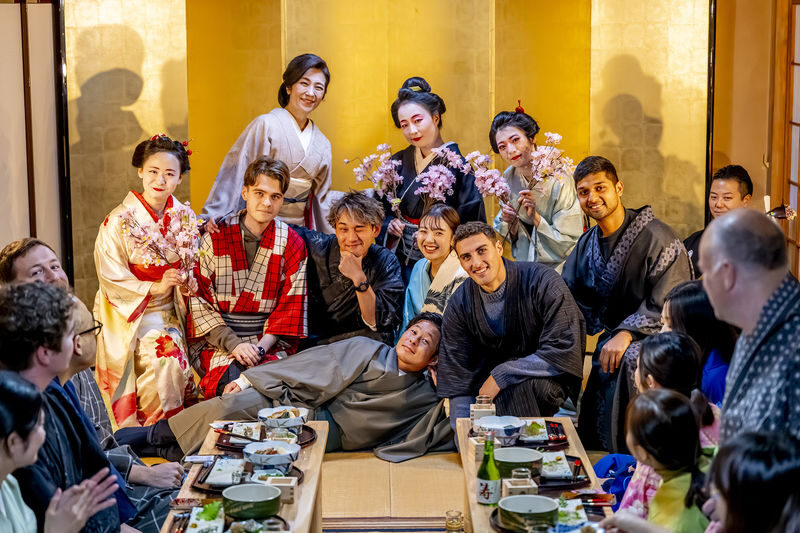
If you want food to be part of the occasion, two dinner options offer sushi kaiseki with a geisha performance. Kaiseki is a formal style of Japanese meal, and here the dinner is presented in the spirit of a traditional banquet. The experience also includes a farewell ritual, souvenirs, and opportunities for interaction and games.
The regular traditional show and dinner starts at US$220.75. Its stated features include sushi kaiseki, the performance, games, interaction, and a souvenir. Compared with the tea course, this is the more substantial choice: you are paying for a meal and a longer social setting, not just a short introduction to tea and dance. The exact duration of the dinner course is not provided, so do not assume it follows the 30-to-45-minute schedule of the tea option.
The private show and Japanese dinner starts at US$378.39. It includes sushi kaiseki and a performance, with additional elements that may make the higher price worthwhile if you want a more participatory evening. You can wear a kimono, watch sushi preparation, and try shamisen or samurai armor. The course also includes games, a souvenir, and a farewell ritual.
Those extras are specific to the private option in the details provided. Do not assume that the standard dinner includes kimono, sushi preparation, shamisen, or samurai armor. If one of those activities is a main reason for booking, choose the private course and confirm the package details when reserving.
A closer look at the cultural details
The tea course puts the emphasis on participation and explanation. You prepare matcha, taste wagashi, and then watch the dance. The experience is described as interactive, and the host is reported to speak good English and explain the traditions clearly. That can make a difference if this is your first encounter with tea customs: you are not left guessing what a gesture or sequence means.
The dinner courses shift the center of gravity from tea to the banquet. Sushi kaiseki gives the evening a meal-based structure, while the performance and games add a social element. In the private course, watching sushi being prepared and trying shamisen or samurai armor turn the event into a more varied program. These details make it feel less like sitting through a show and more like taking part in a hosted cultural occasion.
The venue also advertises Kabuki-related attractions and encounters with Kabuki characters as part of its broader cultural offering. The specific course details focus on tea, dance, and, for dinner packages, food and games. If you are booking for a particular Kabuki element, check whether it is part of your selected course rather than treating it as guaranteed in every option.
Is the price worth it?
At US$75.69, the tea ceremony and dance is not a bargain-basement activity, but the price covers more than a brief performance. You get a small-group session, matcha preparation, sweets, a traditionally trained dancer, a commemorative photo opportunity, and a souvenir, all in a historic shrine setting. If you value explanation and participation over a long itinerary, that combination can be worthwhile.
The dinner packages require a different calculation. At US$220.75, the regular dinner is best judged as an evening combining sushi kaiseki, entertainment, and interaction, not as a simple meal. At US$378.39, the private course asks a premium for a private format and extra activities such as kimono, sushi preparation, and trying shamisen or samurai armor. Choose it if those additions matter to you; if not, the regular dinner may offer the better balance.
Prices are listed as starting amounts, so check the final cost for your date and selected package. The tea package has the clearest stated duration. The dinner courses do not have a duration specified in the available details, another reason to verify the plan if you are fitting the activity around other reservations.
Who will enjoy this experience most
I would consider the tea course if you want an accessible introduction to matcha and traditional dance, especially if you prefer a small group and want the chance to ask questions. It is also a sensible choice if your schedule is tight: the session takes less than an hour, and the station is close by.
The standard dinner works better if you want food to anchor the outing and like the idea of pairing sushi kaiseki with performance and games. The private option makes the most sense for people who value the extra hands-on activities or want the privacy of that format. Families can consider it too: the activity has no age limit, though the details do not specify child-focused programming.
This is a cultural experience, not a substitute for a full history tour or a long performance. Go for the tea, dance, meal, and interaction it actually offers. You will get more from it if you arrive curious about the customs and willing to take part, rather than expecting a large-scale stage production.




Booking and practical notes
The meeting point is Fukagawa Odori Hachiman Zashiki, at 1-22-8 Tomioka, Koto-ku, Tokyo. It is a two-minute walk from Monzen-nakacho Station on either the Tozai or Oedo line. The voucher is valid only on the date and time specified, and confirmation is due within 48 hours; if no confirmation email arrives, contact customer support.
You can receive a full refund if you cancel at least 72 hours before the activity date, using local time in Tokyo. The age limit is open, with no age restriction stated. Since the course details vary, especially between the tea session and private dinner, check the exact inclusions for your selected option before you pay.
Should you book it?
Book the tea ceremony and dance if you want a short, guided taste of matcha culture and traditional performance in an evocative setting. It offers a good balance of participation, explanation, and manageable timing, though it is too brief to serve as a deep study of either art.
Choose a dinner package if you want the meal to be part of the evening. Pay extra for the private option only if its added activities and private format are important to you. If you are chiefly after a large theatrical show, a longer program, or a full shrine tour, this is probably not the right fit. For a close-up cultural encounter with tea, dance, and, in the dinner courses, sushi kaiseki, it is a thoughtful Tokyo choice.
TOKYO:Traditional Geisha Show
“I highly recommend this. I learned alot a felt being apart of the Japanese culture. Lovely tea and sweet. This is a must book. 🙌”
FAQ
How long does the tea ceremony and dance course last?
The tea ceremony and traditional dance course lasts 30 to 45 minutes.
Where does the experience take place?
It takes place at Fukagawa Odori Hachiman Zashiki, at 1-22-8 Tomioka, Koto-ku, Tokyo, within the grounds of Tomioka Hachimangu Shrine.
How do I get to the venue by metro?
The venue is a two-minute walk from Monzen-nakacho Station on the Tozai or Oedo line.
What is included in the tea ceremony course?
The course includes making matcha, matcha and wagashi, a dance performance by a traditionally trained master, a commemorative photo session, a souvenir, and small-group service.
Do the dinner packages include sushi kaiseki?
Yes. Both the private traditional show and dinner and the traditional show and dinner include sushi kaiseki and a geisha-style performance.
What extra activities are included in the private dinner course?
The private course includes kimono, watching sushi preparation, and the chance to try shamisen or samurai armor, along with games and a souvenir.
Is there an age limit, and what is the cancellation policy?
There is no age limit. A full refund is available if you cancel at least 72 hours before the activity date, using destination local time.