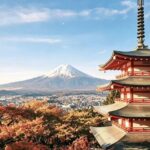
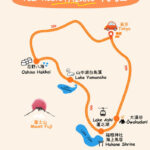
Mount Fuji is the star, but this tour gives you several different ways to see it in one day: framed by the red pagoda at Arakurayama Sengen Park, at the end of a narrow street in Fujiyoshida, and above the ponds of Oshino Hakkai. You travel between these stops in a small group rather than piecing together a long day of train and bus connections.
I like two things in particular: the variety of Fuji viewpoints and the mix of iconic photo stops with the clear spring ponds at Oshino Hakkai. The small-group format, with a maximum of nine people, can also make the day easier to manage. The main trade-off is time: five stops and a long round trip from Tokyo mean you should expect a brisk schedule, and cloud can hide Fuji altogether.
- The day in a nutshell
- Five stops, five different Fuji views
- Arakurayama Sengen Park: pagoda, mountain, and a climb
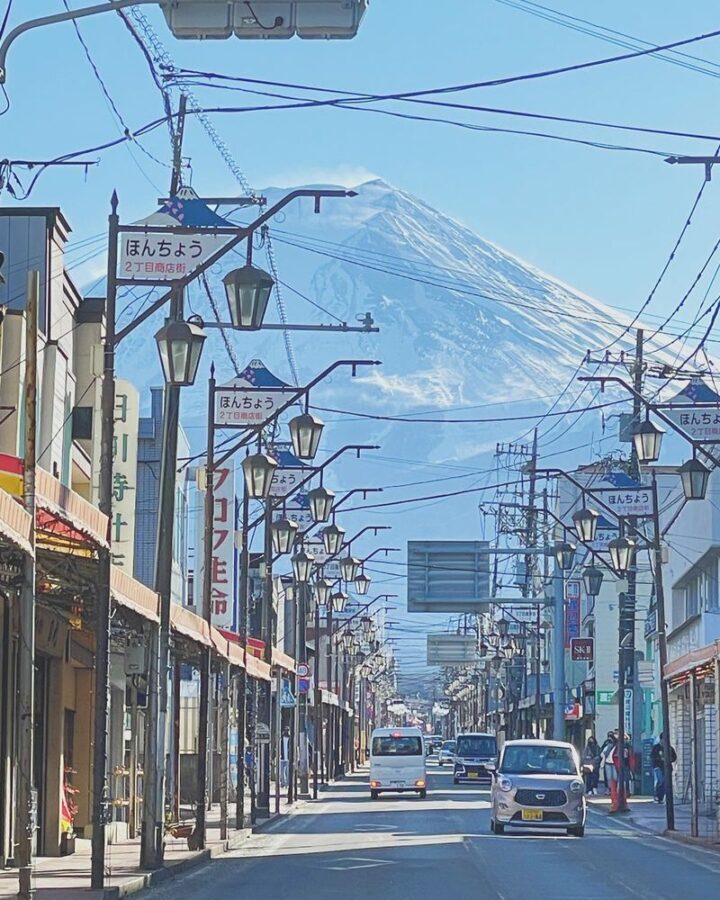
- Hikawa Clock Shop: Fuji at the end of the street
- Oshino Hakkai: clear springs and lunch time
- The Lawson stop: a familiar shop in an unusual frame
- Oishi Park and the seasonal alternatives
- Small group, guide, and transport
- What .29 gets you, and what it does not
- Weather, comfort, and booking details
- Is this Mount Fuji day trip right for you?
- FAQ
- How long is the tour?
- Where does the meeting-point tour depart from?
- Is hotel pickup included?
- What stops are included?
- What languages can the guide speak?
- How many people can join the group?
- Is lunch included?
- When does the tour visit the cherry blossom festival?
- When does the tour visit the Maple Leaf Corridor?
- Is the tour suitable for children or people with mobility limitations?
- The Best Of Fujiyoshida!
- More Tours in Fujiyoshida
- More Tour Reviews in Fujiyoshida
- Not for you? Here's more nearby things to do in Fujiyoshida we have reviewed
The day in a nutshell
 1 / 10
 2 / 10
 3 / 10
 4 / 10
 5 / 10
 6 / 10
 7 / 10
 8 / 10
 9 / 10
 10 / 10
- Arakurayama Sengen Park pairs Fuji with a five-story pagoda, reached by a steep climb and popular for its classic Japan view.
- Hikawa Clock Shop puts Fuji at the end of a street, a striking perspective from Fujiyoshida’s so-called Ladder Town.
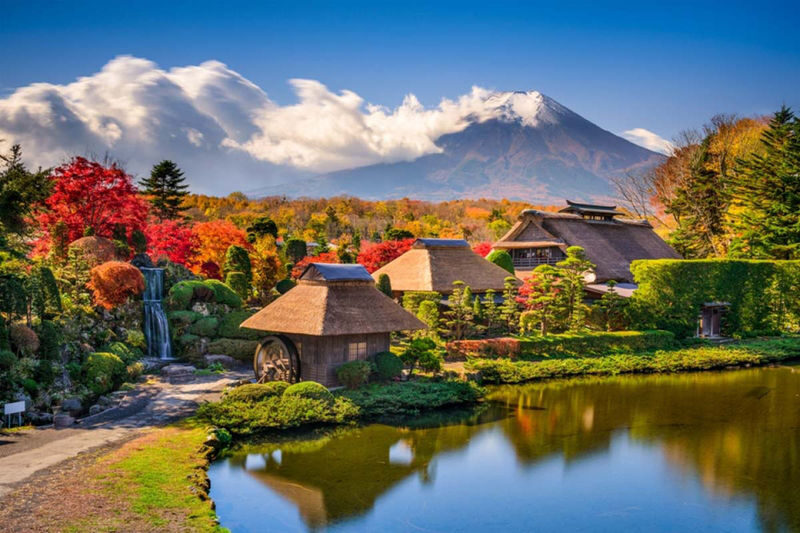
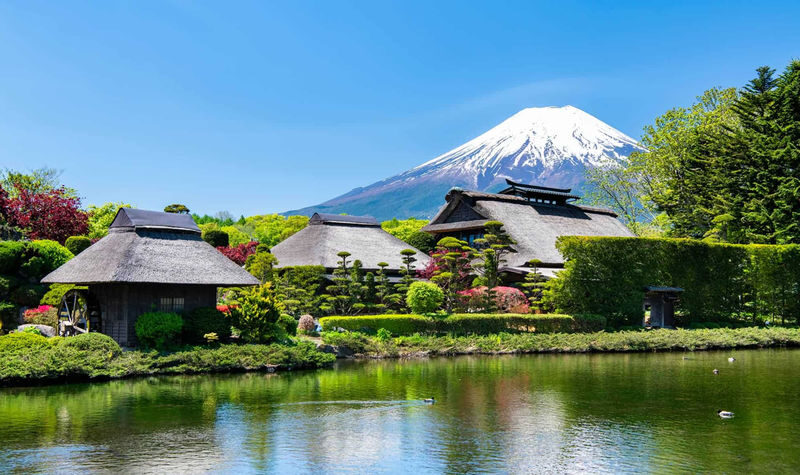
- Oshino Hakkai offers a change of pace, with eight clear spring ponds and time to buy lunch at your own expense.
- Oishi Park changes with the calendar, with the cherry blossom festival or Maple Leaf Corridor on seasonal dates.
- Groups are capped at nine, and the listed starting price is $49.29, though the price depends on the package you choose.
- Fuji visibility is weather-dependent, so treat its appearance as a bonus, not a guarantee.

👉 See our pick of the 3 Best Tours In Fujiyoshida
Five stops, five different Fuji views
The route starts in Tokyo at 8:00 a.m. and is scheduled to return around 6:00 p.m. It covers five main stops: Arakurayama Sengen Park, Hikawa Clock Shop, Oshino Hakkai, Lawson near Kawaguchiko Station, and Oishi Park or one of the seasonal Lake Kawaguchiko attractions.
That range is the tour’s central appeal. Instead of spending your day at one famous lookout, you see Fuji in different settings: above a pagoda, at the end of a town street, beyond traditional spring ponds, and beside the lake. The sites are chosen with photography in mind, so this is a good fit if you want varied views without planning the route yourself.
The schedule is full, and the operator notes that weather or group size can change the order or mean that only some attractions are visited. Keep that qualification in mind. This is a greatest-hits day, not a promise of a long, unhurried visit at every stop.
You can also read our reviews of more tours and experiences in Fujiyoshida.


Arakurayama Sengen Park: pagoda, mountain, and a climb
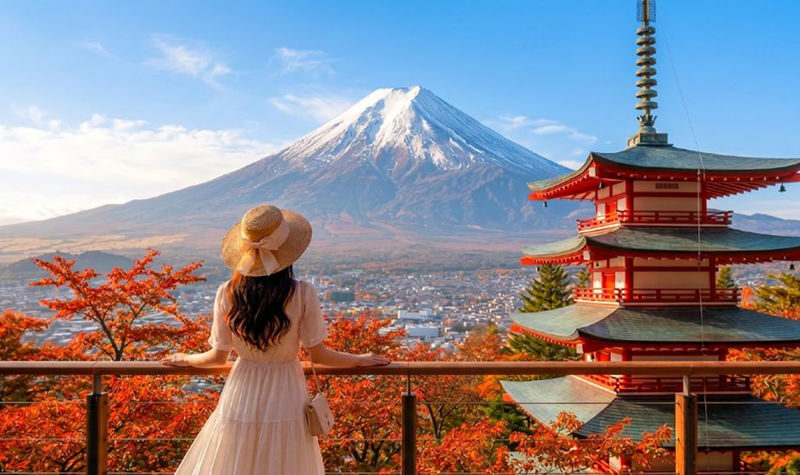
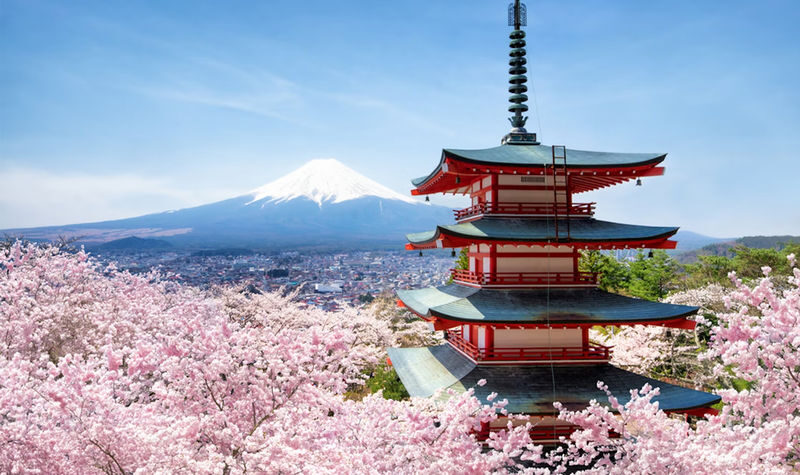
The first stop is Arakurayama Sengen Park, scheduled for about 10:30 a.m. The signature view brings a five-story pagoda and Mount Fuji into one frame. Spring cherry blossoms, summer greenery, autumn leaves, and winter snow change the setting through the year, but Fuji visibility is never assured.
You explore this stop on your own. That gives you freedom to take photos and look around at your own pace within the allotted time, but it also means the guide is not necessarily leading a detailed walk through the park. The climb to the best-known viewpoint involves stairs, so this is not an easy stop for anyone with limited mobility. The activity is not wheelchair-accessible and is not recommended for people with impaired mobility.
Arrive ready to walk. Closed shoes are a sensible choice, especially if the weather has made paths slippery. The view is worth the effort for many people, but if you have trouble with stairs, ask the operator about the physical demands before booking.
Hikawa Clock Shop: Fuji at the end of the street
Around 11:45 a.m., the tour reaches Hikawa Clock Shop, a small-town photo stop known for a street that appears to lead straight toward Mount Fuji. The street’s ladder-like perspective is the point: rooftops and road draw your eye toward the mountain, making a very different image from the pagoda view.
This is a short, self-guided stop, so think of it as a chance to get the photograph and take in the town rather than a full sightseeing visit. It is also a reminder that the tour’s most famous locations can be popular photography spots. Be patient, follow the guide’s meeting-time instructions, and take care around traffic while composing photos.
The stop can look dramatically different depending on the sky. Morning mist and late-day light are mentioned as appealing conditions, but the schedule reaches the shop around midday, so you should not expect a sunset view.
Oshino Hakkai: clear springs and lunch time
At about 12:30 p.m., you arrive at Oshino Hakkai, a village known for eight spring-fed ponds. The water comes from Mount Fuji’s surrounding environment, and the ponds offer a calmer contrast to the busy photo stops. With Fuji visible in the distance, the setting connects the mountain to the water and village below.
Lunch time is included here, but meals and drinks are not part of the tour price. You can use the stop to find something to eat at your own expense, as well as explore the ponds. The guide may offer food suggestions, but you should bring a payment method and allow time for both lunch and sightseeing.
Oshino Hakkai is more than a quick Fuji backdrop. Its ponds are tied to local legends and cultural traditions, although the tour is self-guided at the attraction. If you want a deep historical explanation, ask your guide what time allows or do a little reading beforehand. The overall pace is still set by the group’s departure time.
The Lawson stop: a familiar shop in an unusual frame
The tour’s next stop, around 2:30 p.m., is the Lawson near Kawaguchiko Station. The appeal is the contrast between a familiar blue-and-white convenience-store frontage and the natural setting, with Fuji and the lake area nearby. It is a quick, modern photo stop, not a major cultural attraction.
This is the most overtly social-media-minded point on the route. If you are drawn to the photo, it is a fun few minutes; if you prefer quieter or more traditional places, Oshino Hakkai and the lakeside park will likely matter more. Keep the visit short and be considerate of people using the shop and street.


Oishi Park and the seasonal alternatives
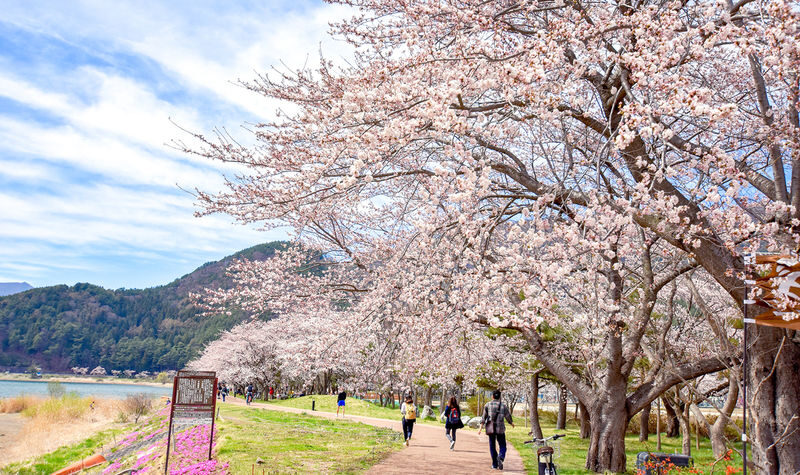
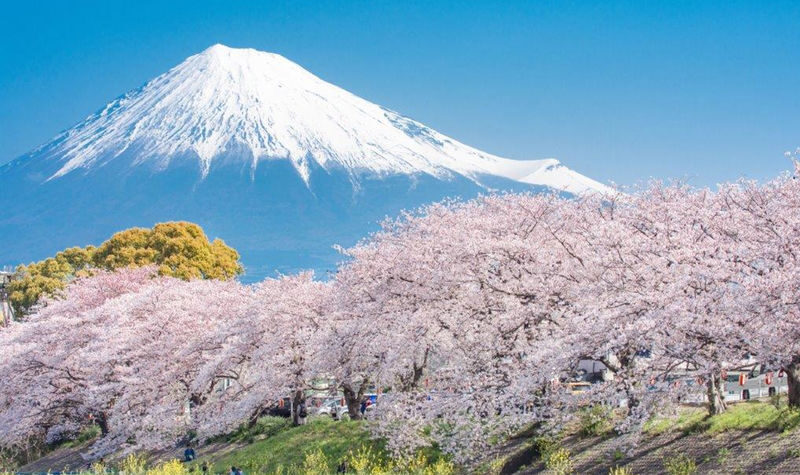
The final scheduled sightseeing stop begins around 3:20 p.m. During the listed spring dates, March 28 to April 12, the tour visits the Kawaguchiko Cherry Blossom Festival. During November 1 to November 30, it visits the Maple Leaf Corridor. At other times, the plan is to visit Oishi Park.
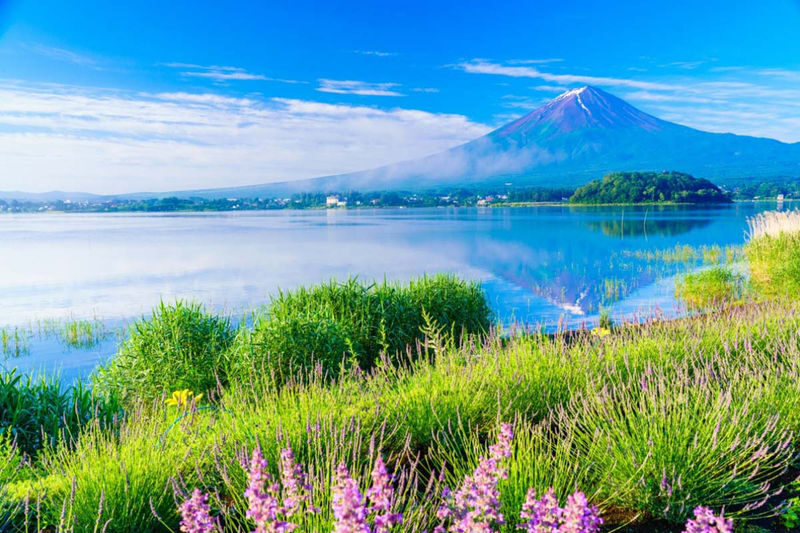
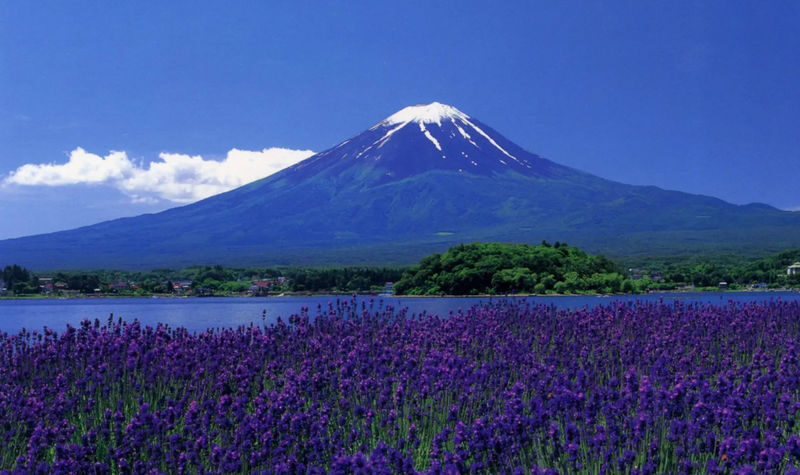
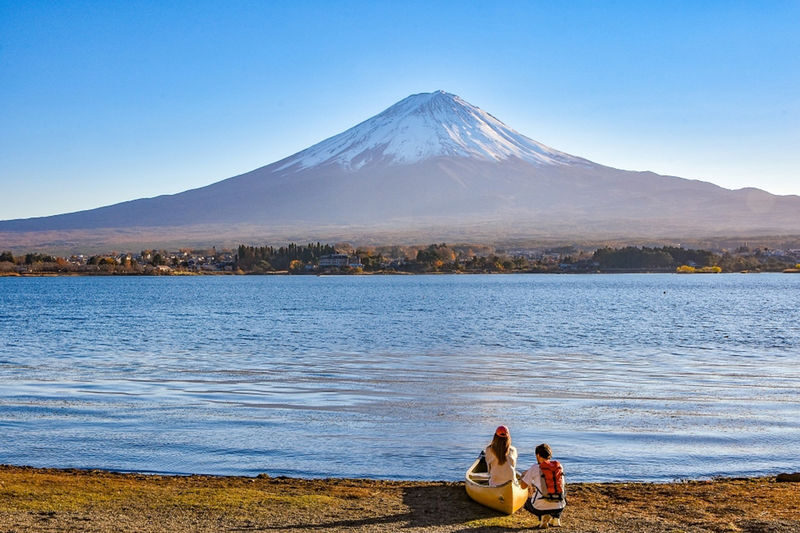
Oishi Park sits beside Lake Kawaguchiko and is known for views across the water toward Mount Fuji. Seasonal flowers and foliage add color to the foreground. In spring, the cherry blossoms create a softer frame; in autumn, red maple leaves contrast with the snow-covered mountain when conditions allow. The exact appearance depends on the season and weather, of course.
This is one reason to check your travel dates before booking. The listed seasonal windows are specific, but nature does not follow a calendar perfectly. Cherry blossoms can vary from year to year, and the mountain may be hidden by cloud. The park still makes sense as a lakeside stop outside peak blossom or foliage periods, but the seasonal display is not guaranteed.
The schedule also says the route may be adjusted according to weather or the number of people, and that only some attractions may be visited. If seeing a particular seasonal site is essential, confirm the day’s plan with the operator rather than assuming every stop is fixed.
Small group, guide, and transport
The meeting-point version departs at 8:00 a.m. from Tokyo and returns to JR Tokyo Station’s Marunouchi North Exit at an estimated 6:00 p.m. The drive to the Fuji area is long, and traffic or weather can delay the return. Avoid booking a timed evening activity in Tokyo that same day.
Groups are listed as one to nine people, with a nine-passenger minibus option excluding the driver. The small capacity should make it easier to keep track of the group than on a large coach, though it does not guarantee a private experience. A private car charter for one to six passengers is also offered, as is a small-group package with hotel pickup and drop-off. Check the selected package carefully: hotel transfers are not included in every option.
The guide languages listed are Chinese, English, and Japanese. People who have led the tour include Hikari, Ohashi, Danny, and Kent, but you cannot count on a specific guide for your date. The most useful guide qualities described across the experience are clear timing reminders, help with photos, local food suggestions, and commentary on Japanese customs and the stops. That practical support matters on a day when missing a departure could cut short your sightseeing.
The tour is described as pure play, with no scheduled shopping stops. That is useful if you want to spend the day on sightseeing rather than being steered into retail visits.
What $49.29 gets you, and what it does not
The advertised starting price is $49.29, but packages differ. The meeting-point group, hotel-transfer group, guide-language option, and private charter are not identical products, so compare the exact price and inclusions before paying.
For the starting price, the value comes from round-trip transport and a five-stop route that would take planning to assemble independently. You also avoid having to coordinate several local connections in a region where you may want to visit multiple viewpoints in one day. Meals, drinks, accommodation, tips, and personal spending are extra.
The price looks especially useful if you are traveling solo or want a straightforward day out without renting a car. A private charter costs more but gives a smaller party its own vehicle. The group trip is better suited to people who are comfortable sharing time and following a set schedule.
Weather, comfort, and booking details
Mount Fuji is the wild card. Reports of clear views sit alongside days when cloud obscured the mountain at early stops. A later glimpse may still appear, but no operator can promise a clear day. If the mountain is the main reason for your trip, consider checking the forecast near your date and keep a flexible attitude.
Wear clothing suited to the day’s weather, long trousers and covered shoulders are advised, and closed shoes are recommended. Flip-flops, shorts, tank tops, and sleeveless shirts are discouraged. The tour is not recommended for pregnant people or those with certain medical conditions, including high blood pressure or epilepsy. Participants must be under 70, and children aged 0 to 17 must travel with a paying adult. Infants and children count toward the passenger headcount, and child seats are not available.
You should arrive at the meeting point ten minutes before departure. Vehicle and guide details are sent by email the evening before, usually between 6:00 and 10:00 p.m.; check spam if the message is missing. Late arrivals and no-shows are not refundable. Cancellation is free with at least 24 hours’ notice, and changes are generally allowed until 24 hours before the activity, subject to the package conditions.
Is this Mount Fuji day trip right for you?
Book it if you want several classic Fuji viewpoints in one day, prefer transport arranged from Tokyo, and are happy with brief, self-guided visits. It also suits solo visitors who want a simple way to reach the Fuji area and small groups who value a compact vehicle.
Think twice if you need a slow pace, have difficulty with stairs, or want a guide to lead you through every attraction. The strongest reason to go is the range of views, not a guarantee of Fuji itself. For the starting price, this is a practical way to cover ground, as long as you accept the long day, seasonal changes, and weather’s final say.
Mt. Fuji Small Group Day Tour: Lake Kawaguchiko Oishi Park & Arakurayama Sengen Park & Oshino Hakkai & Hikawa Clock Shop & Popular Lawson (Departing from Tokyo, optional hotel pick-up and drop-off)
“We had a wonderful experience on our Mt. Fuji tour! Our tour guide (Danny) was very friendly, accommodating, and thoughtful throughout the entire t…”
FAQ
How long is the tour?
The tour is scheduled for about 10 hours, from 8:00 a.m. to an estimated 6:00 p.m. return.
Where does the meeting-point tour depart from?
The meeting-point package departs from Tokyo. The return point is JR Tokyo Station’s Marunouchi North Exit.
Is hotel pickup included?
Hotel pickup and drop-off are available with the relevant package. They are not included in every option, so check the package you select.
What stops are included?
The planned stops are Arakurayama Sengen Park, Hikawa Clock Shop, Oshino Hakkai, Lawson near Kawaguchiko Station, and Oishi Park or a seasonal Lake Kawaguchiko attraction. Weather or group size may change the route.
What languages can the guide speak?
Chinese, English, and Japanese-speaking guides are listed. The guide assigned to your date may vary.
How many people can join the group?
The small-group options are listed for one to nine people. A private car charter is available for one to six passengers.
Is lunch included?
No. Lunch and drinks are not included. Oshino Hakkai is scheduled with time for lunch at your own expense.
When does the tour visit the cherry blossom festival?
The listed seasonal dates are March 28 to April 12. Seasonal displays can vary with conditions.
When does the tour visit the Maple Leaf Corridor?
The listed dates are November 1 to November 30. Outside the seasonal periods, the plan is to visit Oishi Park.
Is the tour suitable for children or people with mobility limitations?
Children aged 0 to 17 must be accompanied by a paying adult and count toward the passenger headcount. Child seats are not available. The activity is not wheelchair-accessible and is not recommended for people with impaired mobility.