
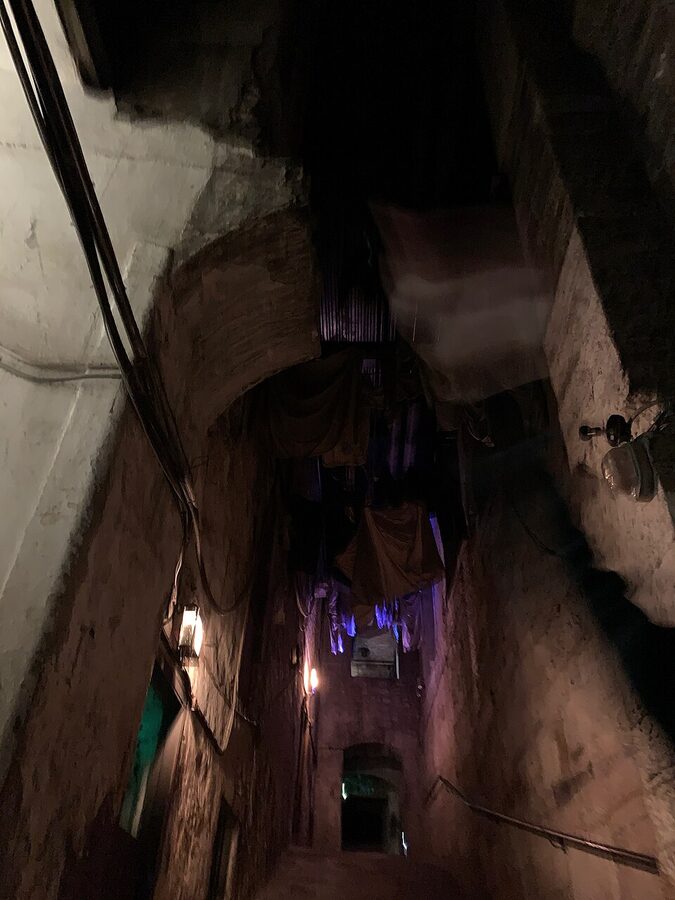
The first thing that hits you is the smell. Damp stone, old plaster, a faint coolness that climbs up the back of your neck the second the door at the City Chambers shuts behind you. It’s twenty-five degrees out on the Royal Mile in July; down here on Mary King’s Close it’s a steady fourteen, and your forearms know it before your brain does.
That temperature gap is the whole experience in a single sensation. You’re standing inside a sealed seventeenth-century street that hasn’t seen daylight since 1753. Below is what to book, what to expect, and how this differs from every other “underground Edinburgh” tour you’ve seen advertised.
In a Hurry? My Top Three Picks
- Mary King’s Close: Real Underground Guided Tour ($38). The official one, costumed guide, hour underground. Book on GetYourGuide
- Old Town History and Tales Walking Tour ($24). Best surface-level pairing if the Close is sold out. Book on GetYourGuide
- Old Town and Underground Historical Tour ($27). A mix of street and below-ground if you want both. Book on GetYourGuide
- In a Hurry? My Top Three Picks
- What Mary King’s Close actually is (and isn’t)
- How to book it (the actual booking part)
- Where to actually meet
- Three tours worth booking
- 1. Mary King’s Close Real Underground Guided Tour:
- 2. Edinburgh Old Town History and Tales Walking Tour:
- 3. Edinburgh Old Town and Underground Historical Tour:
- What the hour underground actually feels like
- Practical things you’ll want to know
- Best time to go
- A bit of background, if you want it
- How it pairs with other Edinburgh days
- Skip these mistakes
- Other Edinburgh experiences worth your evening
What Mary King’s Close actually is (and isn’t)
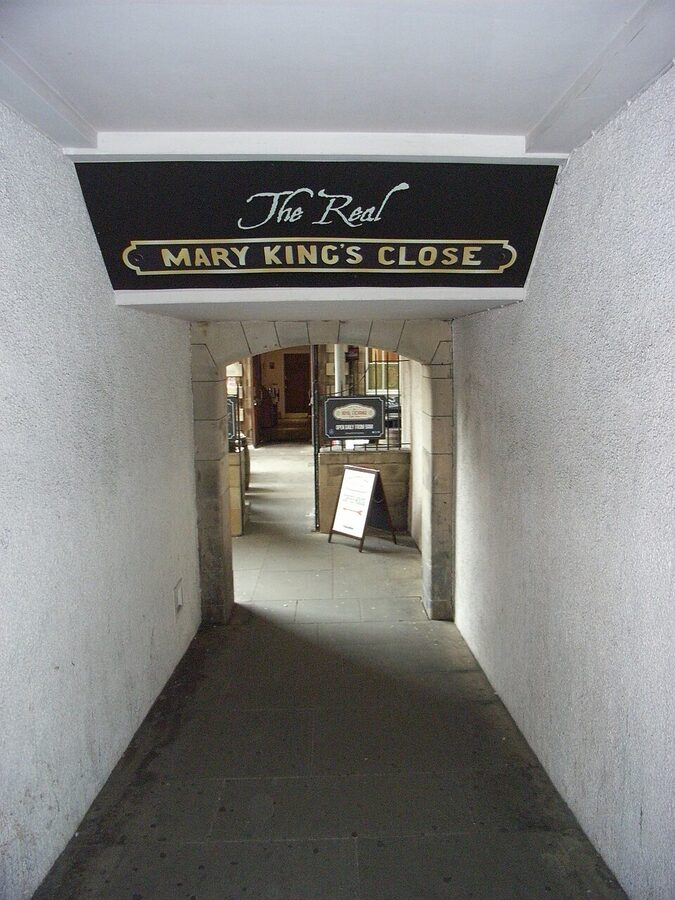
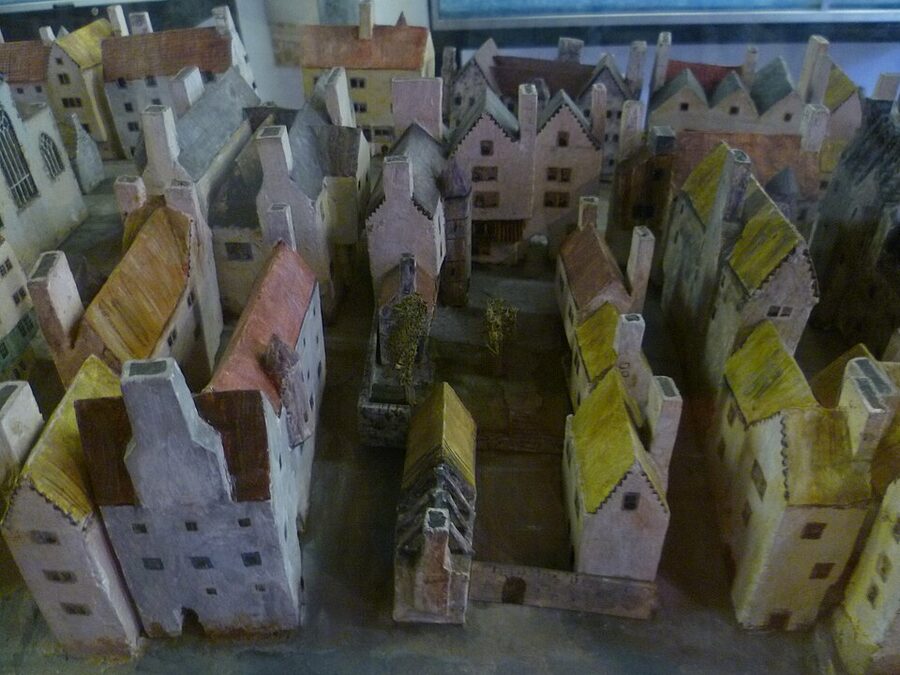
This bit matters because the marketing for Edinburgh’s underground attractions blurs together fast. Mary King’s Close is a complete sealed street. Tradesmen’s homes, shops, narrow wynds branching off, an actual outdoor lane that just happens to no longer have any sky.
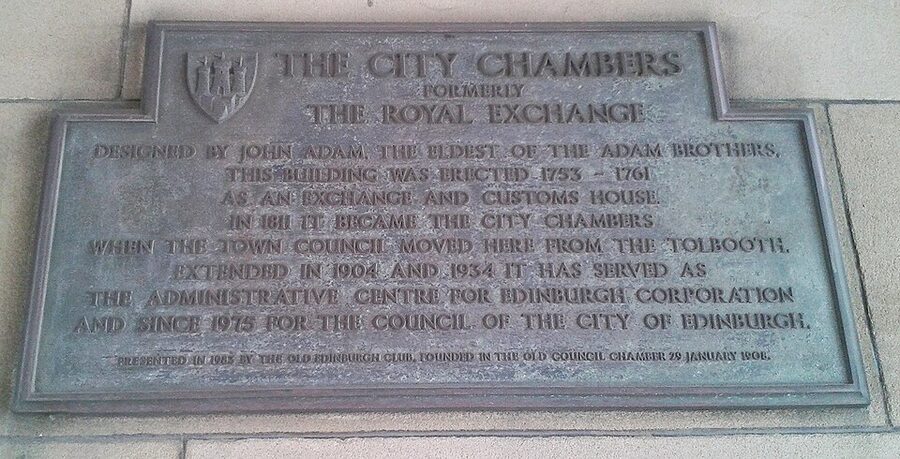
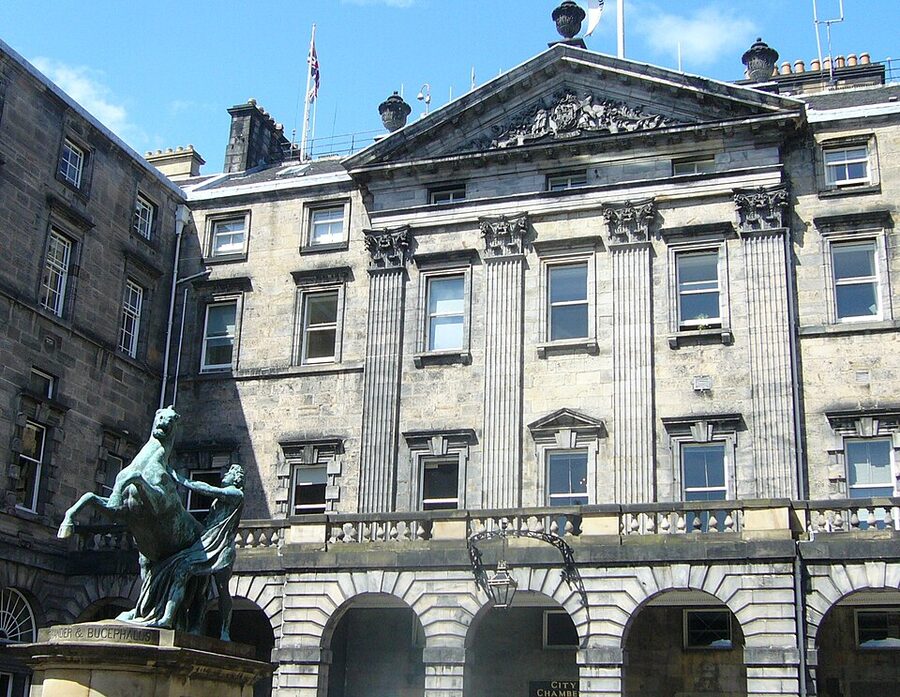
The street was built up from the 16th and 17th centuries, then partially demolished and roofed over in 1753 when the Royal Exchange (now the City Chambers) was constructed on top of it. The lower floors of the original buildings survived underneath. You walk through them.
That’s different from the Edinburgh Vaults, which are the support arches under South Bridge and were never anyone’s home. The Vaults are storage chambers turned squat tenement turned tour stop. Mary King’s Close is a frozen Saturday afternoon from 1685, more or less. Both are worth doing if you’ve got the time. They’re not the same kind of “underground.”
How to book it (the actual booking part)
The official site is realmarykingsclose.com, but you’re better off going through GetYourGuide or Viator for two reasons. First, you can cancel up to 24 hours ahead with no penalty on most listings. Second, the resellers sometimes have slots when the official channel shows sold out, because the attraction holds a chunk of inventory back for them. Our full review of the guided tour shows you what’s currently bookable.
Tickets are timed. You book a slot, you arrive five minutes early, you go in. Tours leave roughly every fifteen to twenty minutes from late morning through early evening, and last around an hour. Adult prices hover at $38 (about £29) on the standard tour, slightly more for the longer evening “Truth & Tales” version when it’s running.
Book ahead. I cannot stress this enough. In summer the daytime slots sell out three to four days in advance, and weekend evenings sell out a full week ahead. I tried to walk up at 11am on a wet October Tuesday and still only got an afternoon spot. There is no standby line.
If everything is sold out, look at the Old Town and Underground Historical Tour as a substitute. Different operator, different tour, but it includes a stretch of underground vault and pairs it with above-ground Old Town context. Not the same experience, but a decent replacement at a similar price.
Where to actually meet
The entrance is at 2 Warriston’s Close, High Street. That’s on the Royal Mile, just below the City Chambers, opposite St Giles’ Cathedral. If you’ve reached the Mercat Cross you’ve gone about ten metres too far. Look for the small painted sign and a queue of people in light jackets in mid-July weather.
Three tours worth booking
I’ve ranked these by what they actually deliver, not by who shouts loudest. The first one is the only proper Mary King’s Close tour. The other two are useful alternatives if your dates don’t work or you want a wider Old Town context.
1. Mary King’s Close Real Underground Guided Tour: $38
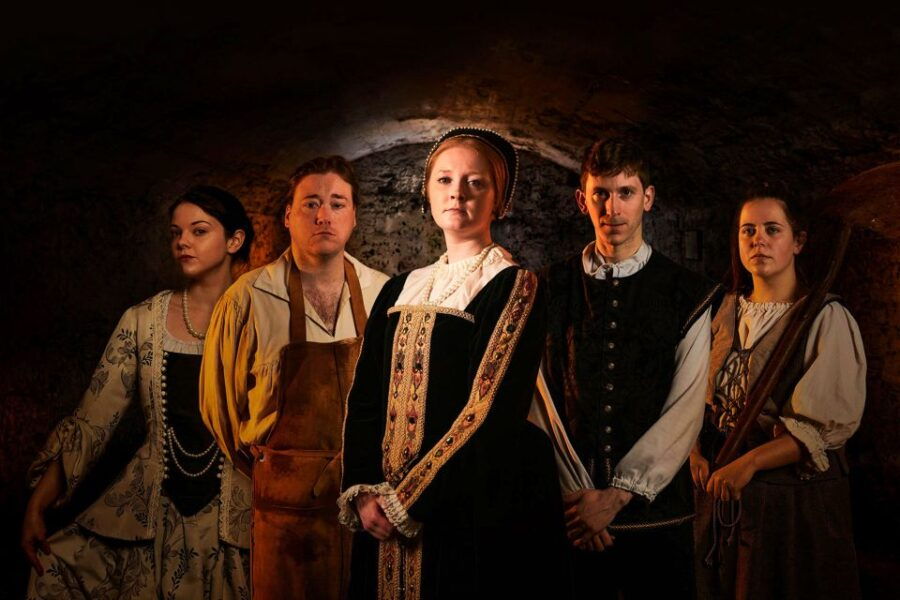
This is the only way into the actual sealed close. Our full review goes deeper on what each underground room contains and why the toy shrine room sticks with you. One hour, costumed guide, the most-booked Edinburgh underground tour by a wide margin.
2. Edinburgh Old Town History and Tales Walking Tour: $24
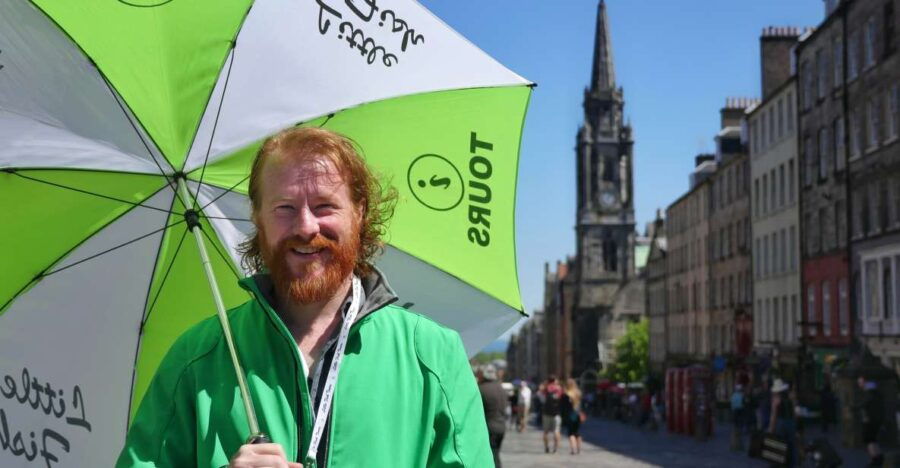
If you want to understand why Mary King’s Close even exists, this tour fills in the surface-level history that the underground tour doesn’t have time for. Our walkthrough covers the route in detail. Pair it with Mary King’s Close and you’ve got a good half-day.
3. Edinburgh Old Town and Underground Historical Tour: $27

This is a separate operator and a different underground space. Our review sets out exactly which vault you’ll see, so you can tell whether it’s the same one as on the dedicated Edinburgh Vaults tour (it isn’t, in most cases).
What the hour underground actually feels like
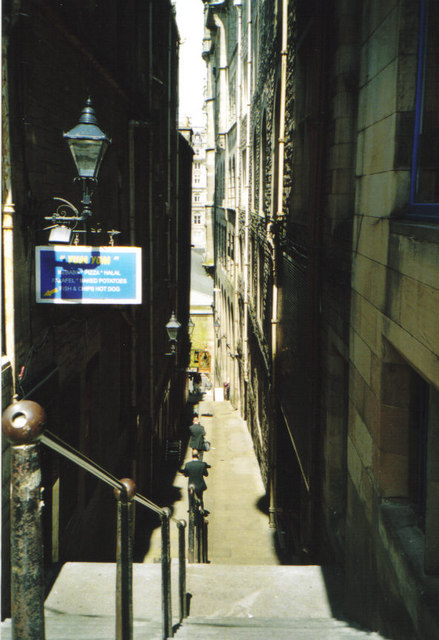
You start in a small reception area, watch a short orientation, then descend a couple of flights of modern stairs. The transition is gradual. Modern carpet, then bare stone, then the air shifts.
The guide is in 17th-century costume and stays in light first-person character, addressing you as if you’ve just stepped off the High Street into the close. It doesn’t tip into pantomime. There’s stamping. There are pauses. Younger kids occasionally jump.
You see five or six rooms. A sawmaker’s workshop with a “thunderbox” privy. A merchant’s parlour with fragments of original hand-painted wallpaper. The toys-for-Annie room, which I’ll come back to. A reconstructed plague-doctor scene. A cattle drovers’ lodging. The route changes slightly depending on the guide and the day.
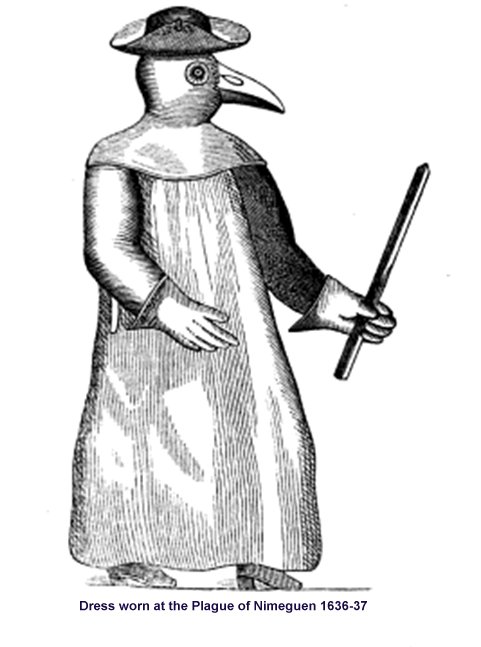
The plague stories take up a chunk of the tour, and they’re not glossed up. Edinburgh’s 1645 outbreak killed roughly half the people on the close. The guide will walk you through how the disease moved, what the rats had to do with it, and what the city did about it. None of it is invented; the dates and the methods are documented in city records.
And then there’s Annie’s room. Sometime in the 1990s, a Japanese psychic visited and said she’d encountered the spirit of a sick little girl. She left a doll. Visitors started leaving more. The room is now packed with toys, coins, sweets, hair ribbons. It’s the most photographed corner of the close, and the part that splits opinion. Some people find it sweet. I found it slightly uncomfortable. The guide leaves the meaning open, which I appreciated.
Practical things you’ll want to know
Wear layers. 14 degrees underground feels colder than 14 degrees outside because there’s no sun and there’s a slight draught. A thin fleece is plenty. Avoid bulky coats; you’re climbing tight stairwells and ducking under low beams.
Closed shoes. The floor is uneven cobble in parts. Sandals are fine in summer but trainers are better. Heels are a bad idea, full stop.
Age limits. Five and up officially. I’d push that to eight in practice. The plague stories are graphic, and the low light spooks younger kids. The Real Mary King’s Close runs a separate “kids tour” some afternoons that softens the gore. Worth checking the schedule if you’re coming with under-tens.
No photography. Phones away the entire time underground. They’re strict about it. There’s a designated photo-stop near the end where you can grab a couple of frames. Don’t argue, just respect it.
Accessibility. Limited. There are around seventy steps and the route is not wheelchair-accessible. If you have mobility issues, call the official line first. The office team is direct on the phone about who can manage the route and who can’t.
Best time to go
Underground temperature is a year-round 14 degrees, so the season barely affects the tour itself. What changes is everything around it.
August is brutal. The Edinburgh Fringe means the Royal Mile is a mess of street performers, cardboard signs, and slow-moving crowds. Tickets sell out a fortnight ahead and you’ll queue twenty minutes to enter. Skip if you can.
October is my favourite. The light goes orange by late afternoon, the city smells faintly of woodsmoke from pubs, and the contrast between the bright street and the cool dark close is at its most dramatic. Plus availability is better.

January and February are cheapest and emptiest. The street is freezing, the close is the same 14 degrees, so you walk in and it actually feels warm for once. Rooms are quieter and you can ask more questions. Book a Tuesday or Wednesday afternoon and you might end up with a tour group of six.
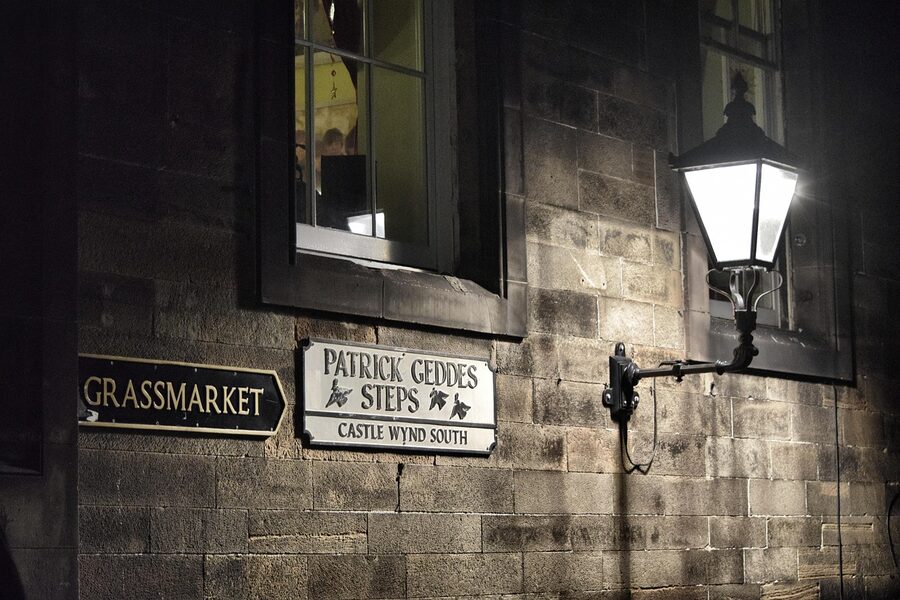
A bit of background, if you want it
The close was named after Mary King, a 17th-century burgess and cloth merchant who owned property along it. Burgess status was unusual for a woman in the 1620s, which is part of why the name stuck. She lived, traded, and died on the street.
The 1645 plague outbreak emptied much of the close. Old folklore claimed plague victims were walled in alive. They weren’t. That’s a Victorian-era embellishment, and the official tour is careful to debunk it. People did die in great numbers, but the city’s response was quarantine and removal, not bricking up the sick.
Construction of the Royal Exchange began in 1753. The lower halves of the houses on Mary King’s Close and a few neighbouring closes were left intact and used as storage cellars and foundations. They were forgotten for a century or so, rediscovered piecemeal in the Victorian era, and finally opened to the public in 2003 in their current form.
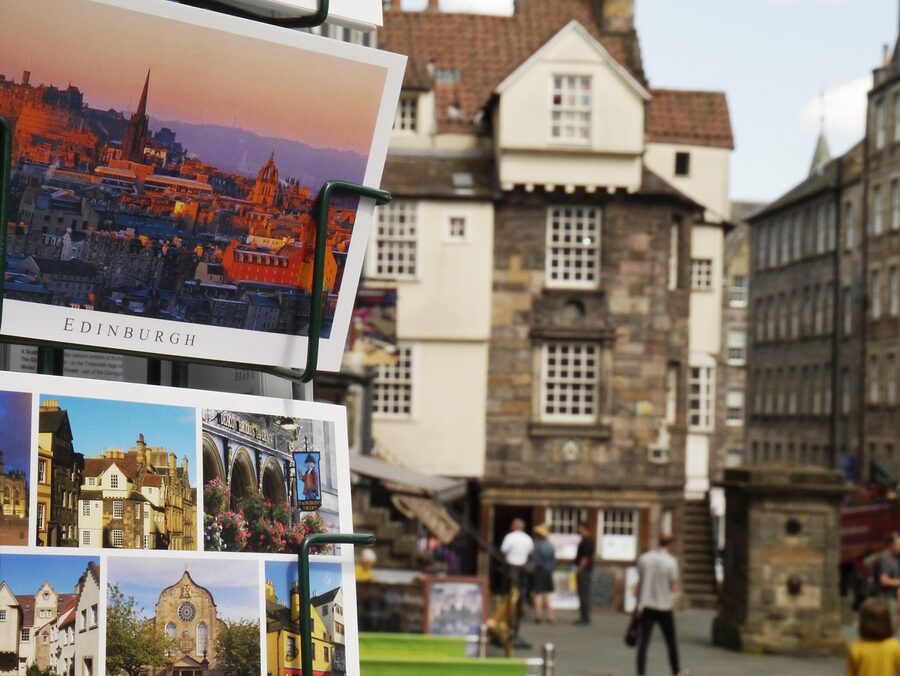
The closes that didn’t get built over still exist along the Royal Mile. Fleshmarket, Anchor, Advocate’s, Riddle’s, Bakehouse. You can walk most of them above ground for free. They give you a useful frame of reference for what Mary King’s Close looked like in 1640.
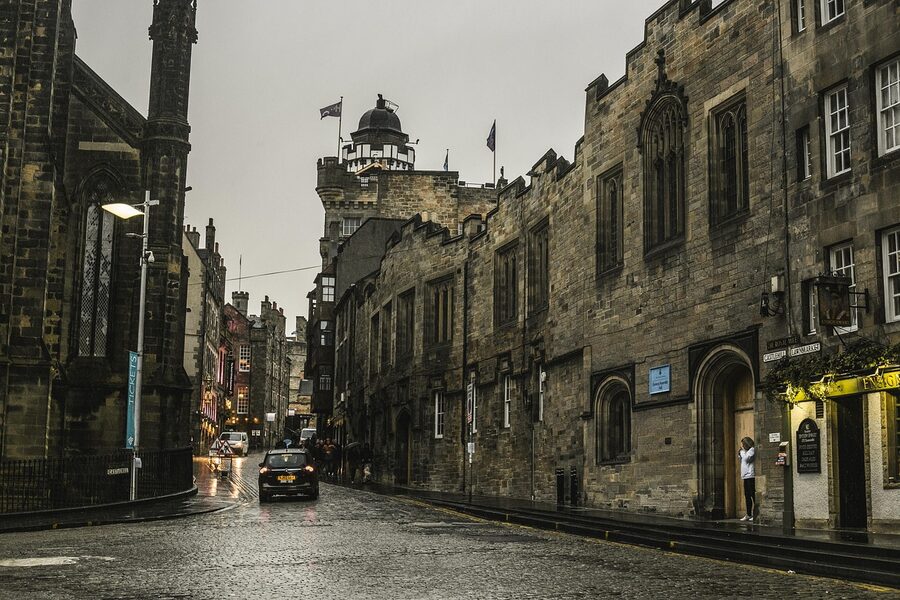
For more booking-side context on how Edinburgh’s hop-on-hop-off buses pair with the Old Town stops, the Harry Potter walking tour guide covers some of the same surface streets you’ll walk between Mary King’s Close and Greyfriars Kirkyard.
How it pairs with other Edinburgh days
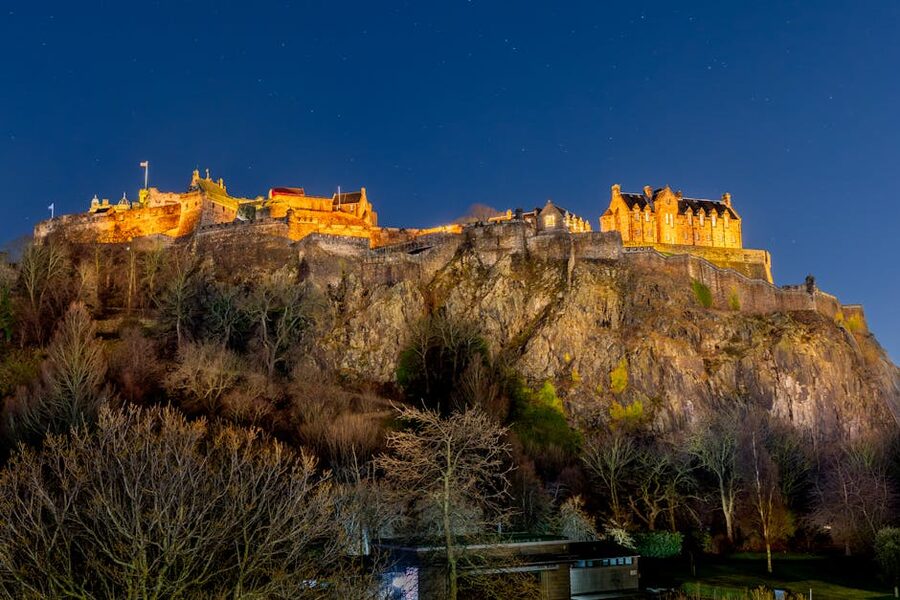
I’d combine Mary King’s Close with the castle in the same day. The castle takes about three hours, and it’s at the top of the Royal Mile. Walk down, grab lunch on Cockburn Street, then go underground. You’ll have done the entire chronological arc of the city in one afternoon, from the 12th century down to 1753.
Don’t double-book it with the Vaults tour on the same day. Two underground tours back to back is a lot of stone, dim light, and similar pacing. Spread them across two days. Or pick the one that fits your taste better. The Close is more historical and family-friendly. The Vaults lean darker and more atmospheric.
If you’re staying near the castle, the Royal Mile whisky experiences are an easy walk after the close. End of day, glass in hand, sun setting on Princes Street. That’s the order I’d do it in.
Skip these mistakes
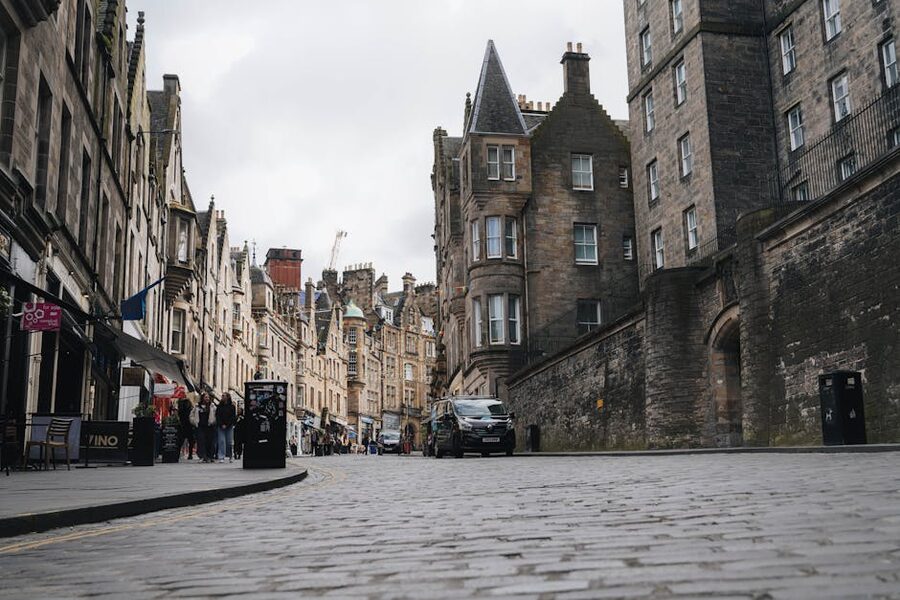
People walk past the entrance regularly. The signage is small and the doorway tucks into the corner of the City Chambers steps. Look for “2 Warriston’s Close” and the queue.
Don’t show up early thinking you’ll get in early. Tours run on a strict schedule. They won’t let you down before your slot, and arriving 30 minutes ahead means standing in the wind on the High Street.
Avoid booking the last slot of the day if you’ve got dinner plans. Tours occasionally run five or ten minutes long, and the late slot tends to attract larger groups, which slows everything down further.
And the big one: don’t confuse this with the haunted bus tours, the Witches’ Walks, or the Vaults. Mary King’s Close is a history tour. There are no jump scares, no actors leaping out, no ghost story embellishments. People who turn up expecting fright-night are sometimes underwhelmed. People who turn up wanting real history are almost always thrilled.
Other Edinburgh experiences worth your evening
If you’ve got a long weekend, I’d pair Mary King’s Close with two surface-level activities to balance the dim and the dramatic. Edinburgh Castle sits a fifteen-minute walk uphill and gives you the cleanest sweep of Scottish history in a single morning. For a different energy entirely, the Harry Potter walking tour hits the same Old Town streets but with a totally different mood, and works well as a light afternoon after a heavy underground morning. Save the whisky tasting for last.