
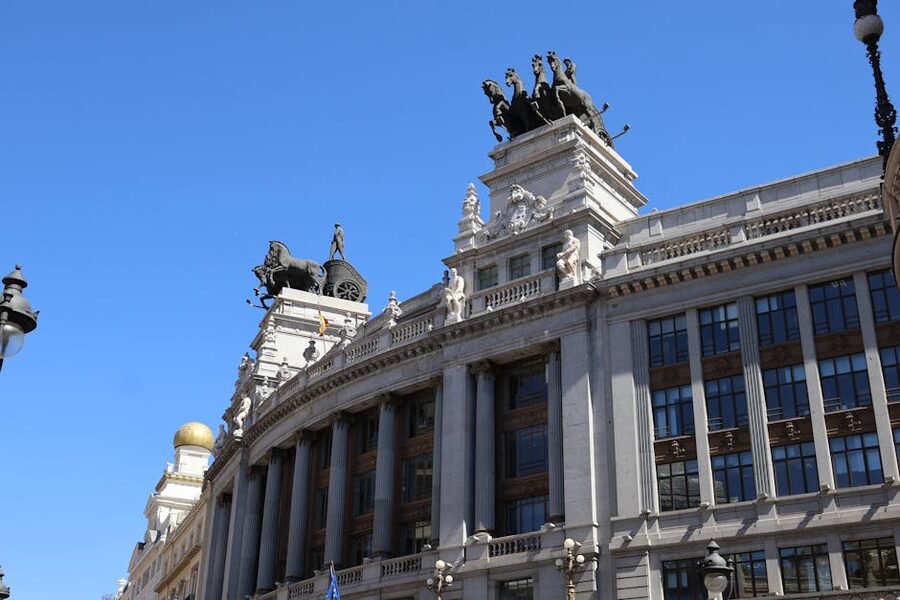
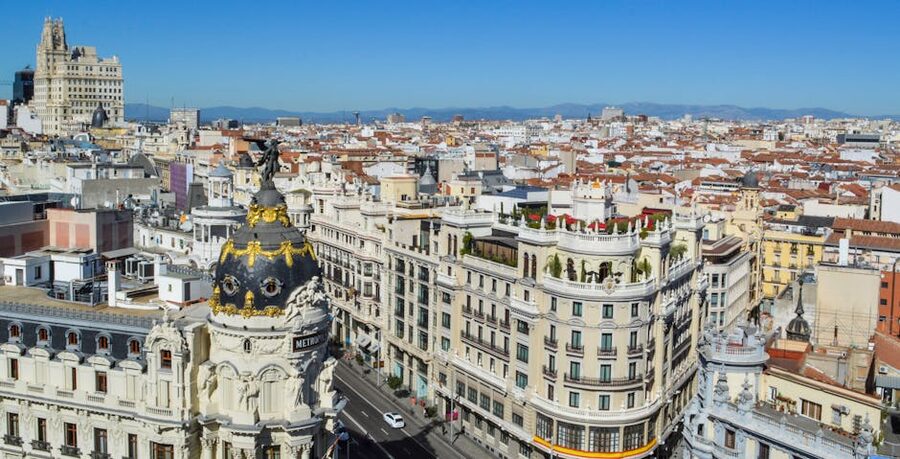
Halfway up Gran Vía, you tilt your head back from the top deck and realise you can read the date on the Edificio Metrópolis statue. That’s the moment a Madrid panoramic bus stops being a cliché and starts feeling like the smartest first move in the city.
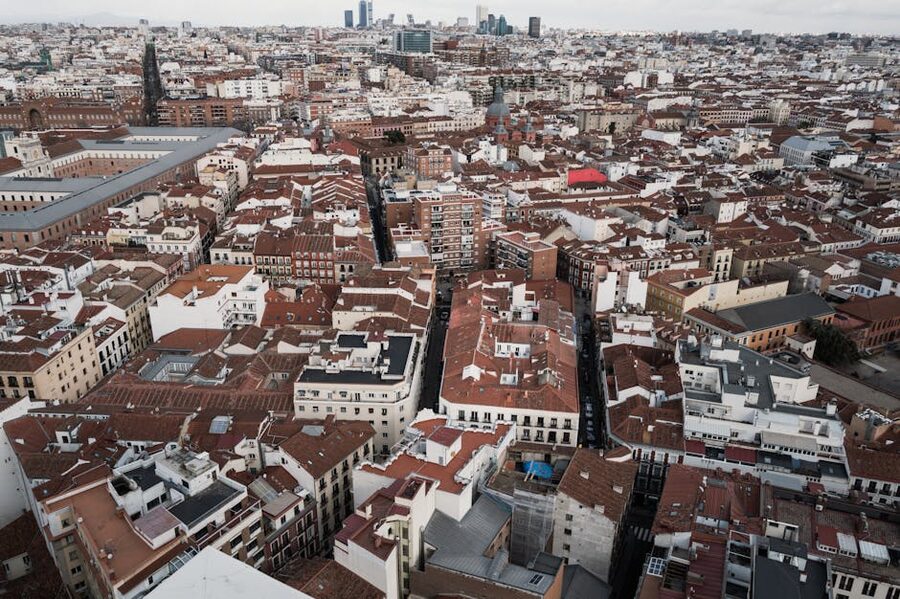
I’ve put together this guide because the booking pages do a terrible job of explaining what you actually get. There are at least four operators selling something called a “Madrid city tour.” They are not the same product. Below is the version a friend would tell you over a coffee.
- In a Hurry? Top Madrid Panoramic Picks
- What You’re Actually Booking
- The Three Main Routes
- Historic Madrid
- Modern Madrid
- Monumental and Combined Loop
- Which Operator to Pick
- Top Madrid Panoramic Tours to Book
- 1. Madrid Panoramic Route City Tour:
- 2. Madrid City Tour Hop-On Hop-Off: .64
- 3. Madrid Big Bus Panoramic Night Tour:
- Day Tour vs Night Tour
- Pricing and How Tickets Actually Work
- Which Stops Are Worth Hopping Off At
- Plaza Mayor and Puerta del Sol
- Royal Palace and Almudena
- Plaza de Cibeles
- Retiro Park
- Temple of Debod
- What the Bus Doesn’t Cover
- How to Get to the First Stop
- Booking Tips That Actually Save You Money
- Best Time of Day to Ride
- Combining With Other Madrid Activities
- Avoiding the Worst Mistakes
- What to Do After the Bus
In a Hurry? Top Madrid Panoramic Picks
- Panoramic Route City Tour from $39. Three routes, hop-on hop-off, audio guide. The default pick.
- Madrid City Tour Hop-On Hop-Off from $33.64. Cheaper Viator listing of the same bus network. Good for budget travellers.
- Big Bus Panoramic Night Tour from $28. One loop, 1.5 hours, with a live guide. Madrid lights up beautifully.
What You’re Actually Booking
Here’s the part that confuses people. “Madrid panoramic city tour” covers two different products.
The first is a hop-on hop-off bus pass. You buy 24 or 48 hours of unlimited rides on a network of stops. There are typically three routes: Historic Madrid, Modern Madrid, and a Monumental Route. You get headphones with multilingual audio, climb aboard at any stop, and jump off when something looks good.
The second is a fixed panoramic loop, usually 1 to 1.5 hours, with a live guide on board. You don’t get off. You sit, you listen, you photograph. These run mostly at night, when traffic is light and the monuments are floodlit.
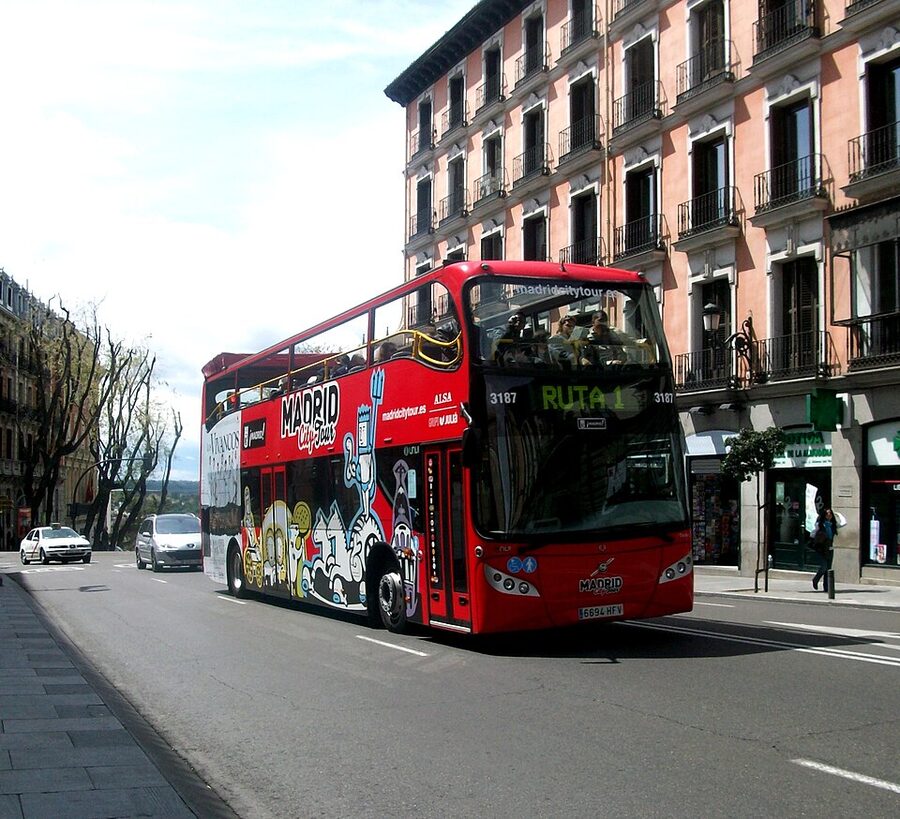
If you only have one full day in Madrid, the hop-on hop-off makes sense. If you’ve got a half-day or you’re using the bus to get a feel for the city before deciding what to do tomorrow, the fixed loop is faster and cheaper.
One thing the listings don’t make clear: the operators share many of the same stops. Big Bus, City Sightseeing, Madrid City Tour, and Tootbus all stop near the Royal Palace, Plaza de Cibeles, and Gran Vía. The buses look different but the route logic is similar. You’re really choosing between price, frequency, and live-guide vs audio-guide.
The Three Main Routes
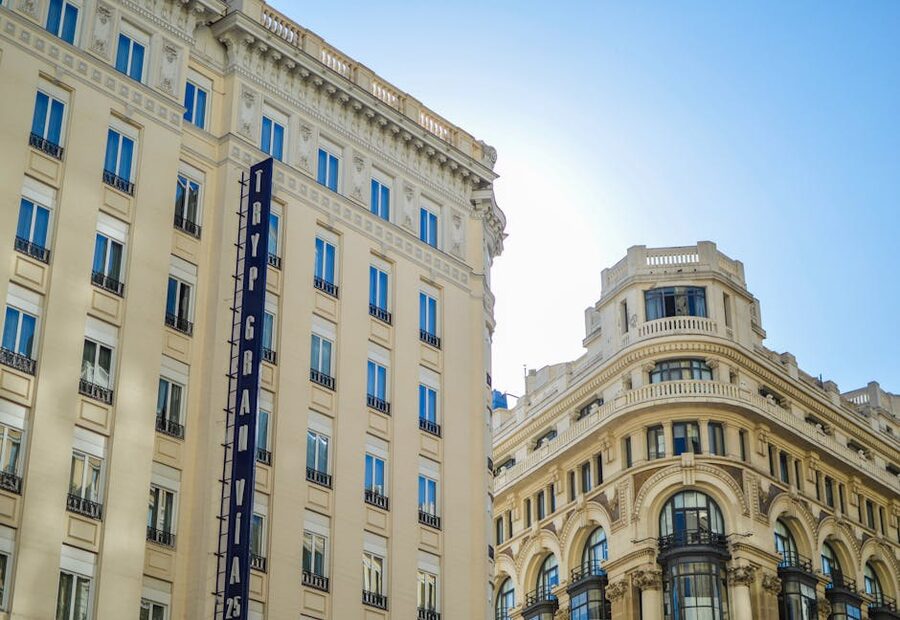
Most operators offer some version of these three loops. They don’t always run at the same frequency, and only one (the Historic) runs after dark.
Historic Madrid
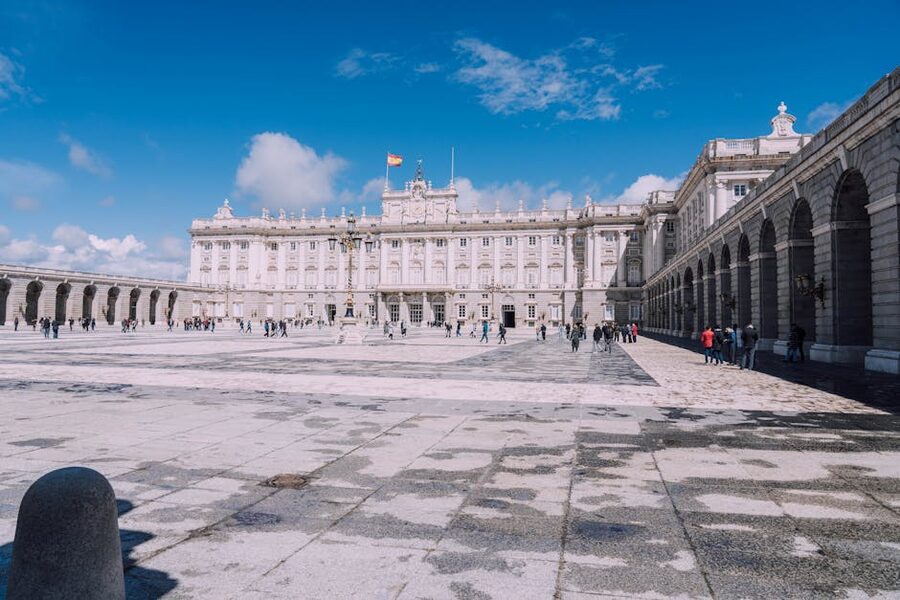
This is the one you ride first. It loops the old town: Plaza Mayor, the Royal Palace, Almudena Cathedral, Puerta del Sol, and Plaza de Cibeles. Stops are close together, and the bus moves slowly through narrow streets, so the photo opportunities pile up fast.
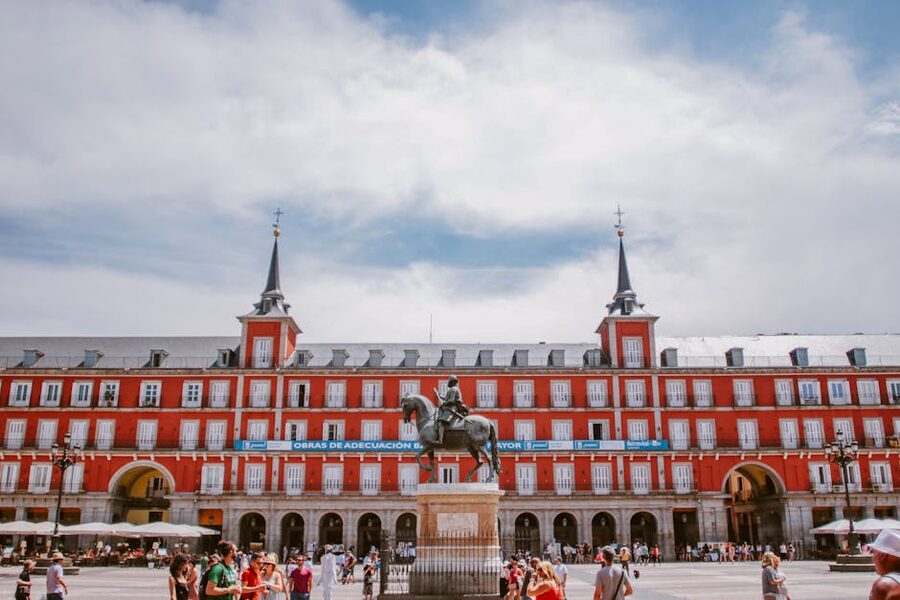
If you’re the kind of traveller who hops off, this is where you’ll do it. Plaza Mayor in particular deserves more than a drive-by. So does the Royal Palace, which is genuinely huge and worth at least an hour even from outside.
Modern Madrid
This route swings up through Paseo de la Castellana toward the business towers and the Bernabéu. It’s faster, with longer gaps between stops. Honestly, unless you’re a Real Madrid fan or you want to see the Cuatro Torres skyline, you can skip this one and not miss much.
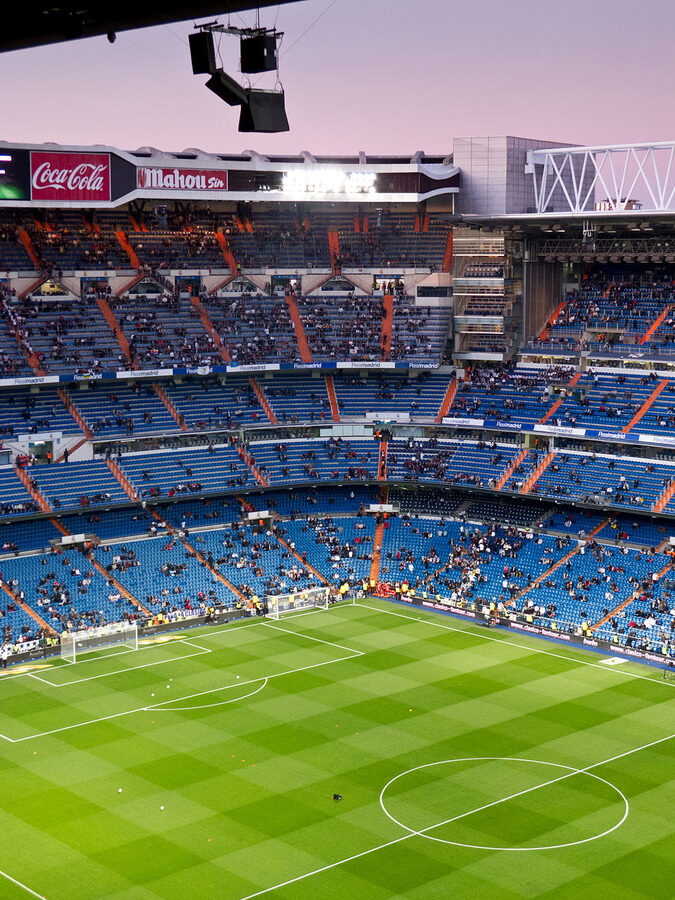
The Modern loop is also where the bus picks up speed. After all the slow stop-and-go of the historic core, this is the part where you actually get a “panoramic” feel: long boulevards, tree-lined avenues, glass towers in the distance. Not pretty in the same way as Plaza Mayor, but it gives you a sense of how big Madrid actually is. Most people only know the old town and assume that’s the city.
Monumental and Combined Loop
Some operators run a third loop that blends the highlights of both. It’s the right pick if you only buy a 24-hour ticket and you’re willing to sit through both old and new in one circuit. The downside: fewer stops, so it’s less useful as actual transport.
Which Operator to Pick
If you’re standing in Puerta del Sol with your phone open and trying to make a decision, here’s the quick logic. City Sightseeing and Madrid City Tour (the red double-deckers) has the densest network of stops and the most departures. Big Bus tends to be a touch more polished with cleaner buses and clearer audio. Tootbus is the budget alternative and runs fewer stops.

The biggest practical difference isn’t the company. It’s whether you book the bus alone or as a combo. The official City Sightseeing site sells a Madrid plus Toledo combo for travellers staying multiple days, which can be cheaper than buying both separately.
If you’re booking through GetYourGuide or Viator, you’ll often see the same operator listed under different product titles. The pricing is usually identical. The platform you book through matters more for the customer service experience than the actual ride.
Top Madrid Panoramic Tours to Book
1. Madrid Panoramic Route City Tour: $39

This is the workhorse listing on GetYourGuide and the one most travellers end up on. The 24-hour ticket gets you all three routes. Our full review of the Panoramic Route City Tour walks through the audio guide language options and the family-ticket discount. If you only book one Madrid bus tour, this is it.
2. Madrid City Tour Hop-On Hop-Off: $33.64
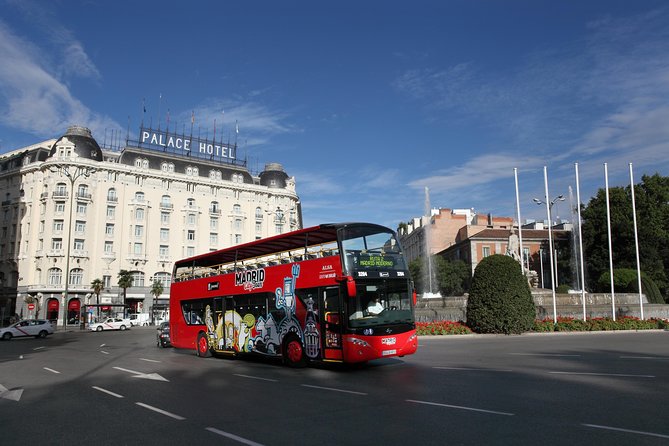
The Viator version of the standard hop-on hop-off, often a few dollars cheaper than the GetYourGuide listing. The product is identical: same buses, same stops, same audio. Our full review of the Hop-On Hop-Off covers the small print on duration windows and stop closures during festivals.
3. Madrid Big Bus Panoramic Night Tour: $28
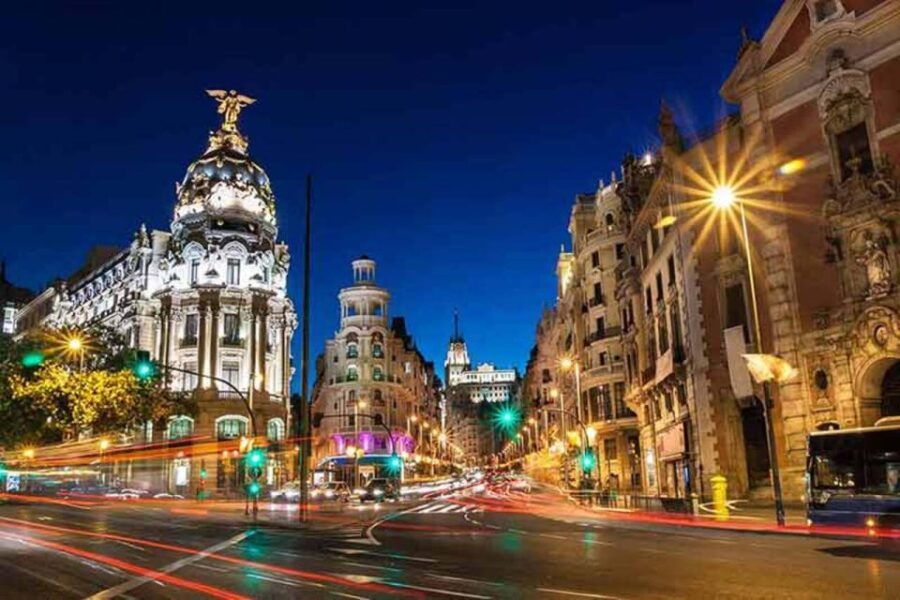
This isn’t a hop-on hop-off, it’s a single 90-minute panoramic ride with a guide who actually talks. Better suited to evening visitors than first-day arrivals. Read more in our broader Madrid panoramic round-up for how it compares to the day pass options.
Day Tour vs Night Tour
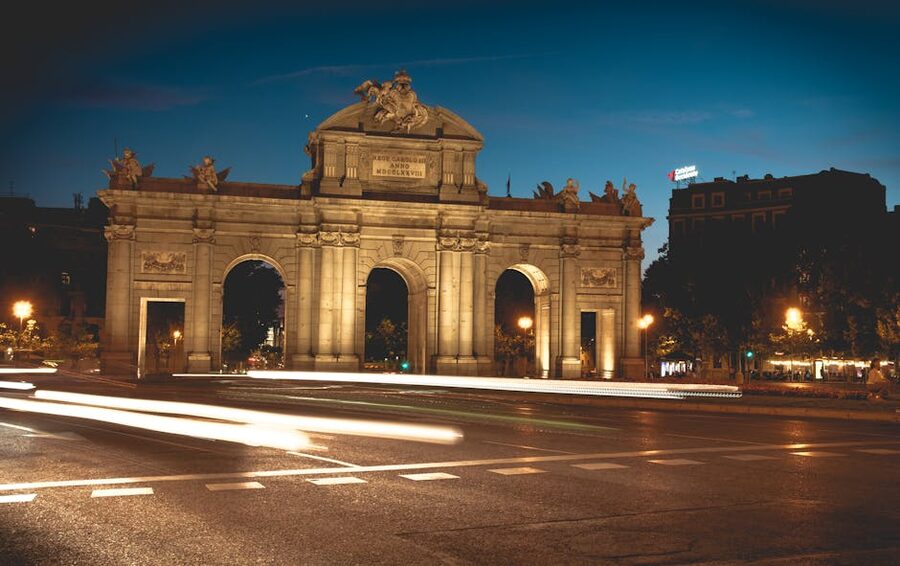
Night tours are a different product. Most run as a single fixed loop, usually with a live guide, lasting around 90 minutes. The route hits Cibeles, Gran Vía, Plaza de España, and Puerta de Alcalá. The lighting is the point. These monuments look generic in daylight and dramatic after dark.
Book the day version if it’s your first day in town and you want to use the bus to plan your sightseeing. Book the night version if you’ve already walked the old town and just want a relaxed orientation with a guide who can answer questions.
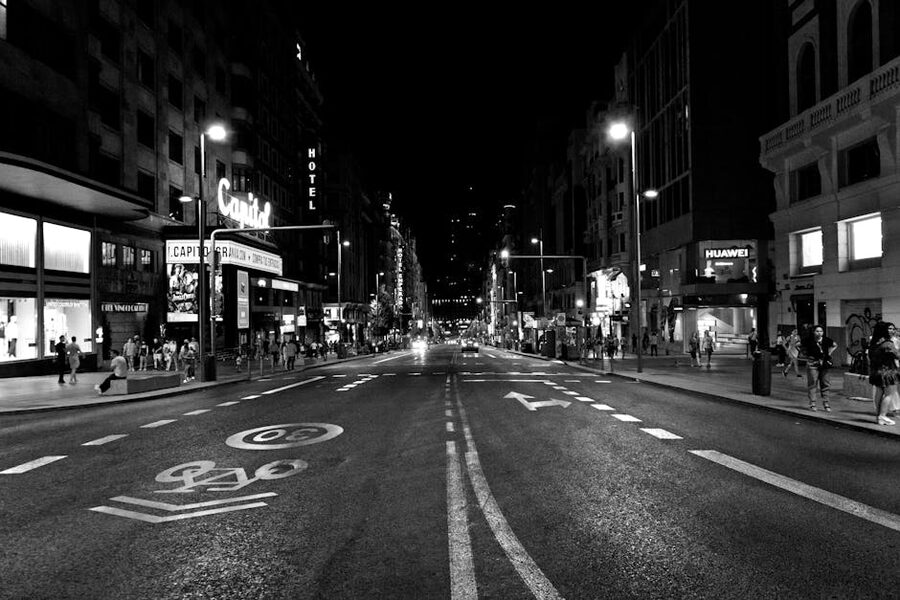
One small caveat: in winter the night loop can be cold on the open top. Madrid drops below 5°C in December and January, and the wind on a moving bus makes it worse. Bring a jacket you can fully zip up. The lower deck is heated but you lose the open-air photography angles.
Pricing and How Tickets Actually Work
Standard pricing in 2026 looks roughly like this:
- 24-hour hop-on hop-off: $33 to $40 adult
- 48-hour hop-on hop-off: $42 to $52 adult
- Single fixed loop (night): $25 to $32
- Family pass (2 adults plus 2 kids): often a 20 to 30 percent saving over individual tickets
Children under 4 ride free across all operators. Kids aged 4 to 15 get reduced fares, usually around half price. Some operators include the first ride on the Teleférico (cable car to Casa de Campo) when you book direct on their website, but third-party platforms don’t always include that.
The 24-hour ticket activates on the first scan, not at the time of booking. You can buy in advance and use it whenever you want. The 48-hour version is the better value if you’re staying three or more days, because you’ll naturally use the bus once on day one and again on a different day.
Skip the queue at Puerta del Sol or Plaza de España. The kiosks are expensive and they push the most rigid time slots. Online prices are nearly always cheaper, and the e-ticket on your phone gets scanned at the door without any drama.
Which Stops Are Worth Hopping Off At
Most stops on the historic loop are a 5 to 10 minute walk from somewhere worth seeing. Here’s the cheat sheet for which ones reward you for the effort.
Plaza Mayor and Puerta del Sol
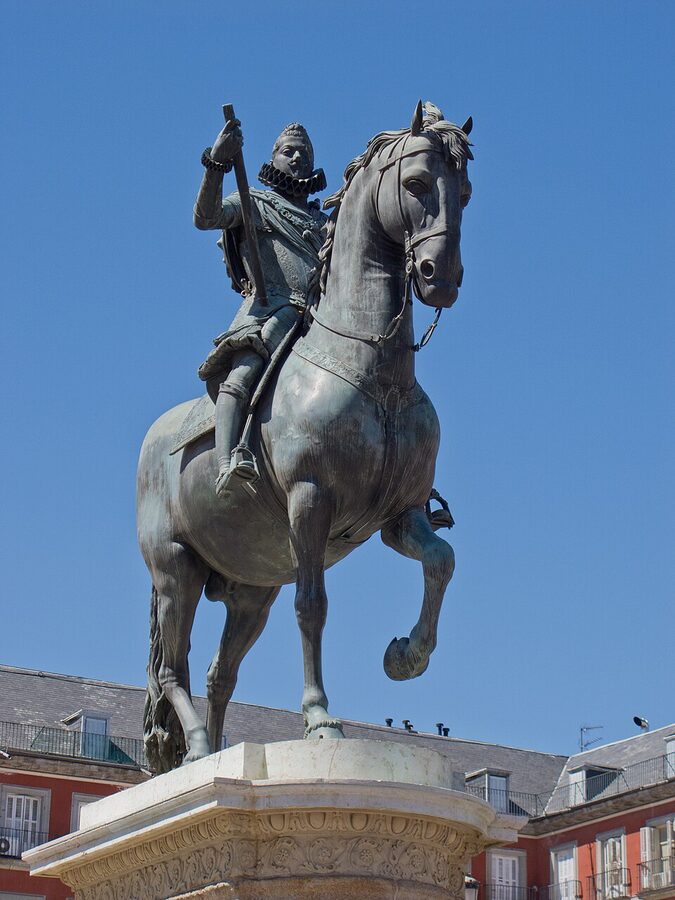
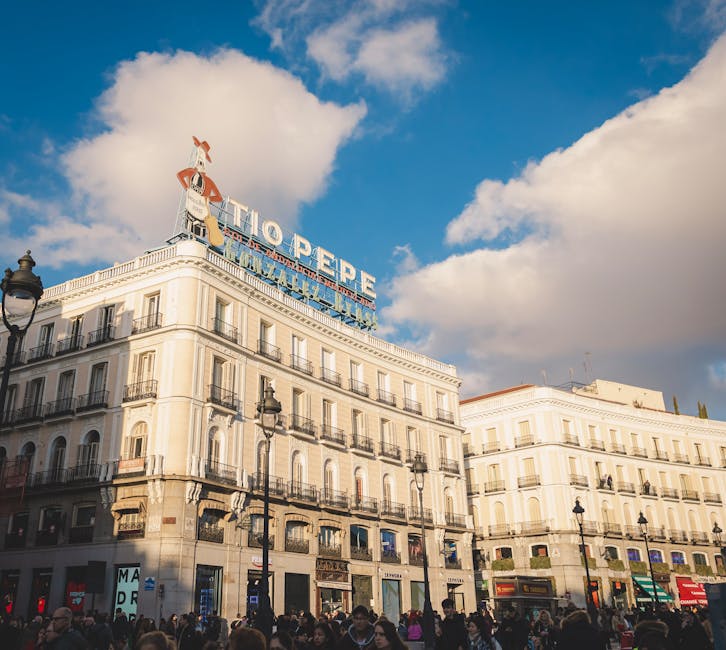
Worth a 30-minute hop-off. Both squares are within five minutes’ walk of each other. From Puerta del Sol you can also dip into Calle Mayor or do a quick Mercado de San Miguel run for tapas. The bus stop here is also where you’ll find the most food options nearby. Once you’ve ticked these off, you’ve covered the absolute centre of Madrid.
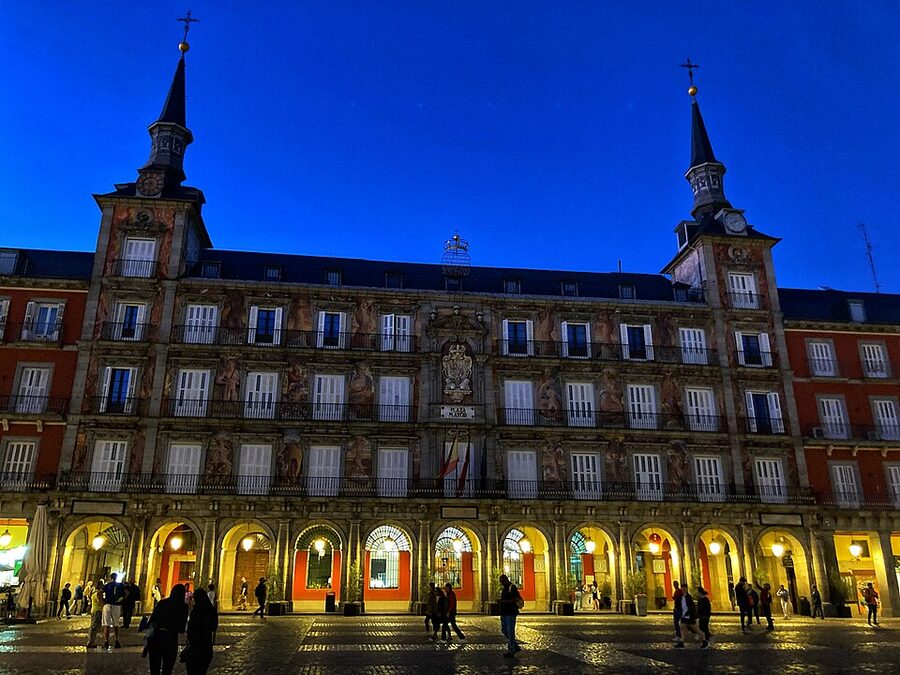
Royal Palace and Almudena
The single best hop-off on the historic route. Allow at least an hour. The exterior alone is worth the stop, and Almudena Cathedral is right next door. If you’re going inside the palace, you’ll need a separate timed-entry ticket booked ahead. Walk-up queues here can hit 90 minutes in summer.
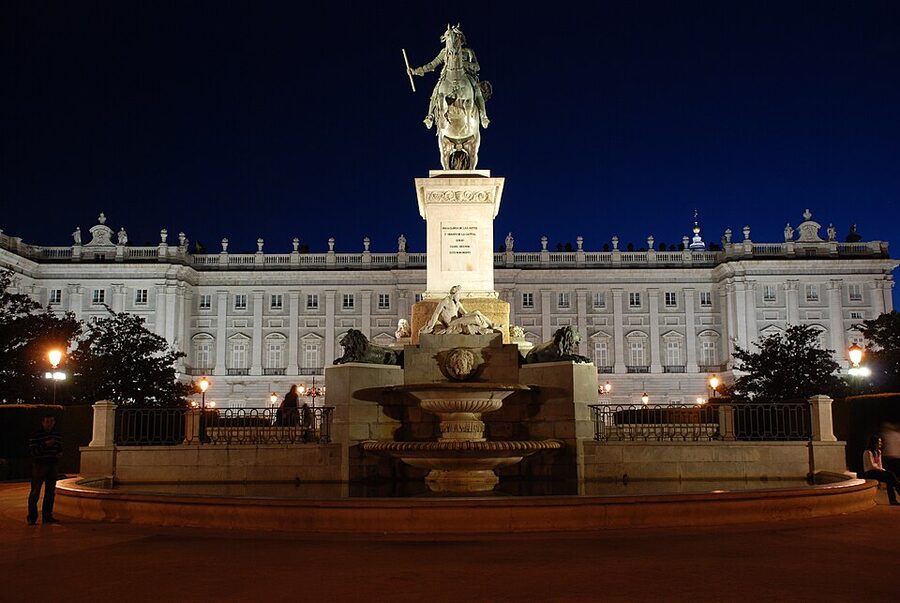
Plaza de Cibeles
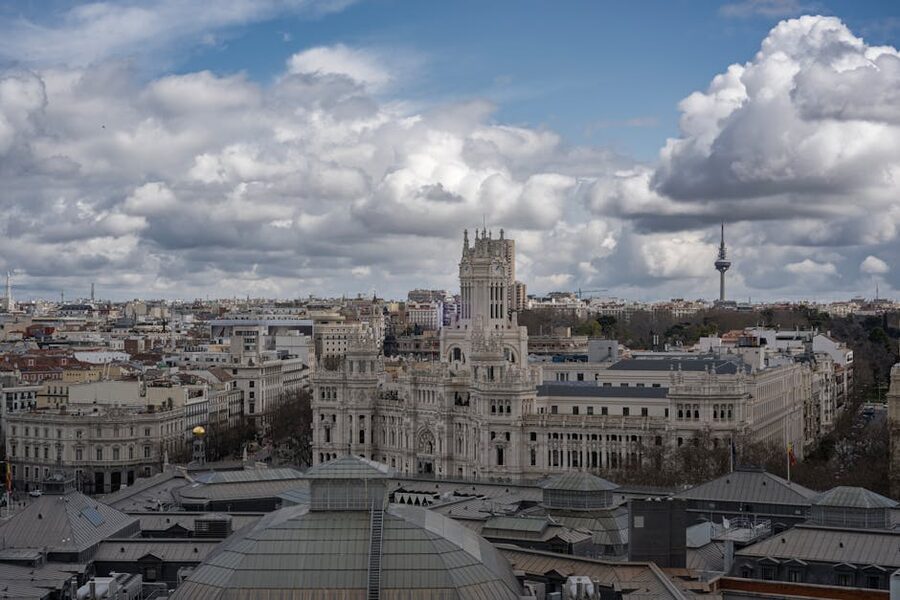
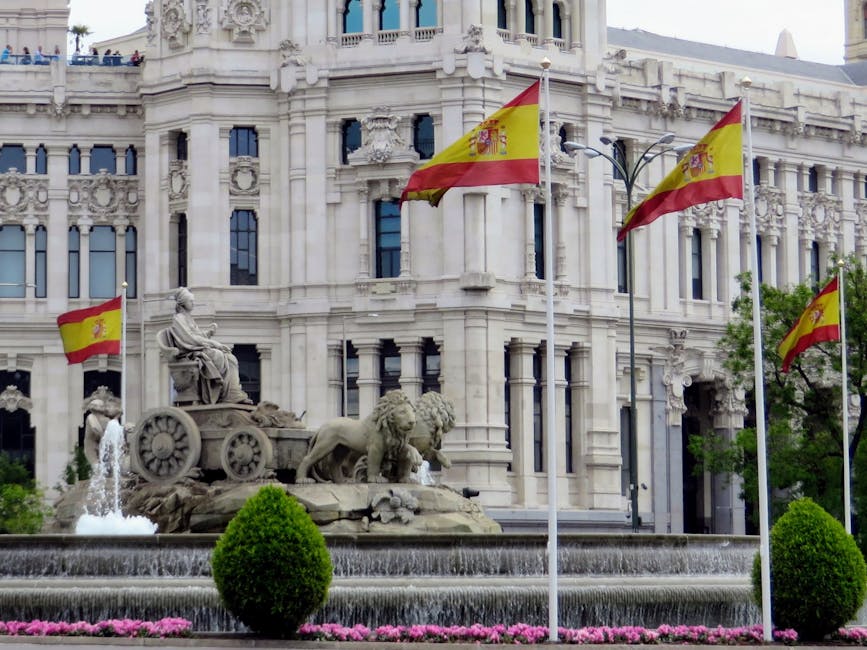
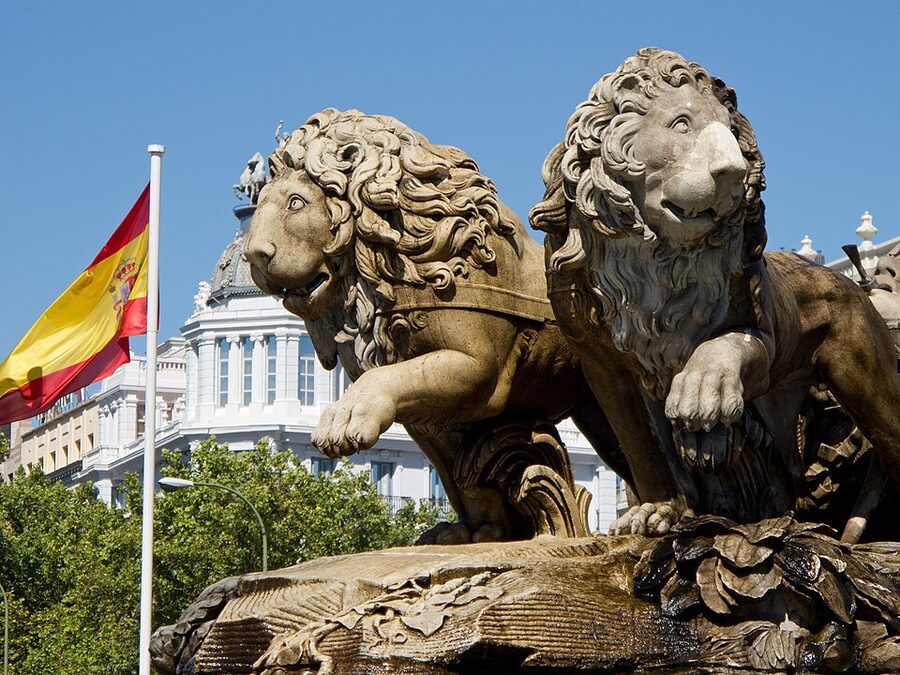
Photogenic, but you don’t need to hop off. The bus circles the fountain slowly enough to get the shot. The Cibeles Palace (the wedding-cake building) is now Madrid’s town hall, and you can pay a few euros to go up to the rooftop terrace for one of the best skyline views in the city. That, alone, is worth a hop-off.
Retiro Park
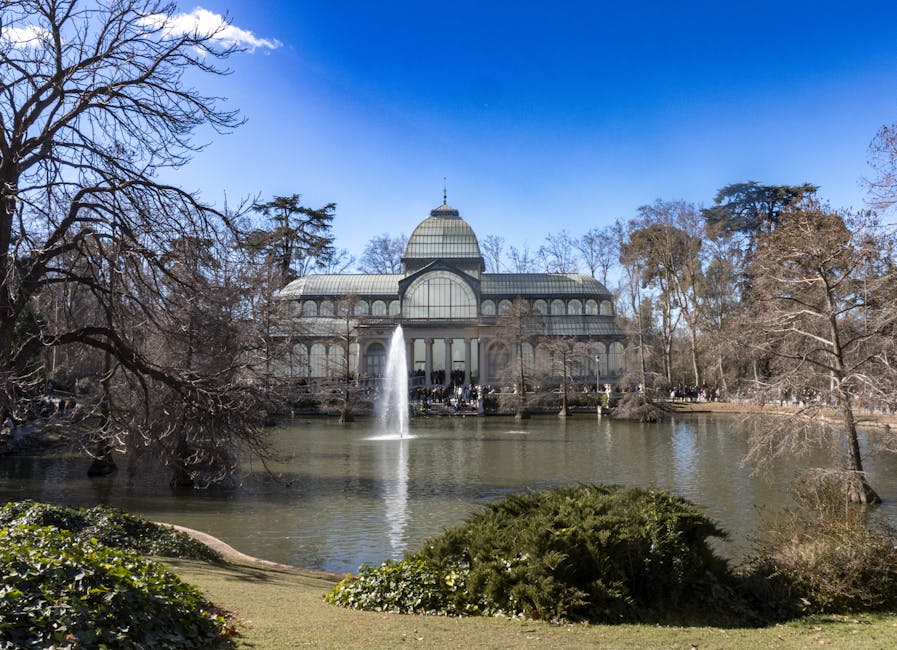
Worth a hop-off if the weather is good. Retiro is enormous and the bus only stops at one entrance. Plan at least 45 minutes if you want to walk to the boating lake or the Crystal Palace and get back to the next bus.
Temple of Debod
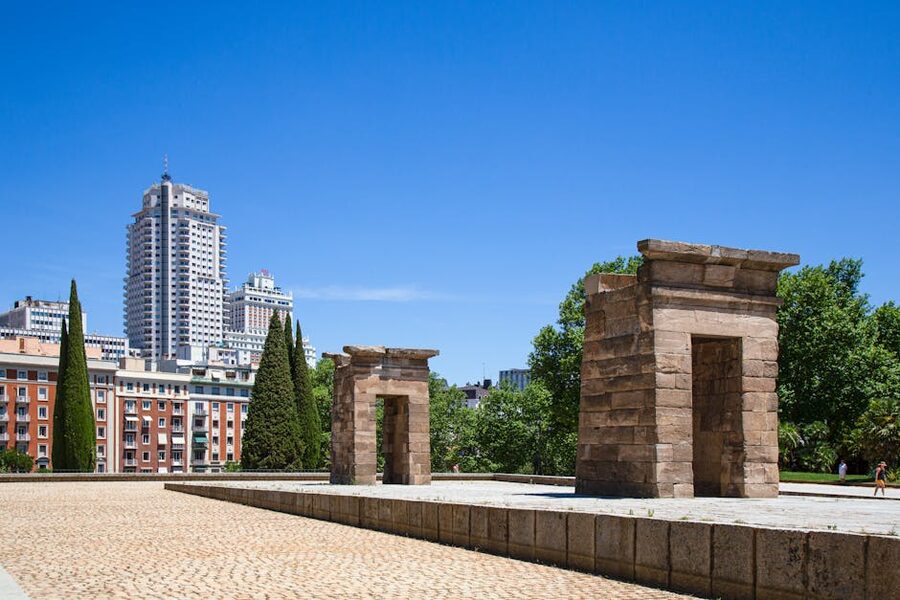
This one surprises everyone. An actual ancient Egyptian temple, given to Spain in 1968 and reassembled stone by stone in a park near Plaza de España. Free to enter, gorgeous at sunset, and perfectly positioned for the modern-route detour. If your bus pass has 30 minutes left and you’re near here, hop off.
What the Bus Doesn’t Cover
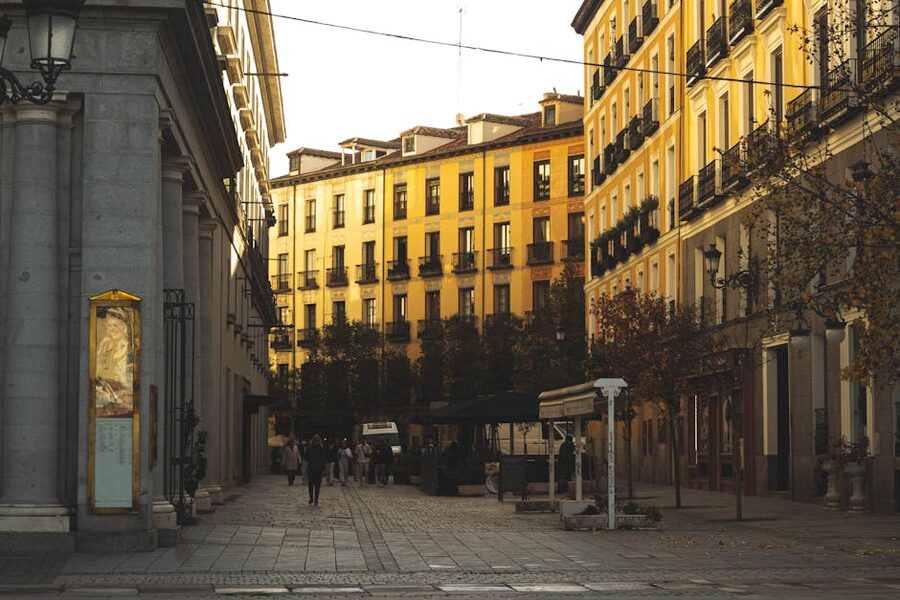
Worth saying clearly: a panoramic bus tour is not a substitute for actually walking around Madrid. The narrow streets of La Latina, the food markets in Lavapiés, the bookshops on Calle de las Huertas, none of those work from a bus, because the bus can’t go down those streets.
Use the bus to scout. Identify the neighbourhoods that look interesting. Then come back on foot the next day. That’s the real value, more than the audio commentary itself, which tends toward generic dates and royal succession lists.
How to Get to the First Stop
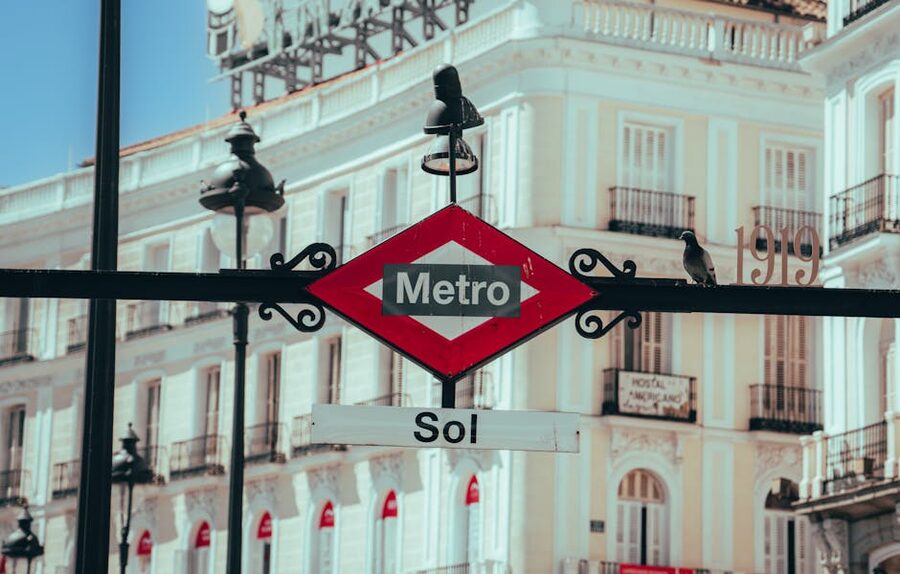
Most central buses pick up at Plaza de España or Puerta del Sol. Both are easy by Metro. Sol is on Lines 1, 2, and 3, plus the Cercanías commuter trains from the airport via Atocha. Plaza de España is on Lines 3 and 10.
If you’re staying anywhere in the centre, La Latina, Sol, Malasaña, Chueca, you can walk to a stop in under 15 minutes. The buses don’t stop at hotels; you go to them.
Booking Tips That Actually Save You Money
Three things worth knowing before you click pay:
The 48-hour ticket is the sweet spot. If you’re staying three nights or more in Madrid, the 48-hour version pays for itself even if you only use it across two non-consecutive days. The validity is rolling 48 hours from first scan, not two calendar days.
Cancellation policy varies more than you’d think. GetYourGuide tends to offer free cancellation up to 24 hours before. Viator can be stricter. Read the cancellation small print before booking, especially if your trip dates aren’t locked in.
Family tickets are massively underrated. The official Madrid City Tour family ticket (2 adults plus 2 kids) is often cheaper than buying four individual reduced tickets. Always check both options before purchasing.
Best Time of Day to Ride
Mornings beat afternoons. Madrid traffic is heaviest from about 1pm onward, especially on weekdays, and a sightseeing bus stuck at the lights is the most expensive way to sit still. The earlier you start, the more loops you fit into a single ticket.
For photography, late afternoon golden hour is unbeatable. The buses run until about 8pm in winter and 10pm in summer. Aim for the second-to-last departure to get the warm light without the cold rush of the night loop.
Combining With Other Madrid Activities
The panoramic bus pairs well with anything that’s a short walk from the historic loop. A Prado Museum visit works perfectly because the Prado is a stop on most routes. Same for the Reina Sofía, which is across the road from Atocha station and easy to reach by bus.
If you’re booking the bus for day one, save deeper experiences for day two. Booking a Madrid flamenco show is the ideal evening complement. Or save energy for a Toledo or Segovia day trip, see our Toledo day trip guide for how that works as a bus combo with the same operator network.
If you want to slow down the pace, a Sol-to-Retiro walking tour covers many of the same landmarks at street level. Use the bus on day one to scope out neighbourhoods, then book the walking tour for day two when you’ve already decided what you want to see in detail.
Avoiding the Worst Mistakes
Three things people regret:
Buying at the kiosk in summer. The Puerta del Sol kiosks have lines 30 minutes long in July and August. Pre-book online. Your phone is your ticket.
Booking the wrong loop for your interests. If you came to Madrid for art and history, the Modern route is wasted on you. Confirm which routes your ticket includes before paying.
Treating the bus as the whole experience. The bus is a vehicle, not a tour in the deep sense. It puts you next to the things worth seeing. The actual experience starts when you get off.

What to Do After the Bus
If your panoramic loop has given you a feel for the city’s shape, the natural next moves depend on what you want from the rest of your stay. For art, the Prado anchors most plans. For evenings, a Madrid flamenco show is the standard complement to any first day, and the Cueva de Lola or Corral de la Morería tablaos are walking distance from most central hotels.
Day-trippers should look at Toledo and the Toledo and Segovia combination, both of which use Madrid’s main bus stations as departure points. A football fan probably wants to add a Bernabéu stadium tour, which is on the panoramic Modern route but requires its own ticket. And if you’re into wine and tapas more than monuments, the bus can drop you near the start of a tapas-focused walking tour for a slower pace on day two.