
The first thing that hits you in Room 12 is the silence. A hundred people, more, all leaning in towards Las Meninas, and somehow you can hear the whisper of someone in the back row asking who the dwarf in the foreground is. The Prado does that. It hushes you.
I’ve been three times now and I still walk out missing things. This guide is how to book it without the queue eating your morning, and which ticket actually makes sense.
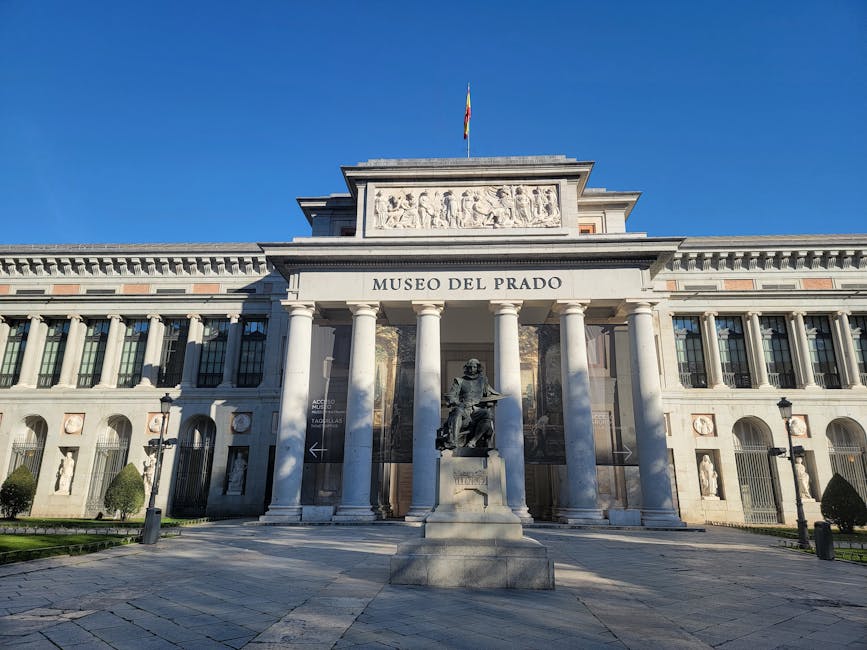
- In a Hurry
- Should You Bother With a Guided Tour?
- Ticket Types Compared
- The Three Tours I’d Actually Book
- 1. Madrid: Prado Museum Entry Ticket:
- 2. Madrid: Prado Museum Entry Ticket (alt listing):
- 3. Madrid: Skip-the-Line Prado Museum Guided Tour:
- The Five Paintings You Came For
- Las Meninas, Diego Velázquez, 1656
- The Garden of Earthly Delights, Hieronymus Bosch, c.1490 to 1500
- Saturn Devouring His Son, Francisco de Goya, 1819 to 1823
- The Three Graces, Peter Paul Rubens, 1630 to 1635
- The Naked Maja, Francisco de Goya, 1797 to 1800
- Free Entry: Worth It or Not?
- Hours, Closures, and the Best Times to Go
- Getting There
- Discounts and Free Admission
- Combining the Prado With Other Madrid Stops
- What to Pack and What Not To
- A Brief History of How This Place Came Together
- What I’d Skip
- One Last Thing on Booking
- More Madrid and Spain Reading
In a Hurry
- Cheapest fast pick: Prado Museum Entry Ticket. Around $21. Skip the on-site queue, walk in, wander on your own.
- Best for first-timers: Skip-the-Line Guided Tour. Around $53. Two hours with a real art historian. Worth the upgrade if it’s your first visit.
- Backup ticket option: Prado Museum Entry Ticket (alt listing). Around $21. Same price, same access. Useful if the main listing is sold out for your slot.
Should You Bother With a Guided Tour?
Honestly, for the Prado, yes. I say that as someone who normally skips guided tours in museums.
The collection is 7,600 paintings deep. About 1,300 are on display at any one time. Without a guide you will walk past Bosch’s Garden of Earthly Delights and not realise you’re meant to read it left to right as a moral story. You’ll glance at Las Meninas for thirty seconds and miss the fact that Velázquez painted himself into the room with the king and queen reflected in a tiny mirror at the back. The first time I went solo I thought I was being efficient. I was just being lost.
If you’ve already done a Velázquez course at university or you genuinely just want to wander, get the entry ticket and go. If you’re new to Spanish painting and you want to leave actually understanding what you saw, pay the extra and get a guide.
Ticket Types Compared
The Prado sells direct on its own website, which is fine if you’re booking weeks ahead. But the on-site ticket office almost always has a queue, and the official site doesn’t bundle tours. Booking through GetYourGuide gets you the same access plus skip-the-line at the gate. Prices are basically identical to direct.
Here’s the practical breakdown of the three I’d actually consider:
- Standard entry, around $21. Buys you full-day access. Use it whenever you want during opening hours. Audio guide available as an add-on at the museum for around 5 euros if you want it.
- Guided tour, around $53. Skip-the-line included, 90 minutes to 2 hours with a small group. Some versions add an optional tapas stop after; in my experience the tapas part is hit and miss. Pick the tour-only version if you want to avoid that.
- Combo with the Royal Palace, around $75 to 90. Two attractions, one half-day. Good if you’re tight on time. Bad if you want to do either one properly.
If you’re tossing up which ticket to grab, our deep dive on the Prado entry ticket walks through what’s actually included and what catches people out at the door.
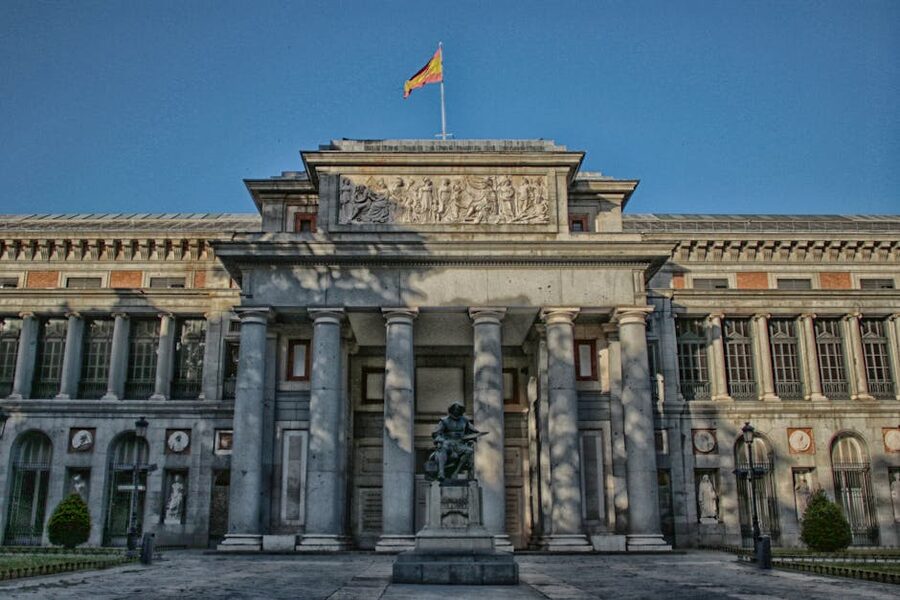
The Three Tours I’d Actually Book
I’ve narrowed it down to three. These are sorted by how many people have booked them, which is usually a fair proxy for which one will give you a smooth experience without surprises.
1. Madrid: Prado Museum Entry Ticket: $21
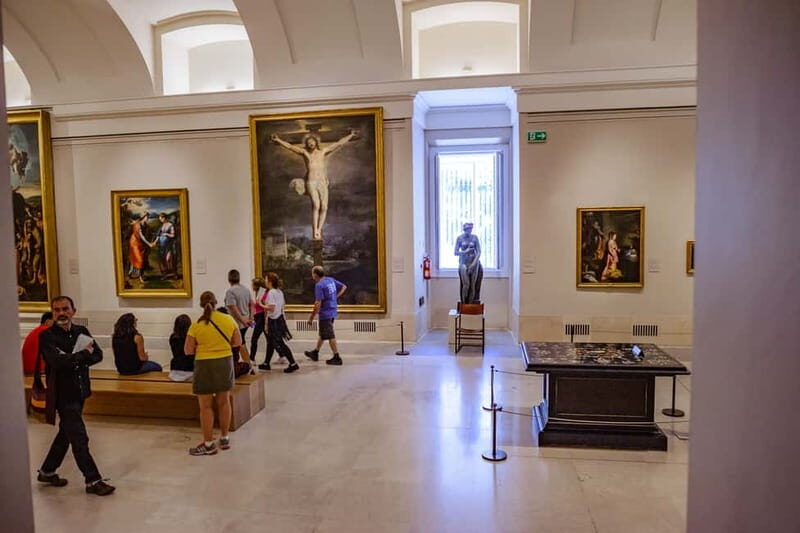
This is the one I keep recommending to friends. Full-day access, no fixed time slot beyond your entry window, and you can leave and come back if you need a coffee break. Our full review of this ticket goes into the routes the museum suggests and which one is worth following. Pick this one if you want flexibility.
2. Madrid: Prado Museum Entry Ticket (alt listing): $21
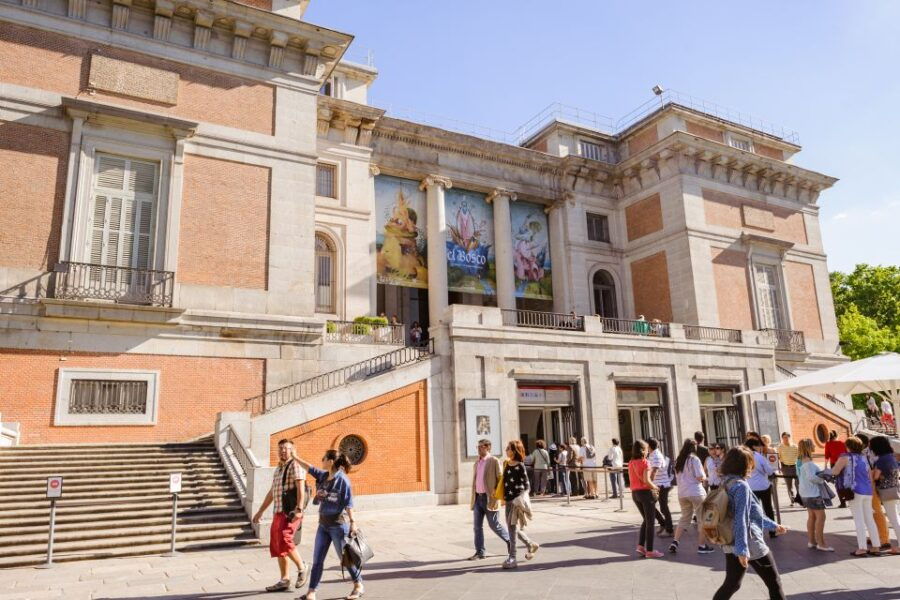
Functionally identical to pick 1, but it’s a separate listing on the affiliate side, so availability sometimes differs by a day or two. The walk-through on this version covers what’s in the booking confirmation email and how to redeem at the gate. Use this one if listing 1 shows your slot as full.
3. Madrid: Skip-the-Line Prado Museum Guided Tour: $53
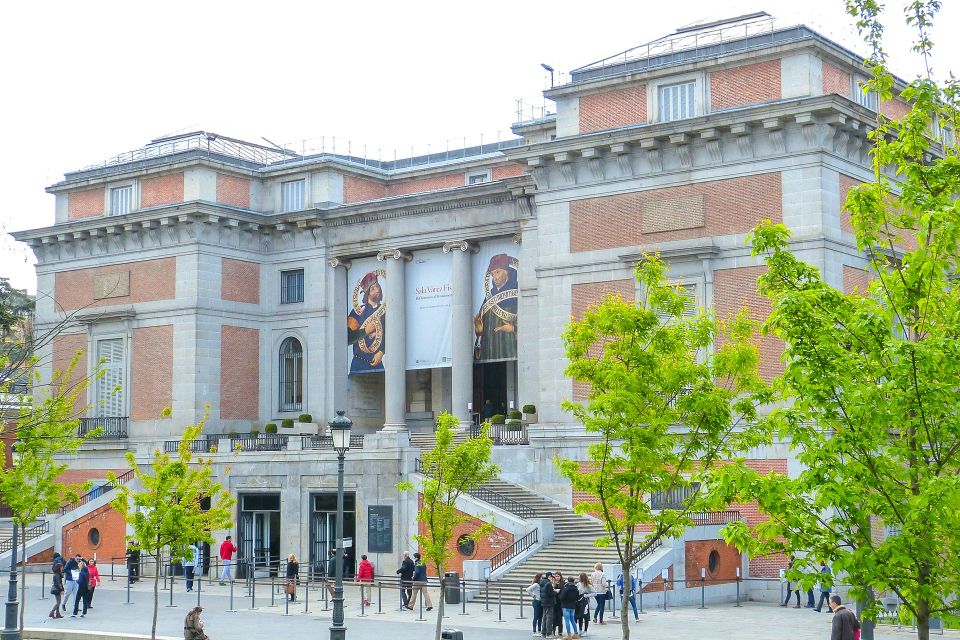
If you want context, this is the upgrade. The guide picks about ten works, walks you through them properly, and lets you stay on after for self-guided wandering. Read our take on the guided version for the specific paintings most guides hit and which rooms get rushed. Worth the extra cash for first-timers.
The Five Paintings You Came For
If you only have an hour, build your visit around these. Everyone else is going to be at the same spots, so go at the start of your visit before the school groups arrive.
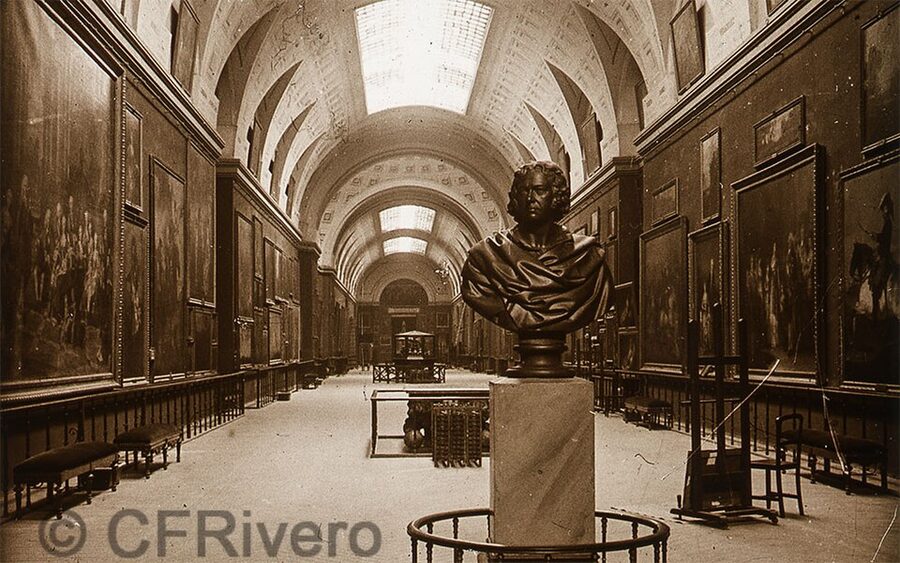
Las Meninas, Diego Velázquez, 1656
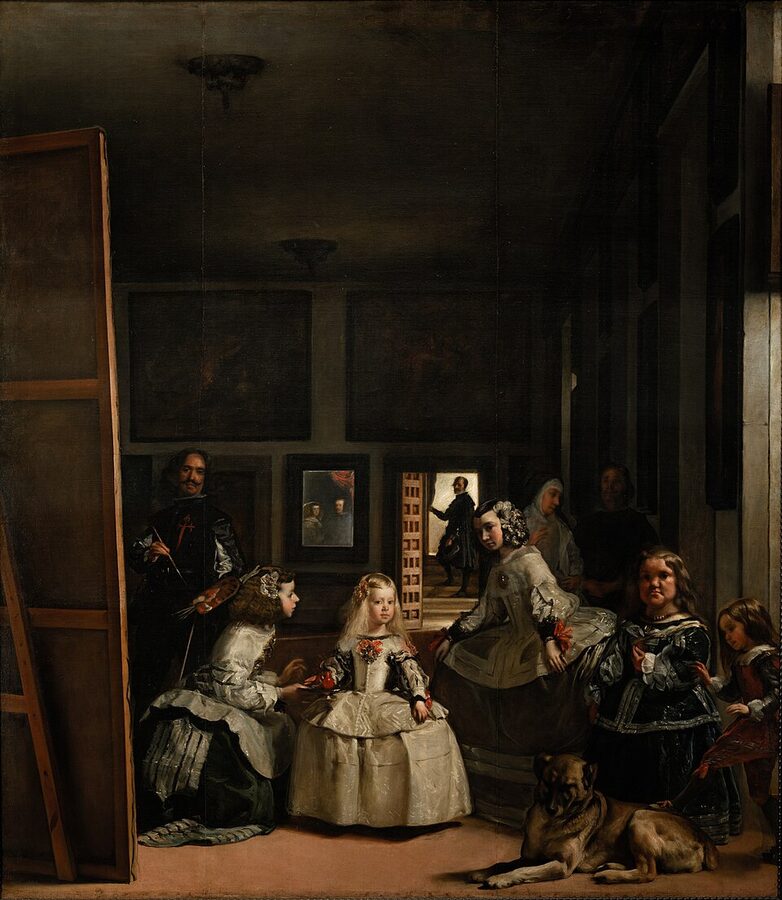
This is the one. Room 12, ground floor, you can’t miss it. Picasso visited it dozens of times and spent a year of his life painting variations of it. Pick a spot at least three metres back and just look for two minutes before you start reading the wall card.
The Garden of Earthly Delights, Hieronymus Bosch, c.1490 to 1500
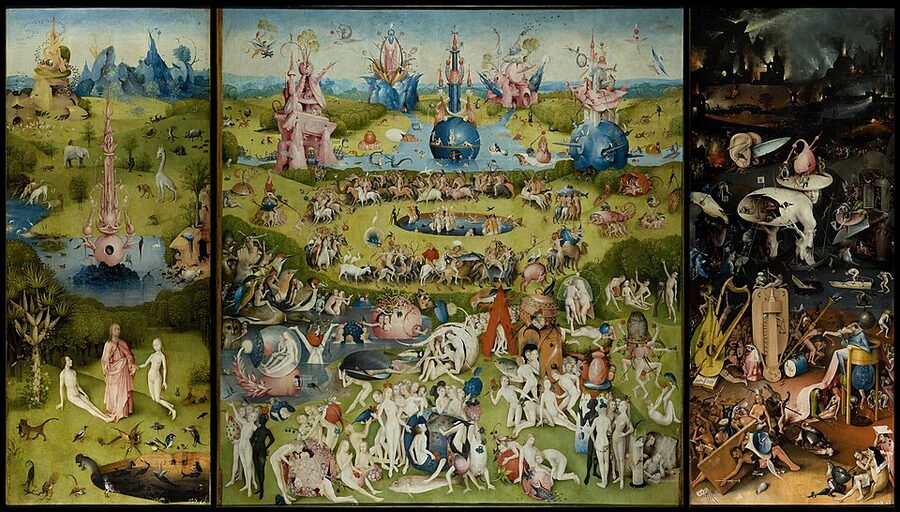
Room 56A. The crowd in front of this one rotates fast, which is good news. Stay there long. The middle panel rewards looking at it for ten minutes. People keep finding things they hadn’t seen the visit before.
Saturn Devouring His Son, Francisco de Goya, 1819 to 1823
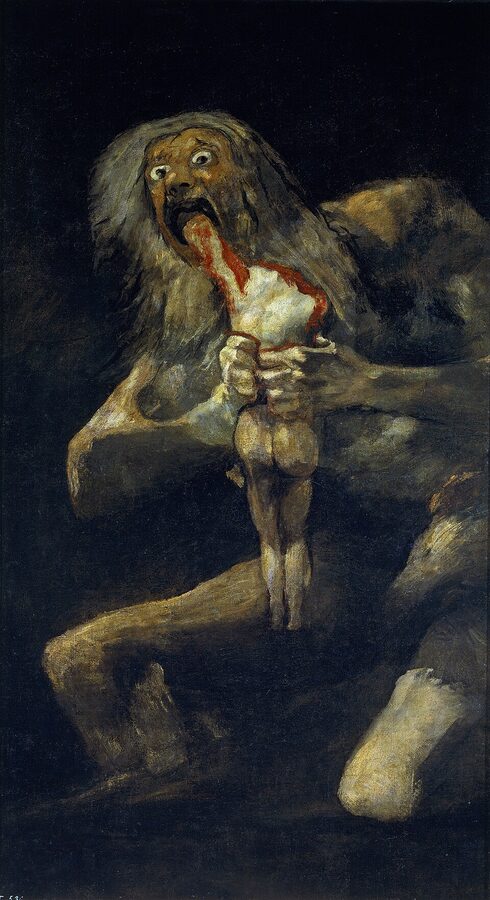
Room 67, in the Black Paintings cluster. The Prado has 114 Goya paintings total, more than anywhere else in the world. If you’re a Goya person, give yourself a full hour for the Goya rooms alone. They run from his court portraits down to these final, raw, almost terrifying late works.
The Three Graces, Peter Paul Rubens, 1630 to 1635
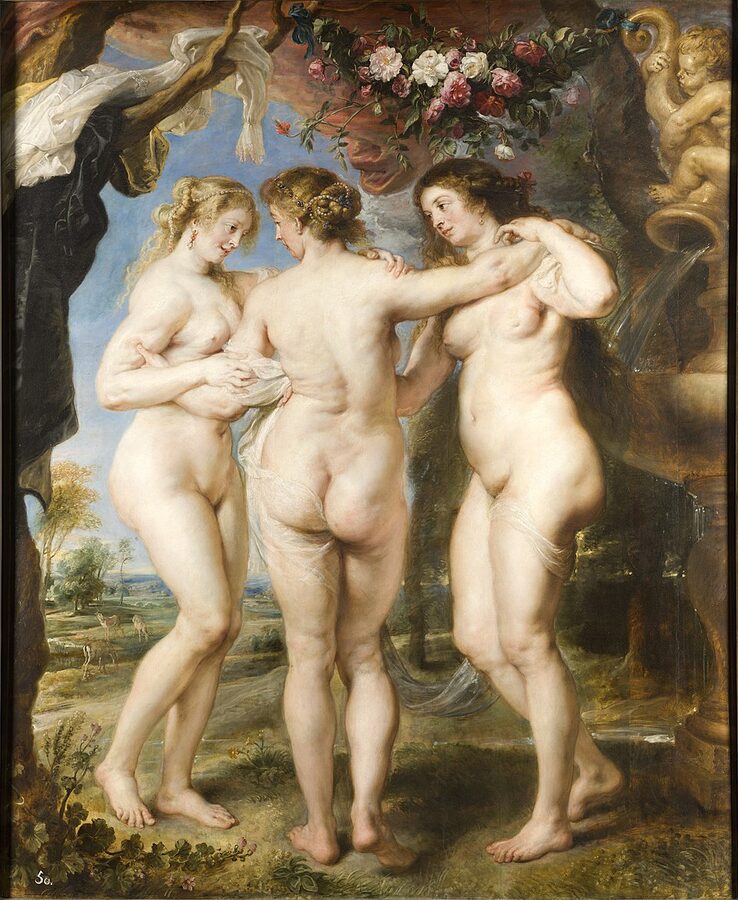
Room 29, north wing. If you like Rubens, the entire row of rooms around 28 to 30 is dense with him. It’s also where most tour groups get bunched up around 11am, so go early or save it for the end.
The Naked Maja, Francisco de Goya, 1797 to 1800
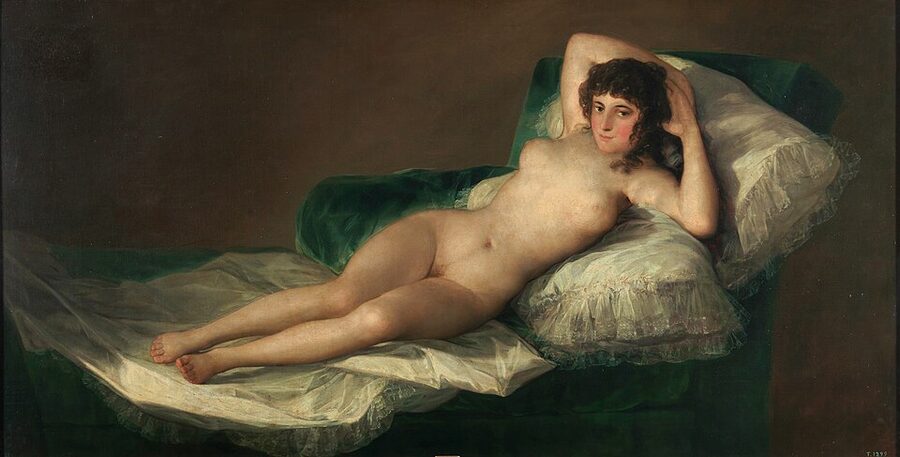
Room 36 to 38, ground floor. The two Majas are hung side by side, and seeing them together is the whole point. Don’t look at one without the other.
Free Entry: Worth It or Not?
The museum is free in the last two hours of the day. Monday to Saturday that means 6 to 8pm, Sunday and holidays it’s 5 to 7pm. So is it worth it?
Mostly no, and here’s why. The free queue starts forming at around 4:30pm on weekdays, earlier on weekends. By 5pm in summer it can be 45 minutes long. You then get into the museum at 6pm with about 90 minutes before they start herding people out. The lights stay on but the staff start doing closing rounds in the last 20 minutes. You will not see Las Meninas with any breathing room because everyone in the free queue is going to do exactly what you’re doing.
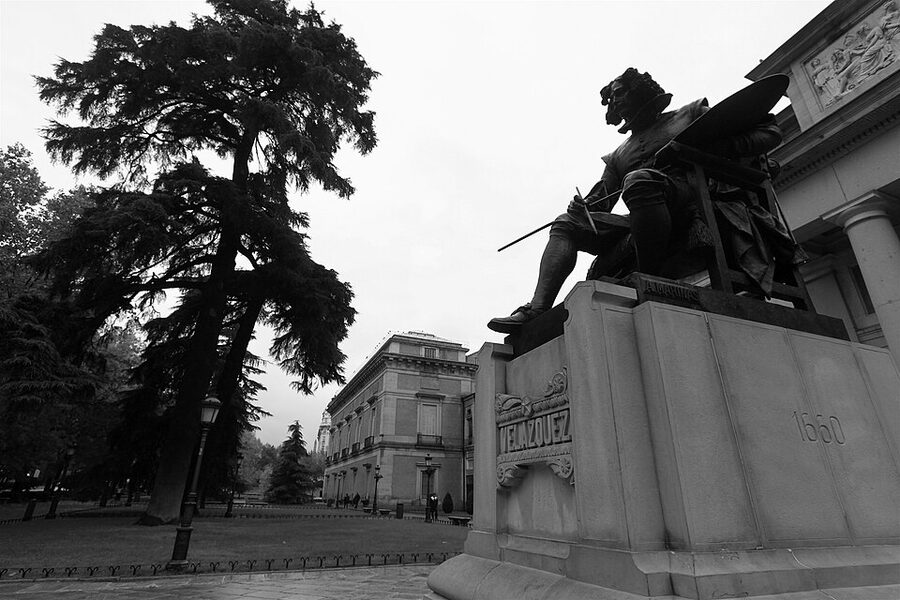
Two situations where free actually works. First, you’re in Madrid for a week and you’ve already done a proper paid visit, you just want to go back and stare at one painting again. Second, it’s November 19th (the museum’s birthday) or May 18th (International Museum Day), when the whole day is free and you can plan around it.
Otherwise, paying the 18 euros is the most boring 18 euros of your trip and the most justifiable. You get the full collection, no queue, and three hours minimum to use it. If you’re already close to other Madrid landmarks and trying to fit lots in, our Madrid Royal Palace booking guide has a similar value calculation that comes out the same way.
Hours, Closures, and the Best Times to Go
Open Monday to Saturday 10am to 8pm, Sunday and holidays 10am to 7pm. Closed January 1, May 1, and December 25.
The single best time to go is 10am opening on a weekday in shoulder season. April, late September, and October are the sweet spots. Summer is hot, August is the worst because the air conditioning struggles when the museum is full and the rooms genuinely get warm.
The single worst time is 11am to 1pm on any day. School groups, tour buses, and people who slept in. If you can’t make 10am, push your visit to 3pm. The mid-afternoon slump is real and the rooms thin out for about 90 minutes before the free-entry crowd starts forming outside.
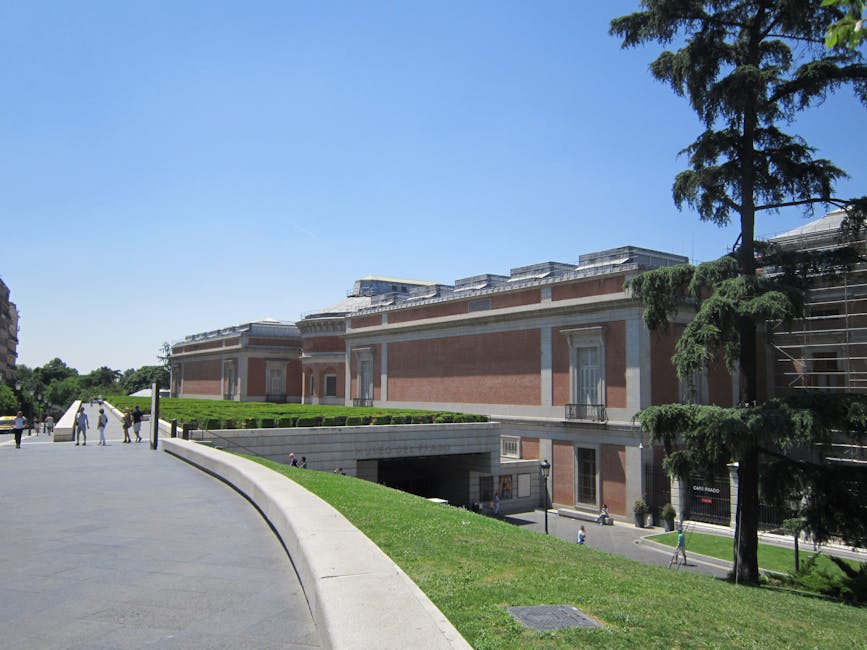
Getting There
The address is C. de Ruiz de Alarcón 23, 28014 Madrid. Three realistic ways in:
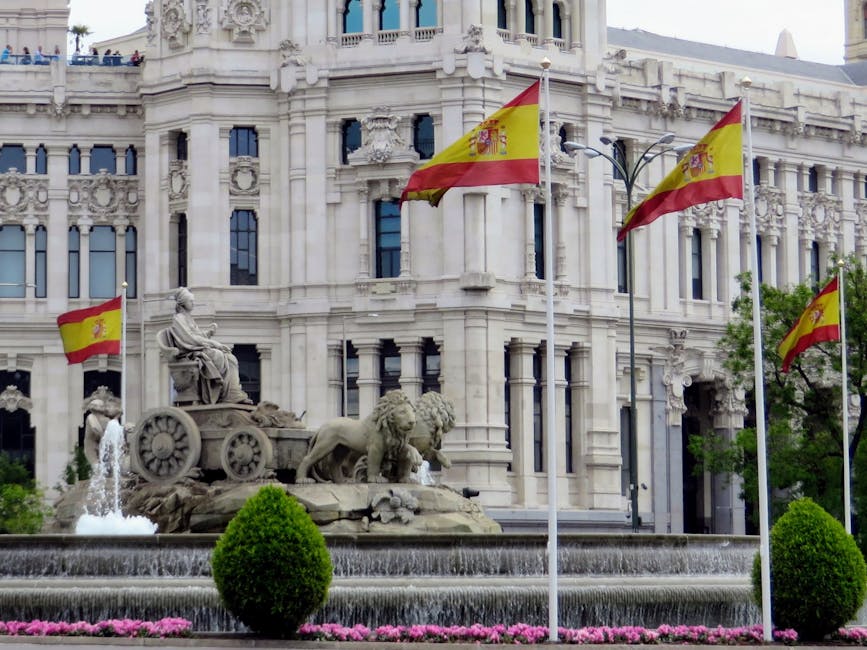
Metro: Line 2 to Banco de España, about a 7-minute walk south down Paseo del Prado. This is what I use. It’s flat, scenic, and you pass the Cibeles Fountain.
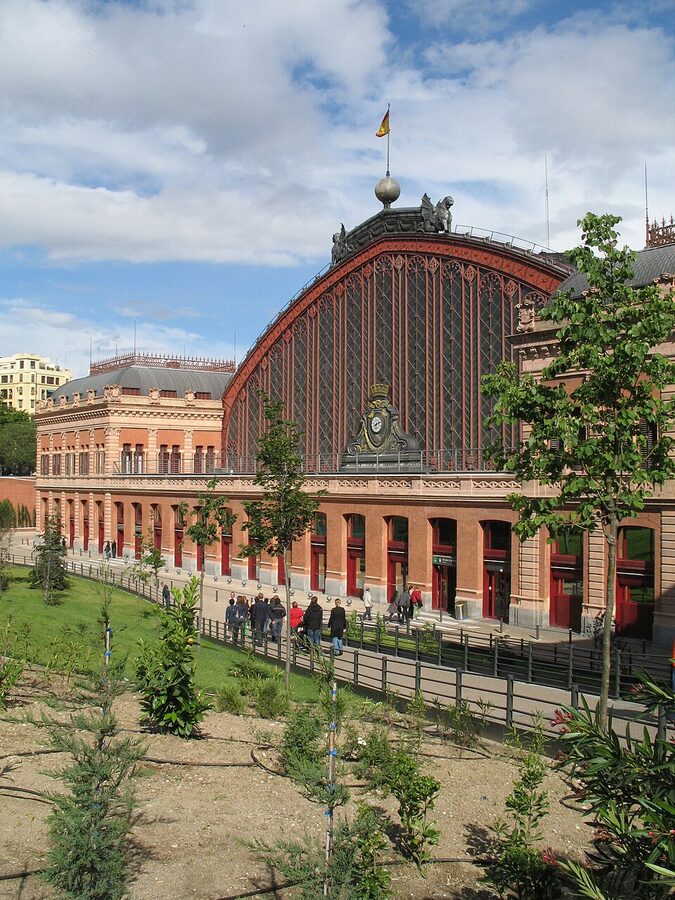
Train: Atocha is the closer mainline station, about a 10-minute walk north. If you’re coming in from a day trip, this is your stop.
Hop-on hop-off bus: Stops directly outside. Useful if you’re combining the Prado with the Reina Sofía and the Royal Palace in one go, less useful if you’re only doing the Prado.
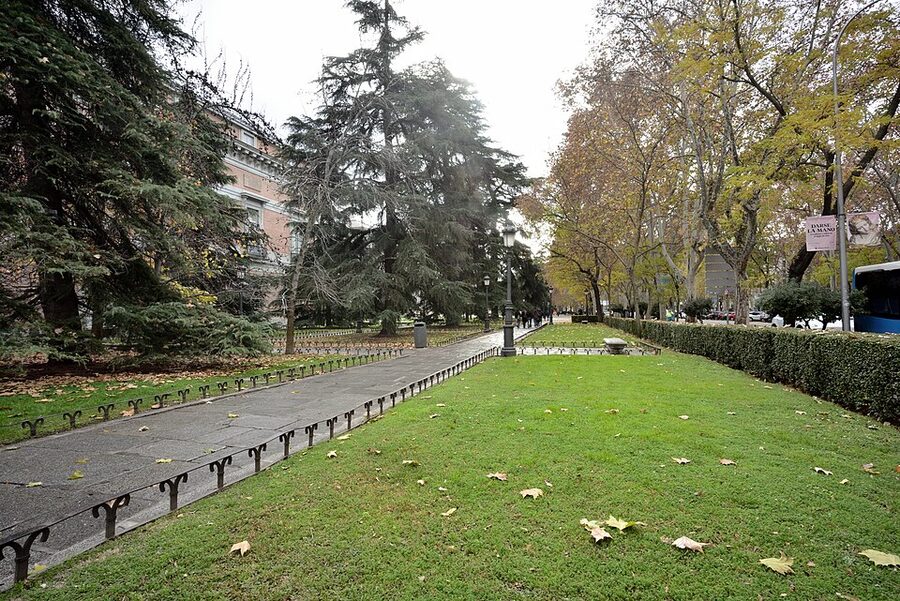
Parking is awful. Don’t drive. The closest paid garages are around Plaza de las Cortes and they fill up by 11am.
Discounts and Free Admission
Standard adult ticket is 18 euros at the door, slightly more if you book through resellers (you’re paying for the booking platform). The discounts that actually save you money:
- Under 18: Free with ID.
- Students 18 to 25: Free with a valid student ID.
- Over 65: Reduced rate of 9 euros, ID required.
- Unemployed: Free with documentation (Spanish residents only in practice).
- Disabled visitors and a companion: Free.
- Journalists with press card: Free.
If you’re 18 to 25 and travelling, bring your university card. The staff at the door check IDs but they’re generally fine with foreign student cards as long as it’s clearly a current academic year. I’ve seen this work with US, UK, and Australian student IDs.
Combining the Prado With Other Madrid Stops
The Prado sits on the so-called Art Walk, the stretch of Paseo del Prado that also includes the Thyssen-Bornemisza and the Reina Sofía. All three within a 15-minute walk of each other.
Doing all three in a day is theoretically possible but a bad idea. By the third one your eyes are gone and you’ll glide past Picasso’s Guernica without taking it in. Spread them across two days minimum. Three days if you have the time.
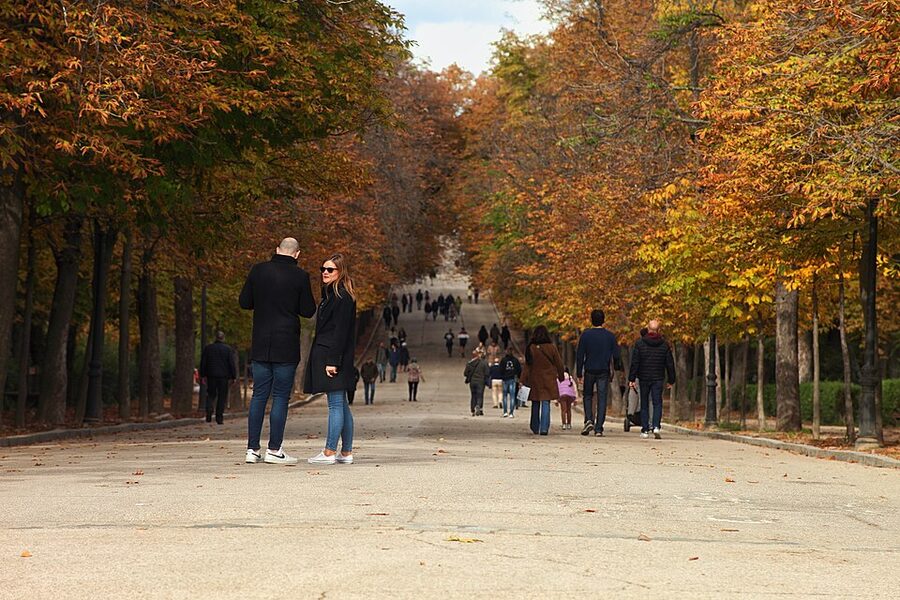
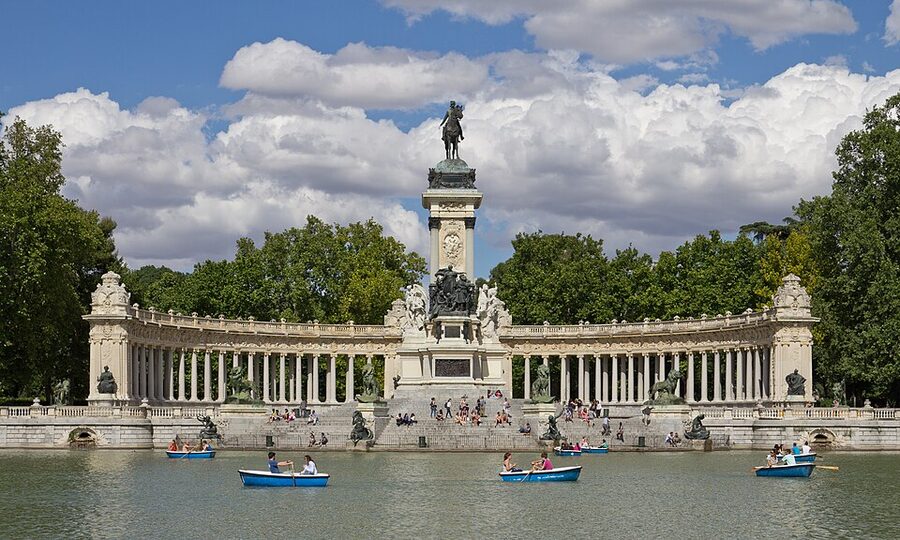
Pair the Prado with Retiro Park and not with another museum. The park entrance is two minutes from the Velázquez Gate. Walk through to the boating lake, sit by the water, then carry on to the Crystal Palace at the far end. That’s a half-day that doesn’t fry your attention span. If your trip also includes the modern art half of Madrid, the Reina Sofía guide has my notes on getting in to see Guernica without the queue.
What to Pack and What Not To
Coat check is mandatory for backpacks bigger than a small daypack. It’s free and the queue moves fast. Don’t bring an umbrella unless you’re prepared to check it.
Photos are not allowed inside the galleries. Phones are tolerated for quick reference shots in the corridors but if a guard catches you photographing a painting they will tell you to delete it. The bookshop has high-res prints of basically everything, so if you want a Las Meninas to take home, buy one there.
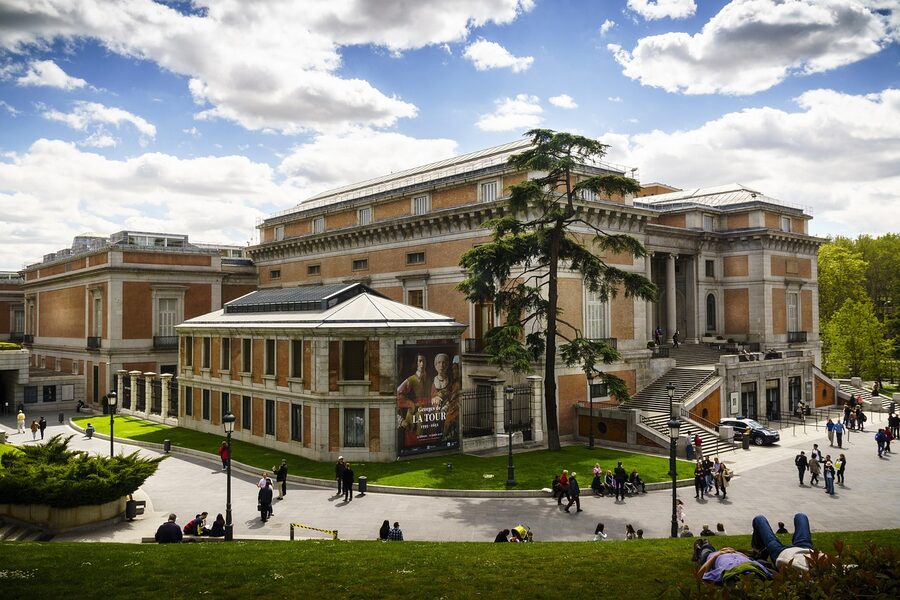
Water is fine to bring in a sealed bottle. Refill points are inside, near the cafeteria on level 0. The cafeteria itself is overpriced and slow at lunchtime. If you want a proper meal, walk five minutes to Calle del Prado and pick somewhere with a menu del día.
A Brief History of How This Place Came Together
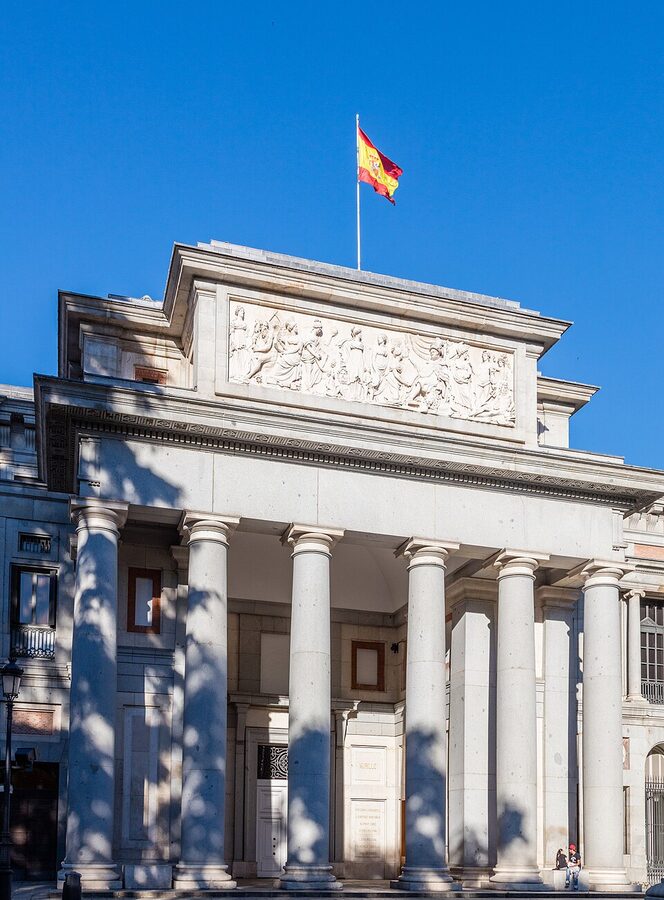
The building started life in 1785 as the Royal Cabinet of Natural Sciences, commissioned by Carlos III. It was meant to hold scientific instruments and botanical collections. Construction stalled when Napoleon’s troops invaded Spain in 1808 and used the building as a barracks and ammunition store, which is roughly the worst possible thing to do to a half-finished royal museum.
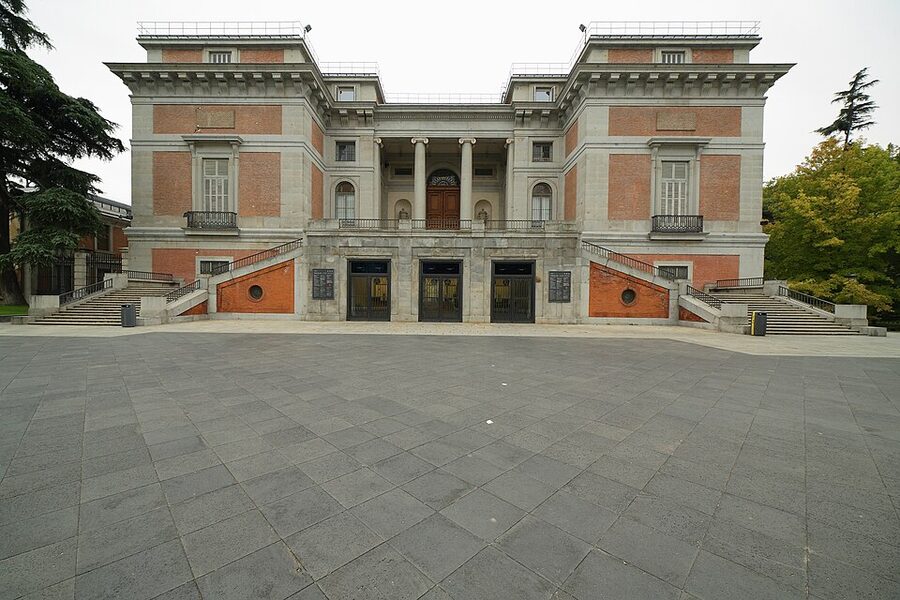
It opened as a museum in 1819 under Ferdinand VII, originally to display the Spanish royal art collection. That collection had been assembled by every Spanish king since the 16th century, with particular passion from Philip IV (who hired Velázquez) and Philip II (who collected Bosch and Titian). Which is why the Prado has 50 Velázquez paintings and the deepest Bosch holding in the world.
The museum kept growing through the 20th century and got a major extension in 2007 by Rafael Moneo, which doubled the temporary exhibition space and is the part of the building most visitors don’t realise is new. The newer wing is set back from the original facade and built around the cloisters of an old Hieronymite monastery, which is now part of the museum complex.
What I’d Skip
Skip the audio guide if you’re already paying for a guided tour. Skip the bookshop on the way in and save it for the way out, when you actually know what you liked. Skip the cafeteria for lunch. Skip the Prado entirely on Sundays after lunch when local families flood in for free entry.
Don’t skip the temporary exhibitions. They’re often the best thing happening in Madrid that month and your standard entry ticket includes them. Check what’s on before you book. The museum’s exhibition schedule is updated maybe six months out.
One Last Thing on Booking
Whatever ticket you pick, book at least 24 hours ahead in summer. The 10am slot for the next day usually sells out by lunchtime. Off-season (November to March, excluding Christmas) you can often walk up and buy at the door without a major queue, but the time saved by pre-booking is still worth the 60 seconds it takes.
Use a credit card with no foreign transaction fees. The official site charges in euros, GetYourGuide and similar will charge in your home currency at a slightly worse rate. Save the receipt. The QR code in your booking email is what gets scanned at the gate.
More Madrid and Spain Reading
If the Prado has set the tone for your trip, keep going up the Paseo and read the Reina Sofía guide next, which covers Picasso’s Guernica and the modern half of the Spanish art story. Once you’ve done the museums, the Royal Palace booking guide is the obvious next stop, and if you’re a football person at all, the Bernabéu Stadium tour guide is the other Madrid bucket-list booking. For a different kind of cultural day out in Spain, the Montserrat from Barcelona piece is the closest equivalent if you ever swap cities.