
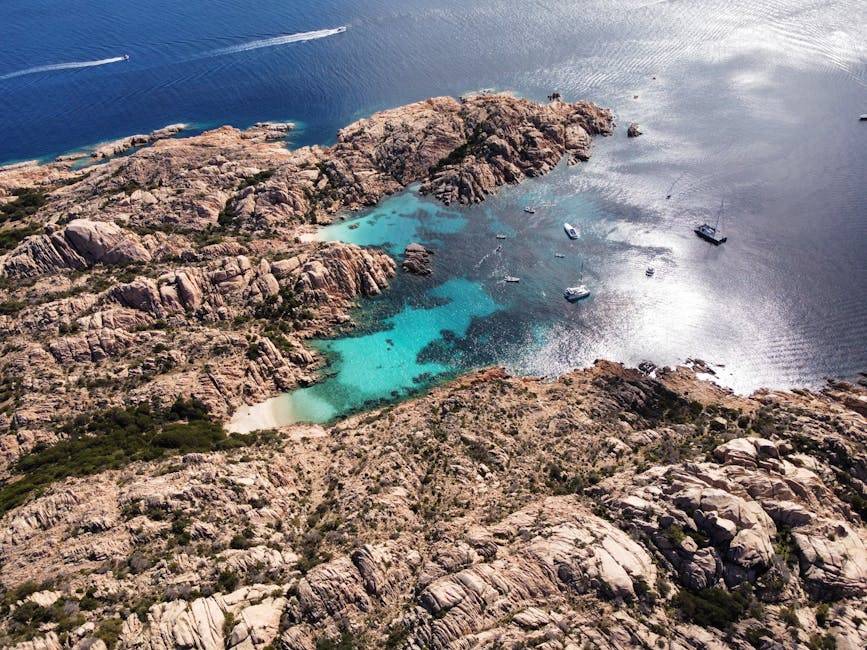
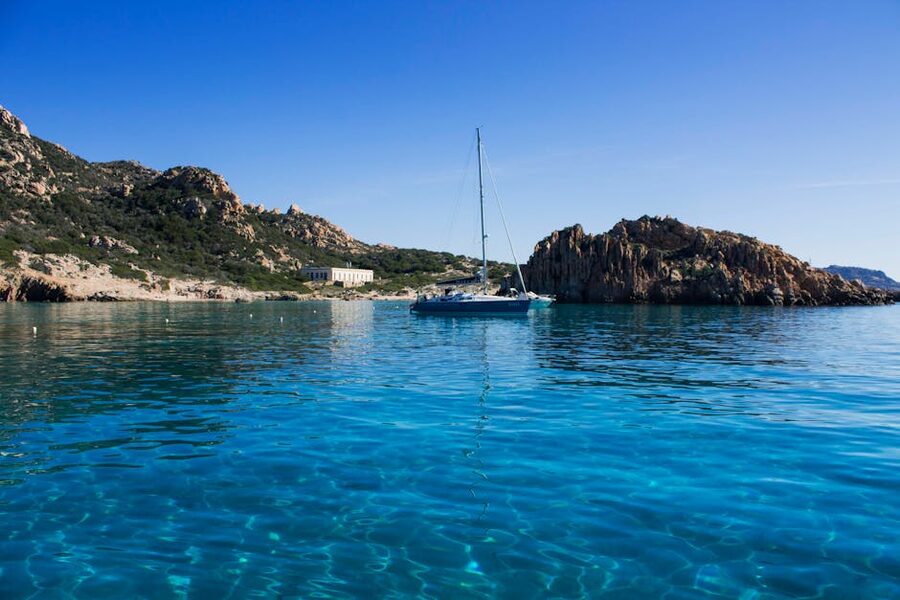
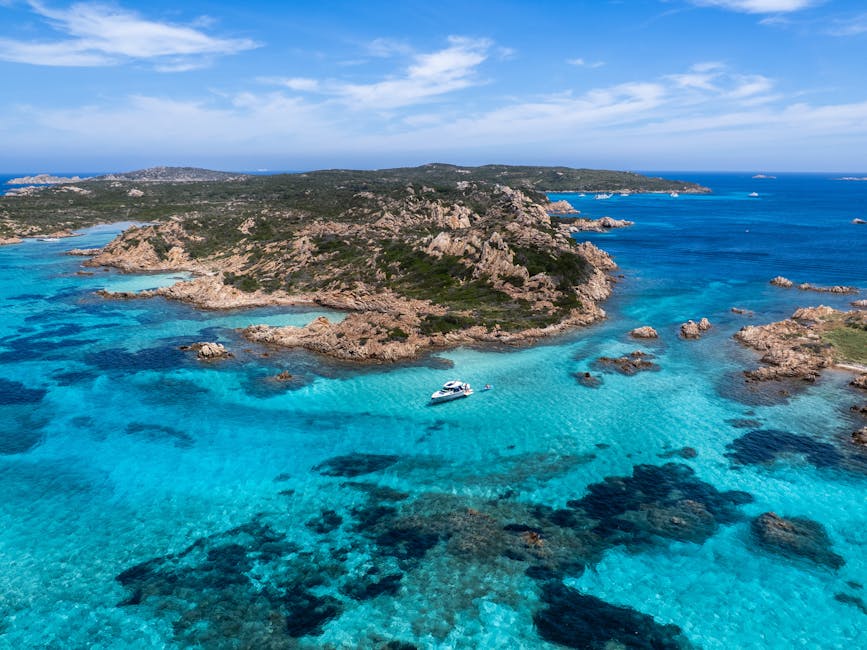
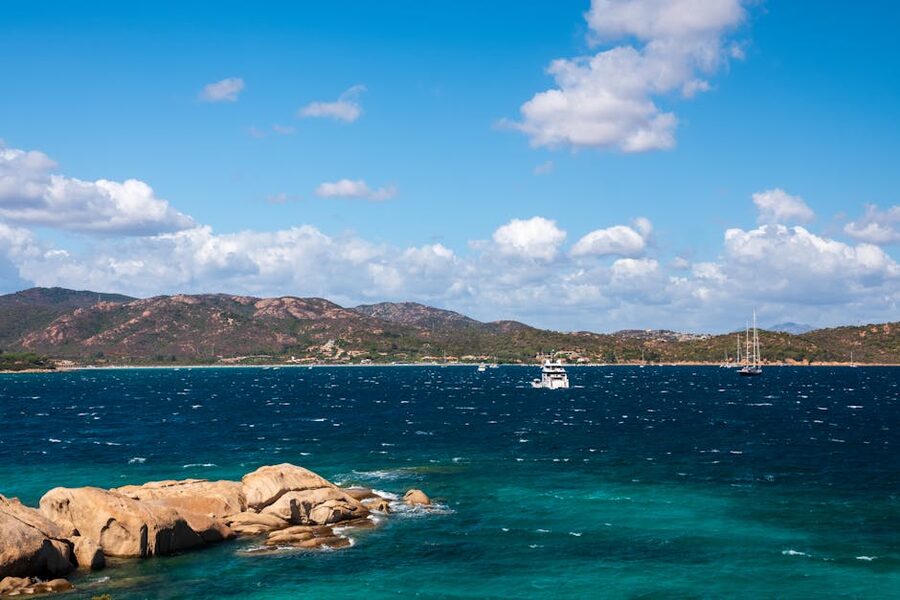
The first time I rounded the headland and saw the water around Spargi, I genuinely thought somebody had photoshopped the Caribbean onto Italy. That milky-pale turquoise, that clarity, those bare granite islands rising out of nothing. La Maddalena does that to you.
Booking the day trip is mostly painless. Choosing between the boats is where it gets confusing, because there are about thirty operators leaving from four different ports and the landing pages all look identical. Below is what I’d actually book, the differences that matter, and the things nobody warns you about until you’re already on the boat.
In a Hurry? My Top La Maddalena Boat Picks
- From Sardinia: Full-Day Boat Tour with Lunch ($59). The most-booked option for a reason, generous swim stops and they cook pasta on board. Check Availability
- Maddalena Archipelago Boat Tour from Palau or La Maddalena ($59). Clean modern boat, well-organised lunch, slightly smaller groups. Check Availability
- Boat Trips to the Islands from Palau ($59). Useful Plan B with a flexible-itinerary captain when the wind picks up. Check Availability
- In a Hurry? My Top La Maddalena Boat Picks
- Where Boats Actually Leave From
- How the National Park Permit Works
- The Three Boat Tours I’d Actually Book
- 1. From Sardinia: Full-Day Boat Tour with Lunch,
- 2. Maddalena Archipelago Boat Tour from Palau or La Maddalena,
- 3. Boat Trips to the Islands of La Maddalena from Palau,
- Which Islands You’ll Actually See
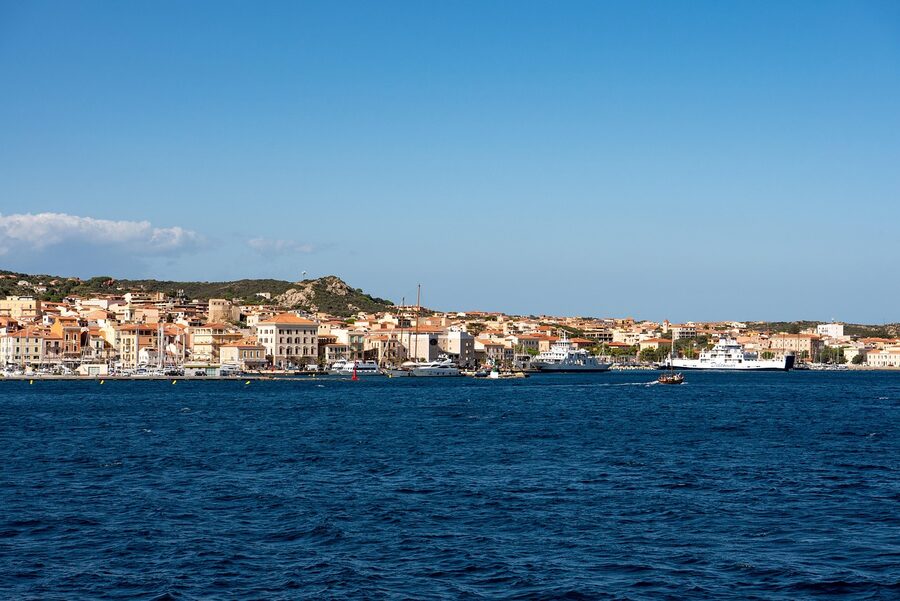
- La Maddalena
- Caprera
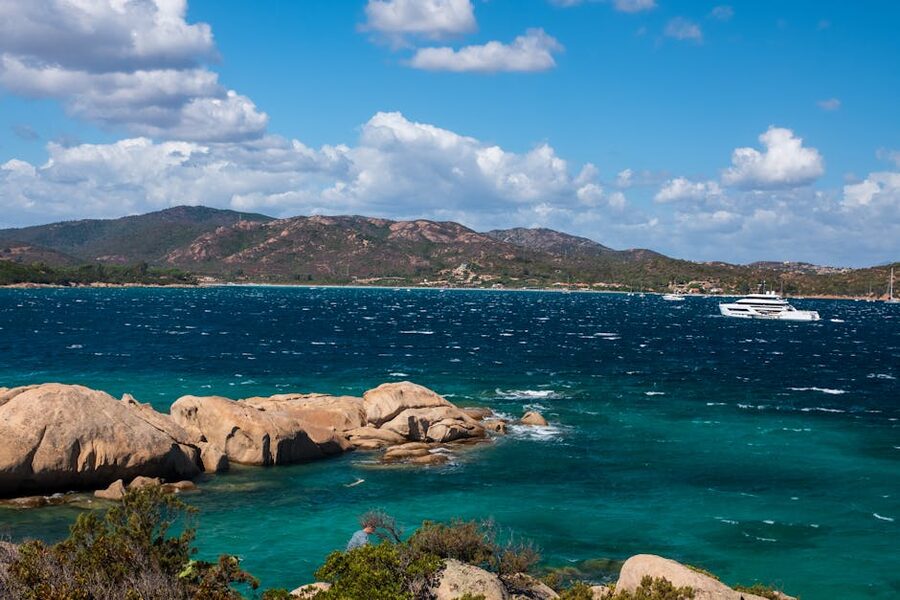
- Spargi
- Budelli
- Santa Maria and Razzoli
- How to Get to Your Departure Port
- What Lunch Looks Like
- Best Time of Year to Go
- What to Bring On Board
- A Quick History You’ll Care About on the Boat
- Booking Tips Most Sites Don’t Mention
- Quick Answers to the Questions Everyone Asks
- Pairing the Day with Other Sardinia Trips
Where Boats Actually Leave From
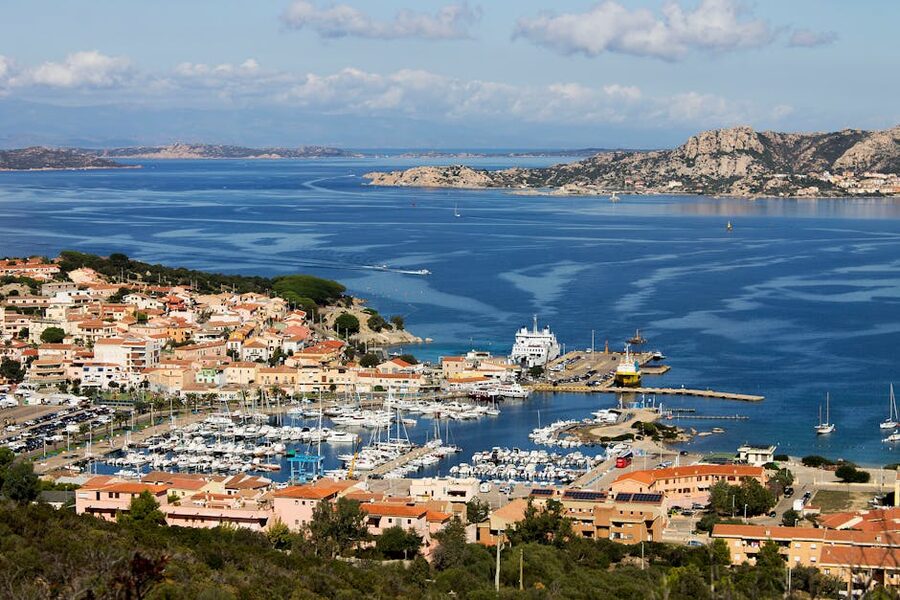
Before you book anything, work out which port you’re closest to. The price is roughly the same from each, but the cruising time to the islands is not. The four main departure points are Palau, La Maddalena town, Cannigione, and Santa Teresa di Gallura.
Palau is the workhorse. It’s a 50-minute drive from Olbia airport and has the most boats per day. The crossing to the first island is about 15 minutes, so you spend more of your day actually in the islands. If you’ve rented a car for a Sardinia trip, this is almost always the right choice.
La Maddalena town is for people already staying on the main island. You ride the ferry over from Palau the day before, sleep in town, then board a smaller boat at the harbour. Less drive time, more island time.
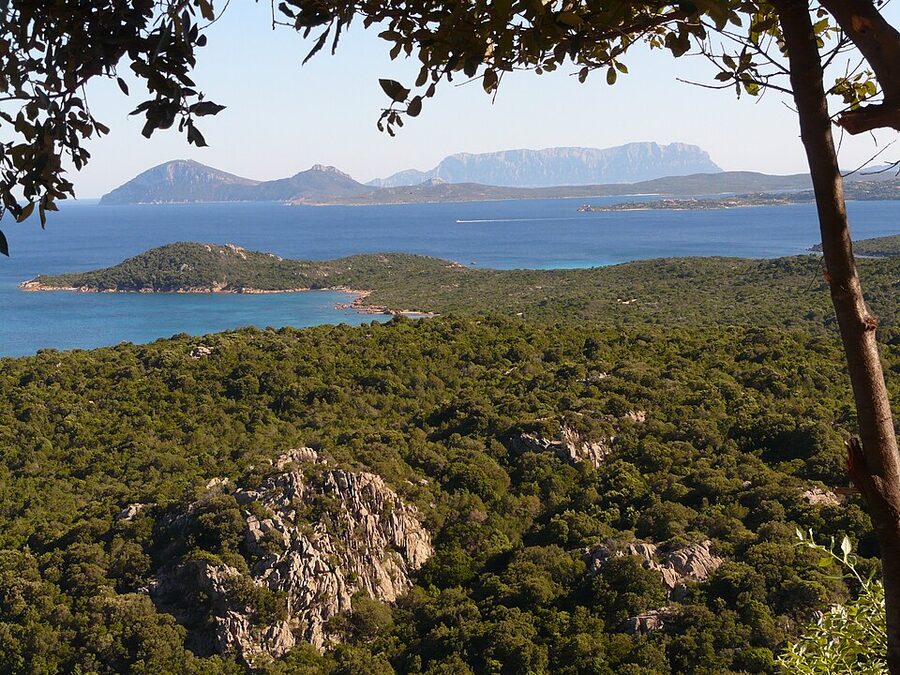
Cannigione sits on the Costa Smeralda side. Slightly longer cruise out to the protected zone, but the boats tend to be a bit more comfortable and the route shows you the Costa Smeralda coastline on the way. There’s also a specific Cannigione boat trip that’s earned a steady following. Santa Teresa di Gallura is the long-haul departure: it’s further west and you spend more of the day getting to and from the archipelago. Worth it only if you’re already staying near Capo Testa, in which case the Santa Teresa Gallura full-day option makes the drive less painful.
How the National Park Permit Works
This is the bit a lot of guides skip. The Parco Nazionale dell’Arcipelago di La Maddalena charges a small access fee per person, and most reputable boat tours fold it into your ticket. Cheaper tours sometimes don’t, and you’ll be asked for cash on board. Expect about 3 to 5 euros depending on the season.
There’s also a daily visitor cap on a few of the most fragile beaches, which is why your itinerary may say something like “or alternative bay if Cala Coticcio is full.” Don’t see that as a bait-and-switch. It’s the park doing exactly the thing every fragile coastline ought to do, and the alternative bays are usually beautiful.
One more thing on rules. Don’t take food onto the beaches. The wild boar on Caprera will rummage through any unattended bag, and your half-eaten focaccia is not supposed to enter the ecosystem. If your boat serves lunch, eat it on board.
The Three Boat Tours I’d Actually Book
I’ve sorted through what’s on offer and these are the three I keep coming back to. Each one is a full-day, lunch-included boat tour at roughly $59 per person, and each one stops at a different combination of islands. Pick by departure port more than anything else.
1. From Sardinia: Full-Day Boat Tour with Lunch, $59
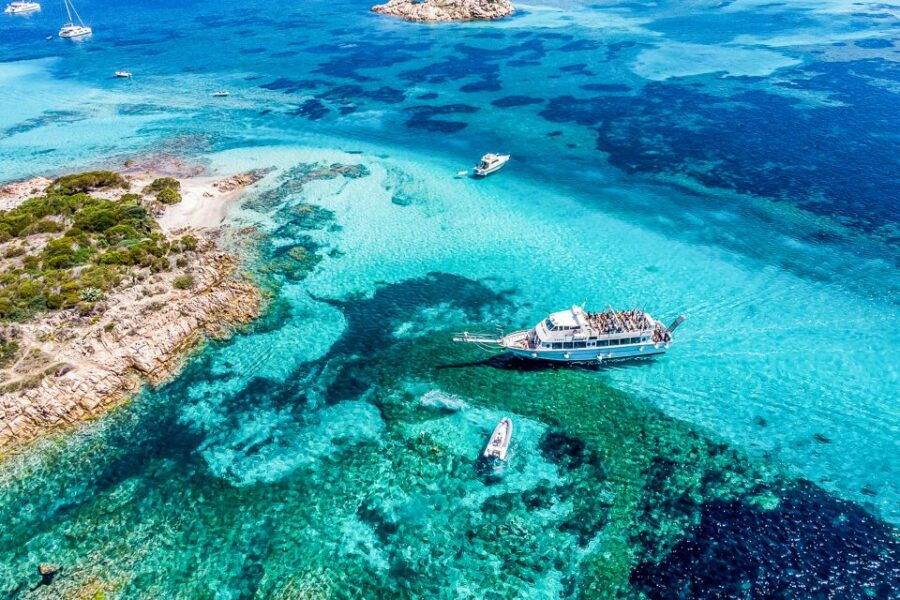
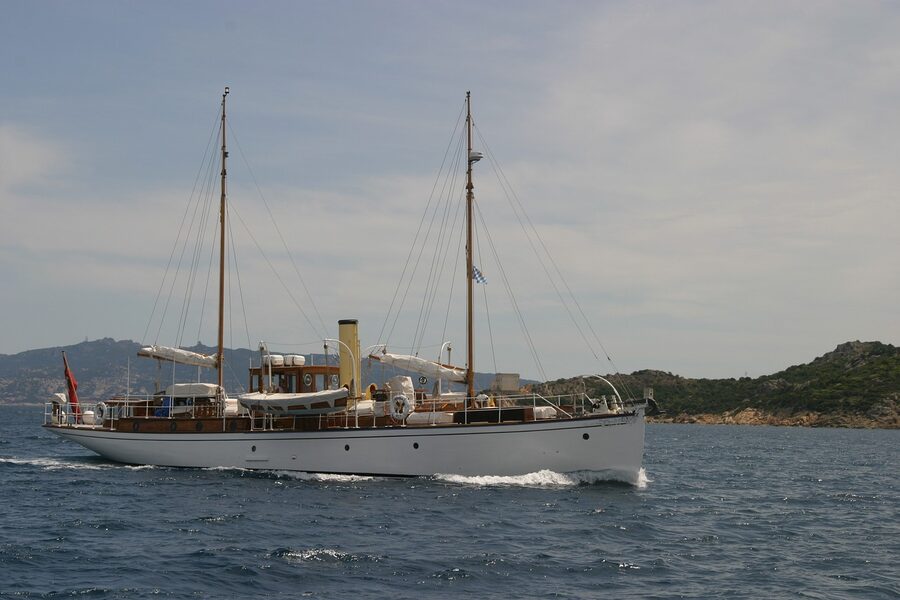
This is the most-booked Maddalena boat trip on the market and it earned that position by being the safe pick. Generous swim stops at Spargi and Budelli, hot pasta lunch you order before noon, and a crew that has clearly done this 4,000 times. Our full review of this tour goes into the lunch options and what to bring on board.
2. Maddalena Archipelago Boat Tour from Palau or La Maddalena, $59

If you’re staying in La Maddalena town and don’t want to backtrack to Palau, this one boards directly from the main island. The boat itself is one of the more modern in the fleet and the lunch and snack selection is a step above the budget options. Our deep dive on this tour covers the on-board commentary and which seats actually have shade.
3. Boat Trips to the Islands of La Maddalena from Palau, $59
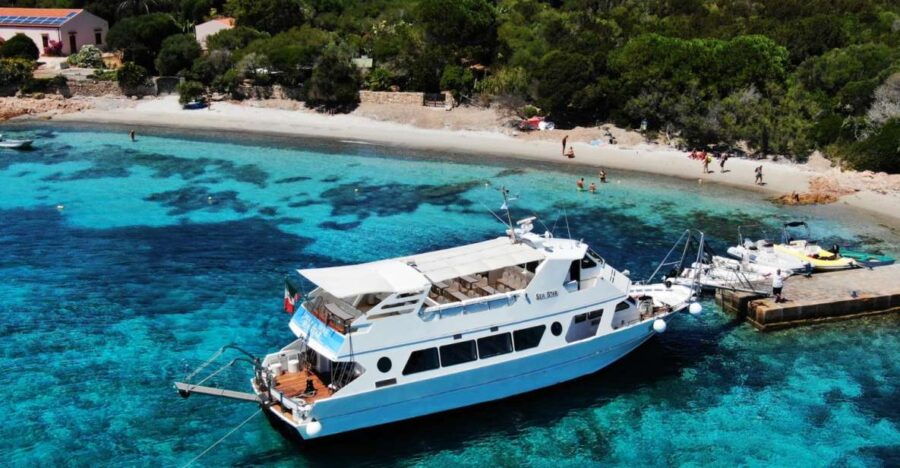
The third pick is the one I’d choose on a windy day, because the captains on this route are happy to swap stops when conditions get rough rather than push through to a bay where you’d be miserable. The full write-up covers a couple of trips where the weather forced a Plan B and how that played out.
Which Islands You’ll Actually See
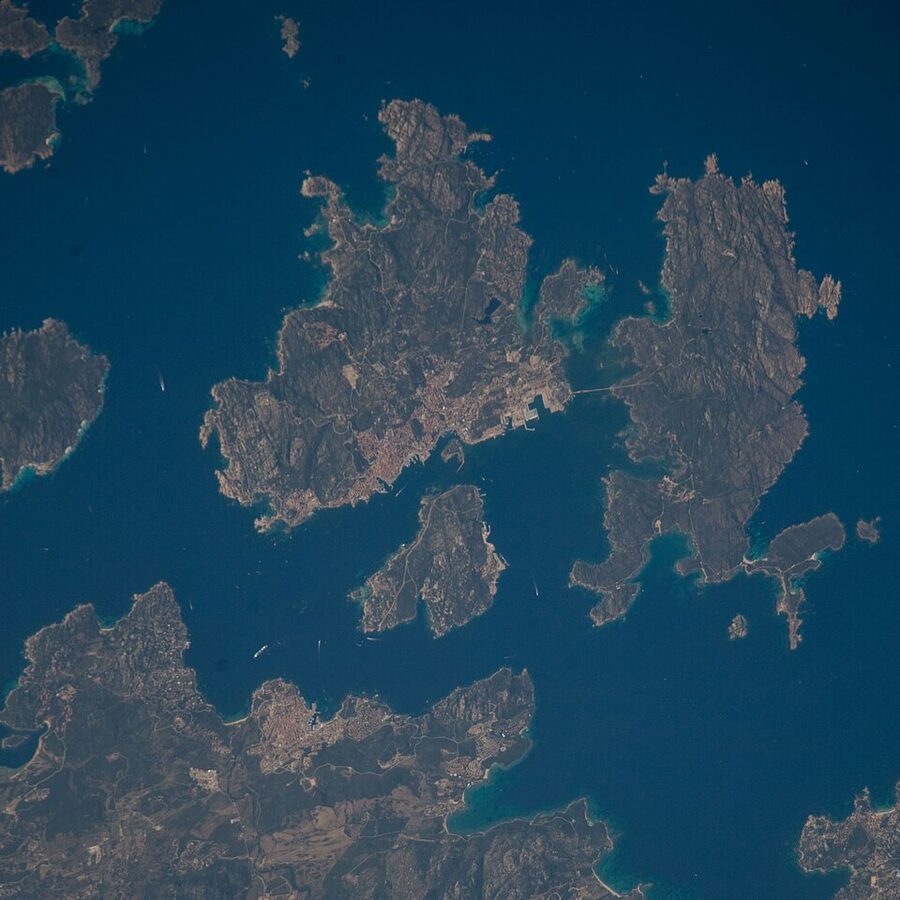
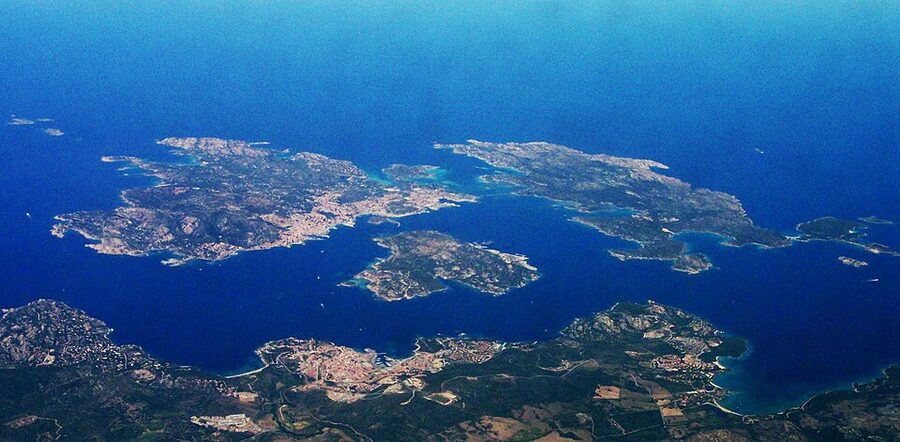
The archipelago is seven main islands and dozens of smaller ones, but no day trip stops at all of them. Most boats follow a loop that hits three or four. Here’s what’s worth knowing about each, so you can read the itineraries properly.
La Maddalena
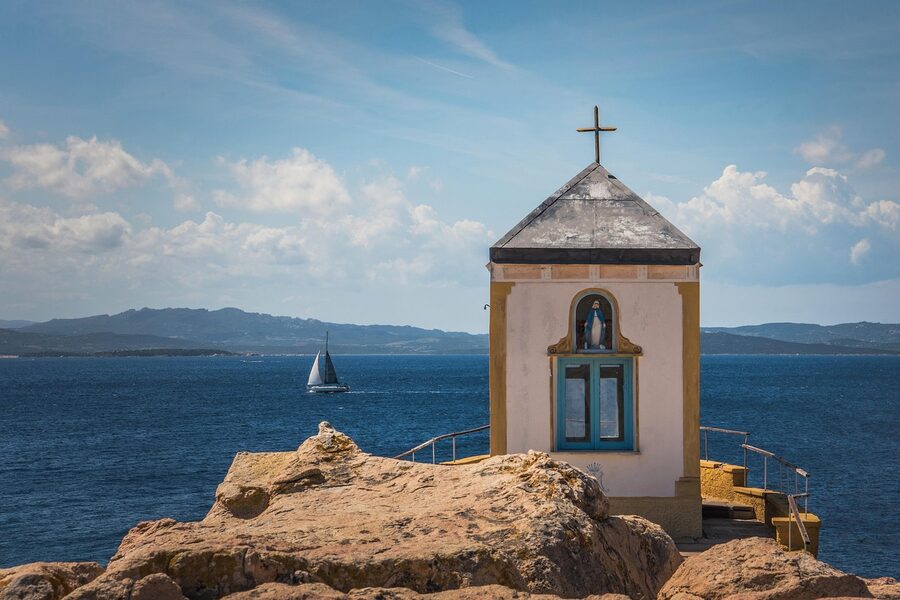
The only inhabited island and the one the archipelago is named after. The town has a small grid of pastel buildings, a working fishing port, and a couple of decent gelaterie. Most day trips don’t actually land you in town, but they often pass close enough that you can see the harbour. If you want to spend time in the town itself, take the ferry over the day before and walk around in the evening when the cruise crowds have left.
Caprera
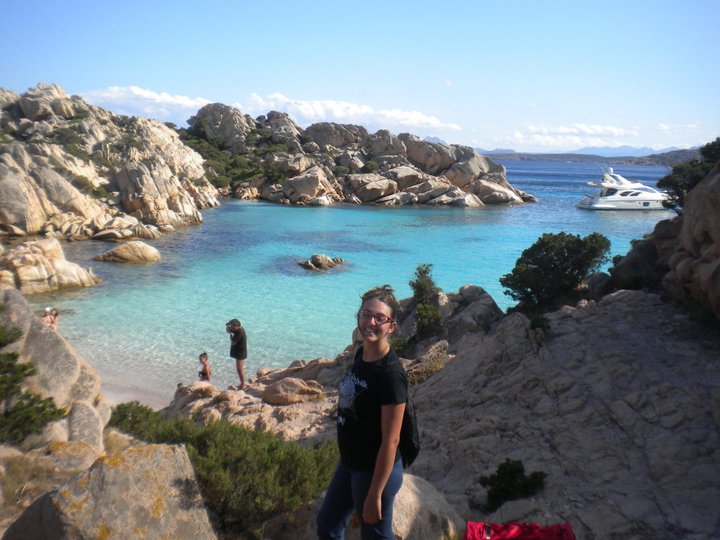
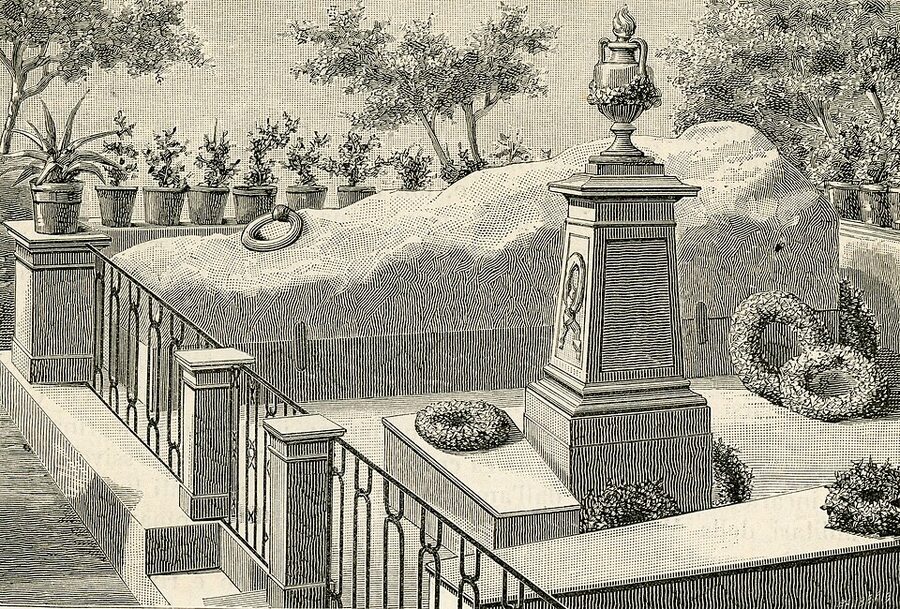
Connected to La Maddalena by a short bridge. This is the wilder of the two big islands, with hiking trails, the famous Cala Coticcio (sometimes called the “Tahiti of Sardinia”), and Garibaldi’s house and tomb. Most boat tours pass the coast rather than land here, but a few stop at Cala Coticcio when the daily visitor cap allows.
Spargi
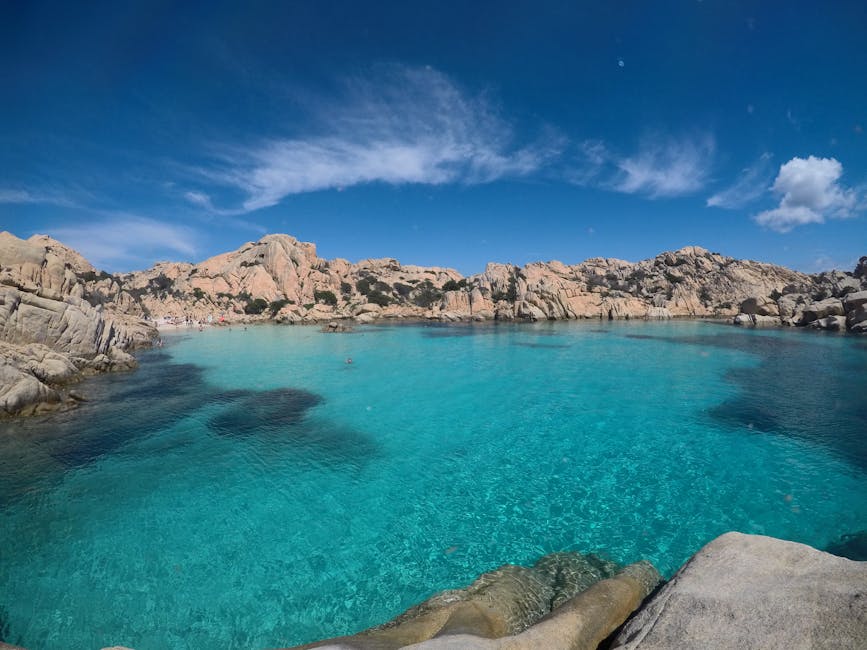
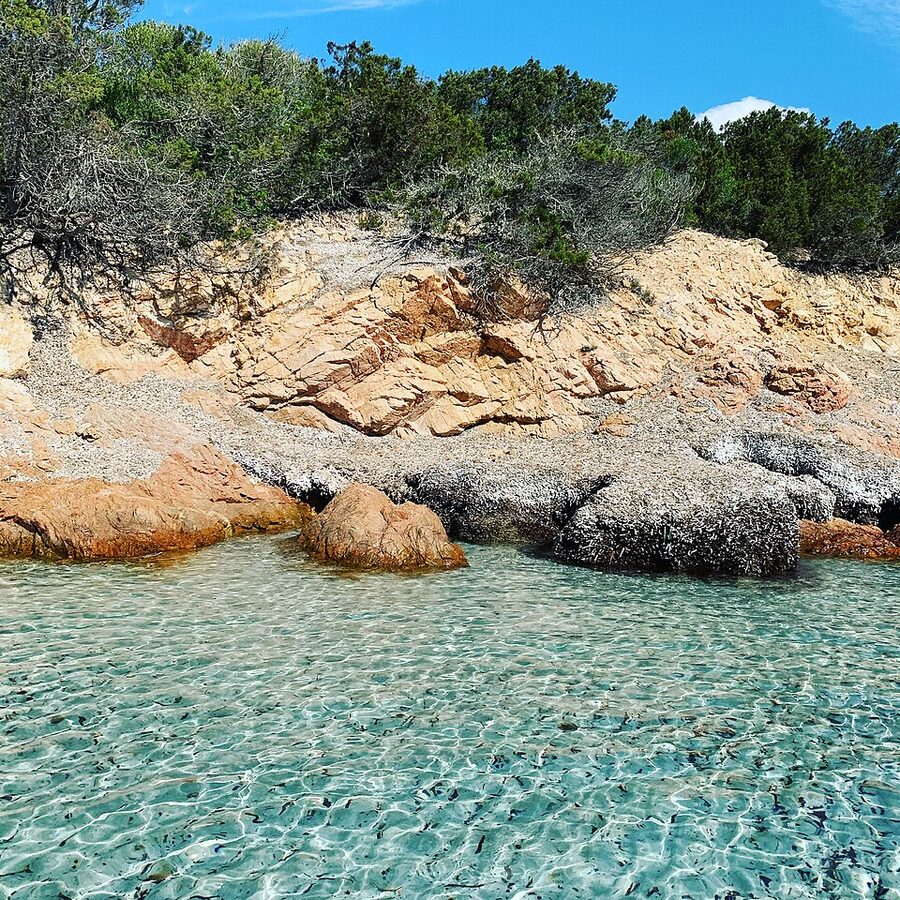
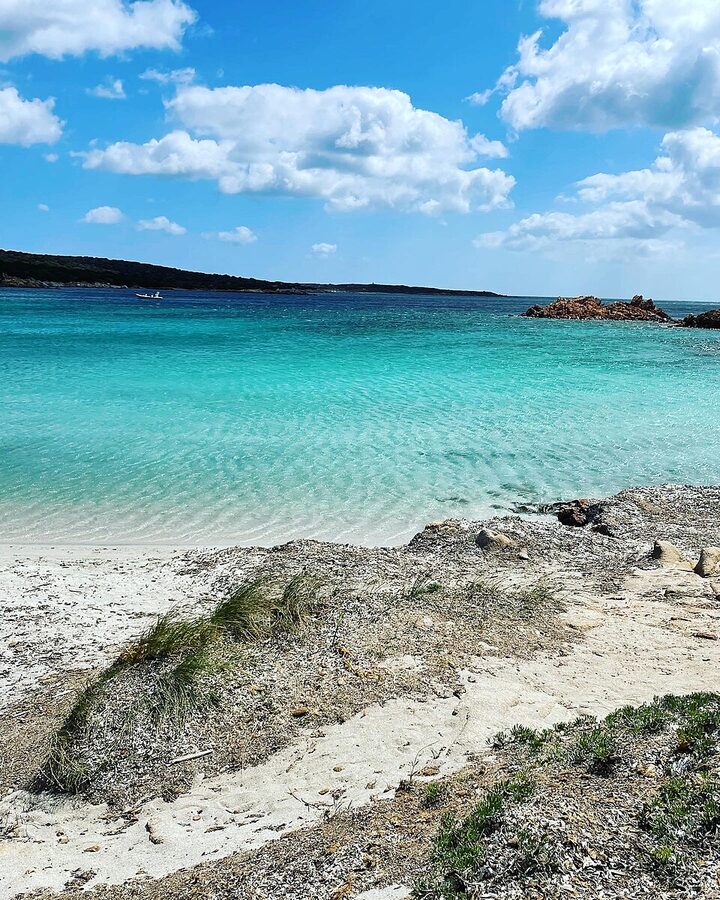
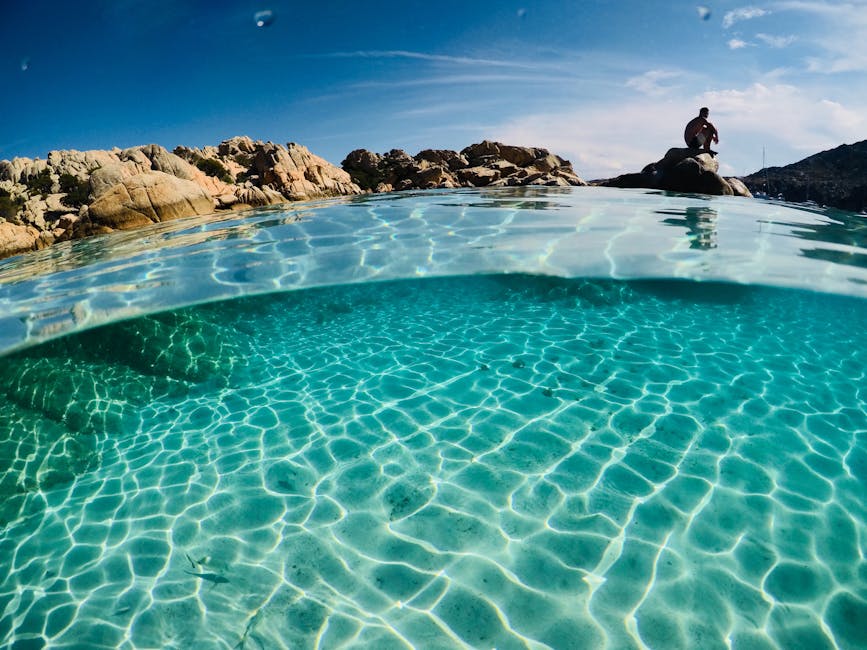
Uninhabited, granite, scrub, and the bay called Cala Corsara that almost every full-day tour stops at. The water here is the cleanest I’ve ever swum in. Bring a snorkel if your boat doesn’t supply one. The seabed is a mix of sand and the kind of rock formations you only really appreciate underwater.
Budelli
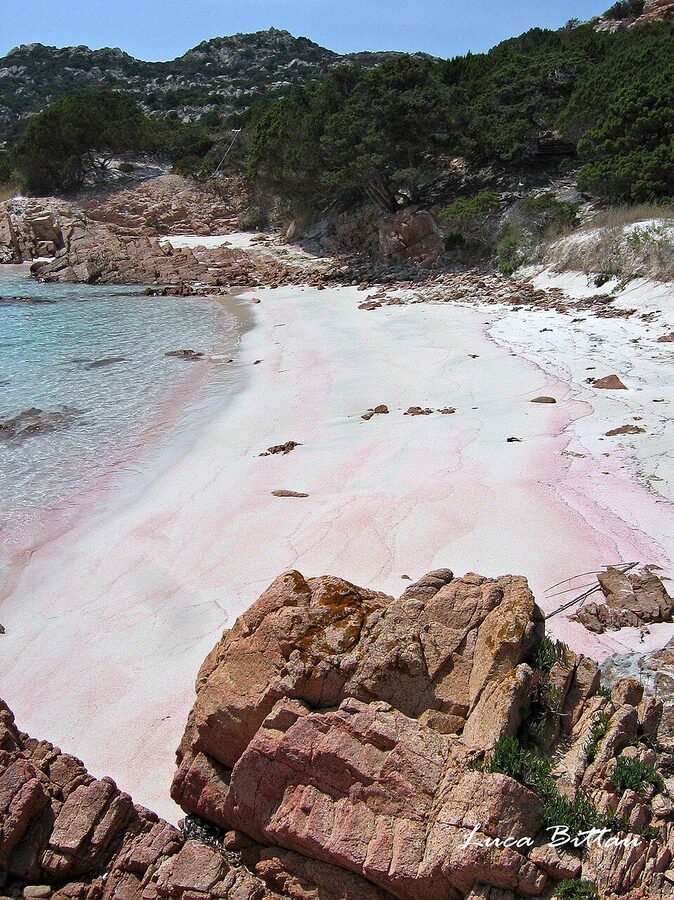
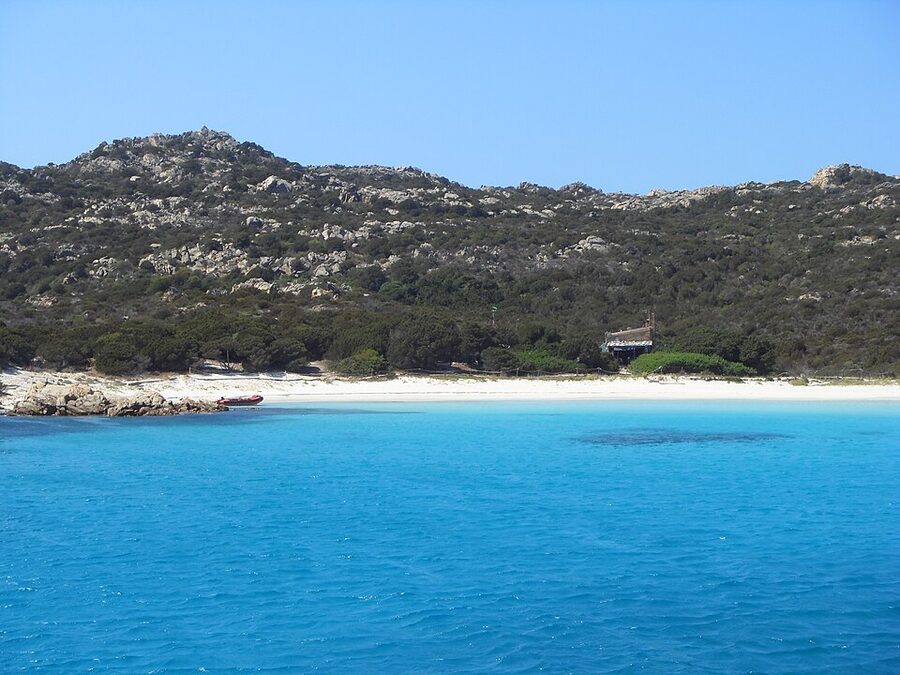
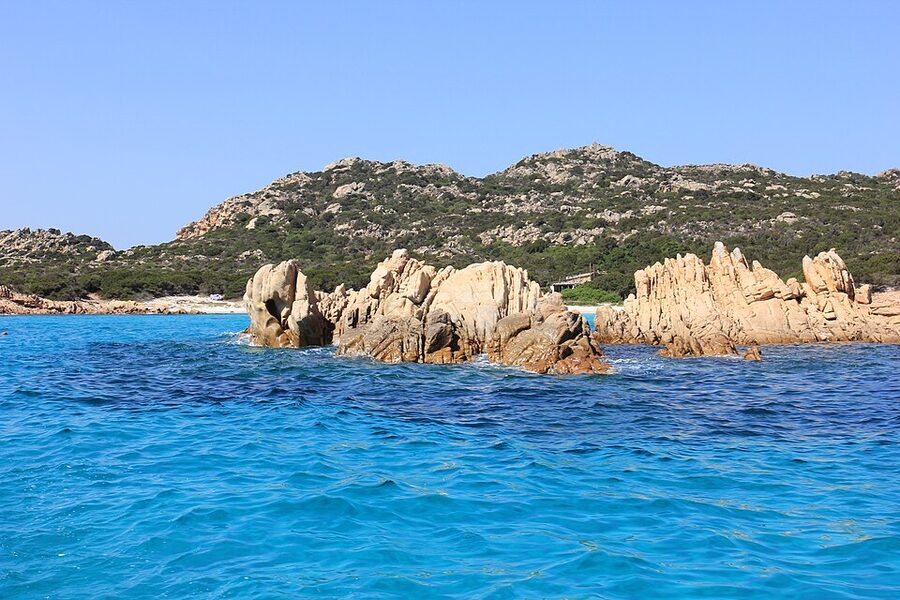
Home to Spiaggia Rosa, the famous pink beach. The pink colour comes from broken-down red microorganisms mixed into the sand. So many tourists were taking sand home as a souvenir that the beach has been closed to landings since 1994. You’ll see it from the water on most tours, and that’s fine. It’s prettier as a strip in the distance than it would be with 200 people on it.
Santa Maria and Razzoli
The two northernmost islands, often visited together because they share a sheltered channel called the Passo degli Asinelli. This is where many boats anchor for the long swim stop. The water in the channel is shallower than the open sea, which is why it warms up faster and turns that postcard turquoise. If you only get one swim stop on your day trip, it’ll often be here.
How to Get to Your Departure Port
Most people fly into Olbia. From there:
- To Palau: 50-minute drive, or bus 514 to Olbia centre then bus 601 to Palau (about 1.5 hours total). The buses are roughly every 2 hours, so check the schedule before you commit. Buy tickets in the airport machine, not from the driver.
- To Cannigione: 35-minute drive. No useful direct bus.
- To Santa Teresa di Gallura: 1 hour drive. There’s a bus but the timing is awful for an early-morning tour pickup.
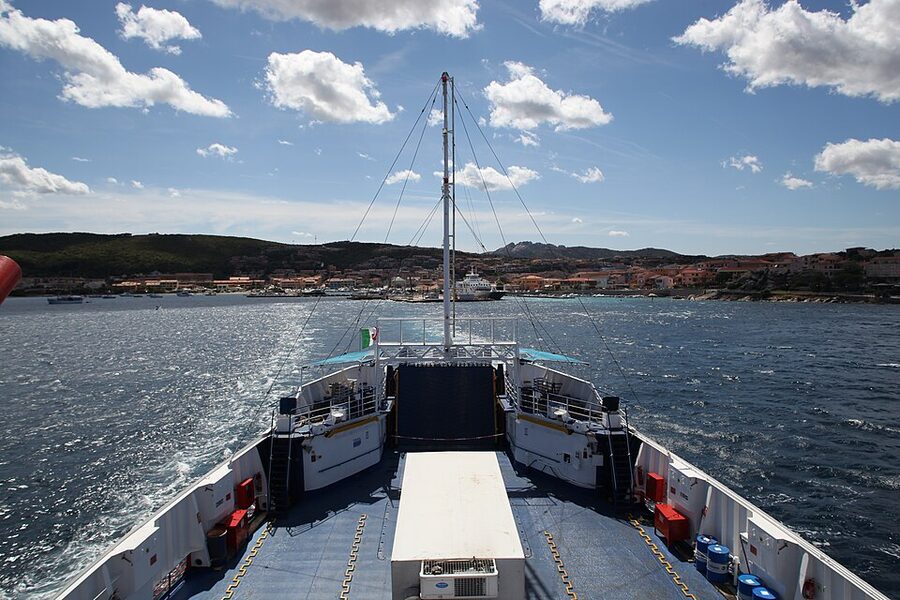
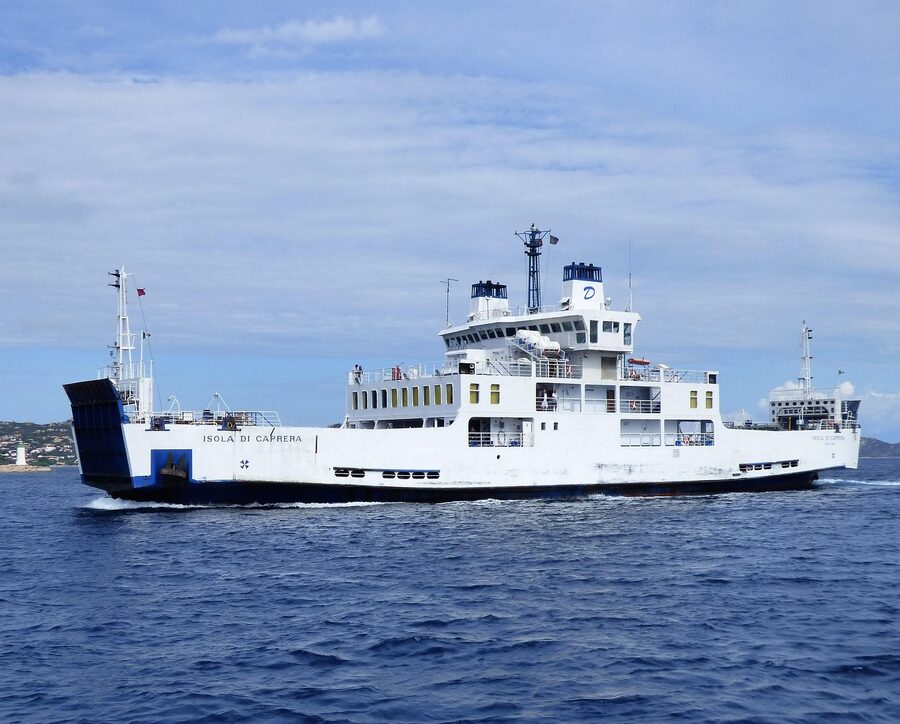
- To La Maddalena town: drive to Palau, leave the car (or take a taxi), and ride the ferry across. Ferries run every 20-30 minutes between two companies, Delcomar and Maddalena Lines. Cash only at the ticket booth, but there’s an ATM next to it.
What Lunch Looks Like
Most full-day tours include lunch in the price. The standard is a buffet of cold pasta, mixed salad, focaccia, fruit, and a glass of wine. The better operators (the three I picked above) cook fresh pasta on board and let you order it before noon, served hot at the swim stop. There’s a popular Palau pasta-on-board tour that builds the lunch around this exact format.
If you’re vegetarian, mention it when you book. They’ll handle it. If you’re vegan or coeliac, mention it twice, because the standard galley setup is built around pasta. Bring a snack as a backup.
Drinks beyond the included glass of wine cost extra. Cash is easier than card on most boats, and small bills are appreciated. If you don’t drink, they won’t subtract anything from the price; the wine is just included.
Best Time of Year to Go
The boats run from roughly mid-April to early November. Each window has a personality.
April and May: sea is cold (about 17°C), boats are quiet, prices are softer. You’ll want a wetsuit if you actually plan to swim. The light is incredible and the islands are still green from winter rain.
June: shoulder season. Sea is warming up, crowds are manageable, and the meltemi wind is less reliably nasty than later in summer. My favourite month for this trip.
July and August: peak. Sea is 24-25°C, every boat is fully booked, and you’ll want to reserve at least two weeks ahead. The pink beach distant view will have other boats parked next to yours. Itineraries can shift due to crowding.
September and early October: the secret good month. Sea is still warm, prices drop, locals come back. Light is golden in the afternoons. If you have flexibility, book this window.
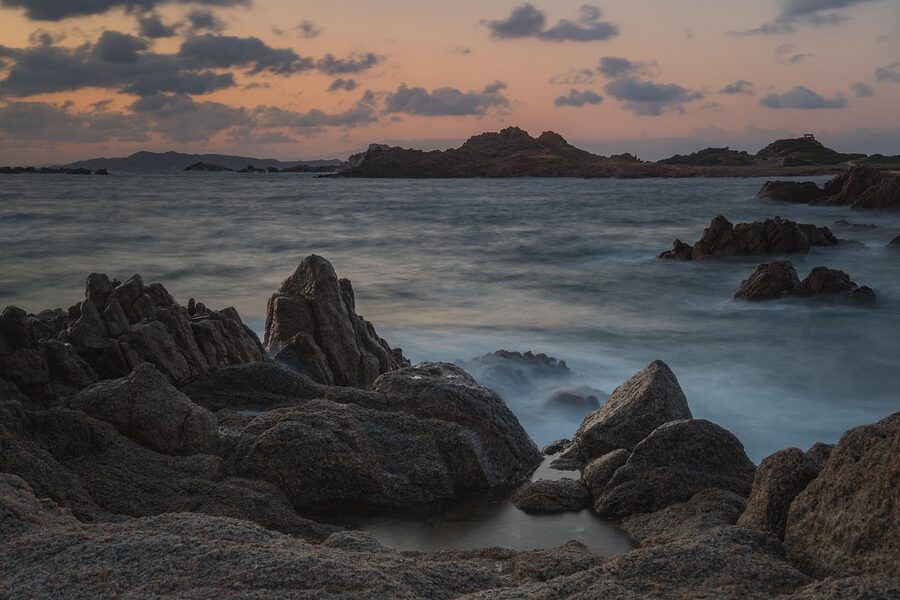
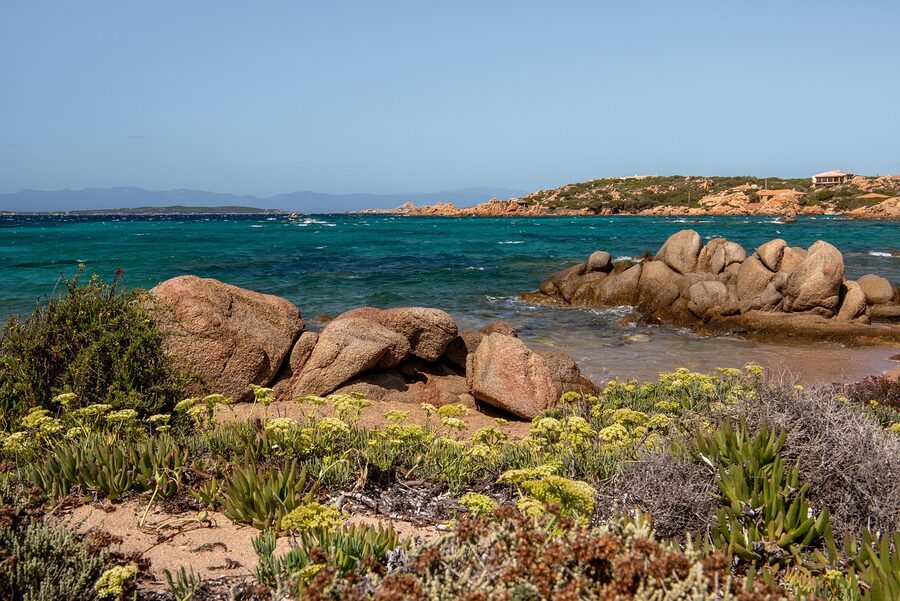
What to Bring On Board
The boats supply a basic ladder, towels (sometimes), and the lunch. Everything else is on you. Pack a small dry bag with these items and you’ll be sorted:
- Reef-safe sunscreen, factor 50. The reflection off the water doubles the burn rate. The standard sunscreens are technically allowed but the marine park asks you to use mineral ones.
- A wide-brim hat that ties on. There’s wind on the deck.
- A light long-sleeve shirt for the afternoon. Even in August the granite reflects more sun than you expect.
- Snorkel and mask if you have your own. Boat-supplied gear is hit and miss.
- Cash for drinks, the marine park fee, and your taxi back from Palau.
- Motion sickness tablets. The Bocche di Bonifacio strait can be choppy.
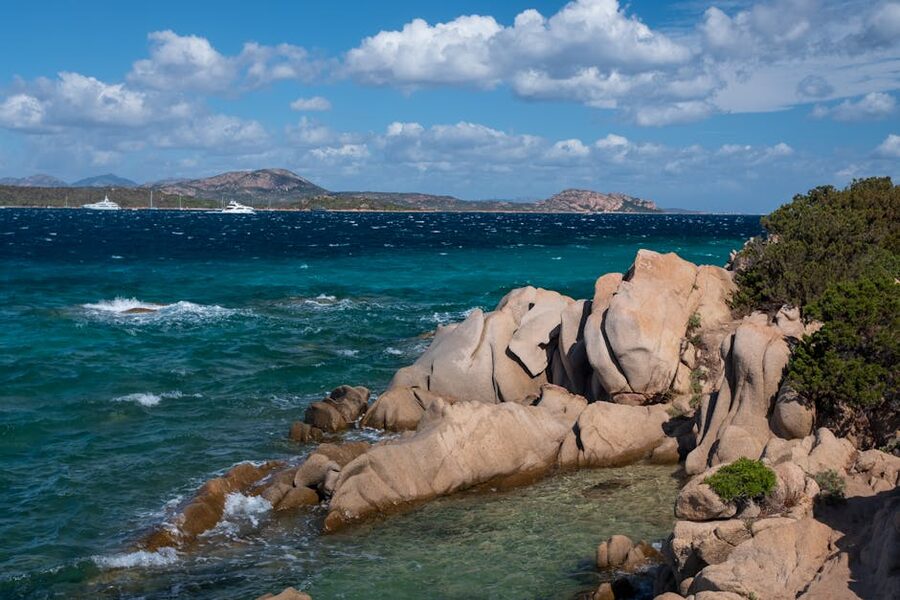
A Quick History You’ll Care About on the Boat
The archipelago has a stranger history than the holiday-postcard version suggests. Until the late 18th century these were mostly uninhabited grazing islands used by Corsican shepherds. Then in 1767, the Kingdom of Sardinia annexed them as a strategic outpost guarding the strait of Bonifacio.
The military legacy explains a lot of what you’ll see. The deep-water harbour at La Maddalena was used by both the Italian and US navies through the 20th century, and the fortifications on Caprera were never quite dismantled. The marine park was created in 1994 partly to repurpose the area away from the navy.
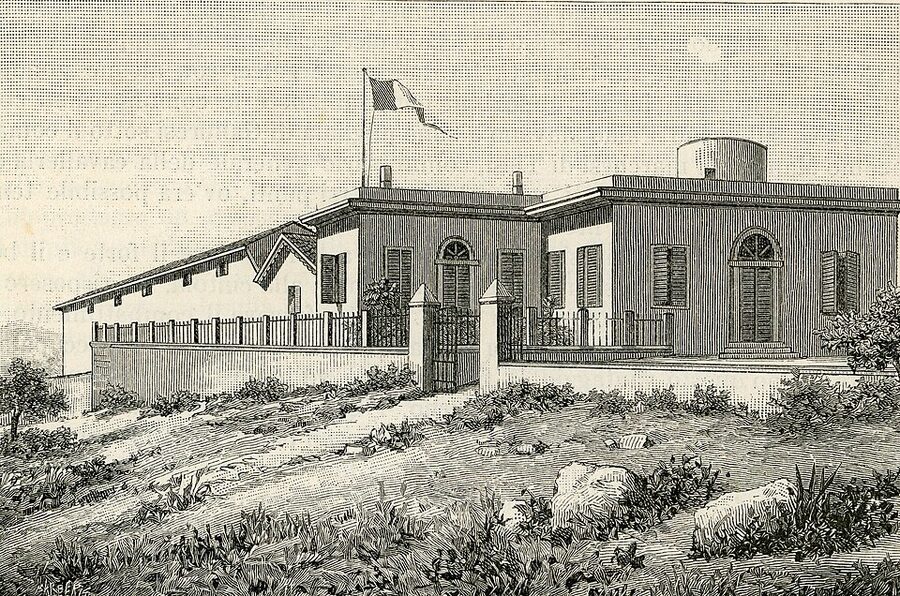
Then there’s Giuseppe Garibaldi. The hero of Italian unification spent his last years on Caprera, and the house where he lived and the tomb where he’s buried are both there. Most boat tours pass within sight of the Garibaldi compound. A few of the longer tours include a 90-minute land stop where you can walk to the museum.
Booking Tips Most Sites Don’t Mention
Three things I wish someone had told me before my first trip.
Book at least a week in advance in shoulder season, two weeks in peak. The good boats sell out and the leftover options are the rougher, more crowded ones. If you turn up in Palau hoping to walk on, you’ll get something, but it won’t be the boat you’d have chosen.
The free cancellation window matters. Sardinia weather changes fast in May and September. Pick a tour with free cancellation up to 24 hours before, even if it’s a euro or two more. The morning-of forecast is your friend.
Check the boat capacity, not just the reviews. A 4.6-rated tour on a 60-passenger boat is a very different experience from a 4.6-rated tour on a 12-passenger boat. The price is similar. The atmosphere is not.
Quick Answers to the Questions Everyone Asks
Can you do La Maddalena as a day trip from Olbia? Yes, easily. Drive to Palau or Cannigione, take the boat, drive back. About 12 hours door to door.
Is it worth doing if you can’t swim? The boat trip itself is scenic enough that I’d say yes, but you’re paying mostly for the swim stops. If you can’t swim, look at a shorter half-day option instead.
Are the boats wheelchair accessible? A few are, most are not. Email the operator before booking. Boarding is usually a step from a floating dock.
Will you see Corsica? On a clear day, yes. The Corsican cliffs are about 11km from the northern islands and they’re often visible.
Do the boats have toilets? Yes, all of the recommended ones do. Hand-pump or electric depending on the boat.

Pairing the Day with Other Sardinia Trips
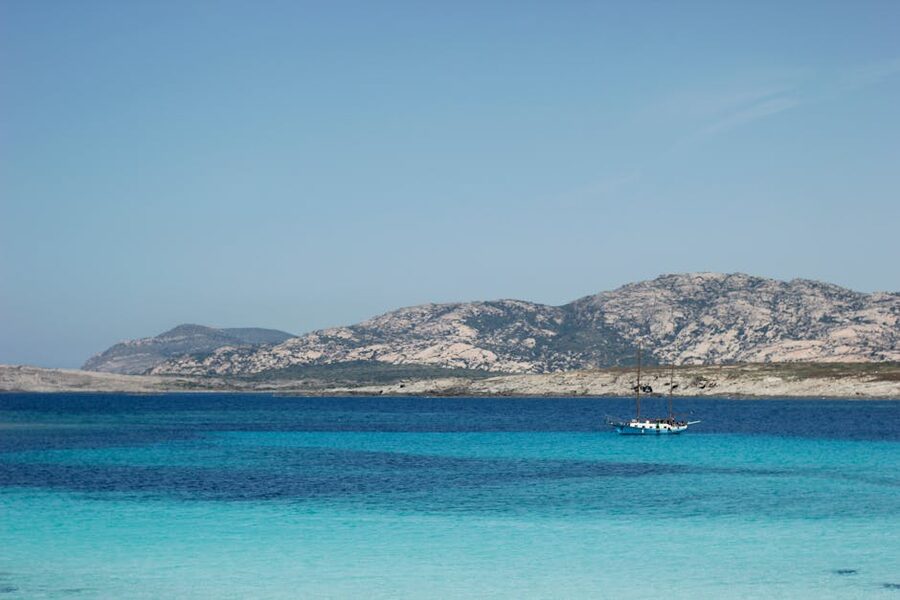
If you’ve come this far north in Sardinia, it’s worth combining La Maddalena with a couple of other things rather than treating it as a one-off. The two day trips that pair best are a drive along the Costa Smeralda the day before, and either a half-day in the granite landscape around Capo Testa or a longer beach day at La Pelosa near Stintino if you want a different kind of water.
For more ideas elsewhere on the coast, the Genoa aquarium guide covers another excellent option in Liguria, and if you want to head south for more cave-and-stone scenery on a different scale, the Matera Sassi cave houses guide walks through one of the strangest UNESCO sites in southern Italy.