
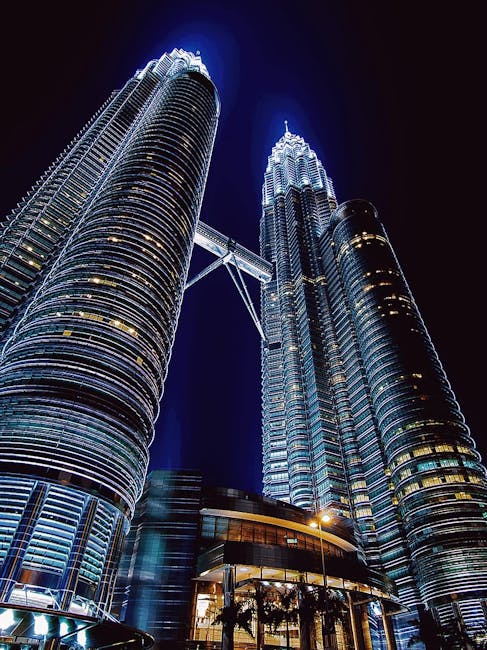
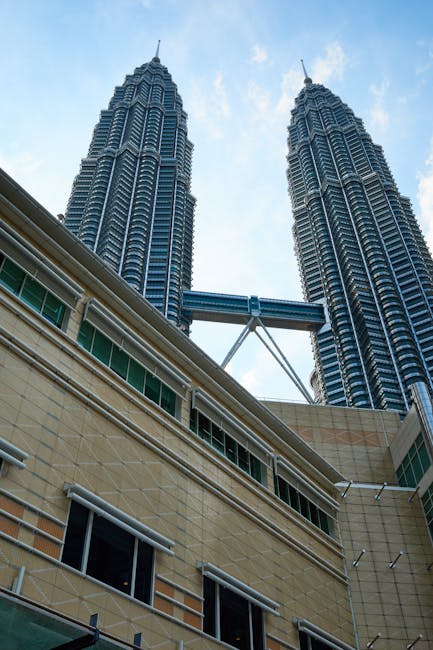
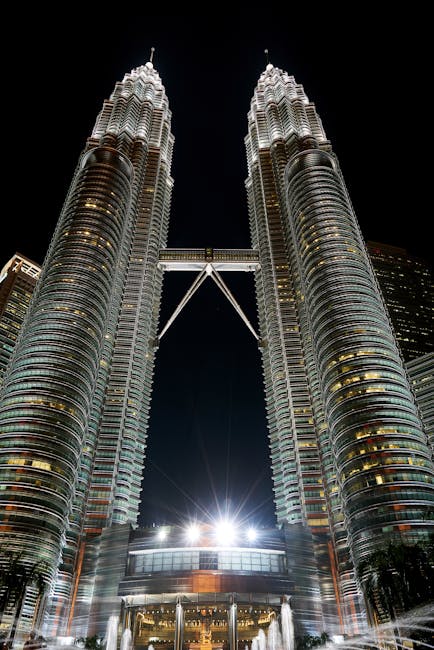
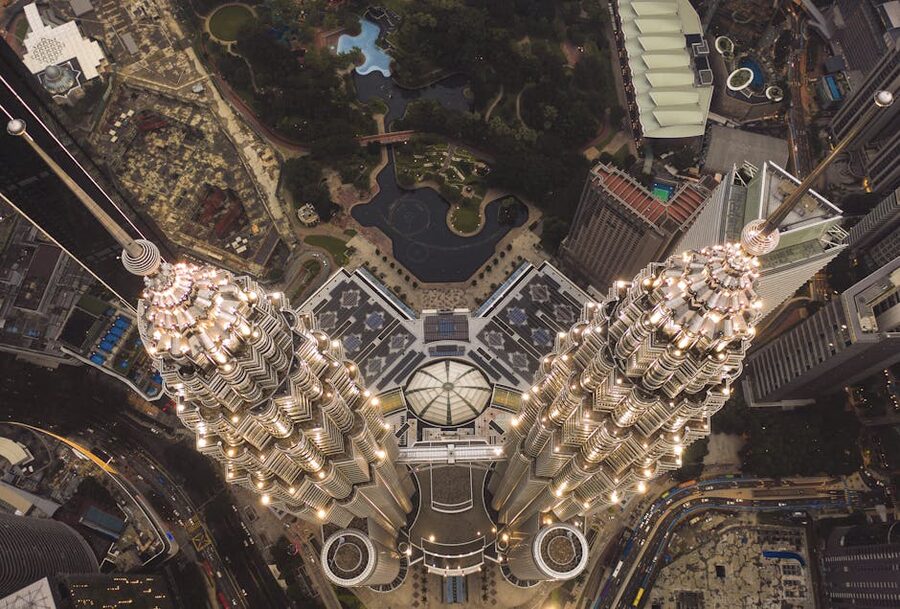
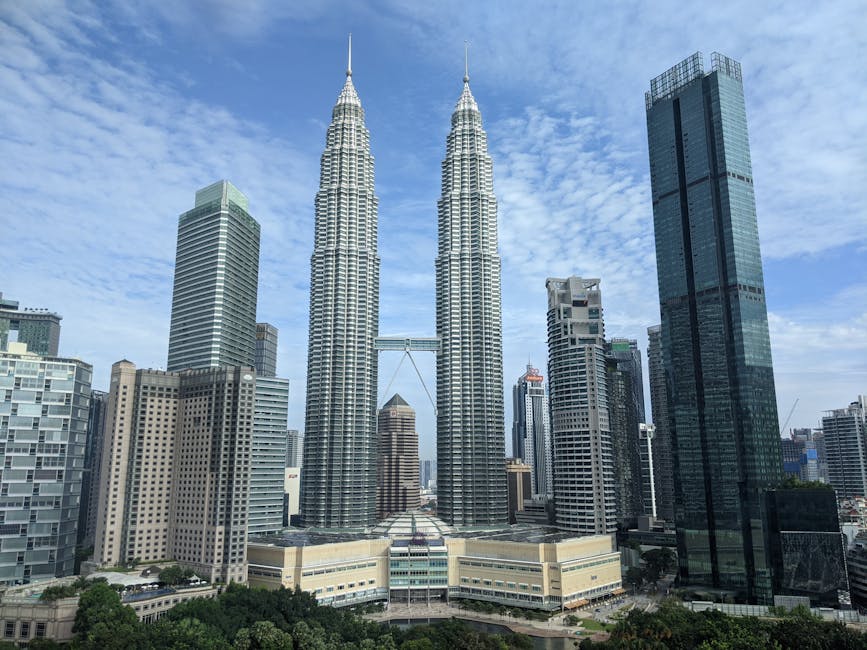
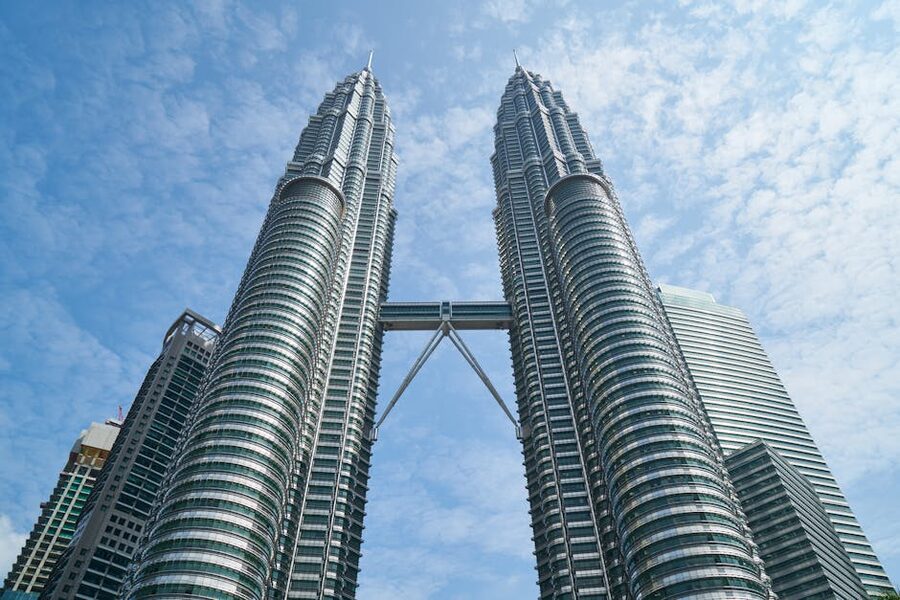
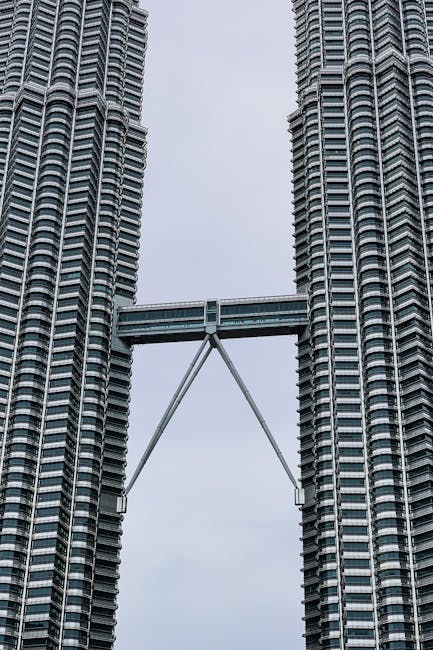
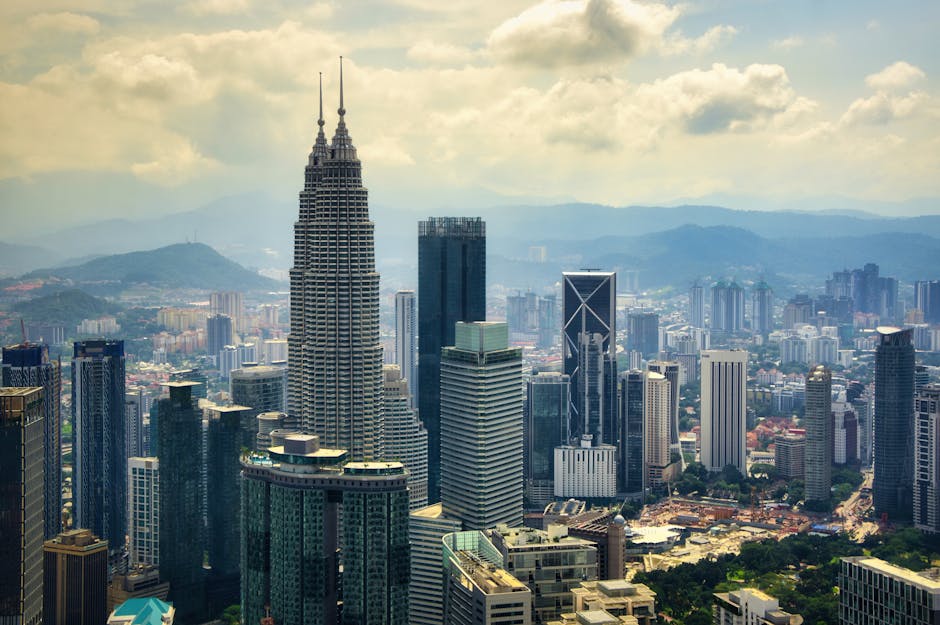
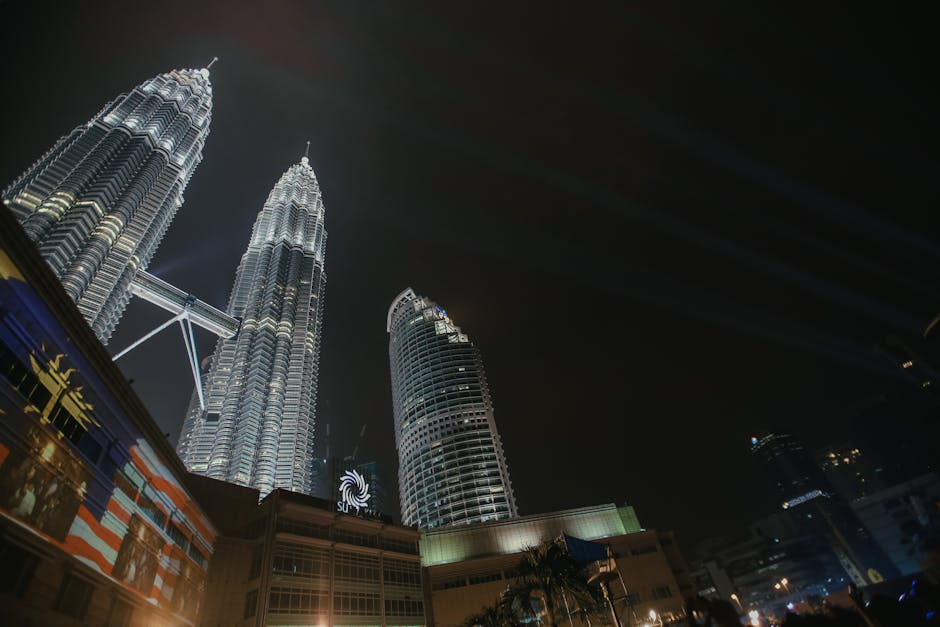
The Petronas Twin Towers rise 452 meters above Kuala Lumpur, and for six years between 1998 and 2004 they were the tallest buildings on Earth. They’re still the tallest twin towers anywhere in the world, and the double-decker skybridge that links them at level 41 — 170 meters above the street — was an engineering first.
No other building on the planet had ever connected two separate towers that high up. That skybridge is what most visitors come here for, along with the observation deck eight floors above it on level 86.
You can’t just walk in, though. Entry is ticketed, timed, capped at around 1,700 visitors per day, and the tickets go fast. Show up at the KLCC ticket counter on a Friday morning expecting to walk straight in and you’ll probably leave disappointed — by late morning most days the day’s allocation has been sold through, and the next available slot is tomorrow.
This guide walks through exactly how to book in advance, what each ticket type actually gets you, which tours are worth it versus which are overpriced repackaging, and how to avoid the three most common mistakes visitors make at KLCC.
- Why booking ahead matters more at the Petronas Towers than anywhere else in KL
- What the official ticket actually includes
- Tour option 1 — Petronas Twin Towers Entry E-Ticket
- Kuala Lumpur Petronas Twin Towers Entry E-Ticket
- Tour option 2 — Private Tour KL With Twin Towers and Batu Caves
- Private Tour Kuala Lumpur With Petronas Twin Towers Observation Deck and Batu Caves
- Tour option 3 — Petronas Twin Towers Admission Tickets (Viator)
- Petronas Twin Towers Admission Tickets (E-Tickets)
- How to actually book — a step-by-step walkthrough
- Timing — what slot should you actually pick?
- The skybridge vs the observation deck — what’s actually up there?
- Three mistakes to avoid
- What to do after — the KLCC neighborhood
- Getting to KLCC
- Photography tips that actually help
- Other KL articles worth reading
- Quick FAQ
- Final thoughts — which of the three tours is the right pick?
Why booking ahead matters more at the Petronas Towers than anywhere else in KL
Most Kuala Lumpur attractions don’t really require a booking. Batu Caves is free. Central Market you walk in. Even the Sky Deck at Menara KL tower rarely sells out. The Petronas Towers are different, and it’s worth understanding why before you start shopping for tickets.
The skybridge and observation deck are inside a working office building. Petronas, the national oil company, runs its headquarters from Tower 1. Tower 2 houses other tenants. The visitor program is a concession — guests are led through a security check, moved in timed groups, and given roughly 40 minutes total at the top.
The building operations staff won’t let more people through than the elevator schedule can handle, and the elevator schedule was designed around office workers, not travellers. That’s the real constraint.
It’s not that they could sell more tickets and don’t want to — it’s that the physical throughput caps out at around 1,700 people per day, split across 15-minute arrival slots from roughly 9 a.m. to 8:30 p.m.
A couple of practical consequences flow from that. First, walk-up tickets exist but are unreliable. The counter on the concourse level of Suria KLCC mall opens at 8:30 a.m. and sells same-day tickets on a first-come basis. On a weekday in the off season you can sometimes wander up at 10 a.m. and get an afternoon slot.
On a Saturday in December, or during any Malaysian school holiday, you’ll see a queue forming at 7:45 a.m. and everything sold out by 9:30. Second, the time slot you get matters a lot. Sunset slots (roughly 5:30 to 7:00 p.m.) sell out first because the view across the city is spectacular as the lights come on.
Midday slots are always the last to go because the glare is harsh and the haze is often at its worst. If you specifically want sunset, you need to book days ahead, not hours.
The third thing worth knowing: tickets are non-transferable and require ID. You’ll be asked to show a passport or matching government ID at the gate. This is why every legitimate reseller asks for the name of each person on the booking — the name on the e-ticket has to match the name on the ID you present. Book carefully, spell names correctly, and don’t buy from any platform that doesn’t ask.
What the official ticket actually includes
Before looking at tours, it helps to know what the basic official ticket gets you, because most of the products you’ll see online are variations wrapped around that same core experience.
Every Petronas Twin Towers entry ticket includes the same thing: a timed slot, a short introductory film about the building’s construction and Kuala Lumpur’s skyline, a security check, an elevator ride to level 41, about 10 minutes on the double-decker skybridge, another elevator ride up to level 86, about 15 to 20 minutes on the observation deck, and an elevator ride back down.
Total time in the building is usually between 40 and 60 minutes from the moment you’re scanned in to the moment you walk back into Suria KLCC mall. There’s a small gift shop at the end you can walk through or skip.
The official adult price as sold directly by the building operator is 98 Malaysian ringgit (about $20-22 USD depending on the exchange rate). Children 3 to 12 pay 50 ringgit. Under 3 enter free. Senior Malaysians pay a discounted rate. Foreign visitors all pay the standard adult price regardless of age bracket over 12. That’s the baseline.
Any product priced significantly above 98 MYR is either bundling extras (fast-track entry, transport, a guide, a meal, other sights) or charging a convenience markup for the online booking itself.
A few things the ticket does NOT include that surprise some people: photography is allowed but tripods are not, there’s no guided commentary at the top (just signage), the skybridge is inside a glass enclosure so you can’t feel the wind, and the observation deck is also fully enclosed — no open-air balcony. If you want the wind-in-your-hair experience, you’re thinking of Menara KL tower a couple of kilometers away.
Tour option 1 — Petronas Twin Towers Entry E-Ticket
This is the cleanest, simplest product for most independent travellers, and it’s the one I’d pick if a friend asked me which of these three to buy. It’s a straight e-ticket for a specific time slot, delivered to your phone by email, with the name of each guest printed on the voucher. You show up 15 minutes before your slot at the concourse-level entrance inside Suria KLCC, hand over your phone and ID, and you’re in.
At $33 it’s about 50 percent more expensive than the 98 MYR face value, which is a meaningful markup, but what you’re paying for is confidence. When I checked the GetYourGuide availability calendar three days out for a Saturday, the official Petronas website showed “sold out” while the GetYourGuide inventory still had four time slots left.
The aggregators buy inventory in bulk and release it gradually, which means they’re sometimes the only way to get a ticket at all once the official counter has cleared out. If you’re traveling in high season (December-January, June-July, or around Malaysian public holidays) that extra $10 or so is cheap insurance.
The 1,229 reviews at a 4.6 average are strong. Reading through a few dozen of them, the consistent feedback is that the process is frictionless — the voucher works, the staff know what to do with a GetYourGuide QR code, and the timed slot holds. The criticisms, where they exist, aren’t about the booking experience at all.
They’re about the attraction itself — a couple of visitors feeling 40 minutes is too short, some disappointed that the skybridge is enclosed, a few complaining about the glare on midday slots. Those are all issues with Petronas, not with the seller.
The “hotel delivery” in the product name is slightly misleading. It doesn’t mean a physical ticket is couriered to you. It means the voucher can be delivered to an email the hotel can print for you if you’re not comfortable using a phone. In practice almost everyone just uses the phone.
Who should book this? Independent travellers who already have their own plan for getting to KLCC, want a guaranteed slot, and don’t need a guide. Families with kids. Couples. Anyone staying within walking distance or comfortable taking Grab (the Southeast Asian equivalent of Uber — a 10-minute ride from Bukit Bintang is usually 10-15 ringgit).
Tour option 2 — Private Tour KL With Twin Towers and Batu Caves
Private Tour Kuala Lumpur With Petronas Twin Towers Observation Deck and Batu Caves
This is a very different product and the 1,029 reviews at a perfect 5.0 rating are worth paying attention to — that’s an unusually high score for a $110 tour. The reason, when you read through the feedback, is that it’s a private tour, not a group tour.
Your driver-guide picks you up at your hotel in an air-conditioned car, drives you to Batu Caves for the morning, brings you back to KLCC for a timed Petronas Towers entry, waits for you, and drops you off at your hotel at the end. The whole day is roughly 7 to 8 hours.
For a party of two, $110 each means the guide is working just for you for most of the day, which is why the reviews skew so positive — you can’t get a private driver-guide in KL for less without going off the booking platforms.
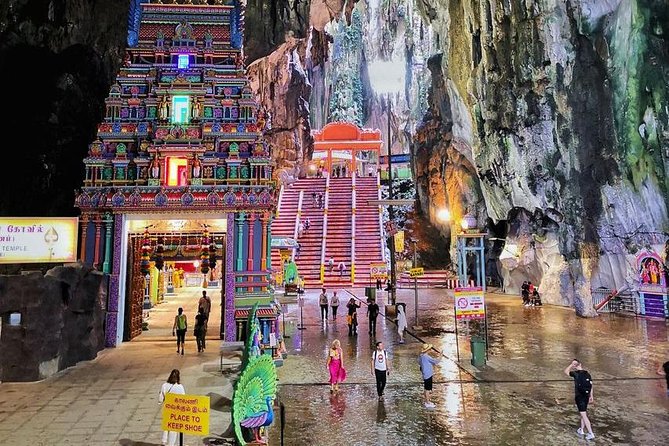
The Batu Caves half of the tour is genuinely useful if you haven’t been yet. It’s a 13-kilometer drive north of KL, the public train is fine but slow, and once you arrive the real work is climbing 272 steps up to the cave temple.
Having someone drive you door to door, skip the parking drama, and then hand you a scheduled Petronas slot in the afternoon is a respectable way to combine the two biggest-name attractions in the city into one day. If you’ve only got 48 hours in Kuala Lumpur and need to hit both, this makes logistical sense.
What you’re paying for above the Tour 1 price: the private vehicle, the driver’s time, the inclusion of Batu Caves (which you’d otherwise need a separate half-day for), and the guide’s knowledge. What you’re NOT really paying extra for is anything at Petronas itself — the Petronas entry ticket embedded in this product is the same basic 98 MYR ticket, just with the booking work done for you.
If you subtract the approximate cost of a half-day private KL-to-Batu-Caves-and-back in a cheaper package (around $40-50), what’s left for the Petronas Towers portion is roughly in line with what Tour 1 charges. The pricing is honest.
travellers repeatedly mention the flexibility — the driver adjusts the itinerary to the heat of the day, lets you linger at Batu Caves longer if you want, and coordinates around your Petronas slot. One detail worth flagging: because the Petronas entry is a fixed timed slot booked days in advance, the tour company chooses the slot based on availability at the time you book.
If you want a sunset slot specifically, ask before you book whether that can be guaranteed. On busy days it sometimes cannot.
Who should book this? travellers with only one full day in KL who want to see both Batu Caves and the Twin Towers without figuring out logistics. Families where the kids will hate taking two separate trains. Older travellers who don’t want to navigate the monorail. Anyone celebrating something and wanting a more comfortable day.
Tour option 3 — Petronas Twin Towers Admission Tickets (Viator)
This is Viator’s version of the straight entry ticket, and I’m including it because it’s the closest direct comparison to Tour 1. The product is the same — a timed e-ticket for the skybridge and observation deck — but sold through Viator rather than GetYourGuide. The 4.5-star average across 277 reviews is solid, the process is the same, and there’s no meaningful experience difference once you’re inside the building.
So why is it listed at $48 when Tour 1 lists at $33? Two reasons. First, Viator’s base price is often higher than GetYourGuide’s for the same inventory — both platforms take a cut from the ticket, and Viator’s cut is usually a bit larger.
Second, the $48 Viator product sometimes includes flexibility features (free cancellation closer to the date, a more generous reschedule policy) that the cheapest GetYourGuide product doesn’t. If you’re booking months in advance for a trip where dates might shift, Viator’s cancellation window is worth the premium.
If you’re booking four days out for a fixed itinerary, Tour 1 on GetYourGuide is the better value for the same underlying ticket.
The 277-review count is lower than Tour 1’s 1,229, but the consistency of positive feedback is similar. travellers praise the smooth voucher process, the on-time slots, and the frictionless entry. The negative reviews that do exist flag the same “the attraction is shorter than expected” complaints that show up on every Petronas product across every platform.
One genuine advantage of booking via Viator: if you’re already booking other things in KL or elsewhere in Southeast Asia through Viator, keeping everything in one account means one support contact, one voucher wallet, one set of cancellation rules. If you’re loyal to one platform for a reason (Tripadvisor reviews integration, points, whatever), stay there. If you’re platform-agnostic and just chasing price, go with Tour 1.
Who should book this? travellers already using Viator for the rest of their Southeast Asia trip. People who want the more generous cancellation policy. Anyone who prefers Viator’s interface or has a Viator credit to use up.
How to actually book — a step-by-step walkthrough
Here’s what the booking process looks like end to end, assuming you’ve picked a tour from the three above.
Step 1: Pick your date and time slot. Look at the availability calendar on GetYourGuide or Viator for the tour you chose. The calendar shows which slots are green (available), yellow (limited), or red (sold out). If a full day is red, try the day before or after. Sunset slots are usually the first to turn red — if you see “5:30 p.m.” available on a Saturday a week out, grab it immediately, because it won’t be there tomorrow.
Step 2: Enter names carefully. Every person on the booking needs a full legal name matching the ID they’ll bring. Spell everything correctly. If you’re booking for parents or grandparents, confirm their names as they appear on their passport, not the nickname you use. This is the step where mistakes later become irreversible.
Step 3: Pay and receive the voucher. You’ll get an email voucher within minutes, usually with a PDF attachment and a mobile-friendly QR code. Save it to your phone’s wallet app if possible. Take a screenshot as backup. Download the PDF and save it offline — KLCC mall has decent Wi-Fi but don’t rely on it.
Step 4: Arrive 15 minutes early. The entrance is on the concourse level of Suria KLCC mall (which is the shopping center built around the base of the towers). Signage is clear. The ticket counter and entry point are adjacent — even if you have an e-ticket, you still enter through the same physical gate. Security is airport-style — small bags go through an X-ray, no large backpacks allowed, no food or drinks through the gate.
Step 5: Bring ID. Passport is ideal for international visitors. A driver’s license or national ID works if you live in Malaysia. Children don’t usually need ID but bring a birth certificate or passport anyway to prove ages for discounted tickets.
Step 6: Wear layers. The observation deck is heavily air-conditioned and sometimes feels cold after the heat outside. A light cardigan or long-sleeved shirt is worth carrying in your bag if you feel cold easily.
Timing — what slot should you actually pick?
This is the single most important decision after choosing a ticket, and most guides skip it. The quality of your experience depends massively on when you go up.
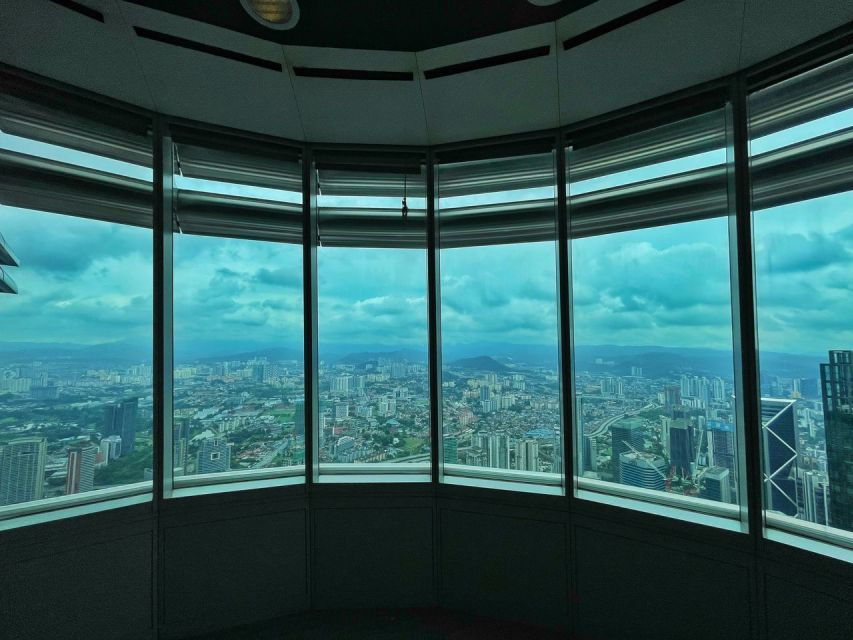
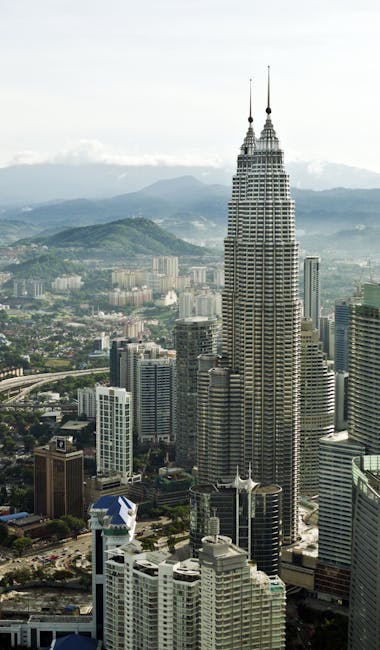
The view from level 86 is a 360-degree panorama of Kuala Lumpur and the forested hills to the north and west. In the best conditions you can see all the way to Putrajaya 25 kilometers south. In the worst conditions — hazy afternoons in the burning season around September-October, or the peak of a tropical downpour — you can barely see the next building over. Weather and timing are the variables that decide which version of the view you get.
Morning slots (9 a.m. to 11 a.m.): Usually the clearest air of the day. The tropical haze hasn’t built up yet, the afternoon thunderstorms haven’t formed, and the light is relatively soft. Downside: the view east into the rising sun means half the panorama is backlit. For photos, morning is decent for the west-facing side and tough for the east.
Midday slots (11 a.m. to 2 p.m.): The weakest option. Glare is harsh, shadows are hard, the heat is building haze, and the light is flat. This is when the slots stay available longest precisely because regular visitors figure this out. Skip unless nothing else is available.
Afternoon slots (2 p.m. to 5 p.m.): Better than midday. Thunderstorms are a risk in the wet season (roughly October through March in KL — Malaysia has two monsoons depending on which coast). If you see a dark cloud building over Genting Highlands to the north, the odds are your slot might coincide with a rain shower. That said, rain at 170 meters up is an experience in its own right, and the observation deck stays open during rain unless there’s lightning.
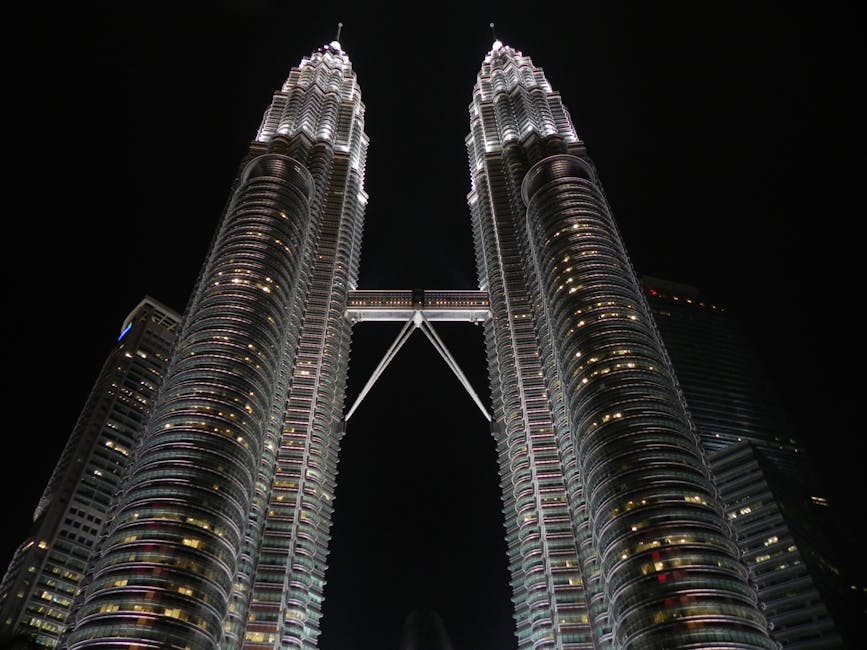
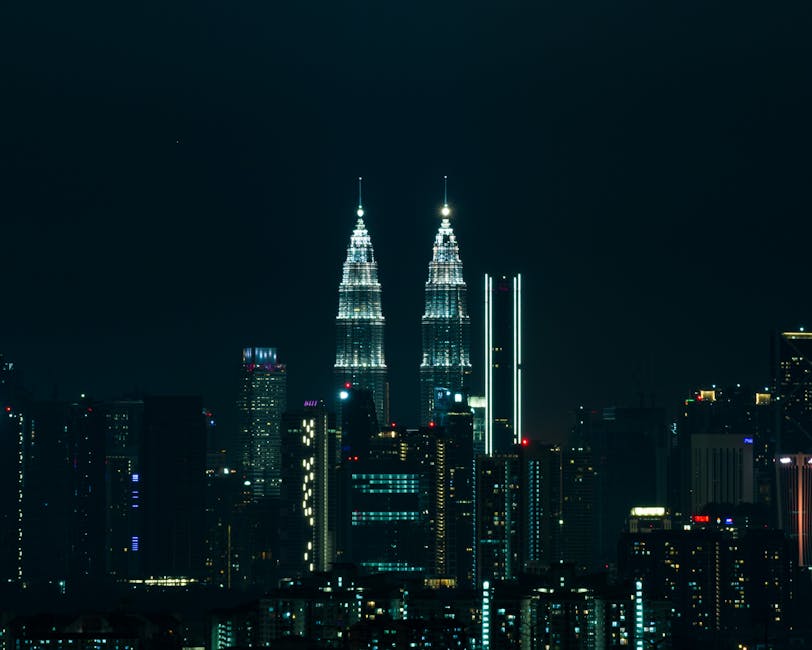
Sunset / blue hour slots (5:30 p.m. to 7 p.m.): The best slots by consensus. The city lights start coming on around 7 in Kuala Lumpur, the sky goes through orange, pink, purple, and deep blue in about 30 minutes, and the panorama looks more like a movie matte painting than a real place. These slots sell out first. If your trip has any flexibility at all, prioritize getting a sunset slot for one specific date and plan the rest of the day around it.
Night slots (7 p.m. to 8:30 p.m.): Full darkness, city lit up, less dramatic than blue hour but still impressive. Easier to book than sunset slots.
The skybridge vs the observation deck — what’s actually up there?
Every ticket includes both, but they’re different experiences and worth thinking about separately.
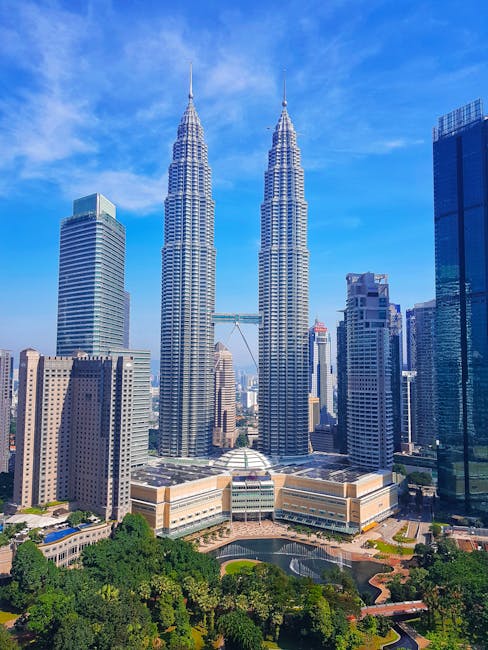
The skybridge on level 41 is the double-decker walkway connecting Tower 1 and Tower 2. At 170 meters up, you’re about halfway to the top of the building. The walkway itself is roughly 58 meters long, glass-walled, and relatively narrow — maybe six or seven people can stand side by side comfortably. You get about 10 minutes here before the next group moves through.
The view is sideways across the city and, more notably, straight down into KLCC Park and the fountain plaza 170 meters below. Looking directly down from a glass floor panel (if your group is timed right to reach it) is the single most vertiginous moment of the visit.
The observation deck on level 86 is 370 meters up, eight floors from the structural top, and is a proper 360-degree enclosed viewing area with signage pointing out landmarks across the city. You get 15 to 20 minutes here. Staff politely keep the group moving but don’t rush you.
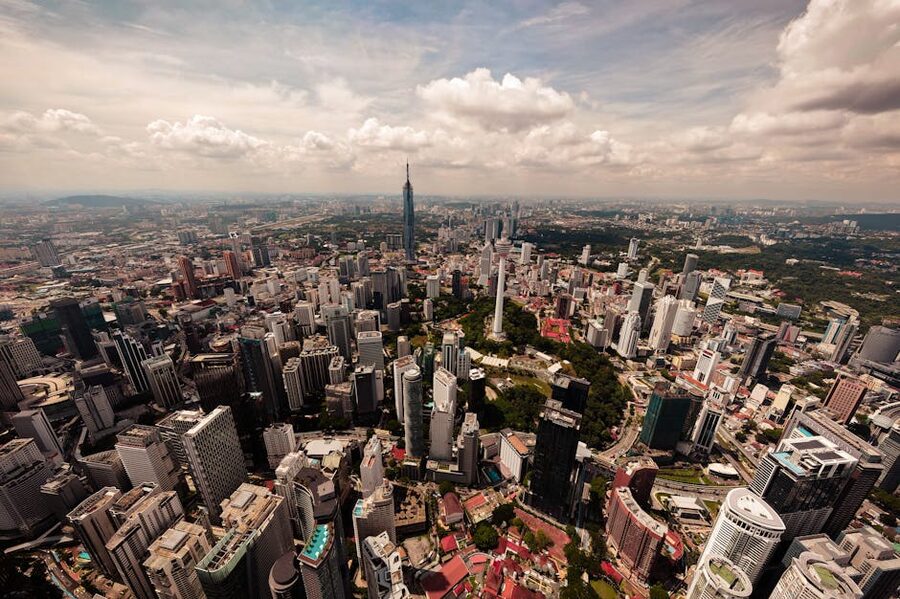
The view is what sells the visit — downtown KL and Bukit Bintang to the south, the KL Tower slightly below eye level to the west, Batu Caves as a small white dot to the north, and on clear days the silhouette of the Titiwangsa Range on the horizon.
A small but memorable detail: because the observation deck is enclosed and the air conditioning is cold, the glass sometimes fogs up from the humidity difference. If you plan to photograph through it, wipe a small circle clean with your sleeve before shooting — the staff don’t mind.
Three mistakes to avoid
Mistake 1 — booking through random ticket resale sites you’ve never heard of. A quick Google search for “Petronas Twin Towers tickets” turns up a dozen resellers, some legitimate, some sketchy. The sketchy ones take your money, send a voucher that turns out to be invalid, and vanish. GetYourGuide, Viator, and Klook are the three major aggregators — if you stick to these, your voucher works.
If you’re booking directly from petronastwintowers.com.my (the official site), you’re also fine, though the interface is clunky and English support is limited.
Mistake 2 — cutting it too close on the arrival time. The entry gate closes for a slot five minutes before the slot begins, not five minutes after. If your slot is 5:30, you must be scanned in by 5:25. If you’re walking up from Bukit Bintang and the monorail is delayed, this matters a lot. Budget an extra 20 minutes.
KLCC mall is a maze of escalators and the concourse-level entry is hidden at the back near the food court side — I watched a couple miss their slot because they spent 10 minutes finding it.
Mistake 3 — expecting it to be a three-hour experience. Some visitors leave disappointed because the entire visit is 45 to 60 minutes and they’d mentally budgeted half a day. Petronas Towers is a fast attraction. You go up, you look around, you come back down. It’s not the kind of place where you linger for hours like a museum.
Plan something else for the rest of your time at KLCC — the park is free and pleasant, the Aquaria KLCC aquarium is 15 minutes away, and Suria KLCC mall itself has several floors of shops and decent food options. Thinking of the Petronas visit as a 60-minute event sandwiched inside a half-day at KLCC is the right mental model.
What to do after — the KLCC neighborhood
Once you’re out of the towers, don’t immediately get back in a Grab. The KLCC area is genuinely worth a couple hours.
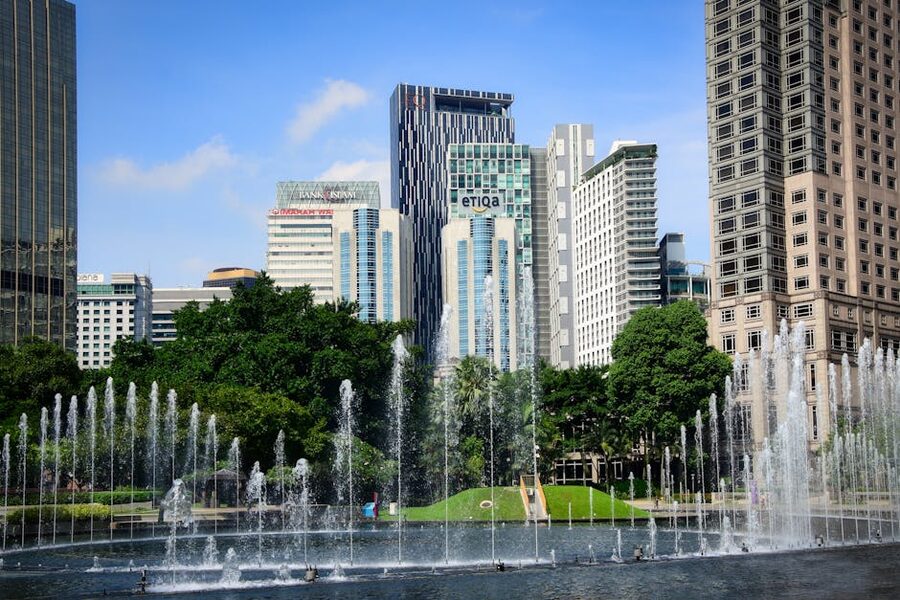
KLCC Park is directly behind the towers — a 20-hectare landscaped park with a jogging path, a children’s playground, a wading pool, and the famous fountain plaza that puts on a choreographed water show every evening at 8, 9, and 10 p.m. Sitting on the grass with the illuminated towers directly above you is the best free view in the city.
If you want classic tourist photos, the pedestrian bridge on the north side of the park is the angle most professional photographers use — towers framed by the fountain in the foreground.
Suria KLCC mall under the towers has about six floors of shopping, including an Isetan department store, a decent bookstore (Kinokuniya), and a big food court on the top level called Signatures. The food court is where I’d eat after the visit — cheap, air-conditioned, a huge range of Malaysian and regional dishes (nasi lemak, Penang laksa, char kway teow, Hainanese chicken rice), and everything under 20 ringgit. It’s also where locals eat, which is always a good sign.
Aquaria KLCC is the public aquarium built underneath the convention center next door. About 5,000 marine and freshwater species, a 90-meter walkthrough tunnel through a main tank, and a reasonable couple-hour stop if you have kids. Tickets are around 75 ringgit for adults.
Menara KL (KL Tower) is the other tall building in the city — 421 meters, with an open-air observation deck that the Petronas Towers doesn’t have. It’s a 15-minute Grab from KLCC. If you loved the Petronas view and want to do another version with wind in your hair, this is where you go. If you found the Petronas visit enough tall-building for one day, skip.
Getting to KLCC
The towers sit inside the KLCC commercial district in the city center. Getting here is easy from almost anywhere in central Kuala Lumpur.
From Bukit Bintang (the main tourist hotel neighborhood): walk 15-20 minutes via the elevated air-conditioned walkway that connects Pavilion KL to Suria KLCC. The walkway is called the Bukit Bintang-KLCC Pedestrian Link and it’s the single best bit of public infrastructure in the city — fully covered, fully air-conditioned, and means you can walk in a suit in 34-degree heat and arrive dry. Alternatively, Grab costs 10-15 ringgit and takes 10-12 minutes unless traffic is bad.
From Chinatown or Central Market: take the Kelana Jaya LRT line to KLCC station, which is directly inside Suria KLCC mall. Five stops, takes about 15 minutes, costs 2-3 ringgit.
From the airport (KLIA or KLIA2): take the KLIA Ekspres train to KL Sentral (28 minutes), then switch to the Kelana Jaya LRT to KLCC (10 minutes). Or a Grab straight from the airport is 80-100 ringgit and takes 45-60 minutes depending on traffic.
From Batu Caves: take the KTM Komuter train from Batu Caves station back to KL Sentral (30 minutes), then LRT to KLCC (10 minutes). Or Grab the whole way for around 35-40 ringgit, 30-45 minutes depending on traffic.
Photography tips that actually help
Everyone photographs the Petronas Twin Towers and most of the shots look the same. A few small adjustments get you something better.
For the classic towers-framed-by-fountain shot, the best angle is from the paved area next to the pedestrian bridge on the north side of KLCC Park. Walk away from the towers, through the park, until the fountain is between you and the building. You want to be low — crouch or sit on the ground — and tilt the camera up.
Shoot at around 20mm full-frame equivalent to get the whole frame without excessive wide-angle distortion. Do this between 7:15 and 7:45 p.m. when the sky is blue and the towers are lit.
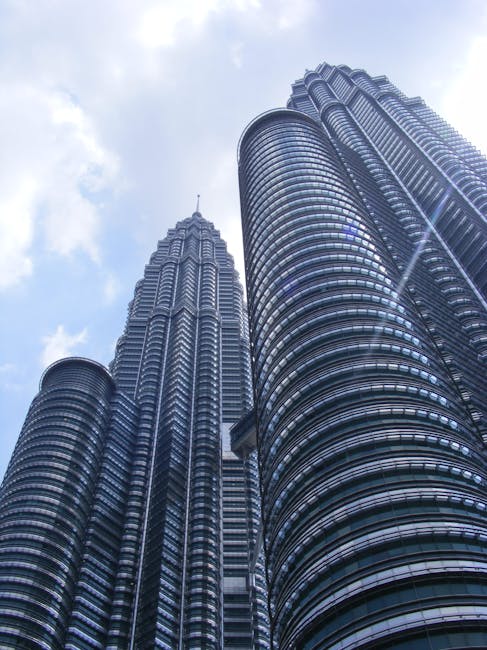
For photos looking straight up from directly under the towers, stand at the entrance plaza in front of the main lobby doors. Use the widest lens you have (14mm or even 10mm if you own one) and shoot straight vertical. The symmetry is stronger than it looks.
For the view from the observation deck, the problem is the glass — reflections off the interior lights bounce back at your camera. Press the lens gently against the glass, cup your other hand around the lens to block interior light, and shoot at a higher ISO so you can use a fast shutter and skip the reflection. Polarizing filters don’t really help against this kind of double-pane reflection but cupping the lens does.
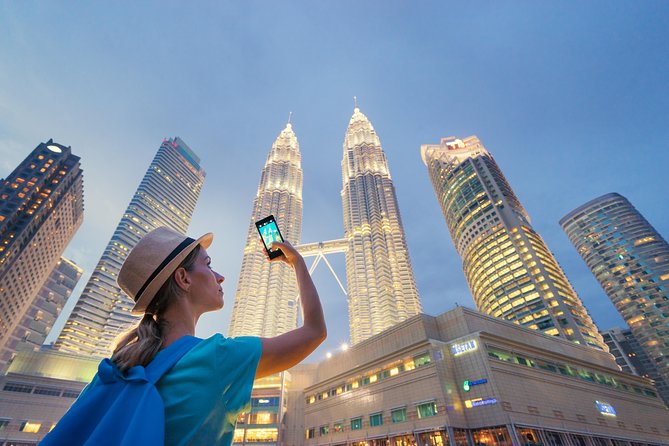
For photos of people in front of the towers, the best spot is the wooden pedestrian bridge at the north of KLCC Park — the geometry of the bridge gives you a clean foreground, and the towers rise symmetrically behind the subject. Mid-afternoon light is softest.
Other KL articles worth reading
If you’re building out a Kuala Lumpur itinerary, a few other guides on this site pair well with this one. The Batu Caves guide covers the other must-see KL attraction and explains which tour types are worth paying for versus which are padded. The Malacca day trip guide covers the UNESCO colonial town two hours south that most visitors add to a KL itinerary.
The Cameron Highlands day trip guide covers the tea plantation region north of the city. The KL food tour guide covers the city’s street food scene and is a useful evening activity after a daytime Petronas visit.
For regional context, the Singapore day trip from KL is a surprisingly common add-on, and the Angkor Wat sunrise tour is the single most-booked attraction in the region if you’re planning to continue into Cambodia from Malaysia.
Further afield, travellers often combine Malaysia with Thailand — the Grand Palace Bangkok tour guide and the Bangkok floating market guide cover the two most popular Bangkok experiences. Or if you’re heading north into Japan afterward, the Mt Fuji and Hakone day trips guide covers a similarly iconic photo-driven experience.
Quick FAQ
Is the Petronas Twin Towers visit worth it? Yes, with the caveat that you manage expectations. It’s a 60-minute attraction, the views are genuinely impressive, and the building itself is an engineering landmark worth seeing once. It’s not a replacement for a museum or a half-day attraction. Book it as part of a larger KLCC afternoon.
How far in advance should I book? In peak season (December, January, June, July, Malaysian school holidays, Chinese New Year), book 3-7 days ahead minimum, and for sunset slots closer to 7-10 days. In the shoulder months (February-March, August-November) 1-3 days is usually enough. Avoid booking same-day unless you’re visiting at an unusual hour.
Can I go up both towers? No. The visitor route takes you through Tower 2 only. Tower 1 is closed to the public (it’s Petronas headquarters).
Is the skybridge actually impressive? Moderately. It’s the shorter, less famous part of the visit — most of the “wow” factor is at level 86 on the observation deck. The skybridge is more of a 10-minute waypoint. Don’t build your visit around it.
What about children? Kids 3-12 pay half price, under 3 free. The visit is kid-appropriate — short, interesting, not too physical. Small children sometimes find the elevator ride intimidating. No strollers are allowed inside the visitor route.
Are there toilets up top? Yes, on the observation deck. Use them before you get in the elevator back down.
Can I buy food or drinks inside? There’s a small snack area near the gift shop at the end of the visit, but nothing substantial. Eat before or after.
Is there a dress code? No formal dress code, but the building is working office space and sensible clothes are expected. No beachwear, no obvious offensive graphics.
What if it rains? Indoor attraction, fully enclosed. Rain doesn’t affect the visit except that visibility from the observation deck drops dramatically during heavy downpours. Thunderstorms can occasionally pause the elevator service briefly.
Final thoughts — which of the three tours is the right pick?
If I had to give one recommendation for the majority of visitors, it would be Tour 1 (the GetYourGuide straight entry e-ticket at $33). It’s the cheapest of the three, the product is exactly what you need, the 1,229 reviews at 4.6 stars are the most reassuring sample of the bunch, and the flexibility to pick your own time slot (including the valuable sunset slots) is exactly what you want.
Tour 2 (the private Batu Caves combo at $110) is the right pick if you only have one day in KL and want both Batu Caves and Petronas in a single outing with door-to-door transport — the convenience is worth the premium, and the 5.0-star rating across 1,029 reviews is extraordinary for a tour at this price point. Families, older travellers, and anyone who values comfort over budget should consider it seriously.
Tour 3 (the Viator straight entry at $48) makes sense if you’re already booking everything else on your Southeast Asia trip through Viator and want everything in one account, or if you need the more generous cancellation policy for a trip with shifting dates. For a single-shot booking at fixed prices, Tour 1 is the better value.
Whichever you pick, book more than a day ahead, grab a sunset slot if you can, and budget a couple of extra hours at KLCC around your timed entry. The Petronas Twin Towers are worth the 60 minutes.
They’re not the deepest attraction in the city — that’s Batu Caves or the Islamic Arts Museum — but they’re one of the few buildings in Southeast Asia that genuinely deserves the hype, and a well-timed sunset visit is one of those evenings you’ll remember from a KL trip years later.
One last practical note: the 452-meter height record held from 1998 to 2004, when Taipei 101 surpassed the Petronas Towers and ended their six-year run as the world’s tallest buildings. They’re no longer the tallest, or even in the top twenty.
But they’re still the tallest twin towers anywhere in the world, and the skybridge record — two separate buildings connected at 170 meters up — has never been beaten. Twenty-eight years after construction finished, they remain the unmissable photograph of Kuala Lumpur. Book the ticket, pick your slot carefully, and go.