
Cool mountain air smelling of pine resin and wet moss. A far-off roar of water crashing into a rock pool. The faint click of carabiners somewhere below on the slope, and somewhere above the drone of a scooter winding up another switchback through the fog.
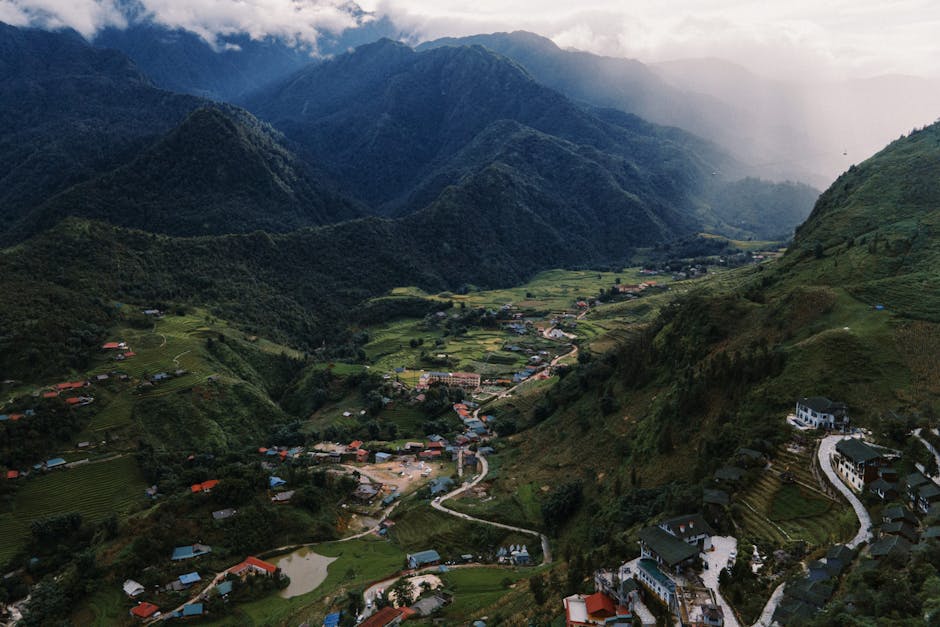
That is Dalat most mornings — a highland town wrapped in mist and French colonial leftovers, sitting at about 1,500 metres in the Central Highlands, and a total oddity for anyone who has just spent a week sweating in Saigon or Mui Ne.
Most people come here for three things: the coffee farms, the waterfalls, and the chance to strap into a harness and rappel down a cliff into a river. I ended up doing all three on the same trip, and the waterfall and canyoning combo is what stuck with me.
If you are trying to figure out which Dalat tour to book — and whether to go for the gentle countryside waterfall loop or the proper cliff-jumping canyoning day — this guide is the one I wish I had read before I arrived with a half-charged phone and zero idea what “slip ledge” meant.
- Why Dalat is where you do waterfalls and canyoning in Vietnam
- The three tours I recommend for Dalat waterfalls and canyoning
- 1. Canyoning Da Lat Vietnam — the adrenaline one
- 2. Da Lat Countryside Minivan Shared Tour — the full-day three-waterfall countryside loop
- 3. Three Waterfalls Tour in Dalat (Elephant, Pongour, Datanla) — the budget pick
- Waterfall tour or canyoning — how to actually choose
- What you actually do on a Dalat canyoning day
- What you actually do on the three-waterfall countryside day
- Packing list — canyoning day
- Packing list — waterfall countryside day
- When to go — weather and waterfall volume
- Getting to Dalat in the first place
- Where to stay in Dalat for easy tour pickups
- Food worth hunting down
- How to book — direct vs Viator vs walk-in
- Common mistakes to avoid
- Combining Dalat with the rest of your Vietnam trip
- Quick FAQ
- Final take
Why Dalat is where you do waterfalls and canyoning in Vietnam
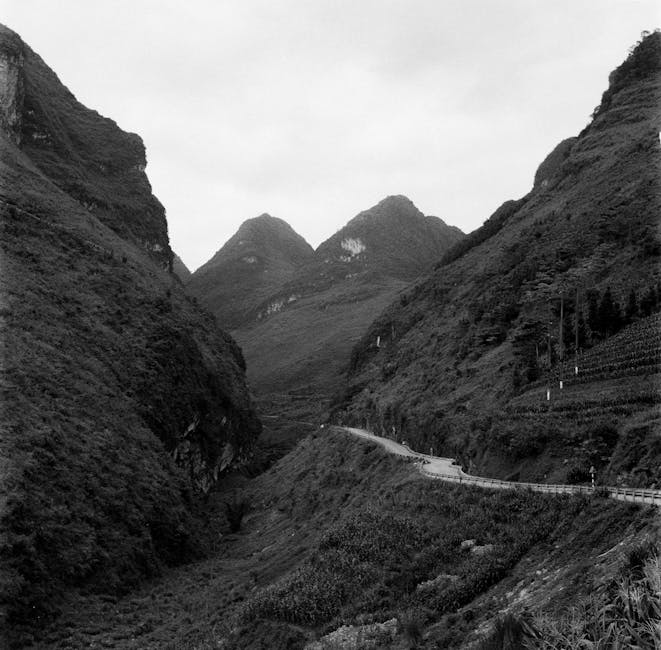
Vietnam has waterfalls everywhere — Ban Gioc up on the Chinese border, the ones hidden in Phong Nha, cascades you stumble into on the Ha Giang Loop. But Dalat is different for two reasons. First, the waterfalls here are stacked inside a tight 40-kilometre radius around the town, so you can actually see three of them in a single day without breaking anything.
Second, the rock formations at Datanla Falls (smooth, grippy, dotted with ledges and pools) are about as perfect a canyoning classroom as you will find anywhere in Southeast Asia. That’s why the canyoning operators based themselves here in the first place.
For most travellers flying into Vietnam from abroad, the closest big city gateway is Ho Chi Minh City — roughly a 30-minute flight to Lien Khuong airport, or an overnight sleeper bus if you are doing it on the cheap. From Hanoi it is a longer hop, about two hours in the air.
Most people do Dalat as part of a central loop that also includes Mui Ne’s sand dunes and maybe Nha Trang’s beaches, rather than as a destination in its own right. Which is fine, but it also means a lot of people underestimate how much is packed into the area.
The three tours I recommend for Dalat waterfalls and canyoning
I am only going to cover three tours in detail here, because after comparing about twelve different options, these three kept coming up as the best for different types of travellers. One is the full-send canyoning day for people who actively want to be pushed. One is a countryside minivan day that gives you three waterfalls plus the surrounding villages and coffee farms.
And the third is a cheaper, tighter waterfall-only loop for people on a budget or who only have half a day to spare.
All three are from Viator. I’m including the review counts and ratings as of when I checked (late 2025, so they will only have grown since). The order here is not strict ranking — it depends entirely on what you want out of the day.
1. Canyoning Da Lat Vietnam — the adrenaline one
This is the one everyone talks about when they come back from Dalat, and it is probably the single most-reviewed canyoning day trip in Vietnam. Two thousand reviews is a lot, and the 5.0 average is unusually high for an activity this physical.
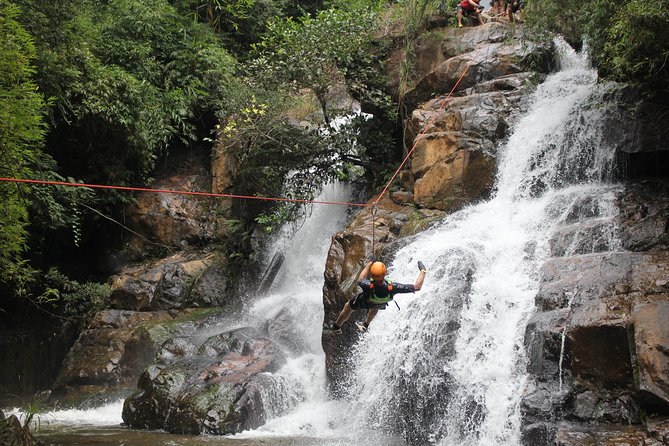
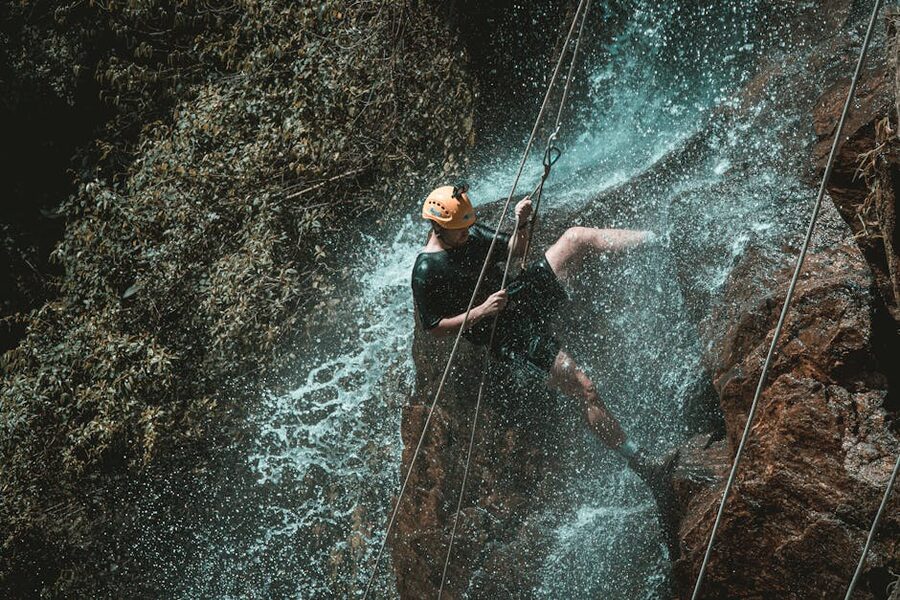
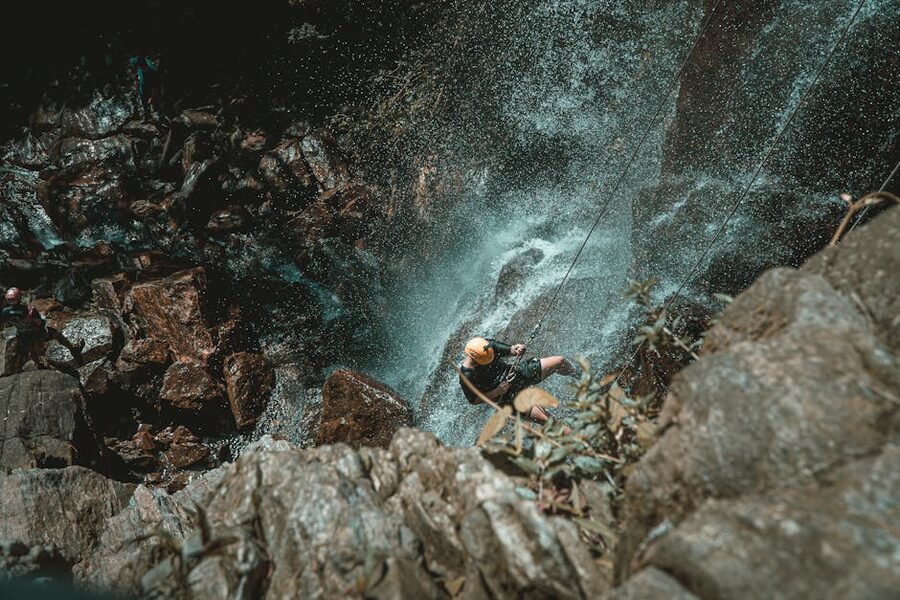
The day runs inside the Datanla Falls area, and you get four main descents — a dry warm-up rappel on a shorter rock face, a wet rappel down an actual waterfall, a natural water slide, and the jump. The jump is the thing people argue about on the bus back into town.
It is an 11-metre free fall into a deep pool, and yes you can skip it if you want, but everyone I talked to who did skip it regretted it later.
What you are paying for here is not just the experience but the safety briefing. The operators doing canyoning in Dalat have had a few rough incidents over the years — Dalat is where the people who cut corners run unlicensed trips, and every couple of years there is a news story about it. The high-review-count Viator operators are the ones with actual international IRATA-style training and proper gear. Don’t cheap out on a street-booking stall for this one. Pay the $70.
Good for: Anyone who has done a ropes course, a zipline, or a via ferrata before and thinks they want more. Reasonably fit people aged roughly 16 to mid-50s. Solo travellers — it is an easy place to end up drinking beer with strangers afterwards.
Skip it if: You have any shoulder, back or knee issues. If you can’t swim. If you are scared of heights in a way that actually freezes you up (fine-with-mild-anxiety is different from frozen). If you are travelling with small kids — most operators won’t take under-14s anyway.
2. Da Lat Countryside Minivan Shared Tour — the full-day three-waterfall countryside loop
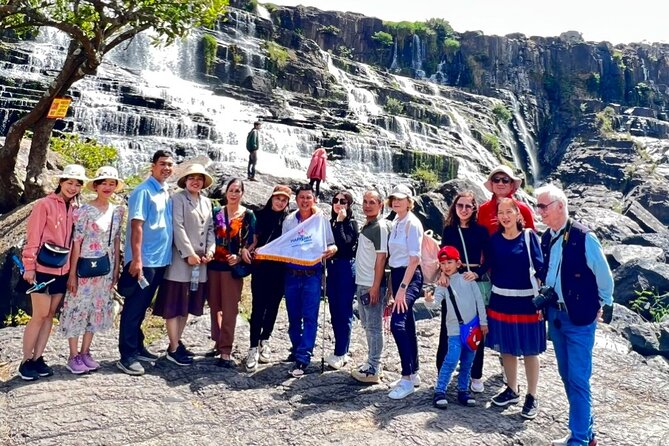
This is the tour I would book if I had one full day in Dalat and wanted to feel like I had actually seen the area rather than just one attraction. It is a shared minivan day (small group, usually eight to twelve people) that loops out of Dalat into the countryside surrounding the town.
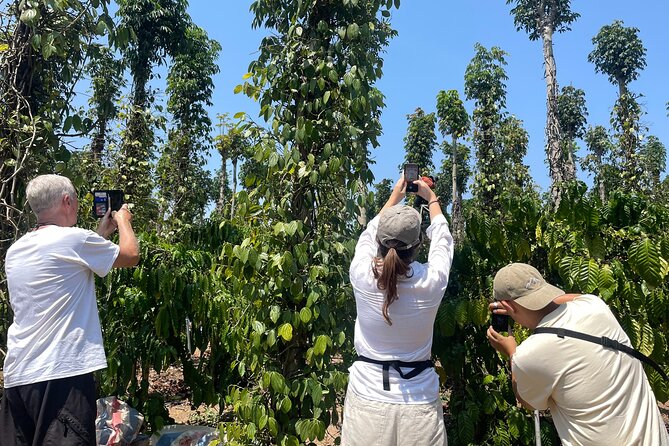
The three waterfalls are the classics — Datanla, Pongour, and Elephant Falls — but the real value is everything stuffed in between. You stop at a coffee weasel farm (yes, the civet coffee thing), a silk factory, a Buddhist pagoda, and some of the flower fields that Dalat is weirdly famous for.
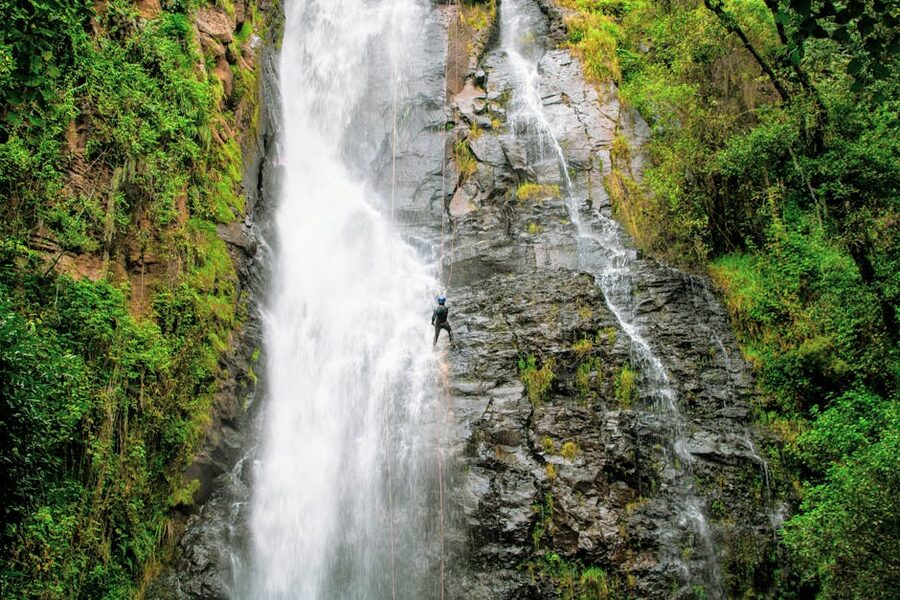
What I liked about this one is that it doesn’t pretend any single stop is the main event. Datanla is short and sweet, Elephant Falls is genuinely impressive if you walk to the lower viewpoint (slippery as hell — wear grippy shoes), and Pongour is the biggest and most photogenic, especially if you visit in the wet season when it is running at full volume.
For about $35 all in, including transport, a guide, and all the side stops, it is easily the best value waterfall tour in the area.
Good for: Couples, families with older kids, anyone over 60, photographers, people who want a full day of “oh look, another thing” rather than one adrenaline hit. Also works well if it is raining — you are in the minivan for most of the driving and the stops are quick.
Skip it if: You hate group tours. You have already done the “three waterfalls” loop on your own scooter. You only have half a day — the short version below is better.
3. Three Waterfalls Tour in Dalat (Elephant, Pongour, Datanla) — the budget pick
If you have a budget to watch or you only have half a day — maybe you’re catching an afternoon bus to Mui Ne or a late flight out of Lien Khuong — this is the tighter version of the same circuit. You still get all three waterfalls (Elephant, Pongour, Datanla), but without the silk factory, coffee farm, and extra countryside stops.
You are on and off the bus, in and out of each waterfall, back in town by about 2pm. Transport, entrance tickets to the two that charge, and a local guide are all included at the $25 price point, which is ridiculous value for what you actually see.
The catch — and it is a small one — is that the pacing at Pongour is a little tight on this shorter version. At the full-day countryside tour you get maybe 90 minutes there; on this one you get about 50. If Pongour is the one waterfall you’re most excited about, book the longer tour.
Good for: Backpackers, solo travellers on a tight budget, anyone with a tight Dalat schedule, people who just want to tick the waterfalls box without committing a full day.
Skip it if: You want the coffee farm / silk factory side stops. You want to linger at Pongour for photos. It’s pouring rain and you’d rather be indoors for longer.
Waterfall tour or canyoning — how to actually choose
If you are trying to pick between the countryside waterfall loop and the full canyoning day, the honest answer is that they are barely comparable experiences. The waterfall tours are sightseeing. The canyoning day is a sport. If you have two days in Dalat, do both — canyoning on day one when you are fresh, waterfall loop on day two when your legs hurt and you want to be in a minivan.
If you only have one day, the decision is basically about whether you want to see Dalat or do Dalat. First-timers who are also hitting Hoi An, Danang, Halong Bay, and Saigon on the same Vietnam trip usually get more bang-per-day out of the countryside tour, because they are already doing plenty of “seeing” elsewhere. Canyoning is the thing that will actually only happen in Dalat.
If you are the kind of traveller who remembers trips by the physical thing you did — the scuba dive, the paraglide, the mountain you climbed — book canyoning.
What you actually do on a Dalat canyoning day
Pickup is early — 7:30 or 8am from your guesthouse in central Dalat. You drive about 20 minutes to the Datanla area, which sits just off the main Dalat-Nha Trang road. First you get your gear: wetsuit top (sometimes full wetsuit depending on season), harness, helmet, life vest, and the specialised canyoning shoes. Keep your swimwear on underneath. Bring a dry bag for your phone if you insist on having photos — some operators provide them, most don’t.
The briefing is the important bit. A good operator will walk you through the abseil device, the locking carabiner, how to feed rope, how to lean back against the line, how to land in the pool after the natural slide, and how to commit to the jump. Pay attention. The actual techniques are not hard, but panicking halfway down a rock face is a bad place to suddenly try to remember what your hands are supposed to do.
Then you warm up on a short dry cliff, about 18 metres. Everyone does this one. It is mostly a test so the guides can spot anyone who is going to struggle on the wet section. From there you move to the actual waterfall rappel — 25 metres down a rushing face with water pounding on your helmet. You finish by running out the last few metres and kicking off into the pool below. It is the bit that looks terrifying in photos and actually feels amazing.
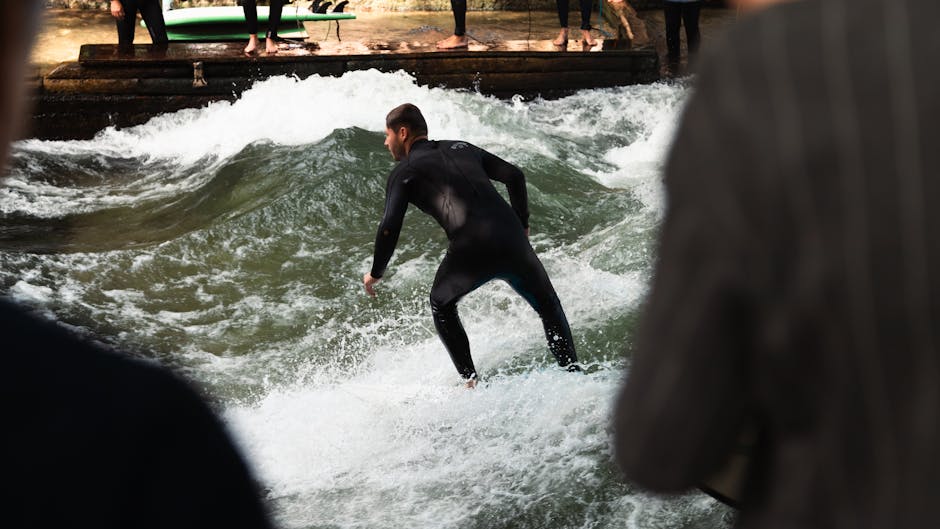
The natural water slide is a smooth section of rock where you sit, cross your arms, and let the current carry you down into another deeper pool. The last element is the cliff jump — 11 metres, which for reference is about the same as jumping off a three-storey building into a swimming pool. You can skip it. Half of us did not.
Lunch is usually a simple Vietnamese meal — rice, something stir-fried, fruit — eaten on some rocks near the water. You are back in town by about 4pm, pleasantly destroyed, and extremely ready for a long shower.
What you actually do on the three-waterfall countryside day
Pickup is a little more civilised — 8:30 or 9am. The minivan loads up everyone from different guesthouses around Dalat and you head south first, to Datanla. This is the closest of the three and the one most operators start with to get it out of the way. You can take the little alpine coaster down to the falls (not included, about 100,000 dong, and honestly kind of fun), or walk the concrete path. Datanla itself is a smaller set of cascades, pleasant rather than breathtaking.
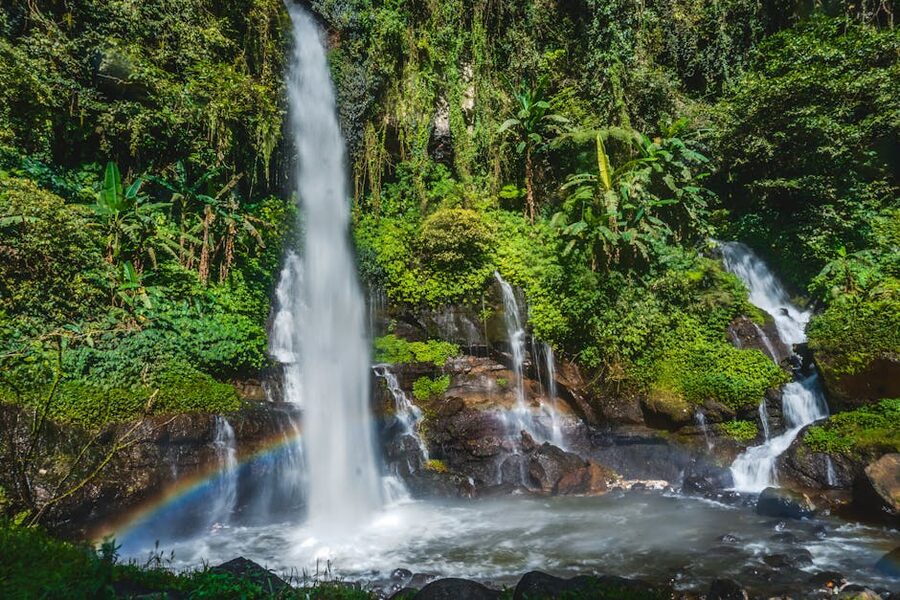
From Datanla you drive on to Prenn Pass and further south toward Pongour, which is about 45 minutes out of town. This is the biggest and the one that will end up on your camera roll — a wide curtain of water that drops in terraced sections across a huge rock face. There is a proper little park around it, and a restaurant if you want a coffee. Good spot for 30-45 minutes of photos and actually sitting down.
Then you hit the countryside stops on the way back. The silk factory is more interesting than it sounds — you watch the whole process from cocoon to thread to loom in about 15 minutes. The coffee farm stop is either charming or slightly grim depending on how you feel about weasel coffee (it’s made by feeding coffee cherries to civets, so yeah, just be aware of what you’re buying).
Flower greenhouses and a Buddhist pagoda round it out. Finally you visit Elephant Falls on the far side of the loop, which is the wildest-looking of the three — you can walk behind the main cascade on a slippery rock staircase, which is genuinely dramatic.
Back in Dalat by 5pm, with a camera full of waterfalls and probably a bag of overpriced coffee.

Packing list — canyoning day
- Swimwear worn under your clothes from the guesthouse
- Quick-dry shorts or board shorts to wear over the wetsuit top
- Full change of clothes for after — you will be soaked to the bone
- Grippy closed-toe shoes if the operator doesn’t provide them. Old trainers you don’t mind getting wrecked are fine
- A dry bag — 5L is plenty. Critical if you want to carry your phone
- A GoPro or waterproof camera on a head mount if you have one. Phones in dry bags work but are fiddly on the cliff
- Sunglasses with a strap — the sun is brutal on the unshaded sections
- A high-SPF sunscreen — you are at altitude and the sun is deceptive
- Energy bar or similar snack — the hike in burns more calories than you think
- Tip money — around 100,000-150,000 dong for your guide is standard and very appreciated
Packing list — waterfall countryside day
- Light layers — Dalat mornings are cool (think 15°C) and afternoons can hit 25°C
- Waterproof jacket if there is any chance of rain — the walks at Elephant Falls get slippy fast
- Closed-toe shoes with grip — you’ll be on wet stone staircases
- Sun hat and sunscreen
- Cash for small stops — coffee at the weasel farm, the alpine coaster at Datanla, lunch if it isn’t included
- A camera with a wide-angle lens if you care about the Pongour shots
- A small daypack — you’ll move in and out of the van all day
When to go — weather and waterfall volume
Dalat has two seasons that matter for this trip: dry (December through March) and wet (May through October). The honest tradeoff is that wet season means your waterfalls are actually running at full volume (Pongour in particular is a whole different beast in August versus February), but it also means muddy trails, slippery rocks, and a real chance of canyoning being cancelled if the river is running too high.
If your priority is photographing the waterfalls, go in October or early November — wet season runoff is still high but the worst of the storms are tapering off. If your priority is canyoning, go between December and April when the rock is dry on the hiking sections and the rappels are runnable without the operator calling the whole day off. The sweet spot where both are at their best is probably late October or early November.
Temperature-wise, Dalat is always going to feel cool compared to the rest of Vietnam. Expect 10-18°C overnight in December and January, 20-25°C in the middle of the day year-round. Pack a light fleece even in summer — I have been cold at 6am in July up here.
Getting to Dalat in the first place
There are basically four ways in:
Fly to Lien Khuong airport (DLI). Thirty minutes flight from HCMC, under two hours from Hanoi or Danang. Then it’s a 30-minute shuttle to central Dalat. Easiest and honestly not that expensive — often cheaper than the sleeper bus once you factor in your time.
Sleeper bus from HCMC. Overnight, about 7-8 hours, around $15. Futa Bus is the one most travellers use. You arrive in Dalat around 5am, freezing cold in the upper highland morning air, to a bus station that feels like it’s on the edge of nowhere. Some people love this route; some people vow to never do it again.
Sleeper bus from Nha Trang or Mui Ne. Shorter — 4 hours from Nha Trang, 4-5 from Mui Ne. These are probably the most popular overland options because they fit into the standard backpacker trail.
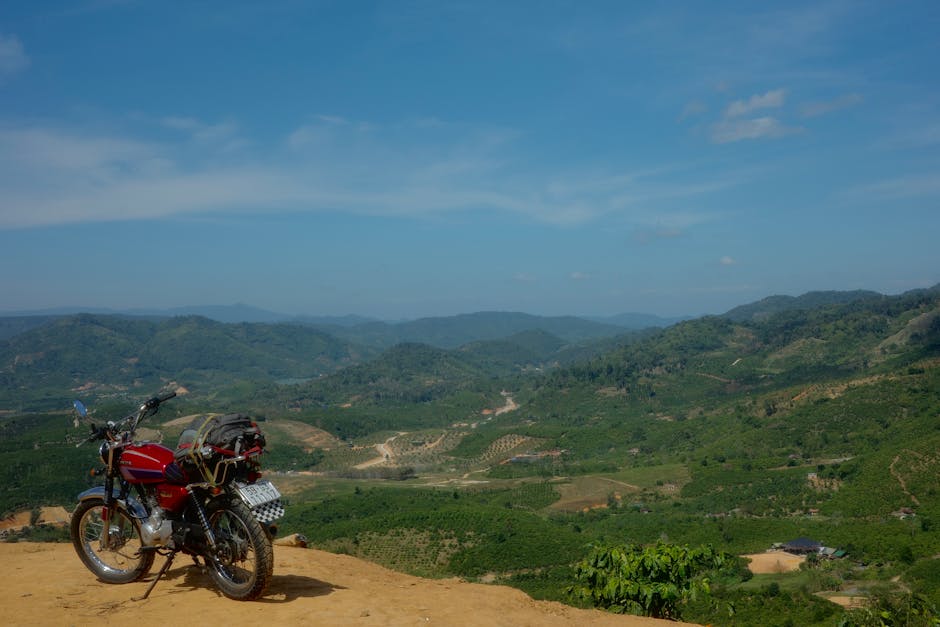
Easy Rider motorbike trip. A guide drives you on the back of a motorbike from HCMC or Mui Ne up to Dalat over 2-3 days, stopping at coffee plantations, silk villages, and the countryside along the way. It’s one of the best ways to experience the trip into the highlands, and for about $100-150 per day you get a guide, driver, accommodation, and meals sorted.
Where to stay in Dalat for easy tour pickups
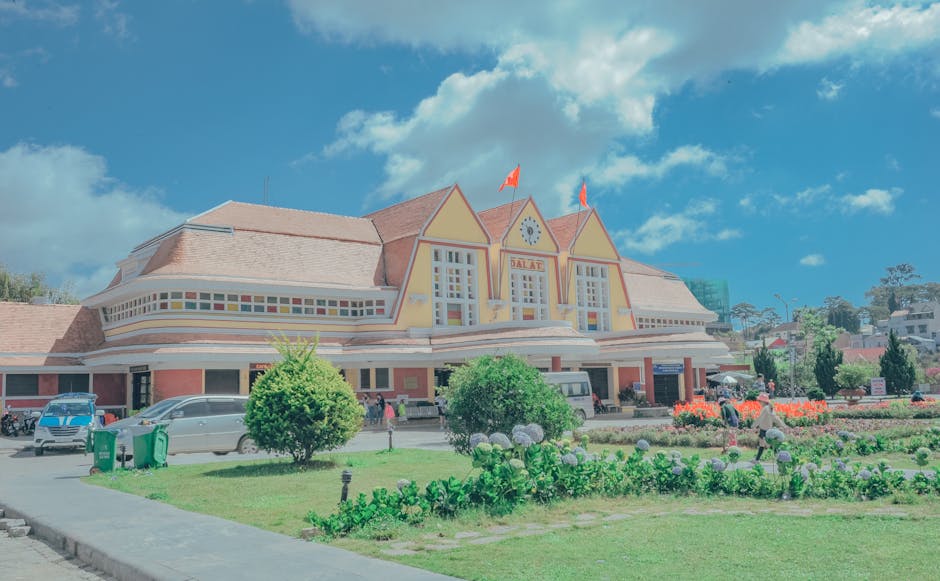
Most tours — canyoning or waterfall — do hotel pickups from anywhere in central Dalat. “Central” here means within about 1.5km of the main market, Cho Da Lat, and Xuan Huong Lake. Stay there and you will not have a problem. Staying way out on the edge of town means either a surcharge or meeting the bus at a central point.
Three neighbourhoods worth knowing about:
Around Cho Da Lat (the central market). Loudest, busiest, best for food and the easiest pickups. Lots of budget and mid-range options.
Around Xuan Huong Lake. Quieter, prettier, more mid-range and upmarket options. Slightly further from the cheap food but within easy walking distance.
Up the hill toward Dinh 3 (the summer palace). This is where you find the boutique hotels, the old French colonial villas converted into guesthouses, and some honestly gorgeous pine-forested properties. A short taxi from the centre but quieter at night.
Food worth hunting down
Dalat food is worth its own article but here are the essentials: banh trang nuong (Dalat pizza — rice paper grilled over coals with egg, dried shrimp, chili sauce), sua dau nanh nong (hot sweet soy milk, perfect for a cool evening), oc (snails, stir-fried with lemongrass — look for the outdoor tables around the market at night), and bun bo Hue (spicy beef noodle soup, not local to Dalat but absolutely thriving here).
Skip the artichoke tea gift packs unless you actually love artichoke tea.
For coffee, yes, you should drink a Vietnamese ca phe sua da at least once even if you bought the weasel coffee earlier. The local roasters have been doing this for about 130 years now and they know what they are doing.
How to book — direct vs Viator vs walk-in
You have three options for booking any of these tours, and they are not created equal.
Walk-in at a Dalat travel agency. Cheapest by a few dollars. The downside is you have no review history, you are trusting whoever is behind the counter, and the canyoning tours booked this way are sometimes the ones run by less-safe operators. For the countryside waterfall loop it is fine. For canyoning, I would not risk it.
Book direct on the operator’s own website. Sometimes cheaper, sometimes not. You get to read the operator’s safety spiel and look at their own photos. Downside: harder to compare between operators, slower to get responses, and if something goes wrong you are chasing them directly rather than having a third-party intermediary.
Book via Viator. Slightly more expensive than walking in on the street, roughly the same as direct. What you get in return is a 24-hour customer service line, instant voucher delivery, free cancellation on most tours up to 24 hours before, and — most importantly — the review history. Two thousand reviews tells you something a single-page brochure never can. This is the way I’d book, especially for canyoning.
Common mistakes to avoid
- Booking the cheapest canyoning tour you can find. Already covered. Don’t.
- Underestimating the altitude. Dalat is at 1,500m. It’s not high enough to cause altitude sickness, but it is enough to make you breathless on the hike back up from Elephant Falls, especially if you flew in from sea level the day before.
- Not bringing cash. ATMs are fine in central Dalat, but entrance fees at the waterfalls, small snacks at the countryside stops, and tips are all cash-based. Bring 1-2 million dong in small notes.
- Planning canyoning on your last day. If the weather turns and the tour is cancelled, you want a rebook buffer. Put it on day one or two of your Dalat stay.
- Assuming “three waterfalls” means three massive Niagara-style drops. Datanla and Elephant are on the smaller side. Pongour is the big one. Calibrate expectations accordingly.
- Trying to also squeeze in Crazy House and Cau Dat tea farm on the same day as canyoning. You will be too tired. Do them a different day.
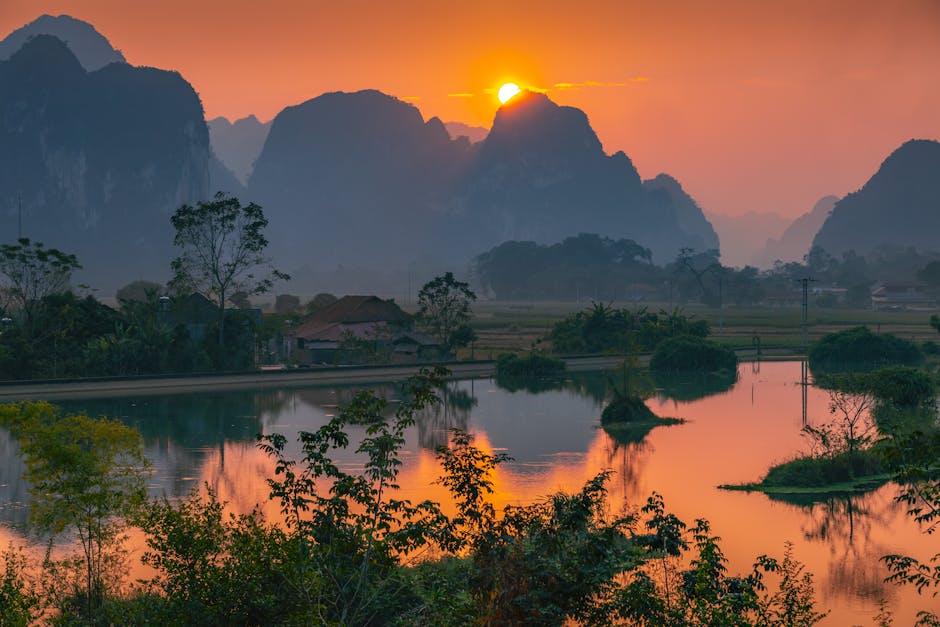
Combining Dalat with the rest of your Vietnam trip
Dalat slots naturally into a central Vietnam or southern Vietnam loop. The classic routes are:
The southern loop: HCMC → Mui Ne (sand dunes) → Dalat (highlands + canyoning) → Nha Trang (beach) → back to HCMC or fly out. Four to five days minimum. This is the one I did and it works because each stop is totally different from the last.
The full north-to-south: Hanoi (don’t miss a street food tour or the water puppet show) → Halong Bay → Ninh Binh → Hue → Da Nang and Marble Mountains → Hoi An → Nha Trang → Dalat → HCMC (where you can also do a Mekong Delta day trip or visit the Cu Chi Tunnels). Two weeks, proper trip, hits basically everything most first-timers want to see. Dalat is the highland breather in the middle of all the coastal and urban stops.
If you are coming up from HCMC and Dalat is your only highland stop, give it at least two full days — one for canyoning, one for the countryside waterfall loop — plus a travel day on either side. Three nights is a comfortable minimum. Four if you also want to do the Easy Rider experience out to Lak Lake or the Langbiang Mountain hike.
Quick FAQ
Is canyoning in Dalat safe? With a properly reviewed operator, yes — it is safer than most people assume. With a cheap unlicensed one, no. Check the review count, check that the operator uses actual safety certifications, don’t walk-in book it.
Do I need to know how to swim? Yes. You will be landing in pools after the rappel and the cliff jump. Wearing a life vest, but still, you need to be comfortable in water that is moving.
Are the waterfalls free to visit? Datanla and Elephant Falls both charge small entry fees (roughly 30,000-50,000 VND each). Pongour is similar. These are either included in your tour price or collected separately by the guide — ask when booking.
What is the minimum age for canyoning? Most operators set 14 as the minimum, some 16. Under that, stick to the countryside waterfall tour.
Can I do both in one day? No, unless you enjoy misery. Canyoning alone is 8+ hours and will leave you wrecked. Waterfall loop alone is 7 hours. Spread them over two days.
What if it rains? Waterfall tours go ahead in rain. Canyoning may be cancelled if the water level is unsafe — operators will reschedule or refund. Build a buffer day into your Dalat stay if the weather looks iffy.
Is there a hot shower at the end of the canyoning day? Not on site. You go back to your hotel. Make sure yours has reliable hot water — in some budget places it is genuinely unreliable and you will be miserable.
Final take
Dalat is easy to skip — it does not have the cachet of Halong or the old-town charm of Hoi An — but I would argue that is exactly why you should go. It is the one place in Vietnam that lets you trade the coastal heat for pine forests, the one place where you can rappel down a waterfall in the morning and drink estate coffee on a hillside in the afternoon, and it is the kind of destination that makes your Vietnam trip feel like three trips in one.
Pick one of the three tours above based on what your body and your wallet are actually telling you. If you are fit and game, book the canyoning. If you have a whole day and want the full experience, book the countryside waterfall loop. If you are on a budget or short on time, take the shorter three-falls loop. Any of the three will send you back to wherever you came from glad you made the detour up into the highlands. And if you have the time, do two. That is the real move.
One last thing — whichever one you pick, book it online before you get to Dalat rather than trying to sort it out from your guesthouse. Cancellation is free, the guides are better, and you’re not negotiating rates in broken English at 9pm the night before. The tours above are the same ones the agencies on the street resell anyway, just with the middleman removed.