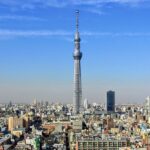
Tokyo’s old temple lanes, Mount Fuji’s lakeside views, Kyoto’s torii gates, and Osaka’s street food all fit into nine days on this private-guided Japan tour. The route gives you a taste of several very different regions without asking you to plan every sightseeing day from scratch.
I like the mix of guided visits and free time: a local guide helps you make sense of Tokyo and Kyoto, while you can set your own pace on open days. I also like the practical transport plan, especially the private drive to the Fuji area and train tickets from Hakone to Kyoto.
The main consideration is that private guided does not mean a guide stays with you all nine days. You make some station transfers and airport journeys yourself, and several headline excursions are optional extras. If you want a guide beside you every hour, this is not that kind of trip.
- A Fuji day with several viewpoints: Visit Oshino Hakkai and Chureito Pagoda before cruising on Lake Kawaguchiko, then continue by road to Hakone.
- Guides where they count: English-speaking guides lead scheduled sightseeing in Tokyo and Kyoto, with optional private-guided excursions available on free days.
- A useful blend of structure and choice: Kyoto and Osaka each have an open day for independent plans or paid add-ons.
- Three-star hotels in four bases: Stay in Tokyo, Hakone, Kyoto, and Osaka, with hotel breakfasts included.
- A route that keeps moving: You travel from Tokyo to Osaka, using a private vehicle for the Fuji-area day and trains between cities.
- Extra costs need attention: Some popular activities, airport transfers, accommodation taxes, and most lunches are not included.
- A nine-day route from Tokyo to Osaka
- Tokyo’s shrines, palace gardens, and old-town lanes
- Mount Fuji by road, boat, and lakeside
- A Shinkansen ride and Kyoto’s spiritual center
- Choosing between Arashiyama and Nara
- Osaka’s food streets and a day-trip decision
- What the price covers, and what it does not
- Who should book this Japan tour?
- FAQ
- Does the tour start in Tokyo and end in Osaka?
- How many nights are included?
- Are airport transfers included?
- Are guides with the group throughout all nine days?
- Which meals are included?
- Are the Arashiyama, Nara, and Osaka food tours included in the price?
- Is the Universal Studios Japan Express Pass included?
- Are hotel taxes included?
- The Best Of Tokyo!
- More Guided Tours in Tokyo
- More Tours in Tokyo
- More Tour Reviews in Tokyo
- Not for you? Here's more nearby things to do in Tokyo we have reviewed
A nine-day route from Tokyo to Osaka
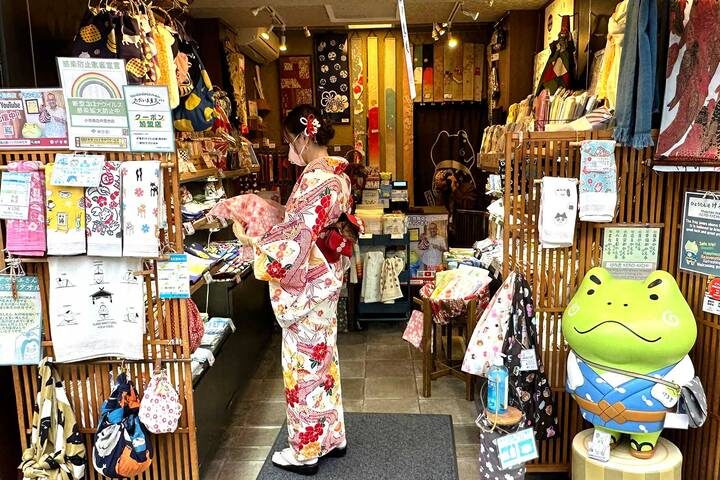
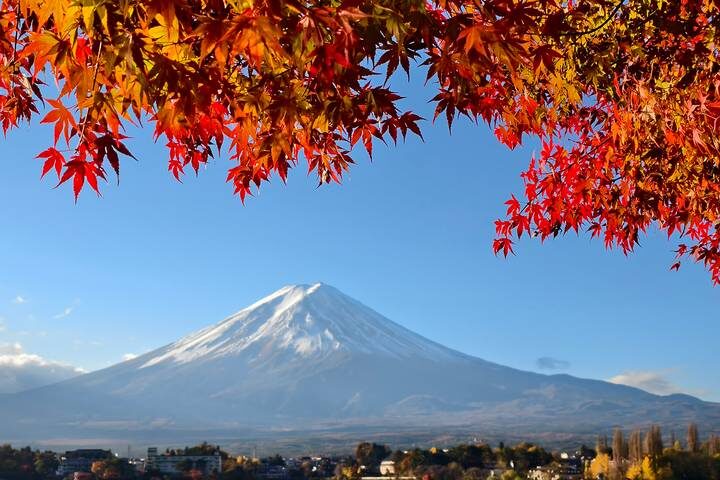
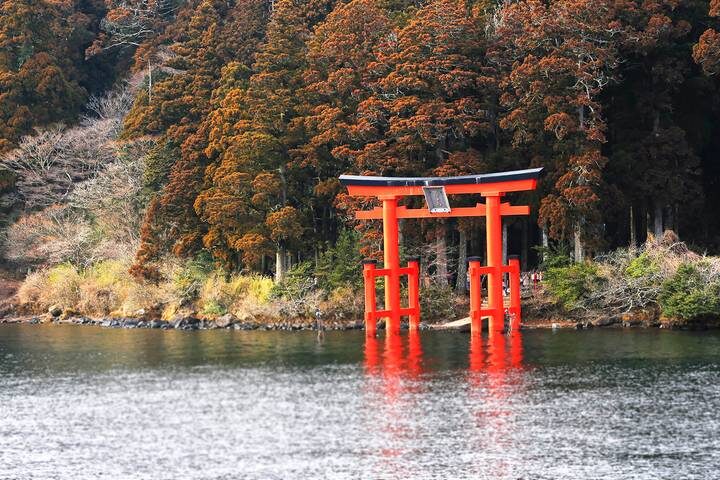
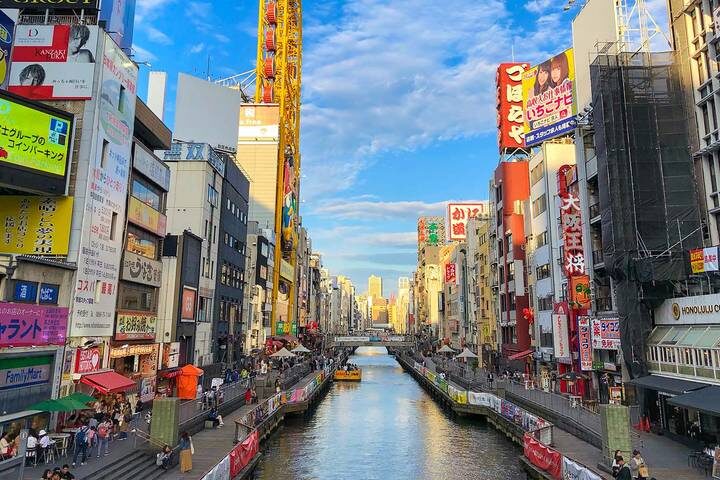
This tour is designed for people who want the main sights of central Japan without arranging every hotel, train, and guide independently. You start in Tokyo and finish in Osaka, with overnights in Hakone and Kyoto in between. The route is busy, but it gives you a clear sampler: capital-city landmarks, a Fuji-area excursion, Kyoto’s shrines and old districts, and Kansai food and history.
The package starts at $2,853. Treat that as a starting price, not a fixed total: peak periods such as cherry blossom season, autumn colors, skiing season, and public holidays can affect the cost, as can late booking. You should also budget for optional tours, personal spending, international flights, insurance, and accommodation tax, which is paid directly to hotels.
The format suits a family or small private party that values help on sightseeing days but is comfortable navigating some transfers alone. The supplied feedback gives particular weight to organized transportation, helpful local guides, comfortable hotels, and included breakfasts. One family also noted that they spent little time in their rooms, a useful reminder that these hotels are practical bases, not the main event.

👉 See our pick of the 25 Best Guided Tours In Tokyo
Tokyo’s shrines, palace gardens, and old-town lanes
Your first day is deliberately light. An airport assistant meets you with a name sign and guides you to the hotel shuttle, then you check in at the b asakusa on your own. A private airport transfer is available at extra cost. After a long flight, having the first transfer explained is a useful welcome, though you should confirm the shuttle details and your arrival timing with the operator.
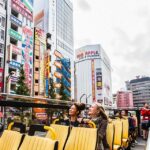
On day two, an English-speaking guide takes you around Tokyo by local transport. Meiji Jingu offers a calm opening to the city, with a shrine setting dedicated to Emperor Meiji and Empress Shoken. The East Gardens of the Imperial Palace give you a chance to walk through maintained grounds and see the palace exterior, rather than enter the royal residence itself.
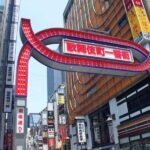
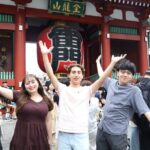
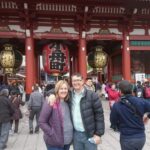
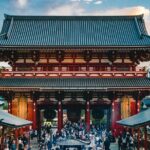
Senso-ji and Nakamise-Dori bring a different mood. Tokyo’s oldest Buddhist temple draws crowds, and the 250-meter shopping street leading toward it is lined with souvenirs, snacks, and sweets. I like this pairing because it connects a major religious site with the everyday business of visiting it. Keep in mind that the day covers several well-known places, so it is an introduction rather than a slow, specialist exploration.
Your hotel for the first two nights is the three-star the b asakusa. Japanese hotel rooms, particularly in Tokyo, are often compact: the stated typical size for three- and four-star rooms is 14 to 18 square meters. If you need more space or separate beds, ask about room arrangements before booking. Two people normally share one room.
You can also read our reviews of more guided tours in Tokyo

Mount Fuji by road, boat, and lakeside
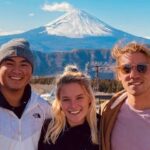
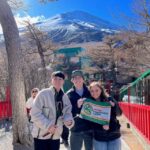
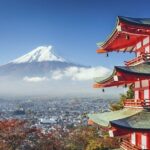
Day three is the trip’s most scenic transfer. A private English-speaking driver and vehicle are scheduled for ten hours, with about two hours from Tokyo to the Fuji area and another hour and a half on the road to Hakone. Stops include Oshino Hakkai’s clear springs and Arakurayama Sengen Shrine, where Chureito Pagoda is a familiar Fuji-viewpoint landmark.
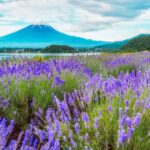
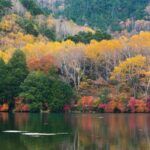
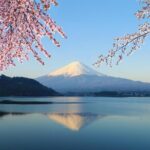
The Lake Kawaguchiko cruise adds a welcome change of pace after the road stops. On a clear day, Mount Fuji may appear reflected in the lake, but mountain views are weather-dependent, so it is wise to enjoy the springs, shrine, and water even if clouds conceal the peak. This is a substantial day in the vehicle, but having a private driver makes the sequence more direct than trying to connect all these stops by public transport.
You spend the night at Yumoto Fujiya Hotel in Hakone, an area known for hot springs and traditional ryokans. Dinner is included on this night, alongside breakfast. The rest of the evening is free, so check what your hotel stay offers if an onsen is part of your plans; the tour information describes Hakone’s hot-spring character but does not specify a particular bathing arrangement.
A Shinkansen ride and Kyoto’s spiritual center
On day four, you make your own way to the station and take the Shinkansen from Hakone to Kyoto. Train tickets are included, but the transfer to the station and the journey from Kyoto station to your hotel are not guided. This is one of the tour’s small but important distinctions: you get support on key sightseeing days, not a personal escort for every change of base.
Your Kyoto hotel is Park Hotel Kyoto, where you stay for three nights. The day is otherwise open. An optional 90-minute kimono tea ceremony at Maikoya Kyoto offers a structured introduction to tea customs and Zen traditions, with Japanese sweets and help dressing in a kimono. The ceremony is a paid extra, and you need to make your own way there. Kneeling is traditional, but chairs can be provided on request.
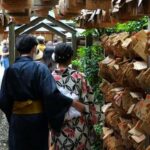
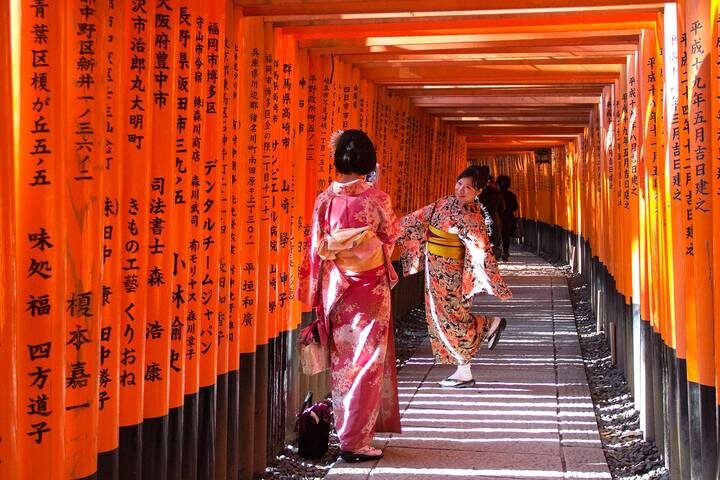
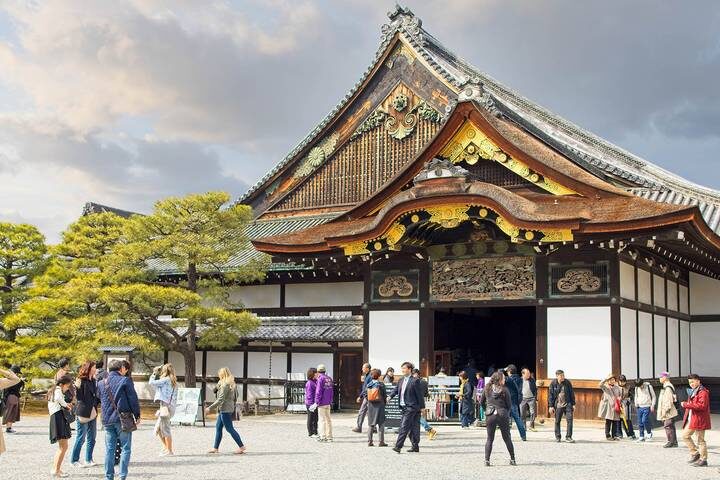
Day five pairs Nijo Castle with Fushimi Inari Shrine and Gion. Nijo Castle was the residence of the first shogun of the Edo Period; its grounds offer a change of scale from the shrine paths and narrow city streets. At Fushimi Inari, you walk beneath thousands of vermilion torii gates along a mountain trail. You can turn back when you have had enough: the full trail is a bigger undertaking than a quick photo stop.
The day ends in Gion, Kyoto’s historic entertainment district. You may see geishas going to evening appointments, but the district is a working neighborhood, not a performance staged for visitors. A guide can help you read the setting respectfully and make the most of your time there.
Choosing between Arashiyama and Nara
Day six is free unless you book one of two optional guided outings. The Arashiyama tour lasts six hours and includes a Yakatabune boat ride, Togetsukyo Bridge, the Bamboo Grove, and Tenryuji Temple. It is the natural choice if you want a mix of river scenery, a famous bamboo path, and a temple garden in western Kyoto.
The other option is a six-hour private-guided trip to Nara, reached by a roughly 45-minute train ride from Kyoto. Todaiji Temple, with its giant bronze Buddha, is the main draw, while Nara Park is known for deer that roam freely. Kasuga Taisha Shrine and Mount Wakakusa are also suggested as independent additions, but check how much time your chosen tour allows before planning to fit in extra stops.
You can also spend the day in Kyoto without booking an excursion. That flexibility matters: after several scheduled sightseeing days, a slower day for a café, another temple, or simply wandering may be more rewarding than adding one more checklist. The optional tours include a guide and local transport, but their cost is separate from the starting price.
Osaka’s food streets and a day-trip decision
On day seven, you travel by train from Kyoto to Osaka and make your own way to Citadines Namba Osaka. The evening is open, with an optional three-hour small-group food tour. It moves through Shinsekai and Namba, with stops at a Shinto shrine, the Tsutenkaku Tower area, a small temple, and local restaurants.
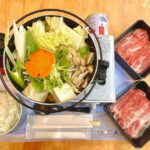
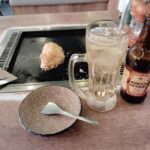
The tasting route focuses on Osaka staples: kushikatsu, or fried skewers, plus okonomiyaki and takoyaki around Dotonbori. The tour has three listed departure times, at 11:30, 16:30, and 17:30. It does not include transfers, so factor in the route to the meeting point. For an introduction to local dishes and neighborhoods, this is one of the more useful add-ons, especially if you would rather have a guide explain what you are eating than guess from a menu.
Your final full day is another choose-your-own-adventure. A private-guided Himeji and Kobe outing lasts six hours. Himeji Castle, nicknamed the White Heron Castle, is a major draw for its striking form and long history. In Kobe, the option includes lunch and a choice between a gondola ride to the Mt. Nunobiki herb gardens or a sake brewery visit and tasting. The tour returns to Osaka by local train.
Universal Studios Japan is a different kind of day: the entry ticket is included in that optional package, but transport, a guide, and the Universal Express Pass are not. If avoiding long waits matters to you, check current ticket options before committing. The other major choice is a roughly 12-hour Hiroshima and Miyajima trip, including Peace Memorial Park, the Atomic Bomb Dome, a ferry to Miyajima Island, and Itsukushima Shrine’s famous waterside torii gate. It is a long day, but it joins a place of reflection with a scenic island visit.
You can also read our reviews of more private tours in Tokyo

What the price covers, and what it does not
The package includes eight breakfasts, two dinners, listed sightseeing entrance fees, drinking water, specified train and boat journeys, and local transport for guided sightseeing. English-speaking guides are provided for the sightseeing days listed in the plan. Vegetarian, vegan, halal, and kosher meals can be requested.
Not every day is guided, and optional tours are not part of the base price. You also pay for international flights, insurance, visas, tips, personal expenses, excess baggage fees, and any pre- or post-tour hotel nights not shown in the schedule. Airport transfers on arrival and departure are optional. On the final morning, you make your own way to the airport unless you book a private transfer.
Accommodation tax is not included and is paid directly to each hotel. The amount can vary by location. The stated booking terms call for a 30 percent deposit, with the balance due 45 days before departure; interest-free installments every two weeks are also listed. Since hotel requests remain subject to availability until payment, ask about room type and bedding before you finalize plans.
The value is strongest if you would otherwise spend time arranging city guides, the Fuji-area drive, and intercity transport yourself. Three-star hotels and breakfasts keep the trip practical, while private guiding on selected days gives your sightseeing more context. The value is less compelling if you want every meal, transfer, and excursion bundled into one price, or if you prefer to stay several nights in one place.
Who should book this Japan tour?
I would consider this tour if you want to cover Tokyo, the Fuji area, Kyoto, and Osaka in just over a week, and you like a clear plan with room to choose a few extras. It is also a good fit for families and mixed-age groups: the listed activity level is low, and the operator accepts all ages. Still, shrine paths, city walking, and the optional long day trips require stamina, so low intensity does not mean no walking.
The strongest reasons to book are the carefully staged route, guided introductions in Tokyo and Kyoto, and practical transport on the Fuji day. The strongest reasons to pause are the add-on costs and the self-managed transfers. If you are comfortable following train directions and making some plans independently, this is a well-balanced way to see several sides of Japan. If you want a guide and vehicle at your side from airport arrival to departure, ask for a more fully escorted version before paying.
9 Days Japan Classic Tour (Private Guided) by Odynovo
“Our family of three had the most amazing trip in Japan with Odynovo's tour. Although I don't think the specific nine day tour we booked is offered…”
FAQ
Does the tour start in Tokyo and end in Osaka?
Yes. The tour begins in Tokyo and finishes in Osaka.
How many nights are included?
The schedule includes two nights in Tokyo, one in Hakone, three in Kyoto, and two in Osaka.
Are airport transfers included?
An airport assistant guides you to the arrival shuttle, but private airport transfers are optional. On departure day, you make your own way to the airport unless you book a private transfer.
Are guides with the group throughout all nine days?
No. English-speaking guides lead sightseeing listed for Tokyo and Kyoto, and some optional day trips include private guides. You handle several hotel and station transfers independently, and free days are unguided unless you book an excursion.
Which meals are included?
The stated meal plan includes eight breakfasts and two dinners. Vegetarian, vegan, halal, and kosher food options can be requested.
Are the Arashiyama, Nara, and Osaka food tours included in the price?
No. They are optional activities at your own expense. Their descriptions list the duration and included guiding or transport, but not their prices.
Is the Universal Studios Japan Express Pass included?
No. The optional Universal Studios package includes an entry ticket, but the Express Pass, transfer, and guide are excluded.
Are hotel taxes included?
No. Accommodation tax is paid directly to the hotels, and the amount can vary by location.