Tokyo’s fish stalls, Fuji’s spring-fed village, the black walls of Matsumoto Castle and the deer of Nara all fit into one nine-day trip. This private, partly guided route links Japan’s major sights with smaller historic towns, while taking care of much of the transport and hotel planning.
I like two things in particular: private road transport makes the long inland legs easier, and the route gives you time in places such as Takayama and Kanazawa, not only Tokyo and Kyoto. The main consideration is the pace. You change hotels often, and the word all-inclusive needs a close look: international flights and most lunches and dinners are not included.
- At a glance: the details that shape this trip
- Tokyo begins with food, water and old streets
- Lake Kawaguchi brings Fuji into the picture
- Castles, shrines and the drive through central Japan
- Kanazawa rewards a slower look
- The train to Kyoto is efficient, the day is yours
- Fushimi Inari, Uji and Nara close the trip
- What the price includes, and what it doesn’t
- Who will get the most from this route
- Should you book the 9-day Japan Classics tour?
- FAQ
- How long is the tour, and where does it start and end?
- Is this a private tour?
- Are guides included every day?
- Which meals are included?
- What kind of hotels are included?
- Is the train from Kanazawa to Kyoto included?
- Are international flights included?
- The Best Of Tokyo!
- More Guided Tours in Tokyo
- More Tours in Tokyo
- More Tour Reviews in Tokyo
- Not for you? Here's more nearby things to do in Tokyo we have reviewed
At a glance: the details that shape this trip

- A long cross-country route: Start in Tokyo and finish in Osaka, with stops at Lake Kawaguchi, Matsumoto, Takayama, Shirakawa-go, Kanazawa, Kyoto, Uji and Nara.
- Private, but not continuously guided: An English-speaking guide is included on listed sightseeing days. Some transfers and the train day are independent, and the airport drivers have basic English.
- Road transport for the inland route: Private, air-conditioned vehicle transport is included on several long legs. The Kanazawa-to-Kyoto stretch uses two high-speed trains.
- Three-star hotels with breakfast: The package includes eight breakfasts and accommodation based on two people sharing a room. A single supplement applies if you want a room to yourself.
- A mix of city, nature and heritage: Expect markets, shrines, gardens, a castle, a mountain village and a tea-producing town, rather than nine days of big-city sightseeing.
- From $4,680: Treat this as a starting price. Check the final price and precisely what is covered, especially meals, room arrangements and any optional guide or driver services.

👉 See our pick of the 25 Best Guided Tours In Tokyo
Tokyo begins with food, water and old streets
Your driver meets you at the Tokyo airport and takes you to Dormy Inn Akihabara Hot Spring, your base for the first two nights. The arrival transfer is private, but the driver is described as having basic English. An English-speaking guide and driver can be arranged for an additional cost if you need more help on arrival.
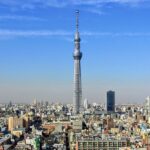
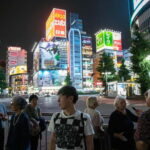
Day two pairs Tsukiji Fish Market with a water-bus ride and a guided walk through Asakusa. Tsukiji’s outer market is a good place to see Tokyo’s food culture up close. You can look over stalls selling seafood and other foods, and buy something to eat as you go. The tour includes breakfast, but not lunch, so the market is a useful chance to sort out a midday bite.
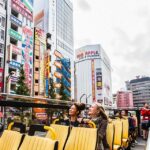
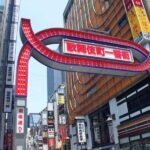
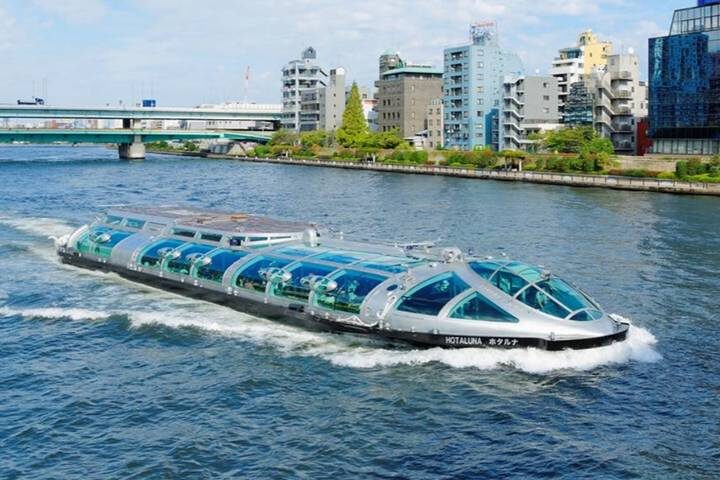
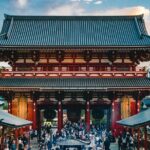
The Tokyo Mizube Line water bus gives you a different view of the city, travelling between Odaiba and Asakusa or along a route selected for the day. Then comes Asakusa, where the guide takes you to Senso-ji and points out smaller nearby spots. That local context matters in a district where a famous temple can easily swallow your attention. Leave room to wander the side streets and browse the shops at your own pace.
You can also read our reviews of more guided tours in Tokyo

Lake Kawaguchi brings Fuji into the picture
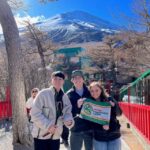
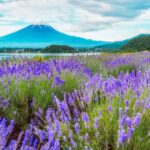
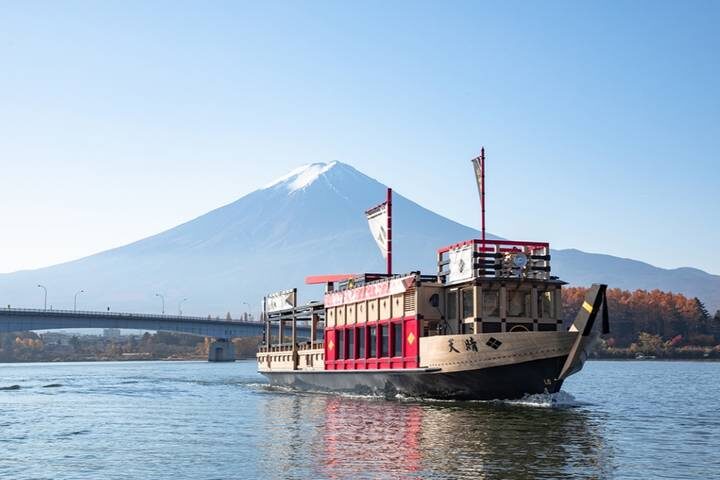
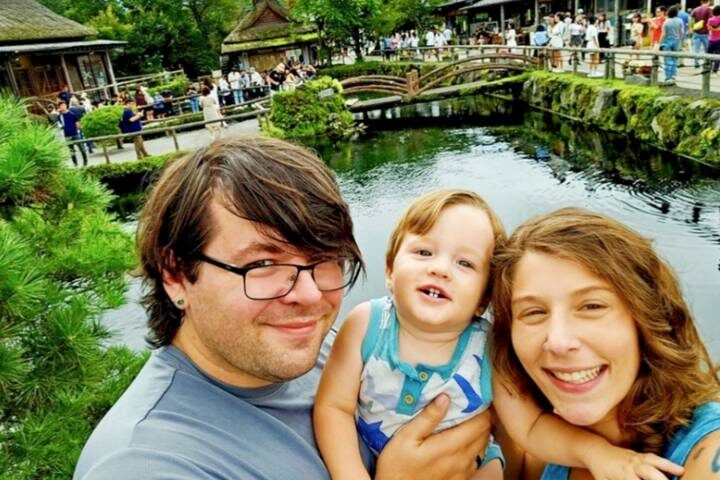
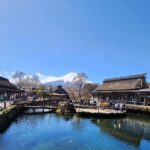
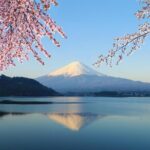
On day three, private transport takes you from Tokyo to the Fujikawaguchiko area. You visit Lake Kawaguchi, ride the Mt. Fuji Panoramic Ropeway to Kawaguchiko Tenjozan Park and stop at Oshino Hakkai, a village known for eight clear springs fed by water passing through hardened lava.
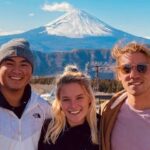
The ropeway and park are the day’s big view stop. On a clear day, the observation points look across the lake toward Mt. Fuji. The view depends on the weather, so don’t treat a Fuji sighting as guaranteed. Oshino Hakkai offers a quieter counterpoint: a small mountain village with spring water described as clean enough to drink.
You spend the night at HOTEL MYSTAYS Fuji Onsen Resort. The plan includes the ropeway and admission to listed attractions, as well as breakfast, a guide and private transport. Lake Kawaguchi also has an excursion boat, but the information provided does not confirm that boat ride is included. Ask before booking if it is a must for you.
Castles, shrines and the drive through central Japan
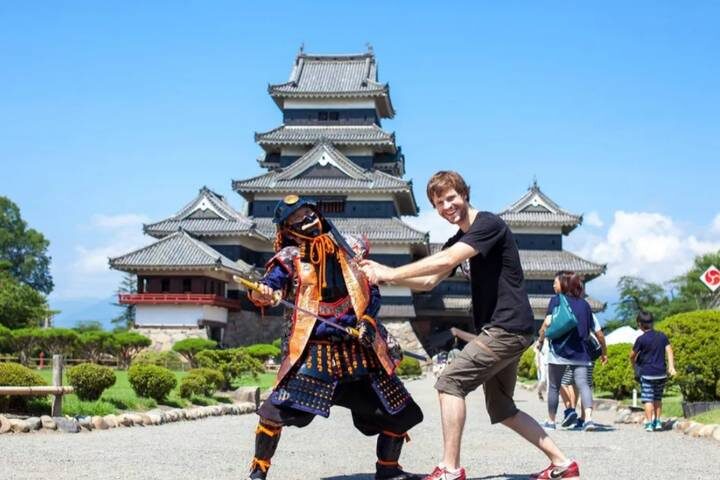
Day four takes you to Matsumoto Castle, Lake Suwa and Suwa Taisha, with a private vehicle and guide. Matsumoto Castle is an original castle with black exterior walls and a distinctive arrangement of its main keep, turret and secondary donjon. It is one of the more memorable stops for anyone interested in Japan’s feudal era, though the visit is only one part of a full day on the road.
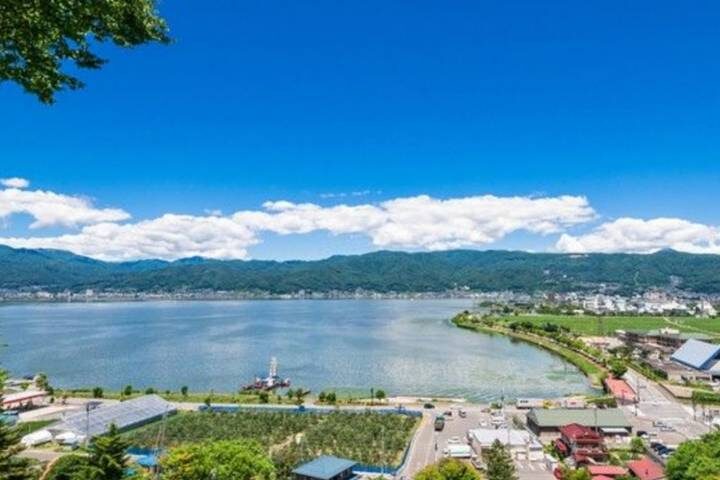
Lake Suwa gives the day a change of pace, and Suwa Taisha adds a major shrine with a long past. The route continues toward Takayama, where you stay at Hotel Wing International Hida Takayama. The driving makes it easier to connect these places than relying on multiple local connections, but it also means you spend a fair share of the day in transit.
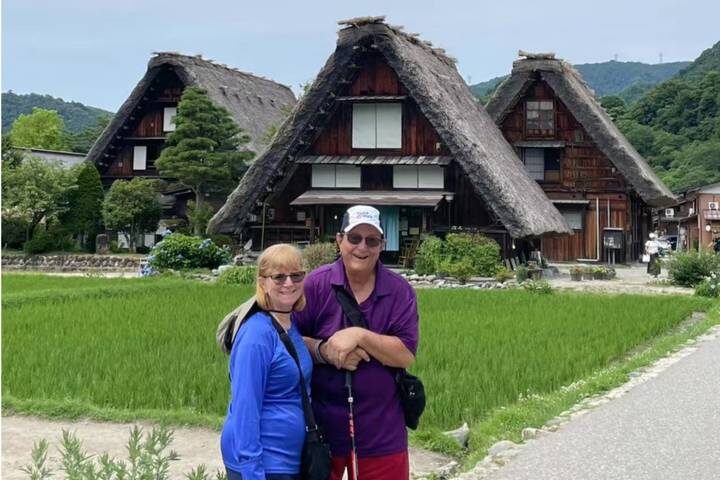
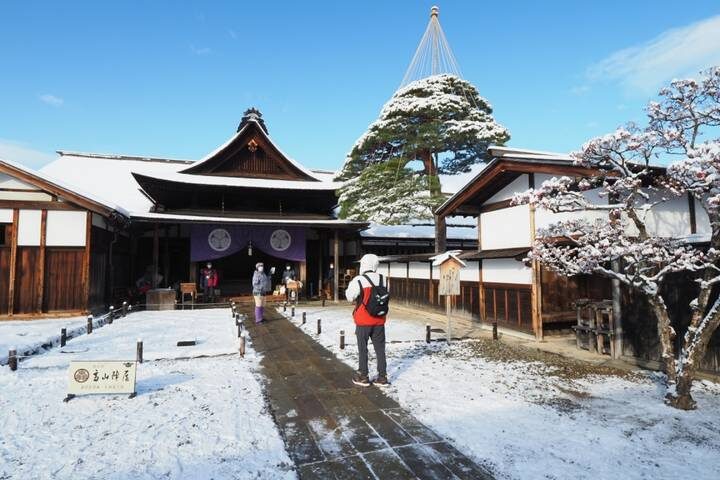
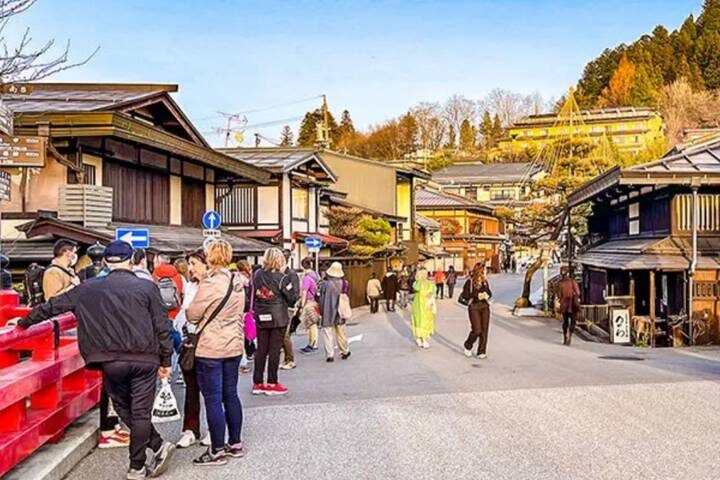
On day five, you visit Shirakawa-go, a mountain village known for traditional houses and a setting ringed by steep peaks. The surrounding countryside is a large part of the appeal. Then you see Takayama Jinya, a former government office now open as a museum, before continuing toward Kanazawa and checking in at HOTEL TORIFITO KANAZAWA.
This is a full day with several distinct stops. The village visit gives you a sense of how architecture and settlement adapt to a mountain setting; Takayama Jinya brings the focus back to administration and everyday governance. The itinerary also names Hakusan National Park and Tiansheng Prefectural Natural Park, though the amount of time spent at each is not specified. If you want long, unhurried walks at every stop, ask the operator how the day is paced.
Kanazawa rewards a slower look
You have two nights in Kanazawa, which is a welcome pause after the succession of one-night stays. Day six covers Kanazawa Castle, Kenrokuen garden, Higashi Chaya District and the Nagamachi Samurai District, with an English-speaking guide and private transport.
Kenrokuen is the garden people often come to Kanazawa to see, while the castle grounds and old districts help explain the city’s former role as the seat of the Maeda clan. Higashi Chaya’s traditional teahouse streets and Nagamachi’s samurai residences offer contrasting glimpses of the old city. You’ll get more from these neighborhoods if you take time to notice their scale and details, rather than treating them as quick photo stops.
The day is guided, but the schedule allows for customization requests. That flexibility is useful: tell the operator in advance if gardens, architecture or local food matter most to you. The tour names admission for the listed stops, but meals beyond hotel breakfast are not included.
The train to Kyoto is efficient, the day is yours
Day seven is a travel day from Kanazawa to Kyoto, with a change at Tsuruga. The first train takes about 45 minutes, followed by a short connection of roughly five to ten minutes and a second train of about 52 minutes. The bullet-train tickets and breakfast are included.
At Kyoto Station, you make your own way to Hotel Elcient Kyoto Hachijoguchi, which is described as close to the station. The rest of the day is free. That’s a good chance to rest after the trip or set your own agenda, but it is not a guided Kyoto sightseeing day. Plan ahead if you want to visit a particular attraction, since no activity or local transport is specified for this open time.
You can also read our reviews of more private tours in Tokyo

Fushimi Inari, Uji and Nara close the trip
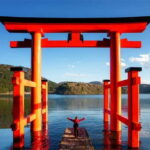
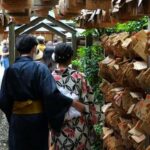
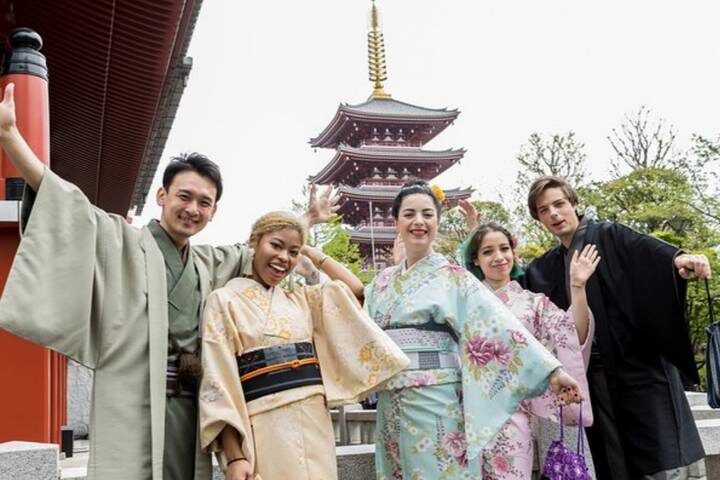
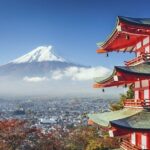
Day eight brings a guide and private transport for Fushimi Inari Taisha, Uji, Nara Park and Todai-ji Temple. Fushimi Inari is the headquarters shrine for a network of roughly 30,000 Inari shrines across Japan. Its red torii gates are the famous draw, but the site’s wider religious role gives the visit context beyond the photographs.
Uji is known for high-quality green tea and was among Japan’s early tea-growing areas. It makes a worthwhile stop between Kyoto and Nara, especially if you’re interested in how local food and drink connect to place. Nara Park’s free-roaming deer are a memorable sight, while Todai-ji brings the day back to monumental temple architecture.
You transfer to Osaka and spend the night at Best Western Plus Hotel Fino Osaka Kitahama. Day nine is a leisurely morning followed by a private airport transfer. The driver has basic English; a guide and driver can be arranged at extra cost. The tour ends in Osaka, so check that your flight departs from the airport covered by your transfer.
What the price includes, and what it doesn’t
At a starting price of $4,680, this is a substantial package, but the value depends on how much you would otherwise spend arranging transport, hotels and guided visits yourself. The price includes eight hotel breakfasts, the listed hotel stays, selected English-speaking guide services, private vehicle transport on several road legs, the Kanazawa-to-Kyoto train tickets, listed admissions and basic insurance during the arranged tour services.
The private vehicle is a practical advantage on the central Japan legs. You avoid piecing together every regional transfer yourself, and the private format suits families or people travelling with their own group. The operator also has a strong overall rating, and its response time is listed as four hours, a useful sign if you have questions while planning. A coordinator named Phoebe was credited with handling a past itinerary change after illness, but no specific guide is named for this tour.
Still, all-inclusive does not mean every expense is covered. International flights are excluded, and only breakfast is clearly included as a meal. Lunches and dinners are your responsibility, and dietary needs can be difficult to accommodate, particularly for vegans. Ask the operator about meal arrangements before you book if you have strict requirements.
The listed hotels are three-star properties, with upgrades available at extra cost. The price is based on two people sharing; a single supplement applies if you do not share a room. The tour is rated low intensity, but expect a steady sequence of sightseeing days, time on the road and regular hotel changes. If you prefer fewer moves, ask whether the route can be customized or add nights independently.
Who will get the most from this route
I’d consider this tour if you want to see a broad slice of Japan in nine days without managing every transfer yourself. It is particularly suited to families and small private parties who value a guide on key sightseeing days, comfortable road transport and a ready-made route linking major sights with smaller towns.
It is less suited to someone who wants long stays in each place, a guide every day or all meals paid in advance. Kyoto, for example, has only one night, and its arrival day is free rather than guided. The tour also moves through a lot of territory, so you trade depth in each destination for variety across the country.
Should you book the 9-day Japan Classics tour?
Book it if you want a structured first trip that combines Tokyo, Fuji, central Japan and Kansai, and if private transfers are worth paying for. Its strongest practical points are the transport planning, the English-speaking guides on sightseeing days, and the balance of big-name sights with places such as Shirakawa-go, Takayama and Uji.
Before paying, confirm the exact final price, what “all inclusive” covers for your departure, the room arrangement, the time allocated at each stop and which airport the Osaka transfer serves. If those details suit your budget and pace, this tour can make a complicated cross-country trip much easier to manage.
9 Days All Inclusive Japan Classics (Private Guide and Driver) by UME Travel
“My 9-day all-inclusive trip to Japan was a wonderful and memorable experience. I enjoyed the opportunity to explore Japan's beautiful scenery, rich…”
FAQ
How long is the tour, and where does it start and end?
It lasts nine days. The tour starts in Tokyo and ends in Osaka.
Is this a private tour?
Yes. It is described as a private tour for you and your own friends or family, with selected guided excursions.
Are guides included every day?
No. An English-speaking guide is included on listed sightseeing days. Some travel and free-time periods are independent, and the airport drivers have basic English.
Which meals are included?
Eight breakfasts are included. Lunches and dinners are not listed as included, and dietary requirements, especially vegan meals, may be difficult to accommodate.
What kind of hotels are included?
The tour includes three-star hotels, with accommodation based on two people sharing. A single supplement applies if you want a room to yourself, and higher-standard hotels can be requested at extra cost.
Is the train from Kanazawa to Kyoto included?
Yes. The bullet-train tickets are included for the Kanazawa to Tsuruga and Tsuruga to Kyoto legs. The change at Tsuruga is described as taking about five to ten minutes.
Are international flights included?
No. International flights are not included.