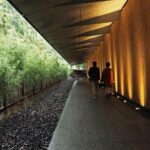
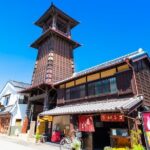
Japan’s big city rush gives way to cedar-shaded shrines, castle towns and hot-spring inns on this 15-day loop from Tokyo. I like that the route reaches beyond the usual Tokyo-Kyoto circuit, and I love the chance to sleep in both a traditional ryokan and a Buddhist monastery. Those nights give the trip a different feel from a hotel-to-hotel coach tour.
The schedule also packs in an extraordinary range: Mount Fuji, Nara’s deer, Hiroshima’s Peace Memorial Park, Shikoku, Mount Koya and Nikko. The trade-off is pace. You’ll cover a lot of ground, often with an early start, and some days leave little time to linger. It’s a strong fit if you want a guided overview, not a slow, stay-put holiday.
- What makes this Japan tour distinctive
- Tokyo to Mount Fuji: temples, crossings and a hot-spring night
- Kyoto, Nara and Osaka: Japan’s celebrated temple circuit
- Castles, Hiroshima and Itsukushima Island
- Shikoku, Naruto and a Buddhist monastery night
- Tsumago, snow-country scenery and Nikko’s shrine complex
- What the price covers, and what the pace costs
- Who should book this tour?
- FAQ
- Is this a private or small-group tour?
- Is the tour guided in English?
- How long is the tour?
- What meals are included?
- Is airport transport included?
- Do you stay in a ryokan?
- What is the Mount Koya accommodation like?
- Can the Mount Fuji Fifth Station visit be canceled?
- Is the monkey park visit guaranteed?
- How much walking is involved?
- The Best Of Tokyo!
- More Tours in Tokyo
- More Tour Reviews in Tokyo
- Not for you? Here's more nearby things to do in Tokyo we have reviewed
What makes this Japan tour distinctive
 1 / 8
 2 / 8
 3 / 8
 4 / 8
 5 / 8
 6 / 8
 7 / 8
 8 / 8
- A Fuji-area ryokan stay: Visit Lake Kawaguchiko, ride a boat and, weather permitting, travel to Mount Fuji’s Fifth Station before soaking in an onsen.
- A night at Mount Koya: Visit Kongobuji Temple and Okuno Mausoleum, then stay at a Buddhist monastery, with vegetarian dinner and a scheduled Zen meditation.
- A route beyond the main cities: The coach reaches Shikoku, the Naruto whirlpools, Tsumago, Kusatsu, Ikaho and other places many first-time visitors skip.
- Big sights are built into the price: Tokyo Skytree, Himeji Castle, Hiroshima’s Peace Memorial Museum, Dogo Onsen and several temples and gardens are included.
- A full touring schedule: Group size can range from 2 to 72, and days combine sightseeing with substantial coach travel.
- A few real-world caveats: Fifth Station access depends on conditions, monkeys may not appear, and the monastery stay can be replaced if temple rooms are unavailable.

👉 See our pick of the 25 Best Guided Tours In Tokyo
Tokyo to Mount Fuji: temples, crossings and a hot-spring night
Your first day is deliberately light. A shared shuttle takes you from the airport to the hotel, then you have time to rest and get oriented. Tour details arrive that afternoon. The airport transfer is included at the start, but no return airport transfer is listed at the end.
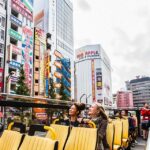
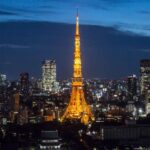
Day two is a seven-hour guided tour of Tokyo, followed by an evening outing in Shinjuku. Zojoji Temple offers a view of Tokyo Tower and its rows of small Jizo statues, while Shibuya Crossing is seen from the bus rather than explored on foot. You’ll visit Meiji Shrine, ride up Tokyo Skytree to the 350-meter Tembo Deck, then walk around Sensoji Temple and Nakamise Street in Asakusa. The bus passes Akihabara and Ginza on the way back.
That is a useful first-day primer, though it gives you a sampler rather than much time in each neighborhood. In the evening, subway tickets and a guide accompany the group to Shinjuku, where dinner at a local restaurant is included. Use the free time elsewhere in Tokyo if a particular district catches your eye.
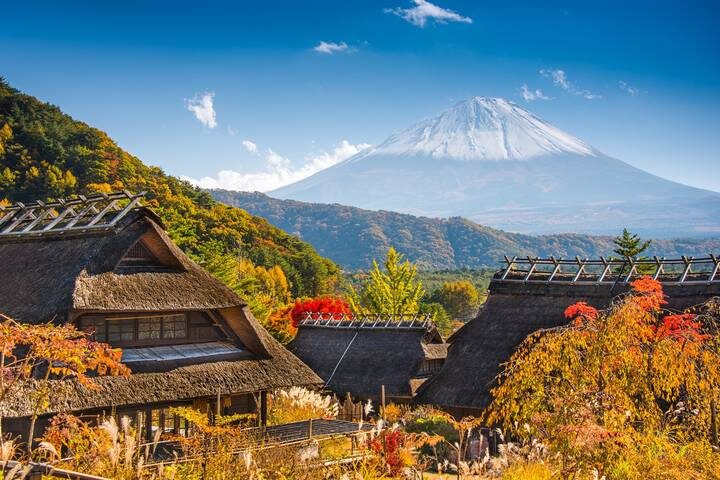
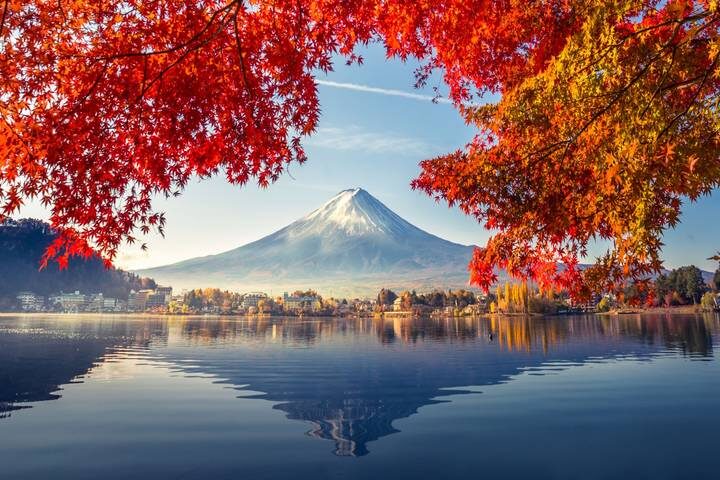
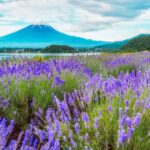
On day three, the tour heads for Mount Fuji via Arakurayama Sengen Park, a classic viewpoint, then Kawaguchiko’s Fuji Sengen Shrine and a boat ride on the lake. The drive to the Fifth Station climbs to 2,305 meters, but winter snow or poor weather may close the road. You’ll sleep near Kawaguchiko in a ryokan, with dinner and access to an onsen. Room style varies, and occasionally the ryokan is replaced by a Western-style hotel, so keep expectations flexible.
You can also read our reviews of more tours and experiences in Tokyo.


Kyoto, Nara and Osaka: Japan’s celebrated temple circuit
The next day combines Iyashi no Sato Nenba, Shiraito Falls and the Toyota Museum before the coach continues to Kyoto. Nenba’s rebuilt traditional houses now hold shops and cultural exhibits, giving you a short look at older village life. The itinerary covers distance efficiently, but it also means a long day on the road.
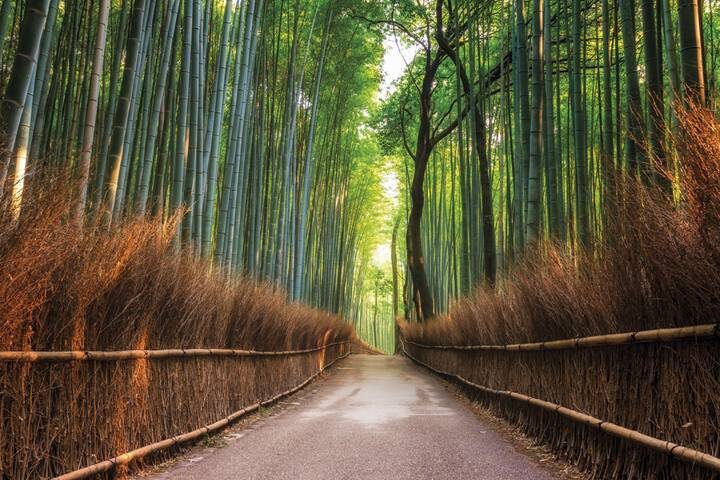
Kyoto gets a full guided day. You’ll see Arashiyama and Togetsukyo Bridge, visit Tenryuji Temple and walk through the bamboo grove, then go to Fushimi Inari, the Imperial Palace and Kinkakuji, the Golden Pavilion. The order can change. After the guided visits, you have the option to explore Gion, the old entertainment district associated with geisha culture.
I like the balance between headline sights and free time, but don’t expect a quiet Kyoto retreat. These are popular places, and the day’s schedule is full. A second Kyoto day comes later, which gives you a chance to return to a place you especially liked or follow your guide’s suggestions.
From Kyoto, you’ll visit Nara’s Todaiji Temple and its enormous Buddha, with deer roaming through the surrounding park. Lunch is included before a stop at Horyu-ji, whose ancient wooden buildings make it one of the tour’s more striking historical sites. The day ends in Osaka, including an evening visit to Dotonbori. This is a packed mix of temple time and city lights, with little room for a long independent wander.
Castles, Hiroshima and Itsukushima Island
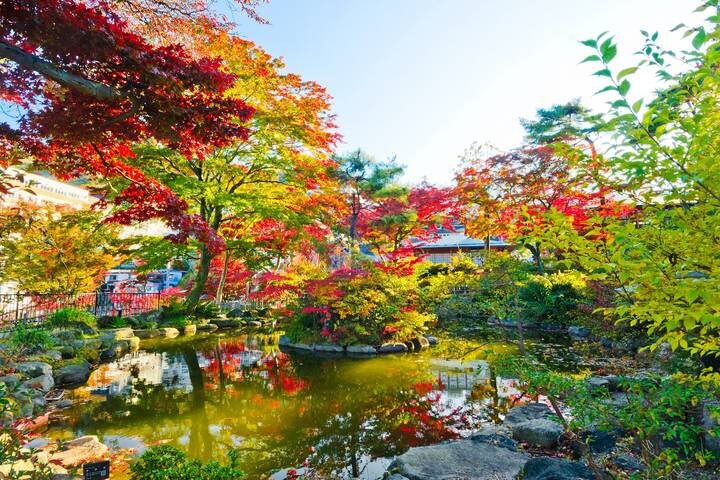
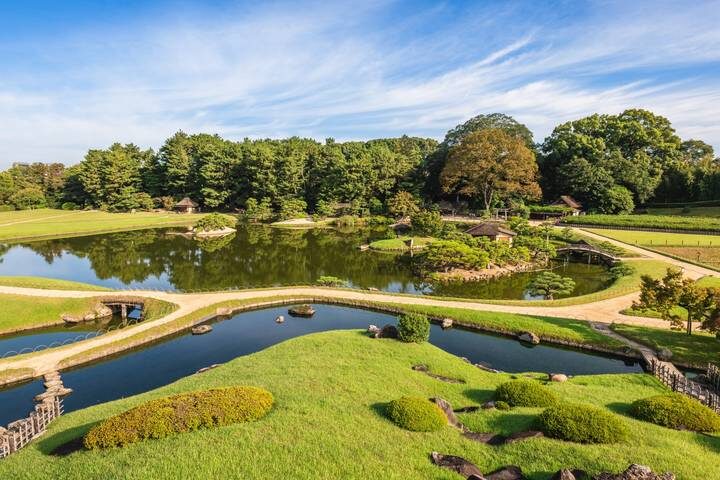
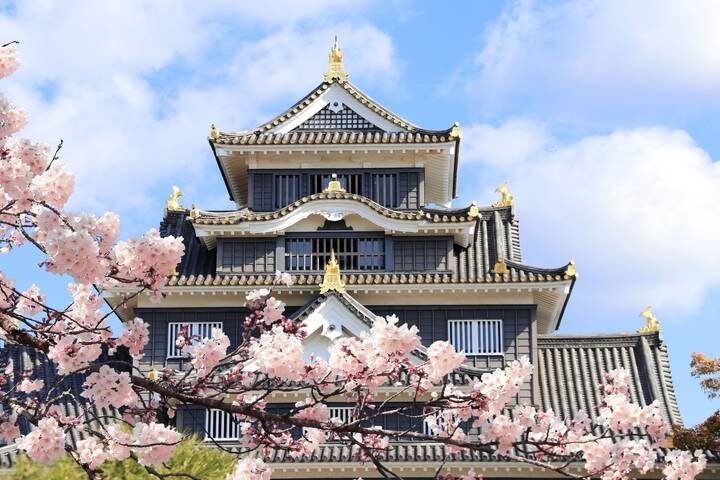
Day seven brings Himeji Castle, one of Japan’s great castle complexes, followed by lunch and Okayama’s Korakuen Garden. You’ll see Okayama Castle from the outside, with entry not included. Depending on the departure, the overnight stop may be Okayama, Fukuyama or Kurashiki, and the timing of the Kurashiki visit can vary.
Kurashiki’s preserved historic center makes a pleasant change from the coach and major monuments. In Hiroshima, the Peace Memorial Park, Atomic Bomb Dome and Peace Memorial Museum give the day a sobering center. Leave yourself room to take in the museum thoughtfully; this is not simply another photo stop.
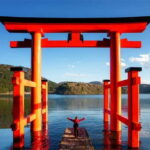
The tour then takes a ferry to Itsukushima Island, where the shrine sits partly over the water. You’ll have time to explore the shrine and town before returning to Hiroshima for dinner. This day is among the most emotionally varied on the route: remembrance in Hiroshima, then a ferry crossing and a sacred island setting. The order of visits may shift, so follow the guide’s timing closely.
Shikoku, Naruto and a Buddhist monastery night
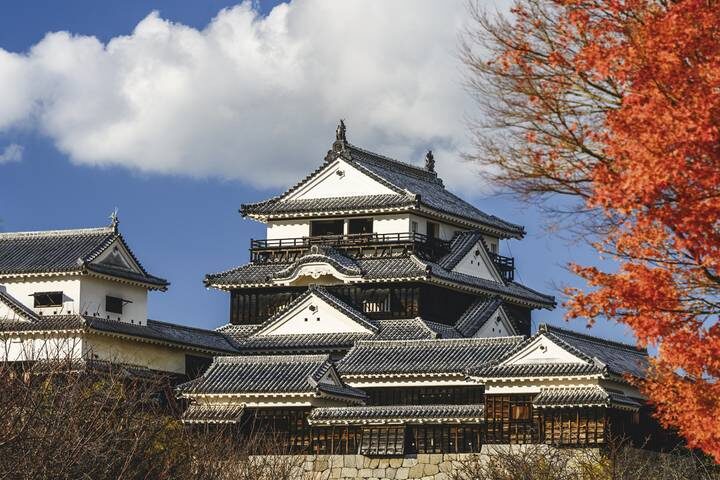
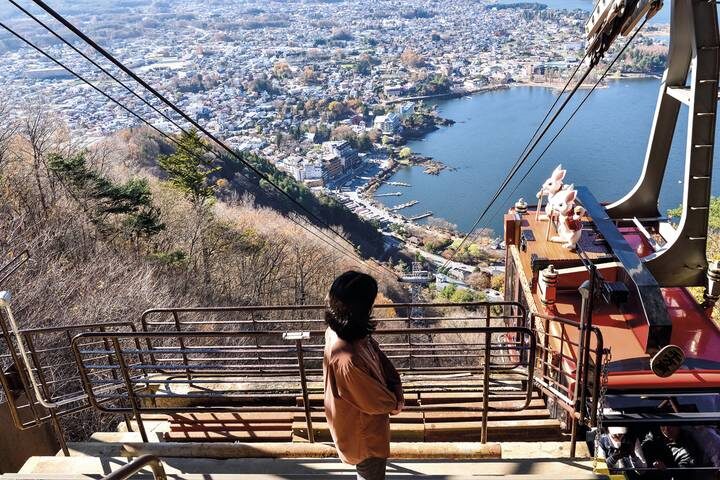
A two-and-a-half-hour ferry carries you from Hiroshima to Shikoku. In Matsuyama, you’ll ride a cable car to the castle, visit Ishiteji Temple and enter Dogo Onsen, a historic public bathhouse. Lunch is included. The ferry makes the island geography of Japan more than a map fact, though it also adds a fixed travel block to the day.
On day ten, the itinerary strings together Kotohira Shrine, Ritsurin Garden in Takamatsu and the Naruto Bridge area. Reaching the shrine involves 785 steps, so the tour’s low-intensity label deserves a little context: much of the trip is bus-based, but some stops involve stairs and walking. At Naruto, a glass-floor walkway gives you a view of the sea and whirlpools from about 45 meters above. The whirlpools depend on natural conditions, and the day ends after a scenic drive across bridges connecting islands.
In Kobe, you’ll visit the Earthquake Memorial Museum, which explains the 1995 earthquake and the city’s recovery. On some dates, this stop may be replaced by the Sake Museum or Kobe Tower. Then comes Mount Koya, a major center of Shingon Buddhism. The cemetery at Okuno Mausoleum is a vast, wooded place, and Kongobuji Temple adds a quieter counterpoint to the busy cities.
The monastery night is a highlight, but it is simple accommodation, not a hotel with resort comforts. Rooms are traditional and bathrooms are shared. Vegetarian dinner and a Zen meditation are included; a morning religious ceremony is optional. Temple capacity is limited, and on some dates the group may stay at a nearby hotel instead. If this experience matters to you, confirm what is planned for your departure.
After a traditional Japanese breakfast, the coach returns to Kyoto. You have the day free, a welcome chance to choose your own pace after several full touring days.
Tsumago, snow-country scenery and Nikko’s shrine complex
From Kyoto, the route heads to Tsumago, a small village of wooden houses where you have time to walk and eat lunch. Next is Matsumoto Castle, nicknamed the Crow for its dark exterior. You’ll have some free time before continuing to Nagano. These stops offer a welcome change from large cities, though the day includes several long coach legs.
In Nagano, Zenko-ji Temple is paired with a Gomakuyo ceremony, a traditional ritual for good fortune. Then you walk forest trails at Jigokudani Monkey Park, where Japanese macaques sometimes soak in hot springs. They are wild animals, not performers on a timetable. In autumn, food availability can affect their movements, and the park may close if they do not come down. Kusatsu, a hot-spring town, follows, but its visit may be canceled in bad weather from November through April.
The day ends in Ikaho, another onsen town, known for its stone stairway. You stay at a ryokan with a traditional dinner and access to hot-spring baths. This is another chance to enjoy Japanese bathing culture, though the schedule may leave less time for a long soak than you’d have on an independent stay.
On the final day, Nikko brings the ornate Toshogu Shrine, Taiyuinbyo Mausoleum and the Jizo statues along Kanmangafuchi Abyss. The coach is due back in Tokyo around 6:30 p.m. Don’t book a tight onward flight that evening; the tour specifically advises checking whether you need an extra night, and the airport transfer is not included.

What the price covers, and what the pace costs
The advertised starting price is $5,619 for 15 days, based on the cheapest room option. The value depends on how much you would otherwise spend arranging transport, hotels and admissions across this many regions. This package includes an English-speaking tour leader, coach travel, breakfast buffet, basic travel insurance, the arrival shuttle and a substantial set of sightseeing admissions. Five lunches and five dinners are included, including meals at the ryokan and Mount Koya.
That is a lot of ground and logistics handled for you. The accommodation is selected for quality, price and access to public transport, not luxury. Most rooms have a private bathroom, but the monastery is the notable exception. Hotel names can vary by departure, room dimensions and standards differ, and the exact location may not be in the city center.
The overall ratings are strongest for guides, transport, accommodation and food, with itinerary scores also solid. Individual guide experiences vary. Names praised on different departures include Nadia, Midori, Emma, Asamatsu, Santiago, Santoro, Kiko, Paco, David Solanes, Akane, Ken and Luis. These are not guaranteed guides, but the pattern is clear: a helpful guide can make a complicated route much easier.
One practical issue to check is language handling. The tour is sold as English-guided, yet some departures have combined English- and Spanish-speaking groups, with separate guides or explanations. Some people found this smooth; others found it distracting or difficult to follow, especially when meeting times were announced. Ask the operator how your specific departure handles languages, and keep the day’s meeting instructions handy.
The group can range from 2 to 72 people, so don’t book expecting a small-group feel. The route may also change order or substitute stops because of weather, traffic, closures or other exceptional circumstances. That flexibility is standard on a long coach tour, but it makes a little patience useful.
Who should book this tour?
Book it if you want to see a broad sweep of Japan in two weeks and value transport, hotels and admissions being organized for you. It suits first-time visitors who want major landmarks alongside less familiar places such as Matsuyama, Tsumago and Ikaho, and who are comfortable with group travel and early starts.
Think twice if you prefer small groups, long unstructured afternoons or several nights in each city. This is a busy itinerary, and the best moments often come between the famous stops: a ferry ride, a temple breakfast, a walk through a village or a soak at the inn. If those short windows sound appealing, the tour offers a remarkably varied introduction to Japan. If you want time to settle in and explore at your own pace, choose a slower route.
Wonders of Japan end Tokyo GO 15-Day Tour by Europamundo
“My wife and I were really very satisfied for our tour in Japan. Thanks a lot to Our guides, Nadia, Midori,Emma, Asamatsu, Santiago, Santoro, Kiko a…”
FAQ
Is this a private or small-group tour?
No. It is a regular group tour, not a private or small-group departure. Group size is listed as 2 to 72.
Is the tour guided in English?
Yes. The tour is advertised as entirely in English with an English-speaking tour leader. Some departures may combine English- and Spanish-speaking groups, so ask how languages will be managed on your date.
How long is the tour?
The tour lasts 15 days, beginning and ending in Tokyo.
What meals are included?
Breakfast buffet is included, along with five lunches and five dinners. The included dinners are in Tokyo, Kawaguchiko, Hiroshima, Mount Koya and Ikaho.
Is airport transport included?
A shared shuttle from the Tokyo airport to the hotel is included on arrival. A transfer to the airport at the end of the tour is not included.
Do you stay in a ryokan?
Yes. The itinerary includes a traditional inn near Kawaguchiko and another in Ikaho. Room style and the exact accommodation can vary.
What is the Mount Koya accommodation like?
The planned stay is at a Buddhist monastery, with simple traditional rooms and shared bathrooms. Vegetarian dinner and Zen meditation are included. If temple accommodation is unavailable, the group may stay at a nearby hotel.
Can the Mount Fuji Fifth Station visit be canceled?
Access can be limited by snow or weather. In winter, the road is often closed, and the group goes as far as conditions allow.
Is the monkey park visit guaranteed?
The itinerary includes Jigokudani Monkey Park, but macaque movements are unpredictable, especially in autumn. The park may close if the monkeys do not come down.
How much walking is involved?
The tour is rated low intensity, but you should expect walking at temples, gardens and town centers. The climb to Kotohira Shrine includes 785 steps.