The most satisfying part of this Asakusa workshop is turning a traditional Japanese technique into something you can take home and use. You might tie decorative mizuhiki cord into a bookmark, stencil a postcard with an Ise Katagami design, or make a small clasp purse from Japanese fabric.
I like the choice between crafts with different rhythms, from careful knotting to hands-on purse making. I also like that the projects are designed for beginners, with instructors guiding you through tricky steps rather than leaving you to puzzle over a knot or clasp alone.
One thing to weigh is the price: at from $22.75, value depends on the package you choose and how much you enjoy making things. The shop is small, and the purse workshop can take less than an hour, so this is a focused craft session, not a long class.
- What makes this Asakusa craft session worth considering
- A small workshop with a hands-on purpose
- Choosing between knots, stencils, and fabric
- What happens during the workshop
- The instructors and the feel of the class
- Is the handmade souvenir worth the price?
- Getting there and avoiding a wrong turn
- Who should book this craft experience?
- FAQ
- Where does the craft experience take place?
- How long is the activity?
- What craft options can I book?
- Is the workshop suitable for beginners?
- Is English-language help available?
- What is included in the listed package?
- What should I bring to the workshop?
- What is the cancellation policy?
- The Best Of Tokyo!
- More Tours in Tokyo
- More Tour Reviews in Tokyo
- Not for you? Here's more nearby things to do in Tokyo we have reviewed
What makes this Asakusa craft session worth considering
 1 / 8
 2 / 8
 3 / 8
 4 / 8
 5 / 8
 6 / 8
 7 / 8
 8 / 8
- Choose your craft: Options include Ise Katagami stencil postcards, a mizuhiki bookmark or money envelope, and a clasp purse made with traditional Japanese fabric.
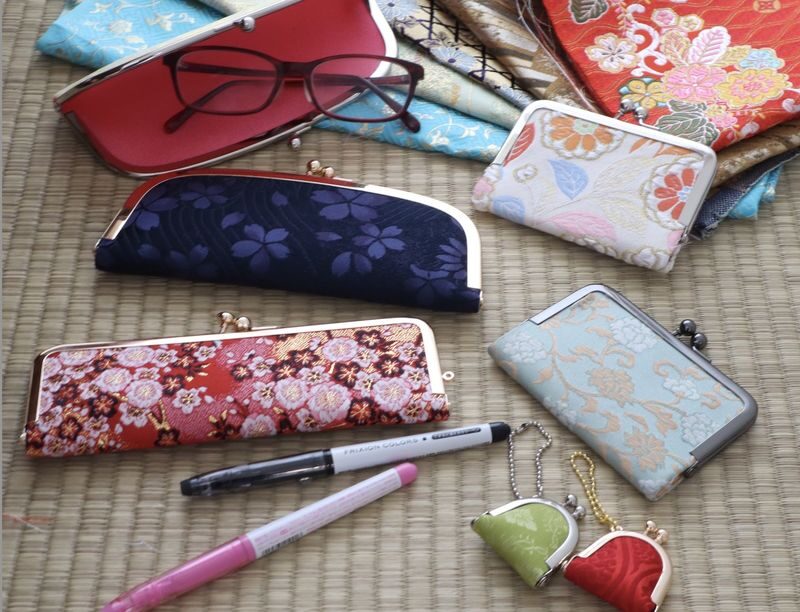
- Make a usable keepsake: Purse projects can become coin cases, small pouches, or eyeglass cases, and the no-sew method keeps the work approachable.
- Learn traditional techniques: Mizuhiki uses decorative cord and knotting, while Ise Katagami is a washi stencil craft associated with kimono dyeing.
- Get close guidance: The sessions are small, and instructors help with each step. English-speaking staff are available.
- Allow about an hour: Some purse sessions have taken around 35 to 45 minutes, while others run closer to an hour.
- Check the location carefully: The meeting point is Seikyodo Asakusa in Matsugaya, not a similarly named location elsewhere in Tokyo.

👉 See our pick of the 25 Best Guided Tours In Tokyo
A small workshop with a hands-on purpose
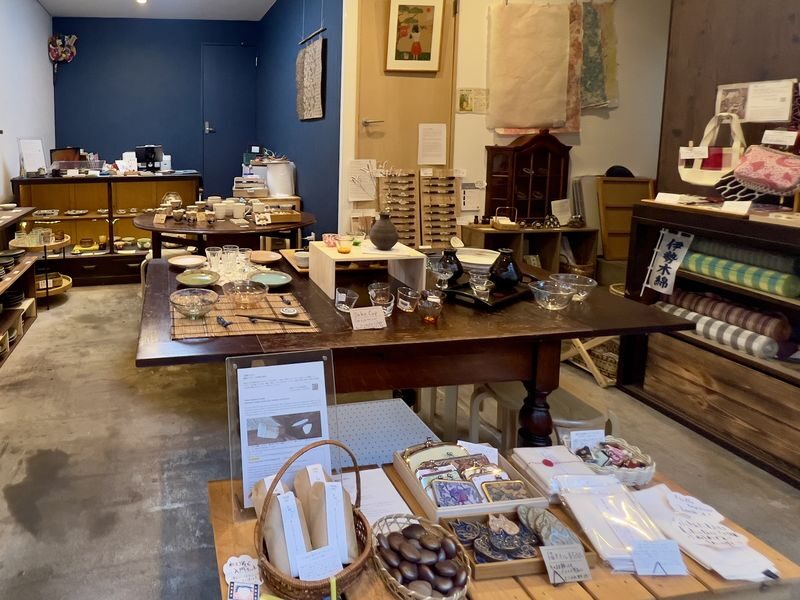
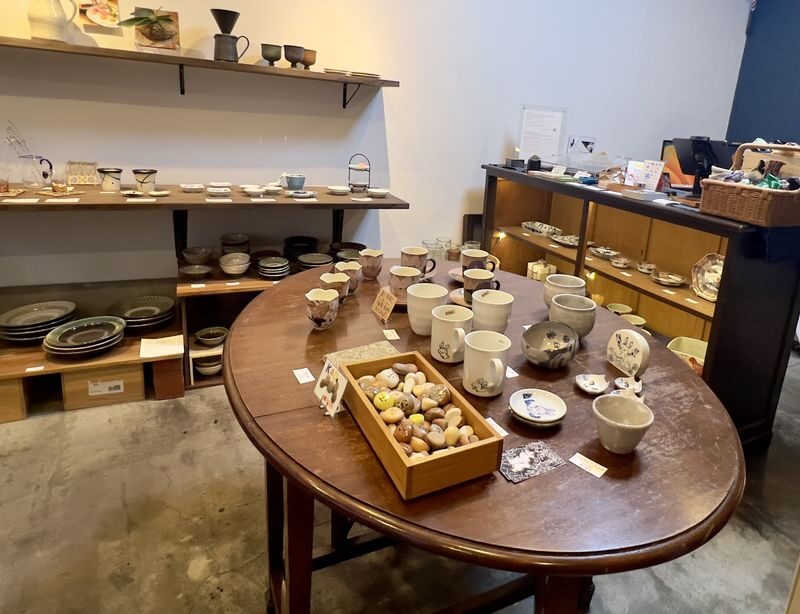
Seikyodo is a pottery and crafts shop in Asakusa, at 2 Chome-27-3 Matsugaya, Taito City. This is not a large classroom with rows of worktables. The space is a small corner of a shop, which gives the session an intimate feel, but it also means the instructor may need to help customers who come into the store.
That setting suits the activity. You are there to make something, not watch a long demonstration from the back of a room. Instructors guide you through the steps, and you get time to handle the materials yourself. The shop has been described as peaceful, a pleasant change of pace from a day spent moving through Tokyo.
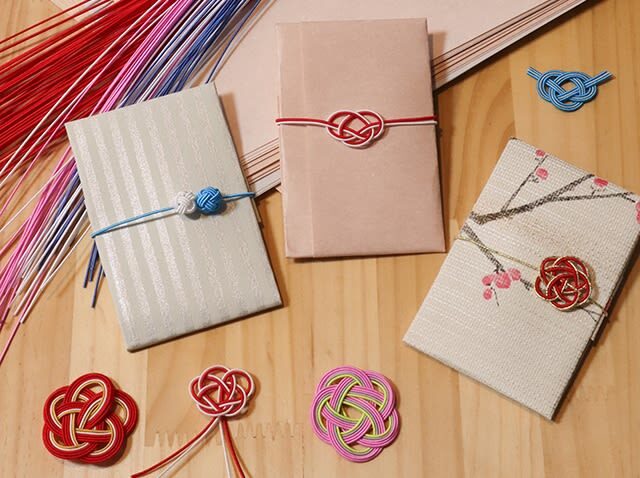
The activity is sold in several package options, so read the exact selection before booking. The included item listed for the experience is a one-hour mizuhiki bookmark session, but you can also choose postcard stencil dyeing, a mizuhiki-style money envelope, or a clasp purse made with traditional fabric. They are distinct projects, not stations you should expect to complete all in one visit.
You can also read our reviews of more tours and experiences in Tokyo.



Choosing between knots, stencils, and fabric
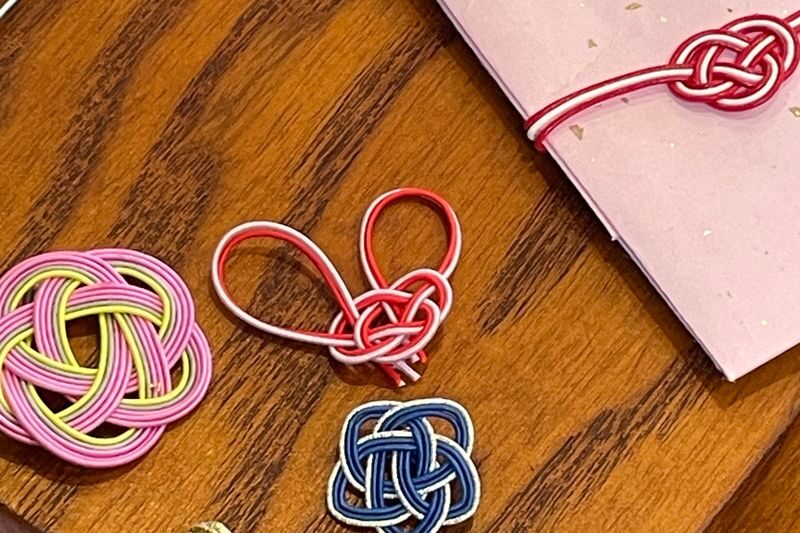
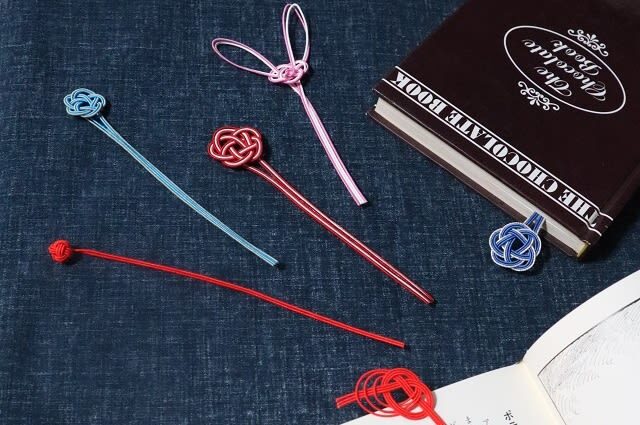
If you enjoy a tidy, portable project, the mizuhiki bookmark is a good fit. Mizuhiki is decorative cord used for celebratory envelopes and gifts. In the workshop, you learn how to color and wind silk thread around a core, then work on knot techniques such as Awaji and Ume. The process can take a little practice, so expect to try the movements more than once before the finished knot looks right.
The mizuhiki-style money envelope offers a similar introduction to the cord craft, with the finished piece made for a traditional gifting purpose. This is a useful choice if you want to learn a technique connected to Japanese celebrations, rather than simply make a decorative object. The details provided do not specify the exact envelope design or materials, so check what is included with your chosen package.
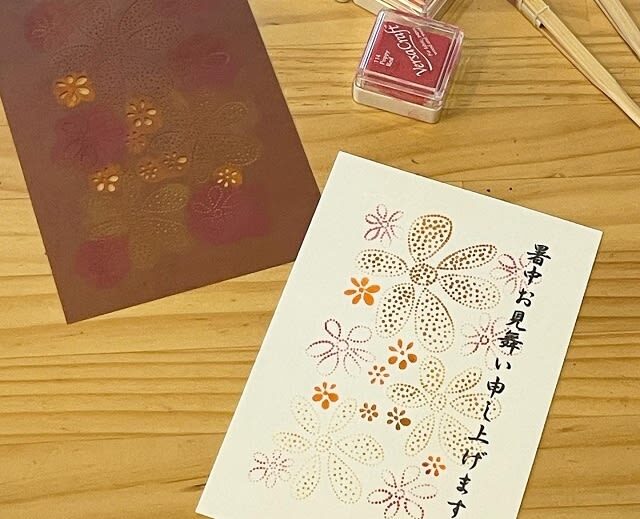
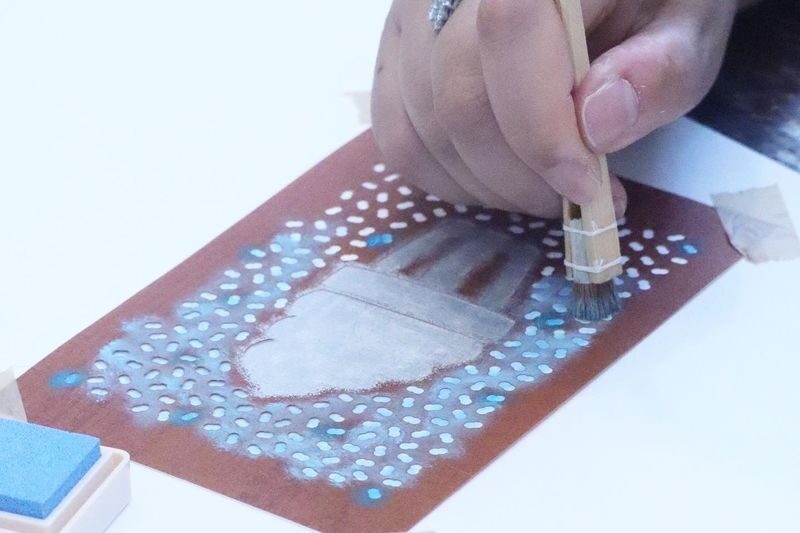
For the Ise Katagami postcard session, you use a stencil by craftsperson Chiaki Imasaka to make postcard designs. Ise Katagami stencils are made from durable washi paper, and artisans carve intricate patterns into them for kimono dyeing. The craft’s fine detail is part of the appeal: the stencil work can contain more than 900 patterns in a space about one inch across. You get to use a finished stencil, not carve one yourself, so the focus is on applying the design to a postcard.
The clasp purse session is the most practical option if you want a small accessory to use after the workshop. You work with traditional Japanese fabric and washi paper to make a mini purse, coin case, or another small case, depending on the chosen project. The method requires no sewing. Some purse sessions begin with a tiny practice piece, which helps you get used to the process before making the larger item.
What happens during the workshop
Plan on a short, guided activity rather than a full-day craft course. The stated duration is one hour, and the actual time can vary by project and pace. Purse making has taken as little as about 35 minutes for some people and around 45 minutes for others, while some sessions have lasted close to an hour. If you have another booking right afterward, leave a little breathing room.
At the start, you choose or receive the materials for your selected craft. For purse making, that can include choosing fabric and metal hardware. Fabric choices are described as attractive but limited, so you may not find a huge range of patterns. Once you have made your choice, the instructor takes you through the process step by step.
The purse method is meant to be manageable for first-timers. You do the work yourself, but the instructor is there to help when you reach a tricky stage or make a mistake. A small practice purse is sometimes part of the session before the main piece. It is a clever way to make the larger project less nerve-racking, and the mini item can itself be a useful little keepsake.
For mizuhiki, the work is more about careful hand movements than assembly. You learn how the cord is handled and how to form the knots, with practice before making the final bookmark or envelope. Expect some trial and error. That is part of learning a craft whose neat finish depends on how you guide and tighten the cord.
Postcard stencil dyeing gives you a different kind of focus. You work with a stencil design rather than building an object from separate pieces. It is a good option if you are curious about the patterns used in kimono dyeing, but want a smaller commitment than making a purse.
The instructors and the feel of the class
The strongest practical feature is the close instruction. English-speaking and Japanese-speaking staff are listed, and people have described patient, clear guidance. Names mentioned by people who took sessions include Yuko and Albert, though you should not assume either will lead your particular class. The postcard stencils are credited to craftsperson Chiaki Imasaka.
The instruction style seems suited to mixed skill levels. You do not need craft experience, and the steps are broken down so you can follow along. The instructor may offer help while still giving you room to try the technique yourself. That balance matters: a handmade souvenir feels more personal when you have done the work, not just watched someone else finish it.
The small room also creates a more personal class, but it has limits. If the shop is serving other customers, the instructor may need to divide attention. Some bookings have also needed to be shifted by an hour when several people chose the same time and the workspace could not accommodate them together. If you are booking for a group, make sure the selected time and party size are confirmed.
Is the handmade souvenir worth the price?
The listed starting price is $22.75, but the price can depend on the package. Think about what you are paying for: instruction, materials, a short activity, and an object made by your own hands. The purse option can be especially appealing because the finished piece is useful, and some sessions include a mini version as well as the main project.
Value is more subjective for the bookmark or postcard sessions. They are shorter, smaller projects, so they may feel costly if your main goal is to get a large souvenir or spend several hours learning. They make more sense if you care about the traditional technique and want a calm, focused break in your sightseeing day.
This is not a bargain activity in the sense of maximizing hours. It is better judged as a small-group craft lesson with materials and personal guidance. If you value the process as much as the finished item, the price is easier to justify. If you want the lowest-cost souvenir, you can buy one without setting aside time for a class.





Getting there and avoiding a wrong turn
The meeting point is Pottery & Crafts Shop Seikyodo, specifically Seikyodo Asakusa, at 101 2 Chome-27-3 Matsugaya, Taito City, Tokyo 111-0036. The shop is in a quiet Asakusa street, and one person described it as about a ten-minute walk from the train station. Use the address and map carefully rather than relying on a search result that may point to a different place.
There has been confusion between Asakusa and Akasaka, which are separate locations. Check that your booking and map both say Asakusa before setting out. One person also found that Google Maps sent them in the wrong direction, so double-check the route and give yourself time to find the shop.
Bring your mobile voucher and arrive on time. The voucher is valid only for the specified date and time, and late arrivals or no-shows are not eligible for refunds or amendments. You can cancel for a full refund at least 24 hours before the activity, using the destination’s local time.
Who should book this craft experience?
This session is a good match for you if you want a short, hands-on activity in Tokyo and like the idea of bringing home something you made yourself. It works well for couples, families, friends, and solo visitors. The craft projects are beginner-friendly, and the close instruction makes them accessible even if your last creative project was a school art class.
Choose the purse if you want the most functional memento and like selecting fabric. Pick mizuhiki if you are drawn to knotting and traditional gift customs. Choose the postcard option if the fine patterns of kimono stencil dyeing interest you more than making an accessory.
I would skip it if you want a long, in-depth course, a large group activity, or a guaranteed wide choice of fabrics. The shop is small, the session is brief, and the project options differ. But if an hour of quiet making sounds better than another hour of shopping, this is a thoughtful way to spend part of an Asakusa day.
Traditional Japanese Crafts Making Experience in Tokyo
“So much fun!!! Such a cool souvenir. instructor: We had Albert as are instructor. he was great! We had a lot of fun and laughs with Albert make the…”
FAQ
Where does the craft experience take place?
It meets at Pottery & Crafts Shop Seikyodo, also identified as Seikyodo Asakusa, at 101 2 Chome-27-3 Matsugaya, Taito City, Tokyo 111-0036, Japan.
How long is the activity?
The listed duration is one hour. Some purse-making sessions have taken about 35 to 45 minutes, while others have lasted close to an hour.
What craft options can I book?
The package options are Ise Katagami stencil postcards, a mizuhiki-style money envelope, a mizuhiki bookmark, and a clasp purse made with traditional Japanese fabric.
Is the workshop suitable for beginners?
Yes. The projects are guided step by step, and the purse-making method does not require sewing. Mizuhiki participants can practice the knotting process before making their final piece.
Is English-language help available?
English-speaking and Japanese-speaking staff are listed for the experience.
What is included in the listed package?
The included item shown for the specified package is a one-hour mizuhiki bookmark-making experience. Other craft options are separate package choices.
What should I bring to the workshop?
Present your mobile voucher. The supplied information does not list other required items.
What is the cancellation policy?
A full refund is available if you cancel at least 24 hours before the activity date, based on destination local time. Refunds or amendments are not available for late arrivals or no-shows.