At Iroha, the main event is a generous seafood buffet beside Toyosu Market, with an optional tuna-filleting demonstration that brings a bit of Japanese fish-market theater to lunch. You choose between a quick 70-minute meal and longer plans with free-flow alcohol.
I like two things here: the chance to sample fresh sashimi alongside grilled, fried and simmered dishes, and the choice of packages that lets you pay only for the time and drinks you want. Desserts and unlimited soft drinks are included in the basic plan, too.
The trade-off is that this is a time-limited buffet, and its selection may feel modest if you expect a huge spread. The tuna show is also not held on Toyosu Market holidays, so check your date before paying extra for a show package.
- Toyosu setting: Iroha is on the third floor of Senkyaku Banrai, at 6-5-1 Toyosu, Koto-ku.
- About 50 advertised dishes: Expect seafood, sashimi, grilled fish, meat, fried foods, stews, salads and desserts, though the selection can vary.
- Four ways to choose your meal: Pick a 70-minute soft-drink plan, add alcohol, or choose a 100-minute Utage package.
- Tuna show is an add-on: You need a show package to watch the demonstration, and it may not run on Toyosu Market holidays.
- Mind the leftovers: A 500-yen fine applies to uneaten food.
- Best for seafood fans: Sashimi, tuna and crab are repeatedly singled out, but the buffet may disappoint if you want a large range of non-seafood dishes.
- What a meal at Iroha is really about
- Starting your 70 or 100 minutes
- Choosing between Iroha, Matsuri and Utage
- The tuna-filleting show: worth adding?
- How the food selection measures up
- Price, dietary needs and who should go
- Should you book Iroha?
- FAQ
- Where is Iroha Seafood Buffet Restaurant?
- How long does the buffet last?
- What is included in the basic Iroha plan?
- Which plans include alcohol?
- Do all plans include the tuna-filleting show?
- Does the tuna show happen every day?
- Can you eat the tuna cut during the show?
- Are children aged 0 to 3 charged?
- Are halal options available?
- Is there a charge for leaving food?
- The Best Of Tokyo!
- More Dining Experiences in Tokyo
- More Tours in Tokyo
- More Tour Reviews in Tokyo
- Not for you? Here's more nearby things to do in Tokyo we have reviewed
What a meal at Iroha is really about
 1 / 7
 2 / 7
 3 / 7
 4 / 7
 5 / 7
 6 / 7
 7 / 7
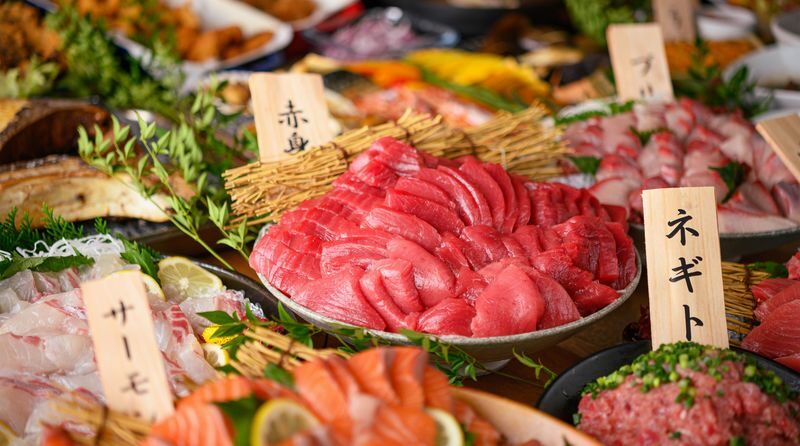
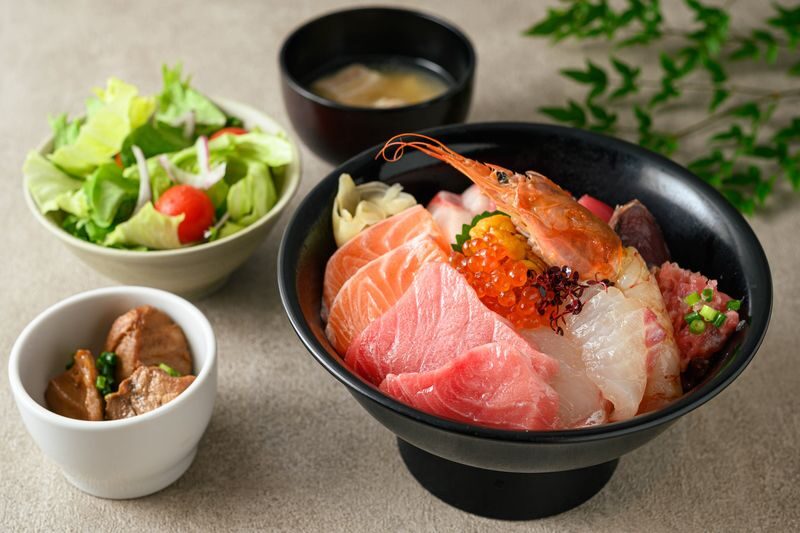
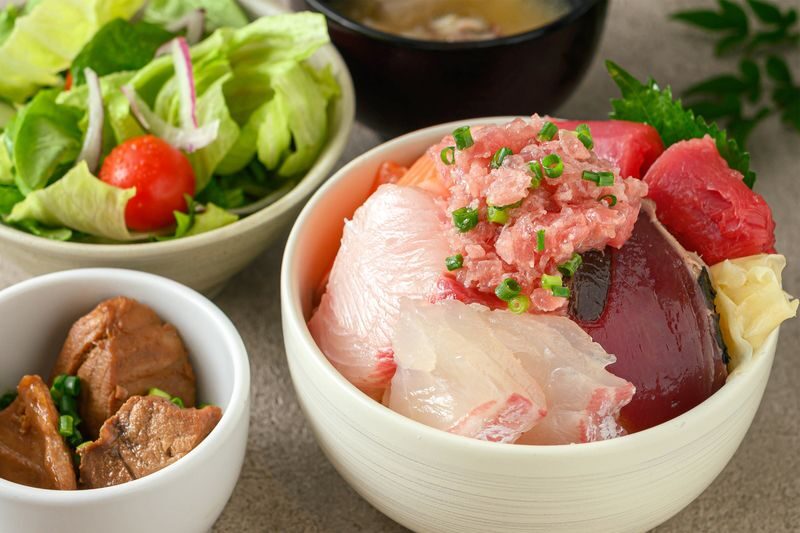
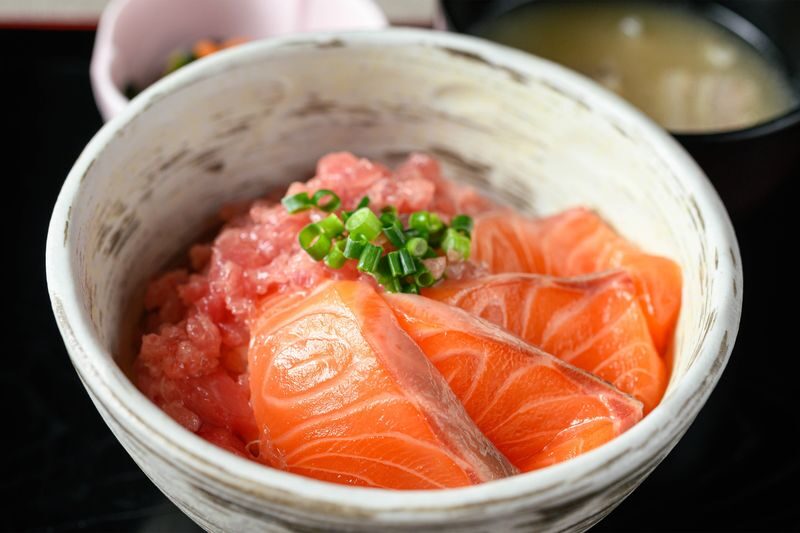
Iroha is built around a simple idea: help yourself to what you like, and try it in the way you prefer. The room is designed to evoke Edo, Japan’s former castle-city era, while the food ranges from raw seafood to cooked comfort dishes. You can make a plate of sashimi the focus, or balance it with grilled fish, vegetables, fried items and stews.
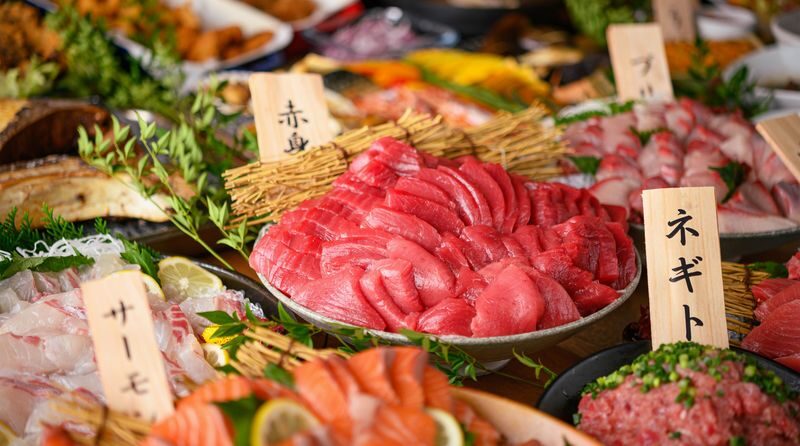
The restaurant advertises roughly 50 dishes, including sashimi, grilled fish, grilled vegetables, yakiniku, fried specialties, Japanese stews, salads and desserts. That sounds broad, but it is worth setting expectations carefully. Diners have found the food fresh and well made, while some have felt that the selection was smaller than expected. One person also reported finding no sushi, so do not book on the assumption that every familiar seafood-buffet staple will be available.
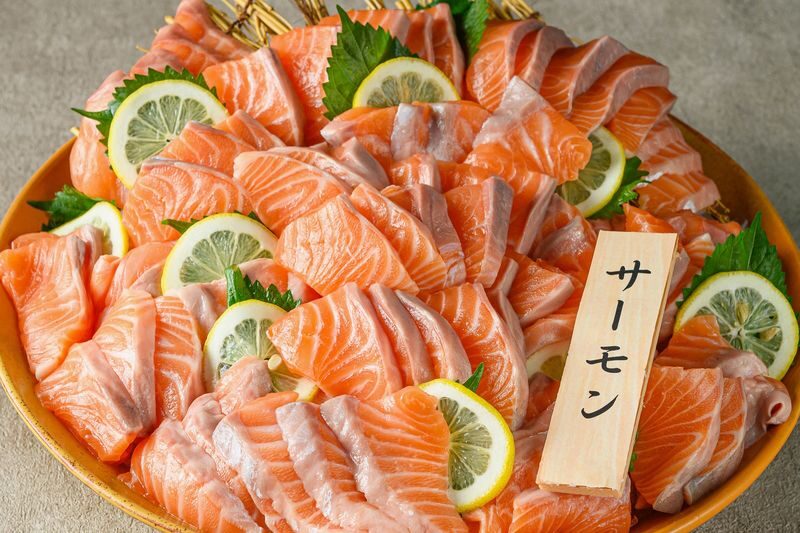
The strongest reason to come is the freshness of the seafood. Sashimi and tuna earn particularly warm praise, with snow crab and tuna belly also mentioned as highlights. These items may vary by day, so treat them as possibilities rather than guaranteed menu promises. If you like seafood in several forms, the mix of raw, grilled and fried preparations makes the meal more interesting than a buffet built around sashimi alone.

👉 See our pick of the 25 Best Guided Tours In Tokyo
Starting your 70 or 100 minutes
Your experience is a restaurant visit rather than a guided tour. You meet at Iroha Seafood Buffet Restaurant, on the third floor of Senkyaku Banrai in Toyosu. Shijo-mae Station is described as a short walk away, but allow a little time to find the restaurant once you reach the complex. The booking does not include a guide or hotel transfers.
Once seated, you have a fixed dining window. The standard Iroha and Matsuri plans give you 70 minutes; Utage allows 100 minutes. Seventy minutes can be enough for a satisfying meal if you arrive ready to choose, but it leaves less room for lingering. The longer plan makes sense if you want to pace yourself, return for another serving, or use the included alcohol option without watching the clock quite so closely.
The buffet format gives you freedom to build your meal your way. Start with sashimi if that is your priority, then see what cooked dishes and sweets are available. I would avoid filling your first plate too heavily: you will want room to sample different preparations, and unfinished food carries a 500-yen penalty. Outside food and drinks are not allowed.
A few practical details matter more here than they might at an ordinary restaurant. The voucher is valid only for the date and time selected, and confirmation can take up to 48 hours. Bring your mobile voucher. If you need to cancel, a full refund is available when you cancel at least 72 hours before the activity date, using local destination time.
You can also read our reviews of more tours and experiences in Tokyo

Choosing between Iroha, Matsuri and Utage
The Iroha plan, from US$55.65, includes the buffet and soft drinks for 70 minutes. It is the straightforward choice if you want to focus on the food and do not need alcohol or extra time. Soft drinks are unlimited, according to the plan details.
The Matsuri plan starts at US$63.85 and adds free-flow alcohol to the same 70-minute window. It may suit you if drinks are part of the occasion, but consider whether you will have time to enjoy both the buffet and the alcohol offering. The Utage plan, from US$68.29, includes buffet, soft drinks and free-flow alcohol for 100 minutes. Its longer sitting is a useful step up for just over the Matsuri starting price, especially if you prefer a more relaxed meal.
Prices for plans that include the tuna show start at US$79 for Iroha, US$90.39 for Matsuri and US$96.70 for Utage. These packages add the demonstration to the corresponding meal plan. The 100-minute Utage schedule is listed with an 11:00 start, so check the available time carefully before choosing it.
One practical value question is whether to book ahead or pay at the restaurant. A diner has reported that booking online cost notably more than paying on site, while also noting that advance booking could help at peak times. Prices can change, and walk-in availability is not guaranteed, so compare the current options before you commit. Booking may be worth the difference if you want a set time; on a quieter day, checking the restaurant’s own price could help you save.
The tuna-filleting show: worth adding?
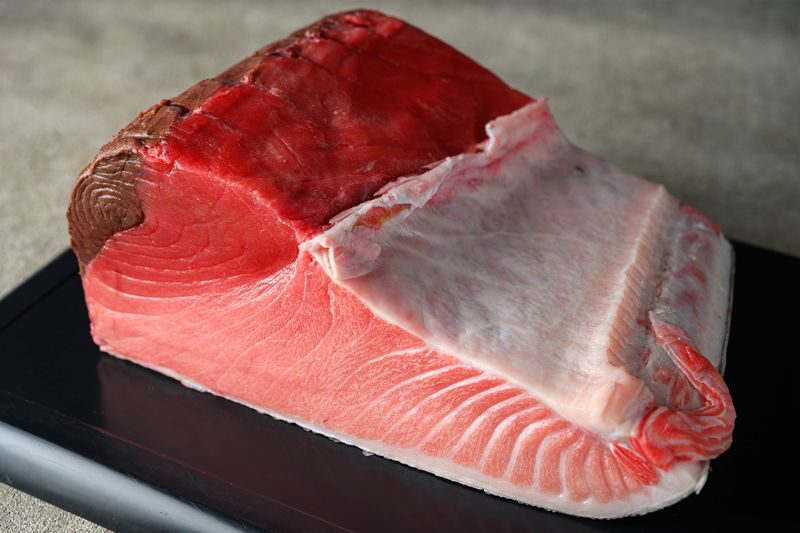
The tuna-filleting show is the experience’s most distinctive extra. Watching a large tuna being cut is a vivid way to connect the meal with the work behind Japanese seafood dining. The demonstration takes place in the buffet area and is included only with a package that names the show. A buffet-only booking does not give you show access.
There are two important caveats. First, the show does not take place on Toyosu Market holidays. Second, the terms state that the tuna from the demonstration cannot be eaten on the spot. In other words, buy the show plan for the spectacle, not on the assumption that it guarantees a special tasting portion. There is no refund if you choose not to watch after buying a show package.
If seeing the cutting demonstration matters to you, confirm that it is scheduled on your date before booking. If it is not a priority, the regular buffet plan keeps the cost down and still gives you the main attraction: a meal with a broad seafood focus.
How the food selection measures up
The buffet’s advertised range is about 50 dishes, but the number alone does not tell you whether it will suit your appetite. The key question is what you want from a seafood buffet. If you are happiest with fresh sashimi, fish and crab, Iroha has a strong case. Diners especially praise the sashimi’s freshness, along with snow crab, tuna and desserts. Some also call out cooked seafood and meat dishes as useful alternatives to raw fish.
If you expect a sprawling buffet with many stations and a long list of sushi, temper that expectation. Some diners have found the variety limited, and one specifically reported no sushi. Menus can change, but Iroha appears to put quality and seafood focus ahead of sheer choice. That can be good value for a sashimi fan and a poor fit for someone who judges a buffet by the number of different dishes.
Dessert is a welcome part of the meal, not an afterthought. Cake and other sweets have drawn praise, and the buffet includes a selection of desserts. Still, the meal’s center of gravity is seafood. If you are travelling with someone who does not care for raw fish, check the available cooked dishes before making this the centerpiece of your outing.
Price, dietary needs and who should go
At a starting price of US$55.65, the basic plan is not a casual, inexpensive lunch. Its value depends on how much you enjoy seafood and whether you make use of the buffet, drinks and time included. For a seafood lover who wants several servings of sashimi and the chance to try cooked Japanese dishes in one sitting, it can be a satisfying splurge. For a diner who wants a broad mix of cuisines, the price may feel harder to justify.
The alcohol plans cost more, but the step from Matsuri’s 70 minutes to Utage’s 100 minutes is worth considering if you value time as much as drinks. The show plans add another noticeable cost, so choose them for the demonstration itself. The set-up is not an all-day attraction: you are paying for a meal with an optional performance.
There are no halal options. You are asked to assess allergies yourself, so contact the restaurant before booking if you need reliable ingredient or cross-contamination information. Children aged 0 to 3 are free. The experience is best suited to seafood fans, couples or families who want a buffet meal near Toyosu and are comfortable with a timed sitting.
You can also read our reviews of more tours and experiences in Tokyo




Should you book Iroha?
Book Iroha if fresh sashimi, tuna and crab sound like the heart of a good meal, and you like the freedom to mix raw seafood with cooked dishes and dessert. Choose the basic plan for a focused lunch, Matsuri for alcohol within a shorter sitting, or Utage if you want more time at the table. Add the tuna show only after checking that it runs on your date and deciding that the demonstration is worth the extra cost.
Skip it if you need halal food, have allergies the restaurant cannot confirm, or want a buffet with a very large selection. And if you are mostly after sushi variety, ask about the day’s menu rather than assuming it will be there. For the right appetite, Iroha offers a convenient way to make Toyosu’s seafood the main event, with a clear choice between a quick meal and a longer, more theatrical one.
Tokyo Seafood Buffet Restaurant-Iroha & Tuna Filleting Show optional
“The sashimi and desserts 🍰 were extremely delicious. I will definitely visit again given the chance!”
FAQ
Where is Iroha Seafood Buffet Restaurant?
It is at 6-5-1 Toyosu, Koto-ku, Tokyo, on the third floor of Senkyaku Banrai. The meeting point is the restaurant.
How long does the buffet last?
The Iroha and Matsuri plans have a 70-minute limit. The Utage plan has a 100-minute limit.
What is included in the basic Iroha plan?
The Iroha plan includes the buffet and soft drinks for 70 minutes.
Which plans include alcohol?
Matsuri and Utage include free-flow alcohol. Matsuri lasts 70 minutes, while Utage lasts 100 minutes.
Do all plans include the tuna-filleting show?
No. You need to choose one of the plans that specifically includes the Tuna Filleting Show.
Does the tuna show happen every day?
No. The show is not held on Toyosu Market holidays.
Can you eat the tuna cut during the show?
The terms say the tuna from the demonstration cannot be consumed on the spot, so do not count on it as part of your meal.
Are children aged 0 to 3 charged?
Children aged 0 to 3 are free.
Are halal options available?
No. The restaurant does not offer halal options.
Is there a charge for leaving food?
Yes. A 500-yen fine applies to leftover food.