Meiji Shrine sits behind one of Tokyo’s most striking thresholds: a huge wooden torii, then a shaded path where the city’s noise fades. This 90-minute walk gives you a local guide to explain the shrine’s Shinto customs and its place in Japan’s imperial story.
I like two things in particular: the small group, capped at 10, makes it easier to ask questions, and the guide explains practical rituals such as where to walk and how to pray. I also like that the tour links the shrine to Japan’s change from samurai society to modern nation.
One consideration: this is a focused shrine walk, not a broad tour of Shibuya, and the pace and exact length can vary. The listed package is 90 minutes, while some visitors have described a tour closer to two hours, so leave a little room in your schedule.
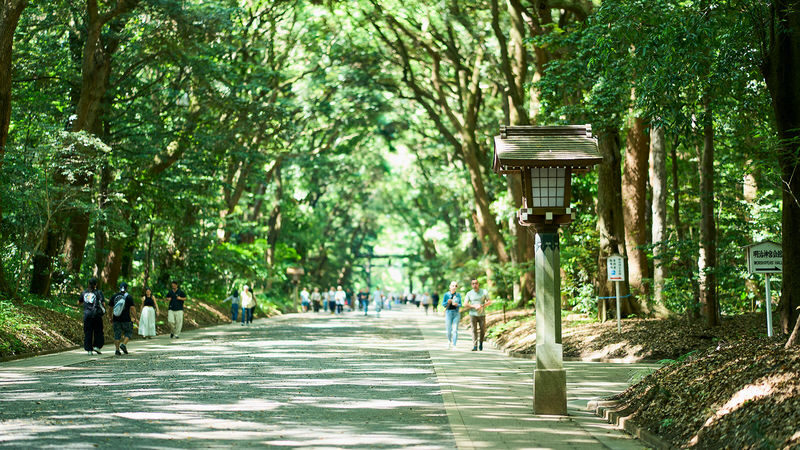
- A forest in central Tokyo: Walk among roughly 100,000 trees on a quiet approach to the shrine.
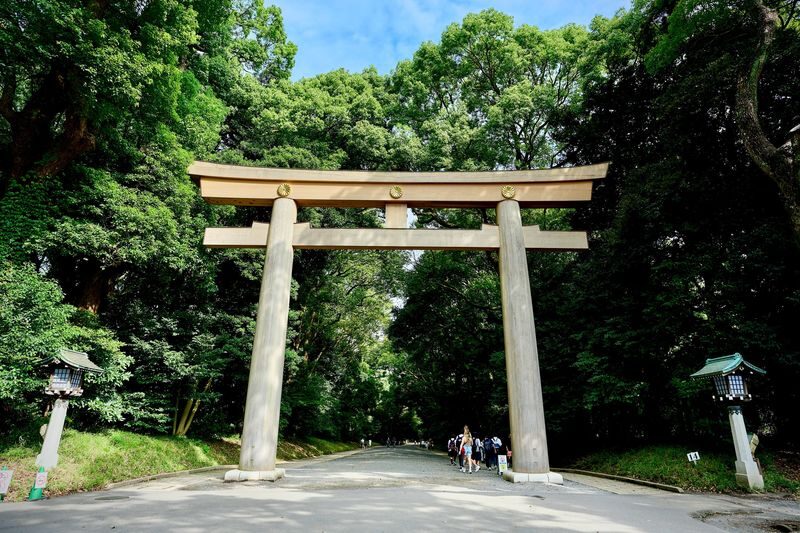
- A 12-meter torii gate: The largest wooden torii in Japan is made from Taiwanese cypress said to be about 1,500 years old.
- Useful Shinto etiquette: Learn why the middle of the path is reserved for the deities, and how to approach the shrine.
- History with context: The guide connects Meiji Shrine with the imperial system and Japan’s shift from samurai rule to modern life.
- A genuinely small group: The tour is limited to 10 people, and some departures may be private if few people book.
- From Harajuku Station to the shrine forest
- Walking beneath the 100,000 trees
- The 12-meter torii and the sacred center path
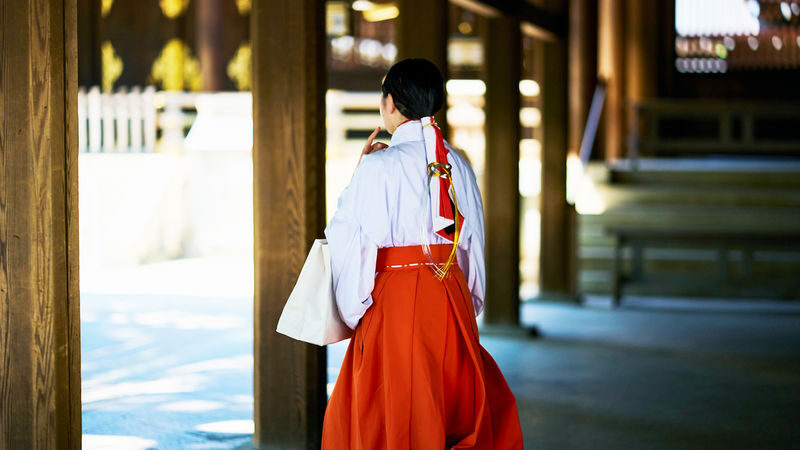
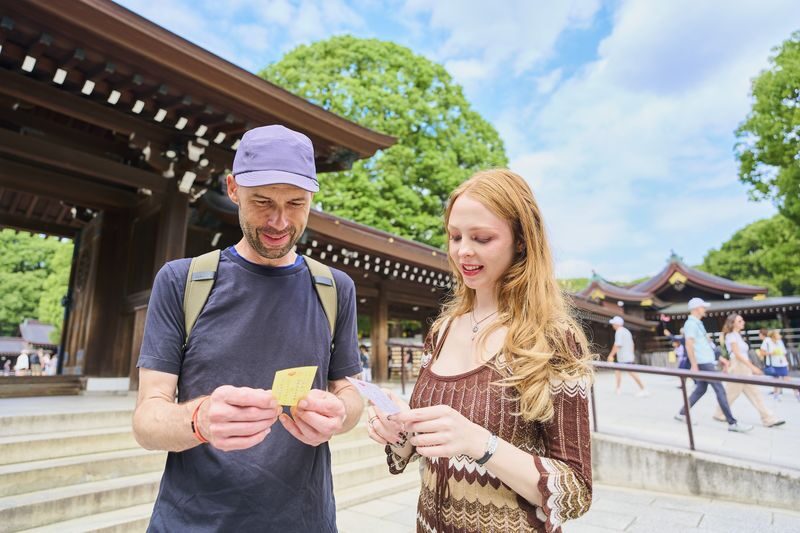
- At Meiji Jingu: prayer, wishes, and sacred poems
- Why the imperial story belongs at Meiji Shrine
- The guide makes the difference
- What the 90 minutes are likely to feel like
- What you get for the price
- Who should book this walk
- Should you book it?
- FAQ
- Where does the tour meet?
- How early should I arrive?
- What departure times are available?
- How long is the walking tour?
- How large is the group?
- Is the tour conducted in English?
- What should I wear?
- What is the cancellation policy?
- The Best Of Tokyo!
- More Walking Tours in Tokyo
- More Tours in Tokyo
- More Tour Reviews in Tokyo
- Not for you? Here's more nearby things to do in Tokyo we have reviewed
From Harajuku Station to the shrine forest
 1 / 10
 2 / 10
 3 / 10
 4 / 10
 5 / 10
 6 / 10
 7 / 10
 8 / 10
 9 / 10
 10 / 10
The meeting point is the Omotesando Exit, also called the East Gate, of JR Harajuku Station. Look for a guide holding a Local Guide Stars sign, and arrive 15 minutes before your selected departure. Available start times are 9:00, 11:00, 12:00, and 14:30.
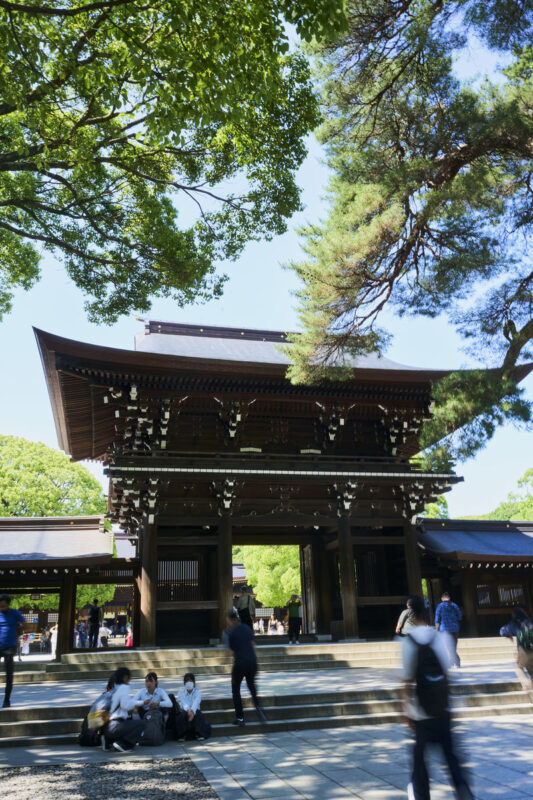
It is worth arriving with a little energy to spare. The walk begins in one of Tokyo’s busiest districts, but the change in mood comes quickly as you leave the station area and enter the shrine’s grounds. That contrast is a major part of the appeal: you do not need to travel far from Harajuku to find shade, birdsong, and a slower pace.
The tour returns to Harajuku Station. Return times vary with the departure you book and the length of that day’s walk, so avoid planning a tight connection or a timed activity immediately afterward.

👉 See our pick of the 25 Best Guided Tours In Tokyo
Walking beneath the 100,000 trees
Meiji Shrine is set in a forest of about 100,000 trees, planted around the shrine. The shaded approach is not just a path between the city and a religious site. It helps mark a change of pace and gives your guide a natural place to explain the meaning of the grounds before you reach the main shrine.
I like that the walk has room for more than the usual quick photo stop. With an English-speaking guide beside you, you can ask why the route is laid out as it is and what the customs mean, rather than trying to piece together details from signs. The small-group limit matters here: a group of up to 10 is easier to keep together on a walking route and less awkward for questions than a large tour.
The forest can feel surprisingly quiet, but this is still a popular shrine in central Tokyo. Do not expect a private woodland walk. The tour’s value is in having someone explain what you are seeing while you move through a place that many people otherwise pass through without much context.
You can also read our reviews of more walking tours in Tokyo


The 12-meter torii and the sacred center path
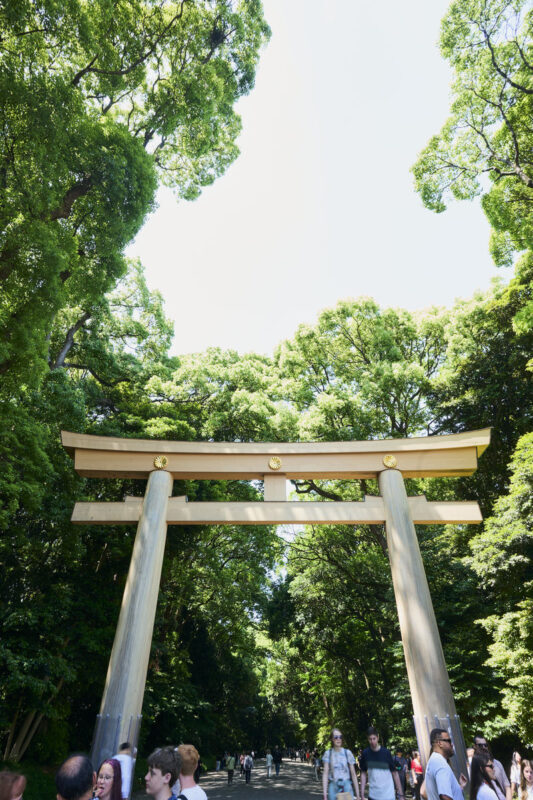
One of the route’s clearest landmarks is Japan’s largest wooden torii gate. It stands about 12 meters high and is made from Taiwanese cypress said to be 1,500 years old. Its size gives the entrance real presence, but the guide can also help you understand that it is a threshold into sacred space, not just an impressive structure.
There is a small custom worth remembering as you approach: walk along the edge of the path rather than through its center. The central route, called seichu, is reserved for the deities. It is an easy detail to miss when you are focused on the scenery, and a guide can explain the practice before you reach the gate.
The tour also covers bowing at gates and how to behave when entering the shrine. One guide, Yuuki, has been praised for explaining when to bow and how to pray. These details are useful because they let you take part respectfully without needing to guess or worry that you have missed an important step.
At Meiji Jingu: prayer, wishes, and sacred poems
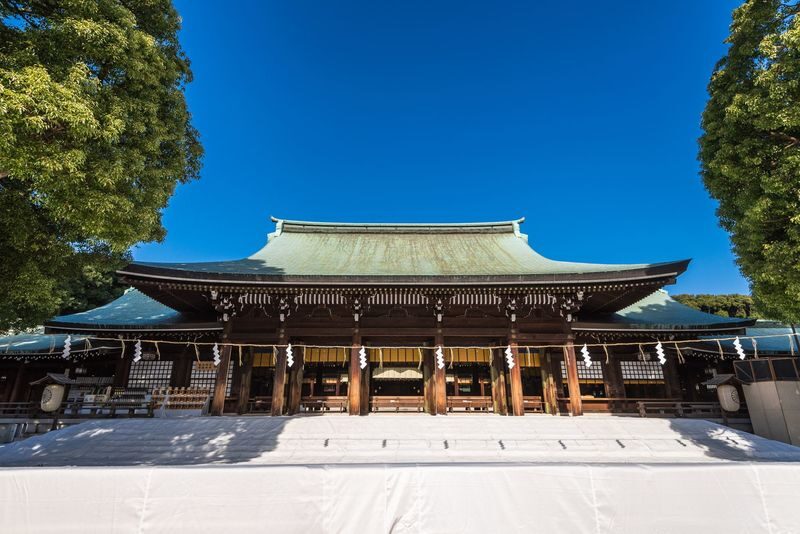
Meiji Shrine is Japan’s most visited Shinto shrine, so the main shrine area is an important stop on the walk. The experience is not only about seeing the architecture. Your guide explains the meaning behind common acts of worship and the choices available to you, such as offering a coin, writing a wish, or drawing wisdom from a sacred poem.
You can follow the customs if you want, or simply watch and listen. A guide can explain what these acts represent without making participation feel compulsory. One guide, Tomo, even lent coins to a participant who wanted to try the ritual, a kind gesture that speaks to the tour’s practical, welcoming approach. Do not assume that coins or other items are included for everyone, though; bring a small coin if you would like to make an offering.
The itinerary also mentions ending with something sweet or special. That is a pleasant idea after the walk, but no meal or snack is listed among the included items. Treat it as a chance to find a nearby treat on your own, not as a promised food stop included in the tour.
Why the imperial story belongs at Meiji Shrine
The tour’s subject reaches beyond Shinto ritual. It also introduces Japan’s imperial system, described in the tour’s themes as dating back 2,600 years, and explains the country’s passage from samurai rule to modern life. That historical frame can make the shrine feel less like a quiet green pause and more like a place connected to the changes that shaped Japan.
Meiji Shrine is a useful setting for this conversation because the walk combines a place of worship with a broader account of Japanese tradition and national history. The guide can connect what you see at the shrine with the imperial story, rather than treating history as a list of dates. The exact emphasis will depend on the guide and the questions you ask, so speak up if you want more detail on a particular point.
This tour is especially useful early in a Tokyo visit. A basic grasp of Shinto customs and the imperial context gives you a starting point for noticing similar traditions elsewhere in Japan. It will not cover every period of Japanese history, but it gives you a focused introduction in a setting where the customs are visible.
The guide makes the difference
The route is simple to follow, but the explanation is what gives it depth. Guides named on previous departures include Tomo, Frankie, Airi, Keiko, Yuuki, Ayaka, Ami, and Nono. You cannot choose a specific guide from the details provided, but the tour is conducted in English and is designed for questions and conversation.
The strongest feature of the guide experience is the combination of clear explanations and a considerate manner. Parents have found guides patient with children’s questions, and solo participants have appreciated getting a local’s perspective rather than walking the grounds alone. Some departures have become private tours when there were few other bookings, allowing a more flexible pace. That can happen, but you should not count on a private tour when you book.
If you are traveling with children, the walk has a useful mix of visual details and simple customs to learn. Children aged 12 and older pay the adult rate, while those aged 0 to 2 go free. The guide’s patience can make the visit easier for a curious family, though the tour is still a walking activity, so comfortable shoes are a sensible choice.






What the 90 minutes are likely to feel like
The listed package is a 90-minute walking tour. It takes you from the Harajuku meeting point along the path to the main shrine, through the shrine visit, and back to Harajuku Station. The schedule may change with traffic and weather, and the pace can depend on the group and the guide’s explanations.
Some past tours have lasted closer to two hours, while one participant felt the experience was shorter than expected. That difference is a reason to keep your schedule flexible rather than treating the end time as exact. If a particular stop matters to you, ask the guide about it during the walk instead of assuming the route includes extra time for every nearby attraction.
One solo visitor was also shown Takeshita Street by a guide. That is a personal example, not a standard part of the route, so do not book this as a guaranteed Takeshita Street or Harajuku shopping tour. The core experience is Meiji Shrine and its cultural context.
What you get for the price
The overall price is advertised from US$17.70, while the listed 90-minute walking tour package starts at US$25.29. Prices can depend on the option and booking details, so check the total for your selected date before paying. The guide is the main value: for a modest outlay, you get English-language explanation, practical etiquette, and historical context at one of Tokyo’s best-known shrines.
If you are happy to walk around quietly and read on your own, you can visit the shrine without a guided tour. But the details that make this experience worthwhile are easy to miss without explanation: the central path reserved for deities, how to approach the gates, what happens during prayer, and how the shrine fits into the imperial story. The tour is best value if you want those answers and are willing to listen as you walk.
The cancellation terms are also practical: you can get a full refund if you cancel at least 24 hours before the activity date in local time. In extreme weather or other unforeseen events, the operator can cancel and offer a chance to reschedule.
Who should book this walk
I would choose this tour if you want a calm, guided introduction to Shinto and Japanese history, especially if this is your first visit to Meiji Shrine. It suits solo visitors who want to ask questions, couples looking for a short cultural activity, and families with children who enjoy learning through small details.
It is less suited to anyone seeking a long, broad city tour or a food-focused outing. The walk stays centered on Meiji Shrine, and the snack mentioned at the end is not an included meal. If your priority is a flexible visit at your own pace, you may prefer to go independently.
Should you book it?
Book this walk if you want more than a quick look at the torii and main shrine. The small group, English-speaking guide, and clear focus on customs and imperial history make the visit easier to understand and more rewarding than simply following the path alone.
Skip it if you have little interest in guided explanations or need a tightly timed activity. The route is short, but its exact duration can vary, and it is not a full Shibuya tour. For a modest price, though, it offers a practical way to see a quieter side of Tokyo and understand the traditions behind it.
Tokyo: Meiji Shrine Walking Tour – Shintoism & Imperial System
“our guide Tomo was amazing. he gave us a bunch of interesting information about the shrine and was wonderful interacting with my two chatty kids an…”
FAQ
Where does the tour meet?
Meet at the Omotesando Exit, also called the East Gate, of JR Harajuku Station. Look for a guide holding a Local Guide Stars sign.
How early should I arrive?
Arrive 15 minutes before the departure time you selected.
What departure times are available?
The listed departure times are 9:00, 11:00, 12:00, and 14:30. You must join the time selected when booking.
How long is the walking tour?
The package is listed as a 90-minute walking tour. The schedule can change with traffic and weather, and the actual length may vary.
How large is the group?
The tour is for a small group of up to 10 people. Some departures may be private if few people book, but a private tour is not guaranteed.
Is the tour conducted in English?
Yes. English-speaking staff are included.
What should I wear?
Wear walking shoes.
What is the cancellation policy?
You can receive a full refund if you cancel at least 24 hours before the activity date, using destination local time. If unforeseen events or extreme weather lead the operator to cancel, you may reschedule.