THE TOKYO PASS turns Tokyo’s cultural sights into a choose-your-own route: one day you might see a historic garden, an art museum and Tokyo Tower, the next a zoo and a contemporary gallery. I like its range, from major institutions to smaller museums, and the freedom to change plans as you go. The main catch is the arithmetic: many individual admissions are inexpensive, so you need to visit several places to make the pass pay.
- Key points to know
- A cultural pass, not a guided tour
- What a day can look like
- The attraction list is broad, but check the fine print
- Does it save money?
- The subway add-on needs its own calculation
- Activation and entry, without surprises
- The Mitsui coupon is a bonus, not the main event
- Who gets the most from THE TOKYO PASS?
- Should you book it?
- FAQ
- What does THE TOKYO PASS include?
- How many days can I buy?
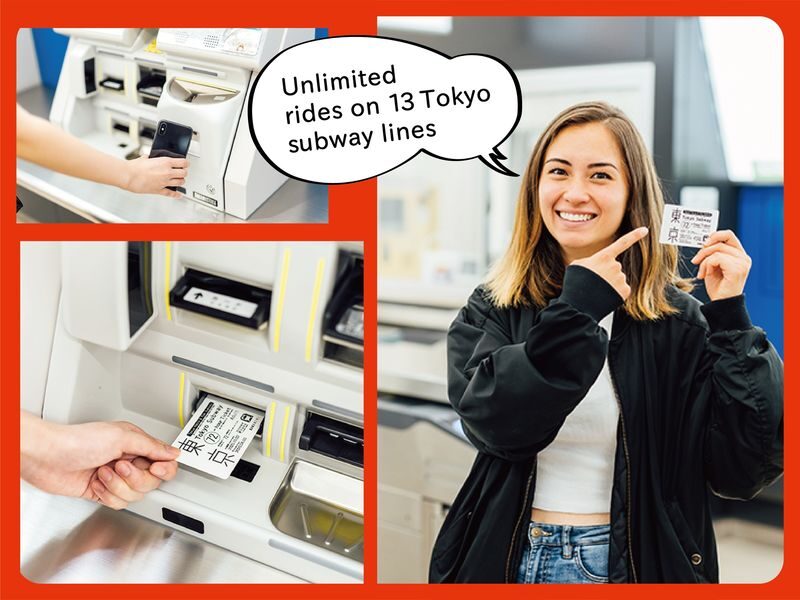
- Does the pass include Tokyo subway rides?
- Are special exhibitions included?
- Can I visit the same attraction more than once?
- Can I leave an attraction and come back in?
- Does each person need a smartphone?
- Is there a child rate?
- How do I get the physical subway ticket?
- Does the Mitsui coupon cover food and drinks?
- The Best Of Tokyo!
- More Tours in Tokyo
- More Tour Reviews in Tokyo
- Not for you? Here's more nearby things to do in Tokyo we have reviewed
Key points to know
 1 / 10
 2 / 10
 3 / 10
 4 / 10
 5 / 10
 6 / 10
 7 / 10
 8 / 10
 9 / 10
 10 / 10
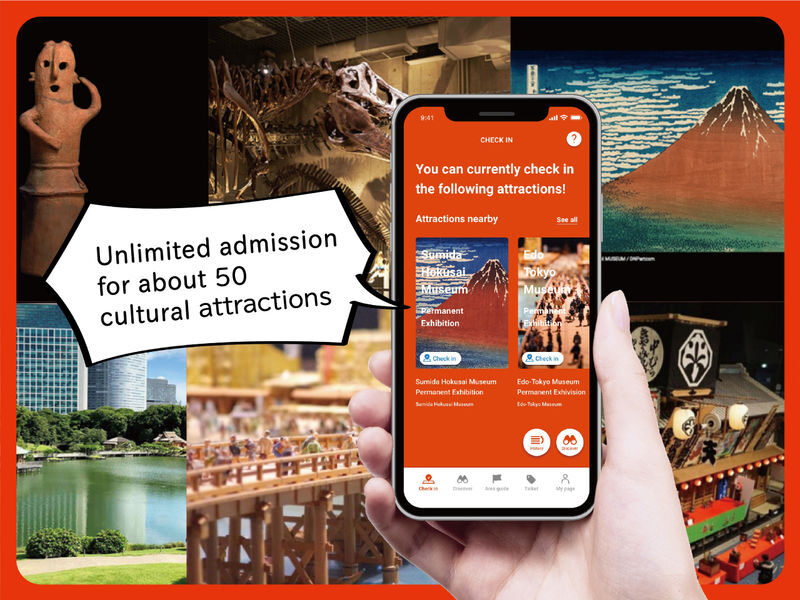
- About 50 included attractions: The list covers museums, gardens, parks, zoos, aquariums and Tokyo Tower’s Main Deck.
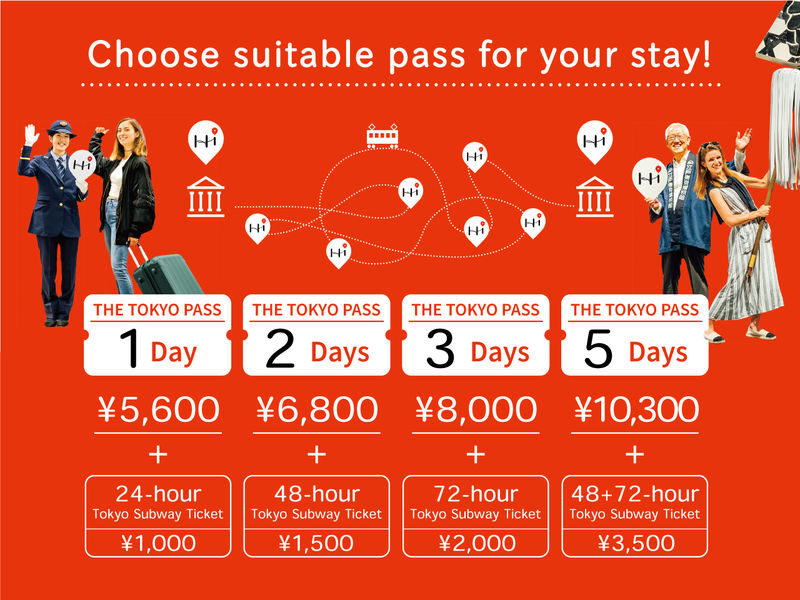
- Choose one to five consecutive days: You can buy an attraction pass alone or pair it with a 24-, 48- or 72-hour Tokyo Subway Ticket, depending on the package.
- It is self-guided: You plan your own route and show the pass at each included attraction. There is no guide or fixed itinerary.
- Plan around opening hours: Each venue sets its own schedule, and special museum exhibitions are not included.
- One visit per attraction: You cannot enter the same venue multiple times or re-enter after leaving.
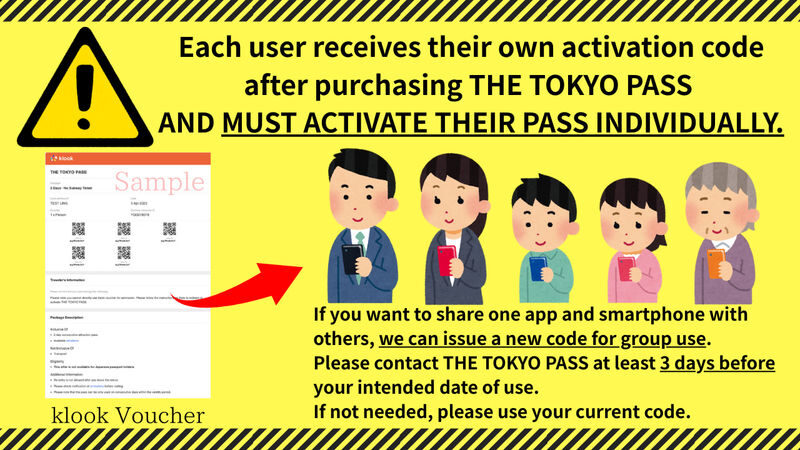
- A smartphone is part of the deal: You activate the pass through the website and app. Each person generally needs a phone and account, though a shared activation code can be requested.

👉 See our pick of the 25 Best Guided Tours In Tokyo
A cultural pass, not a guided tour
THE TOKYO PASS is best thought of as an admission bundle and planning prompt, not a tour with a guide, group or set route. You decide what to see, how long to stay and when to take a break. That freedom is useful in a city where your interests can shift from a garden stroll to a design exhibition in a single afternoon.
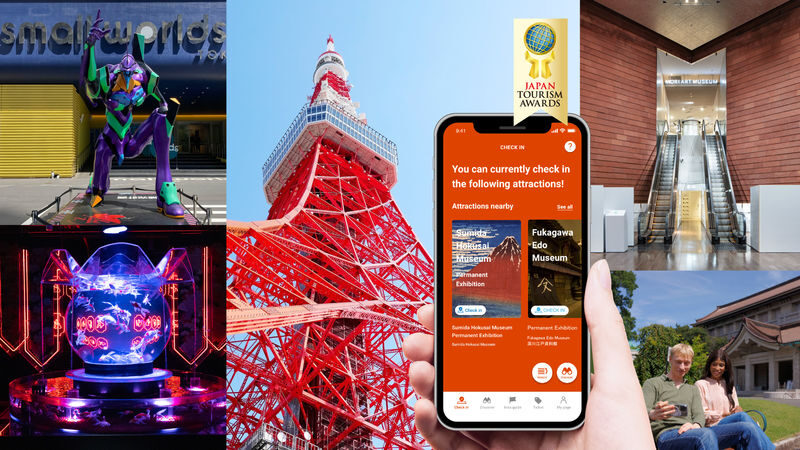
The attraction list includes major names such as the Tokyo National Museum, the National Museum of Western Art, the National Museum of Modern Art, Tokyo, and the Mori Art Museum. It also reaches beyond the usual headline stops, with gardens, smaller art collections, zoos and places such as the Small Worlds Miniature Museum and the Snoopy Museum Tokyo.
The range is the pass’s strongest feature. If you are building a trip around art, Japanese history, gardens or family-friendly stops, it gives you a long menu without requiring you to buy every ticket at the door. But the list can also tempt you into an overpacked schedule. A pass may encourage you to see more, yet it cannot make Tokyo’s distances shorter or a museum visit quicker.
You can also read our reviews of more tours and experiences in Tokyo.



What a day can look like
There is no official itinerary, so the most sensible plan is to group stops by area rather than chase the entire list. One natural cultural day is Ueno: you could pair the Tokyo National Museum with the National Museum of Western Art and Ueno Zoological Gardens. The area offers several included options, but each deserves time. The Tokyo National Museum alone has enough to fill a visit, so rushing through it just to add another entry may not feel like a good trade.
The museums are not interchangeable. The National Museum of Western Art gives you a different collection from the Tokyo National Museum, while the National Museum of Nature and Science offers another angle altogether. The pass is useful here because it lets you choose according to your mood, rather than commit to one kind of cultural stop for the day.
For a garden-focused day, consider places such as Shinjuku Gyoen National Garden, Hama-rikyu Gardens, Rikugien Gardens or Koishikawa Korakuen. You might make one garden the main event, then add a nearby museum or another stop if the timing works. Gardens are not just quick photo breaks: weather, walking pace and the time you want to spend outdoors all affect how many you can comfortably fit in.
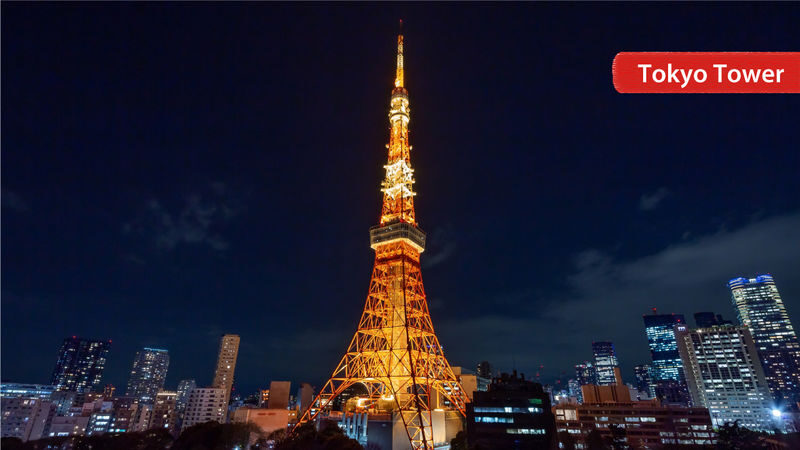
A different route could combine Tokyo Tower’s Main Deck with art and design venues such as 21_21 DESIGN SIGHT, the Mori Art Museum or the Suntory Museum of Art. The tower gives you a city view, while the museums offer a reason to slow down and look more closely. The pass covers admission to the Main Deck, not every possible tower experience, so check the included access before setting your expectations.
For families or anyone drawn to animals and living collections, the options include Ueno Zoological Gardens, Tama Zoological Park, Inokashira Park Zoo, Tokyo Sea Life Park and the Yumenoshima Tropical Greenhouse Dome. These are not small add-ons if you want a proper visit. Give them enough time, and do not assume you can squeeze a zoo, two museums and a garden into the same day without turning your outing into a race.
The attraction list is broad, but check the fine print
The pass includes about 50 popular cultural attractions, though the exact set matters more than the headline number. The list ranges from large public museums to private galleries and specialized venues. For example, you can choose the Edo-Tokyo Open Air Architectural Museum, Fukagawa Edo Museum, the Sumida Hokusai Museum or the Tokyo Photographic Art Museum, depending on what interests you.
Some entries are notable for their particular focus. The Edo-Tokyo Open Air Architectural Museum offers a different kind of visit from a conventional gallery, while the Art Aquarium Museum GINZA, Small Worlds Miniature Museum and Snoopy Museum Tokyo bring a more specialized or pop-culture angle. That variety is part of the appeal: the pass can help you find a stop you might not have placed on your original list.
Still, an included venue does not mean every exhibition or service is included. Special exhibitions at museums are excluded, and individual facilities may have their own notices, opening hours or conditions. Check each attraction’s current information before setting out. Also, the pass allows one admission per attraction, with no re-entry after you leave. If you step out for lunch, you should not count on coming back in on the same pass.
Does it save money?
The starting price is listed at $35.39, but the actual cost depends on the package and may change. The useful question is not whether the pass sounds inexpensive. It is whether the total admission price of the places you genuinely want to visit exceeds the pass price, after accounting for the time it takes to get between them.
That calculation can be tighter than it first appears. Many museums and gardens have modest individual admission fees, so a light schedule may cost less when paid site by site. The pass makes more sense when you already plan to visit several included attractions on each valid day, especially when they are close enough to combine without spending much of the day in transit.
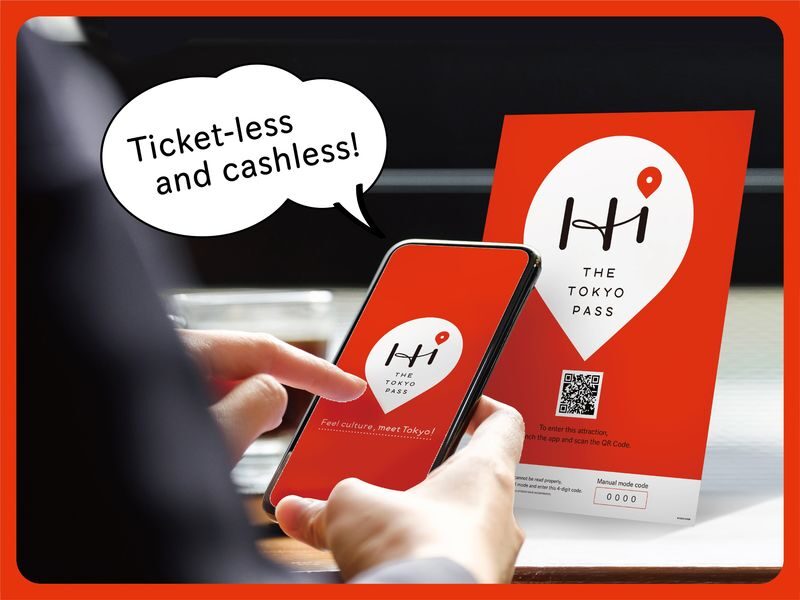
There is another kind of value: convenience. You can show a QR code instead of buying a separate admission ticket at each stop, though the exact entry process varies by venue. Some places require you to scan the code at a ticket counter, while others accept it at an entrance or inspection point. This can save time, but it is not a promise that every door works in exactly the same way.
Treat the pass as a reason to explore, not a dare to cram in as many stops as possible. A visit to the Tokyo National Museum may be more rewarding than ticking off three smaller venues in a hurry. If you value unhurried time, compare the admission cost of your short list before you buy.
The subway add-on needs its own calculation
The attraction pass does not include transport by default. Some packages add a Tokyo Subway Ticket for unlimited rides during a 24-, 48- or 72-hour period. The pass options vary: for instance, a three-day attraction pass can be paired with a 72-hour subway ticket, while a five-day attraction pass may come with a 48-hour and a 72-hour ticket.
The subway ticket can be useful if your plans involve frequent rides on the subway network covered by that ticket. But it is not a general Tokyo transport pass. It does not cover every rail service, and it is not a substitute for a stored-value IC card when you need to use other lines. In particular, do not assume it covers airport rail services such as the Keikyu line. Check which transport you will use and compare the fare with the cost of the add-on.
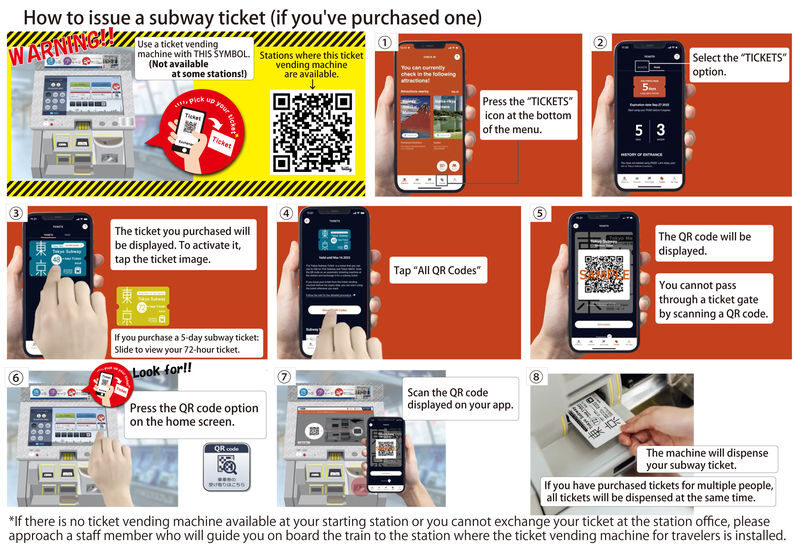
There is also a small practical step: to get the physical subway ticket, display its QR code at a ticket vending machine in a subway station. Finding the right machine may take a little attention, so do not leave the exchange until you are already hurrying to a train. If you use an iPhone with a Suica card in Apple Wallet, one useful precaution is to keep the phone’s stored card from being read by the machine instead of the ticket QR code.
If your itinerary is built around attractions that are not near subway stations, or you expect to rely on other rail lines, the subway option may add less value than it seems. The attraction pass and the transport ticket are separate decisions, even when sold together.






Activation and entry, without surprises
After buying through Klook, you use the voucher number, also called the activation code, to sign up on THE TOKYO PASS website. Then download the app for iOS or Android, log in and use the pass to enter attractions. This is not a physical card, so set it up before you arrive at your first venue rather than trying to create an account in a queue.
The standard setup expects each person in your group to have a smartphone, create an account and download the app. If that is inconvenient, a single activation code can be issued for a group by contacting the provider. Confirm that arrangement in advance; it is better than discovering at the gate that one phone is meant to manage several admissions.
The attraction pass is valid for consecutive days, not scattered dates. Once activated, plan to use it on the days in a row that match your selected package. The voucher itself is valid until December 31, 2026, but that date is not the same as permission to spread your pass days across a longer stay.
The pass is available at adult rates only, and the activity has no age limit. That means the attraction pass does not offer a child-rate option, even if a particular venue might otherwise have its own pricing rules. Check the facility details if you are travelling with children.
The Mitsui coupon is a bonus, not the main event
Each package includes a Mitsui coupon offering up to 10% off at participating shops, along with tax-free shopping and an original gift. To use it, show the QR code at an information desk in a participating commercial facility. Some locations have different exchange points, so check the listed instructions rather than assuming every gift is collected at the same counter.
The coupon has limits. Food and drinks at selected restaurants and cafés are excluded, as are some facilities and stores. It may be handy if your plans already include a participating shopping centre, but I would not buy the pass for the coupon alone. The attraction admissions should do the heavy lifting in your value calculation.
Who gets the most from THE TOKYO PASS?
This pass suits independent visitors who like museums, gardens, design, history or zoos and want room to change plans. It can be especially useful on a first Tokyo visit, when you may appreciate having a ready-made list of places to consider. It also works for repeat visitors who want to build a few days around collections or neighbourhood attractions rather than shops and restaurants.
It is less compelling if your itinerary is already full of activities outside the pass, you expect to see only one or two included venues, or you prefer long, unhurried visits. Rain can make indoor museums more appealing, while poor weather can weaken the case for a garden-heavy schedule. The pass gives you flexibility to shift toward covered attractions, but only if you have checked which venues are open and planned your routes.
Before buying, make a short list of the places you would visit even without the pass. Check their admission costs, opening hours and locations, then add up the likely total. If the pass saves money or gives you useful flexibility, it is a good fit. If you are trying to invent an itinerary just to recover the cost, individual tickets may be the calmer choice.
Should you book it?
Book THE TOKYO PASS if you have a clear appetite for Tokyo’s museums, gardens, animal attractions and cultural sites, and can group several visits across consecutive days. Its best qualities are the breadth of choice and the freedom to adapt your plans, with the optional subway ticket adding value for the right route.
Skip it, or choose a shorter version, if your plans are uncertain, you want only a couple of paid attractions, or the subway add-on does not match the lines you need. A little planning makes the difference between a useful cultural pass and an expensive nudge to hurry.
THE TOKYO PASS
“The Tokyo Pass experience was excellent. The redemption process was smooth with no technical issues. There are still many attractions I haven't use…”
FAQ
What does THE TOKYO PASS include?
It includes admission to about 50 participating Tokyo attractions, such as museums, gardens, parks, zoos, aquariums and Tokyo Tower’s Main Deck. Each package also includes a Mitsui coupon. A subway ticket is included only with selected packages.
How many days can I buy?
Available attraction pass options cover one, two, three or five consecutive days.
Does the pass include Tokyo subway rides?
Only packages that specifically include a Tokyo Subway Ticket provide unlimited rides during the ticket’s stated 24-, 48- or 72-hour validity period. The attraction pass by itself does not include transport.
Are special exhibitions included?
No. Special exhibitions at museums are not included in THE TOKYO PASS.
Can I visit the same attraction more than once?
No. You cannot use the pass to enter the same attraction multiple times.
Can I leave an attraction and come back in?
No. Re-entry is not allowed after you leave the venue.
Does each person need a smartphone?
The standard activation process requires each person to have a smartphone, create an account and download the app. A single activation code for a group can be requested.
Is there a child rate?
No. THE TOKYO PASS is available at adult rates only. The activity itself has no age limit.
How do I get the physical subway ticket?
If your package includes a Tokyo Subway Ticket, display its QR code at a ticket vending machine in a subway station to issue the physical ticket.
Does the Mitsui coupon cover food and drinks?
Not in selected restaurants and cafés. Some facilities and stores are also excluded. The coupon offers up to 10% off at participating shops, tax-free shopping and an original gift, subject to the stated conditions.