Tsukiji is more than a place to shop for seafood. It is a working market district with a temple, food stalls, and a long connection to Tokyo’s fish trade. On this two-hour walk, a guide leads you through Tsukiji Hongan-ji and the Outer Market, adding context and helping you make sense of what you see.
I like two things in particular: a guide can translate and help you talk with vendors, and the walk links the market’s past with Tokyo’s newer fish-market story. Guides Masa, Yuka, Keiko, and Hitomi have also tailored food suggestions to guests’ interests. One point to check before you book: the tour information describes tastings and lunch, but also says meals and drinks are not included, so your exact package matters.
- Key points to know before you go
- A useful introduction to Tsukiji
- Starting at Tsukiji Hongan-ji Temple
- Walking the Tsukiji Outer Market
- The old market and the new fish-market story
- Caretta Shiodome and the return
- What the guides add
- Is the price good value?
- Practical details worth knowing
- Should you book the Tsukiji walk?
- FAQ
- Where does the tour start?
- How long does the tour last?
- What places are included on the route?
- What language does the guide speak?
- Are food and drinks included?
- How much does the tour cost?
- Is there an age limit?
- Can I bring a stroller or use a wheelchair?
- Should I bring cash or luggage?
- The Best Of Tokyo!
- More Walking Tours in Tokyo
- More Tours in Tokyo
- More Tour Reviews in Tokyo
- Not for you? Here's more nearby things to do in Tokyo we have reviewed
Key points to know before you go
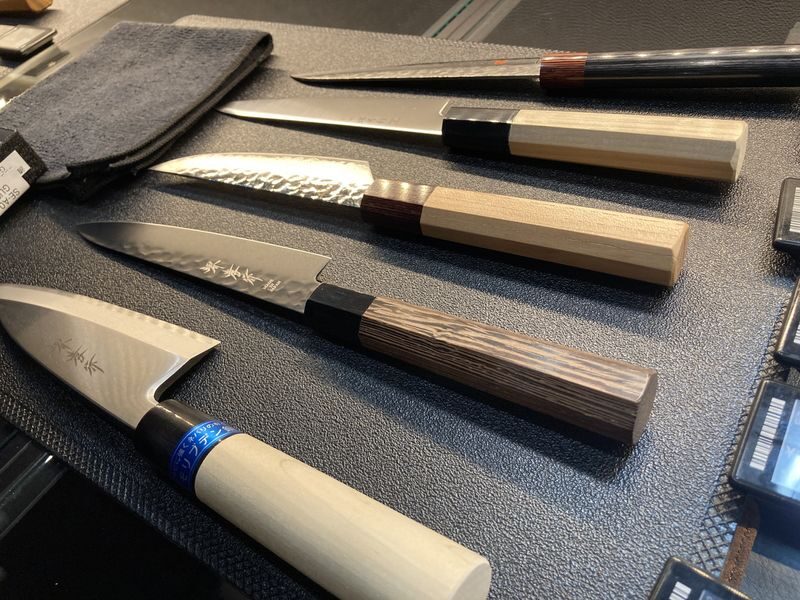
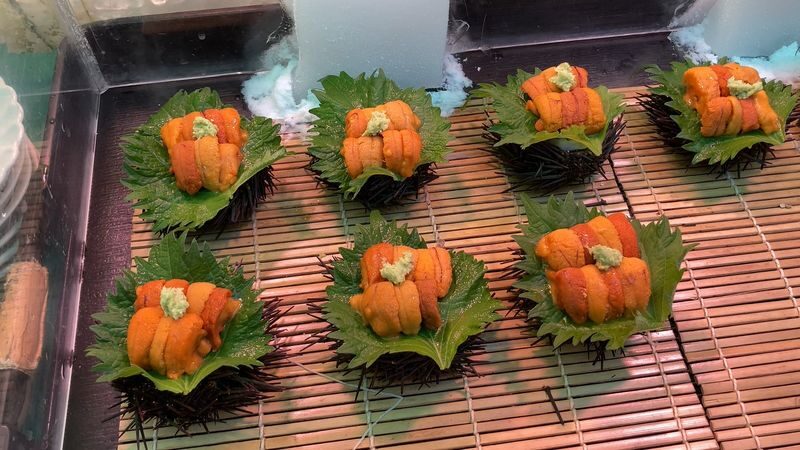
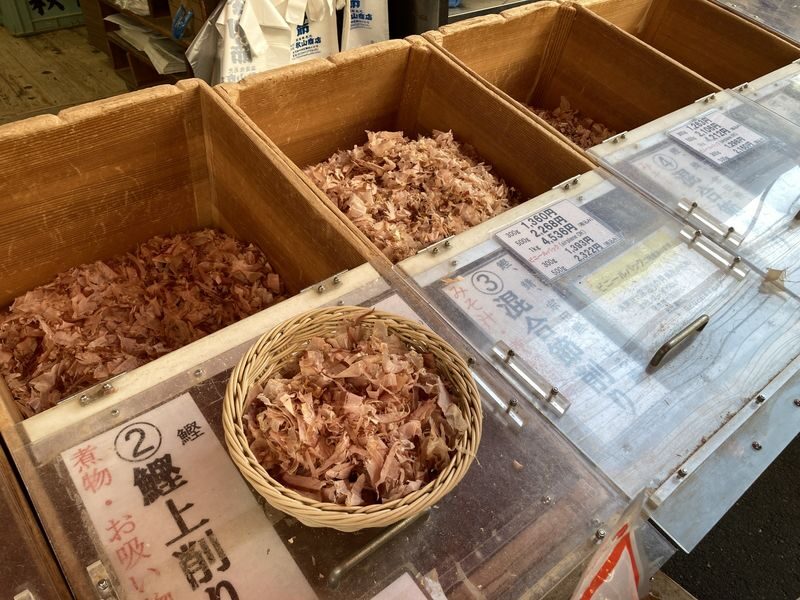
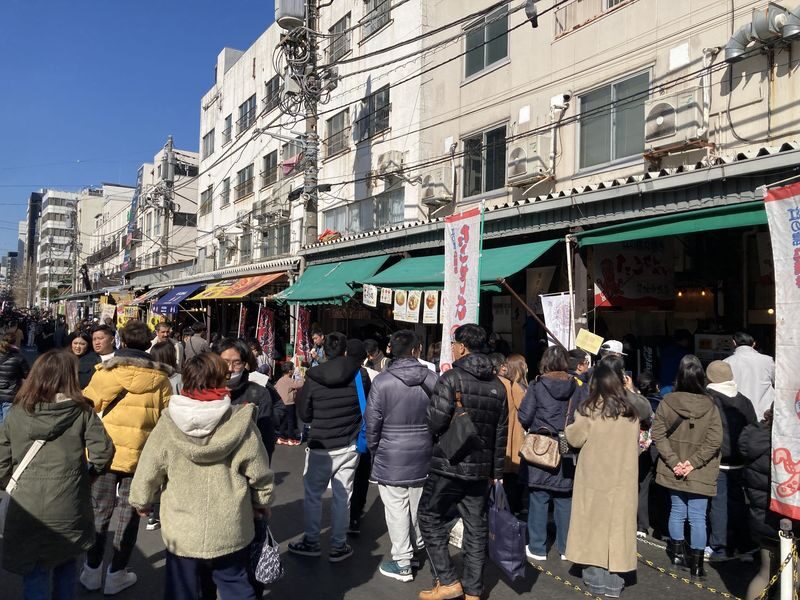
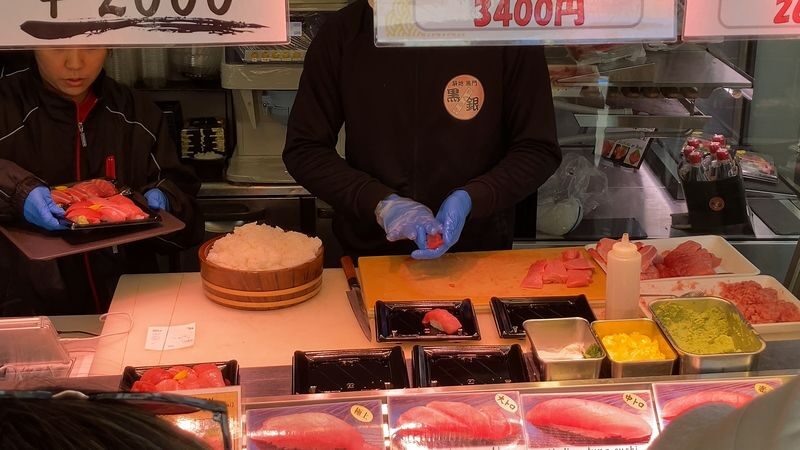
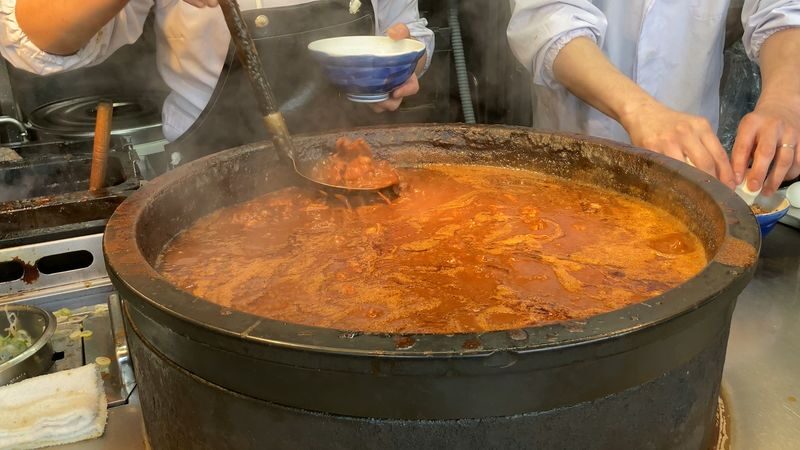
- The walk begins at Tsukiji Hongan-ji: Meet at the temple’s main gate at 10:00, five minutes before departure.
- The Outer Market is the main event: Expect a guided walk through Tsukiji’s food stalls and market lanes.
- A guide can help with language and food choices: Past guides have translated for visitors and suggested foods to try.
- The tour lasts about two hours: The planned route includes Tsukiji Hongan-ji, the Outer Market, and Caretta Shiodome.
- Packages are priced very differently: The Explore Hidden Gems Tour starts at US$25.25, while the Culture Walking and Food Tour starts at US$88.29.
- Confirm meal details before paying: Meals and drinks are listed as excluded, despite descriptions that refer to tastings and a seafood lunch.

👉 See our pick of the 25 Best Guided Tours In Tokyo
A useful introduction to Tsukiji
Tsukiji is often treated as a quick food stop, but it makes more sense when you know what you are looking at. The walk pairs the market with Tsukiji Hongan-ji Temple and an introduction to the old and new fish markets. That context can turn a string of stalls into a place with a story.
The guide is also useful in practical ways. If you do not speak Japanese, help with translation can make it easier to ask a vendor a question or understand a food recommendation. You still choose what to buy and eat, but you do not have to approach the market entirely on your own.
The supplied tour information names two versions: Tokyo Tsukiji Fish Market Walk and Explore Hidden Gems Tour, from US$25.25, and Tokyo: Tsukiji Fish Market Culture Walking and Food Tour, from US$88.29. Those are not interchangeable prices for one clearly defined package. Check the name, inclusions, and meal details on the option you select.
You can also read our reviews of more walking tours in Tokyo


Starting at Tsukiji Hongan-ji Temple
The meeting point is in front of the temple’s main gate. Your guide is described as holding a Fantasy Travel logo sign, and you should arrive five minutes before the 10:00 start. That small buffer is worth taking seriously: latecomers and no-shows are not eligible for a refund.
The temple is a fitting first stop because the tour is not only about seafood. The route gives you a chance to learn about the site and its customs before moving into the market. One visitor specifically appreciated learning about shrine customs during the walk, so bring questions if religious sites and local practice interest you.
The schedule allows only a short stop here, beginning at 10:05. Do not expect a lengthy temple visit. Think of it as a brief orientation that sets the scene, then leaves most of the morning for the market.
Walking the Tsukiji Outer Market
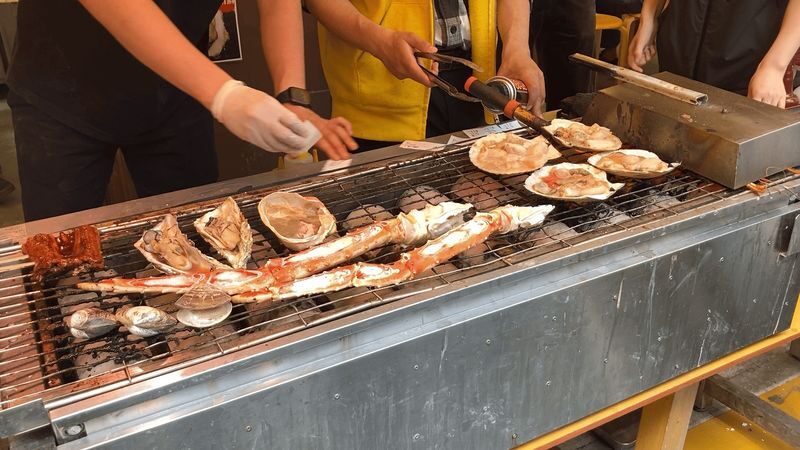
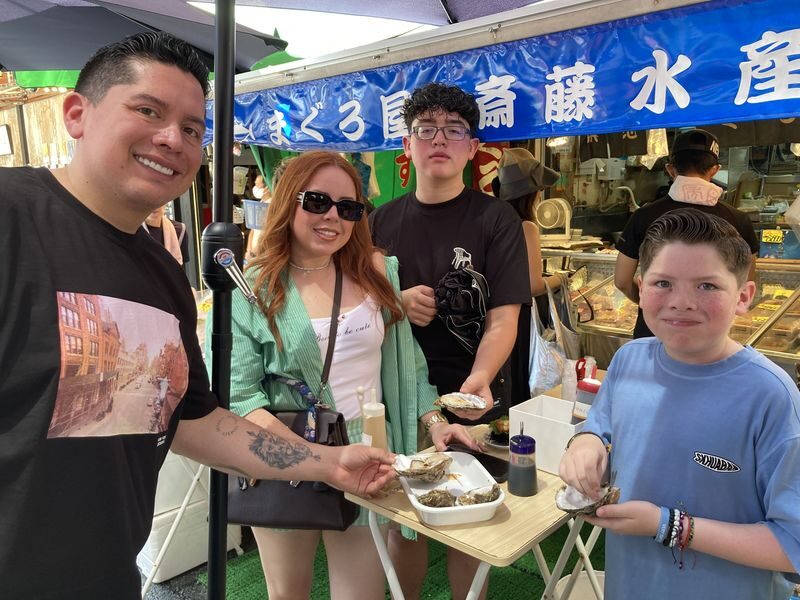
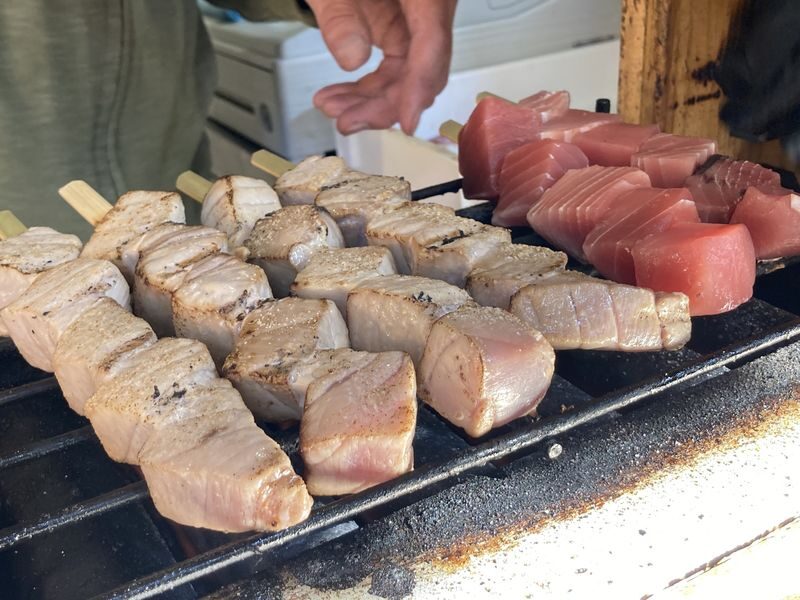
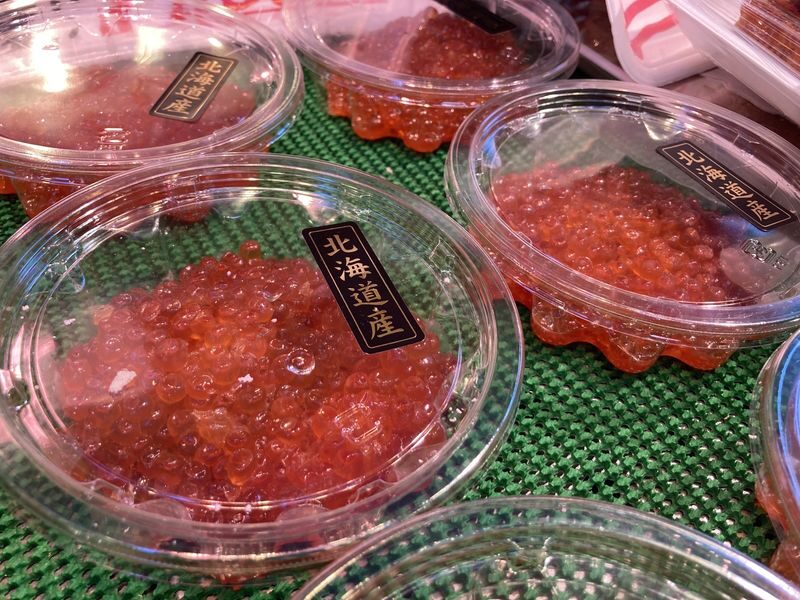
At about 10:15, the guide takes you into the Outer Market for the heart of the tour. This is where you can look around at the food businesses and market lanes while hearing about Tsukiji’s history and its place in Tokyo’s fish trade. A guide helps you connect those details to the market in front of you instead of simply wandering from stall to stall.
Food is part of the appeal, but be clear about what you are buying. The experience description refers to street-food tastings and a seafood lunch at a tucked-away restaurant. Yet the inclusion details say meals and beverages are not included. Since the two available packages have different names and prices, do not assume tastings or lunch are covered unless your chosen option explicitly says so.
If food is not included, bring cash for anything you decide to try. The tour information specifically recommends carrying cash and excludes personal expenses. That gives you flexibility to follow your appetite, but it also means your total cost can rise beyond the booking price.
The market walk is a good fit if you enjoy choosing food with a little help. Guides have suggested what to try and adjusted recommendations to suit individual interests. A guide can also translate with vendors, which can make a short purchase less of a guessing game. You are not promised a particular dish, stall, or tasting, so treat the walk as an introduction rather than a fixed menu.
The walking portion lasts until roughly 11:30. The supplied details do not state the group size, so you should not count on either a private outing or a specific number of people. One past booking was for a group of two, but that does not establish the usual group size.
The old market and the new fish-market story
A central aim of the tour is to explain the history of the old fish market and the new fish market. That distinction matters because Tsukiji’s identity is tied to change: the name remains closely linked with Tokyo seafood, even as the city’s fish-market story extends beyond the Outer Market.
The tour is not described as a visit inside the new market. Instead, it offers an overview of both old and new market history as part of a walking route through Tsukiji. If you are expecting access to wholesale trading floors or a close look at auctions, the details provided do not promise that. This is better understood as a neighborhood and culture walk, with food as a possible part of the visit.
Caretta Shiodome and the return
At around 11:30, the route lists Caretta Shiodome as another guided stop, with the tour ending around 12:00. The available information does not explain what the guide covers there, so I would not book on the assumption that this is a major attraction or a long visit. It is part of the route, but Tsukiji remains the clear focus.
The return information names Tsukiji Station and Tsukiji Hongan-ji Temple. Since the exact phrasing gives both, check your confirmation for the precise end point before arranging your next stop. The schedule may also change with weather or traffic conditions, so leave a little room in your plans after the tour.
You can also read our reviews of more food & drink experiences in Tokyo



What the guides add
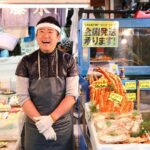
The human side of this tour is its strongest feature. Masa is named several times as a guide who explained the Outer Market, offered food recommendations, and adjusted the walk to guests’ interests. Visitors also praised Yuka for being thoughtful and flexible about food preferences, and described Keiko as personable and informative.
Hitomi is noted for answering questions, finding out when she was unsure, helping someone locate a luggage locker, and sending photos after the walk. Those are useful examples of the kind of personal attention that can make a short guided tour feel less like a march through a checklist. They are not guaranteed services, but they give you a sense of the guide-led approach.
English- and Japanese-speaking guides are included. The information does not promise that every guide speaks both languages at once, so check the language offered for your chosen date if that is important to you.
Is the price good value?
At US$25.25, the Explore Hidden Gems option is an affordable way to get a guided introduction to Tsukiji. That price may work well if your main priorities are local context, help navigating the market, and food suggestions. Budget separately for anything you eat or drink unless your booking clearly includes it.
The Culture Walking and Food Tour starts at US$88.29, a much higher price. It may be worth considering if the selected package clearly includes the food experience you want, but the information provided does not settle that question. The listed exclusions say meals and beverages are not included, while the tour description mentions tastings and lunch. Before booking the more expensive option, confirm exactly what food is covered and what you will pay on the day.
In either case, value depends on how much you want a guide. If you are comfortable exploring and choosing food by yourself, you may prefer to spend the money directly at the market. If you want historical context, translation, and tailored recommendations in a compact two-hour visit, the guided format offers more than a route map.
Practical details worth knowing
The tour has no age limit and is listed as accessible for wheelchairs and strollers. Pets are prohibited. No luggage storage or delivery service is provided, so make other arrangements if you are carrying bags.
Bring cash for personal purchases and arrive early at the temple gate. Confirmation should arrive within 24 hours; if it does not, contact customer support. The voucher is valid only for the specified date and time. Cancellation details are not provided here, so check the policy before booking.
Should you book the Tsukiji walk?
Book this tour if you want a short, guided introduction to Tsukiji and value help with market history, food choices, and translation. The strongest reason to go is the guide’s role: names such as Masa, Yuka, Keiko, and Hitomi are associated with personal recommendations and attentive help. That can make the market easier to approach, especially on a first visit.
Skip it if you mainly want a guaranteed seafood lunch and have not confirmed that your package includes one. The meal information is inconsistent, and the price difference between the two options is substantial. Choose the lower-priced walk for guidance and context, or select the more expensive food tour only after confirming its exact inclusions.
Tokyo: Tsukiji Fish Market Culture Walking and Food Tour
“Our tour guide was delightful 😊 it was so good to experience the ins and outs of the markets with a knowledge guide. Thank you kindly.”
FAQ
Where does the tour start?
Meet in front of the main gate of Tsukiji Hongan-ji Temple. The meeting time is 10:00, and you are asked to arrive five minutes early.
How long does the tour last?
The planned tour runs from 10:00 until about 12:00.
What places are included on the route?
The schedule lists Tsukiji Hongan-ji Temple, Tsukiji Outer Market, and Caretta Shiodome. It also gives Tsukiji Station and Tsukiji Hongan-ji Temple as return-location details.
What language does the guide speak?
The included guide is listed as English- or Japanese-speaking. Check the language for your selected tour when booking.
Are food and drinks included?
The information is inconsistent. The description refers to street-food tastings and a seafood lunch, but the inclusion details say meals and beverages are not included. Confirm the exact package inclusions before booking.
How much does the tour cost?
The Explore Hidden Gems Tour starts at US$25.25. The Culture Walking and Food Tour starts at US$88.29.
Is there an age limit?
No. The activity is listed as having no age limit.
Can I bring a stroller or use a wheelchair?
The activity is listed as stroller- and wheelchair-accessible.
Should I bring cash or luggage?
Cash is listed among the items to bring. Luggage storage and delivery services are not provided.