At this Tatekawa sumo show, you get close to real wrestlers without needing to understand the rules first. I like that the host explains the sport as you watch, and that the session can move from ritual and technique to a comic, hands-on challenge in the ring.
I also like the meal option: tonkatsu and chanko nabe, the hot pot associated with sumo wrestlers, are prepared by the wrestlers themselves. The trade-off is that this is an introduction and performance, not a full tournament, and the actual bouts are brief.
- What to know before you book
- Sumo up close, without tournament-day complexity
- The introduction makes the rules easier to follow
- Demonstrations, rituals, and a chance to step into the ring
- Chanko nabe turns lunch into part of the lesson
- Choosing between standard and premium seats
- Getting to Tatekawa and planning the visit
- Is this the right sumo experience for you?
- FAQ
- How long does the sumo show last?
- Where is the venue?
- What is included in the meal package?
- Is the show a real sumo tournament?
- Can I wrestle a sumo wrestler?
- Is seating private?
- Are dietary restrictions or allergies accommodated?
- Are children allowed?
- What is the cancellation policy?
- The Best Of Tokyo!
- More Shows & Entertainment in Tokyo
- More Tours in Tokyo
- More Tour Reviews in Tokyo
- Not for you? Here's more nearby things to do in Tokyo we have reviewed
What to know before you book
 1 / 8
 2 / 8
 3 / 8
 4 / 8
 5 / 8
 6 / 8
 7 / 8
 8 / 8
- You sit beside the ring: Standard ringside seating is shared, with tables of up to 12 people.
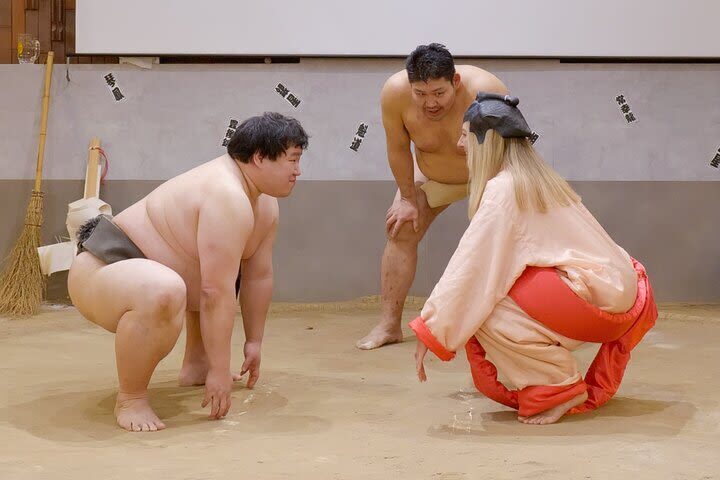
- The show is participatory: You can learn the rules, watch demonstrations, ask questions, and may have the chance to face a wrestler in the ring.
- The meal adds a cultural angle: The lunch option includes tonkatsu and chanko nabe prepared by the wrestlers.
- The program is light-hearted: Expect explanations, performance, and audience involvement rather than long, competitive matches.
- Allow time to find the venue: It is about a five-minute walk north of Kikukawa Station, but some visitors have found the entrance or meeting point hard to locate.
- Choose your seat package carefully: The listed options include Standard Ringside Seat and Premium Frontside Seat, while meal and no-meal packages are also offered.

👉 See our pick of the 25 Best Guided Tours In Tokyo
Sumo up close, without tournament-day complexity
Seeing sumo at close range gives you a better feel for its size, physicality, and ceremony than a quick clip on a screen. This experience is designed to make the sport understandable and entertaining, even if you arrive knowing only that the wrestlers wear mawashi and try to push one another out of the ring.
It is held in Tatekawa, in Sumida City, rather than at a major tournament venue. That distinction matters. You are attending a guided demonstration with ex-sumo wrestlers, not a day of official tournament bouts. The show is a good fit if you want context, conversation, and the chance to take part. If your main goal is to watch extended, high-stakes matches, this format may feel too brief.
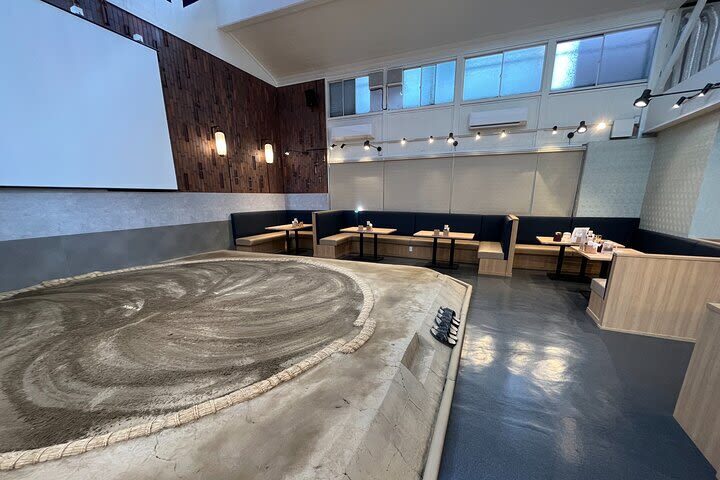
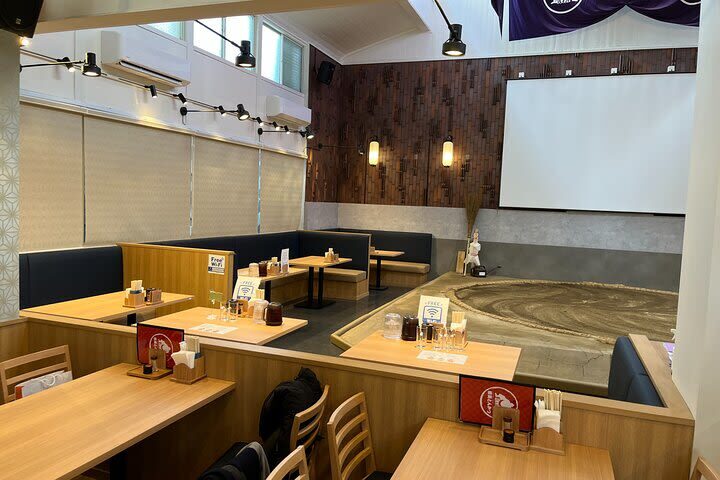
The experience lasts about two hours according to the activity details. Some sessions may finish earlier than that, so avoid planning a tight connection immediately afterward. You will be seated at tables beside the ring, sharing with other parties. The listed standard seating is capped at 12 people per table, which keeps the group close to the action but does not mean you have a private table.
You can also read our reviews of more tours and experiences in Tokyo
The introduction makes the rules easier to follow
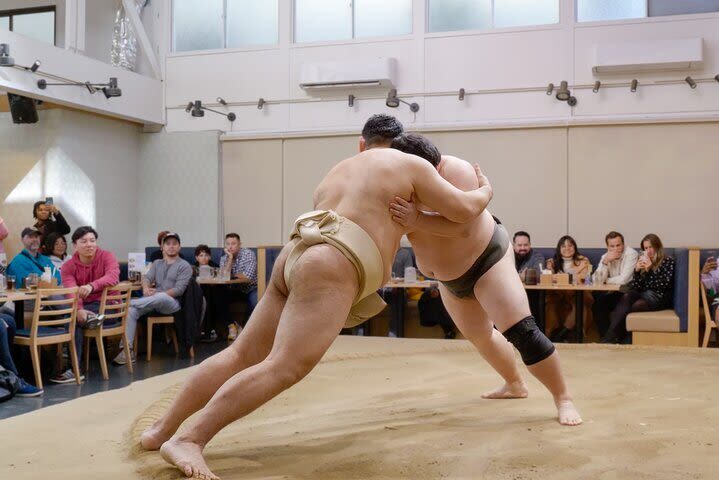
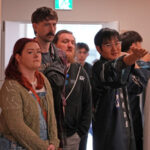
The show starts with an English-speaking host explaining sumo’s background, rules, and customs. That groundwork is useful: once you know what the wrestlers are trying to do, the demonstrations become more than a sequence of shoves and falls. You can watch how they prepare, position themselves, and use balance and force.
The presentation also covers the everyday side of a wrestler’s life, including training and the path through a sumo career. One session may feature different wrestlers from another, so do not book expecting a particular performer. Names mentioned at past shows include Ryu and Otori, Kuma and Jumbo, and Ben and Joe. Host Michi has also been praised for making the explanations lively, but the host and wrestlers may vary by date.
This is a friendly, audience-facing format. The teaching is mixed with humor, so it works well for families and for people who might otherwise find a formal sports explanation dry. It is still a performance built for an international audience. If you already follow professional sumo closely, you may want more technical depth or longer matches than this show provides.
Demonstrations, rituals, and a chance to step into the ring
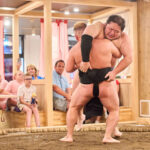
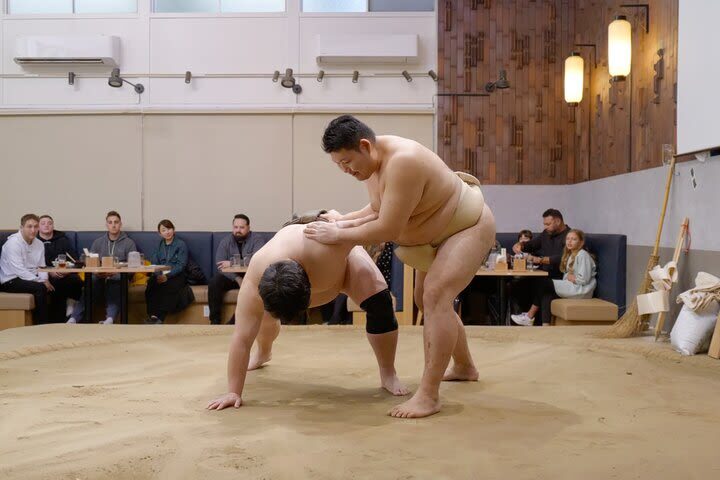
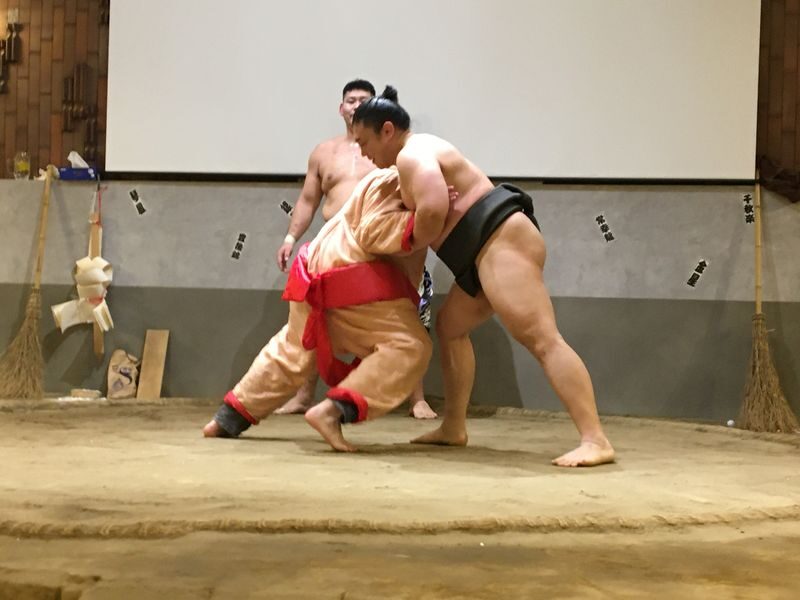
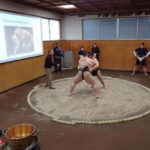
After the introduction, the wrestlers demonstrate sumo techniques and show how a bout unfolds. The demonstrations are the core of the sporting side of the program, but the show does not spend most of its time on full-length fights. Individual bouts can be very short. That is part of the sport’s nature, but it can surprise anyone who expects a long series of matches.
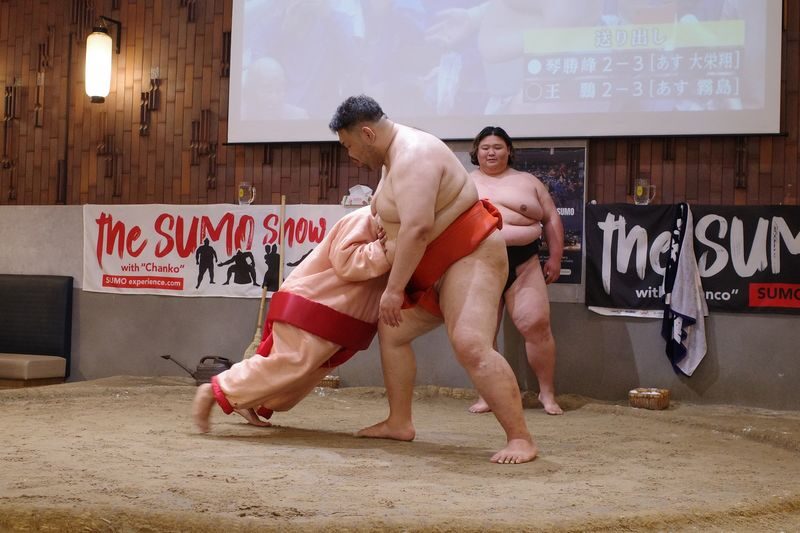
The other part of the program is audience participation. You may be invited to try sumo moves, put on a sumo suit, or challenge a wrestler in the ring. Taking part is optional, and you can have a good time simply watching others give it a go. The wrestlers keep the tone playful, and the challenge is more about feeling the scale and strength of the sport than proving you can beat a professional.
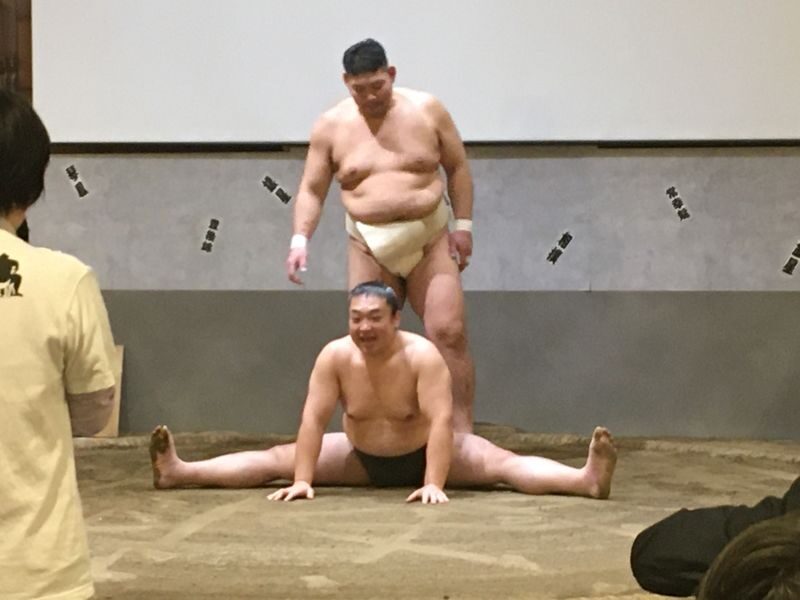
There is often time for questions and photos, too. That makes the encounter feel more personal than a stage show where the performers disappear as soon as the final bow is done. If you are travelling with children or teens, the opportunity to copy the wrestlers’ moves or meet them afterward can be a memorable part of the visit. The activity is family-friendly in spirit, though the free admission rule applies only to children aged 0 to 3 who do not need their own seat.
Chanko nabe turns lunch into part of the lesson
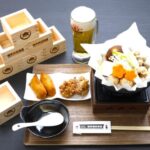
If you book the meal package, lunch includes tonkatsu, a Japanese-style pork cutlet, and chanko nabe, a hot pot associated with sumo wrestlers. The wrestlers prepare the food, giving the meal a direct connection to the subject of the show rather than making it an unrelated add-on.
The combination makes sense after watching how much strength and mass sumo demands. Chanko nabe is filling, and the meal offers a simple way to connect sumo culture with what wrestlers eat. The food has been a particular highlight for many people, though taste is personal and the meal should not be confused with a specialist dining experience. The point is the mix of food, conversation, and sport.
The meal package is popular and can sell out, so book it early if eating there is part of your plan. If you have allergies or dietary restrictions, add them to the reservation notes. The operator says it cannot respond to requests received less than five days before the event, so do not leave that detail until the last minute. Halal food is not provided, so diners who require it should choose accordingly.
Drinks are not included in the listed package details, and the menu has been described as reasonably priced. Other personal expenses are also not included. Check what your chosen package covers before you pay, especially if you are comparing a meal ticket with a no-meal seat.
Choosing between standard and premium seats
The Standard Ringside Seat is the package described in the activity details. Tables sit beside the sumo ring, and the shared seating limit is 12 people. You will be close enough to follow the demonstrations and see the wrestlers clearly, but you should expect to share space with people outside your party.
A Premium Frontside Seat is also offered. The supplied details do not spell out its exact position or extra benefits, so check the package description at booking rather than assuming it includes a private table or a meal. The seat category and meal option are separate decisions to verify before confirming.
The starting price is $114.49, but the final cost depends on the package and date. For that amount, value comes from the full combination: English-language explanations, a close demonstration, possible audience participation, and, with the meal package, lunch prepared by the wrestlers. It is less compelling if you only want to watch competitive sumo. One family found the no-meal version expensive for the length of the show, a fair point to consider if you are paying for several people.






Getting to Tatekawa and planning the visit
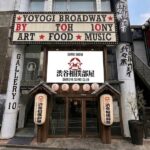
The address is 3 Chome-1-11 Tatekawa, Sumida City, Tokyo 130-0023. The venue is about a five-minute walk north of Kikukawa Station. That sounds straightforward, but the location has been tricky for some people to find, and the venue is not in the middle of a major sightseeing district. Give yourself extra travel time, save the full address, and check your route before leaving. One family recommends allowing about 40 minutes from the main tourist areas, though your actual trip will depend on where you start.
Arrive with enough time to locate the entrance and understand where to wait. The show is not a private booking, and the room may have shared tables, so do not expect to arrive and claim a table for your party alone. Your voucher is valid only for the date and time specified.
The activity provider is Beauty of Japan. Confirmation is usually sent within minutes; if it does not arrive, contact Klook customer support. The standard cancellation terms allow a full refund if you cancel at least 48 hours before the activity date, based on local time. Late arrivals and no-shows are not eligible for refunds or changes. In severe weather or other unforeseen circumstances, the operator may cancel and offer a reschedule or refund, subject to its approval.
Is this the right sumo experience for you?
Book this if you want an accessible introduction to sumo, a chance to meet wrestlers, and a lively activity that gives children and adults something to do together. The meal option is especially appealing if you want to try chanko nabe in a setting tied to the sport. I would choose it for a first visit to sumo, or as a relaxed cultural stop between Tokyo’s larger attractions.
Skip it if your priority is watching a long sequence of serious bouts or getting the atmosphere of an official tournament. The show is short on actual wrestling and long on explanation, comedy, and participation. That balance is the point, but it is also the main thing to understand before paying.
The SUMO Show in Tokyo
“Amazin show. Excellent food. I will do it again!”
FAQ
How long does the sumo show last?
The activity details give a duration of two hours. Some sessions may finish earlier, so leave room in your schedule afterward.
Where is the venue?
It is at 3 Chome-1-11 Tatekawa, Sumida City, Tokyo 130-0023, about a five-minute walk north of Kikukawa Station.
What is included in the meal package?
The meal option includes lunch with tonkatsu and chanko nabe. The food is prepared by the wrestlers.
Is the show a real sumo tournament?
No. It is a demonstration and introduction featuring sumo wrestlers, with explanations and audience participation. The bouts are brief rather than a full tournament program.
Can I wrestle a sumo wrestler?
The show may offer audience members the chance to challenge a wrestler, and some sessions include sumo suits. Participation is optional.
Is seating private?
No. Seating is shared, and the listed Standard Ringside Seat uses tables for up to 12 people.
Are dietary restrictions or allergies accommodated?
Add them to the reservation notes when booking the meal option. Requests received less than five days before the event may not receive a response. Halal food is not provided.
Are children allowed?
Yes. Children aged 0 to 3 can attend free if they do not occupy a separate seat.
What is the cancellation policy?
A full refund is available if you cancel at least 48 hours before the activity date, in local time. Late arrivals and no-shows are not eligible for refunds or changes.