Taiko is not a quiet instrument. In this 50-minute class near Shinjuku, you learn to strike a Japanese drum with enough force to feel the beat in your arms, then work simple rhythms into a short group performance. Instructor Naoichi Hanada leads the lesson, and the activity is designed for beginners.
I like two things in particular: Hanada adjusts the exercises for different skill levels, and the meeting point at JR Okubo Station keeps this short activity easy to fit into a Tokyo day. The class also gives you something more active than a demonstration: you pick up the sticks and make the sound yourself.
One consideration: this is a short introductory lesson, not an extended course or a grand stage show. The studio is small and practical, and the focus is on learning a few rhythms rather than mastering the full art of taiko.
- You play from the start: Learn basic strikes and rhythms, then combine them into a short piece.
- Instruction adapts to the group: Hanada has taught both first-timers and more experienced drummers, adjusting the challenge as needed.
- Expect a workout: Strong, steady drumming takes effort. Stretchy clothes are a sensible choice.
- The setting is compact: The studio is close to Okubo Station, but it is not a large performance hall filled with drums.
- Plan for 50 minutes: Arrive 15 minutes early, and allow for the possibility that the session may feel shorter than the scheduled time.
- From Okubo Station to the Drum Room
- Learning the First Taiko Beats
- Turning Rhythms Into a Short Piece
- What the Studio Is Like
- The Instructor Makes the Difference
- Is .89 Good Value?
- Who Should Book This Class?
- Should You Book It?
- FAQ
- How long is the taiko class?
- Where is the meeting point?
- What time should I arrive?
- How do I get to JR Okubo Station?
- What should I wear?
- Do I need previous drumming experience?
- What is the minimum age?
- Is there a maximum age?
- What is included in the price?
- How do I show my booking?
- The Best Of Tokyo!
- More Tours in Tokyo
- More Tour Reviews in Tokyo
- Not for you? Here's more nearby things to do in Tokyo we have reviewed
From Okubo Station to the Drum Room
The class begins at the South Exit of JR Okubo Station, at the Family Mart meeting point at 1-23-21 Hyakunincho in Shinjuku. Take the Chuo Line to Okubo Station, and arrive 15 minutes before the scheduled start. The listed meeting time is 18:00, so check your booking for the time that applies to your session.
The venue is close to the station, which makes this an easy activity to add to a Shinjuku-area day without planning a long trip across Tokyo. The instructor meets the group outside and leads you to the lesson space. Make sure you know where to wait, and keep an eye on any messages with meeting instructions.
A small logistical detail matters here: the class is scheduled for about 50 minutes, and late arrivals or no-shows are not refundable. If you are navigating the station for the first time, give yourself a little breathing room rather than aiming to arrive at the last minute.

👉 See our pick of the 25 Best Guided Tours In Tokyo
Learning the First Taiko Beats
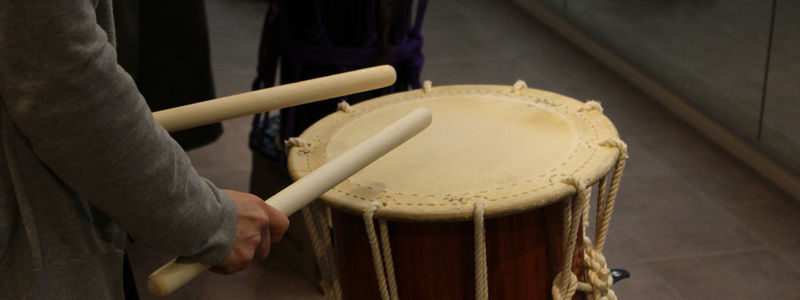
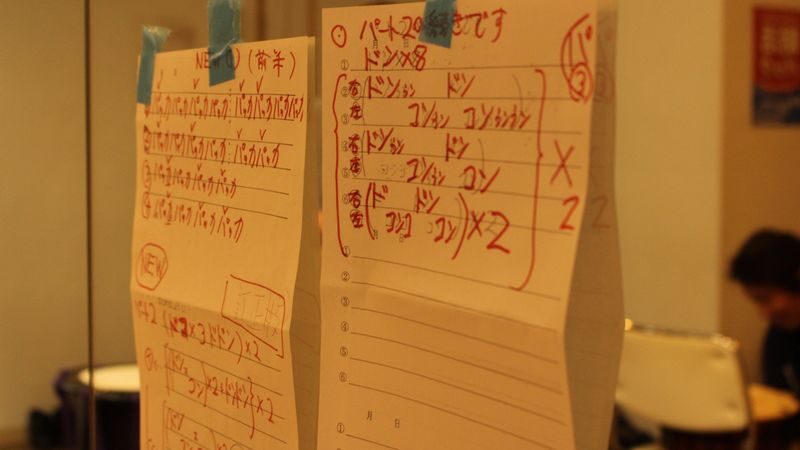
The lesson starts with the fundamentals. Your instructor demonstrates how to use the sticks and make the basic strikes, then guides you through simple rhythms. You do not need musical experience, and you are not expected to arrive knowing how to read notation or keep a drummer’s pace.
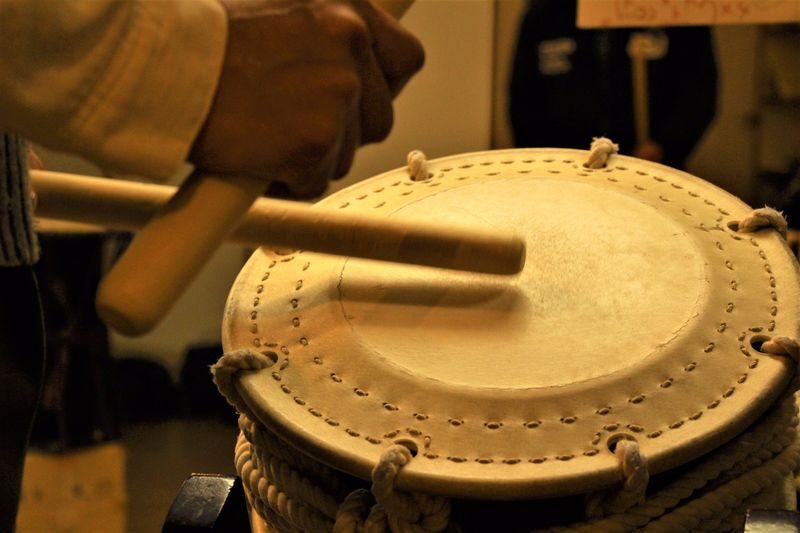
Taiko is physical as well as musical. The drums can produce a forceful, far-reaching sound, but getting a clear tone takes more than hitting as hard as you can. The activity description notes that playing can make you sweat, so think of this as a light workout with a musical goal. Stretchy clothing will let you move more comfortably.
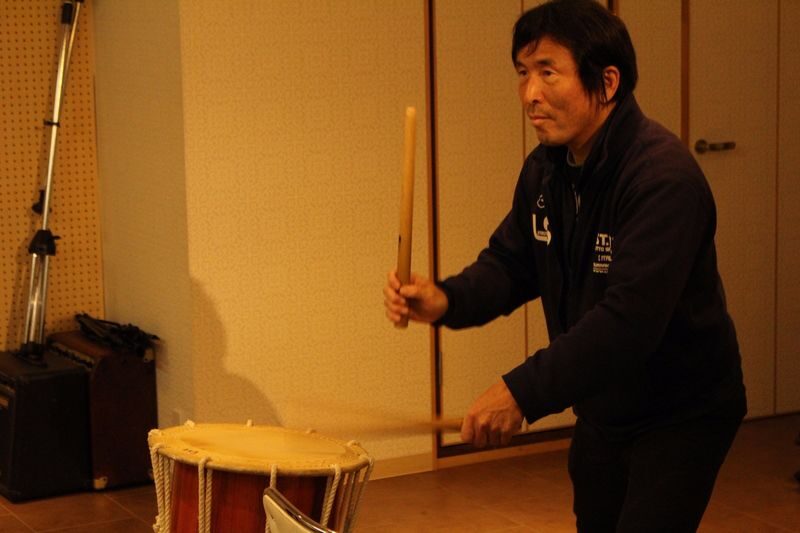
Hanada’s teaching style is a key part of the appeal. He is described as patient, funny, and encouraging, and he has been able to tailor a lesson for mixed groups, from people who have never held drumsticks to participants with percussion experience. If a rhythm proves tricky, you can work on a simpler version while a more advanced player tries a harder pattern.
The instruction is practical and hands-on. Expect to listen, copy a beat, repeat it, and build from there. That simple pattern may feel repetitive to someone hoping for a deep music lesson, but it is a useful way to get the group playing together quickly.
You can also read our reviews of more tours and experiences in Tokyo.



Turning Rhythms Into a Short Piece
Once you have the basics, the class moves through additional rhythms and percussion methods. The aim is to combine what you have learned into a short song or group piece. It is a satisfying finish: even if your timing is still a little wobbly, you have moved beyond tapping randomly and can hear the parts come together.
The experience is best approached as an introduction, not a mastery class. Some people may pick up the patterns quickly, especially if they already play drums. Others will need to concentrate on keeping the beat. Either way, the instructor can adjust the challenge, and the final group rhythm gives everyone a clear target.
A family or small group can have fun with this shared effort. Children aged 10 and older can take part, and they pay the adult rate. The class has also worked well for groups with three generations, but the activity’s formal age rules are specific: participants must be at least 10 and under 71.
The difference between a fun first taste and a serious taiko course is worth keeping in mind. The lesson does not promise a long study of Japanese music or an elaborate performance. You get a short explanation, practical coaching, and enough time to try several beats and bring them together.
What the Studio Is Like
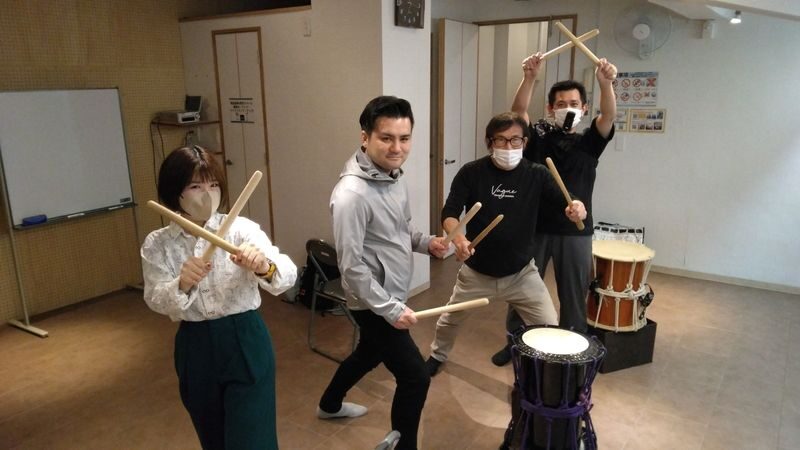
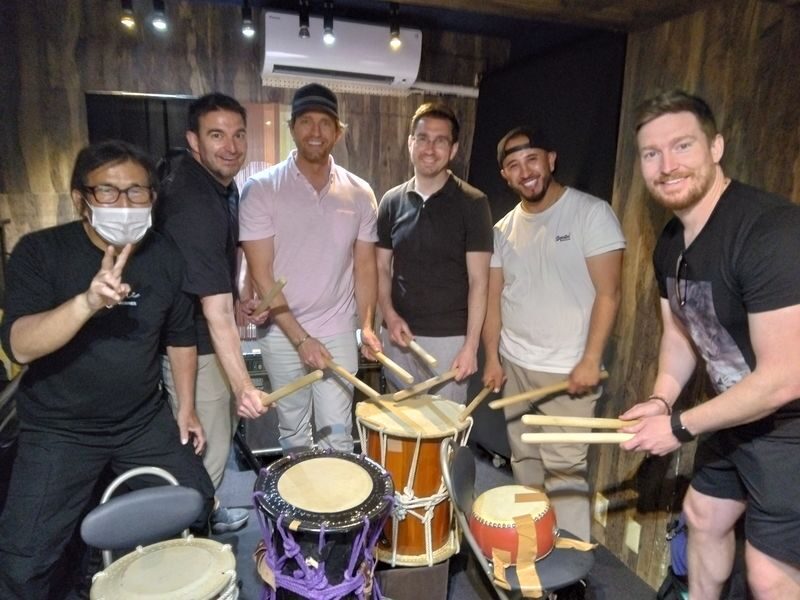
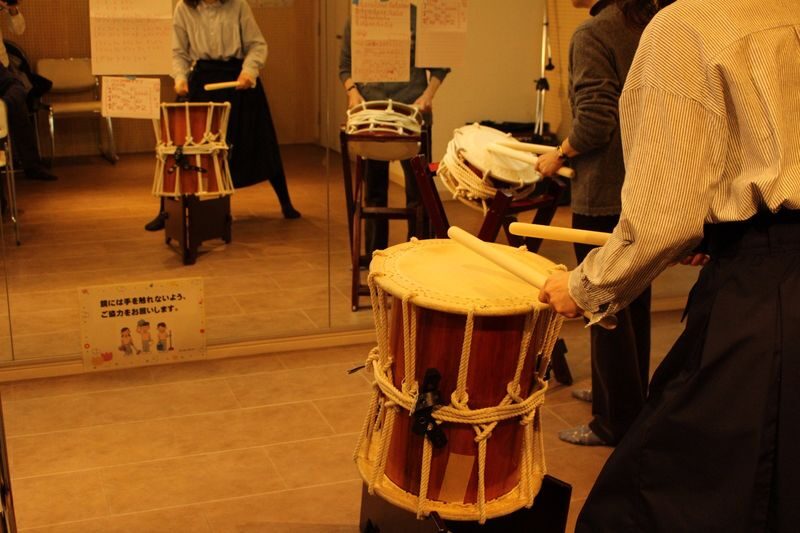
This is a compact, working lesson space, not a polished concert venue. The setup described by participants has included a small number of drums, sometimes positioned on chairs rather than on purpose-built stands. That practical arrangement does not prevent you from learning, but it may not match an image of a formal taiko hall with rows of large drums.
The number of drums can vary with the group. In one session, a group of five shared four drums, which allowed people to take turns and rest. In another, the instructor brought a couple of drums and sticks. You should expect an intimate class, not a fixed display of identical instruments.
The small format has a real advantage: the instructor can pay attention to how each person is doing. You may get a chance to try a rhythm again, ask for help, or take on a more difficult variation. The tradeoff is that the room and equipment are modest, and the experience is more about direct instruction than spectacle.
Some participants have described the class as lasting less than the advertised 50 minutes, with one reporting a session of about 30 minutes. The scheduled duration is around 50 minutes, but it is prudent not to assume every class will use every minute. If you want a long, intensive workshop, this may feel brief.
The Instructor Makes the Difference
Hanada is repeatedly described as warm, funny, and patient, and his ability to read the group helps make a short class work for different abilities. Parents have valued his calm approach with children, while skilled drummers have been given more complex beats to follow. That flexibility matters when a group includes both confident musicians and people who have never played.
English communication has also been praised, including by participants who found that they could follow the lesson despite not sharing the instructor’s first language. Still, the activity information does not promise a particular language for every session, so if clear English instruction is essential for you, check with the provider before booking.
The instructor may also demonstrate more than the bare mechanics. The class is an opportunity to see how a skilled player handles the instrument and to learn through imitation. That personal contact is part of what makes this more meaningful than simply watching a performance, even though the lesson itself remains brief.
Is $18.89 Good Value?
At a starting price of $18.89, this is a relatively inexpensive way to try a traditional Japanese instrument with a teacher rather than just watch someone else play. The price includes tax and the 50-minute Wadaiko experience. Personal expenses beyond that are not included.
The value depends on what you want. If you are curious about taiko, enjoy hands-on activities, or want a memorable break from sightseeing, the cost is easy to justify. You leave having tried the instrument, learned a few rhythms, and worked with an instructor who can adapt the lesson to your level.
If you expect a long workshop, a large purpose-built studio, or a deep study of taiko history and technique, the class is less likely to satisfy you. It is a taste, not a full training program. The reported rating of 4.8 out of 5 from 108 ratings points to strong satisfaction overall, but the less enthusiastic experiences underline the importance of keeping expectations in line with a short, beginner-focused class.






Who Should Book This Class?
I would consider this for first-time drummers, families with children who meet the age requirement, couples, or friends who want to do something active together. It can also work for a practiced percussionist who is happy to start with the basics and see how the instructor develops the lesson. The best fit is a group that values participation and a personal teaching style over elaborate production.
You do not need musical experience, and you do not need to be good at keeping time to enjoy the session. If you are a complete beginner, the step-by-step approach gives you a manageable way in. If you are already a drummer, let Hanada know; the class can include a more demanding beat, though it is still designed as an introductory experience.
A few practical details can help the evening go smoothly. Wear clothes that allow you to move, arrive early at the station meeting point, and do not book this expecting a full hour of continuous drumming. The voucher is for the selected date and time, and you present it on your phone.
Should You Book It?
Book this class if you want a short, affordable, hands-on introduction to taiko and are happy with a compact studio and a simple group performance. The instructor’s patient, adaptable approach is the strongest reason to go, especially if your group has mixed ages or skill levels.
Skip it if your priority is an extended course, a formal concert setting, or a large-scale drum display. For everyone else, this is a lively way to make some noise, learn a few rhythms, and get a feel for the physical skill behind the sound.
Taiko (Japanese Drum) Experience in Tokyo
“Fantastic fun, we had a great time, and my son know wants a Japanese drum at home. We really learnt a lot even though we were not that good, the te…”
FAQ
How long is the taiko class?
The activity lasts about 50 minutes. Allow some flexibility, as the actual lesson may feel shorter.
Where is the meeting point?
Meet outside the Family Mart at the South Exit of JR Okubo Station, at 1-23-21 Hyakunincho in Shinjuku.
What time should I arrive?
Arrive 15 minutes before your scheduled activity time. The listed meet-up time is 18:00, but check your booking for your session time.
How do I get to JR Okubo Station?
Take the Chuo Line to Okubo Station, then go to the South Exit.
What should I wear?
Stretchy clothing is recommended because playing the drums involves movement and can be physically demanding.
Do I need previous drumming experience?
No. The class teaches basic playing and rhythms, and it is suitable for beginners.
What is the minimum age?
Participants must be at least 10 years old. Children aged 10 and up pay the same rate as adults.
Is there a maximum age?
Participants must be under 71 to take part.
What is included in the price?
The price includes tax and the 50-minute Wadaiko, or Japanese drum, experience. Other personal expenses are not included.
How do I show my booking?
Present your mobile voucher at the meeting point.