Ryogoku’s sumo story is best understood on foot, among the neighborhood landmarks tied to the sport, and over a bowl of chanko-nabe, the hearty hot pot associated with wrestlers’ diets. This small-group tour pairs a guided walk with lunch, offering an introduction to sumo without requiring you to catch a match.
I like two things about the plan: you get context for the sport from an English-speaking guide, and the walk connects sumo with other parts of Japanese culture, including a shrine, temple, garden, and sword museum. The meal gives you a chance to try a dish that has a real place in wrestlers’ lives, rather than simply hearing about it.
The main drawback is that you will not watch sumo practice or a bout, and a stable visit is not guaranteed. During a tournament period, wrestlers may be unavailable, and the stable stop may be missed. The advertised timing also varies across the tour details, so confirm the exact duration before booking.
- Chanko-nabe is part of the experience: Lunch introduces you to the hot pot associated with wrestlers’ training diets.
- Ryogoku is the focus: The guided walk visits sumo-related landmarks and takes you past stables from outside when possible.
- Sumo comes with cultural context: The route includes a Shinto shrine, a Buddhist temple, a garden, and a sword museum.
- The guide explains the sport’s long story: Expect an introduction to sumo’s development over roughly 1,600 years.
- It is not a viewing tour: No sumo bouts or training sessions are included, and stable access is not assured.
- Check the schedule details: The information gives both a two-hour duration and a 9:30 a.m. to 1 p.m. schedule.
- Start in Ryogoku, Tokyo’s sumo neighborhood
- Learn the story behind sumo
- Walk beyond the sumo landmarks
- Sit down to chanko-nabe
- Set expectations about the route and timing
- Is 6.99 a fair price?
- Who should book this Ryogoku walk?
- Should you book it?
- FAQ
- Does the tour include watching a sumo match?
- Will I visit a sumo stable?
- Is lunch included?
- Where does the tour start?
- How long does the tour last?
- What is included in the price?
- The Best Of Tokyo!
- More Historical Tours in Tokyo
- More Tours in Tokyo
- More Tour Reviews in Tokyo
- Not for you? Here's more nearby things to do in Tokyo we have reviewed
Start in Ryogoku, Tokyo’s sumo neighborhood
 1 / 8
 2 / 8
 3 / 8
 4 / 8
 5 / 8
 6 / 8
 7 / 8
 8 / 8
The tour begins at 9:30 a.m. near Toei Oedo Line Ryogoku Station. Take care with the station name: Ryogoku also has a JR station, but the meeting instructions specify the Toei station, E12, A3 Exit, at ground level. Arrive five minutes early. Late arrivals and no-shows are not refundable.
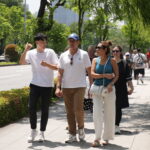
Ryogoku makes a fitting place to learn about sumo because the tour does not treat the sport as an isolated spectacle. You walk through the area associated with it, hear about its traditions, and see landmarks linked to its history. That setting can make the rules and rituals easier to follow later, whether you watch sumo in Japan or at home.
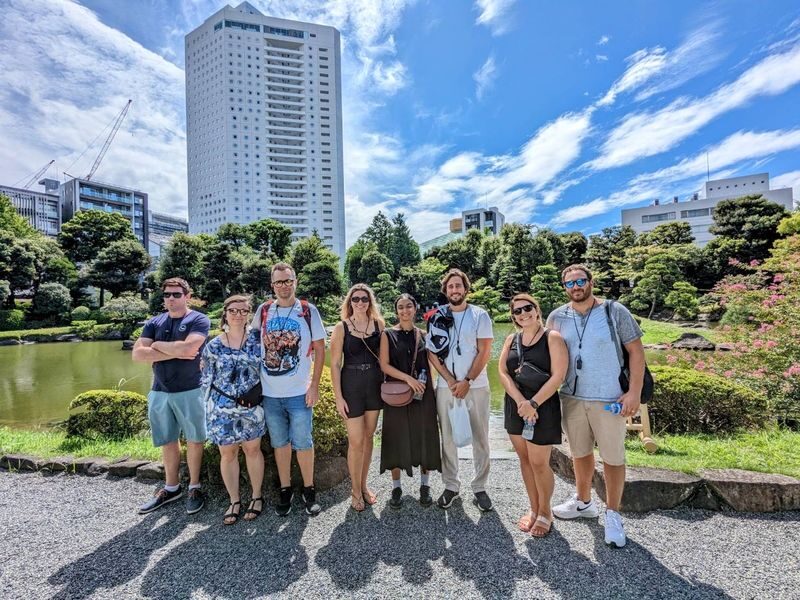
The tour is described as small-group, but no maximum group size is given. If the size of the group matters to you, ask the operator before booking. An English-speaking guide is included, and the guide is meant to connect the neighborhood stops with sumo’s history and wrestlers’ everyday lives.

👉 See our pick of the 25 Best Guided Tours In Tokyo
Learn the story behind sumo
The guide introduces sumo as a sport with a history stretching back about 1,600 years. The value here is not a technical lesson in every rule. It is the chance to gain background that can help you make sense of the sport’s traditions and appreciate what you are watching when you later see a match.
The tour also considers the lifestyles of sumo wrestlers. You will hear about their connection to chanko-nabe and pass sumo stables from outside. A stable is where wrestlers train, but this tour does not promise entry or a view of practice. If seeing wrestlers in action is your main reason for visiting Ryogoku, choose a tour specifically advertised as a practice-viewing experience instead.
That distinction matters. This is a sumo culture and food walk, not a shortcut into a stable. Even the exterior visit can add useful context, but it is not the same as seeing wrestlers train. Availability can also change: during a tournament period, wrestlers may be away or unavailable, and a stable stop may not happen. Ask whether a stable visit is expected on your chosen date if that detail is important to you.
You can also read our reviews of more historical tours in Tokyo

Walk beyond the sumo landmarks
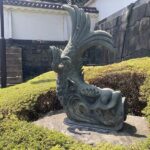
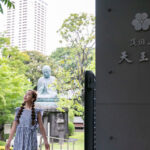
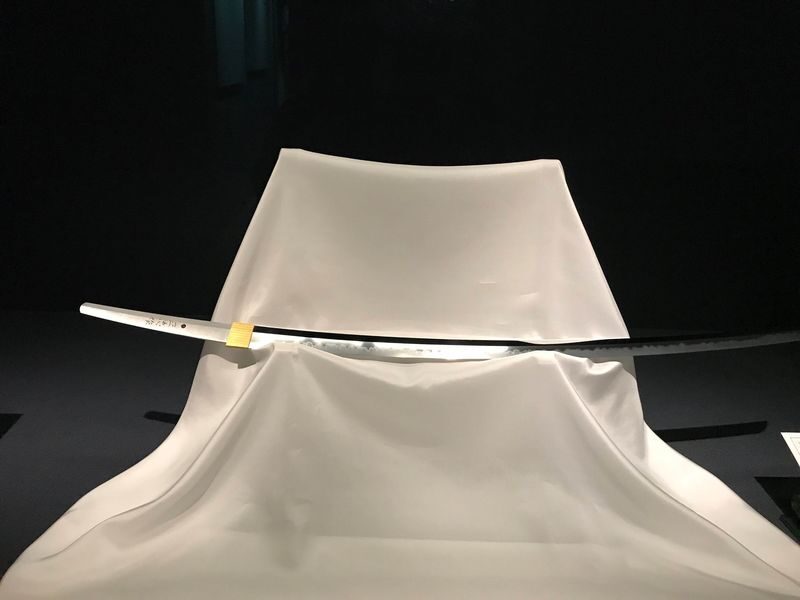
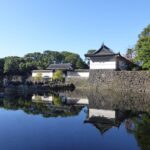
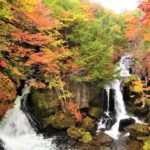
Sumo is the main theme, but the route also brings in other parts of Japanese culture. The planned stops include a Shinto shrine, a Buddhist temple, a garden, and a sword museum. These broaden the walk beyond wrestling and give you several ways to think about the area’s history and traditions.
The supplied details do not name each site or explain how long the group spends at each one. Treat these as cultural stops within a guided neighborhood walk, not as a series of lengthy museum visits. The return point is Hana no Mai Edo Tokyo Museum in Kamezawa, rather than the station where you meet.
That ending point is worth noting if you are planning the rest of your day. You will finish in the same general area, but not at the original meeting spot. The tour information does not say whether admission to the sword museum or other sites is included, so check with the operator if you want to know whether you will go inside any particular building.
Sit down to chanko-nabe
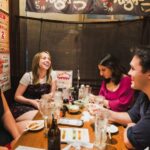
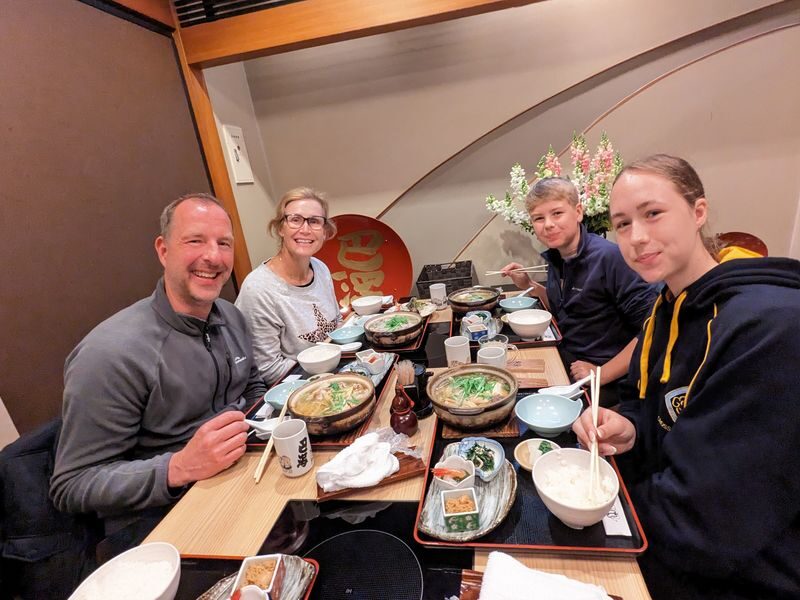
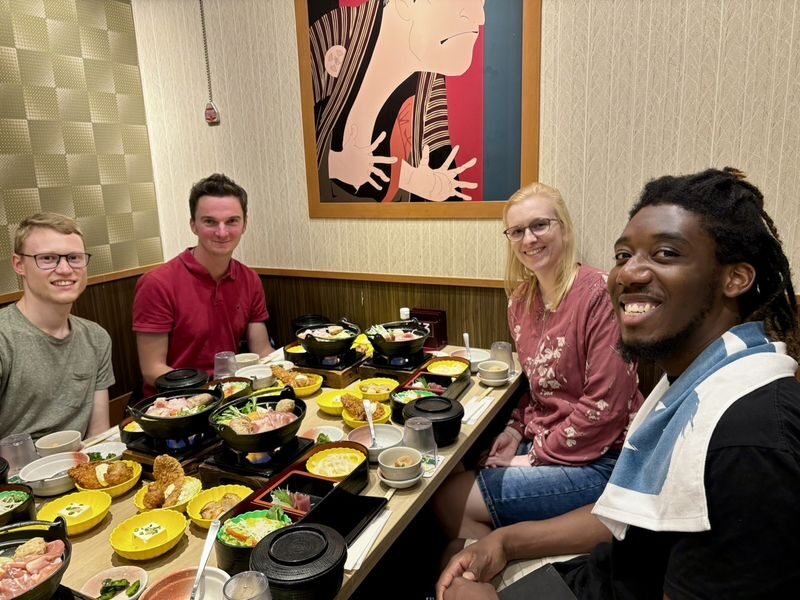
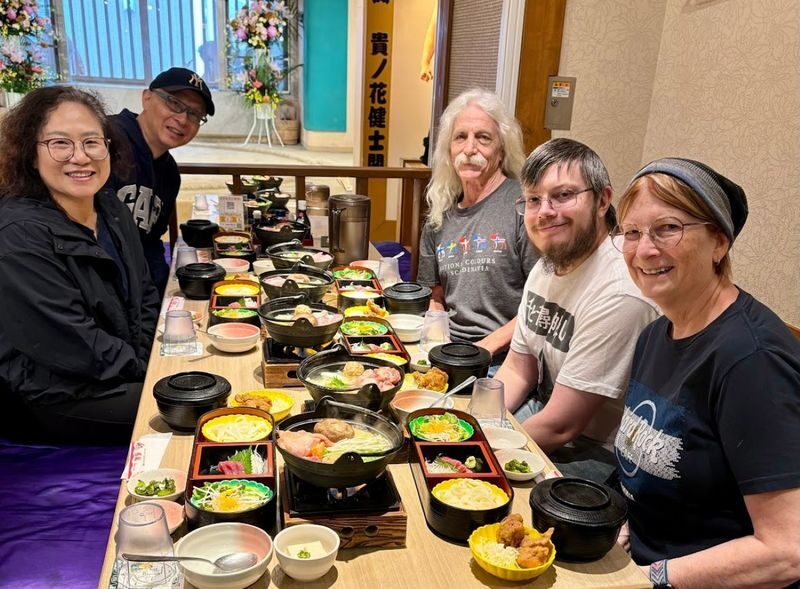
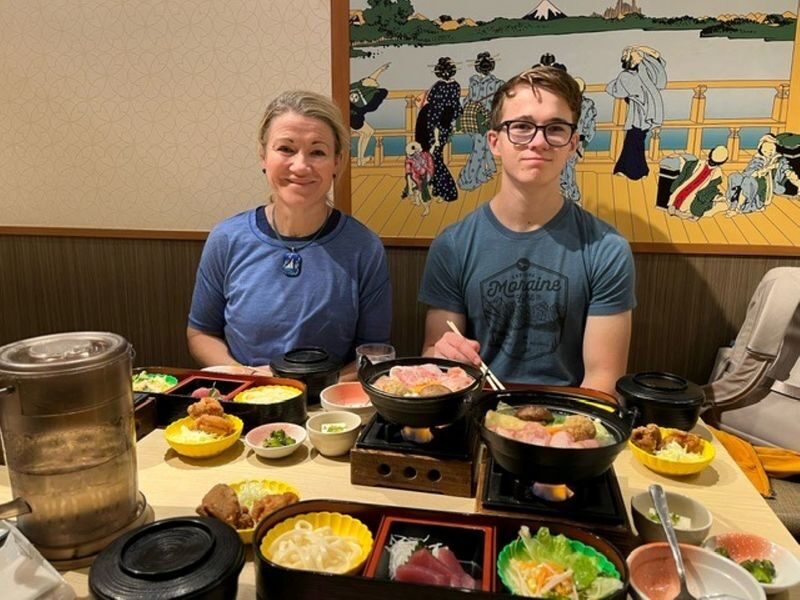
Lunch is a central part of the experience, not an afterthought. Chanko-nabe is a hot pot associated with sumo wrestlers’ diets, and the tour takes you to a restaurant in Ryogoku known for serving it. The dish is described as nutrient-rich and connected with wrestlers’ efforts to build their bodies.
The menu can change with the season and ingredient availability. That flexibility makes sense for a meal built around hot-pot ingredients, but it means you should not book expecting one exact menu. Lunch is included in the tour price; other personal expenses are not.
I see the meal as a useful part of the cultural introduction. You get to try a dish tied to the subject of the walk, rather than hearing about wrestlers’ food habits in the abstract. Still, the available details do not specify the ingredients, serving size, or how dietary needs are handled. If you have an allergy or a strict dietary requirement, contact the operator before you book rather than assuming the restaurant can accommodate it.
Set expectations about the route and timing
There is a timing discrepancy to sort out. The tour is described in one place as two hours, and the guided walk is also given as two and a half hours. Yet the listed departure is 9:30 a.m. and the return is 1 p.m., a three-and-a-half-hour span. Traffic and weather may also affect the schedule.
Do not build a tight appointment around the advertised finish until you have confirmed the current timing. The gap could reflect time for lunch or other parts of the outing, but the details do not explain it. Ask the operator to confirm how long the tour lasts and what time you should expect to finish on your date.
The route is on foot, but no walking distance, pace, or accessibility information is provided. If you need those details, ask before booking. The meeting point instructions are unusually specific for a reason: there are two Ryogoku stations, and the tour starts at the Toei Oedo Line station, not the JR station.
Is $146.99 a fair price?
The join-in tour starts at US$146.99 and includes an English-speaking guide and lunch. You are paying for a guided neighborhood experience with a themed meal, not for a sumo ticket, training session, or stable visit. The price makes the most sense if you value the guide’s historical context and want chanko-nabe included in the same outing.
The value is less clear if you mainly want to watch wrestlers. This tour explicitly does not include sumo bouts or practice, and the stable stop is not guaranteed. A dedicated practice-viewing tour may suit that goal better, though it would be a different kind of experience.
There is no listed price for optional purchases, and tips and gratuities are excluded. Children aged 0 to 5 are free. If you are comparing tours, focus on what each one promises: this one combines a sumo introduction, local landmarks, and lunch, rather than putting you in front of a wrestling session.
You can also read our reviews of more tours and experiences in Tokyo



Who should book this Ryogoku walk?
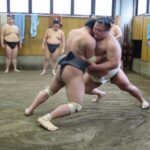
This tour suits you if you are curious about sumo but do not yet know much about its history or traditions. It also works for someone who wants a guided introduction to Ryogoku and appreciates having lunch included. The mix of sumo-related places and broader cultural stops gives the morning more range than a single-topic food outing.
It is a weaker match if your main aim is to see a live bout, watch morning practice, or enter a stable. Those are not part of the tour. If stable access matters, get a clear answer about the planned stop before paying, particularly around tournament dates.
The tour is also a good fit if you like learning through place and food. You can connect what the guide explains about wrestlers’ lives with the neighborhood and the meal. That context may add more to a future sumo match than a quick visit to a stadium would on its own.
Should you book it?
Book this tour if you want sumo background, a walk around Ryogoku, and chanko-nabe lunch in one outing. Go in expecting an introduction, not a chance to see wrestlers train. Before you commit, confirm the tour’s actual duration and ask whether a stable visit is planned for your date. If you need a guaranteed sumo viewing, choose a tour built around practice or a match instead.
Ryogoku Sumo History & Culture Day Tour with Chanko-nabe Lunch
FAQ
Does the tour include watching a sumo match?
No. The tour does not include watching sumo bouts or practice.
Will I visit a sumo stable?
The walk includes sumo stables from outside, but a stable visit is not guaranteed. Wrestlers may be unavailable, especially around tournament periods.
Is lunch included?
Yes. Lunch is included, and the meal features chanko-nabe at a restaurant in Ryogoku. The menu may change with the season and ingredient availability.
Where does the tour start?
The meeting point is at the Toei Oedo Line Ryogoku Station, E12, A3 Exit, at ground level. Do not go to the JR Ryogoku Station.
How long does the tour last?
The details give different timings: a two-hour duration, a two-and-a-half-hour guided tour, and a 9:30 a.m. departure with a 1 p.m. return. Confirm the expected duration with the operator before booking.
What is included in the price?
The tour includes an English-speaking guide and lunch. Personal expenses and tips are not included.