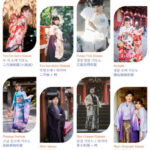
Choose a vintage kimono, make a few simple alterations, then take it home as a wearable souvenir. That is the appeal of Tokyo Kimono Make: you do more than try on traditional clothing for a quick photo. You help adapt an old garment for easier dressing, with staff guiding you through the work.
I like two things in particular: the hands-on making gives the experience a personal touch, and the finished kimono is yours to keep. English-speaking staff help with the process, and the included easy-to-wear obi lets you see the outfit come together.
The main caveat is the final cost. The starting price covers a red-sticker kimono, while higher-grade choices and a purchased obi or accessories add to the bill. Go in with a budget and ask what each option costs before choosing.
- At a glance
- Choose a kimono that suits your style and budget
- Make the garment easier to wear
- Try on the finished look
- What the price really includes
- Men and children need a little planning
- Getting to the shop and choosing a session
- Who will enjoy this experience most?
- Should you book it?
- FAQ
- How long does the kimono remake experience take?
- What is included in the starting price?
- Do I have to buy an obi?
- Can men and children take part?
- Where is the meeting point?
- What is the cancellation policy?
- The Best Of Tokyo!
- More Tours in Tokyo
- More Tour Reviews in Tokyo
- Not for you? Here's more nearby things to do in Tokyo we have reviewed
At a glance
 1 / 9
 2 / 9
 3 / 9
 4 / 9
 5 / 9
 6 / 9
 7 / 9
 8 / 9
 9 / 9
- Choose from more than 340 vintage kimono: Designs and prices vary, and some pieces show wear or staining.
- Make practical alterations: You use an iron and hemming tape to adapt the garment for easier wear.
- Take home the red-sticker kimono: Higher grades cost extra, as do purchased obi and other accessories.
- Plan for 90 minutes: The bookable package is listed as a 90-minute experience, though other details describe a one-hour session.
- English-speaking staff are available: Instructors explain the steps and help with fitting and styling.
- Check the location and child terms: The session may move to a second shop, and families should confirm exactly what a child’s booking includes.

👉 See our pick of the 25 Best Guided Tours In Tokyo
Choose a kimono that suits your style and budget
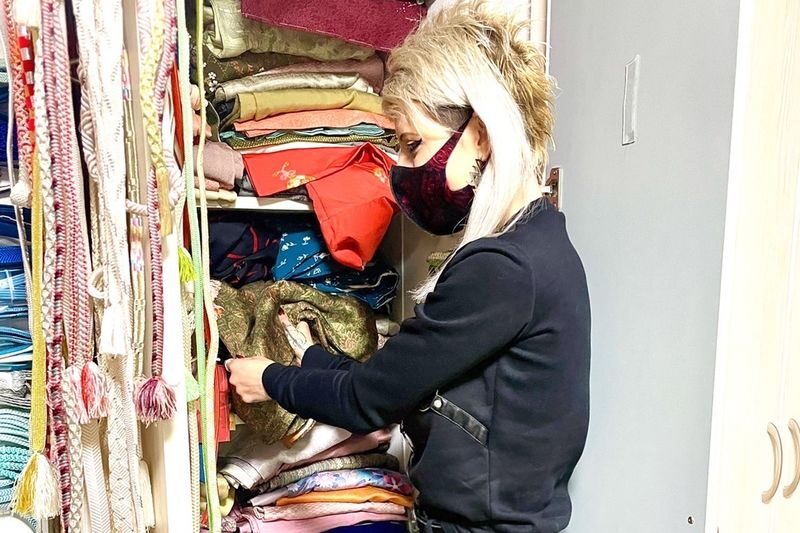
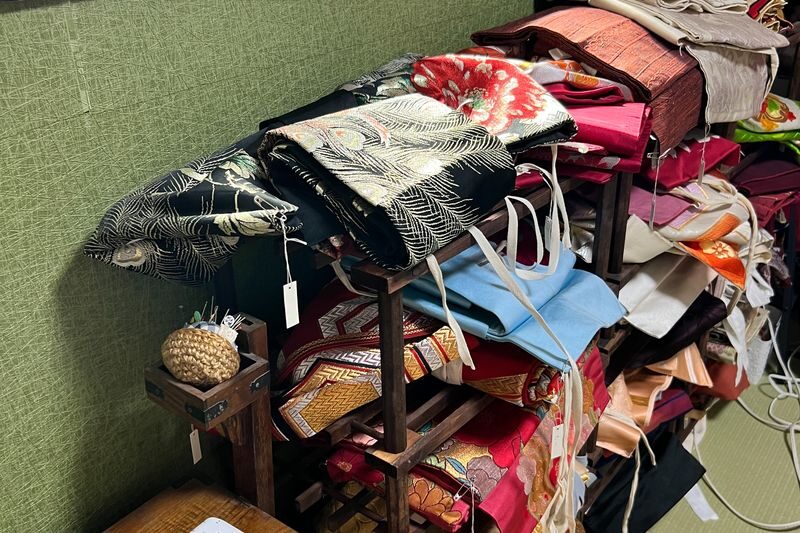
The first part is browsing. Tokyo Kimono Make has more than 340 antique kimono, with choices across several colors, patterns, and price grades. The range is part of the fun, but it can also make choosing take longer than expected. Staff can help you compare pieces and find one you like.
The base price, from $37.89, covers the lowest grade, marked with a red sticker. You can choose a blue-sticker kimono for an extra ¥2,000, a green one for ¥4,000 more, or a yellow one for ¥6,000 more. These are vintage garments, not new stock, so look closely at the fabric and ask about any marks before you commit.
That last point matters. Some people find an appealing, high-quality piece at a good price; others have found staining or limited choice in a particular style. The inventory is large overall, but no one can promise a specific size, condition, or design on your chosen day. Take your time under the shop’s lighting and check the garment from more than one angle.
You can also read our reviews of more tours and experiences in Tokyo.



Make the garment easier to wear
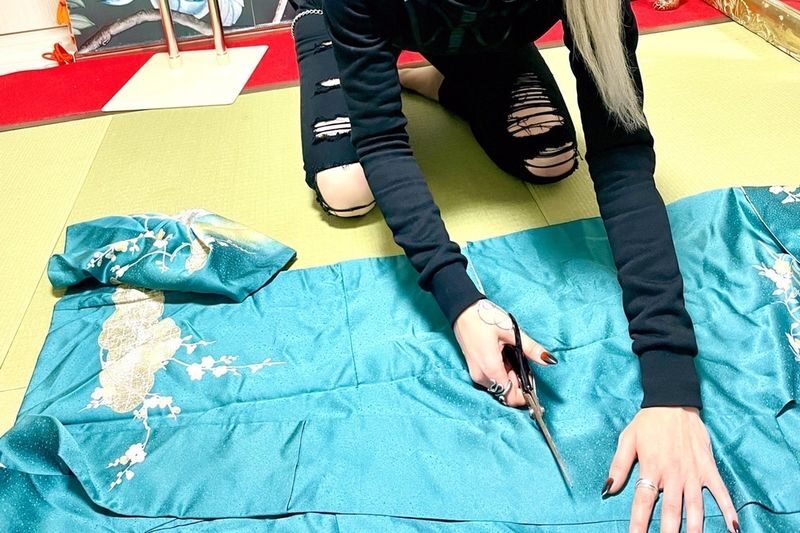
Once you have chosen, staff show you how to remake the kimono using an iron and hemming tape. The work is intended to make the garment easier to put on later, not to teach traditional tailoring. Expect a practical, beginner-friendly process rather than a sewing course.
The changes can vary with the garment and the person wearing it. Some participants cut a kimono into separate top and bottom pieces; others make adjustments that suit their height or preferred way of dressing. Staff guide each step, so you are not left to guess where to cut or press.
The appeal is simple: you take part in changing a vintage garment instead of buying a finished souvenir off a shelf. It also gives you a better sense of how the clothing works. The alterations use straightforward tools, but you should still listen carefully before cutting. This is your chance to make the piece wearable, not a reason to rush.
The session is described in different places as one hour and 90 minutes. The package itself is titled the 90-minute kimono remake experience, so I would set aside about an hour and a half rather than schedule a tight connection afterward. The actual time may depend on the group and how long you spend choosing.
Try on the finished look
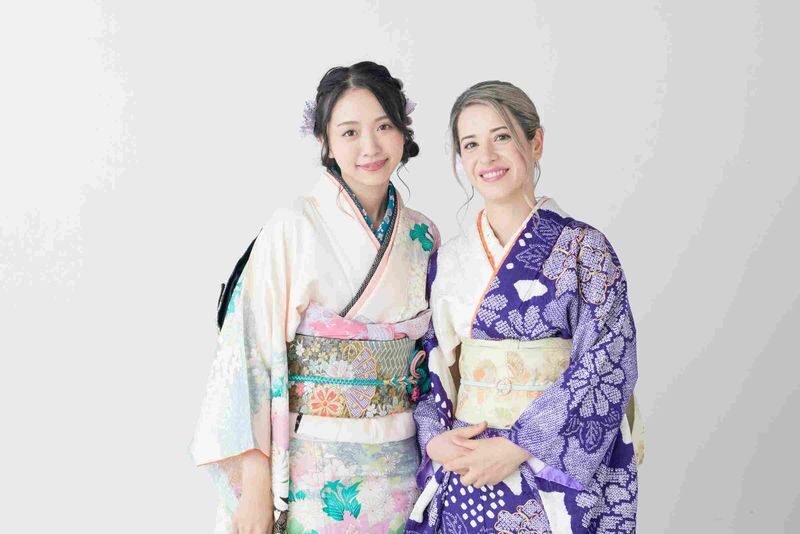
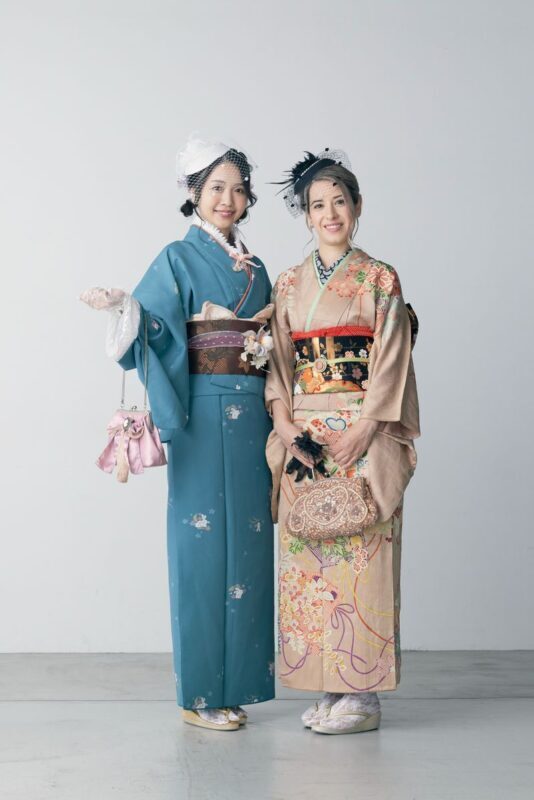
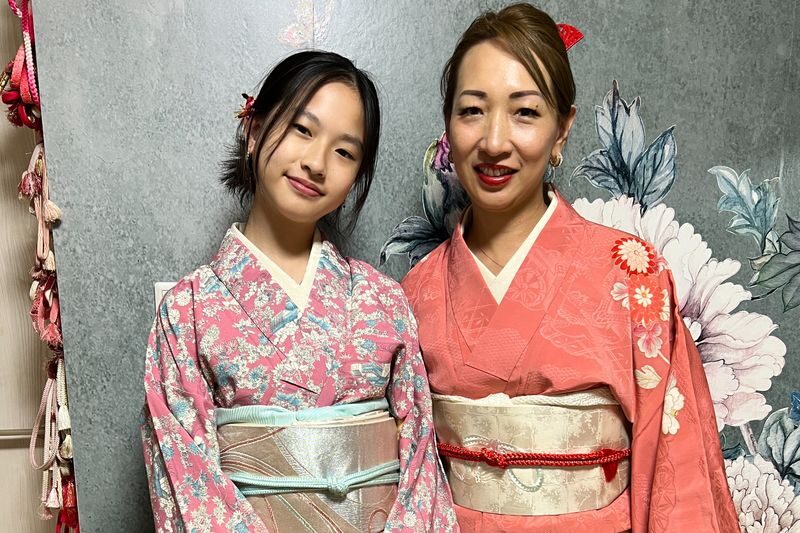
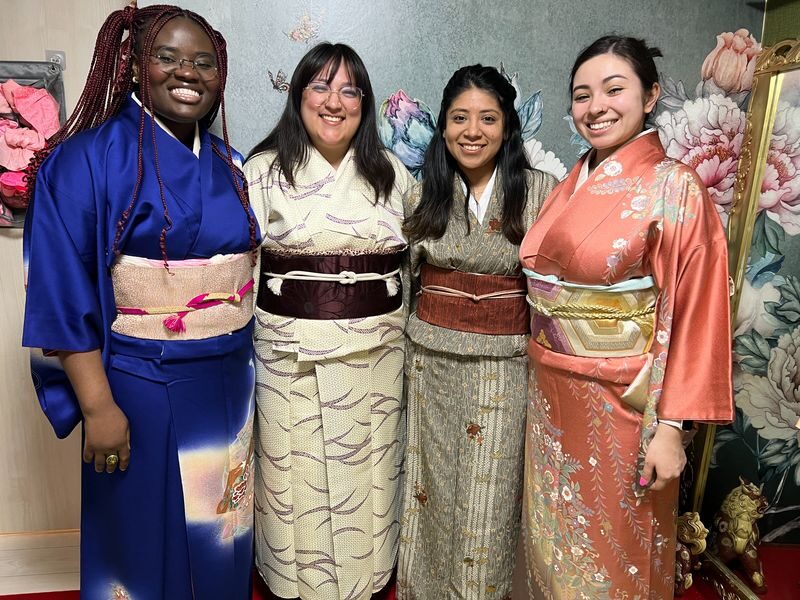
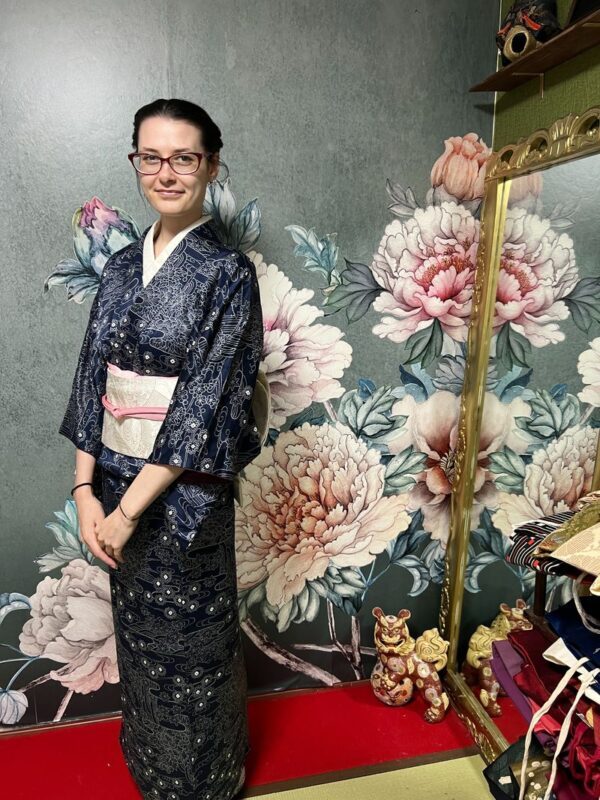
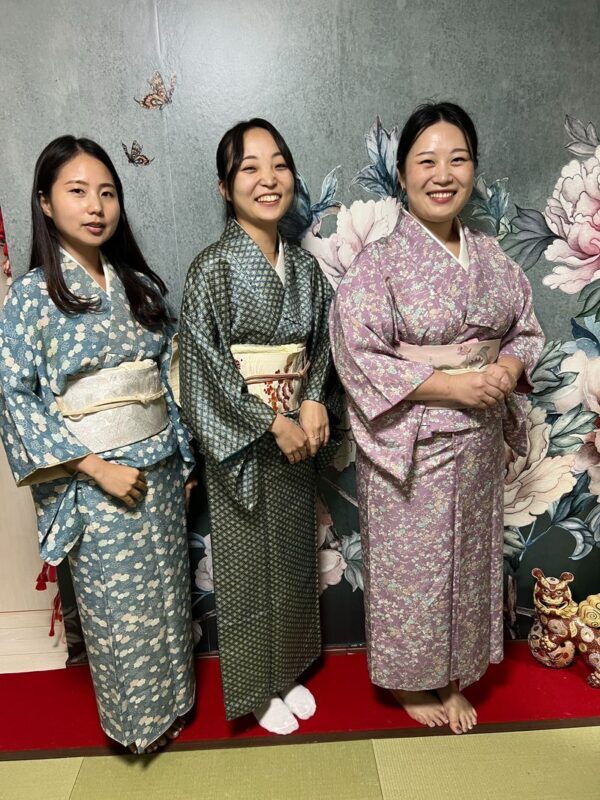
After the remake, staff help you put on the kimono and show how the outfit comes together. The included easy-to-wear obi is rented for the session, so you can see the finished effect and take photos without buying a belt. This is useful if you are still deciding whether you want to own the full set.
A purchased obi costs from ¥4,000, with the stated range reaching ¥10,000. If you buy one, an obiage and obijime are included as gifts. These are the coordinating pieces that help complete the outfit, and buying a set can make sense if you plan to wear the kimono again. If you only want the making experience and a kimono to take home, renting the obi for photos keeps the cost down.
The staff may also help you take pictures, and it is worth recording the dressing steps if you want a reminder for home. One participant received follow-up instructions on how to put the ensemble on. Do not assume every session includes the same follow-up, but ask staff to show you the order of the pieces while you are there.
What the price really includes
At the starting price, you receive the remake activity, material fee, English- and Japanese-speaking staff, a red-sticker kimono to take home, and rental of an easy-to-wear obi. That is a fair entry point for a guided activity that leaves you with a physical souvenir, especially if you choose a red-sticker piece and do not buy extra accessories.
The total can climb quickly if you fall for an upgraded garment or want the complete outfit. Higher kimono grades add ¥2,000 to ¥6,000, and a purchased obi is an additional ¥4,000 to ¥10,000. Ask for the total before the shop begins preparing a purchase, and separate what is included in the booking from what you are considering buying.
Most accounts of the experience describe staff as patient and clear about extra costs. One participant, however, described feeling uncomfortable with sales pressure and how their belongings were handled. That is an individual account, not proof of a routine problem, but it is sensible to set your budget in advance and feel free to decline any add-ons.
Men and children need a little planning
The activity accepts reservations for men, but the supplied details say only women’s kimono are available. For men, the activity is described as printing the kanji for a name and family crest on the kimono, since the length cannot be adjusted in the same way. Some families have also taken part with men’s pieces, so confirm exactly what the men’s option includes before booking if that is a key reason for your visit.
Children aged three and older may participate. Children’s kimono are made differently from adult garments, with a dress-like design tied by a string for easier wear. One family reported confusion about whether a child’s booking included a kimono to take home, so ask the operator directly what is included for your child and what would cost extra.





Getting to the shop and choosing a session
The main address is 6 Chome-8-6 Kiba, Koto City, Tokyo. From Kiba Station on the Tokyo Metro Tozai Line, the walk is about five minutes. The directions warn that several buildings share the address, so look for the building with a sign on the corner. A few people have found the shop tricky to locate; read the directions sent after booking rather than relying only on a map pin.
Sessions are offered at 10:30, 13:30, and 16:30, and you must arrive for the time selected. If the Kiba shop is full, your session may move to a second shop about five minutes’ walk from Toyocho Station. The alternate address is 〒135-0016 東京都江東区東陽5丁目25-15. Check your confirmation for the correct meeting point.
Bring a bag to carry your kimono home. For a comfortable fit, the operator advises flattening the chest; a kimono bra can be rented free at the shop. If you have spats, bring them or wear them under your trousers or skirt.
Who will enjoy this experience most?
This is a good fit if you want a souvenir with a story and enjoy making something with your hands. You do not need tailoring experience, and the staff explain the steps. Solo participants can book, while couples, friends, and families can share the choosing and photo-taking.
It is also a practical choice if you have wanted to own a kimono but found new garments costly. The pieces here are vintage, and the price can be much lower than buying a new kimono of similar quality. Still, condition varies, and the base price does not include every accessory. Consider it a chance to find a one-off garment, not a guarantee of a pristine or perfectly matched set.
If your main goal is a polished, full kimono outfit without extra shopping decisions, budget for the obi and other pieces. If you simply want to try the process and take home the included garment, you can keep spending nearer the advertised starting rate by choosing a red-sticker kimono and using the rental obi.
Should you book it?
Book this if you like the idea of turning a vintage kimono into something you can wear, and you are comfortable making a few simple alterations with guidance. The friendly, English-speaking instruction and the take-home garment are the strongest reasons to go.
Skip it if you need a specific size or flawless fabric, or if you want a complete outfit at the base price. For the best experience, arrive on time, inspect your kimono carefully, confirm the child or men’s package details in advance, and decide how much you are willing to spend on upgrades.
Remake Your Own Kimono Experience in Tokyo
“the second we walked in we were greeted and taken care of everything was explained clearly about the extra charges. due to last minute change of pl…”
FAQ
How long does the kimono remake experience take?
The package is described as a 90-minute experience, though other details refer to one hour. Plan for about 90 minutes.
What is included in the starting price?
The price includes the remake activity, materials, staff, a red-sticker kimono to take home, and rental of an easy-to-wear obi.
Do I have to buy an obi?
No. An easy-to-wear obi is available to rent for the experience and photos. Purchasing an obi is optional and costs from ¥4,000.
Can men and children take part?
Men can reserve, though the activity details describe a name and family-crest printing option because kimono length cannot be adjusted for men. Children aged three and older can participate, with a different, easier-to-wear garment. Confirm what a child’s booking includes before you go.
Where is the meeting point?
The main shop is at 6 Chome-8-6 Kiba, Koto City, a five-minute walk from Kiba Station. If the Kiba shop is full, the session may be held at a second shop near Toyocho Station. Check your booking confirmation for the correct location.
What is the cancellation policy?
You can receive a full refund if you cancel at least 72 hours before the activity date, using local time at the destination. Late arrivals and no-shows are not eligible for a refund or change.